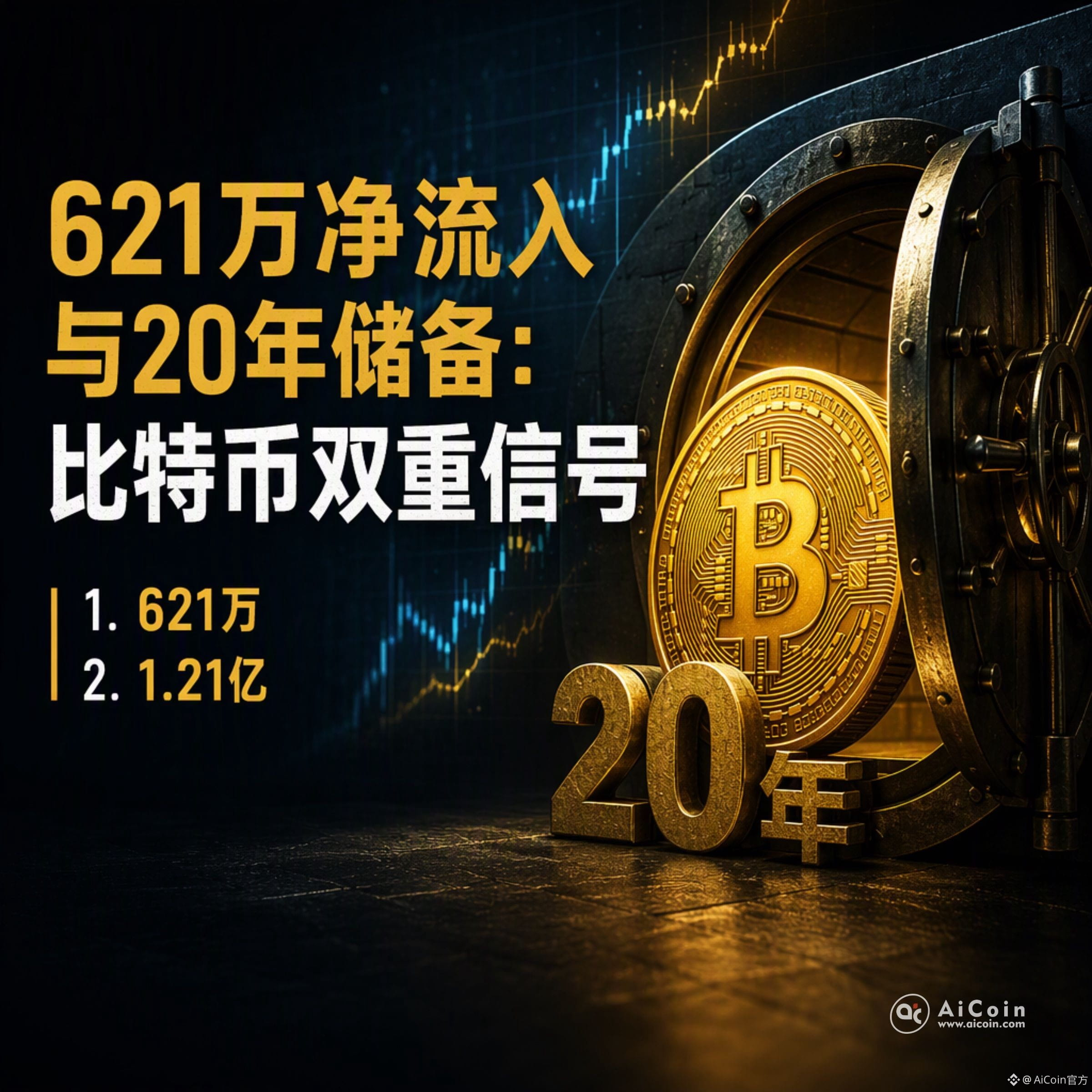

BlackRock’s IBIT saw weekly net inflows of about $121 million, while the total net inflows across all Bitcoin spot ETFs last week were only $6.2137 million—this contrast alone says a lot.
In other words, traditional capital hasn’t been spread evenly across products; it’s heavily tilted toward a small number of top ETFs. For institutions, concentrating exposure in the products with the best liquidity and the most mature infrastructure is simpler from a compliance and operational standpoint, but it also quietly increases concentration at the point of entry.
On the other hand, the U.S. House Financial Services Committee has just approved a revised draft of H.R. 8957, which proposes that any Bitcoin held by the federal government be locked away for at least 20 years and not be disposed of. If this moves forward, it would add another layer of supply lock-up over the long term.
With short-term ETF channels offering high liquidity, combined with the possible emergence of long-term reserve lockups, the two questions of “who controls access” and “who locks up supply” for Bitcoin may be even more worth watching than the price itself.
In other words, traditional capital hasn’t been spread evenly across products; it’s heavily tilted toward a small number of top ETFs. For institutions, concentrating exposure in the products with the best liquidity and the most mature infrastructure is simpler from a compliance and operational standpoint, but it also quietly increases concentration at the point of entry.
On the other hand, the U.S. House Financial Services Committee has just approved a revised draft of H.R. 8957, which proposes that any Bitcoin held by the federal government be locked away for at least 20 years and not be disposed of. If this moves forward, it would add another layer of supply lock-up over the long term.
With short-term ETF channels offering high liquidity, combined with the possible emergence of long-term reserve lockups, the two questions of “who controls access” and “who locks up supply” for Bitcoin may be even more worth watching than the price itself.