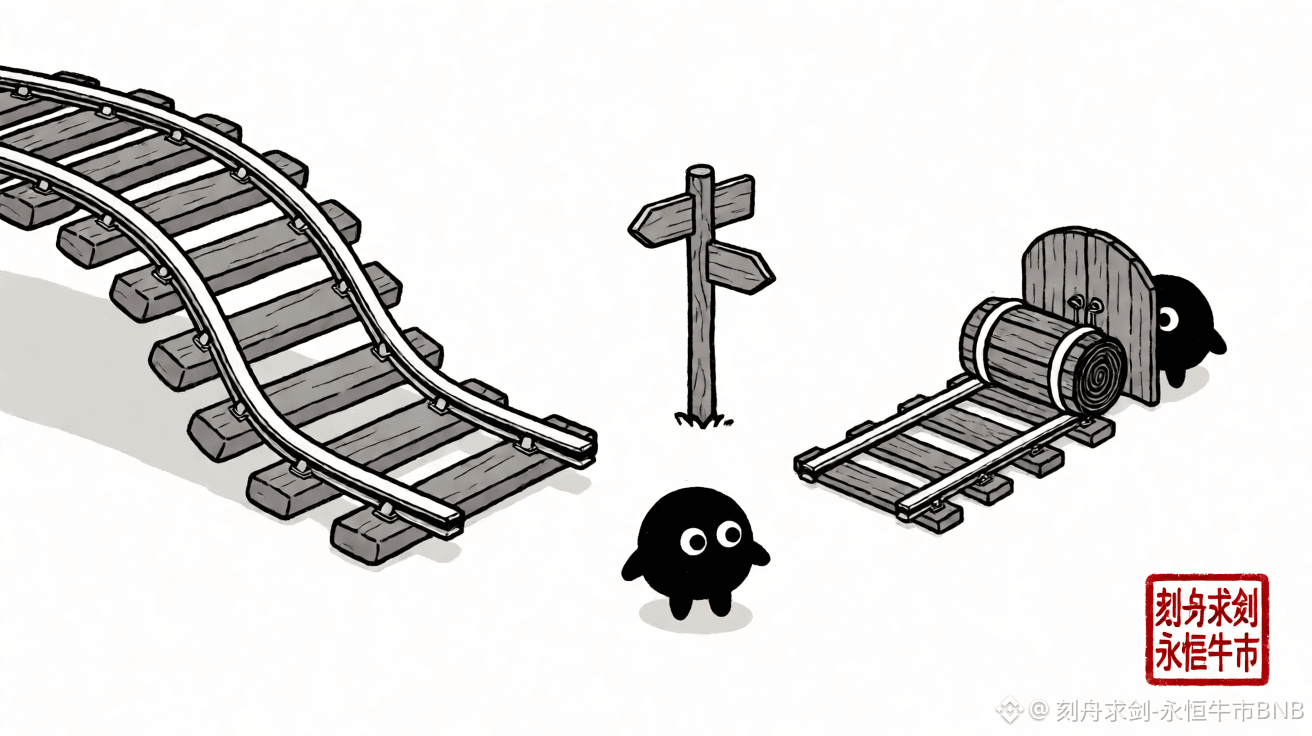
On September 21, the European Central Bank connected a tokenized securities platform to its own clearing system: the bonds and the cash settle at the same time. It first onboarded several European large banks and a custody institution, with the initial settlement window scheduled for daytime on business days. The goal is to make the central bank’s money a settlement option for tokenized trading.
The day before, at 10:58 a.m. U.S. Eastern Time, the governance vote for shutting down a layer of its own chain concluded: 99.4% voted in favor, a 58% participation rate, and a 40% threshold. The total supply remains unchanged at 2.1 billion tokens; decimals are reduced from 18 to 9. The unlock schedule keeps the original dates, and staking rewards during the transition period are still paid out. The snapshot height, the chain-off block, and the claiming process were pushed to the second proposal; the redemption list only includes holdings on the native chain—holdings on the other two chains are out of scope.
I went through the order book: the quoted price is $0.0659. Over the last 24 hours it’s up 70.7%, up 83.3% over 7 days, and up 98.4% over 30 days, with a market cap of about $105 million. It is still 97.7% below the February 2024 peak. On Binance, it isn’t listed on the spot listings page—it only appears on the derivatives side. On the spot side, there are platform token BNB and a few similarly named assets.
The official rationale is maintenance cost: each time the underlying patch needs to coordinate dozens of validators. Background: in April, a cross-chain gateway contract was exploited, resulting in the transfer of about $334,000. The pivot destination is a private, multi-model application; the official claims it has 300,000 users. The token is converted into a locked asset in exchange for service quota, though the rules have not been published.
Similar assets are split into two groups by whether the chain is shut down: for Zeta and Harmony, which are not shut down, the 7-day returns are 83.3% and 582%, and turnover is 124% and 159%, respectively. For BounceBit and Celo, which have already been shut down, the 7-day returns are 8.9% and 14.1%, and turnover is 47% and 11%. The only one that’s paying is the segment that has not yet been shut down.
The takeaway is up front: this settlement layer is moving toward a public rails setup, and the project’s reasons for maintaining its own chain are being diluted. This round’s buy window is the “not yet shut down” segment. The redemption gate is open only to holdings on the native chain, and the available supply that can be verified in the terms hasn’t decreased. The most fragile part is the redemption: if the native-chain balance doesn’t move after the proposal is implemented, it would mean the other two chains weren’t used to move tokens over—then the conclusion would need to be revised. Whether to buy it or not: on Binance, the derivatives order book already shows the price and depth, and the similarly named assets on the spot listings side are also public. This article is for recording opinions only and does not constitute investment advice. $FIL
$AR
$WAL
#欧洲央行启动区块链欧元结算
The day before, at 10:58 a.m. U.S. Eastern Time, the governance vote for shutting down a layer of its own chain concluded: 99.4% voted in favor, a 58% participation rate, and a 40% threshold. The total supply remains unchanged at 2.1 billion tokens; decimals are reduced from 18 to 9. The unlock schedule keeps the original dates, and staking rewards during the transition period are still paid out. The snapshot height, the chain-off block, and the claiming process were pushed to the second proposal; the redemption list only includes holdings on the native chain—holdings on the other two chains are out of scope.
I went through the order book: the quoted price is $0.0659. Over the last 24 hours it’s up 70.7%, up 83.3% over 7 days, and up 98.4% over 30 days, with a market cap of about $105 million. It is still 97.7% below the February 2024 peak. On Binance, it isn’t listed on the spot listings page—it only appears on the derivatives side. On the spot side, there are platform token BNB and a few similarly named assets.
The official rationale is maintenance cost: each time the underlying patch needs to coordinate dozens of validators. Background: in April, a cross-chain gateway contract was exploited, resulting in the transfer of about $334,000. The pivot destination is a private, multi-model application; the official claims it has 300,000 users. The token is converted into a locked asset in exchange for service quota, though the rules have not been published.
Similar assets are split into two groups by whether the chain is shut down: for Zeta and Harmony, which are not shut down, the 7-day returns are 83.3% and 582%, and turnover is 124% and 159%, respectively. For BounceBit and Celo, which have already been shut down, the 7-day returns are 8.9% and 14.1%, and turnover is 47% and 11%. The only one that’s paying is the segment that has not yet been shut down.
The takeaway is up front: this settlement layer is moving toward a public rails setup, and the project’s reasons for maintaining its own chain are being diluted. This round’s buy window is the “not yet shut down” segment. The redemption gate is open only to holdings on the native chain, and the available supply that can be verified in the terms hasn’t decreased. The most fragile part is the redemption: if the native-chain balance doesn’t move after the proposal is implemented, it would mean the other two chains weren’t used to move tokens over—then the conclusion would need to be revised. Whether to buy it or not: on Binance, the derivatives order book already shows the price and depth, and the similarly named assets on the spot listings side are also public. This article is for recording opinions only and does not constitute investment advice. $FIL
$AR
$WAL
#欧洲央行启动区块链欧元结算