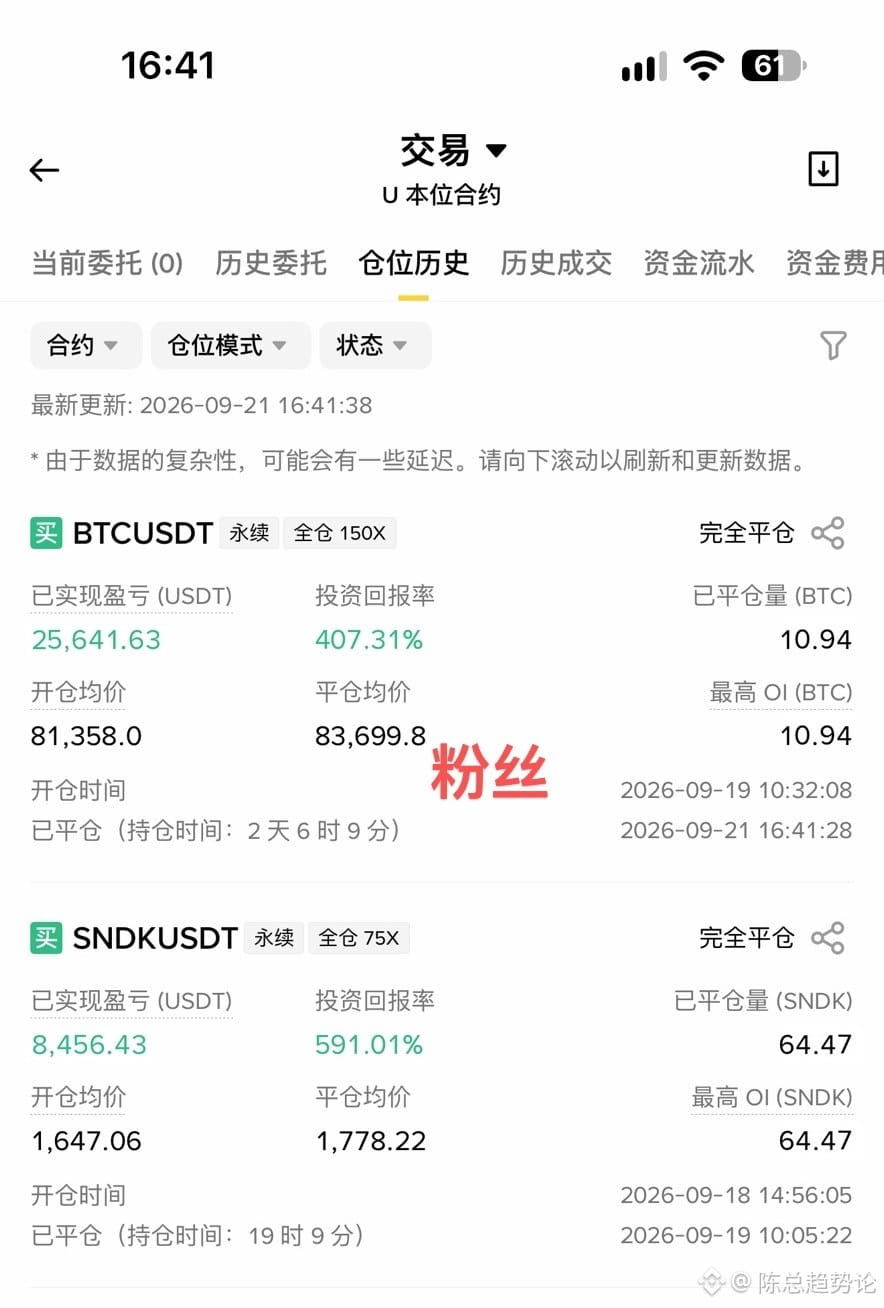
Say something that stings but is true: many people lose money on futures contracts—not because the technology isn’t good, but because they didn’t understand what they’re doing from the very first step of placing an order.
Opening trades on a whim without looking at supporting and resistance levels, not calculating how much loss you can truly withstand; when you win you get greedy and refuse to exit, and when you lose you just stubbornly wait for a rebound. After a few rounds of this, the account gets thinner and thinner.
If you’re still repeatedly losing in futures, first fix these bad habits:
First, lock in your plan before placing a trade. Don’t start by thinking about how much you can profit from this single trade; instead, think about how you’ll cover your mistakes. Take-profit to curb greed, stop-loss to protect principal. The market will always have another opportunity—once your principal is gone, you have no chance at all.
Second, don’t get addicted to high-frequency trading. Many people think the more trades you make, the more you’ll earn. After a day of rushing around, you end up paying a pile of fees, with no real profit to show for it. Trading isn’t about how many times you place orders—it’s about whether you can wait for high-confidence opportunities.
Third, if you don’t understand, stay out of the market and wait. Being in cash isn’t being timid; it’s protecting your capital. The market moves every day, but not every move is worth you jumping in. A lot of losses come from being afraid to miss out—hard-chasing into positions you don’t even understand.
Fourth, don’t always think you can flip everything with an all-in move. Growing a small account gradually comes from controlling risk and compounding steadily—not from betting your luck with all in.
The people who manage to survive in futures contracts aren’t the most daring gamblers. They’re the ones who know when to act and when to stop.
The biggest enemy in futures contracts is never the market—it’s the you without rules. First make sure your account can keep staying at the table, then talk about how to amplify returns.
Opening trades on a whim without looking at supporting and resistance levels, not calculating how much loss you can truly withstand; when you win you get greedy and refuse to exit, and when you lose you just stubbornly wait for a rebound. After a few rounds of this, the account gets thinner and thinner.
If you’re still repeatedly losing in futures, first fix these bad habits:
First, lock in your plan before placing a trade. Don’t start by thinking about how much you can profit from this single trade; instead, think about how you’ll cover your mistakes. Take-profit to curb greed, stop-loss to protect principal. The market will always have another opportunity—once your principal is gone, you have no chance at all.
Second, don’t get addicted to high-frequency trading. Many people think the more trades you make, the more you’ll earn. After a day of rushing around, you end up paying a pile of fees, with no real profit to show for it. Trading isn’t about how many times you place orders—it’s about whether you can wait for high-confidence opportunities.
Third, if you don’t understand, stay out of the market and wait. Being in cash isn’t being timid; it’s protecting your capital. The market moves every day, but not every move is worth you jumping in. A lot of losses come from being afraid to miss out—hard-chasing into positions you don’t even understand.
Fourth, don’t always think you can flip everything with an all-in move. Growing a small account gradually comes from controlling risk and compounding steadily—not from betting your luck with all in.
The people who manage to survive in futures contracts aren’t the most daring gamblers. They’re the ones who know when to act and when to stop.
The biggest enemy in futures contracts is never the market—it’s the you without rules. First make sure your account can keep staying at the table, then talk about how to amplify returns.