As we get older, we can’t remember where we parked the car—sometimes it’s not just “getting old like this”: in deep sleep, those slow-wave bursts that used to come in groups, crossing the brain in packs, are starting to turn into “lonely little waves.”
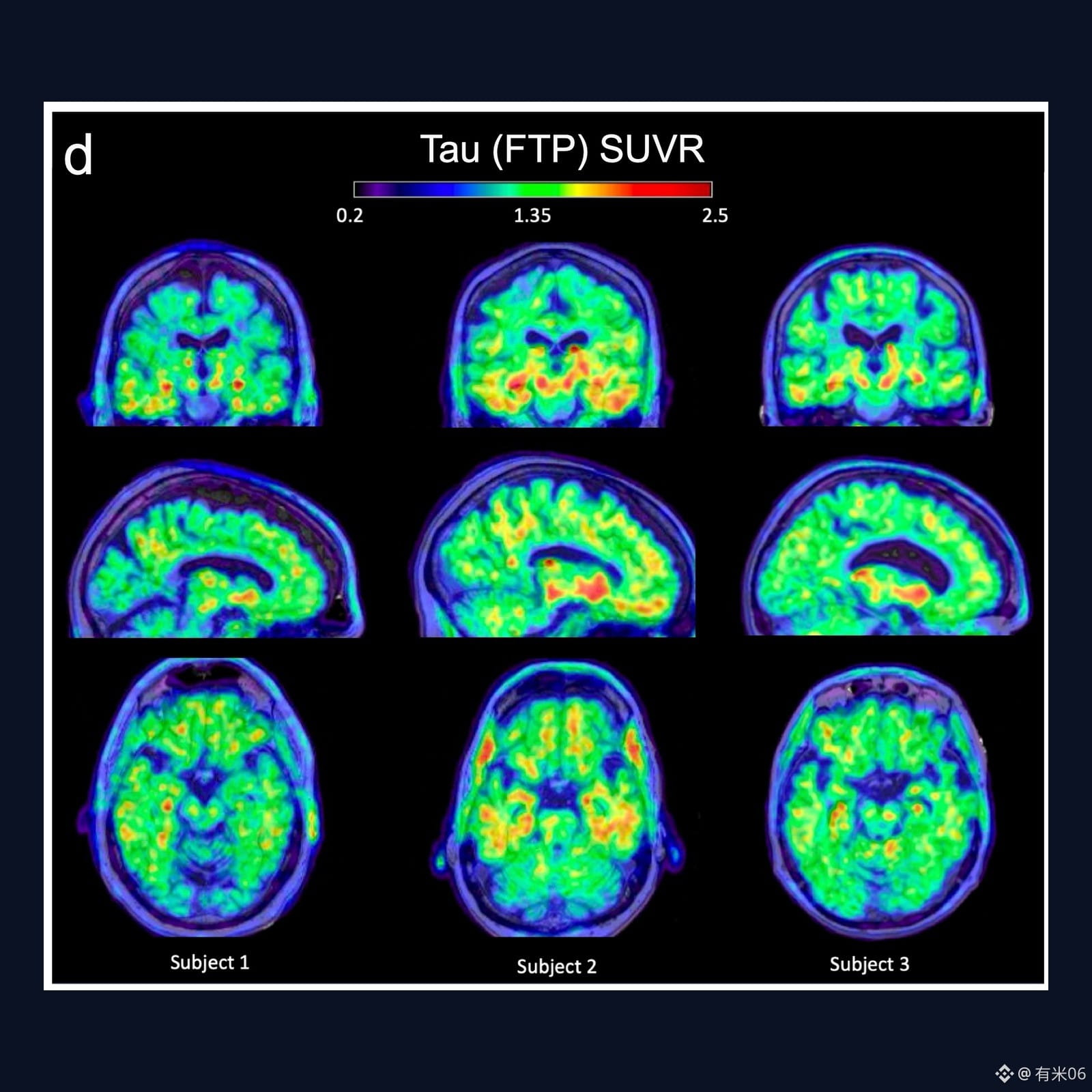
In Nature Neuroscience, Omer Sharon and colleagues at the UC Berkeley Sleep Research Center (with supervision from Matthew Walker) write that during non-rapid eye movement (non-REM) deep sleep, in younger people large groups of neurons synchronize—switching off and then back on. The slow waves are roughly as wide as a palm across the scalp; in older adults, slow waves are shorter and more often appear alone. The team calls them “lonely waves.” The more of these solitary waves there are, the worse the next-morning recall of word pairs. PET scans show that the greater the tau buildup in the frontal cortex, the harder it is for slow waves to “travel”; in follow-up years later, people whose frontal-lobe tau increases also show worse slow-wave coordination and worse overnight memory. The participants had no diagnosis of Alzheimer’s disease, and their memory decline still fell within the normal range for their age group. Correlation doesn’t mean who comes first; the authors also note they still can’t tell which direction the causality runs.
Independent re-check: a Berkeley News press release dated 2026-09-11; summarized by SciTechDaily / MedicalXpress. DOI 10.1038/s41593-026-02415-9.
Figure: Omer Sharon / UC Berkeley (tau PET) + an accompanying image from a SciTechDaily press-release write-up; not AI
#睡眠 #research
In Nature Neuroscience, Omer Sharon and colleagues at the UC Berkeley Sleep Research Center (with supervision from Matthew Walker) write that during non-rapid eye movement (non-REM) deep sleep, in younger people large groups of neurons synchronize—switching off and then back on. The slow waves are roughly as wide as a palm across the scalp; in older adults, slow waves are shorter and more often appear alone. The team calls them “lonely waves.” The more of these solitary waves there are, the worse the next-morning recall of word pairs. PET scans show that the greater the tau buildup in the frontal cortex, the harder it is for slow waves to “travel”; in follow-up years later, people whose frontal-lobe tau increases also show worse slow-wave coordination and worse overnight memory. The participants had no diagnosis of Alzheimer’s disease, and their memory decline still fell within the normal range for their age group. Correlation doesn’t mean who comes first; the authors also note they still can’t tell which direction the causality runs.
Independent re-check: a Berkeley News press release dated 2026-09-11; summarized by SciTechDaily / MedicalXpress. DOI 10.1038/s41593-026-02415-9.
Figure: Omer Sharon / UC Berkeley (tau PET) + an accompanying image from a SciTechDaily press-release write-up; not AI
#睡眠 #research