Does the universe really have a “boundary,” or is it like a game map—if you travel far enough, you loop back?
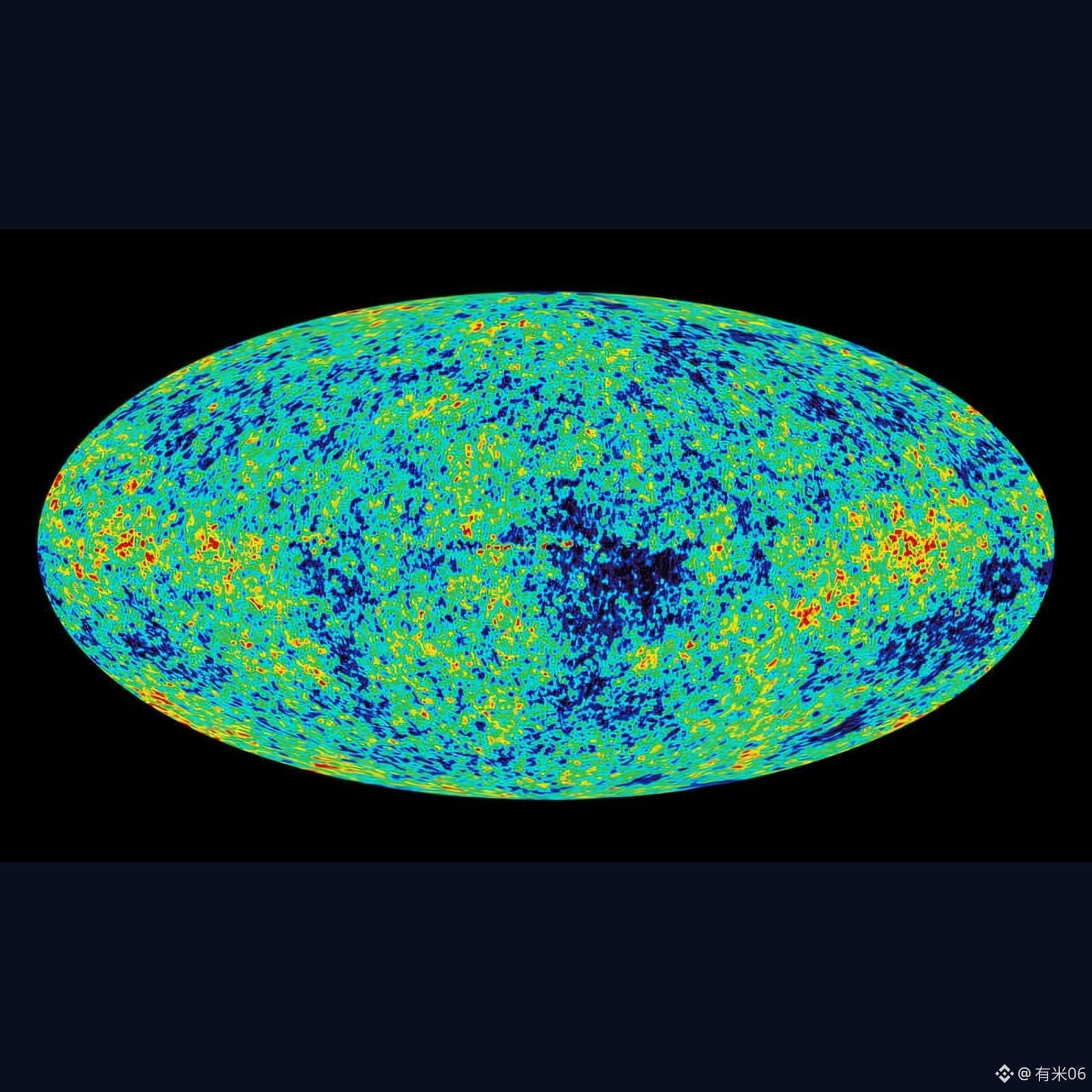
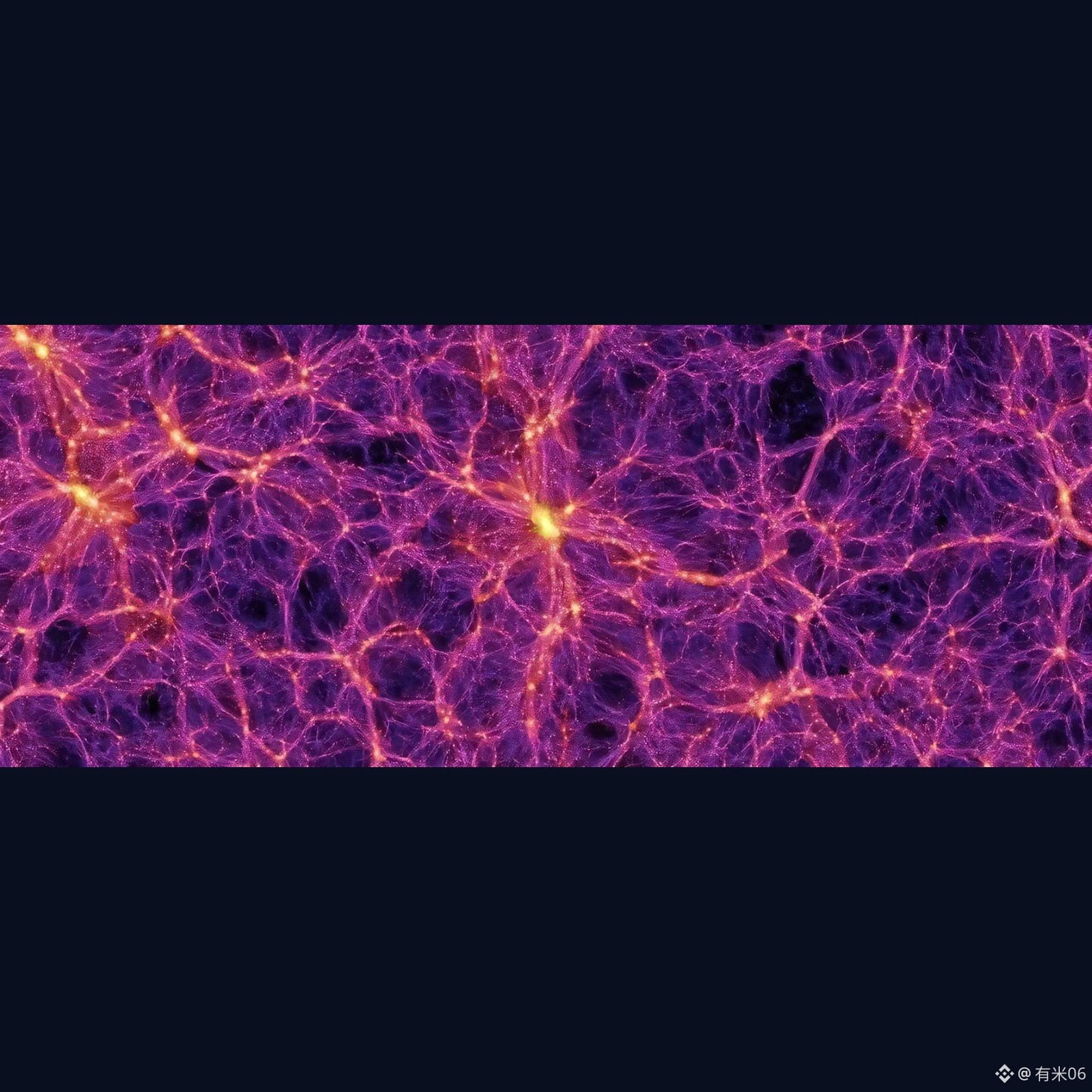
A review in *Nature Astronomy* explains the situation: if the universe’s topology isn’t a simple, endlessly repeating tiling, subtle “fingerprints” would remain in the microwave background (CMB) and the distribution of matter on large scales—statistical isotropy and even homogeneity could be broken. Over the past three decades, WMAP and Planck have used methods such as “matched circles in the sky” and Bayesian likelihood analyses to eliminate a set of possible topologies; but there is still no conclusive evidence, and many regions of parameter space and observer positions remain untested.
Even more interesting: new results suggest that even if the topological scale is larger than the observable universe, detectable signals might still exist. Follow-up polarization missions for the CMB—such as LiteBIRD and Taurus—together with high-precision galaxy surveys and line-intensity mapping, could further extend the window for what can be searched.
Paper: Copi et al., *The topology of the Universe*, *Nature Astronomy* (2026-09-11), DOI 10.1038/s41550-026-02930-6; phys.org / Universe Today press releases match the same wording.
Figure: CMB (NASA) + cosmic web illustration; letterbox is not AI.
#宇宙学 #Astronomy
A review in *Nature Astronomy* explains the situation: if the universe’s topology isn’t a simple, endlessly repeating tiling, subtle “fingerprints” would remain in the microwave background (CMB) and the distribution of matter on large scales—statistical isotropy and even homogeneity could be broken. Over the past three decades, WMAP and Planck have used methods such as “matched circles in the sky” and Bayesian likelihood analyses to eliminate a set of possible topologies; but there is still no conclusive evidence, and many regions of parameter space and observer positions remain untested.
Even more interesting: new results suggest that even if the topological scale is larger than the observable universe, detectable signals might still exist. Follow-up polarization missions for the CMB—such as LiteBIRD and Taurus—together with high-precision galaxy surveys and line-intensity mapping, could further extend the window for what can be searched.
Paper: Copi et al., *The topology of the Universe*, *Nature Astronomy* (2026-09-11), DOI 10.1038/s41550-026-02930-6; phys.org / Universe Today press releases match the same wording.
Figure: CMB (NASA) + cosmic web illustration; letterbox is not AI.
#宇宙学 #Astronomy