Musk Says X Platform Usage Hits a Record High
The tense geopolitical atmosphere in the Middle East has once again reached a breaking point recently. An air-raid warning issued in Riyadh, Saudi Arabia’s capital, early Saturday morning became a key variable that shattered expectations of market calm in the near term. This incident did not occur in isolation; it has pushed the region’s security situation back to the highest alert level since the most intense phase of the U.S.-Iran conflict in March and April. For global macro markets, any fluctuation in the Middle East is not merely a regional issue—it quickly transmits into the pricing of various asset classes through three core dimensions: expectations for energy supply, a warming up of risk-averse sentiment, and the stability of global supply chains.
Meanwhile, there is a signal in the technology space that appears independent yet is highly symbolic: Elon Musk publicly announced that the usage of his social platform X (formerly Twitter) has reached a historical high. Although this figure lacks specific support from concrete daily active user (DAU) or monthly active user (MAU) numbers and is only qualified as “a record,” it reflects a surge in public demand for real-time information access, social interaction, and engagement with digital spaces amid a macro environment where uncertainty is intensifying. When the risk of conflict in the physical world rises, the strength of connectivity in the digital world often shows positive feedback. This phenomenon of “real-world anxiety” running in parallel with “digital activity” forms a unique aspect of current market sentiment worth deeper examination.
At the factual level, the Saudi authorities’ issuance of an air-raid warning to Riyadh early Saturday morning marks the first time since the earlier peak of the U.S.-Iran conflict that such a direct and urgent threat signal has emerged in the region’s security situation. The timing clearly points to the early hours of this weekend; the focus is the Saudi government and the capital area; and the nature of the event is the highest-level security alert. On the other hand, Musk’s statement about X platform usage hitting a record high establishes the platform’s peak status in terms of user engagement. It should be noted that the available information does not provide specific user-growth percentages, nor does it provide exact DAU or MAU numbers, and it does not mention the time baseline for comparison (such as year-over-year or month-over-month changes). Therefore, the current conclusion is limited to the factual statement that “usage has reached the highest level in history,” without any quantification of the growth slope or absolute scale. This asymmetry in information requires market participants to remain cautious and avoid over-interpreting the situation based on a single dimension.
These two major events have a complex interplay in terms of meaning. The direct consequence of the Riyadh air-raid warning is to break the market’s expectations for a partial easing of Middle East tensions. As a major global oil exporter, security conditions in Saudi Arabia’s capital directly affect the pricing logic for crude oil and related energy futures. The market will inevitably reassess the risk of Middle East crude oil premia; although specific oil-price movements are not quantified at this moment, the return of geopolitical risk undeniably increases uncertainty across the energy supply chain, which may in turn push up global inflation expectations. For risk appetite, sudden security incidents often drive capital from high-risk assets toward safe-haven assets such as gold, the U.S. dollar, or U.S. Treasuries, putting short-term pressure on growth-stock segments that are sensitive to the macro environment.
At the same time, the record-high usage of the X platform offers another perspective for understanding market sentiment. In an environment marked by fragmented information and frequent geopolitical conflicts, rising social-media activity reflects strong public demand for immediate news and community support. For the technology sector, user engagement is one of the key valuation drivers; if high engagement can be translated into higher advertising revenue or subscription-service gains, it would provide support for the platform’s valuation. However, because key financial indicators such as revenue data or user retention rates are not available, it is not possible to directly infer that profitability is improving in step. In addition, high engagement often comes with non-financial risks such as content moderation challenges, pressure from the spread of misinformation, and reputational risks triggered by geopolitically sensitive topics—factors that could affect the platform’s long-term stability and compliance costs in the future.
Overall, the market is in a “double high” state: elevated geopolitical risk alongside soaring digital social activity. This combination suggests that investors and the public are responding to uncertainty through two channels: on one hand, adjusting risk exposures through traditional financial assets; on the other, seeking information confirmation and social connection through digital social networks. In terms of sector impact, energy and defense may benefit from heightened geopolitical tension, while consumer technology sectors that rely on a stable macro environment should be wary of valuation pullbacks caused by sentiment volatility. The traffic tailwind from social media platforms may attract short-term speculative capital, but valuation increases without fundamental data support often cannot be sustained.
Looking ahead, market participants should closely monitor subsequent security developments in Saudi Arabia and the broader Middle East—especially whether there are further military actions or diplomatic statements. This will determine whether the geopolitical risk premium is a temporary pulse or a trend-like uplift. For the energy market, it is important to watch both the magnitude and the duration of international oil-price reactions to this warning, and whether major oil-producing countries adjust their export strategies. In the technology and platform-economy space, focus should be on the financial data disclosed next for X—particularly key metrics such as advertising-revenue growth rate, average time spent per user, and the conversion rate of paid subscriptions—to verify whether “usage at a new high” has commercial sustainability. At the same time, it is necessary to monitor regulators’ stance on platform content compliance; especially in periods of geopolitical sensitivity, scrutiny pressure and legal risks faced by the platform may increase. On the macro front, track the linked performance among the U.S. Dollar Index, gold prices, and major equity indices to assess the actual strength of risk-off sentiment. Also, pay attention to how central banks such as the Federal Reserve react to changes in inflation expectations, since energy price fluctuations may affect the monetary-policy path through inflation channels. Finally, keep an eye on changes in logistics and insurance costs related to the Middle East within global supply chains in order to evaluate how geopolitical risk transmits into the real economy.
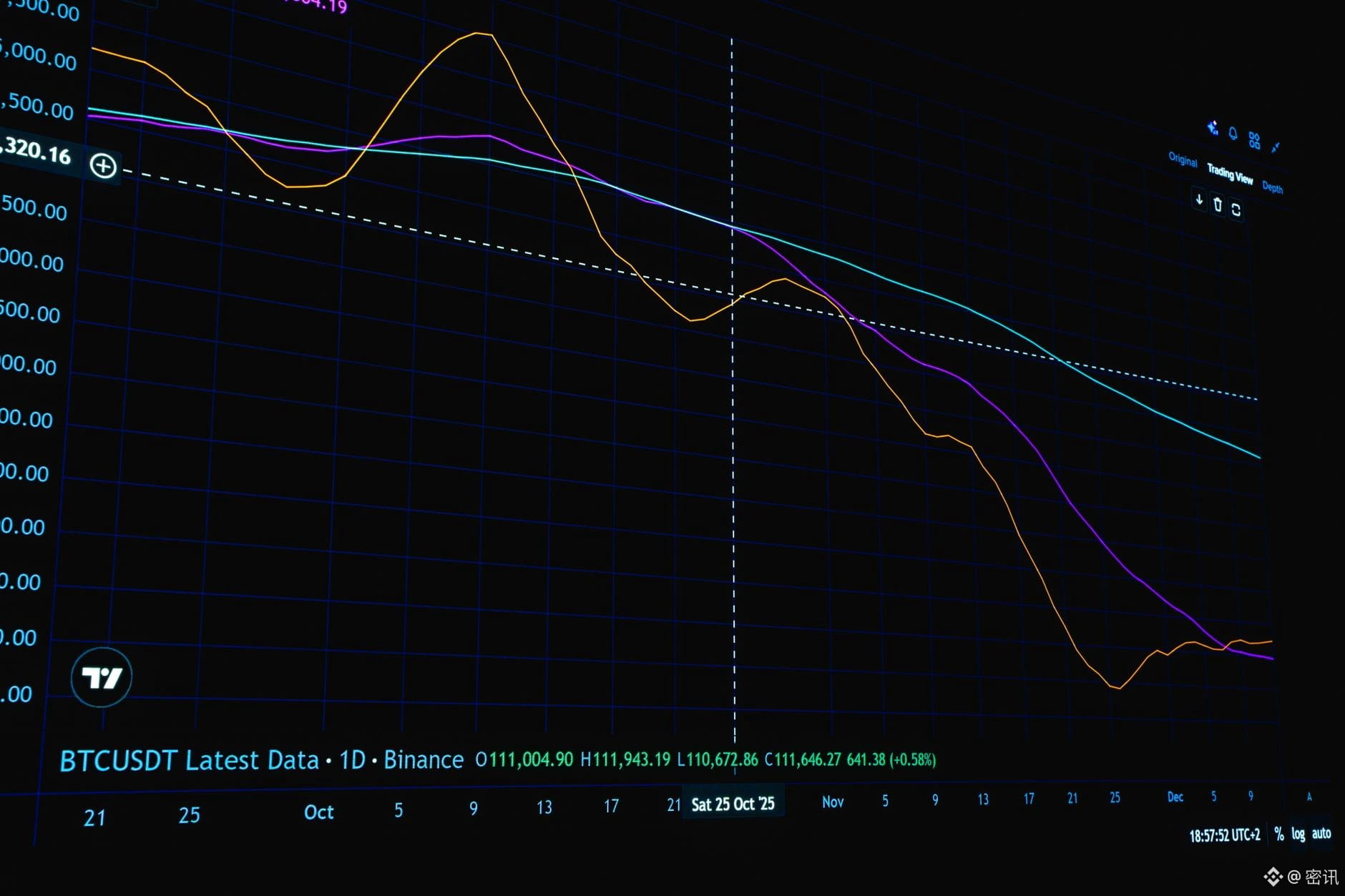
Follow me—my next post will be a quick scan of the trading screen so you don’t miss a beat.
The tense geopolitical atmosphere in the Middle East has once again reached a breaking point recently. An air-raid warning issued in Riyadh, Saudi Arabia’s capital, early Saturday morning became a key variable that shattered expectations of market calm in the near term. This incident did not occur in isolation; it has pushed the region’s security situation back to the highest alert level since the most intense phase of the U.S.-Iran conflict in March and April. For global macro markets, any fluctuation in the Middle East is not merely a regional issue—it quickly transmits into the pricing of various asset classes through three core dimensions: expectations for energy supply, a warming up of risk-averse sentiment, and the stability of global supply chains.
Meanwhile, there is a signal in the technology space that appears independent yet is highly symbolic: Elon Musk publicly announced that the usage of his social platform X (formerly Twitter) has reached a historical high. Although this figure lacks specific support from concrete daily active user (DAU) or monthly active user (MAU) numbers and is only qualified as “a record,” it reflects a surge in public demand for real-time information access, social interaction, and engagement with digital spaces amid a macro environment where uncertainty is intensifying. When the risk of conflict in the physical world rises, the strength of connectivity in the digital world often shows positive feedback. This phenomenon of “real-world anxiety” running in parallel with “digital activity” forms a unique aspect of current market sentiment worth deeper examination.
At the factual level, the Saudi authorities’ issuance of an air-raid warning to Riyadh early Saturday morning marks the first time since the earlier peak of the U.S.-Iran conflict that such a direct and urgent threat signal has emerged in the region’s security situation. The timing clearly points to the early hours of this weekend; the focus is the Saudi government and the capital area; and the nature of the event is the highest-level security alert. On the other hand, Musk’s statement about X platform usage hitting a record high establishes the platform’s peak status in terms of user engagement. It should be noted that the available information does not provide specific user-growth percentages, nor does it provide exact DAU or MAU numbers, and it does not mention the time baseline for comparison (such as year-over-year or month-over-month changes). Therefore, the current conclusion is limited to the factual statement that “usage has reached the highest level in history,” without any quantification of the growth slope or absolute scale. This asymmetry in information requires market participants to remain cautious and avoid over-interpreting the situation based on a single dimension.
These two major events have a complex interplay in terms of meaning. The direct consequence of the Riyadh air-raid warning is to break the market’s expectations for a partial easing of Middle East tensions. As a major global oil exporter, security conditions in Saudi Arabia’s capital directly affect the pricing logic for crude oil and related energy futures. The market will inevitably reassess the risk of Middle East crude oil premia; although specific oil-price movements are not quantified at this moment, the return of geopolitical risk undeniably increases uncertainty across the energy supply chain, which may in turn push up global inflation expectations. For risk appetite, sudden security incidents often drive capital from high-risk assets toward safe-haven assets such as gold, the U.S. dollar, or U.S. Treasuries, putting short-term pressure on growth-stock segments that are sensitive to the macro environment.
At the same time, the record-high usage of the X platform offers another perspective for understanding market sentiment. In an environment marked by fragmented information and frequent geopolitical conflicts, rising social-media activity reflects strong public demand for immediate news and community support. For the technology sector, user engagement is one of the key valuation drivers; if high engagement can be translated into higher advertising revenue or subscription-service gains, it would provide support for the platform’s valuation. However, because key financial indicators such as revenue data or user retention rates are not available, it is not possible to directly infer that profitability is improving in step. In addition, high engagement often comes with non-financial risks such as content moderation challenges, pressure from the spread of misinformation, and reputational risks triggered by geopolitically sensitive topics—factors that could affect the platform’s long-term stability and compliance costs in the future.
Overall, the market is in a “double high” state: elevated geopolitical risk alongside soaring digital social activity. This combination suggests that investors and the public are responding to uncertainty through two channels: on one hand, adjusting risk exposures through traditional financial assets; on the other, seeking information confirmation and social connection through digital social networks. In terms of sector impact, energy and defense may benefit from heightened geopolitical tension, while consumer technology sectors that rely on a stable macro environment should be wary of valuation pullbacks caused by sentiment volatility. The traffic tailwind from social media platforms may attract short-term speculative capital, but valuation increases without fundamental data support often cannot be sustained.
Looking ahead, market participants should closely monitor subsequent security developments in Saudi Arabia and the broader Middle East—especially whether there are further military actions or diplomatic statements. This will determine whether the geopolitical risk premium is a temporary pulse or a trend-like uplift. For the energy market, it is important to watch both the magnitude and the duration of international oil-price reactions to this warning, and whether major oil-producing countries adjust their export strategies. In the technology and platform-economy space, focus should be on the financial data disclosed next for X—particularly key metrics such as advertising-revenue growth rate, average time spent per user, and the conversion rate of paid subscriptions—to verify whether “usage at a new high” has commercial sustainability. At the same time, it is necessary to monitor regulators’ stance on platform content compliance; especially in periods of geopolitical sensitivity, scrutiny pressure and legal risks faced by the platform may increase. On the macro front, track the linked performance among the U.S. Dollar Index, gold prices, and major equity indices to assess the actual strength of risk-off sentiment. Also, pay attention to how central banks such as the Federal Reserve react to changes in inflation expectations, since energy price fluctuations may affect the monetary-policy path through inflation channels. Finally, keep an eye on changes in logistics and insurance costs related to the Middle East within global supply chains in order to evaluate how geopolitical risk transmits into the real economy.
Follow me—my next post will be a quick scan of the trading screen so you don’t miss a beat.