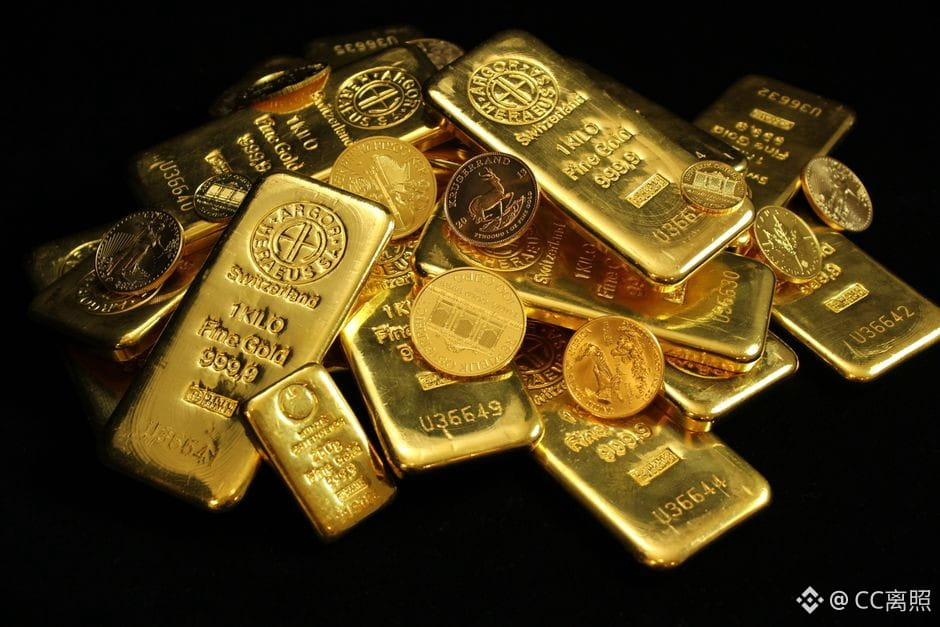
🔍 31 tons of gold has been sitting in a London vault for eight years; now it’s time to move it. The destination is not Caracas.
In a rare alignment, the Venezuelan government and the opposition have both called for the Bank of England to release 31 tons of gold worth about $4 billion (around £2.9 billion). These bullion bars have been frozen in London underground since 2018.
Reports from Reuters and the Financial Times on Friday night say that the two sides reached an agreement in August: they will no longer sue each other over ownership, and will work together to get the money back.
The conditions are what matter.
Under the emerging deal, Acting President Delcy Rodríguez would receive formal control, but she can’t sell immediately. An opposition figure involved in the talks told the FT bluntly: if the gold goes to the United States, Rodríguez would not have direct use of it—it would be under supervision, with restrictions.
Even the intended use is spelled out. The money can only be used as collateral for government borrowing, mainly for reconstruction after the twin quakes on June 24. Those earthquakes killed more than 6,000 people, and the World Bank estimated the damage at $19.6 billion. Spending would also have to pass a further round of ongoing audits—international institutions would track where every dollar goes.
Why was it frozen for eight years?
In 2018, the UK stopped recognizing the Maduro government as legitimate. The Bank of England used this as a legal basis to withhold the gold. On January 3 of this year, U.S. forces seized Maduro in Caracas. Two days later, Rodríguez took over as acting president under a Supreme Court order.
The Bank of England’s response was: without a new order from a UK court, it won’t follow anyone’s instructions. The UK Foreign Office was even more explicit, saying the matter is outside the government’s control; the courts and the central bank are independent.
This is the gold’s soft spot. It’s called hard currency, a safe-haven asset. But it has been sitting in the vault of a country that doesn’t recognize you—and after eight years, all that remains in hand is a receipt.
Whose keys, whose assets. That line has been repeated in crypto for more than a decade. Today it’s being said again—this time with 31 tons of gold.
There’s a perfect counterexample next door. In early September, the Netherlands central bank moved 86 tons of gold from the United States and Canada to London. The reason stated in the notice was “increased geopolitical turmoil,” saying that holding it in London would make it easier to liquidate—if a crisis hits, it can be adjusted. One central bank is desperately stuffing gold into someone else’s vault; another can’t even get its own gold back.
The timing is also striking. Trump plans to meet Rodríguez in New York for the first time next week. Axios reported that it could be as early as Tuesday. Whether this £2.9 billion will be put on the table is unconfirmed.
As for the price: when I wrote this, six BTC quote sources ranged from 81,180 to 81,206, up 6.2% over 24 hours. This move has nothing to do with Caracas—bitcoin is simply doing its own thing.
My take: this 31 tons of gold can’t be moved back to Caracas. The endpoint is a regulated account. Where it’s held has historically been a matter of political alignment, not technology.
Watch two things. When the UK court decision order granting control will be issued. And whether this gold is first used as collateral, or directly deposited into the reconstruction account.
$BTC
#中本聪国际社区Baoluo币商资本 #Bitcoin #Venezuelan gold
In a rare alignment, the Venezuelan government and the opposition have both called for the Bank of England to release 31 tons of gold worth about $4 billion (around £2.9 billion). These bullion bars have been frozen in London underground since 2018.
Reports from Reuters and the Financial Times on Friday night say that the two sides reached an agreement in August: they will no longer sue each other over ownership, and will work together to get the money back.
The conditions are what matter.
Under the emerging deal, Acting President Delcy Rodríguez would receive formal control, but she can’t sell immediately. An opposition figure involved in the talks told the FT bluntly: if the gold goes to the United States, Rodríguez would not have direct use of it—it would be under supervision, with restrictions.
Even the intended use is spelled out. The money can only be used as collateral for government borrowing, mainly for reconstruction after the twin quakes on June 24. Those earthquakes killed more than 6,000 people, and the World Bank estimated the damage at $19.6 billion. Spending would also have to pass a further round of ongoing audits—international institutions would track where every dollar goes.
Why was it frozen for eight years?
In 2018, the UK stopped recognizing the Maduro government as legitimate. The Bank of England used this as a legal basis to withhold the gold. On January 3 of this year, U.S. forces seized Maduro in Caracas. Two days later, Rodríguez took over as acting president under a Supreme Court order.
The Bank of England’s response was: without a new order from a UK court, it won’t follow anyone’s instructions. The UK Foreign Office was even more explicit, saying the matter is outside the government’s control; the courts and the central bank are independent.
This is the gold’s soft spot. It’s called hard currency, a safe-haven asset. But it has been sitting in the vault of a country that doesn’t recognize you—and after eight years, all that remains in hand is a receipt.
Whose keys, whose assets. That line has been repeated in crypto for more than a decade. Today it’s being said again—this time with 31 tons of gold.
There’s a perfect counterexample next door. In early September, the Netherlands central bank moved 86 tons of gold from the United States and Canada to London. The reason stated in the notice was “increased geopolitical turmoil,” saying that holding it in London would make it easier to liquidate—if a crisis hits, it can be adjusted. One central bank is desperately stuffing gold into someone else’s vault; another can’t even get its own gold back.
The timing is also striking. Trump plans to meet Rodríguez in New York for the first time next week. Axios reported that it could be as early as Tuesday. Whether this £2.9 billion will be put on the table is unconfirmed.
As for the price: when I wrote this, six BTC quote sources ranged from 81,180 to 81,206, up 6.2% over 24 hours. This move has nothing to do with Caracas—bitcoin is simply doing its own thing.
My take: this 31 tons of gold can’t be moved back to Caracas. The endpoint is a regulated account. Where it’s held has historically been a matter of political alignment, not technology.
Watch two things. When the UK court decision order granting control will be issued. And whether this gold is first used as collateral, or directly deposited into the reconstruction account.
$BTC
#中本聪国际社区Baoluo币商资本 #Bitcoin #Venezuelan gold