SEC ALLOWS TESTING FOR TOKENIZED SECURITIES TRADING
1. SEC issues an Innovation Exemption
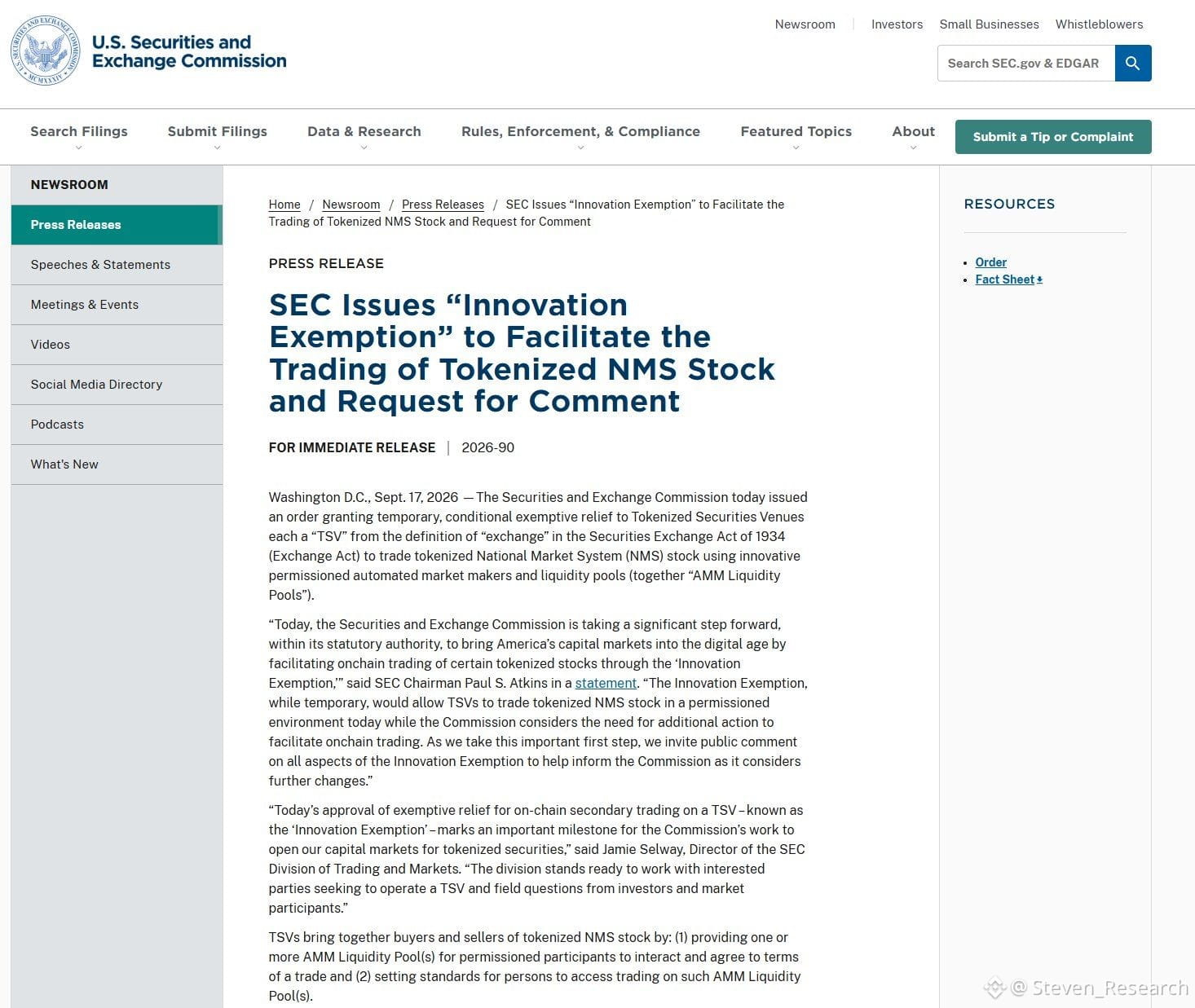
On September 17, 2026, the SEC issued an Innovation Exemption, allowing certain Tokenized Securities Venues (TSV) to receive conditional exemptions for 5 years to test trading tokenized NMS stocks on blockchain through permissioned AMMs and liquidity pools.
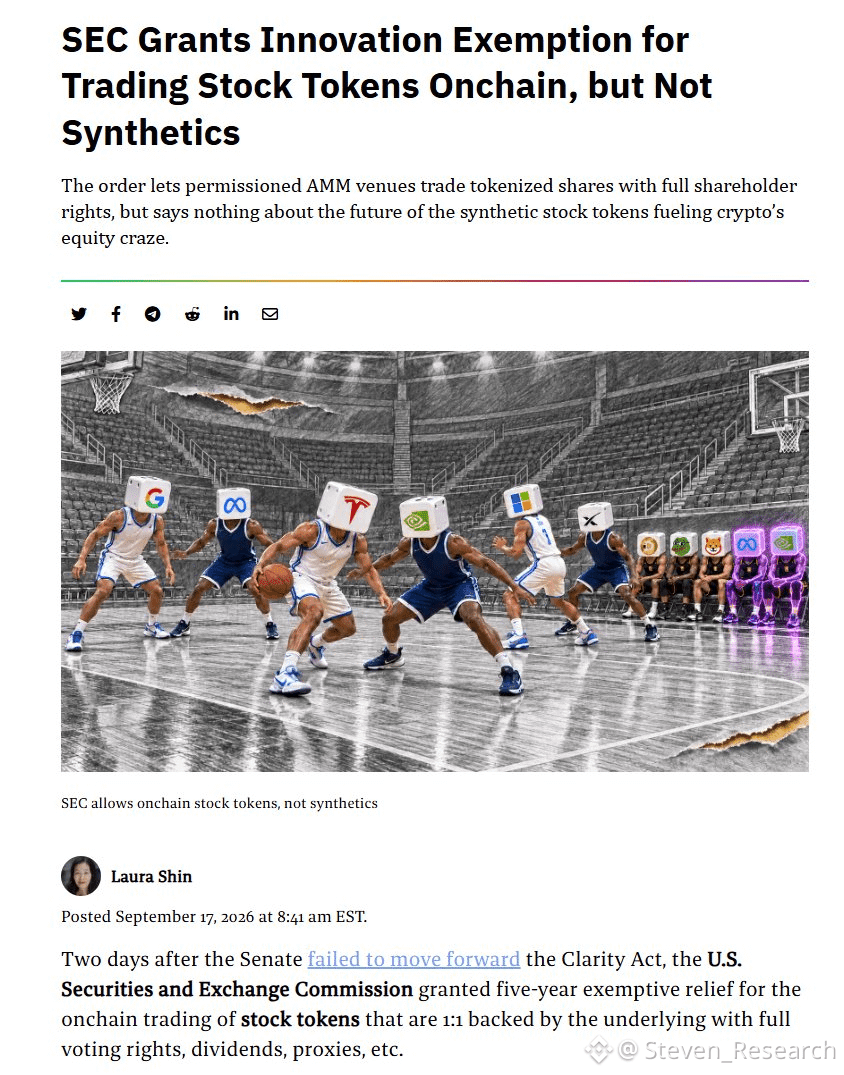
The token must represent real shares 1:1 and carry shareholder rights, while synthetic products only simulate prices and are not within this scope. TSVs must still KYC users, comply with OFAC, and limit the number of token codes as well as trading volume.
2. $UNI , $ARB , $OP surge strongly
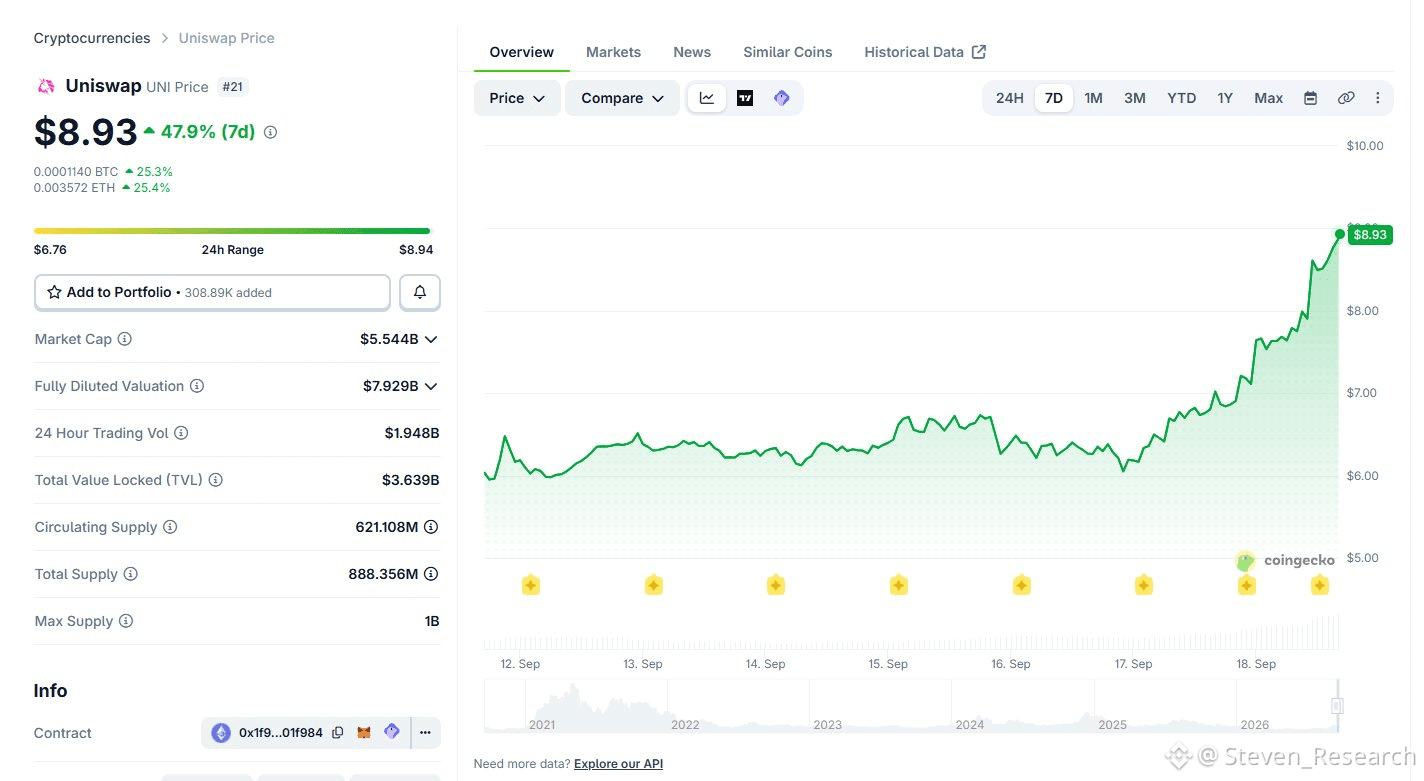
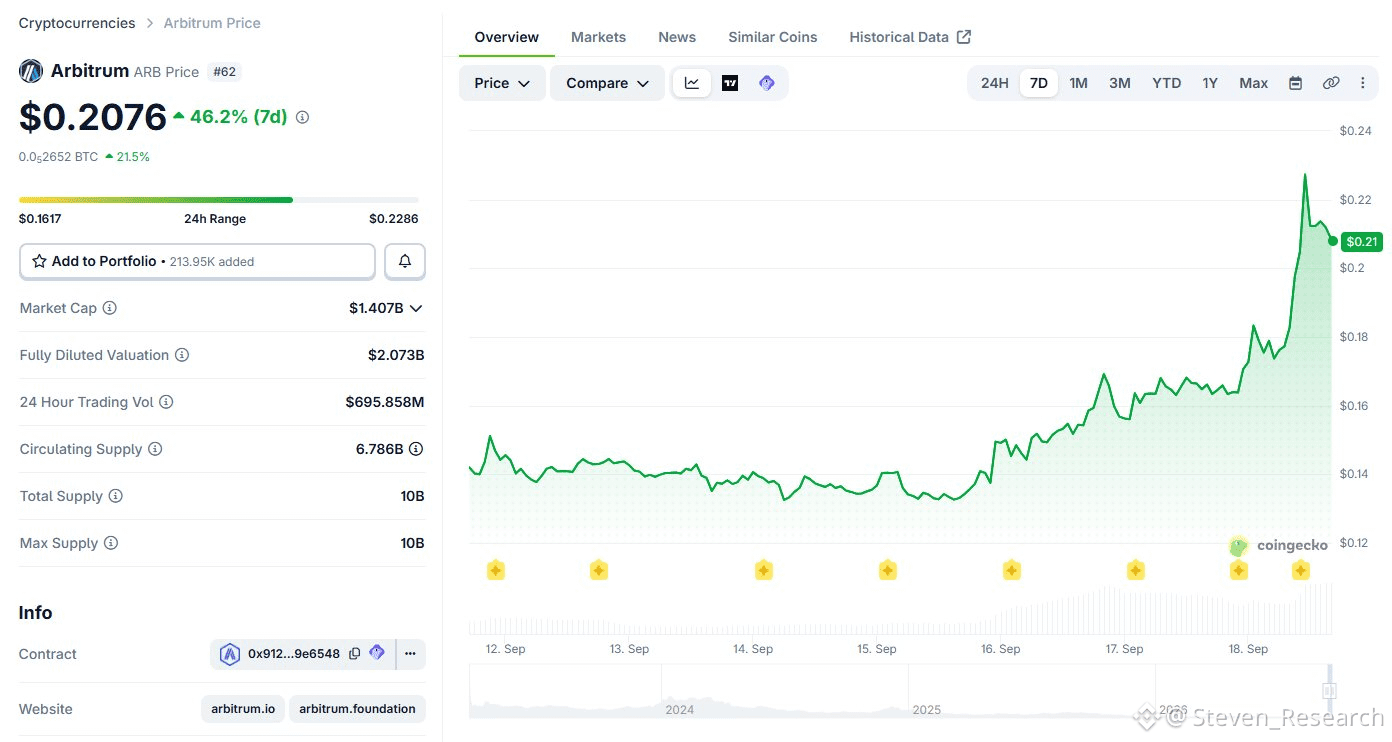
After the above information, UNI rose by about 26–28%, ARB by about 27–30%, and OP by about 13% within 24 hours.
UNI drew attention because Uniswap v4 already has Permissioned Pools. ARB has also been linked to tokenization, since tokenized stock products were once deployed on-chain. For OP, besides the tokenization story, the planned Upgrade 20 in September is also a separate factor.
Some other tokens such as NEAR, ONDO, and RAY also increased during the same period.
3. BNC and DRIFT also fluctuate
BNC shares of CEA Industries closed on September 17 at $5.42, up 13.87%, after which there were moments when it exceeded $6. BNC is not part of the SEC program; it is mainly traded by the market as a proxy related to BNB.
DRIFT rose by about 25–40%, while volume increased by several hundred percent. There is no basis to directly attribute this move to the Innovation Exemption.
4. Real-world impact still takes time
The Innovation Exemption is a conditional testing framework, not a standalone SEC approval of Uniswap, Arbitrum, or Optimism, and it also does not mean all U.S. stocks have been put on-chain.
1. SEC issues an Innovation Exemption
On September 17, 2026, the SEC issued an Innovation Exemption, allowing certain Tokenized Securities Venues (TSV) to receive conditional exemptions for 5 years to test trading tokenized NMS stocks on blockchain through permissioned AMMs and liquidity pools.
The token must represent real shares 1:1 and carry shareholder rights, while synthetic products only simulate prices and are not within this scope. TSVs must still KYC users, comply with OFAC, and limit the number of token codes as well as trading volume.
2. $UNI , $ARB , $OP surge strongly
After the above information, UNI rose by about 26–28%, ARB by about 27–30%, and OP by about 13% within 24 hours.
UNI drew attention because Uniswap v4 already has Permissioned Pools. ARB has also been linked to tokenization, since tokenized stock products were once deployed on-chain. For OP, besides the tokenization story, the planned Upgrade 20 in September is also a separate factor.
Some other tokens such as NEAR, ONDO, and RAY also increased during the same period.
3. BNC and DRIFT also fluctuate
BNC shares of CEA Industries closed on September 17 at $5.42, up 13.87%, after which there were moments when it exceeded $6. BNC is not part of the SEC program; it is mainly traded by the market as a proxy related to BNB.
DRIFT rose by about 25–40%, while volume increased by several hundred percent. There is no basis to directly attribute this move to the Innovation Exemption.
4. Real-world impact still takes time
The Innovation Exemption is a conditional testing framework, not a standalone SEC approval of Uniswap, Arbitrum, or Optimism, and it also does not mean all U.S. stocks have been put on-chain.