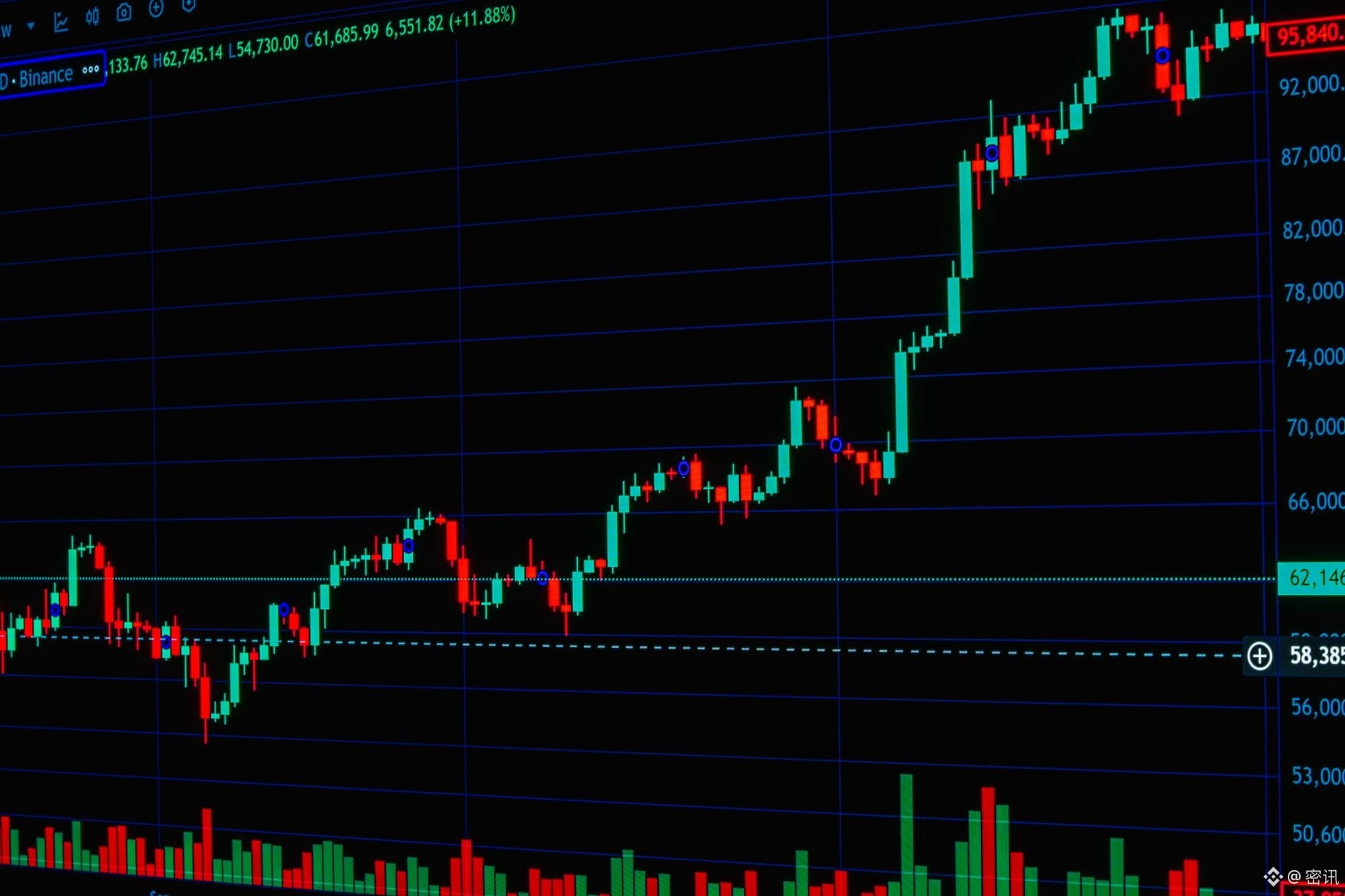
Geopolitical risk premium fades while inventories remain soft—oil prices plunge more than 4% intraday
On Wednesday, the global crude oil market saw a sharp reversal of sentiment. Earlier, long positions driven by geopolitical panic quickly retreated under the pressure of multiple negative factors. With the worst expectations of disruptions to Middle East supply chains being effectively alleviated—together with weak U.S. inventory data and a tightening macro-financial environment—oil prices plunged sharply at one point during the session. WTI crude fell by more than 4%, and Brent also dropped below the $104 mark. This move signaled that market pricing logic is shifting from a purely “scarcity premium” narrative back toward a more rational return to supply-and-demand fundamentals, while also exposing the fragility embedded in the current geopolitical risk premium. For investors, this is not just day-to-day trading volatility, but the result of the market reassessing the durability of the Middle East situation and the resilience of the global energy supply chain.
The key driver behind the latest pullback in oil prices lies in Saudi Arabia’s breakthrough in diversifying its export channels, which directly weakens fears of a comprehensive closure of the Strait of Hormuz. Previously, the market fell into panic over a cliff-like drop in supply, sparked by an attack on a Saudi East–West pipeline—750 miles long with a maximum daily throughput of 7.0 million barrels—by drones, as well as the suspension of crude loading at Yanbu Port in the Red Sea. However, the latest information indicates that Saudi Arabia is providing additional crude loading to Asian refiners via a ship-to-ship transshipment method near Oman’s Sohar port. This alternative export arrangement effectively offsets the supply gap caused by pipeline damage. UBS analyst Giovanni Staunovo noted that this suggests concerns about the scale of supply disruptions are easing. Meanwhile, U.S. Energy Secretary Wright said publicly on Wednesday that 18 million barrels of oil passed through the Strait of Hormuz on Tuesday—basically returning to levels around those seen before the Iran–U.S. conflict—sending a further signal that the world’s most important oil shipping chokepoint is not being blocked. Even though conditions in the Strait of Hormuz remain severe, preliminary data for Wednesday showed that the number of vessels visible transiting on Tuesday was only 4—far below the 10-day average of 18. Still, the emergence of Saudi’s alternative route was enough to break the extreme “full shutdown of supply” narrative, causing the previously accumulated geopolitical risk premium to narrow significantly.
Besides revisions to geopolitical expectations, data released by the U.S. Energy Information Administration (EIA) added a second layer of pressure on oil prices. The data showed that U.S. commercial crude inventories fell by only about 640,000 barrels last week—less than half of analysts’ expected decline of 1.62 million barrels—indicating demand on the consumption side did not digest inventories as strongly as anticipated. More notably, gasoline and distillate inventories both rose, diverging from the decline in crude inventories. This suggests pressure that product oil demand may cool seasonally or that there may be excess supply of refined products. Again Capital partner John Kilduff said that product inventories have stayed stable or even edged up, while the decline in crude inventories is becoming more gradual—overall signals remain bearish for oil. Although David Russell, Global Market Strategy Director at TradeStation, said overall inventories are still relatively tight due to strong exports and that the data merely pauses the rally, he also noted it does not help ease broader concerns about supply shortages. Meanwhile, institutions such as Ritterbusch & Associates view the pullback as a technical correction. This split reflects the market’s tug-of-war between short-term supply-and-demand data and long-term geopolitical risk: on one hand, immediate inventory data undermines the fundamental case for long positions; on the other, some institutions still hold a bullish view, believing buying on the sharp pullback—rather than calling the top of the bull market—is the safer strategy.
Worsening macro-financial conditions further intensified downward pressure on oil prices. After the Federal Reserve raised rates for the first time in three years—matching market expectations—an appreciating dollar and rising U.S. Treasury yields created a direct valuation drag on dollar-denominated commodities. These macro headwinds, combining with fundamental negatives, accelerated profit-taking and the exit of long positions. However, even as crude prices fall, structural tensions within the energy market have not been fully resolved, especially in the diesel market. European gasoil futures closed Tuesday at a record high, and U.S. ultra-low sulfur diesel futures also hit a record high the same day. In a report, Citigroup expected that Middle East tensions will continue to support product prices until the Strait of Hormuz reopens around the fourth quarter of 2026. The Russian government also decided to extend diesel export restrictions on fuel producers through the end of October, further tightening global diesel supply. S&P Global Commodity Insights data showed that the premium of Norwegian Johan Sverdrup crude to the Brent benchmark reached a record $19.55, indicating European refiners are actively looking for nearby substitutes for Middle East crude.
Looking ahead, continued turmoil in the Middle East remains the sword of Damocles hanging over the energy market. Recent actions by the U.S. military—using dozens of interceptor missiles in response to an Iranian missile attack—along with the Houthis launching a new round of strikes on Yanbu port, and the 80 confirmed maritime incidents recorded by the International Maritime Organization, all indicate that regional security risks have not materially eased. UBS analysts warned that unless a peace agreement emerges or Russia’s situation improves, diesel prices are likely to stay supported. For policymakers, while the short-term drop in crude provides some breathing room for inflation expectations, the firmness of refined product prices such as diesel means the transmission effect of energy prices to overall inflation cannot be ignored, and the central bank policy path is still not consistent or predictable. Investors should closely monitor the progress of repairs to Saudi Arabia’s East–West pipeline (estimated to take six to eight weeks), changes in the actual traffic volume through the Strait of Hormuz, and how quickly global diesel inventories accumulate. These factors together will determine whether oil prices, after digesting the current negative catalysts, move into a range-bound consolidation phase—or once again test tops under repeated geopolitical risk shocks.
Follow me—don’t miss my quick read of the next session.
On Wednesday, the global crude oil market saw a sharp reversal of sentiment. Earlier, long positions driven by geopolitical panic quickly retreated under the pressure of multiple negative factors. With the worst expectations of disruptions to Middle East supply chains being effectively alleviated—together with weak U.S. inventory data and a tightening macro-financial environment—oil prices plunged sharply at one point during the session. WTI crude fell by more than 4%, and Brent also dropped below the $104 mark. This move signaled that market pricing logic is shifting from a purely “scarcity premium” narrative back toward a more rational return to supply-and-demand fundamentals, while also exposing the fragility embedded in the current geopolitical risk premium. For investors, this is not just day-to-day trading volatility, but the result of the market reassessing the durability of the Middle East situation and the resilience of the global energy supply chain.
The key driver behind the latest pullback in oil prices lies in Saudi Arabia’s breakthrough in diversifying its export channels, which directly weakens fears of a comprehensive closure of the Strait of Hormuz. Previously, the market fell into panic over a cliff-like drop in supply, sparked by an attack on a Saudi East–West pipeline—750 miles long with a maximum daily throughput of 7.0 million barrels—by drones, as well as the suspension of crude loading at Yanbu Port in the Red Sea. However, the latest information indicates that Saudi Arabia is providing additional crude loading to Asian refiners via a ship-to-ship transshipment method near Oman’s Sohar port. This alternative export arrangement effectively offsets the supply gap caused by pipeline damage. UBS analyst Giovanni Staunovo noted that this suggests concerns about the scale of supply disruptions are easing. Meanwhile, U.S. Energy Secretary Wright said publicly on Wednesday that 18 million barrels of oil passed through the Strait of Hormuz on Tuesday—basically returning to levels around those seen before the Iran–U.S. conflict—sending a further signal that the world’s most important oil shipping chokepoint is not being blocked. Even though conditions in the Strait of Hormuz remain severe, preliminary data for Wednesday showed that the number of vessels visible transiting on Tuesday was only 4—far below the 10-day average of 18. Still, the emergence of Saudi’s alternative route was enough to break the extreme “full shutdown of supply” narrative, causing the previously accumulated geopolitical risk premium to narrow significantly.
Besides revisions to geopolitical expectations, data released by the U.S. Energy Information Administration (EIA) added a second layer of pressure on oil prices. The data showed that U.S. commercial crude inventories fell by only about 640,000 barrels last week—less than half of analysts’ expected decline of 1.62 million barrels—indicating demand on the consumption side did not digest inventories as strongly as anticipated. More notably, gasoline and distillate inventories both rose, diverging from the decline in crude inventories. This suggests pressure that product oil demand may cool seasonally or that there may be excess supply of refined products. Again Capital partner John Kilduff said that product inventories have stayed stable or even edged up, while the decline in crude inventories is becoming more gradual—overall signals remain bearish for oil. Although David Russell, Global Market Strategy Director at TradeStation, said overall inventories are still relatively tight due to strong exports and that the data merely pauses the rally, he also noted it does not help ease broader concerns about supply shortages. Meanwhile, institutions such as Ritterbusch & Associates view the pullback as a technical correction. This split reflects the market’s tug-of-war between short-term supply-and-demand data and long-term geopolitical risk: on one hand, immediate inventory data undermines the fundamental case for long positions; on the other, some institutions still hold a bullish view, believing buying on the sharp pullback—rather than calling the top of the bull market—is the safer strategy.
Worsening macro-financial conditions further intensified downward pressure on oil prices. After the Federal Reserve raised rates for the first time in three years—matching market expectations—an appreciating dollar and rising U.S. Treasury yields created a direct valuation drag on dollar-denominated commodities. These macro headwinds, combining with fundamental negatives, accelerated profit-taking and the exit of long positions. However, even as crude prices fall, structural tensions within the energy market have not been fully resolved, especially in the diesel market. European gasoil futures closed Tuesday at a record high, and U.S. ultra-low sulfur diesel futures also hit a record high the same day. In a report, Citigroup expected that Middle East tensions will continue to support product prices until the Strait of Hormuz reopens around the fourth quarter of 2026. The Russian government also decided to extend diesel export restrictions on fuel producers through the end of October, further tightening global diesel supply. S&P Global Commodity Insights data showed that the premium of Norwegian Johan Sverdrup crude to the Brent benchmark reached a record $19.55, indicating European refiners are actively looking for nearby substitutes for Middle East crude.
Looking ahead, continued turmoil in the Middle East remains the sword of Damocles hanging over the energy market. Recent actions by the U.S. military—using dozens of interceptor missiles in response to an Iranian missile attack—along with the Houthis launching a new round of strikes on Yanbu port, and the 80 confirmed maritime incidents recorded by the International Maritime Organization, all indicate that regional security risks have not materially eased. UBS analysts warned that unless a peace agreement emerges or Russia’s situation improves, diesel prices are likely to stay supported. For policymakers, while the short-term drop in crude provides some breathing room for inflation expectations, the firmness of refined product prices such as diesel means the transmission effect of energy prices to overall inflation cannot be ignored, and the central bank policy path is still not consistent or predictable. Investors should closely monitor the progress of repairs to Saudi Arabia’s East–West pipeline (estimated to take six to eight weeks), changes in the actual traffic volume through the Strait of Hormuz, and how quickly global diesel inventories accumulate. These factors together will determine whether oil prices, after digesting the current negative catalysts, move into a range-bound consolidation phase—or once again test tops under repeated geopolitical risk shocks.
Follow me—don’t miss my quick read of the next session.