
小恐龙说趋势
362 Posts
 LIVE
LIVE小恐龙说趋势
Report
Block User
6 年市场经验,公众号.比特柠檬,记录市场的真实逻辑,研究下一步会去哪
13 Following
2.0K+ Followers
2.1K+ Liked
Posts
All
Live
·
--
Verified
10 billion ARC tokens minted overnight, with BlackRock, Visa, Mastercard, Standard Chartered, and DTCC lining up to serve as validating nodes—Circle is playing bigger than it did with USDC this time.
Circle has opened the Arc mainnet: a Layer 1 blockchain built specifically for payments, trading, and "agent-based economies." It officially launched today. On day one, more than 100 institutional and ecosystem partners rushed in. The founding validating nodes are all Wall Street giants: the world’s largest asset manager BlackRock, the U.S. clearing core DTCC, ICE (the parent of the New York Stock Exchange), Mastercard, Visa, Standard Chartered, and SBI Group.
What’s most striking is the token move. This week, Circle completed the genesis minting of ARC and minted 10 billion tokens at once, making it the first publicly listed company to issue tokens for its own new chain. But it kept a line of life—"minting doesn’t equal publicly issuing"; it’s only laying groundwork in advance for 2027, when it will transition from PoA to PoS. Before that, it had already raised $222 million through an ARC token presale, valuing it at $3 billion.
The USDC lifeline was bolted in as well. Circle says USDC’s circulating supply is currently about $74 billion, which it directly burns as Arc’s gas. Using Dune data, Circle reports that in agent-driven on-chain transactions, 98.8% settle with USDC. The testnet ran to over 700 million transactions in under a year, and it also supports quantum-resistant signatures.
Jeremy Allaire’s words are full-throated: this is "Circle’s most important release since USDC."
My take is that this card isn’t ordinary. In the past, when BlackRock and Visa entered crypto, they were buying ETFs and running pilots. This time, they’re stepping in directly as validating nodes and building a settlement rail. What traditional finance wants isn’t a "decentralized utopia"—it wants a compliant chain that banks can use to run treasuries and clearing. Circle’s permissioned validating nodes plus using USDC as gas fits that exact requirement. As for the 10 billion ARC tokens, minting but not issuing them is, in essence, giving regulators face and leaving options for the future—not an immediate plan to dump.
Let’s discuss in the comments: with Circle opening the Arc mainnet, do you think stablecoins are truly starting to eat into traditional finance, or is this just another round of institutional self-enjoyment?
Every day, I’ll bring you stablecoin hot topics—not just what’s happening in the news, but also the logic and opportunities behind it 👀🚀
[📢 公告解读进群看](https://app.binance.com/uni-qr/EXpjD4Vi)
10 billion ARC tokens minted overnight, with BlackRock, Visa, Mastercard, Standard Chartered, and DTCC lining up to serve as validating nodes—Circle is playing bigger than it did with USDC this time.
Circle has opened the Arc mainnet: a Layer 1 blockchain built specifically for payments, trading, and "agent-based economies." It officially launched today. On day one, more than 100 institutional and ecosystem partners rushed in. The founding validating nodes are all Wall Street giants: the world’s largest asset manager BlackRock, the U.S. clearing core DTCC, ICE (the parent of the New York Stock Exchange), Mastercard, Visa, Standard Chartered, and SBI Group.
What’s most striking is the token move. This week, Circle completed the genesis minting of ARC and minted 10 billion tokens at once, making it the first publicly listed company to issue tokens for its own new chain. But it kept a line of life—"minting doesn’t equal publicly issuing"; it’s only laying groundwork in advance for 2027, when it will transition from PoA to PoS. Before that, it had already raised $222 million through an ARC token presale, valuing it at $3 billion.
The USDC lifeline was bolted in as well. Circle says USDC’s circulating supply is currently about $74 billion, which it directly burns as Arc’s gas. Using Dune data, Circle reports that in agent-driven on-chain transactions, 98.8% settle with USDC. The testnet ran to over 700 million transactions in under a year, and it also supports quantum-resistant signatures.
Jeremy Allaire’s words are full-throated: this is "Circle’s most important release since USDC."
My take is that this card isn’t ordinary. In the past, when BlackRock and Visa entered crypto, they were buying ETFs and running pilots. This time, they’re stepping in directly as validating nodes and building a settlement rail. What traditional finance wants isn’t a "decentralized utopia"—it wants a compliant chain that banks can use to run treasuries and clearing. Circle’s permissioned validating nodes plus using USDC as gas fits that exact requirement. As for the 10 billion ARC tokens, minting but not issuing them is, in essence, giving regulators face and leaving options for the future—not an immediate plan to dump.
Let’s discuss in the comments: with Circle opening the Arc mainnet, do you think stablecoins are truly starting to eat into traditional finance, or is this just another round of institutional self-enjoyment?
Every day, I’ll bring you stablecoin hot topics—not just what’s happening in the news, but also the logic and opportunities behind it 👀🚀
📢 公告解读进群看
Circle has opened the Arc mainnet: a Layer 1 blockchain built specifically for payments, trading, and "agent-based economies." It officially launched today. On day one, more than 100 institutional and ecosystem partners rushed in. The founding validating nodes are all Wall Street giants: the world’s largest asset manager BlackRock, the U.S. clearing core DTCC, ICE (the parent of the New York Stock Exchange), Mastercard, Visa, Standard Chartered, and SBI Group.
What’s most striking is the token move. This week, Circle completed the genesis minting of ARC and minted 10 billion tokens at once, making it the first publicly listed company to issue tokens for its own new chain. But it kept a line of life—"minting doesn’t equal publicly issuing"; it’s only laying groundwork in advance for 2027, when it will transition from PoA to PoS. Before that, it had already raised $222 million through an ARC token presale, valuing it at $3 billion.
The USDC lifeline was bolted in as well. Circle says USDC’s circulating supply is currently about $74 billion, which it directly burns as Arc’s gas. Using Dune data, Circle reports that in agent-driven on-chain transactions, 98.8% settle with USDC. The testnet ran to over 700 million transactions in under a year, and it also supports quantum-resistant signatures.
Jeremy Allaire’s words are full-throated: this is "Circle’s most important release since USDC."
My take is that this card isn’t ordinary. In the past, when BlackRock and Visa entered crypto, they were buying ETFs and running pilots. This time, they’re stepping in directly as validating nodes and building a settlement rail. What traditional finance wants isn’t a "decentralized utopia"—it wants a compliant chain that banks can use to run treasuries and clearing. Circle’s permissioned validating nodes plus using USDC as gas fits that exact requirement. As for the 10 billion ARC tokens, minting but not issuing them is, in essence, giving regulators face and leaving options for the future—not an immediate plan to dump.
Let’s discuss in the comments: with Circle opening the Arc mainnet, do you think stablecoins are truly starting to eat into traditional finance, or is this just another round of institutional self-enjoyment?
Every day, I’ll bring you stablecoin hot topics—not just what’s happening in the news, but also the logic and opportunities behind it 👀🚀
📢 公告解读进群看

1
94
·
--
92.5% of people are betting that the Fed will hike tonight, but the real risk is exactly the opposite—what would be truly shocking is if the Federal Reserve suddenly decides not to hike.
At 2:00 a.m. tonight, the Fed will release its policy decision. Market bets on a "first rate hike in three years" have already climbed to 92.5%, overwhelmingly one-sided to the point of being unsettling. And precisely because of that, you need to watch the other side: if it stays put, that’s when the real shock hits.
First, look at how fully priced in it is. CME FedWatch shows a 92.5% probability of a 25-basis-point hike. With strong employment data and stubborn inflation, Wall Street is virtually certain the move will happen tonight.
But the problem is: the hike has already been "fully priced in."
Chris Sullivan of Hyperion Decimus puts it plainly—bond markets have already absorbed tonight’s hike completely. The real surprise isn’t whether they hike, but whether they don’t. If the Fed unexpectedly does nothing, the market will immediately flip its thinking: is it seeing some bad development we haven’t spotted?
There’s also a precedent worth noting. The last time there was a rate hike was July 2023. Back then, Bitcoin barely moved because the news had already been priced in. K33 Research also points out that current futures positioning is below the full-year average, leverage is light, and there isn’t enough ammunition to trigger a heavy selloff.
More troublesome is oil. Over the past five days, crude oil has surged by more than 20%. Mark Connors, Chief Investment Officer at Risk Dimensions, made an analogy: if the Fed hikes now, it’s like "using a fork to scoop water out of a sinking ship"—inflation is being pushed up by oil prices, and rate hikes alone can’t suppress it.
Bitcoin has been ranging at this level for 24 days, grinding between 76,000 and 80,000, with volatility falling to its lowest in a month. Both bulls and bears are holding their breath—no one dares to make the first move.
My view is that what sets the direction tonight isn’t whether there’s a hike, but what Chair Waller says with his mouth next. If he repeats the standard script of "continue to monitor," then BTC is likely to be "drops to the ground and stays calm"—or even sell the expectation to buy the fact, leading to a modest rebound. If he goes hawkish to the end and signals that hikes are still coming, that’s when the downside smash happens.
For ordinary players, don’t chase shorts before the decision, and don’t rush to bottom-fish. The signal that’s truly worth watching is this: after the policy decision lands, will the money that previously hid in stablecoins flow back to exchanges? Once the money moves, that’s when the real direction becomes clear.
Head to the comments—what do you think? Are these 25 basis points tonight going to be "calm on landing," or is it the lack of a hike that’s frightening?
Every day, I’ll keep you updated on the Fed’s hot topics—not just what happens in the news, but also how to understand the underlying logic and opportunities 👀🚀
[🏛️ 大环境怎么影响币圈,进群聊](https://app.binance.com/uni-qr/EXpjD4Vi)
92.5% of people are betting that the Fed will hike tonight, but the real risk is exactly the opposite—what would be truly shocking is if the Federal Reserve suddenly decides not to hike.
At 2:00 a.m. tonight, the Fed will release its policy decision. Market bets on a "first rate hike in three years" have already climbed to 92.5%, overwhelmingly one-sided to the point of being unsettling. And precisely because of that, you need to watch the other side: if it stays put, that’s when the real shock hits.
First, look at how fully priced in it is. CME FedWatch shows a 92.5% probability of a 25-basis-point hike. With strong employment data and stubborn inflation, Wall Street is virtually certain the move will happen tonight.
But the problem is: the hike has already been "fully priced in."
Chris Sullivan of Hyperion Decimus puts it plainly—bond markets have already absorbed tonight’s hike completely. The real surprise isn’t whether they hike, but whether they don’t. If the Fed unexpectedly does nothing, the market will immediately flip its thinking: is it seeing some bad development we haven’t spotted?
There’s also a precedent worth noting. The last time there was a rate hike was July 2023. Back then, Bitcoin barely moved because the news had already been priced in. K33 Research also points out that current futures positioning is below the full-year average, leverage is light, and there isn’t enough ammunition to trigger a heavy selloff.
More troublesome is oil. Over the past five days, crude oil has surged by more than 20%. Mark Connors, Chief Investment Officer at Risk Dimensions, made an analogy: if the Fed hikes now, it’s like "using a fork to scoop water out of a sinking ship"—inflation is being pushed up by oil prices, and rate hikes alone can’t suppress it.
Bitcoin has been ranging at this level for 24 days, grinding between 76,000 and 80,000, with volatility falling to its lowest in a month. Both bulls and bears are holding their breath—no one dares to make the first move.
My view is that what sets the direction tonight isn’t whether there’s a hike, but what Chair Waller says with his mouth next. If he repeats the standard script of "continue to monitor," then BTC is likely to be "drops to the ground and stays calm"—or even sell the expectation to buy the fact, leading to a modest rebound. If he goes hawkish to the end and signals that hikes are still coming, that’s when the downside smash happens.
For ordinary players, don’t chase shorts before the decision, and don’t rush to bottom-fish. The signal that’s truly worth watching is this: after the policy decision lands, will the money that previously hid in stablecoins flow back to exchanges? Once the money moves, that’s when the real direction becomes clear.
Head to the comments—what do you think? Are these 25 basis points tonight going to be "calm on landing," or is it the lack of a hike that’s frightening?
Every day, I’ll keep you updated on the Fed’s hot topics—not just what happens in the news, but also how to understand the underlying logic and opportunities 👀🚀
🏛️ 大环境怎么影响币圈,进群聊
At 2:00 a.m. tonight, the Fed will release its policy decision. Market bets on a "first rate hike in three years" have already climbed to 92.5%, overwhelmingly one-sided to the point of being unsettling. And precisely because of that, you need to watch the other side: if it stays put, that’s when the real shock hits.
First, look at how fully priced in it is. CME FedWatch shows a 92.5% probability of a 25-basis-point hike. With strong employment data and stubborn inflation, Wall Street is virtually certain the move will happen tonight.
But the problem is: the hike has already been "fully priced in."
Chris Sullivan of Hyperion Decimus puts it plainly—bond markets have already absorbed tonight’s hike completely. The real surprise isn’t whether they hike, but whether they don’t. If the Fed unexpectedly does nothing, the market will immediately flip its thinking: is it seeing some bad development we haven’t spotted?
There’s also a precedent worth noting. The last time there was a rate hike was July 2023. Back then, Bitcoin barely moved because the news had already been priced in. K33 Research also points out that current futures positioning is below the full-year average, leverage is light, and there isn’t enough ammunition to trigger a heavy selloff.
More troublesome is oil. Over the past five days, crude oil has surged by more than 20%. Mark Connors, Chief Investment Officer at Risk Dimensions, made an analogy: if the Fed hikes now, it’s like "using a fork to scoop water out of a sinking ship"—inflation is being pushed up by oil prices, and rate hikes alone can’t suppress it.
Bitcoin has been ranging at this level for 24 days, grinding between 76,000 and 80,000, with volatility falling to its lowest in a month. Both bulls and bears are holding their breath—no one dares to make the first move.
My view is that what sets the direction tonight isn’t whether there’s a hike, but what Chair Waller says with his mouth next. If he repeats the standard script of "continue to monitor," then BTC is likely to be "drops to the ground and stays calm"—or even sell the expectation to buy the fact, leading to a modest rebound. If he goes hawkish to the end and signals that hikes are still coming, that’s when the downside smash happens.
For ordinary players, don’t chase shorts before the decision, and don’t rush to bottom-fish. The signal that’s truly worth watching is this: after the policy decision lands, will the money that previously hid in stablecoins flow back to exchanges? Once the money moves, that’s when the real direction becomes clear.
Head to the comments—what do you think? Are these 25 basis points tonight going to be "calm on landing," or is it the lack of a hike that’s frightening?
Every day, I’ll keep you updated on the Fed’s hot topics—not just what happens in the news, but also how to understand the underlying logic and opportunities 👀🚀
🏛️ 大环境怎么影响币圈,进群聊

176
·
--
#美联储加息是否已成定局
[💥 爆仓潮怎么看,进群聊](https://app.binance.com/uni-qr/EXpjD4Vi)
Interest rate hike probability nearly tripled in one month, rising from 30% to 93%, but the money has collectively hidden in stablecoins.
Bitcoin has been trading sideways around 76,000 for 24 days. At 2:00 a.m. tonight, the Federal Reserve will release its rate decision—this is the first rate hike in three years.
First, let’s talk about how certain the market is.
The CME FedWatch shows that the odds of a 25-basis-point hike tonight are 92.5%, whereas a month ago that figure was only 33.1%. In other words, within a month, Wall Street has pushed the “rate hike” expectation from a little over 30% to more than 90%.
The problem is precisely hidden here.
The more certain everyone is that they’ll hike rates, the more timid their actions become. Data from Talos shows that before the meeting there was a 28% net buying bias toward stablecoins; in previous rate decision meetings, investors averaged an 8% net selling bias. One is buying and the other is selling—the directions have completely flipped.
Let’s break it down to see more clearly.
Bitcoin’s buying confidence fell from 10% to 3%; Ethereum dropped from 23% to 9%. Everyone says they’re bullish, but they quietly switch their holdings for cash. The money didn’t just run away—it’s hiding in stablecoins, waiting for the decision to land.
What’s even more interesting is that long and short sides are acting against each other.
Hedge funds are still net buyers, with a 25% buying bias; meanwhile, quantitative strategies are selling heavily outward. One side is catching while the other is throwing off—this kind of disagreement is often a precursor to a major move. On the prediction market Myriad, 72% of people bet that Bitcoin’s next stop is 84,000.
There’s also a key detail.
K33 Research says that current futures open interest is below the full-year average, and leverage is light—suggesting this move wasn’t built by liquidations piled up from leverage. Oil prices have risen by more than 20% within five days, and the fire of inflation is still burning. U.S. Treasury yields are climbing toward 5%.
My take.
Tonight’s real issue isn’t whether they hike rates, but what the Fed chair, Powell’s, mouth says afterward. If his tone is mild, BTC might likely rebound after the first sell-off. If he turns hawkish to the end, watch out for a pullback to 63,000.
For regular players: don’t chase shorts before the meeting, and don’t rush to bottom-pick. The real signal is whether stablecoins will flow back to exchanges after the decision—when funds return, that’s when it’s time to get on board.
Drop a comment—do you think a Fed rate hike is already a done deal? Will those 25 basis points actually land tonight?
Every day, I’ll keep you on top of the Fed’s hottest topics—more than just what’s happening in the news, I’ll help you understand the logic and opportunities behind it 👀🚀
#美联储加息是否已成定局
💥 爆仓潮怎么看,进群聊
Interest rate hike probability nearly tripled in one month, rising from 30% to 93%, but the money has collectively hidden in stablecoins.
Bitcoin has been trading sideways around 76,000 for 24 days. At 2:00 a.m. tonight, the Federal Reserve will release its rate decision—this is the first rate hike in three years.
First, let’s talk about how certain the market is.
The CME FedWatch shows that the odds of a 25-basis-point hike tonight are 92.5%, whereas a month ago that figure was only 33.1%. In other words, within a month, Wall Street has pushed the “rate hike” expectation from a little over 30% to more than 90%.
The problem is precisely hidden here.
The more certain everyone is that they’ll hike rates, the more timid their actions become. Data from Talos shows that before the meeting there was a 28% net buying bias toward stablecoins; in previous rate decision meetings, investors averaged an 8% net selling bias. One is buying and the other is selling—the directions have completely flipped.
Let’s break it down to see more clearly.
Bitcoin’s buying confidence fell from 10% to 3%; Ethereum dropped from 23% to 9%. Everyone says they’re bullish, but they quietly switch their holdings for cash. The money didn’t just run away—it’s hiding in stablecoins, waiting for the decision to land.
What’s even more interesting is that long and short sides are acting against each other.
Hedge funds are still net buyers, with a 25% buying bias; meanwhile, quantitative strategies are selling heavily outward. One side is catching while the other is throwing off—this kind of disagreement is often a precursor to a major move. On the prediction market Myriad, 72% of people bet that Bitcoin’s next stop is 84,000.
There’s also a key detail.
K33 Research says that current futures open interest is below the full-year average, and leverage is light—suggesting this move wasn’t built by liquidations piled up from leverage. Oil prices have risen by more than 20% within five days, and the fire of inflation is still burning. U.S. Treasury yields are climbing toward 5%.
My take.
Tonight’s real issue isn’t whether they hike rates, but what the Fed chair, Powell’s, mouth says afterward. If his tone is mild, BTC might likely rebound after the first sell-off. If he turns hawkish to the end, watch out for a pullback to 63,000.
For regular players: don’t chase shorts before the meeting, and don’t rush to bottom-pick. The real signal is whether stablecoins will flow back to exchanges after the decision—when funds return, that’s when it’s time to get on board.
Drop a comment—do you think a Fed rate hike is already a done deal? Will those 25 basis points actually land tonight?
Every day, I’ll keep you on top of the Fed’s hottest topics—more than just what’s happening in the news, I’ll help you understand the logic and opportunities behind it 👀🚀
💥 爆仓潮怎么看,进群聊
Interest rate hike probability nearly tripled in one month, rising from 30% to 93%, but the money has collectively hidden in stablecoins.
Bitcoin has been trading sideways around 76,000 for 24 days. At 2:00 a.m. tonight, the Federal Reserve will release its rate decision—this is the first rate hike in three years.
First, let’s talk about how certain the market is.
The CME FedWatch shows that the odds of a 25-basis-point hike tonight are 92.5%, whereas a month ago that figure was only 33.1%. In other words, within a month, Wall Street has pushed the “rate hike” expectation from a little over 30% to more than 90%.
The problem is precisely hidden here.
The more certain everyone is that they’ll hike rates, the more timid their actions become. Data from Talos shows that before the meeting there was a 28% net buying bias toward stablecoins; in previous rate decision meetings, investors averaged an 8% net selling bias. One is buying and the other is selling—the directions have completely flipped.
Let’s break it down to see more clearly.
Bitcoin’s buying confidence fell from 10% to 3%; Ethereum dropped from 23% to 9%. Everyone says they’re bullish, but they quietly switch their holdings for cash. The money didn’t just run away—it’s hiding in stablecoins, waiting for the decision to land.
What’s even more interesting is that long and short sides are acting against each other.
Hedge funds are still net buyers, with a 25% buying bias; meanwhile, quantitative strategies are selling heavily outward. One side is catching while the other is throwing off—this kind of disagreement is often a precursor to a major move. On the prediction market Myriad, 72% of people bet that Bitcoin’s next stop is 84,000.
There’s also a key detail.
K33 Research says that current futures open interest is below the full-year average, and leverage is light—suggesting this move wasn’t built by liquidations piled up from leverage. Oil prices have risen by more than 20% within five days, and the fire of inflation is still burning. U.S. Treasury yields are climbing toward 5%.
My take.
Tonight’s real issue isn’t whether they hike rates, but what the Fed chair, Powell’s, mouth says afterward. If his tone is mild, BTC might likely rebound after the first sell-off. If he turns hawkish to the end, watch out for a pullback to 63,000.
For regular players: don’t chase shorts before the meeting, and don’t rush to bottom-pick. The real signal is whether stablecoins will flow back to exchanges after the decision—when funds return, that’s when it’s time to get on board.
Drop a comment—do you think a Fed rate hike is already a done deal? Will those 25 basis points actually land tonight?
Every day, I’ll keep you on top of the Fed’s hottest topics—more than just what’s happening in the news, I’ll help you understand the logic and opportunities behind it 👀🚀

203
·
--
#全网爆仓6.74亿美元
[💥 进群聊仓位动态](https://app.binance.com/uni-qr/EXpjD4Vi)
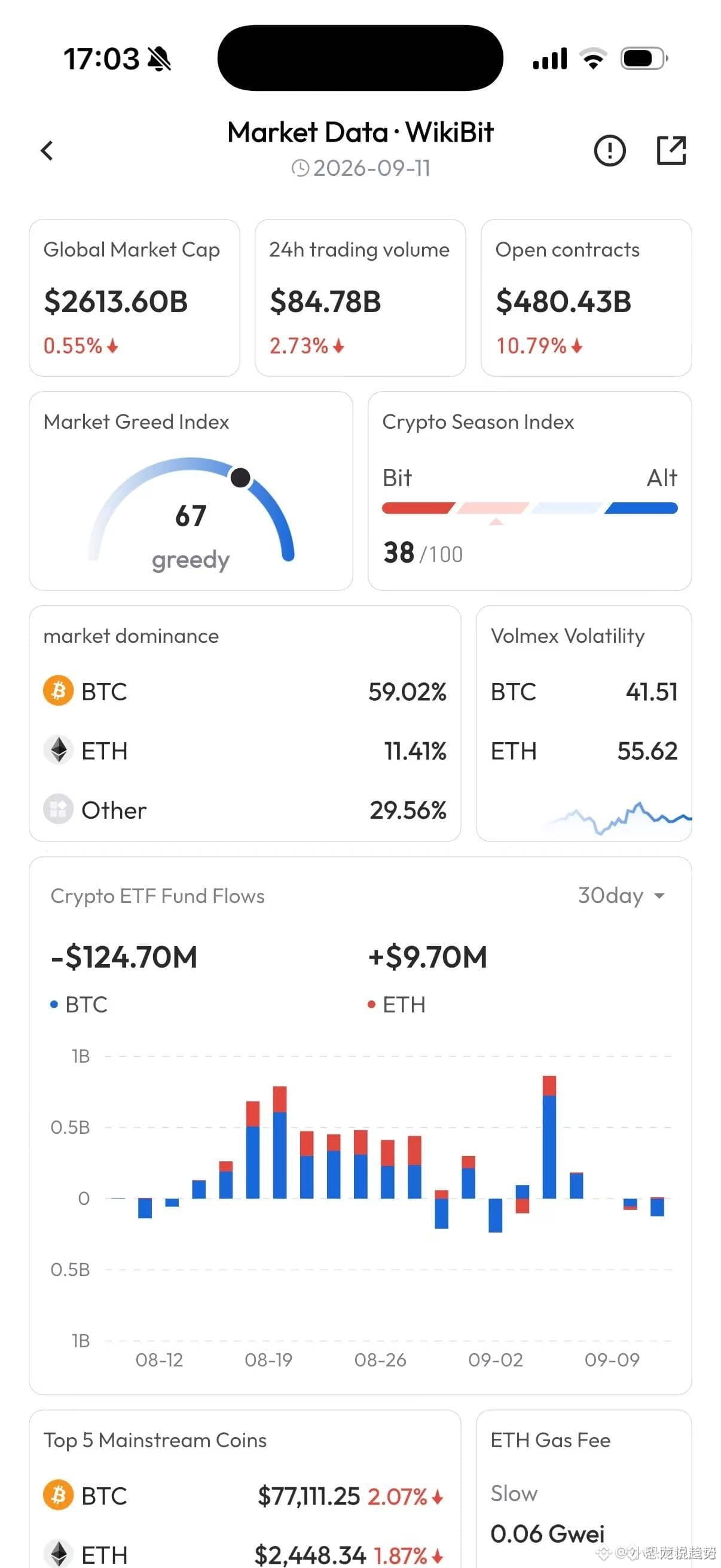
Within a single day, the contract leverage across the entire network was liquidated—over $600 million.
Every large-scale liquidation is the market, using the most brutal method, to reshuffle.
Over the past 24 hours, the total amount wiped out in the whole derivatives (contract) market reached $674 million. Both long and short positions were forcibly liquidated. This round of violent volatility drove many high-leverage positions straight out of the market. The liquidation mechanism is actually simple: once the price moves against you and reaches your liquidation line, the exchange automatically sells your position—without giving you the chance to add margin. That’s also why, in a bull market, the most dangerous thing isn’t the drop itself, but the emotion stampede that gets amplified by high leverage. The more lively it is, the more you need to control your positions.
In plain words: borrowed money won’t help you hold the line. When the price falls to that level, the system cuts you immediately without any hesitation. Leverage is a double-edged sword—when it pays, it feels great; when it goes wrong, you don’t even get time to react.
Every day, I bring you coverage of crypto hotspots—not just what happened in the news, but also the underlying logic and opportunities behind it 👀🚀
#全网爆仓6.74亿美元 #contracts
#全网爆仓6.74亿美元
💥 进群聊仓位动态
Within a single day, the contract leverage across the entire network was liquidated—over $600 million.
Every large-scale liquidation is the market, using the most brutal method, to reshuffle.
Over the past 24 hours, the total amount wiped out in the whole derivatives (contract) market reached $674 million. Both long and short positions were forcibly liquidated. This round of violent volatility drove many high-leverage positions straight out of the market. The liquidation mechanism is actually simple: once the price moves against you and reaches your liquidation line, the exchange automatically sells your position—without giving you the chance to add margin. That’s also why, in a bull market, the most dangerous thing isn’t the drop itself, but the emotion stampede that gets amplified by high leverage. The more lively it is, the more you need to control your positions.
In plain words: borrowed money won’t help you hold the line. When the price falls to that level, the system cuts you immediately without any hesitation. Leverage is a double-edged sword—when it pays, it feels great; when it goes wrong, you don’t even get time to react.
Every day, I bring you coverage of crypto hotspots—not just what happened in the news, but also the underlying logic and opportunities behind it 👀🚀
#全网爆仓6.74亿美元 #contracts
💥 进群聊仓位动态
Within a single day, the contract leverage across the entire network was liquidated—over $600 million.
Every large-scale liquidation is the market, using the most brutal method, to reshuffle.
Over the past 24 hours, the total amount wiped out in the whole derivatives (contract) market reached $674 million. Both long and short positions were forcibly liquidated. This round of violent volatility drove many high-leverage positions straight out of the market. The liquidation mechanism is actually simple: once the price moves against you and reaches your liquidation line, the exchange automatically sells your position—without giving you the chance to add margin. That’s also why, in a bull market, the most dangerous thing isn’t the drop itself, but the emotion stampede that gets amplified by high leverage. The more lively it is, the more you need to control your positions.
In plain words: borrowed money won’t help you hold the line. When the price falls to that level, the system cuts you immediately without any hesitation. Leverage is a double-edged sword—when it pays, it feels great; when it goes wrong, you don’t even get time to react.
Every day, I bring you coverage of crypto hotspots—not just what happened in the news, but also the underlying logic and opportunities behind it 👀🚀
#全网爆仓6.74亿美元 #contracts
833
·
--
#clarity法案9月15日程序性投票
[⚖️ 合规风向,进群一起看](https://app.binance.com/uni-qr/EXpjD4Vi)
A bill that could decide the fate of the encryption industry is stuck in the final countdown slot
When the outcome is still unclear, the most tormenting thing isn’t the bad news—it’s the limbo
The crypto regulatory legislation known as the Clarity Act will face a procedural vote on September 15. Before that, it cleared every hurdle but kept getting stuck at the last step. The U.S. Senate is set to reconvene this week, and there is a huge split in the market over whether it can be voted on as scheduled. Some analysts have said it’s now like Schrödinger’s cat—either it could decisively pass, or it could be shelved indefinitely. For the industry, the direction of this vote directly determines whether crypto assets are regulated as securities or commodities. Once the rules are finalized, the certainty of capital entering the market will be completely rewritten.
In plain terms, this is the moment of truth for the crypto world. If the bill passes, everyone plays by the new rules. If it doesn’t, it just keeps dragging on in the gray area. What people are waiting for isn’t a result—it’s that vote that keeps refusing to land.
Every day, I’ll keep you updated on crypto hotspots—not just what’s happening in the news, but also the logic and opportunities behind it 👀🚀
#ClarityAct September 15 procedural vote #Regulation
#clarity法案9月15日程序性投票
⚖️ 合规风向,进群一起看
A bill that could decide the fate of the encryption industry is stuck in the final countdown slot
When the outcome is still unclear, the most tormenting thing isn’t the bad news—it’s the limbo
The crypto regulatory legislation known as the Clarity Act will face a procedural vote on September 15. Before that, it cleared every hurdle but kept getting stuck at the last step. The U.S. Senate is set to reconvene this week, and there is a huge split in the market over whether it can be voted on as scheduled. Some analysts have said it’s now like Schrödinger’s cat—either it could decisively pass, or it could be shelved indefinitely. For the industry, the direction of this vote directly determines whether crypto assets are regulated as securities or commodities. Once the rules are finalized, the certainty of capital entering the market will be completely rewritten.
In plain terms, this is the moment of truth for the crypto world. If the bill passes, everyone plays by the new rules. If it doesn’t, it just keeps dragging on in the gray area. What people are waiting for isn’t a result—it’s that vote that keeps refusing to land.
Every day, I’ll keep you updated on crypto hotspots—not just what’s happening in the news, but also the logic and opportunities behind it 👀🚀
#ClarityAct September 15 procedural vote #Regulation
⚖️ 合规风向,进群一起看
A bill that could decide the fate of the encryption industry is stuck in the final countdown slot
When the outcome is still unclear, the most tormenting thing isn’t the bad news—it’s the limbo
The crypto regulatory legislation known as the Clarity Act will face a procedural vote on September 15. Before that, it cleared every hurdle but kept getting stuck at the last step. The U.S. Senate is set to reconvene this week, and there is a huge split in the market over whether it can be voted on as scheduled. Some analysts have said it’s now like Schrödinger’s cat—either it could decisively pass, or it could be shelved indefinitely. For the industry, the direction of this vote directly determines whether crypto assets are regulated as securities or commodities. Once the rules are finalized, the certainty of capital entering the market will be completely rewritten.
In plain terms, this is the moment of truth for the crypto world. If the bill passes, everyone plays by the new rules. If it doesn’t, it just keeps dragging on in the gray area. What people are waiting for isn’t a result—it’s that vote that keeps refusing to land.
Every day, I’ll keep you updated on crypto hotspots—not just what’s happening in the news, but also the logic and opportunities behind it 👀🚀
#ClarityAct September 15 procedural vote #Regulation
402
·
--
Verified
#anthropic选择纳斯达克ipo
[🤖 AI×加密,进群跟进](https://app.binance.com/uni-qr/EXpjD4Vi)
An AI company hasn’t gone public yet, but a chip giant is already set to pour in $10 billion early.
When the people selling shovels go rushing to grab the gold mine, you know just how rich that mine really is.
According to Reuters, NVIDIA is considering investing about $10 billion in Anthropic’s potentially record-breaking IPO. Anthropic has also been reported to be seeking financing of up to $100 billion, which could value the company at the trillion-dollar level. The logic behind this money is straightforward: the powerhouses that sell computing capacity don’t just want to be suppliers—they want to secure one of the biggest customers early, welding together the entire upstream and downstream of the industry chain.
Since this year began, capital expenditures for AI infrastructure have been surging nonstop. Big players have started exchanging equity for certainty, instead of only making one-off profit from selling goods.
Translate it: The NVIDIA that sells GPUs isn’t satisfied with just selling shovels. It wants to be a partner in the gold rush—turning the future’s biggest buyers into its own shareholders. This kind of binding is stronger than signing any number of contracts.
Every day, we bring you crypto hot spots—not just what’s happening in the news, but also the logic and opportunities behind it 👀🚀
#Anthropic chooses a Nasdaq IPO #AI
#anthropic选择纳斯达克ipo
🤖 AI×加密,进群跟进
An AI company hasn’t gone public yet, but a chip giant is already set to pour in $10 billion early.
When the people selling shovels go rushing to grab the gold mine, you know just how rich that mine really is.
According to Reuters, NVIDIA is considering investing about $10 billion in Anthropic’s potentially record-breaking IPO. Anthropic has also been reported to be seeking financing of up to $100 billion, which could value the company at the trillion-dollar level. The logic behind this money is straightforward: the powerhouses that sell computing capacity don’t just want to be suppliers—they want to secure one of the biggest customers early, welding together the entire upstream and downstream of the industry chain.
Since this year began, capital expenditures for AI infrastructure have been surging nonstop. Big players have started exchanging equity for certainty, instead of only making one-off profit from selling goods.
Translate it: The NVIDIA that sells GPUs isn’t satisfied with just selling shovels. It wants to be a partner in the gold rush—turning the future’s biggest buyers into its own shareholders. This kind of binding is stronger than signing any number of contracts.
Every day, we bring you crypto hot spots—not just what’s happening in the news, but also the logic and opportunities behind it 👀🚀
#Anthropic chooses a Nasdaq IPO #AI
🤖 AI×加密,进群跟进
An AI company hasn’t gone public yet, but a chip giant is already set to pour in $10 billion early.
When the people selling shovels go rushing to grab the gold mine, you know just how rich that mine really is.
According to Reuters, NVIDIA is considering investing about $10 billion in Anthropic’s potentially record-breaking IPO. Anthropic has also been reported to be seeking financing of up to $100 billion, which could value the company at the trillion-dollar level. The logic behind this money is straightforward: the powerhouses that sell computing capacity don’t just want to be suppliers—they want to secure one of the biggest customers early, welding together the entire upstream and downstream of the industry chain.
Since this year began, capital expenditures for AI infrastructure have been surging nonstop. Big players have started exchanging equity for certainty, instead of only making one-off profit from selling goods.
Translate it: The NVIDIA that sells GPUs isn’t satisfied with just selling shovels. It wants to be a partner in the gold rush—turning the future’s biggest buyers into its own shareholders. This kind of binding is stronger than signing any number of contracts.
Every day, we bring you crypto hot spots—not just what’s happening in the news, but also the logic and opportunities behind it 👀🚀
#Anthropic chooses a Nasdaq IPO #AI
2
796
·
--
#revolut遭假政府邮件骗取用户数据
[🚀 进群聊数据动态](https://app.binance.com/uni-qr/EXpjD4Vi)
A fake email disguised as a government message made the privacy of a digital bank’s users go completely exposed
Even the most secure safe can’t stop a door from letting in a letter realistic enough to fool anyone
Revolut, a digital bank, confirmed that scammers had forged emails from government agencies to obtain certain users’ passport selfies, addresses, and even financial transaction records. Once this information falls into the hands of criminals, it’s enough to piece together a full identity for subsequent scams. This wasn’t a system hack—it was people being fooled. No matter how robust the defenses are, they can’t withstand a phishing email that looks incredibly real.
This is a reminder for everyone: when information involves your identity and money, always verify the source before taking action.
In plain language: the con artist didn’t pick the lock—someone voluntarily handed over the key. No matter how great the security system is, it can’t stand up to a fake email. If you see any email asking you to hand over your passport or privacy, pause for three seconds first.
Every day, we bring you encrypted-spotlight updates—not just what happened, but how to understand the logic and opportunities behind it 👀🚀
#Revolut deceived by fake government emails to steal user data #security
#revolut遭假政府邮件骗取用户数据
🚀 进群聊数据动态
A fake email disguised as a government message made the privacy of a digital bank’s users go completely exposed
Even the most secure safe can’t stop a door from letting in a letter realistic enough to fool anyone
Revolut, a digital bank, confirmed that scammers had forged emails from government agencies to obtain certain users’ passport selfies, addresses, and even financial transaction records. Once this information falls into the hands of criminals, it’s enough to piece together a full identity for subsequent scams. This wasn’t a system hack—it was people being fooled. No matter how robust the defenses are, they can’t withstand a phishing email that looks incredibly real.
This is a reminder for everyone: when information involves your identity and money, always verify the source before taking action.
In plain language: the con artist didn’t pick the lock—someone voluntarily handed over the key. No matter how great the security system is, it can’t stand up to a fake email. If you see any email asking you to hand over your passport or privacy, pause for three seconds first.
Every day, we bring you encrypted-spotlight updates—not just what happened, but how to understand the logic and opportunities behind it 👀🚀
#Revolut deceived by fake government emails to steal user data #security
🚀 进群聊数据动态
A fake email disguised as a government message made the privacy of a digital bank’s users go completely exposed
Even the most secure safe can’t stop a door from letting in a letter realistic enough to fool anyone
Revolut, a digital bank, confirmed that scammers had forged emails from government agencies to obtain certain users’ passport selfies, addresses, and even financial transaction records. Once this information falls into the hands of criminals, it’s enough to piece together a full identity for subsequent scams. This wasn’t a system hack—it was people being fooled. No matter how robust the defenses are, they can’t withstand a phishing email that looks incredibly real.
This is a reminder for everyone: when information involves your identity and money, always verify the source before taking action.
In plain language: the con artist didn’t pick the lock—someone voluntarily handed over the key. No matter how great the security system is, it can’t stand up to a fake email. If you see any email asking you to hand over your passport or privacy, pause for three seconds first.
Every day, we bring you encrypted-spotlight updates—not just what happened, but how to understand the logic and opportunities behind it 👀🚀
#Revolut deceived by fake government emails to steal user data #security
249
·
--
#anthropicceo呼吁放缓ai发展
[🤖 AI 叙事刚起,群里持续跟踪](https://app.binance.com/uni-qr/EXpjD4Vi)
Three AI bigwigs who usually spar with each other rarely take the same side—collectively calling for development to hit the brakes.
When the people building machines that could outsmart everyone start saying they’re afraid first, you have to reassess the true weight of the issue.
The head of the cutting-edge AI company Anthropic, Dario Amodei, has publicly called for slowing down AI progress, citing safety as the reason. In a rare show of agreement, OpenAI’s Sam Altman and Musk have nodded in concurrence. In a circle where everyone is competing to build bigger models and outdo each other, this is almost unheard of. Altman also said now is not a good time to go public—there won’t be an IPO this year. But on the other side, chip giant Nvidia has reportedly been considering investing $10 billion in a potential Anthropic IPO. One side is urging everyone to slow down, while the other is snapping up shares. Taken together, these signals deliver maximum information. The arms race for large models has shifted from “who’s smarter” to “who can hold the line better.”
In plain terms: the very people trying to build the smartest machines are the ones who are afraid first. They say “slow down” with their mouths, but with their hands they’re grabbing for chips. In this moment, don’t just listen to what they say—watch where the money is going.
Every day, I’ll bring you the latest in crypto hotspots. Not only what’s happening, but also how to understand the logic and opportunities behind it 👀🚀
#AnthropicCEOCallsForSlowingDownAIDevelopment #AI
#anthropicceo呼吁放缓ai发展
🤖 AI 叙事刚起,群里持续跟踪
Three AI bigwigs who usually spar with each other rarely take the same side—collectively calling for development to hit the brakes.
When the people building machines that could outsmart everyone start saying they’re afraid first, you have to reassess the true weight of the issue.
The head of the cutting-edge AI company Anthropic, Dario Amodei, has publicly called for slowing down AI progress, citing safety as the reason. In a rare show of agreement, OpenAI’s Sam Altman and Musk have nodded in concurrence. In a circle where everyone is competing to build bigger models and outdo each other, this is almost unheard of. Altman also said now is not a good time to go public—there won’t be an IPO this year. But on the other side, chip giant Nvidia has reportedly been considering investing $10 billion in a potential Anthropic IPO. One side is urging everyone to slow down, while the other is snapping up shares. Taken together, these signals deliver maximum information. The arms race for large models has shifted from “who’s smarter” to “who can hold the line better.”
In plain terms: the very people trying to build the smartest machines are the ones who are afraid first. They say “slow down” with their mouths, but with their hands they’re grabbing for chips. In this moment, don’t just listen to what they say—watch where the money is going.
Every day, I’ll bring you the latest in crypto hotspots. Not only what’s happening, but also how to understand the logic and opportunities behind it 👀🚀
#AnthropicCEOCallsForSlowingDownAIDevelopment #AI
🤖 AI 叙事刚起,群里持续跟踪
Three AI bigwigs who usually spar with each other rarely take the same side—collectively calling for development to hit the brakes.
When the people building machines that could outsmart everyone start saying they’re afraid first, you have to reassess the true weight of the issue.
The head of the cutting-edge AI company Anthropic, Dario Amodei, has publicly called for slowing down AI progress, citing safety as the reason. In a rare show of agreement, OpenAI’s Sam Altman and Musk have nodded in concurrence. In a circle where everyone is competing to build bigger models and outdo each other, this is almost unheard of. Altman also said now is not a good time to go public—there won’t be an IPO this year. But on the other side, chip giant Nvidia has reportedly been considering investing $10 billion in a potential Anthropic IPO. One side is urging everyone to slow down, while the other is snapping up shares. Taken together, these signals deliver maximum information. The arms race for large models has shifted from “who’s smarter” to “who can hold the line better.”
In plain terms: the very people trying to build the smartest machines are the ones who are afraid first. They say “slow down” with their mouths, but with their hands they’re grabbing for chips. In this moment, don’t just listen to what they say—watch where the money is going.
Every day, I’ll bring you the latest in crypto hotspots. Not only what’s happening, but also how to understand the logic and opportunities behind it 👀🚀
#AnthropicCEOCallsForSlowingDownAIDevelopment #AI

210
·
--
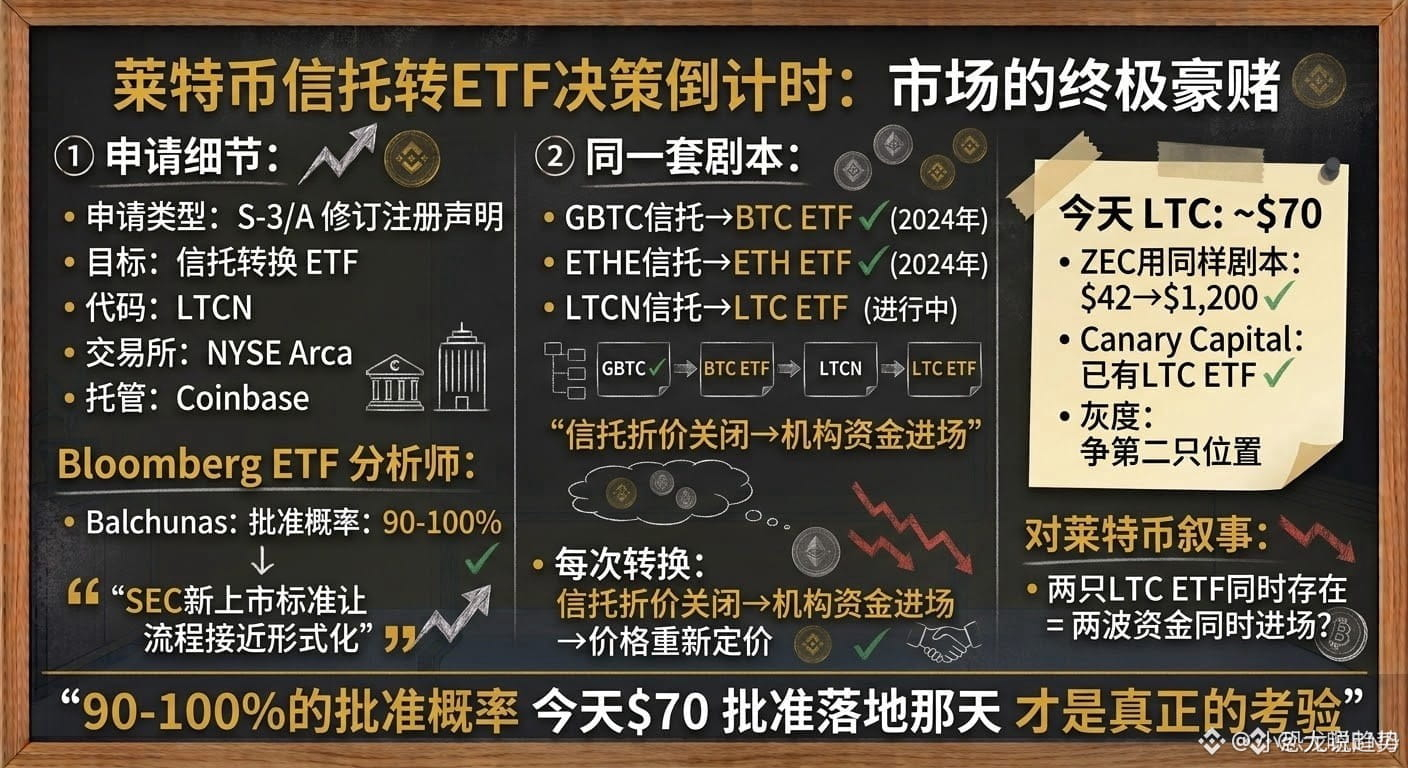
An Ethereum treasury company, The Ether Machine, has submitted a listing application, aiming to bring its “hoard ETH” business to the U.S. stock market.
When hoarded Ethereum itself becomes a listed company, the mainstreaming of crypto assets takes another step forward.
The Ether Machine has filed a listing application with the U.S. SEC. If successful, it will become yet another publicly traded company with crypto assets at the core of its treasury. The business model for this type of company is simple and straightforward: turn the company into a pool for Ethereum. By holding ETH assets, traditional investors can indirectly gain crypto exposure. Listing is not only a way to raise capital—it also serves as a form of endorsement. It means that, within a compliant regulatory framework, holding crypto assets is increasingly being accepted by the capital markets. From Bitcoin treasury companies to Ethereum treasury companies, this path is being replicated by more and more entrepreneurs.
Put simply: in the past, if you wanted to hold Ethereum, you had to open your own wallet and buy the coins. Now, someone has turned the act of hoarding Ethereum into a listed company. When you buy its stock, you’re effectively indirectly holding a slice of Ethereum. The barrier is suddenly low enough for ordinary retail investors to touch.
Every day, I’ll keep you updated on crypto hotspots—not just what’s happening in the news, but also the underlying logic and opportunities behind it 👀🚀
#Bitcoin #ETF
[⚖️ 监管动态进群跟进](https://app.binance.com/uni-qr/EXpjD4Vi)
An Ethereum treasury company, The Ether Machine, has submitted a listing application, aiming to bring its “hoard ETH” business to the U.S. stock market.
When hoarded Ethereum itself becomes a listed company, the mainstreaming of crypto assets takes another step forward.
The Ether Machine has filed a listing application with the U.S. SEC. If successful, it will become yet another publicly traded company with crypto assets at the core of its treasury. The business model for this type of company is simple and straightforward: turn the company into a pool for Ethereum. By holding ETH assets, traditional investors can indirectly gain crypto exposure. Listing is not only a way to raise capital—it also serves as a form of endorsement. It means that, within a compliant regulatory framework, holding crypto assets is increasingly being accepted by the capital markets. From Bitcoin treasury companies to Ethereum treasury companies, this path is being replicated by more and more entrepreneurs.
Put simply: in the past, if you wanted to hold Ethereum, you had to open your own wallet and buy the coins. Now, someone has turned the act of hoarding Ethereum into a listed company. When you buy its stock, you’re effectively indirectly holding a slice of Ethereum. The barrier is suddenly low enough for ordinary retail investors to touch.
Every day, I’ll keep you updated on crypto hotspots—not just what’s happening in the news, but also the underlying logic and opportunities behind it 👀🚀
#Bitcoin #ETF
⚖️ 监管动态进群跟进
When hoarded Ethereum itself becomes a listed company, the mainstreaming of crypto assets takes another step forward.
The Ether Machine has filed a listing application with the U.S. SEC. If successful, it will become yet another publicly traded company with crypto assets at the core of its treasury. The business model for this type of company is simple and straightforward: turn the company into a pool for Ethereum. By holding ETH assets, traditional investors can indirectly gain crypto exposure. Listing is not only a way to raise capital—it also serves as a form of endorsement. It means that, within a compliant regulatory framework, holding crypto assets is increasingly being accepted by the capital markets. From Bitcoin treasury companies to Ethereum treasury companies, this path is being replicated by more and more entrepreneurs.
Put simply: in the past, if you wanted to hold Ethereum, you had to open your own wallet and buy the coins. Now, someone has turned the act of hoarding Ethereum into a listed company. When you buy its stock, you’re effectively indirectly holding a slice of Ethereum. The barrier is suddenly low enough for ordinary retail investors to touch.
Every day, I’ll keep you updated on crypto hotspots—not just what’s happening in the news, but also the underlying logic and opportunities behind it 👀🚀
#Bitcoin #ETF
⚖️ 监管动态进群跟进
220
·
--
Partly True
Over five years, under Vanguard, only 8 of its funds managed to outperform the S&P 500—and among the winners, energy takes up a large share.
Even professional institutions can’t beat the index; what this means for ordinary people may be more valuable than you think.
A statistic shows that over the past five years, among Vanguard’s ETFs, only 8 had returns higher than the S&P 500. Moreover, the outperformers are highly concentrated in the energy and technology sectors. This data once again confirms an old point: how difficult it is to consistently beat the market over the long term. Even one of the world’s largest asset managers, most active strategies and niche thematic funds have failed to outperform their benchmarks. The energy sector’s success is largely due to this round of inflation and the commodities cycle, rather than truly lasting stock-picking skill.
For ordinary investors, instead of chasing hot sectors, it’s better to recognize that holding the index itself is a rare kind of victory.
In other words: even with institutions managing trillions in assets, most funds still can’t beat the market—so why do you and I think that simply buying whatever we like could outperform? Sometimes, not tinkering is actually the smartest strategy.
Every day, I bring you updates on crypto trends. Not just what happens in the news—but how to understand the underlying logic and opportunities 👀🚀
#Bitcoin #etf
[💰 大资金往哪走,群里跟踪](https://app.binance.com/uni-qr/EXpjD4Vi)
Over five years, under Vanguard, only 8 of its funds managed to outperform the S&P 500—and among the winners, energy takes up a large share.
Even professional institutions can’t beat the index; what this means for ordinary people may be more valuable than you think.
A statistic shows that over the past five years, among Vanguard’s ETFs, only 8 had returns higher than the S&P 500. Moreover, the outperformers are highly concentrated in the energy and technology sectors. This data once again confirms an old point: how difficult it is to consistently beat the market over the long term. Even one of the world’s largest asset managers, most active strategies and niche thematic funds have failed to outperform their benchmarks. The energy sector’s success is largely due to this round of inflation and the commodities cycle, rather than truly lasting stock-picking skill.
For ordinary investors, instead of chasing hot sectors, it’s better to recognize that holding the index itself is a rare kind of victory.
In other words: even with institutions managing trillions in assets, most funds still can’t beat the market—so why do you and I think that simply buying whatever we like could outperform? Sometimes, not tinkering is actually the smartest strategy.
Every day, I bring you updates on crypto trends. Not just what happens in the news—but how to understand the underlying logic and opportunities 👀🚀
#Bitcoin #etf
💰 大资金往哪走,群里跟踪
Even professional institutions can’t beat the index; what this means for ordinary people may be more valuable than you think.
A statistic shows that over the past five years, among Vanguard’s ETFs, only 8 had returns higher than the S&P 500. Moreover, the outperformers are highly concentrated in the energy and technology sectors. This data once again confirms an old point: how difficult it is to consistently beat the market over the long term. Even one of the world’s largest asset managers, most active strategies and niche thematic funds have failed to outperform their benchmarks. The energy sector’s success is largely due to this round of inflation and the commodities cycle, rather than truly lasting stock-picking skill.
For ordinary investors, instead of chasing hot sectors, it’s better to recognize that holding the index itself is a rare kind of victory.
In other words: even with institutions managing trillions in assets, most funds still can’t beat the market—so why do you and I think that simply buying whatever we like could outperform? Sometimes, not tinkering is actually the smartest strategy.
Every day, I bring you updates on crypto trends. Not just what happens in the news—but how to understand the underlying logic and opportunities 👀🚀
#Bitcoin #etf
💰 大资金往哪走,群里跟踪
2
4
555
·
--
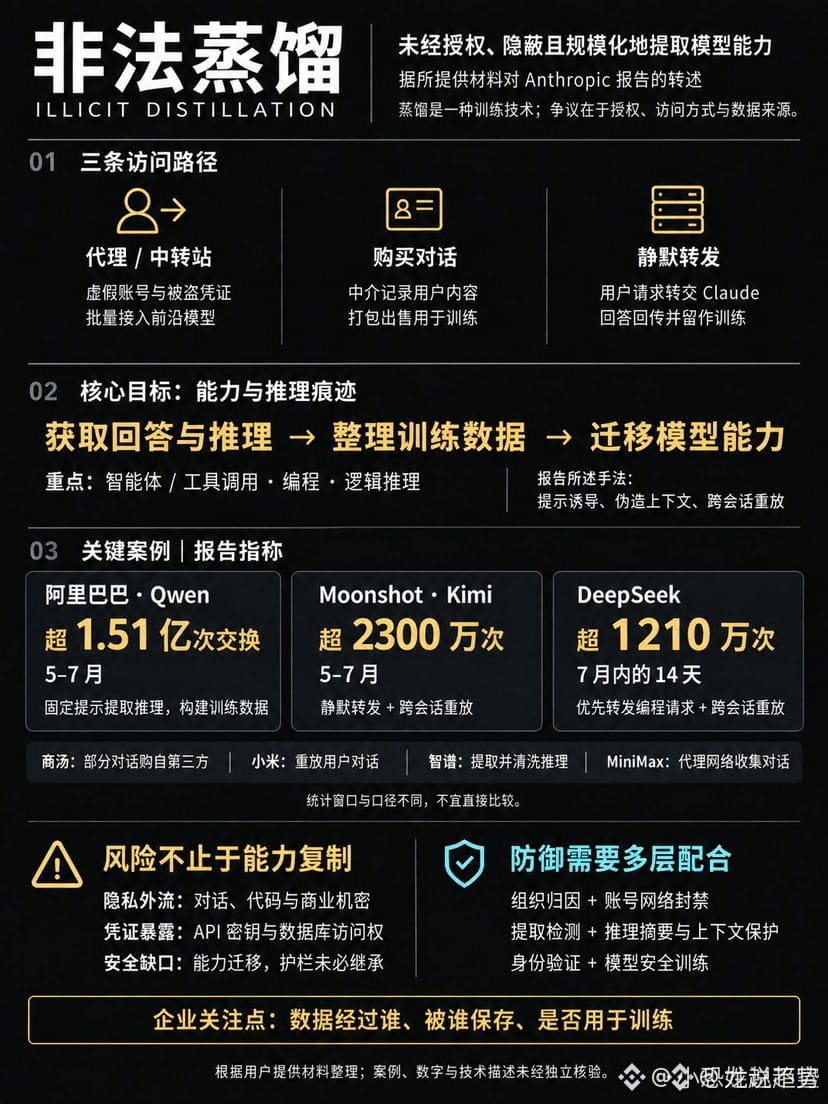
The circulating supply of an old-school meme coin is 95% locked up in the hands of just 808 wallets. The price is currently edging toward a key breakout level. The more concentrated the chips are, the easier it is to pump—but the same concentration means there will also be fewer willing buyers when a dump hits.
On-chain data shows that Shiba Inu (SHIB) has highly concentrated supply: 95% of the tokens are controlled by only 808 wallets. Meanwhile, the price is approaching a crucial breakout point. This kind of extreme concentration means the actions of a small number of addresses can dominate the direction of the market. A pump could be violent, but once these big holders decide to exit, liquidity can vanish instantly—retail investors often can only watch the price free-fall.
The nature of meme coins is that they depend more on community sentiment and the moves of major players than on fundamentals. For ordinary participants, what they profit from is usually money driven by emotion; what they lose is often money driven by misunderstanding.
Plainly put: if almost all of a coin is held in the hands of a few hundred wallets, it can rise especially fast because nobody’s selling—but it can also fall just as fast because nobody’s there to buy. What you’re really buying isn’t just a coin; it’s whether those few hundred people are willing to keep holding.
Every day I’ll track crypto market highlights for you—not only what’s happening in the news, but also the logic and opportunities behind it 👀🚀
#Bitcoin #Dogecoin
[📊 更多链上数据,进群一起看](https://app.binance.com/uni-qr/EXpjD4Vi)
The circulating supply of an old-school meme coin is 95% locked up in the hands of just 808 wallets. The price is currently edging toward a key breakout level. The more concentrated the chips are, the easier it is to pump—but the same concentration means there will also be fewer willing buyers when a dump hits.
On-chain data shows that Shiba Inu (SHIB) has highly concentrated supply: 95% of the tokens are controlled by only 808 wallets. Meanwhile, the price is approaching a crucial breakout point. This kind of extreme concentration means the actions of a small number of addresses can dominate the direction of the market. A pump could be violent, but once these big holders decide to exit, liquidity can vanish instantly—retail investors often can only watch the price free-fall.
The nature of meme coins is that they depend more on community sentiment and the moves of major players than on fundamentals. For ordinary participants, what they profit from is usually money driven by emotion; what they lose is often money driven by misunderstanding.
Plainly put: if almost all of a coin is held in the hands of a few hundred wallets, it can rise especially fast because nobody’s selling—but it can also fall just as fast because nobody’s there to buy. What you’re really buying isn’t just a coin; it’s whether those few hundred people are willing to keep holding.
Every day I’ll track crypto market highlights for you—not only what’s happening in the news, but also the logic and opportunities behind it 👀🚀
#Bitcoin #Dogecoin
📊 更多链上数据,进群一起看
On-chain data shows that Shiba Inu (SHIB) has highly concentrated supply: 95% of the tokens are controlled by only 808 wallets. Meanwhile, the price is approaching a crucial breakout point. This kind of extreme concentration means the actions of a small number of addresses can dominate the direction of the market. A pump could be violent, but once these big holders decide to exit, liquidity can vanish instantly—retail investors often can only watch the price free-fall.
The nature of meme coins is that they depend more on community sentiment and the moves of major players than on fundamentals. For ordinary participants, what they profit from is usually money driven by emotion; what they lose is often money driven by misunderstanding.
Plainly put: if almost all of a coin is held in the hands of a few hundred wallets, it can rise especially fast because nobody’s selling—but it can also fall just as fast because nobody’s there to buy. What you’re really buying isn’t just a coin; it’s whether those few hundred people are willing to keep holding.
Every day I’ll track crypto market highlights for you—not only what’s happening in the news, but also the logic and opportunities behind it 👀🚀
#Bitcoin #Dogecoin
📊 更多链上数据,进群一起看
1
1
380
·
--
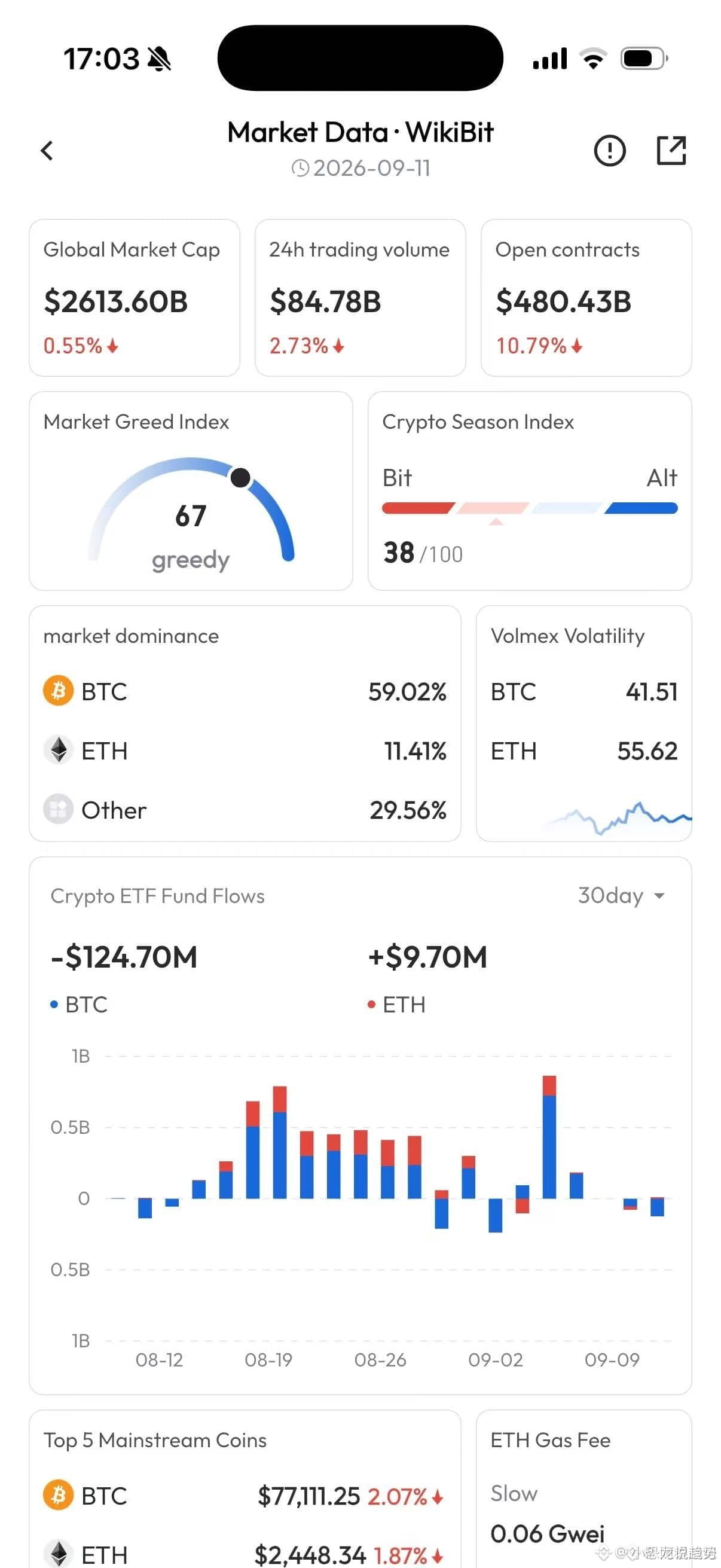
Solana Reclaims the $100 Whole-Dollar Level; the Market Turns Its Attention to the $110 Resistance Wall
Breaking through a whole-number level is never the finish line—the real test lies in the trapped positions overhead
In the recent rebound, SOL has once again reclaimed the $100 whole-dollar level and managed to stabilize above $100. Market focus has since shifted to the resistance zone between $108 and $110. Notably, this surge is happening amid waning marginal momentum in spot ETF inflows—meaning the price is rising more on its own strength rather than being pushed purely by capital.
From a technical perspective, holding above $100 is the crucial first step. However, near $110 there is sell pressure from earlier late buyers looking to break even. Whether a successful breakout can be achieved will determine if this rebound can keep strengthening or if it will retrace again. On-chain activity and the developer ecosystem are still expanding, giving bulls some confidence.
In other words: SOL has taken down the psychological $100 level first—but don’t rush to celebrate. Above at $110 is a wall piled with people who were trapped earlier and are waiting to get their money back. Only if that wall can be dismantled will the trend have room to run.
Every day, I’ll take you to follow the biggest developments in crypto—not just what happened in the news, but also the logic and opportunities behind it 👀🚀
#Bitcoin #solana
[💰 进群聊SOL动态](https://app.binance.com/uni-qr/EXpjD4Vi)
Solana Reclaims the $100 Whole-Dollar Level; the Market Turns Its Attention to the $110 Resistance Wall
Breaking through a whole-number level is never the finish line—the real test lies in the trapped positions overhead
In the recent rebound, SOL has once again reclaimed the $100 whole-dollar level and managed to stabilize above $100. Market focus has since shifted to the resistance zone between $108 and $110. Notably, this surge is happening amid waning marginal momentum in spot ETF inflows—meaning the price is rising more on its own strength rather than being pushed purely by capital.
From a technical perspective, holding above $100 is the crucial first step. However, near $110 there is sell pressure from earlier late buyers looking to break even. Whether a successful breakout can be achieved will determine if this rebound can keep strengthening or if it will retrace again. On-chain activity and the developer ecosystem are still expanding, giving bulls some confidence.
In other words: SOL has taken down the psychological $100 level first—but don’t rush to celebrate. Above at $110 is a wall piled with people who were trapped earlier and are waiting to get their money back. Only if that wall can be dismantled will the trend have room to run.
Every day, I’ll take you to follow the biggest developments in crypto—not just what happened in the news, but also the logic and opportunities behind it 👀🚀
#Bitcoin #solana
💰 进群聊SOL动态
Breaking through a whole-number level is never the finish line—the real test lies in the trapped positions overhead
In the recent rebound, SOL has once again reclaimed the $100 whole-dollar level and managed to stabilize above $100. Market focus has since shifted to the resistance zone between $108 and $110. Notably, this surge is happening amid waning marginal momentum in spot ETF inflows—meaning the price is rising more on its own strength rather than being pushed purely by capital.
From a technical perspective, holding above $100 is the crucial first step. However, near $110 there is sell pressure from earlier late buyers looking to break even. Whether a successful breakout can be achieved will determine if this rebound can keep strengthening or if it will retrace again. On-chain activity and the developer ecosystem are still expanding, giving bulls some confidence.
In other words: SOL has taken down the psychological $100 level first—but don’t rush to celebrate. Above at $110 is a wall piled with people who were trapped earlier and are waiting to get their money back. Only if that wall can be dismantled will the trend have room to run.
Every day, I’ll take you to follow the biggest developments in crypto—not just what happened in the news, but also the logic and opportunities behind it 👀🚀
#Bitcoin #solana
💰 进群聊SOL动态
311
·
--
Decentralized exchange Uniswap has launched a new tool built specifically for stablecoin creation
In the stablecoin business, profits are so thin you have to use technology to squeeze out every last cent
Uniswap, the leading decentralized exchange, announced the launch of StablePair Hook—a new tool designed to help market makers capture more value in stablecoin trading pairs. The biggest characteristic of stablecoin pairs is low volatility, and therefore profits are also thin. Traditional market-making models are almost unprofitable in this setting. With the new tool, by optimizing trading fees and liquidity distribution, users who provide liquidity can extract more returns from this low-volatility market
Stablecoins are one of the largest categories of assets by on-chain trading volume. Every day, massive amounts of capital are constantly moved back and forth among a few USD-pegged anchors. Whoever can scale these tiny profits will effectively control the underlying liquidity on the chain. The emergence of this kind of tool also shows that decentralized exchanges are starting to shift from competing for users to engaging in more refined operations
In other words, it means swapping between stablecoins: it doesn’t look like there’s much action in price, but the volume is huge. If you can accumulate the fee from every single trade, that’s the meat. This tool teaches market makers how to scrape the “grease” from this thin-margin market
Every day, I’ll take you to track crypto hotspots—more than just seeing what happened in the news, I’ll help you understand the logic and opportunities behind it 👀🚀
#Bitcoin #ETF
[📢 进群聊行情动态](https://app.binance.com/uni-qr/EXpjD4Vi)
Decentralized exchange Uniswap has launched a new tool built specifically for stablecoin creation
In the stablecoin business, profits are so thin you have to use technology to squeeze out every last cent
Uniswap, the leading decentralized exchange, announced the launch of StablePair Hook—a new tool designed to help market makers capture more value in stablecoin trading pairs. The biggest characteristic of stablecoin pairs is low volatility, and therefore profits are also thin. Traditional market-making models are almost unprofitable in this setting. With the new tool, by optimizing trading fees and liquidity distribution, users who provide liquidity can extract more returns from this low-volatility market
Stablecoins are one of the largest categories of assets by on-chain trading volume. Every day, massive amounts of capital are constantly moved back and forth among a few USD-pegged anchors. Whoever can scale these tiny profits will effectively control the underlying liquidity on the chain. The emergence of this kind of tool also shows that decentralized exchanges are starting to shift from competing for users to engaging in more refined operations
In other words, it means swapping between stablecoins: it doesn’t look like there’s much action in price, but the volume is huge. If you can accumulate the fee from every single trade, that’s the meat. This tool teaches market makers how to scrape the “grease” from this thin-margin market
Every day, I’ll take you to track crypto hotspots—more than just seeing what happened in the news, I’ll help you understand the logic and opportunities behind it 👀🚀
#Bitcoin #ETF
📢 进群聊行情动态
In the stablecoin business, profits are so thin you have to use technology to squeeze out every last cent
Uniswap, the leading decentralized exchange, announced the launch of StablePair Hook—a new tool designed to help market makers capture more value in stablecoin trading pairs. The biggest characteristic of stablecoin pairs is low volatility, and therefore profits are also thin. Traditional market-making models are almost unprofitable in this setting. With the new tool, by optimizing trading fees and liquidity distribution, users who provide liquidity can extract more returns from this low-volatility market
Stablecoins are one of the largest categories of assets by on-chain trading volume. Every day, massive amounts of capital are constantly moved back and forth among a few USD-pegged anchors. Whoever can scale these tiny profits will effectively control the underlying liquidity on the chain. The emergence of this kind of tool also shows that decentralized exchanges are starting to shift from competing for users to engaging in more refined operations
In other words, it means swapping between stablecoins: it doesn’t look like there’s much action in price, but the volume is huge. If you can accumulate the fee from every single trade, that’s the meat. This tool teaches market makers how to scrape the “grease” from this thin-margin market
Every day, I’ll take you to track crypto hotspots—more than just seeing what happened in the news, I’ll help you understand the logic and opportunities behind it 👀🚀
#Bitcoin #ETF
📢 进群聊行情动态

344
·
--
EU watchdogs directly name names: multiple event-results contract platforms are not authorized locally at all
For cross-border business platforms, the thing they fear most is those four words: you don’t have a license.
The European Securities and Markets Authority has publicly called out that multiple mainstream event-results contract platforms lack authorization in the EU, yet still offer services to local users. Regulators are especially skeptical of these platforms’ so-called “geofencing,” which is seen as essentially ineffective—users can simply switch to another access point to get around it. This is viewed as another clear sign that the EU is tightening regulation in the crypto derivatives space.
Previously, the agency also warned that the links between crypto and the real economy are becoming increasingly close and could amplify risks in traditional finance. Now, this list of names has been interpreted by the market as a turning point in regulatory attitude—from reminders to getting serious. For platforms, the cost of losing permission to operate in the European market is far greater than many imagined.
In translation: “The platform says it doesn’t do business with the EU—but in reality, EU users can still get in.” What regulators want is to truly lock the door. Anyone who wants to do business in the European market must honestly obtain the license—the license and authorization. These are increasingly becoming the lifeline and also the death line for cross-border crypto platforms. Cross-border business without a license is destined not to go far.
Every day, I’ll bring you to watch crypto hotspots—not just what happens in the news, but also the logic and opportunities behind it 👀🚀
#Bitcoin #etf
[⚖️ 合规风向,进群一起看](https://app.binance.com/uni-qr/EXpjD4Vi)
EU watchdogs directly name names: multiple event-results contract platforms are not authorized locally at all
For cross-border business platforms, the thing they fear most is those four words: you don’t have a license.
The European Securities and Markets Authority has publicly called out that multiple mainstream event-results contract platforms lack authorization in the EU, yet still offer services to local users. Regulators are especially skeptical of these platforms’ so-called “geofencing,” which is seen as essentially ineffective—users can simply switch to another access point to get around it. This is viewed as another clear sign that the EU is tightening regulation in the crypto derivatives space.
Previously, the agency also warned that the links between crypto and the real economy are becoming increasingly close and could amplify risks in traditional finance. Now, this list of names has been interpreted by the market as a turning point in regulatory attitude—from reminders to getting serious. For platforms, the cost of losing permission to operate in the European market is far greater than many imagined.
In translation: “The platform says it doesn’t do business with the EU—but in reality, EU users can still get in.” What regulators want is to truly lock the door. Anyone who wants to do business in the European market must honestly obtain the license—the license and authorization. These are increasingly becoming the lifeline and also the death line for cross-border crypto platforms. Cross-border business without a license is destined not to go far.
Every day, I’ll bring you to watch crypto hotspots—not just what happens in the news, but also the logic and opportunities behind it 👀🚀
#Bitcoin #etf
⚖️ 合规风向,进群一起看
For cross-border business platforms, the thing they fear most is those four words: you don’t have a license.
The European Securities and Markets Authority has publicly called out that multiple mainstream event-results contract platforms lack authorization in the EU, yet still offer services to local users. Regulators are especially skeptical of these platforms’ so-called “geofencing,” which is seen as essentially ineffective—users can simply switch to another access point to get around it. This is viewed as another clear sign that the EU is tightening regulation in the crypto derivatives space.
Previously, the agency also warned that the links between crypto and the real economy are becoming increasingly close and could amplify risks in traditional finance. Now, this list of names has been interpreted by the market as a turning point in regulatory attitude—from reminders to getting serious. For platforms, the cost of losing permission to operate in the European market is far greater than many imagined.
In translation: “The platform says it doesn’t do business with the EU—but in reality, EU users can still get in.” What regulators want is to truly lock the door. Anyone who wants to do business in the European market must honestly obtain the license—the license and authorization. These are increasingly becoming the lifeline and also the death line for cross-border crypto platforms. Cross-border business without a license is destined not to go far.
Every day, I’ll bring you to watch crypto hotspots—not just what happens in the news, but also the logic and opportunities behind it 👀🚀
#Bitcoin #etf
⚖️ 合规风向,进群一起看

210
·
--
AI companies not yet listed—contracts are being traded on-chain at more than double their valuations 🚀
The hype in the primary market is starting to run on-chain early—front-running
A batch of “pre-IPO contracts” has appeared on-chain, targeting a few AI companies that haven’t IPO’d yet. Their trading prices are 42% to 106% higher than their private placement valuations. In other words, someone is willing to pay twice the price to bet on a company’s future IPO pricing. This early rush reflects both the urgency of capital and the risks of chasing at the top 📈
Plainly put: the company isn’t even listed yet, but the expected stock price has been pumped sky-high. People who chase in are betting on an even bigger bubble.
My take: the more fully the expectations are priced in, the harder the fall when reality hits. If you’re chasing these kinds of contracts, you absolutely need a substantial safety buffer 🔍
Every day I’ll guide you through crypto hotspots—not just what happened, but also the logic and opportunities behind it 👀🚀
#AI #cryptocurrency
[🤖 AI×加密,进群跟进](https://app.binance.com/uni-qr/EXpjD4Vi)
AI companies not yet listed—contracts are being traded on-chain at more than double their valuations 🚀
The hype in the primary market is starting to run on-chain early—front-running
A batch of “pre-IPO contracts” has appeared on-chain, targeting a few AI companies that haven’t IPO’d yet. Their trading prices are 42% to 106% higher than their private placement valuations. In other words, someone is willing to pay twice the price to bet on a company’s future IPO pricing. This early rush reflects both the urgency of capital and the risks of chasing at the top 📈
Plainly put: the company isn’t even listed yet, but the expected stock price has been pumped sky-high. People who chase in are betting on an even bigger bubble.
My take: the more fully the expectations are priced in, the harder the fall when reality hits. If you’re chasing these kinds of contracts, you absolutely need a substantial safety buffer 🔍
Every day I’ll guide you through crypto hotspots—not just what happened, but also the logic and opportunities behind it 👀🚀
#AI #cryptocurrency
🤖 AI×加密,进群跟进
The hype in the primary market is starting to run on-chain early—front-running
A batch of “pre-IPO contracts” has appeared on-chain, targeting a few AI companies that haven’t IPO’d yet. Their trading prices are 42% to 106% higher than their private placement valuations. In other words, someone is willing to pay twice the price to bet on a company’s future IPO pricing. This early rush reflects both the urgency of capital and the risks of chasing at the top 📈
Plainly put: the company isn’t even listed yet, but the expected stock price has been pumped sky-high. People who chase in are betting on an even bigger bubble.
My take: the more fully the expectations are priced in, the harder the fall when reality hits. If you’re chasing these kinds of contracts, you absolutely need a substantial safety buffer 🔍
Every day I’ll guide you through crypto hotspots—not just what happened, but also the logic and opportunities behind it 👀🚀
#AI #cryptocurrency
🤖 AI×加密,进群跟进
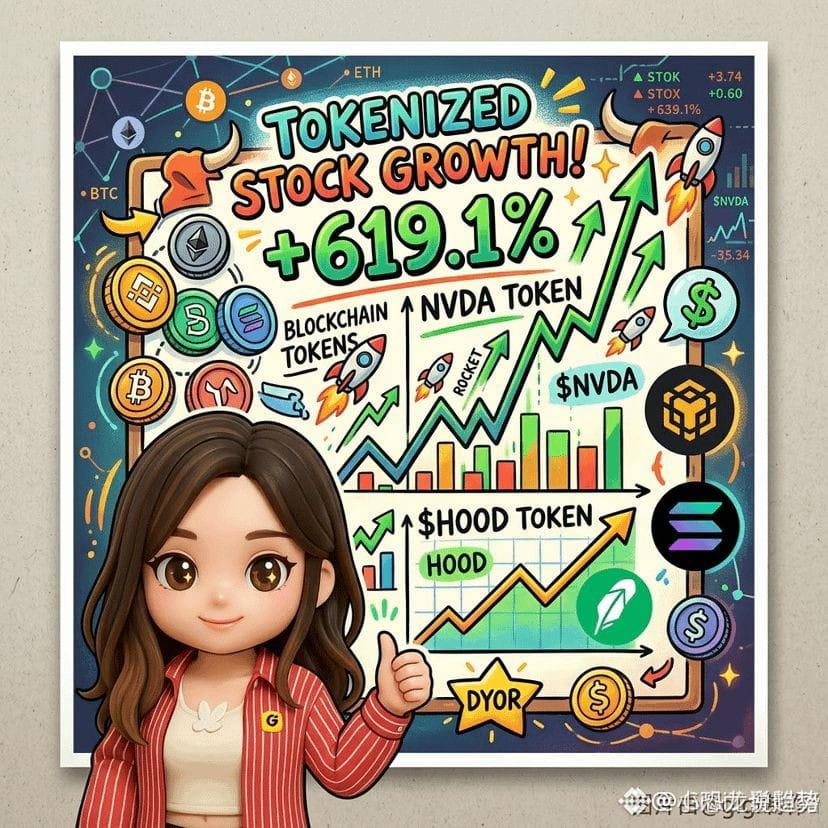
268
·
--
Two lending-and-borrowing agreements ended up turning into public mutual attacks ⚔️, all because they couldn’t stop competing in a “healthy” way.
In the ecosystem, internal strife often ends with innocent users paying the bill.
In the lending market, the recent friction between two top players is no longer something they can hide—what started with comparing data escalated into openly naming each other, with a full-blown powder-keg vibe. They’re fighting over the on-chain lending segment, which is a cake getting bigger and bigger. But users actually only care about whether the interest rates are low enough and whether their funds are safe enough. If the infighting gets out of control, it can push existing users to other platforms 📉
In plain terms: “Gods fight, mortals suffer.” The louder the platforms argue, the more users should be on guard.
My take is that healthy competition can drive progress—but tearing each other apart doesn’t do the ecosystem any good at all 🔍
Every day, I’ll take you to watch crypto hot topics. Not just what happened in the news—but also help you understand the logic and opportunities behind it 👀🚀
#DeFi #Lending
[🏛️ 大环境怎么影响币圈,进群聊](https://app.binance.com/uni-qr/EXpjD4Vi)
Two lending-and-borrowing agreements ended up turning into public mutual attacks ⚔️, all because they couldn’t stop competing in a “healthy” way.
In the ecosystem, internal strife often ends with innocent users paying the bill.
In the lending market, the recent friction between two top players is no longer something they can hide—what started with comparing data escalated into openly naming each other, with a full-blown powder-keg vibe. They’re fighting over the on-chain lending segment, which is a cake getting bigger and bigger. But users actually only care about whether the interest rates are low enough and whether their funds are safe enough. If the infighting gets out of control, it can push existing users to other platforms 📉
In plain terms: “Gods fight, mortals suffer.” The louder the platforms argue, the more users should be on guard.
My take is that healthy competition can drive progress—but tearing each other apart doesn’t do the ecosystem any good at all 🔍
Every day, I’ll take you to watch crypto hot topics. Not just what happened in the news—but also help you understand the logic and opportunities behind it 👀🚀
#DeFi #Lending
🏛️ 大环境怎么影响币圈,进群聊
In the ecosystem, internal strife often ends with innocent users paying the bill.
In the lending market, the recent friction between two top players is no longer something they can hide—what started with comparing data escalated into openly naming each other, with a full-blown powder-keg vibe. They’re fighting over the on-chain lending segment, which is a cake getting bigger and bigger. But users actually only care about whether the interest rates are low enough and whether their funds are safe enough. If the infighting gets out of control, it can push existing users to other platforms 📉
In plain terms: “Gods fight, mortals suffer.” The louder the platforms argue, the more users should be on guard.
My take is that healthy competition can drive progress—but tearing each other apart doesn’t do the ecosystem any good at all 🔍
Every day, I’ll take you to watch crypto hot topics. Not just what happened in the news—but also help you understand the logic and opportunities behind it 👀🚀
#DeFi #Lending
🏛️ 大环境怎么影响币圈,进群聊
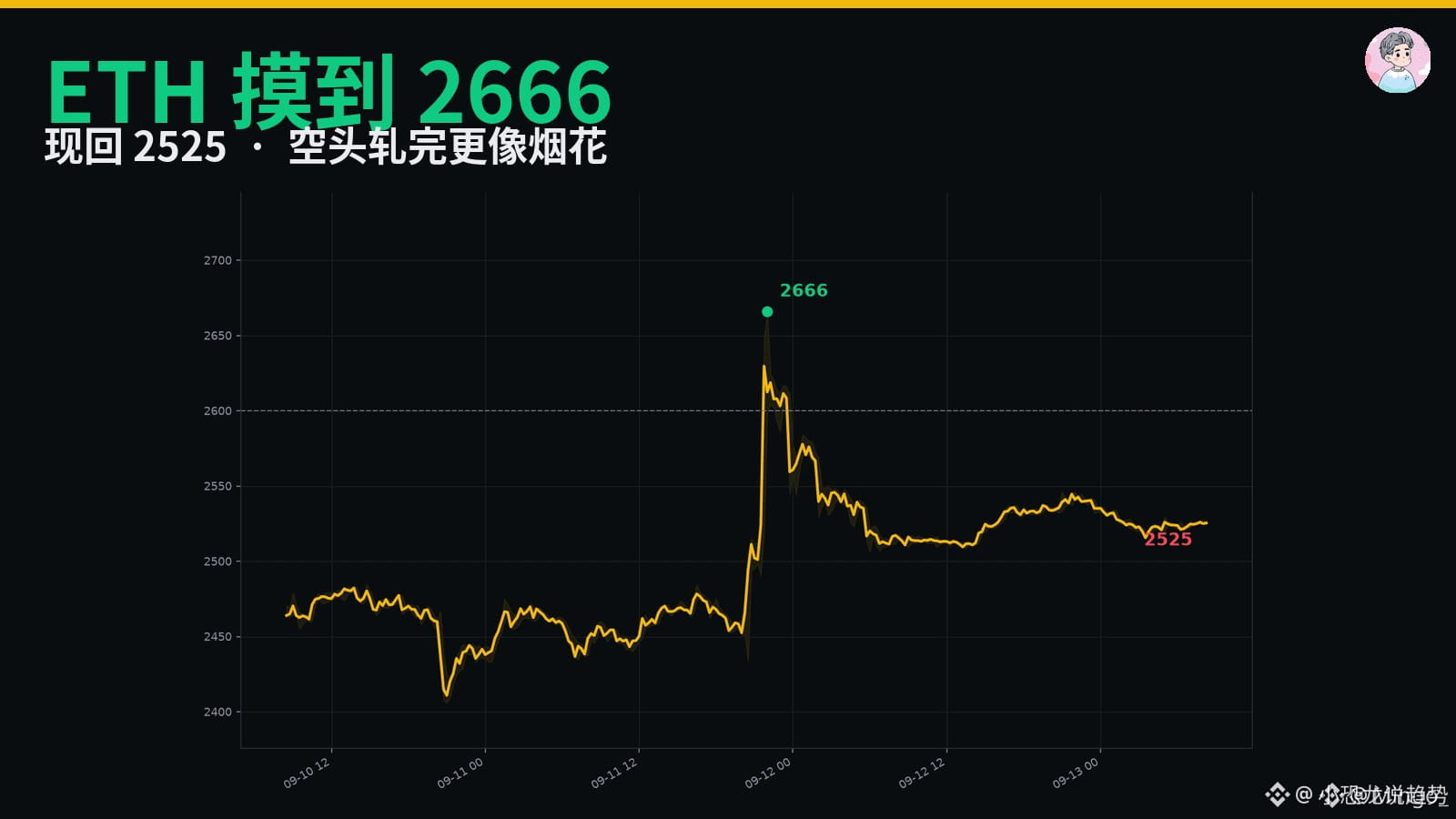
230
·
--
Three rare AI big shots stand on the same side and shout together to slow down 🚦
Getting three opponents to nod at the same time is no small feat
Anthropic’s Dario Amodei, OpenAI’s Sam Altman, and Musk have, surprisingly, reached agreement on one thing: they believe the pace of frontier AI development should slow down, for safety reasons. Amodei has long been a banner figure on the AI safety front. Over the years, Musk has repeatedly warned about the risks of losing control. Now even Altman is on board—showing this is no longer someone’s far-fetched worry, but a hurdle that the industry’s leaders are taking seriously. ⚠️ When the fastest runners themselves call for the brakes, everyone behind them should listen.
Plainly put: the people who set out to build the strongest AI are the first to be afraid. They want to tap the brake. The reason isn’t that they can’t compete—it’s that they fear that going too fast will cause problems.
My take is that AI safety and the crypto world follow the same logic. The faster the technology runs, the tighter the regulatory and risk “ropes” get. Calling for a slowdown isn’t backing down—it’s leaving the industry a road it can go further on. 🔍
Every day, I’ll bring you to track crypto hotspots—not just what happens in the news, but help you understand the underlying logic and opportunities behind it. 👀🚀
#AI #cryptocurrency
[🤖 AI×加密,进群跟进](https://app.binance.com/uni-qr/EXpjD4Vi)
Three rare AI big shots stand on the same side and shout together to slow down 🚦
Getting three opponents to nod at the same time is no small feat
Anthropic’s Dario Amodei, OpenAI’s Sam Altman, and Musk have, surprisingly, reached agreement on one thing: they believe the pace of frontier AI development should slow down, for safety reasons. Amodei has long been a banner figure on the AI safety front. Over the years, Musk has repeatedly warned about the risks of losing control. Now even Altman is on board—showing this is no longer someone’s far-fetched worry, but a hurdle that the industry’s leaders are taking seriously. ⚠️ When the fastest runners themselves call for the brakes, everyone behind them should listen.
Plainly put: the people who set out to build the strongest AI are the first to be afraid. They want to tap the brake. The reason isn’t that they can’t compete—it’s that they fear that going too fast will cause problems.
My take is that AI safety and the crypto world follow the same logic. The faster the technology runs, the tighter the regulatory and risk “ropes” get. Calling for a slowdown isn’t backing down—it’s leaving the industry a road it can go further on. 🔍
Every day, I’ll bring you to track crypto hotspots—not just what happens in the news, but help you understand the underlying logic and opportunities behind it. 👀🚀
#AI #cryptocurrency
🤖 AI×加密,进群跟进
Getting three opponents to nod at the same time is no small feat
Anthropic’s Dario Amodei, OpenAI’s Sam Altman, and Musk have, surprisingly, reached agreement on one thing: they believe the pace of frontier AI development should slow down, for safety reasons. Amodei has long been a banner figure on the AI safety front. Over the years, Musk has repeatedly warned about the risks of losing control. Now even Altman is on board—showing this is no longer someone’s far-fetched worry, but a hurdle that the industry’s leaders are taking seriously. ⚠️ When the fastest runners themselves call for the brakes, everyone behind them should listen.
Plainly put: the people who set out to build the strongest AI are the first to be afraid. They want to tap the brake. The reason isn’t that they can’t compete—it’s that they fear that going too fast will cause problems.
My take is that AI safety and the crypto world follow the same logic. The faster the technology runs, the tighter the regulatory and risk “ropes” get. Calling for a slowdown isn’t backing down—it’s leaving the industry a road it can go further on. 🔍
Every day, I’ll bring you to track crypto hotspots—not just what happens in the news, but help you understand the underlying logic and opportunities behind it. 👀🚀
#AI #cryptocurrency
🤖 AI×加密,进群跟进
1
209
Log in to explore more content
Join global crypto users on Binance Square
⚡️ Get latest and useful information about crypto.
💬 Trusted by the world’s largest crypto exchange.
👍 Discover real insights from verified creators.
Email / Phone number
Trending Topics
FedRateWatch
1.2M views
5,666 Discussing
Share & Win Traffic Reward in our Trending Hashtag Campaign
✨Topic: FOMC September, What's The Fed's Next Move?
👉How to Join:
Publish a short post or article with hashtag #FedRateWatch
Create content based on the below angles:
- August core CPI rose 0.3% month-over-month, and the odds of a 25bp hike this week are now close to 90%. Do you anticipate a rate hike this week? Is it a one-off, or the start of a longer hiking cycle?
- If the hike lands, how does it play out for BTC, tech stocks, and gold? Bullish or bearish?
- How are you planning to trade next? Share your BTC, stocks or gold trade/holdings with our trade sharing widget.
⏰Campaign Period:
- 2026-09-15 11:00 - 2026-09-17 3:00 UTC
🎁Reward:
- Qualified posts that comply with the above guidelines and contain more than 100 words will be reviewed and may receive a random traffic boost of 500 to 3,000 views. You will receive a notification from your feed secretary if your post is selected.
- Get a chance to have your article featured on Binance Square Official
Need ideas for your post? Visit the topic page #FedRateWatch or the Square Guide on How to Post for Better Reach.
Binance Square Official
·599 Likes
·1.4M views
ZcashRises6%
9,169 views
212 Discussing
XRPSinks10%
5,093 views
136 Discussing