
DK短线复刻
704 Posts

DK短线复刻
 Square Verified+
交易不是孤注一掷,而是长期的占有概率优势。X@DKFK1688

DOGS Holder
High-Frequency Trader
8.9 Years
1.4K+ Following
55.0K+ Followers
53.1K+ Liked
Posts
All
Quotes
Live
PINNED


520龙行天下
·
--
Today we’re taking a rest—thank you, dear family members, for your support and trust.


@周周1688
is speaking[LIVE] 🎙️ Let’s Talk About Trading and Positioning BNB!
9.5k listens

Ahmed Ali Nizamani
·
--
Who is the CEO of Binance ?
Correct Answer = 🎁🎁🎁🎁
Correct Answer = 🎁🎁🎁🎁


Anna-汤圆
·
--
[Replay] 🎙️ Clear Bill temporarily not passed, and the market doesn't have much movement
02 h 03 m 12 s · 7.1k listens
·
--
🎙️ The Clear Bill is temporarily not passed, and there isn’t much movement in the market either
End
02 h 03 m 12 s
7k
14

生蚝哥Oyster
·
--
Major news! The CLARITY Act’s procedural vote fails! U.S. crypto regulatory legislation falls short by 10 votes
September 16 | U.S. CLARITY crypto bill procedural vote fails, with industry hopes for near-term regulatory rollout dashed
In the late hours of September 15 (Beijing time in the early hours of September 16), the U.S. Senate held key procedural votes on the (Digital Assets Market Clarity Act) (the CLARITY Act). The purpose of this vote was to end debate and move the bill into formal consideration. Under Senate rules, the hard threshold for approval is 60 votes in favor.
The final vote outcome was set: 50 in favor, 49 against, and 1 absent. This was far below the 60-vote threshold, so the bill was stopped in its first round and could not enter the Senate’s review process in the near term. This failure does not completely reject the bill’s principles, but rather reflects a serious lack of bipartisan consensus—there was a full 10-vote gap. Legislative progress faces extremely strong resistance.
In the late hours of September 15 (Beijing time in the early hours of September 16), the U.S. Senate held key procedural votes on the (Digital Assets Market Clarity Act) (the CLARITY Act). The purpose of this vote was to end debate and move the bill into formal consideration. Under Senate rules, the hard threshold for approval is 60 votes in favor.
The final vote outcome was set: 50 in favor, 49 against, and 1 absent. This was far below the 60-vote threshold, so the bill was stopped in its first round and could not enter the Senate’s review process in the near term. This failure does not completely reject the bill’s principles, but rather reflects a serious lack of bipartisan consensus—there was a full 10-vote gap. Legislative progress faces extremely strong resistance.


星辰Hawk
·
--
50K followers achieved🎉🎉🎉! Thanks for everyone’s support and kindness! #Hawk is for freedom! ✊✊🧧🧧🧧🧧🧧🧧



好运来Hawk
·
--
Bullish$Hawk 佛 only guides those who are destined/“fated” to it! #Hawk doesn’t expect everyone to understand it or be able to hold onto it!
#Hawk only guides those who have wisdom and are worthy of it❗️
#Hawk only guides those who have wisdom and are worthy of it❗️



Hawk自由哥
·
--
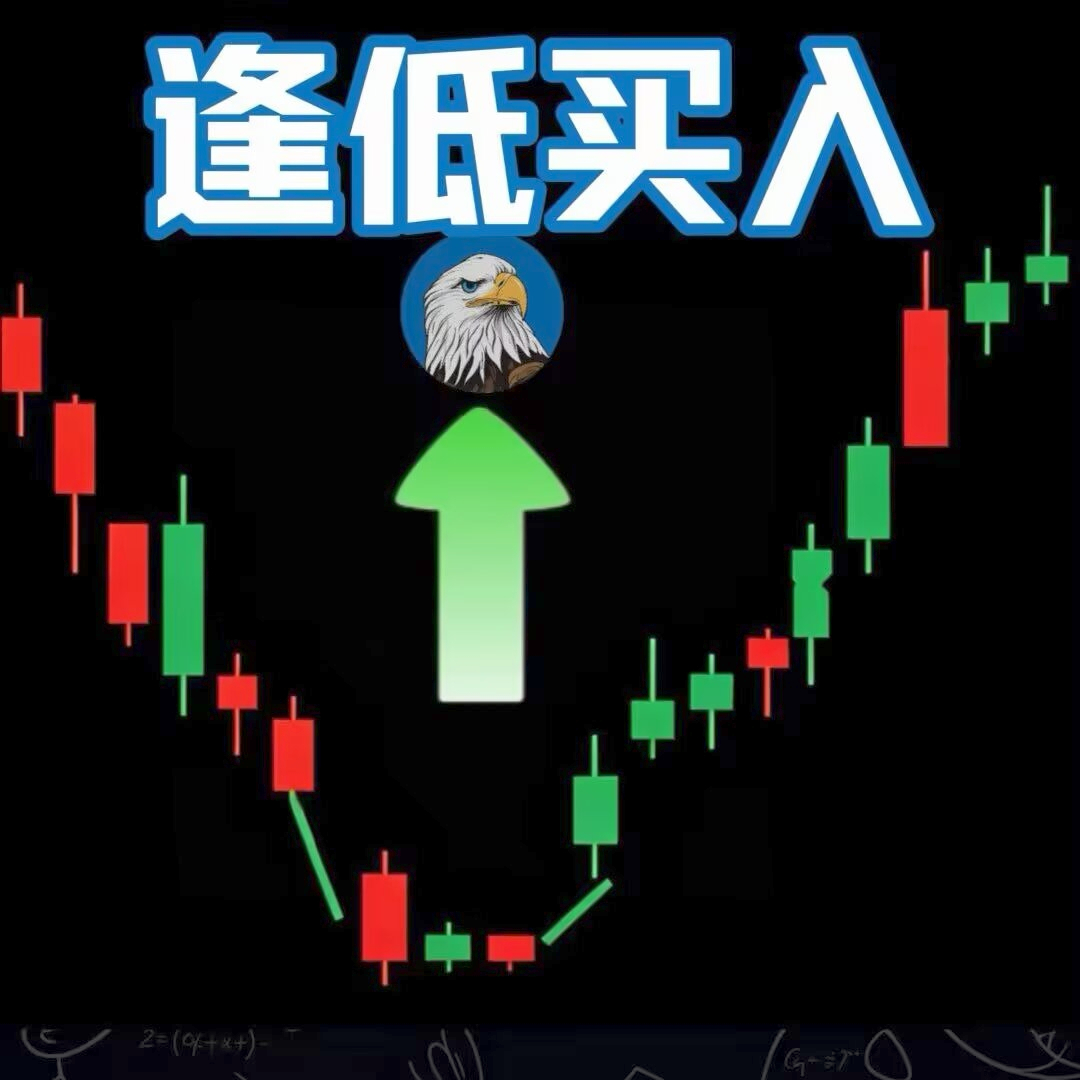
🦅#Hawk Eagle Coin🧧🧧🧧
✅2 missions:
🔵 Maintain ecosystem balance🍃
🔵 Spread the spirit of freedom🎉
✅2 goals:
🟡️ Surpass SHIB’s market cap💪
🟡️ 100 million people worldwide hold it🔥
✅1 commitment: If we haven’t surpassed SHIB’s market cap, we won’t sell a single Hawk 👉 Vision: to influence humanity with free-value beliefs💖
Please make sure to confirm the BSC contract tail number: 0d2d
After more than two years of community-driven time and accumulation; through natural washout, the current price is now in the building-a-base stage. This is the best time to accumulate and add positions—seize the opportunity🌈 and begin your own crypto legend journey🎉🎉🎉
✅2 missions:
🔵 Maintain ecosystem balance🍃
🔵 Spread the spirit of freedom🎉
✅2 goals:
🟡️ Surpass SHIB’s market cap💪
🟡️ 100 million people worldwide hold it🔥
✅1 commitment: If we haven’t surpassed SHIB’s market cap, we won’t sell a single Hawk 👉 Vision: to influence humanity with free-value beliefs💖
Please make sure to confirm the BSC contract tail number: 0d2d
After more than two years of community-driven time and accumulation; through natural washout, the current price is now in the building-a-base stage. This is the best time to accumulate and add positions—seize the opportunity🌈 and begin your own crypto legend journey🎉🎉🎉


Hawk自由哥
·
--
[Replay] 🎙️ Crypto market updates交流;Newcomer Q&A ✅坚持社区建设🦅Spread the idea of free dissemination! Maintain ecological balance!
03 h 26 m 35 s · 13.3k listens
·
--
🎙️ Crypto market updates and community Q&A; Answering newcomers’ questions ✅ Keep building the community 🦅 Spread the philosophy of freedom! Maintain ecological balance!
End
03 h 26 m 35 s
13k
64

光明社区-阿波罗
·
--
Riding the waves to迎光, embarking on new horizons, together we reach far, and open a brilliant new chapter.
Ride the waves, embrace light, and stride toward a brilliant future.
Ride the waves, embrace light, and stride toward a brilliant future.


帮帮Bonnie
·
--
BullishLiving amidst the mortal world, drift and waver in it, yet keep one corner of clear-mindedness; don’t follow the ways of the world, don’t flatter vulgarity.
Floating in the mortal world, keep clarity in your heart. Don’t conform to vulgarity, and don’t cater to it.
#美联储加息是否已成定局
$PONS
Floating in the mortal world, keep clarity in your heart. Don’t conform to vulgarity, and don’t cater to it.
#美联储加息是否已成定局
$PONS


白鲨观点VN
·
--
One evening, Lý Dương asked me:
“Mr. Bai, what does it take to be considered a good trader? Is it all about making a lot of money?”
I smiled: “Maybe not for sure.”
At the beginning, Lý Dương only had a few tens of thousands of dollars. He traded very carefully—if he made a profit, he felt happy; if he lost, he would look for the reasons. But when his account grew to a few hundred thousand dollars, everything gradually changed.
He traded more, with larger volumes. The profit of 5k—something that once made him happy—now felt too small. Losing 10k no longer led him to analyze; he only wanted to quickly make it back.
One day, he said: “Earlier, I traded to make money. Now I trade like I’m trying to prove that I’m right.”
I fell silent.
After that, Lý Dương started reducing the frequency and volume of his trades, pulling back some profits and spending more time on his life.
A few months later, he said: “I’m not making money as fast as before, but I sleep better.”
I thought, that’s the real maturity of a trader. Making money is a skill. Not letting money and emotions control you—that’s real class.
“Mr. Bai, what does it take to be considered a good trader? Is it all about making a lot of money?”
I smiled: “Maybe not for sure.”
At the beginning, Lý Dương only had a few tens of thousands of dollars. He traded very carefully—if he made a profit, he felt happy; if he lost, he would look for the reasons. But when his account grew to a few hundred thousand dollars, everything gradually changed.
He traded more, with larger volumes. The profit of 5k—something that once made him happy—now felt too small. Losing 10k no longer led him to analyze; he only wanted to quickly make it back.
One day, he said: “Earlier, I traded to make money. Now I trade like I’m trying to prove that I’m right.”
I fell silent.
After that, Lý Dương started reducing the frequency and volume of his trades, pulling back some profits and spending more time on his life.
A few months later, he said: “I’m not making money as fast as before, but I sleep better.”
I thought, that’s the real maturity of a trader. Making money is a skill. Not letting money and emotions control you—that’s real class.

加倉妹
·
--
Believe in yourself and move forward bravely!
Every effort will never be in vain, and every step of坚持 is accumulating strength. Don’t be afraid to go slow—only fear stopping; as long as you have a dream in your heart, you will surely be able to step into your own精彩人生!😊
Every effort will never be in vain, and every step of坚持 is accumulating strength. Don’t be afraid to go slow—only fear stopping; as long as you have a dream in your heart, you will surely be able to step into your own精彩人生!😊


橙子Joyce
·
--
BullishWill the Federal Reserve raise rates as expected this week? Wall Street is debating: will it end the U.S. stock bull market?
After an unexpectedly strong U.S. CPI report came out last Friday, traders generally expect the Federal Reserve to begin raising rates at this week’s policy meeting—marking the first rate hike in more than three years.
Historically, previous rounds of rate hikes have offered a reference point for today’s market. Based on past experience (though history of course can’t guarantee the future), U.S. stocks may first weaken, then rebound.
Among the six tightening cycles since 1994, during the first four months after the rate-hike cycle began, the S&P 500’s average return was negative.
This suggests that once the “rate-hike shoe” drops, U.S. stocks may look lackluster through the beginning of next year.
As of the close last Friday, the benchmark U.S. equity index, the S&P 500, is up nearly 12% year to date. Strong corporate earnings and a fairly resilient economy have provided solid support for bulls in the stock market.
If you extend the time horizon, the S&P 500’s performance tends to improve gradually: in the 12 months after the start of a rate-hiking cycle, the index’s average return is close to 7%, with a median return of about 11%. (Using median-based statistics helps remove distortions from extreme outliers—for example, the index surged more than 40% after hikes began in March 1997.)
If the Federal Reserve implements a rate hike this Wednesday, it will be the first hike since July 2023—when the Fed raised rates to a range of 5.25% to 5.50%.
Currently, the federal funds rate in the U.S. is at 3.50% to 3.75%. According to the CME Group’s FedWatch tool, futures traders currently assign an 86% probability to a 25-basis-point hike this week.
One positive factor for the market is that mega-scale cloud service providers are still driving growth in excess returns through large-scale AI spending. The S&P 500 component stocks’ forecast for earnings growth in 2027 is expected to reach double digits. If the outlook for AI spending remains unchanged, it may be enough to offset any cooling in optimistic sentiment caused by the rate hikes.
Another bright spot for equities is that although inflation remains sticky, it appears to be slowing. The inflation rate has fallen from a May peak of 4.2%. This should allow the Federal Reserve to take a more gradual approach, and the data shows that the pace of rate hikes is crucial for stock performance—slower pacing gives investors more time to absorb policy changes!
$BZ
$CL
Energy
After an unexpectedly strong U.S. CPI report came out last Friday, traders generally expect the Federal Reserve to begin raising rates at this week’s policy meeting—marking the first rate hike in more than three years.
Historically, previous rounds of rate hikes have offered a reference point for today’s market. Based on past experience (though history of course can’t guarantee the future), U.S. stocks may first weaken, then rebound.
Among the six tightening cycles since 1994, during the first four months after the rate-hike cycle began, the S&P 500’s average return was negative.
This suggests that once the “rate-hike shoe” drops, U.S. stocks may look lackluster through the beginning of next year.
As of the close last Friday, the benchmark U.S. equity index, the S&P 500, is up nearly 12% year to date. Strong corporate earnings and a fairly resilient economy have provided solid support for bulls in the stock market.
If you extend the time horizon, the S&P 500’s performance tends to improve gradually: in the 12 months after the start of a rate-hiking cycle, the index’s average return is close to 7%, with a median return of about 11%. (Using median-based statistics helps remove distortions from extreme outliers—for example, the index surged more than 40% after hikes began in March 1997.)
If the Federal Reserve implements a rate hike this Wednesday, it will be the first hike since July 2023—when the Fed raised rates to a range of 5.25% to 5.50%.
Currently, the federal funds rate in the U.S. is at 3.50% to 3.75%. According to the CME Group’s FedWatch tool, futures traders currently assign an 86% probability to a 25-basis-point hike this week.
One positive factor for the market is that mega-scale cloud service providers are still driving growth in excess returns through large-scale AI spending. The S&P 500 component stocks’ forecast for earnings growth in 2027 is expected to reach double digits. If the outlook for AI spending remains unchanged, it may be enough to offset any cooling in optimistic sentiment caused by the rate hikes.
Another bright spot for equities is that although inflation remains sticky, it appears to be slowing. The inflation rate has fallen from a May peak of 4.2%. This should allow the Federal Reserve to take a more gradual approach, and the data shows that the pace of rate hikes is crucial for stock performance—slower pacing gives investors more time to absorb policy changes!
$BZ
$CL
Energy

逐浪字母哥
·
--
🎁🍓💸📢🍬
Share ➕ Comment $ETH
Tap to share and get tea money easily~$BTC
#美联储加息是否已成定局
Share ➕ Comment $ETH
Tap to share and get tea money easily~$BTC
#美联储加息是否已成定局



Bitroot铄鸿
·
--
AI won’t slow down. The real question is how far our infrastructure can carry it.
Recently, Jensen Huang referred to data centers as the “oil” for the next 20–25 years, emphasizing that engineering and infrastructure will determine how far AI can actually scale.
At Bitroot, we believe the same principle applies to Web3:
The next wave won’t be won by narrative alone. It will be built on infrastructure.
Parallel execution. High-performance L1. AI-native infrastructure.
Build the rails—so the next generation of applications can run on top of them.
Recently, Jensen Huang referred to data centers as the “oil” for the next 20–25 years, emphasizing that engineering and infrastructure will determine how far AI can actually scale.
At Bitroot, we believe the same principle applies to Web3:
The next wave won’t be won by narrative alone. It will be built on infrastructure.
Parallel execution. High-performance L1. AI-native infrastructure.
Build the rails—so the next generation of applications can run on top of them.


白鲨观点
·
--
Have you ever had this feeling?
You pick a coin you think will do well, watch it for a long time, don’t buy the whole time, and then it keeps rising. The higher it goes, the more afraid you are to buy. Finally, one day you can’t take it anymore and rush in—only to buy and watch it drop.
Or the other way around: you hold a coin that keeps falling. The more it drops, the harder it is for you to bring yourself to sell. Finally, one day you can’t hold on any longer and cut your position. Right after you sell, it starts to rise.
It’s like the market is watching your money specifically. When you buy it drops; when you sell it rises—so precise it’s unbelievable.
I used to think it was just bad luck on my part, or that my technical skills weren’t good enough. Later I realized it wasn’t that at all. The reason you keep buying at the highest point and selling at the lowest is because you’re thinking the same way most people do.
The market makes money from the majority. When most people can’t resist wanting to buy, that’s the top; when most people can’t stand holding on and want to sell, that’s the bottom. Since you’re just like the majority, you naturally end up being the one who gets harvested.
So sometimes, when it comes to trading, you have to think the other way around.
When you especially want to buy, hold back a bit—you might just avoid the top;
When you especially want to sell, stay the course—you might just make it through the bottom.
Of course, it sounds easy, but it’s hard to do. I’ve been trading for so many years myself, and I still fall into this mistake from time to time. Human nature isn’t something you can change just like that.
But at least you have to know what your problem is,
and once you know it, you can gradually fix it.
At 9 PM tonight, I’ll chat in the chat room about "how to overcome the mindset of chasing pumps and panic-selling." Just sharing—no coin calls. If you want to join, come in through my profile.
$BTC #BinanceSquare #BTC #交易心态 #交易心得以所以分享给大家,如果有欠缺的地方和不对的地方欢迎大佬指点批评,纯手打画图码字,如果觉得还不
You pick a coin you think will do well, watch it for a long time, don’t buy the whole time, and then it keeps rising. The higher it goes, the more afraid you are to buy. Finally, one day you can’t take it anymore and rush in—only to buy and watch it drop.
Or the other way around: you hold a coin that keeps falling. The more it drops, the harder it is for you to bring yourself to sell. Finally, one day you can’t hold on any longer and cut your position. Right after you sell, it starts to rise.
It’s like the market is watching your money specifically. When you buy it drops; when you sell it rises—so precise it’s unbelievable.
I used to think it was just bad luck on my part, or that my technical skills weren’t good enough. Later I realized it wasn’t that at all. The reason you keep buying at the highest point and selling at the lowest is because you’re thinking the same way most people do.
The market makes money from the majority. When most people can’t resist wanting to buy, that’s the top; when most people can’t stand holding on and want to sell, that’s the bottom. Since you’re just like the majority, you naturally end up being the one who gets harvested.
So sometimes, when it comes to trading, you have to think the other way around.
When you especially want to buy, hold back a bit—you might just avoid the top;
When you especially want to sell, stay the course—you might just make it through the bottom.
Of course, it sounds easy, but it’s hard to do. I’ve been trading for so many years myself, and I still fall into this mistake from time to time. Human nature isn’t something you can change just like that.
But at least you have to know what your problem is,
and once you know it, you can gradually fix it.
At 9 PM tonight, I’ll chat in the chat room about "how to overcome the mindset of chasing pumps and panic-selling." Just sharing—no coin calls. If you want to join, come in through my profile.
$BTC #BinanceSquare #BTC #交易心态 #交易心得以所以分享给大家,如果有欠缺的地方和不对的地方欢迎大佬指点批评,纯手打画图码字,如果觉得还不

Log in to explore more content