U.S. Treasury Secretary Bessent: No long-term Treasury yield target set; repo operations show notable effectiveness
September 16 — U.S. Treasury Secretary Scott Bessent said that the U.S. Treasury will not set a “target price” for long-term Treasury yields or endorse an official equilibrium level, and acknowledged that administrative force cannot determine market pricing.
Bessent disclosed that the Treasury’s recent repurchase (repo) actions for long-term U.S. Treasuries have achieved significant results. The two Treasury auctions held after the intervention both showed strong market demand.
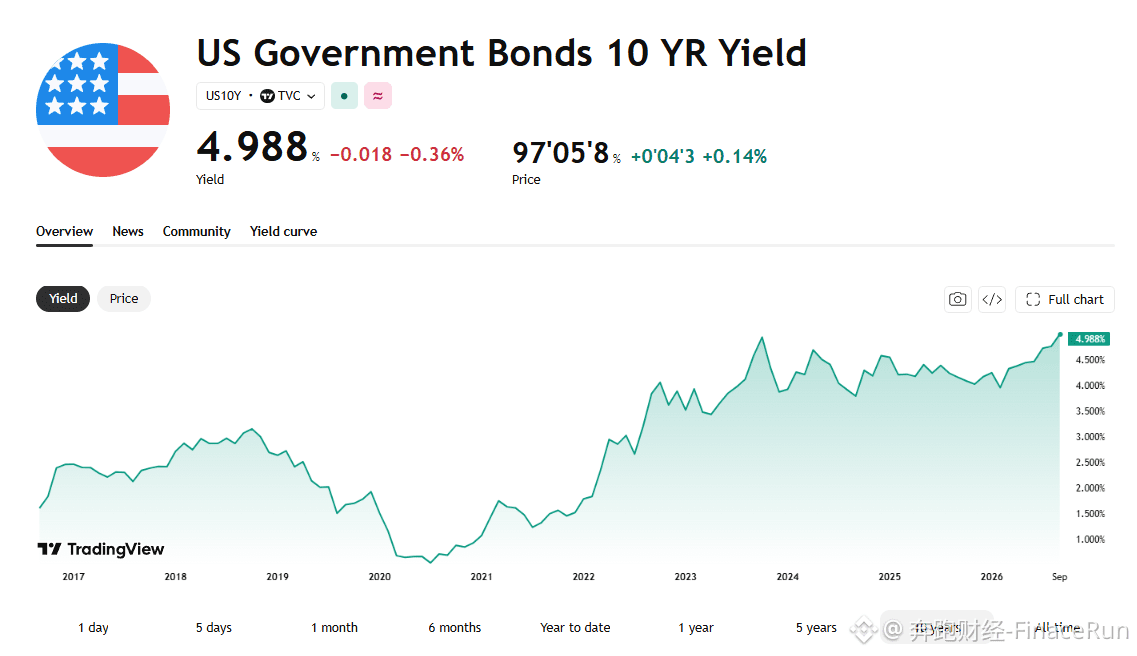
However, despite the Treasury’s largest-scale repurchase last week, U.S. Treasury yields continued to rise. Bessent previously viewed repurchases as a way to inject liquidity and curb the rise in yields, because higher yields increase the government’s debt-servicing costs.
In response to this development, Bessent told a congressional hearing: “We can imagine what would have happened if we hadn’t taken these steps, and yet we subsequently managed to complete the two most successful Treasury auctions in 20 years.”
Bessent also emphasized that since Trump took office, the U.S. bond market has performed best among developed countries. This statement was intended to address outside doubts about the rise in yields, indicating that current volatility in the bond market remains within a controllable range and that the repurchase operations have not failed.
Overall, the Treasury is unwilling to directly intervene in market pricing, yet it uses tools such as repurchases to ease debt-servicing pressure—highlighting the dilemma the Treasury faces in balancing market principles with fiscal realities.
Although he stressed that the bond market performance is strong, yields have continued to climb, leaving market participants doubtful about the actual effectiveness of the Treasury’s policies.
#国债收益率
September 16 — U.S. Treasury Secretary Scott Bessent said that the U.S. Treasury will not set a “target price” for long-term Treasury yields or endorse an official equilibrium level, and acknowledged that administrative force cannot determine market pricing.
Bessent disclosed that the Treasury’s recent repurchase (repo) actions for long-term U.S. Treasuries have achieved significant results. The two Treasury auctions held after the intervention both showed strong market demand.
However, despite the Treasury’s largest-scale repurchase last week, U.S. Treasury yields continued to rise. Bessent previously viewed repurchases as a way to inject liquidity and curb the rise in yields, because higher yields increase the government’s debt-servicing costs.
In response to this development, Bessent told a congressional hearing: “We can imagine what would have happened if we hadn’t taken these steps, and yet we subsequently managed to complete the two most successful Treasury auctions in 20 years.”
Bessent also emphasized that since Trump took office, the U.S. bond market has performed best among developed countries. This statement was intended to address outside doubts about the rise in yields, indicating that current volatility in the bond market remains within a controllable range and that the repurchase operations have not failed.
Overall, the Treasury is unwilling to directly intervene in market pricing, yet it uses tools such as repurchases to ease debt-servicing pressure—highlighting the dilemma the Treasury faces in balancing market principles with fiscal realities.
Although he stressed that the bond market performance is strong, yields have continued to climb, leaving market participants doubtful about the actual effectiveness of the Treasury’s policies.
#国债收益率