
小恐龙说趋势
351 Posts
 LIVE
LIVE小恐龙说趋势
Report
Block User
6 年市场经验,公众号.比特柠檬,记录市场的真实逻辑,研究下一步会去哪
13 Following
2.0K+ Followers
2.1K+ Liked
Posts
All
Live
·
--
Verified
#美联储加息是否已成定局
[🏛️ 宏观数据进群解读](https://app.binance.com/uni-qr/EXpjD4Vi)
For months, Trump has repeatedly urged: “Cut interest rates faster.” On taking office, Powell/Wash immediately acted—then, in response, raised rates by 25 basis points.
Has a Federal Reserve rate hike become a foregone conclusion? The answer was revealed in the early hours: not only did it happen—it was approved unanimously.
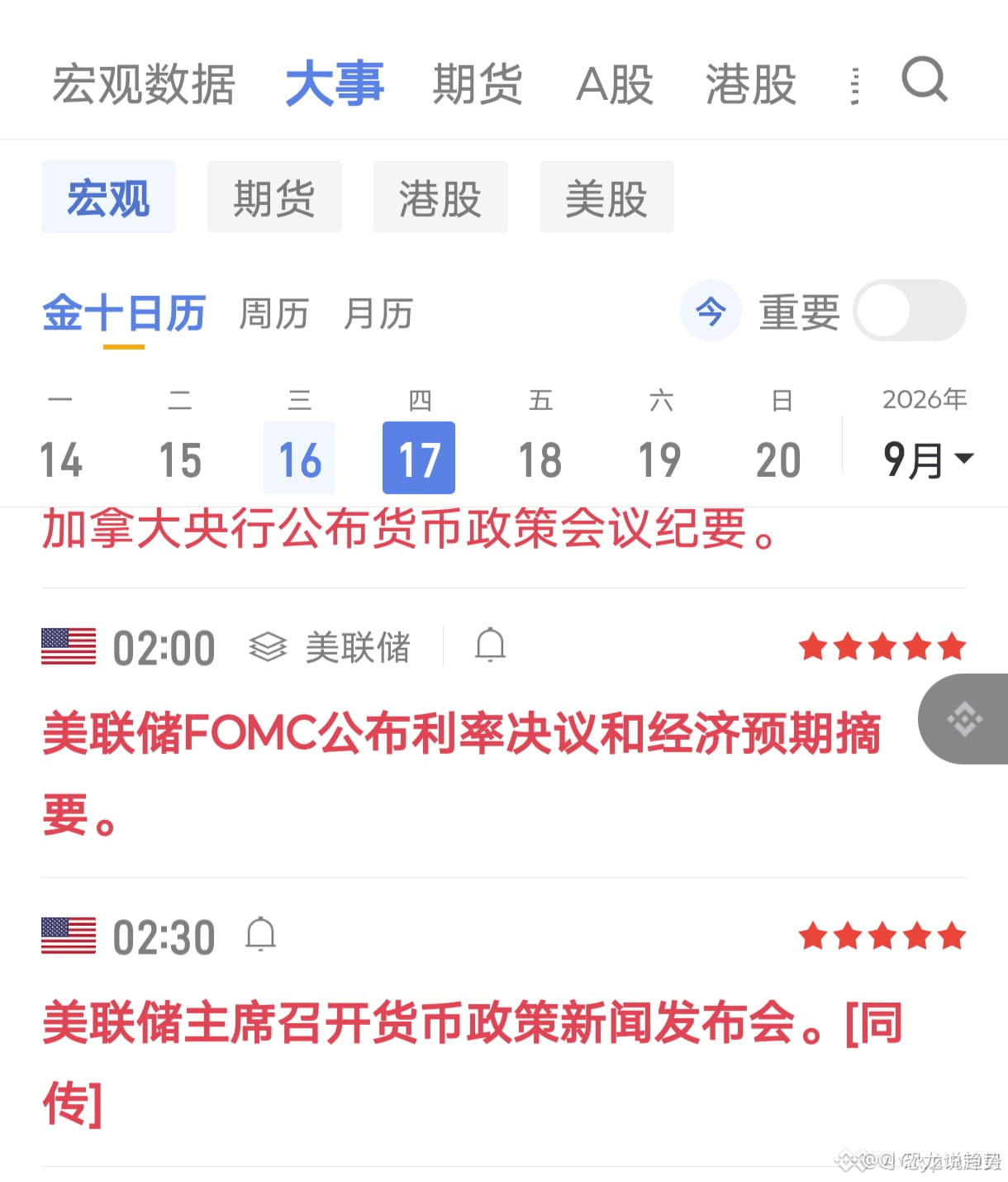
In the early hours of today Beijing time, the Federal Reserve raised the benchmark interest rate by 25 basis points, lifting the range to 3.75%-4.00%. This is the first rate hike since July 2023. More importantly, this decision was unanimous—there was not a single dissenting vote.
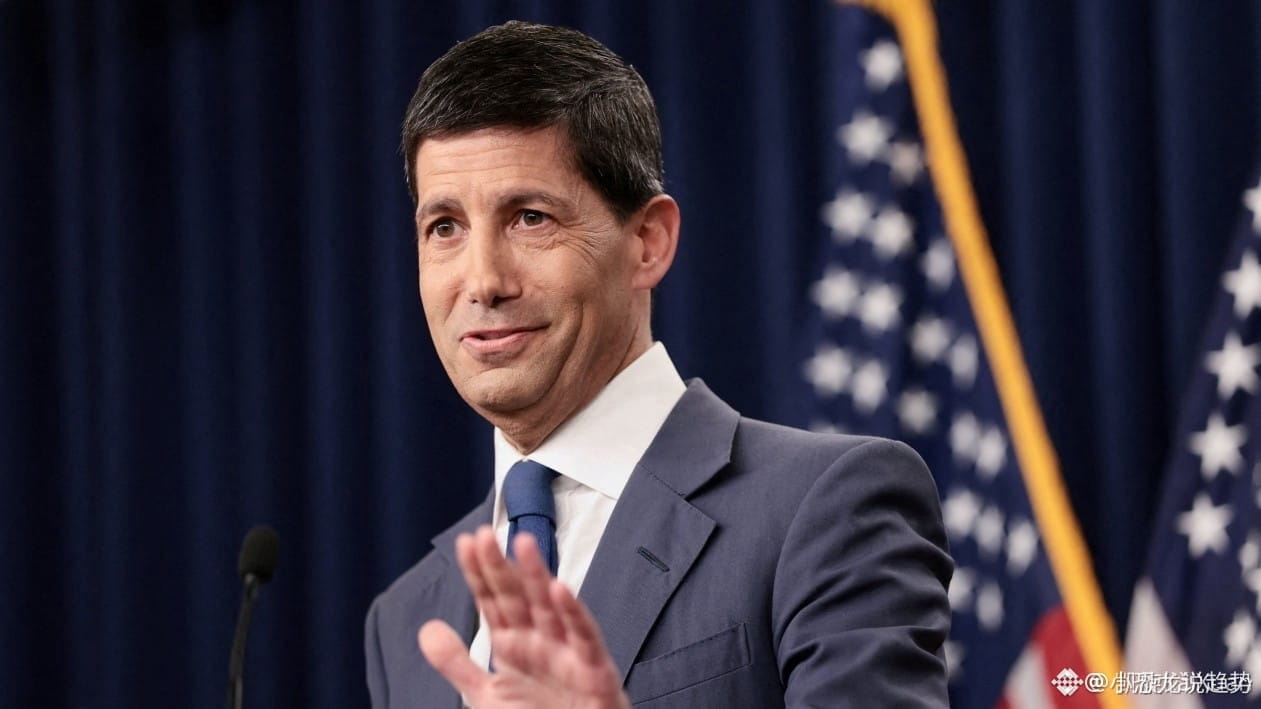
The most dramatic moment came afterwards. Over the past few months, Trump had been publicly calling for rate cuts. However, the new chair, Wash, not only didn’t take the bait—he raised rates instead, adding: “The economy really is getting stronger, but inflation is the problem.”
In other words: You praise the economy—I agree; but you want me to cut rates? Not a chance.
When asked what he thought of Trump’s response, Wash directly refused to comment and tossed out a line he had said at Jackson Hole: “What we want is price stability. What we want is discipline—not this one decision.”
The market had already priced in this “shot.” Before the decision, Wall Street was betting on a 25-basis-point hike with a probability of over 92%. So after the news landed, Bitcoin only surged briefly, then quickly returned to around $75,500, moving hardly at all throughout the day.
But what’s really worth watching is what comes next. The Fed’s latest dot plot still leaves a gap: there may be another rate hike before year-end. If Wash truly follows through, then today’s calm—“bad news fully out”—is merely the prelude to the next round of volatility.
My view: This rate hike itself isn’t the real news. The true new variable is Wash’s stance—a chair bold enough to withstand presidential pressure and put “price stability” first. For the crypto market, that means the script of tightening dollar liquidity isn’t over yet—don’t rush to go all-in on bargain buys.
So the question is: do you think this rate hike is the bottom of the “bad news fully out,” or the top of the “one more shot”? Let’s discuss in the comments.
Every day, I bring you coverage of Fed hotspots—more than just what news happened. I’ll also help you understand the logic and opportunities behind it 👀🚀
#美联储加息是否已成定局
🏛️ 宏观数据进群解读
For months, Trump has repeatedly urged: “Cut interest rates faster.” On taking office, Powell/Wash immediately acted—then, in response, raised rates by 25 basis points.
Has a Federal Reserve rate hike become a foregone conclusion? The answer was revealed in the early hours: not only did it happen—it was approved unanimously.
In the early hours of today Beijing time, the Federal Reserve raised the benchmark interest rate by 25 basis points, lifting the range to 3.75%-4.00%. This is the first rate hike since July 2023. More importantly, this decision was unanimous—there was not a single dissenting vote.
The most dramatic moment came afterwards. Over the past few months, Trump had been publicly calling for rate cuts. However, the new chair, Wash, not only didn’t take the bait—he raised rates instead, adding: “The economy really is getting stronger, but inflation is the problem.”
In other words: You praise the economy—I agree; but you want me to cut rates? Not a chance.
When asked what he thought of Trump’s response, Wash directly refused to comment and tossed out a line he had said at Jackson Hole: “What we want is price stability. What we want is discipline—not this one decision.”
The market had already priced in this “shot.” Before the decision, Wall Street was betting on a 25-basis-point hike with a probability of over 92%. So after the news landed, Bitcoin only surged briefly, then quickly returned to around $75,500, moving hardly at all throughout the day.
But what’s really worth watching is what comes next. The Fed’s latest dot plot still leaves a gap: there may be another rate hike before year-end. If Wash truly follows through, then today’s calm—“bad news fully out”—is merely the prelude to the next round of volatility.
My view: This rate hike itself isn’t the real news. The true new variable is Wash’s stance—a chair bold enough to withstand presidential pressure and put “price stability” first. For the crypto market, that means the script of tightening dollar liquidity isn’t over yet—don’t rush to go all-in on bargain buys.
So the question is: do you think this rate hike is the bottom of the “bad news fully out,” or the top of the “one more shot”? Let’s discuss in the comments.
Every day, I bring you coverage of Fed hotspots—more than just what news happened. I’ll also help you understand the logic and opportunities behind it 👀🚀
🏛️ 宏观数据进群解读
For months, Trump has repeatedly urged: “Cut interest rates faster.” On taking office, Powell/Wash immediately acted—then, in response, raised rates by 25 basis points.
Has a Federal Reserve rate hike become a foregone conclusion? The answer was revealed in the early hours: not only did it happen—it was approved unanimously.
In the early hours of today Beijing time, the Federal Reserve raised the benchmark interest rate by 25 basis points, lifting the range to 3.75%-4.00%. This is the first rate hike since July 2023. More importantly, this decision was unanimous—there was not a single dissenting vote.
The most dramatic moment came afterwards. Over the past few months, Trump had been publicly calling for rate cuts. However, the new chair, Wash, not only didn’t take the bait—he raised rates instead, adding: “The economy really is getting stronger, but inflation is the problem.”
In other words: You praise the economy—I agree; but you want me to cut rates? Not a chance.
When asked what he thought of Trump’s response, Wash directly refused to comment and tossed out a line he had said at Jackson Hole: “What we want is price stability. What we want is discipline—not this one decision.”
The market had already priced in this “shot.” Before the decision, Wall Street was betting on a 25-basis-point hike with a probability of over 92%. So after the news landed, Bitcoin only surged briefly, then quickly returned to around $75,500, moving hardly at all throughout the day.
But what’s really worth watching is what comes next. The Fed’s latest dot plot still leaves a gap: there may be another rate hike before year-end. If Wash truly follows through, then today’s calm—“bad news fully out”—is merely the prelude to the next round of volatility.
My view: This rate hike itself isn’t the real news. The true new variable is Wash’s stance—a chair bold enough to withstand presidential pressure and put “price stability” first. For the crypto market, that means the script of tightening dollar liquidity isn’t over yet—don’t rush to go all-in on bargain buys.
So the question is: do you think this rate hike is the bottom of the “bad news fully out,” or the top of the “one more shot”? Let’s discuss in the comments.
Every day, I bring you coverage of Fed hotspots—more than just what news happened. I’ll also help you understand the logic and opportunities behind it 👀🚀
587
·
--
Verified
#美联储加息是否已成定局
[🏛️ 美联储动向群里跟进](https://app.binance.com/uni-qr/EXpjD4Vi)
Rate hike delivered, Bitcoin remains unmoved—$75,700. After the decision, there was almost zero movement within half an hour; what moved instead were U.S. stocks and U.S. Treasuries.
The first reaction after the decision came out was far milder than market expectations. Bitcoin traded sideways around $75,700, with gains and losses so small they’re nearly negligible. U.S. stocks edged higher, while Treasury yields actually dipped slightly. This suggests the rate hike was already priced in early—the bad news had been digested cleanly a month before the decision.
Put it in plain language: Everyone was waiting for this punch. When it finally lands, it doesn’t hurt. The institutions that needed to de-risk already cut exposure before the FOMC meeting; what’s left are seasoned pros willing to weather the volatility.
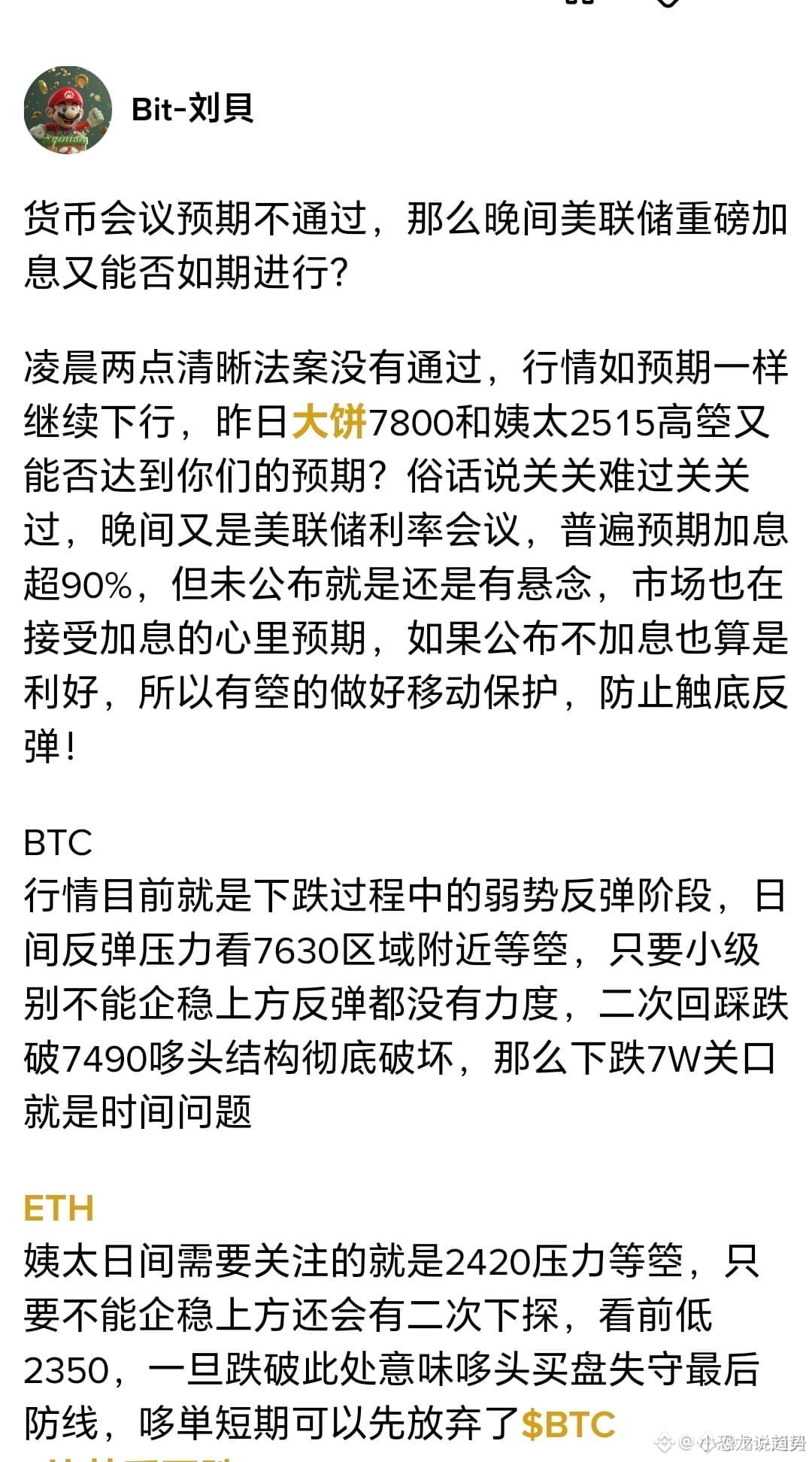
You can see it in the pricing: before the decision, the market priced this hike at as high as 93%, leaving almost no room for surprises. Bitcoin’s technical picture is also there in black and white—strong support sits around the $68,000 area. With $75,700 still a distance away from the cliff, bears also don’t dare to smash it down impulsively.
But calm may be an illusion. Buried in the dot plot are expectations for a second rate hike within the year—that’s the second boot hovering overhead. The next 48 hours are the key: if Waller adds another hawkish line at the press conference, the U.S. dollar index could turn upward, and today’s sideways chop could instantly become the starting point for another round of declines.
Comment section—let’s discuss: In this period of consolidation, does it look like bottoming, or a continuation in the middle of a selloff?
Every day, I’ll keep you on top of Fed hotspots—not just reporting what’s happening, but helping you understand the logic and opportunities behind it 👀🚀
#美联储加息是否已成定局
🏛️ 美联储动向群里跟进
Rate hike delivered, Bitcoin remains unmoved—$75,700. After the decision, there was almost zero movement within half an hour; what moved instead were U.S. stocks and U.S. Treasuries.
The first reaction after the decision came out was far milder than market expectations. Bitcoin traded sideways around $75,700, with gains and losses so small they’re nearly negligible. U.S. stocks edged higher, while Treasury yields actually dipped slightly. This suggests the rate hike was already priced in early—the bad news had been digested cleanly a month before the decision.
Put it in plain language: Everyone was waiting for this punch. When it finally lands, it doesn’t hurt. The institutions that needed to de-risk already cut exposure before the FOMC meeting; what’s left are seasoned pros willing to weather the volatility.
You can see it in the pricing: before the decision, the market priced this hike at as high as 93%, leaving almost no room for surprises. Bitcoin’s technical picture is also there in black and white—strong support sits around the $68,000 area. With $75,700 still a distance away from the cliff, bears also don’t dare to smash it down impulsively.
But calm may be an illusion. Buried in the dot plot are expectations for a second rate hike within the year—that’s the second boot hovering overhead. The next 48 hours are the key: if Waller adds another hawkish line at the press conference, the U.S. dollar index could turn upward, and today’s sideways chop could instantly become the starting point for another round of declines.
Comment section—let’s discuss: In this period of consolidation, does it look like bottoming, or a continuation in the middle of a selloff?
Every day, I’ll keep you on top of Fed hotspots—not just reporting what’s happening, but helping you understand the logic and opportunities behind it 👀🚀
🏛️ 美联储动向群里跟进
Rate hike delivered, Bitcoin remains unmoved—$75,700. After the decision, there was almost zero movement within half an hour; what moved instead were U.S. stocks and U.S. Treasuries.
The first reaction after the decision came out was far milder than market expectations. Bitcoin traded sideways around $75,700, with gains and losses so small they’re nearly negligible. U.S. stocks edged higher, while Treasury yields actually dipped slightly. This suggests the rate hike was already priced in early—the bad news had been digested cleanly a month before the decision.
Put it in plain language: Everyone was waiting for this punch. When it finally lands, it doesn’t hurt. The institutions that needed to de-risk already cut exposure before the FOMC meeting; what’s left are seasoned pros willing to weather the volatility.
You can see it in the pricing: before the decision, the market priced this hike at as high as 93%, leaving almost no room for surprises. Bitcoin’s technical picture is also there in black and white—strong support sits around the $68,000 area. With $75,700 still a distance away from the cliff, bears also don’t dare to smash it down impulsively.
But calm may be an illusion. Buried in the dot plot are expectations for a second rate hike within the year—that’s the second boot hovering overhead. The next 48 hours are the key: if Waller adds another hawkish line at the press conference, the U.S. dollar index could turn upward, and today’s sideways chop could instantly become the starting point for another round of declines.
Comment section—let’s discuss: In this period of consolidation, does it look like bottoming, or a continuation in the middle of a selloff?
Every day, I’ll keep you on top of Fed hotspots—not just reporting what’s happening, but helping you understand the logic and opportunities behind it 👀🚀
741
·
--
Verified
#美联储加息是否已成定局
[📢 进群聊美股动态](https://app.binance.com/uni-qr/EXpjD4Vi)
For the first time in three years and two months, the Federal Reserve raised interest rates—at 2 a.m., the federal funds rate was increased by 25 basis points, moving into the 3.75% to 4.00% range.
This hike was approved unanimously. None of the seven voting officials dissented. The last rate hike dated back to July 2023—an interval of three years and two months. The path to rate cuts has now officially come to an end, and there is no longer any suspense about the direction of monetary policy.
Put simply: the Fed believes it can’t get prices under control. It would rather make borrowing more expensive than risk failing to bring inflation back to its 2% target. The statement is quite firm: economic activity is expanding at a steady pace, but inflation remains too high—so today’s move is intended to bring inflation back home in a more timely manner. The new chair, Waller, for the first time presided over the policy meeting; in his opening remarks, he already laid out the playbook: the committee wants price stability.
When the decision was released, Bitcoin barely moved—it just traded sideways around $75,700. US stocks edged higher, while Treasury yields actually dipped slightly. A classic “bad news fully priced in, buy the facts” scenario: the market had already priced this hike at more than 92%, so once it actually happened, nobody panicked.
The real risk is buried in the dot plot. In most officials’ expectations, there’s still a potential second rate hike later this year. So the biggest uncertainty today isn’t whether there was a hike—it’s whether there will be another one over the next six months. That will determine where the money supporting Bitcoin and US equities will flow.
Comment section question: Do you believe a second rate hike this year will actually happen?
Every day, I’ll keep you on top of Fed headlines—not just what happens in the news, but also how to understand the logic and the opportunities behind it 👀🚀
#美联储加息是否已成定局
📢 进群聊美股动态
For the first time in three years and two months, the Federal Reserve raised interest rates—at 2 a.m., the federal funds rate was increased by 25 basis points, moving into the 3.75% to 4.00% range.
This hike was approved unanimously. None of the seven voting officials dissented. The last rate hike dated back to July 2023—an interval of three years and two months. The path to rate cuts has now officially come to an end, and there is no longer any suspense about the direction of monetary policy.
Put simply: the Fed believes it can’t get prices under control. It would rather make borrowing more expensive than risk failing to bring inflation back to its 2% target. The statement is quite firm: economic activity is expanding at a steady pace, but inflation remains too high—so today’s move is intended to bring inflation back home in a more timely manner. The new chair, Waller, for the first time presided over the policy meeting; in his opening remarks, he already laid out the playbook: the committee wants price stability.
When the decision was released, Bitcoin barely moved—it just traded sideways around $75,700. US stocks edged higher, while Treasury yields actually dipped slightly. A classic “bad news fully priced in, buy the facts” scenario: the market had already priced this hike at more than 92%, so once it actually happened, nobody panicked.
The real risk is buried in the dot plot. In most officials’ expectations, there’s still a potential second rate hike later this year. So the biggest uncertainty today isn’t whether there was a hike—it’s whether there will be another one over the next six months. That will determine where the money supporting Bitcoin and US equities will flow.
Comment section question: Do you believe a second rate hike this year will actually happen?
Every day, I’ll keep you on top of Fed headlines—not just what happens in the news, but also how to understand the logic and the opportunities behind it 👀🚀
📢 进群聊美股动态
For the first time in three years and two months, the Federal Reserve raised interest rates—at 2 a.m., the federal funds rate was increased by 25 basis points, moving into the 3.75% to 4.00% range.
This hike was approved unanimously. None of the seven voting officials dissented. The last rate hike dated back to July 2023—an interval of three years and two months. The path to rate cuts has now officially come to an end, and there is no longer any suspense about the direction of monetary policy.
Put simply: the Fed believes it can’t get prices under control. It would rather make borrowing more expensive than risk failing to bring inflation back to its 2% target. The statement is quite firm: economic activity is expanding at a steady pace, but inflation remains too high—so today’s move is intended to bring inflation back home in a more timely manner. The new chair, Waller, for the first time presided over the policy meeting; in his opening remarks, he already laid out the playbook: the committee wants price stability.
When the decision was released, Bitcoin barely moved—it just traded sideways around $75,700. US stocks edged higher, while Treasury yields actually dipped slightly. A classic “bad news fully priced in, buy the facts” scenario: the market had already priced this hike at more than 92%, so once it actually happened, nobody panicked.
The real risk is buried in the dot plot. In most officials’ expectations, there’s still a potential second rate hike later this year. So the biggest uncertainty today isn’t whether there was a hike—it’s whether there will be another one over the next six months. That will determine where the money supporting Bitcoin and US equities will flow.
Comment section question: Do you believe a second rate hike this year will actually happen?
Every day, I’ll keep you on top of Fed headlines—not just what happens in the news, but also how to understand the logic and the opportunities behind it 👀🚀
718
·
--
#全网爆仓6.74亿美元
[💥 进群聊仓位动态](https://app.binance.com/uni-qr/EXpjD4Vi)
Within a single day, the contract leverage across the entire network was liquidated—over $600 million.
Every large-scale liquidation is the market, using the most brutal method, to reshuffle.
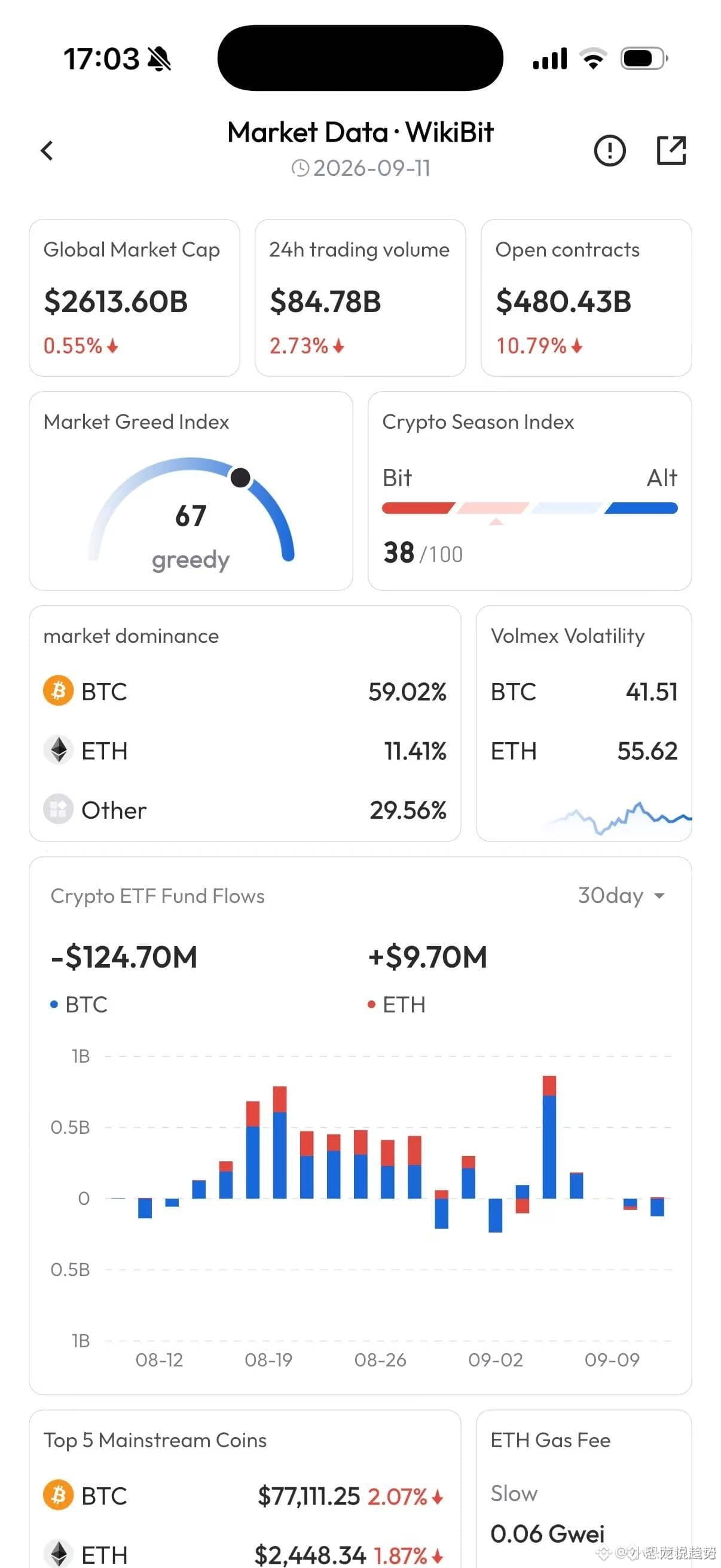
Over the past 24 hours, the total amount wiped out in the whole derivatives (contract) market reached $674 million. Both long and short positions were forcibly liquidated. This round of violent volatility drove many high-leverage positions straight out of the market. The liquidation mechanism is actually simple: once the price moves against you and reaches your liquidation line, the exchange automatically sells your position—without giving you the chance to add margin. That’s also why, in a bull market, the most dangerous thing isn’t the drop itself, but the emotion stampede that gets amplified by high leverage. The more lively it is, the more you need to control your positions.
In plain words: borrowed money won’t help you hold the line. When the price falls to that level, the system cuts you immediately without any hesitation. Leverage is a double-edged sword—when it pays, it feels great; when it goes wrong, you don’t even get time to react.
Every day, I bring you coverage of crypto hotspots—not just what happened in the news, but also the underlying logic and opportunities behind it 👀🚀
#全网爆仓6.74亿美元 #contracts
#全网爆仓6.74亿美元
💥 进群聊仓位动态
Within a single day, the contract leverage across the entire network was liquidated—over $600 million.
Every large-scale liquidation is the market, using the most brutal method, to reshuffle.
Over the past 24 hours, the total amount wiped out in the whole derivatives (contract) market reached $674 million. Both long and short positions were forcibly liquidated. This round of violent volatility drove many high-leverage positions straight out of the market. The liquidation mechanism is actually simple: once the price moves against you and reaches your liquidation line, the exchange automatically sells your position—without giving you the chance to add margin. That’s also why, in a bull market, the most dangerous thing isn’t the drop itself, but the emotion stampede that gets amplified by high leverage. The more lively it is, the more you need to control your positions.
In plain words: borrowed money won’t help you hold the line. When the price falls to that level, the system cuts you immediately without any hesitation. Leverage is a double-edged sword—when it pays, it feels great; when it goes wrong, you don’t even get time to react.
Every day, I bring you coverage of crypto hotspots—not just what happened in the news, but also the underlying logic and opportunities behind it 👀🚀
#全网爆仓6.74亿美元 #contracts
💥 进群聊仓位动态
Within a single day, the contract leverage across the entire network was liquidated—over $600 million.
Every large-scale liquidation is the market, using the most brutal method, to reshuffle.
Over the past 24 hours, the total amount wiped out in the whole derivatives (contract) market reached $674 million. Both long and short positions were forcibly liquidated. This round of violent volatility drove many high-leverage positions straight out of the market. The liquidation mechanism is actually simple: once the price moves against you and reaches your liquidation line, the exchange automatically sells your position—without giving you the chance to add margin. That’s also why, in a bull market, the most dangerous thing isn’t the drop itself, but the emotion stampede that gets amplified by high leverage. The more lively it is, the more you need to control your positions.
In plain words: borrowed money won’t help you hold the line. When the price falls to that level, the system cuts you immediately without any hesitation. Leverage is a double-edged sword—when it pays, it feels great; when it goes wrong, you don’t even get time to react.
Every day, I bring you coverage of crypto hotspots—not just what happened in the news, but also the underlying logic and opportunities behind it 👀🚀
#全网爆仓6.74亿美元 #contracts
833
·
--
Verified
#anthropic选择纳斯达克ipo
[🤖 AI×加密,进群跟进](https://app.binance.com/uni-qr/EXpjD4Vi)
An AI company hasn’t gone public yet, but a chip giant is already set to pour in $10 billion early.
When the people selling shovels go rushing to grab the gold mine, you know just how rich that mine really is.
According to Reuters, NVIDIA is considering investing about $10 billion in Anthropic’s potentially record-breaking IPO. Anthropic has also been reported to be seeking financing of up to $100 billion, which could value the company at the trillion-dollar level. The logic behind this money is straightforward: the powerhouses that sell computing capacity don’t just want to be suppliers—they want to secure one of the biggest customers early, welding together the entire upstream and downstream of the industry chain.
Since this year began, capital expenditures for AI infrastructure have been surging nonstop. Big players have started exchanging equity for certainty, instead of only making one-off profit from selling goods.
Translate it: The NVIDIA that sells GPUs isn’t satisfied with just selling shovels. It wants to be a partner in the gold rush—turning the future’s biggest buyers into its own shareholders. This kind of binding is stronger than signing any number of contracts.
Every day, we bring you crypto hot spots—not just what’s happening in the news, but also the logic and opportunities behind it 👀🚀
#Anthropic chooses a Nasdaq IPO #AI
#anthropic选择纳斯达克ipo
🤖 AI×加密,进群跟进
An AI company hasn’t gone public yet, but a chip giant is already set to pour in $10 billion early.
When the people selling shovels go rushing to grab the gold mine, you know just how rich that mine really is.
According to Reuters, NVIDIA is considering investing about $10 billion in Anthropic’s potentially record-breaking IPO. Anthropic has also been reported to be seeking financing of up to $100 billion, which could value the company at the trillion-dollar level. The logic behind this money is straightforward: the powerhouses that sell computing capacity don’t just want to be suppliers—they want to secure one of the biggest customers early, welding together the entire upstream and downstream of the industry chain.
Since this year began, capital expenditures for AI infrastructure have been surging nonstop. Big players have started exchanging equity for certainty, instead of only making one-off profit from selling goods.
Translate it: The NVIDIA that sells GPUs isn’t satisfied with just selling shovels. It wants to be a partner in the gold rush—turning the future’s biggest buyers into its own shareholders. This kind of binding is stronger than signing any number of contracts.
Every day, we bring you crypto hot spots—not just what’s happening in the news, but also the logic and opportunities behind it 👀🚀
#Anthropic chooses a Nasdaq IPO #AI
🤖 AI×加密,进群跟进
An AI company hasn’t gone public yet, but a chip giant is already set to pour in $10 billion early.
When the people selling shovels go rushing to grab the gold mine, you know just how rich that mine really is.
According to Reuters, NVIDIA is considering investing about $10 billion in Anthropic’s potentially record-breaking IPO. Anthropic has also been reported to be seeking financing of up to $100 billion, which could value the company at the trillion-dollar level. The logic behind this money is straightforward: the powerhouses that sell computing capacity don’t just want to be suppliers—they want to secure one of the biggest customers early, welding together the entire upstream and downstream of the industry chain.
Since this year began, capital expenditures for AI infrastructure have been surging nonstop. Big players have started exchanging equity for certainty, instead of only making one-off profit from selling goods.
Translate it: The NVIDIA that sells GPUs isn’t satisfied with just selling shovels. It wants to be a partner in the gold rush—turning the future’s biggest buyers into its own shareholders. This kind of binding is stronger than signing any number of contracts.
Every day, we bring you crypto hot spots—not just what’s happening in the news, but also the logic and opportunities behind it 👀🚀
#Anthropic chooses a Nasdaq IPO #AI
2
802
·
--
Partly True
Over five years, under Vanguard, only 8 of its funds managed to outperform the S&P 500—and among the winners, energy takes up a large share.
Even professional institutions can’t beat the index; what this means for ordinary people may be more valuable than you think.
A statistic shows that over the past five years, among Vanguard’s ETFs, only 8 had returns higher than the S&P 500. Moreover, the outperformers are highly concentrated in the energy and technology sectors. This data once again confirms an old point: how difficult it is to consistently beat the market over the long term. Even one of the world’s largest asset managers, most active strategies and niche thematic funds have failed to outperform their benchmarks. The energy sector’s success is largely due to this round of inflation and the commodities cycle, rather than truly lasting stock-picking skill.
For ordinary investors, instead of chasing hot sectors, it’s better to recognize that holding the index itself is a rare kind of victory.
In other words: even with institutions managing trillions in assets, most funds still can’t beat the market—so why do you and I think that simply buying whatever we like could outperform? Sometimes, not tinkering is actually the smartest strategy.
Every day, I bring you updates on crypto trends. Not just what happens in the news—but how to understand the underlying logic and opportunities 👀🚀
#Bitcoin #etf
[💰 大资金往哪走,群里跟踪](https://app.binance.com/uni-qr/EXpjD4Vi)
Over five years, under Vanguard, only 8 of its funds managed to outperform the S&P 500—and among the winners, energy takes up a large share.
Even professional institutions can’t beat the index; what this means for ordinary people may be more valuable than you think.
A statistic shows that over the past five years, among Vanguard’s ETFs, only 8 had returns higher than the S&P 500. Moreover, the outperformers are highly concentrated in the energy and technology sectors. This data once again confirms an old point: how difficult it is to consistently beat the market over the long term. Even one of the world’s largest asset managers, most active strategies and niche thematic funds have failed to outperform their benchmarks. The energy sector’s success is largely due to this round of inflation and the commodities cycle, rather than truly lasting stock-picking skill.
For ordinary investors, instead of chasing hot sectors, it’s better to recognize that holding the index itself is a rare kind of victory.
In other words: even with institutions managing trillions in assets, most funds still can’t beat the market—so why do you and I think that simply buying whatever we like could outperform? Sometimes, not tinkering is actually the smartest strategy.
Every day, I bring you updates on crypto trends. Not just what happens in the news—but how to understand the underlying logic and opportunities 👀🚀
#Bitcoin #etf
💰 大资金往哪走,群里跟踪
Even professional institutions can’t beat the index; what this means for ordinary people may be more valuable than you think.
A statistic shows that over the past five years, among Vanguard’s ETFs, only 8 had returns higher than the S&P 500. Moreover, the outperformers are highly concentrated in the energy and technology sectors. This data once again confirms an old point: how difficult it is to consistently beat the market over the long term. Even one of the world’s largest asset managers, most active strategies and niche thematic funds have failed to outperform their benchmarks. The energy sector’s success is largely due to this round of inflation and the commodities cycle, rather than truly lasting stock-picking skill.
For ordinary investors, instead of chasing hot sectors, it’s better to recognize that holding the index itself is a rare kind of victory.
In other words: even with institutions managing trillions in assets, most funds still can’t beat the market—so why do you and I think that simply buying whatever we like could outperform? Sometimes, not tinkering is actually the smartest strategy.
Every day, I bring you updates on crypto trends. Not just what happens in the news—but how to understand the underlying logic and opportunities 👀🚀
#Bitcoin #etf
💰 大资金往哪走,群里跟踪
2
4
557
·
--
The circulating supply of an old-school meme coin is 95% locked up in the hands of just 808 wallets. The price is currently edging toward a key breakout level. The more concentrated the chips are, the easier it is to pump—but the same concentration means there will also be fewer willing buyers when a dump hits.
On-chain data shows that Shiba Inu (SHIB) has highly concentrated supply: 95% of the tokens are controlled by only 808 wallets. Meanwhile, the price is approaching a crucial breakout point. This kind of extreme concentration means the actions of a small number of addresses can dominate the direction of the market. A pump could be violent, but once these big holders decide to exit, liquidity can vanish instantly—retail investors often can only watch the price free-fall.
The nature of meme coins is that they depend more on community sentiment and the moves of major players than on fundamentals. For ordinary participants, what they profit from is usually money driven by emotion; what they lose is often money driven by misunderstanding.
Plainly put: if almost all of a coin is held in the hands of a few hundred wallets, it can rise especially fast because nobody’s selling—but it can also fall just as fast because nobody’s there to buy. What you’re really buying isn’t just a coin; it’s whether those few hundred people are willing to keep holding.
Every day I’ll track crypto market highlights for you—not only what’s happening in the news, but also the logic and opportunities behind it 👀🚀
#Bitcoin #Dogecoin
[📊 更多链上数据,进群一起看](https://app.binance.com/uni-qr/EXpjD4Vi)
The circulating supply of an old-school meme coin is 95% locked up in the hands of just 808 wallets. The price is currently edging toward a key breakout level. The more concentrated the chips are, the easier it is to pump—but the same concentration means there will also be fewer willing buyers when a dump hits.
On-chain data shows that Shiba Inu (SHIB) has highly concentrated supply: 95% of the tokens are controlled by only 808 wallets. Meanwhile, the price is approaching a crucial breakout point. This kind of extreme concentration means the actions of a small number of addresses can dominate the direction of the market. A pump could be violent, but once these big holders decide to exit, liquidity can vanish instantly—retail investors often can only watch the price free-fall.
The nature of meme coins is that they depend more on community sentiment and the moves of major players than on fundamentals. For ordinary participants, what they profit from is usually money driven by emotion; what they lose is often money driven by misunderstanding.
Plainly put: if almost all of a coin is held in the hands of a few hundred wallets, it can rise especially fast because nobody’s selling—but it can also fall just as fast because nobody’s there to buy. What you’re really buying isn’t just a coin; it’s whether those few hundred people are willing to keep holding.
Every day I’ll track crypto market highlights for you—not only what’s happening in the news, but also the logic and opportunities behind it 👀🚀
#Bitcoin #Dogecoin
📊 更多链上数据,进群一起看
On-chain data shows that Shiba Inu (SHIB) has highly concentrated supply: 95% of the tokens are controlled by only 808 wallets. Meanwhile, the price is approaching a crucial breakout point. This kind of extreme concentration means the actions of a small number of addresses can dominate the direction of the market. A pump could be violent, but once these big holders decide to exit, liquidity can vanish instantly—retail investors often can only watch the price free-fall.
The nature of meme coins is that they depend more on community sentiment and the moves of major players than on fundamentals. For ordinary participants, what they profit from is usually money driven by emotion; what they lose is often money driven by misunderstanding.
Plainly put: if almost all of a coin is held in the hands of a few hundred wallets, it can rise especially fast because nobody’s selling—but it can also fall just as fast because nobody’s there to buy. What you’re really buying isn’t just a coin; it’s whether those few hundred people are willing to keep holding.
Every day I’ll track crypto market highlights for you—not only what’s happening in the news, but also the logic and opportunities behind it 👀🚀
#Bitcoin #Dogecoin
📊 更多链上数据,进群一起看
1
1
380
·
--
#代币化股票持有者增长619.1%
[⚖️ 政策怎么解读,群里聊](https://app.binance.com/uni-qr/EXpjD4Vi)
🦕 A niche data point suddenly went viral: the number of holders of tokenized stocks has surged 619% within a year. This growth rate is explosive even by the standards of the entire crypto industry.
So what are tokenized stocks? They take shares of traditional publicly listed companies and package them into on-chain tokens. That way, retail investors don’t have to buy whole shares; they can instead get exposure to big companies’ performance in smaller amounts. 📈
Behind this trend are two forces pushing against each other. On one side, brokerages and retail investors believe on-chain stocks lower the entry barrier and make finance more inclusive. On the other side, listed companies worry that if their shares are split into tokens, control and shareholder relationships could get messy. ⚖️
In other words: more and more people want to get on board, but the side that plays by the rules hasn’t decided whether to let them in yet. Demand is already running ahead, while the rules will follow later—slowly. 🚦
My take is that the direction of this track is right, but in the short term it will be extremely bumpy. Whoever gets stable first on compliance will be the one to capture the 619% windfall. Ordinary people can pay attention first—don’t rush in yet. 🦖
#TokenizedStockHolderGrowth619.1%
#代币化股票持有者增长619.1%
⚖️ 政策怎么解读,群里聊
🦕 A niche data point suddenly went viral: the number of holders of tokenized stocks has surged 619% within a year. This growth rate is explosive even by the standards of the entire crypto industry.
So what are tokenized stocks? They take shares of traditional publicly listed companies and package them into on-chain tokens. That way, retail investors don’t have to buy whole shares; they can instead get exposure to big companies’ performance in smaller amounts. 📈
Behind this trend are two forces pushing against each other. On one side, brokerages and retail investors believe on-chain stocks lower the entry barrier and make finance more inclusive. On the other side, listed companies worry that if their shares are split into tokens, control and shareholder relationships could get messy. ⚖️
In other words: more and more people want to get on board, but the side that plays by the rules hasn’t decided whether to let them in yet. Demand is already running ahead, while the rules will follow later—slowly. 🚦
My take is that the direction of this track is right, but in the short term it will be extremely bumpy. Whoever gets stable first on compliance will be the one to capture the 619% windfall. Ordinary people can pay attention first—don’t rush in yet. 🦖
#TokenizedStockHolderGrowth619.1%
⚖️ 政策怎么解读,群里聊
🦕 A niche data point suddenly went viral: the number of holders of tokenized stocks has surged 619% within a year. This growth rate is explosive even by the standards of the entire crypto industry.
So what are tokenized stocks? They take shares of traditional publicly listed companies and package them into on-chain tokens. That way, retail investors don’t have to buy whole shares; they can instead get exposure to big companies’ performance in smaller amounts. 📈
Behind this trend are two forces pushing against each other. On one side, brokerages and retail investors believe on-chain stocks lower the entry barrier and make finance more inclusive. On the other side, listed companies worry that if their shares are split into tokens, control and shareholder relationships could get messy. ⚖️
In other words: more and more people want to get on board, but the side that plays by the rules hasn’t decided whether to let them in yet. Demand is already running ahead, while the rules will follow later—slowly. 🚦
My take is that the direction of this track is right, but in the short term it will be extremely bumpy. Whoever gets stable first on compliance will be the one to capture the 619% windfall. Ordinary people can pay attention first—don’t rush in yet. 🦖
#TokenizedStockHolderGrowth619.1%

554
·
--
Shanzhai coins collectively bleed heavily: Zcash goes from leading gainer to leading decliner 📉
Zcash turns around and drops so fast 💨
The day before, it was still #1 on the gainers list
Within less than 24 hours, it flipped to the top of the decliners list
It even dragged down an entire street along with it
[👉 进群看每日策略](https://app.binance.com/uni-qr/DXaccF5q)
In the CoinDesk 100 Index,
all 95 members are heading downward—only 5 are holding on
Over the week, Bitcoin drops more than 5%
Last night, it even directly broke below the 77,000 line
In plain terms: the market is repricing something
Traders are starting to redo the calculations—this time, the Fed may not cut rates
Instead, it might turn around and hike
Translation: rate hikes mean the faucet gets tightened more
Money gets more expensive—who gets bled first are the ones that surged the most
Coins like Zcash, which had already gone crazy early on, naturally unwind the hardest
Let’s use a real-life analogy
Bitcoin is like the main-stay street food in a market—the price stays the steadiest
Other coins are like seasonal stir-fries: when conditions cool, prices drop first
Once the faucet is tightened, the first dishes to be cleared away are those hot plates
Another easy-to-miss driver is leverage
When prices rise, everyone piles on positions
Once the turn happens, when margin-topup notices come in,
forced selling will push the price down another layer
The more it falls, the more people sell; the more people sell, the more it falls—that’s the loop
Why is everyone suddenly afraid of rate hikes?
Because the earlier inflation data wasn’t soft,
and employment is still holding up
The positions that were counting on rate cuts have begun to relocate together
Once they move, risk assets start to shake
At the end of the day, this looks more like an emotional release than a genuine trend reversal
But for those trying to catch it in the short term, first check whether the 75,000 line can hold
If it can’t, there’s room further down
If it holds, that’s the entry point for the crowd targeting 100,000 again 👀🚀
#zcash #山寨币
Shanzhai coins collectively bleed heavily: Zcash goes from leading gainer to leading decliner 📉
Zcash turns around and drops so fast 💨
The day before, it was still #1 on the gainers list
Within less than 24 hours, it flipped to the top of the decliners list
It even dragged down an entire street along with it
👉 进群看每日策略
In the CoinDesk 100 Index,
all 95 members are heading downward—only 5 are holding on
Over the week, Bitcoin drops more than 5%
Last night, it even directly broke below the 77,000 line
In plain terms: the market is repricing something
Traders are starting to redo the calculations—this time, the Fed may not cut rates
Instead, it might turn around and hike
Translation: rate hikes mean the faucet gets tightened more
Money gets more expensive—who gets bled first are the ones that surged the most
Coins like Zcash, which had already gone crazy early on, naturally unwind the hardest
Let’s use a real-life analogy
Bitcoin is like the main-stay street food in a market—the price stays the steadiest
Other coins are like seasonal stir-fries: when conditions cool, prices drop first
Once the faucet is tightened, the first dishes to be cleared away are those hot plates
Another easy-to-miss driver is leverage
When prices rise, everyone piles on positions
Once the turn happens, when margin-topup notices come in,
forced selling will push the price down another layer
The more it falls, the more people sell; the more people sell, the more it falls—that’s the loop
Why is everyone suddenly afraid of rate hikes?
Because the earlier inflation data wasn’t soft,
and employment is still holding up
The positions that were counting on rate cuts have begun to relocate together
Once they move, risk assets start to shake
At the end of the day, this looks more like an emotional release than a genuine trend reversal
But for those trying to catch it in the short term, first check whether the 75,000 line can hold
If it can’t, there’s room further down
If it holds, that’s the entry point for the crowd targeting 100,000 again 👀🚀
#zcash #山寨币
Zcash turns around and drops so fast 💨
The day before, it was still #1 on the gainers list
Within less than 24 hours, it flipped to the top of the decliners list
It even dragged down an entire street along with it
👉 进群看每日策略
In the CoinDesk 100 Index,
all 95 members are heading downward—only 5 are holding on
Over the week, Bitcoin drops more than 5%
Last night, it even directly broke below the 77,000 line
In plain terms: the market is repricing something
Traders are starting to redo the calculations—this time, the Fed may not cut rates
Instead, it might turn around and hike
Translation: rate hikes mean the faucet gets tightened more
Money gets more expensive—who gets bled first are the ones that surged the most
Coins like Zcash, which had already gone crazy early on, naturally unwind the hardest
Let’s use a real-life analogy
Bitcoin is like the main-stay street food in a market—the price stays the steadiest
Other coins are like seasonal stir-fries: when conditions cool, prices drop first
Once the faucet is tightened, the first dishes to be cleared away are those hot plates
Another easy-to-miss driver is leverage
When prices rise, everyone piles on positions
Once the turn happens, when margin-topup notices come in,
forced selling will push the price down another layer
The more it falls, the more people sell; the more people sell, the more it falls—that’s the loop
Why is everyone suddenly afraid of rate hikes?
Because the earlier inflation data wasn’t soft,
and employment is still holding up
The positions that were counting on rate cuts have begun to relocate together
Once they move, risk assets start to shake
At the end of the day, this looks more like an emotional release than a genuine trend reversal
But for those trying to catch it in the short term, first check whether the 75,000 line can hold
If it can’t, there’s room further down
If it holds, that’s the entry point for the crowd targeting 100,000 again 👀🚀
#zcash #山寨币

1
2
786
·
--
Verified
Ethereum’s top wallet announces going solo. The parent company goes by its name
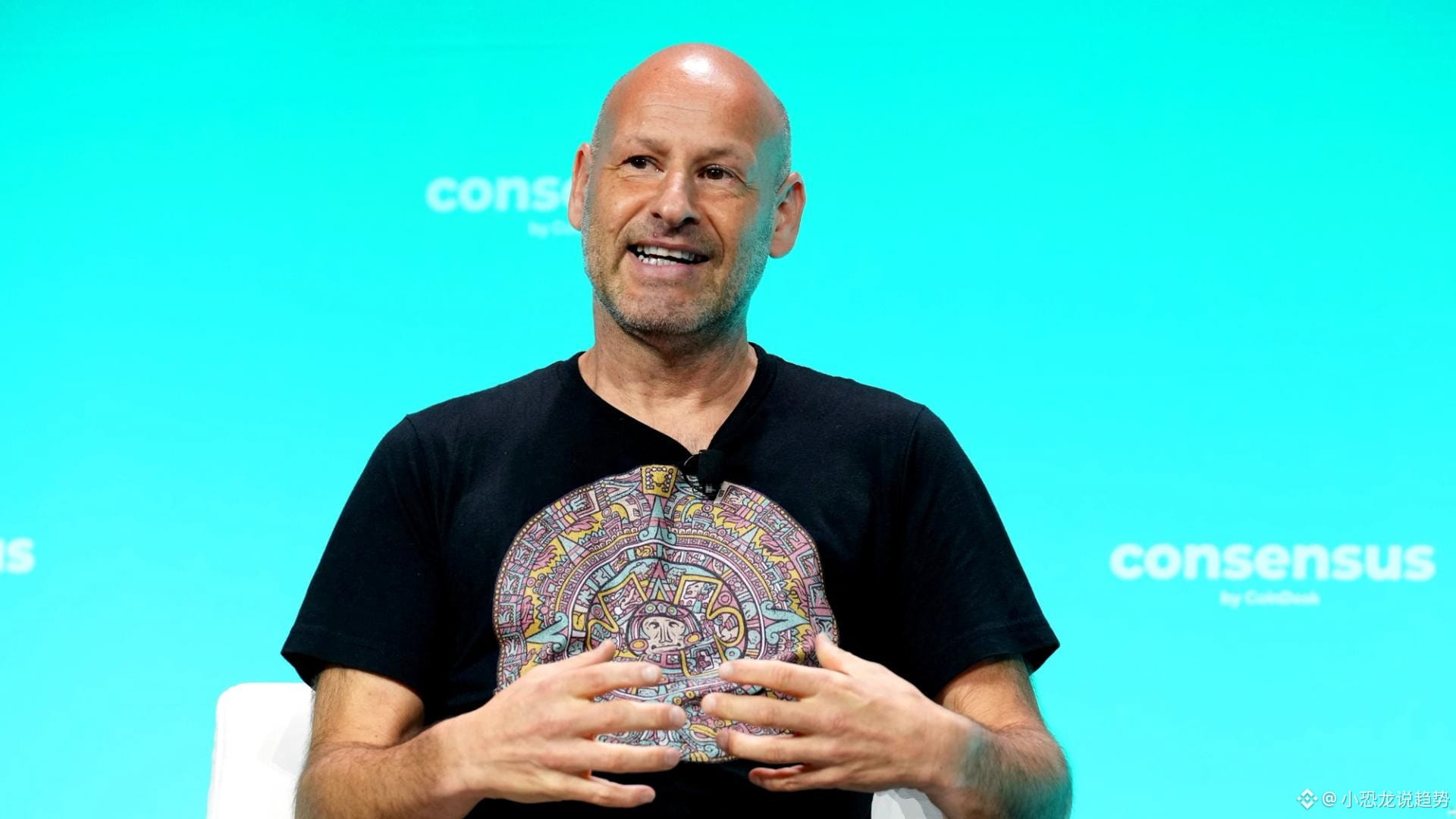
Consensys, this veteran company, has officially renamed itself to MetaMask.
They didn’t even keep their flagship branding—they went straight to naming it after their top product.
Co-founder Lubin will continue as Chairman and CEO.
Does this playbook feel familiar?
When the son is too successful, he basically replaces the old man’s company name.
The wallet is the first gateway for tens of millions of users to enter the crypto world.
The weight of this entry point is bigger than you’d think.
After splitting up, what will they do?
Officially, they won’t say a single word about IPO rumors.
The quieter they are, the more the market loves to guess 🤫
The “three-piece set” of going solo: rebranding, independence, and holding back a big move.
For the ecosystem, having the wallet go solo is a big deal.
The product line will be more focused, and decisions no longer need to be tied to the parent company.
But whether users’ existing assets migrate smoothly—that’s something to watch closely.
To put it simply: the wallet is a traffic gateway.
Whoever controls the entry point has the power to shape the conversation 🔑
This split-up might not be as simple as just changing a sign.
Do you think the wallet going solo is the right path? Let’s chat in the comments.
Click the avatar to watch the livestream.
Every day, I’ll take you to follow Bitcoin headlines—not just news, but the logic and opportunities behind what happens 👉🦖
#MetaMask #以太坊
Ethereum’s top wallet announces going solo. The parent company goes by its name
Consensys, this veteran company, has officially renamed itself to MetaMask.
They didn’t even keep their flagship branding—they went straight to naming it after their top product.
Co-founder Lubin will continue as Chairman and CEO.
Does this playbook feel familiar?
When the son is too successful, he basically replaces the old man’s company name.
The wallet is the first gateway for tens of millions of users to enter the crypto world.
The weight of this entry point is bigger than you’d think.
After splitting up, what will they do?
Officially, they won’t say a single word about IPO rumors.
The quieter they are, the more the market loves to guess 🤫
The “three-piece set” of going solo: rebranding, independence, and holding back a big move.
For the ecosystem, having the wallet go solo is a big deal.
The product line will be more focused, and decisions no longer need to be tied to the parent company.
But whether users’ existing assets migrate smoothly—that’s something to watch closely.
To put it simply: the wallet is a traffic gateway.
Whoever controls the entry point has the power to shape the conversation 🔑
This split-up might not be as simple as just changing a sign.
Do you think the wallet going solo is the right path? Let’s chat in the comments.
Click the avatar to watch the livestream.
Every day, I’ll take you to follow Bitcoin headlines—not just news, but the logic and opportunities behind what happens 👉🦖
#MetaMask #以太坊
Consensys, this veteran company, has officially renamed itself to MetaMask.
They didn’t even keep their flagship branding—they went straight to naming it after their top product.
Co-founder Lubin will continue as Chairman and CEO.
Does this playbook feel familiar?
When the son is too successful, he basically replaces the old man’s company name.
The wallet is the first gateway for tens of millions of users to enter the crypto world.
The weight of this entry point is bigger than you’d think.
After splitting up, what will they do?
Officially, they won’t say a single word about IPO rumors.
The quieter they are, the more the market loves to guess 🤫
The “three-piece set” of going solo: rebranding, independence, and holding back a big move.
For the ecosystem, having the wallet go solo is a big deal.
The product line will be more focused, and decisions no longer need to be tied to the parent company.
But whether users’ existing assets migrate smoothly—that’s something to watch closely.
To put it simply: the wallet is a traffic gateway.
Whoever controls the entry point has the power to shape the conversation 🔑
This split-up might not be as simple as just changing a sign.
Do you think the wallet going solo is the right path? Let’s chat in the comments.
Click the avatar to watch the livestream.
Every day, I’ll take you to follow Bitcoin headlines—not just news, but the logic and opportunities behind what happens 👉🦖
#MetaMask #以太坊
2
901
·
--
Someone has taken up the case of the “encrypted bank” tomb—former CEO used an anonymous account to post a puff piece, blaming it on the White House
Silvergate Bank—this is the crypto-friendly bank from 2023 that couldn’t withstand the bank run and chose to liquidate voluntarily
Former CEO Lane said the bank actually weathered the withdrawal surge back then; it was a series of moves by the White House that forced it into liquidation
The story is quite vivid, but the regulator’s report tells a completely different plot
The Federal Reserve’s own investigation says the cause of death was that deposits were too concentrated and growth was too rapid—there were all sorts of holes in risk control and governance
Even more painful: Lane himself didn’t get away with it later either
The SEC accused him of misleading investors. In the end, he agreed to pay a $1 million penalty and was barred from the industry for five years
One says it was political persecution; the other says it died due to risk controls—who do you believe?
Anyway, the depositors who lined up overnight to withdraw their money already know the truth
When a crypto bank goes under, it’s never a single cause of death
Regulatory pressure is the external factor; an unstable foundation of its own is the real internal cause
Put the two versions together and you get the complete story
Eat the瓜 if you want, but the lesson has to be remembered: when choosing partners, first check whether their risk controls can stand up to winter
Every day I’ll bring you updates on the hottest crypto regulatory news— not just what happened, but also help you understand the logic and opportunities behind it 👀🚀
Click the links below to follow me👇🏻
[👉 加入小恐龙粉丝群](https://app.binance.com/uni-qr/DXaccF5q)
#比特币 #加密银行 #监管
Someone has taken up the case of the “encrypted bank” tomb—former CEO used an anonymous account to post a puff piece, blaming it on the White House
Silvergate Bank—this is the crypto-friendly bank from 2023 that couldn’t withstand the bank run and chose to liquidate voluntarily
Former CEO Lane said the bank actually weathered the withdrawal surge back then; it was a series of moves by the White House that forced it into liquidation
The story is quite vivid, but the regulator’s report tells a completely different plot
The Federal Reserve’s own investigation says the cause of death was that deposits were too concentrated and growth was too rapid—there were all sorts of holes in risk control and governance
Even more painful: Lane himself didn’t get away with it later either
The SEC accused him of misleading investors. In the end, he agreed to pay a $1 million penalty and was barred from the industry for five years
One says it was political persecution; the other says it died due to risk controls—who do you believe?
Anyway, the depositors who lined up overnight to withdraw their money already know the truth
When a crypto bank goes under, it’s never a single cause of death
Regulatory pressure is the external factor; an unstable foundation of its own is the real internal cause
Put the two versions together and you get the complete story
Eat the瓜 if you want, but the lesson has to be remembered: when choosing partners, first check whether their risk controls can stand up to winter
Every day I’ll bring you updates on the hottest crypto regulatory news— not just what happened, but also help you understand the logic and opportunities behind it 👀🚀
Click the links below to follow me👇🏻
👉 加入小恐龙粉丝群
#比特币 #加密银行 #监管
Silvergate Bank—this is the crypto-friendly bank from 2023 that couldn’t withstand the bank run and chose to liquidate voluntarily
Former CEO Lane said the bank actually weathered the withdrawal surge back then; it was a series of moves by the White House that forced it into liquidation
The story is quite vivid, but the regulator’s report tells a completely different plot
The Federal Reserve’s own investigation says the cause of death was that deposits were too concentrated and growth was too rapid—there were all sorts of holes in risk control and governance
Even more painful: Lane himself didn’t get away with it later either
The SEC accused him of misleading investors. In the end, he agreed to pay a $1 million penalty and was barred from the industry for five years
One says it was political persecution; the other says it died due to risk controls—who do you believe?
Anyway, the depositors who lined up overnight to withdraw their money already know the truth
When a crypto bank goes under, it’s never a single cause of death
Regulatory pressure is the external factor; an unstable foundation of its own is the real internal cause
Put the two versions together and you get the complete story
Eat the瓜 if you want, but the lesson has to be remembered: when choosing partners, first check whether their risk controls can stand up to winter
Every day I’ll bring you updates on the hottest crypto regulatory news— not just what happened, but also help you understand the logic and opportunities behind it 👀🚀
Click the links below to follow me👇🏻
👉 加入小恐龙粉丝群
#比特币 #加密银行 #监管
3
2.4k
·
--
Ripple’s General Counsel did something fairly un-Wall Street
He personally went to a senator’s office just to ask for one thing—before the vote, meet the real crypto holders.
He said the U.S. has 67 million crypto holders, but on Capitol Hill, digital assets don’t work as well as voters’ faces. The user profile isn’t as stereotypical as you might think either: older people aren’t fewer than younger ones, and one third are women.
On September 15, the Senate will take a procedural vote on the CLARITY bill. They need 60 votes to even get the discussion started. Right now, there are still 7 Democrats who think the draft isn’t strict enough, and the vote count is tight.
If the bill truly passes and takes effect, it will effectively draw boundaries for the digital asset market. The SEC and CFTC split responsibilities: the CFTC would run the spot market—that would be the biggest expansion of authority in history.
This time, the industry isn’t competing on lobbying budgets; it’s competing for real users. That’s a pretty smart move. One voter’s face is more effective than a hundred white papers.
XRP has been strengthening along with the bill’s expectations lately—whether it can make it into the final round will be decided next week.
Every day, I’ll bring you the biggest crypto regulation hotspots—not just what happened in the news, but the logic and opportunities behind it 👀🚀
Click the links below to follow me👇🏻
[👉 加入小恐龙粉丝群](https://app.binance.com/uni-qr/DXaccF5q)
#XRP #加密货币 #监管
Ripple’s General Counsel did something fairly un-Wall Street
He personally went to a senator’s office just to ask for one thing—before the vote, meet the real crypto holders.
He said the U.S. has 67 million crypto holders, but on Capitol Hill, digital assets don’t work as well as voters’ faces. The user profile isn’t as stereotypical as you might think either: older people aren’t fewer than younger ones, and one third are women.
On September 15, the Senate will take a procedural vote on the CLARITY bill. They need 60 votes to even get the discussion started. Right now, there are still 7 Democrats who think the draft isn’t strict enough, and the vote count is tight.
If the bill truly passes and takes effect, it will effectively draw boundaries for the digital asset market. The SEC and CFTC split responsibilities: the CFTC would run the spot market—that would be the biggest expansion of authority in history.
This time, the industry isn’t competing on lobbying budgets; it’s competing for real users. That’s a pretty smart move. One voter’s face is more effective than a hundred white papers.
XRP has been strengthening along with the bill’s expectations lately—whether it can make it into the final round will be decided next week.
Every day, I’ll bring you the biggest crypto regulation hotspots—not just what happened in the news, but the logic and opportunities behind it 👀🚀
Click the links below to follow me👇🏻
👉 加入小恐龙粉丝群
#XRP #加密货币 #监管
He personally went to a senator’s office just to ask for one thing—before the vote, meet the real crypto holders.
He said the U.S. has 67 million crypto holders, but on Capitol Hill, digital assets don’t work as well as voters’ faces. The user profile isn’t as stereotypical as you might think either: older people aren’t fewer than younger ones, and one third are women.
On September 15, the Senate will take a procedural vote on the CLARITY bill. They need 60 votes to even get the discussion started. Right now, there are still 7 Democrats who think the draft isn’t strict enough, and the vote count is tight.
If the bill truly passes and takes effect, it will effectively draw boundaries for the digital asset market. The SEC and CFTC split responsibilities: the CFTC would run the spot market—that would be the biggest expansion of authority in history.
This time, the industry isn’t competing on lobbying budgets; it’s competing for real users. That’s a pretty smart move. One voter’s face is more effective than a hundred white papers.
XRP has been strengthening along with the bill’s expectations lately—whether it can make it into the final round will be decided next week.
Every day, I’ll bring you the biggest crypto regulation hotspots—not just what happened in the news, but the logic and opportunities behind it 👀🚀
Click the links below to follow me👇🏻
👉 加入小恐龙粉丝群
#XRP #加密货币 #监管
2
854
·
--
BTC performed another deep V last night: first plunged to 77666, then pulled back sharply to around 78900.
Tried and tossed all day—the price basically looked like it hadn’t moved. Meanwhile, Zcash, the bystander, stole the headline.
That new ETF from Grayscale has been listed for only two weeks, and its AUM already jumped straight to $500 million.
With more than 550,000 ZEC in hand—about 3% of the circulating supply—just like that it siphoned so much off the market.
There’s also a $100 million institutional seed fund backing it.
ZEC itself also showed up: up 4% in a day, up 43% in a week. Market cap hit $20 billion and it surged into the top ten.
Privacy coins got “votes” from institutions using real money. Who could’ve imagined this script three years ago?
The broader backdrop is actually pretty tangled: oil is pushing toward $100, gold is holding above 4,400, and U.S. Treasury yields are at 4.8%.
The Fed will make its rate decision next week. The market’s implied probability of a rate hike is nearly 60%, so risk assets should be shaking.
Instead, BTC is calmly hovering around 79,000—stuck between up and down.
That suggests capital hasn’t left; it just doesn’t dare to move around recklessly.
Traders have drawn two key lines: 75,000 and 82,000.
As long as neither breaks, it’s basically grind-and-chop within the range. Chasing highs can easily get shaken out, and bottom-picking shouldn’t be too rushed.
In this kind of market, having a sense of direction matters more than speed.
Watch first—wait until the shoe drops.
Zcash’s move is a reminder, though: the market isn’t short of money—it’s short of new stories.
Over the next few days, the inflation data and the Fed outcome will be the real steering wheel.
Every day I’ll take you through crypto hot topics—not just what’s happening in the news, but the logic and opportunities behind it 👀🚀
Click the links below to follow me👇🏻
[👉 加入小恐龙粉丝群](https://app.binance.com/uni-qr/DXaccF5q)
#比特币 #Zcash #ETF
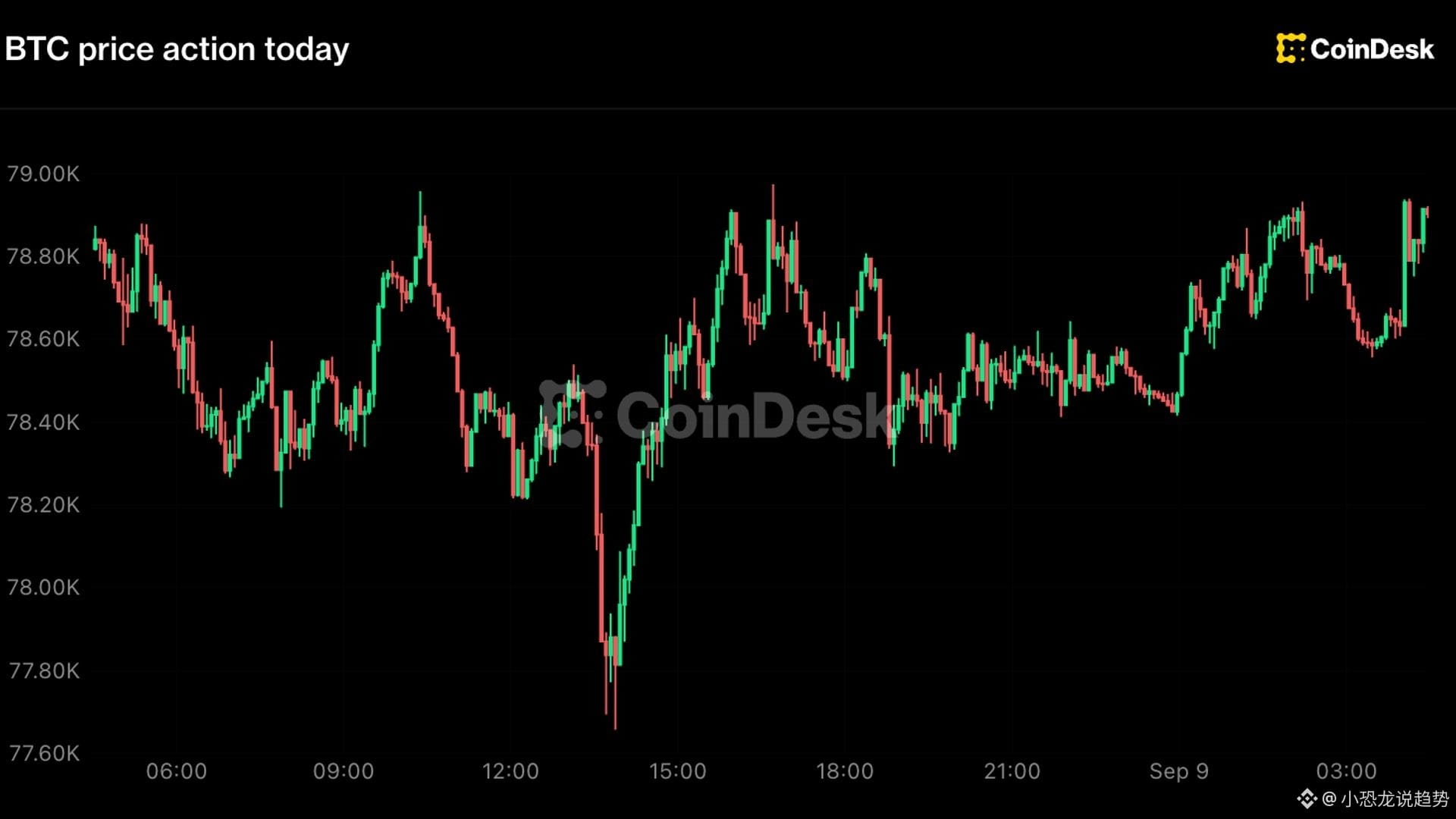
BTC performed another deep V last night: first plunged to 77666, then pulled back sharply to around 78900.
Tried and tossed all day—the price basically looked like it hadn’t moved. Meanwhile, Zcash, the bystander, stole the headline.
That new ETF from Grayscale has been listed for only two weeks, and its AUM already jumped straight to $500 million.
With more than 550,000 ZEC in hand—about 3% of the circulating supply—just like that it siphoned so much off the market.
There’s also a $100 million institutional seed fund backing it.
ZEC itself also showed up: up 4% in a day, up 43% in a week. Market cap hit $20 billion and it surged into the top ten.
Privacy coins got “votes” from institutions using real money. Who could’ve imagined this script three years ago?
The broader backdrop is actually pretty tangled: oil is pushing toward $100, gold is holding above 4,400, and U.S. Treasury yields are at 4.8%.
The Fed will make its rate decision next week. The market’s implied probability of a rate hike is nearly 60%, so risk assets should be shaking.
Instead, BTC is calmly hovering around 79,000—stuck between up and down.
That suggests capital hasn’t left; it just doesn’t dare to move around recklessly.
Traders have drawn two key lines: 75,000 and 82,000.
As long as neither breaks, it’s basically grind-and-chop within the range. Chasing highs can easily get shaken out, and bottom-picking shouldn’t be too rushed.
In this kind of market, having a sense of direction matters more than speed.
Watch first—wait until the shoe drops.
Zcash’s move is a reminder, though: the market isn’t short of money—it’s short of new stories.
Over the next few days, the inflation data and the Fed outcome will be the real steering wheel.
Every day I’ll take you through crypto hot topics—not just what’s happening in the news, but the logic and opportunities behind it 👀🚀
Click the links below to follow me👇🏻
👉 加入小恐龙粉丝群
#比特币 #Zcash #ETF
Tried and tossed all day—the price basically looked like it hadn’t moved. Meanwhile, Zcash, the bystander, stole the headline.
That new ETF from Grayscale has been listed for only two weeks, and its AUM already jumped straight to $500 million.
With more than 550,000 ZEC in hand—about 3% of the circulating supply—just like that it siphoned so much off the market.
There’s also a $100 million institutional seed fund backing it.
ZEC itself also showed up: up 4% in a day, up 43% in a week. Market cap hit $20 billion and it surged into the top ten.
Privacy coins got “votes” from institutions using real money. Who could’ve imagined this script three years ago?
The broader backdrop is actually pretty tangled: oil is pushing toward $100, gold is holding above 4,400, and U.S. Treasury yields are at 4.8%.
The Fed will make its rate decision next week. The market’s implied probability of a rate hike is nearly 60%, so risk assets should be shaking.
Instead, BTC is calmly hovering around 79,000—stuck between up and down.
That suggests capital hasn’t left; it just doesn’t dare to move around recklessly.
Traders have drawn two key lines: 75,000 and 82,000.
As long as neither breaks, it’s basically grind-and-chop within the range. Chasing highs can easily get shaken out, and bottom-picking shouldn’t be too rushed.
In this kind of market, having a sense of direction matters more than speed.
Watch first—wait until the shoe drops.
Zcash’s move is a reminder, though: the market isn’t short of money—it’s short of new stories.
Over the next few days, the inflation data and the Fed outcome will be the real steering wheel.
Every day I’ll take you through crypto hot topics—not just what’s happening in the news, but the logic and opportunities behind it 👀🚀
Click the links below to follow me👇🏻
👉 加入小恐龙粉丝群
#比特币 #Zcash #ETF
1
4
640
Log in to explore more content
Join global crypto users on Binance Square
⚡️ Get latest and useful information about crypto.
💬 Trusted by the world’s largest crypto exchange.
👍 Discover real insights from verified creators.
Email / Phone number
Trending Topics
BitcoinSurpasses$77000
5,223 views
99 Discussing
$BTC is ripping higher despite it all. 🚀
Today marked the first rate hike in over 3 years, while the CLARITY Act stalled again yesterday.
Setup big long again - thank me later
Entry : $75500 - $76500
Stoploss : $74900
Take profit : $77000 - $78000
Get ready for a crazy growth cycle. 🔥
TF_bnb
·15 Likes
·6.4k views
ParadigmDisclosesZECHolding
10,055 views
384 Discussing
BitcoinETFsShed$450M
16,450 views
157 Discussing