Fans often ask me: if I trade on a contract, how do I find support and resistance levels?
This is a big question—it depends on whether you’re trading on the 15-minute timeframe, the 1-hour timeframe, or the 4-hour timeframe.
Today, let’s talk about short-term trading: quick entries and quick exits.
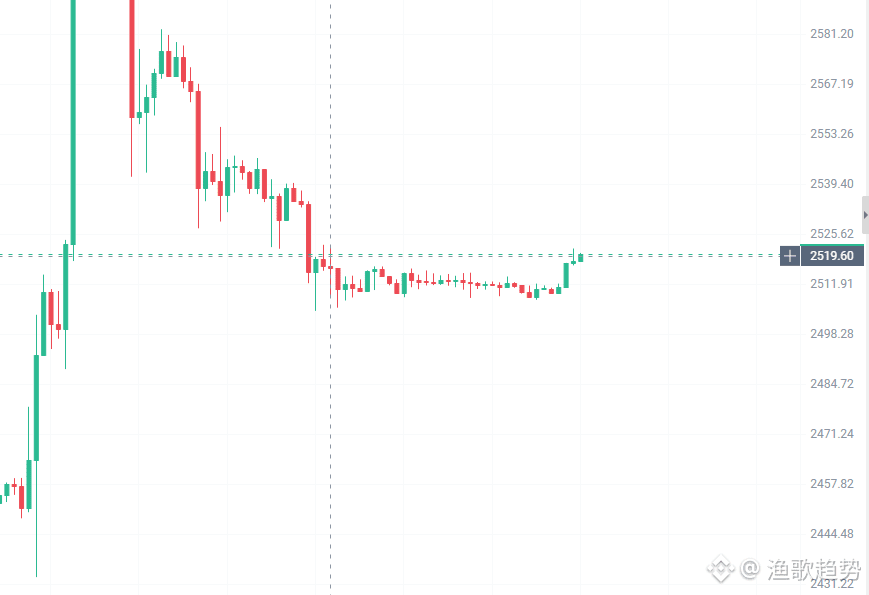
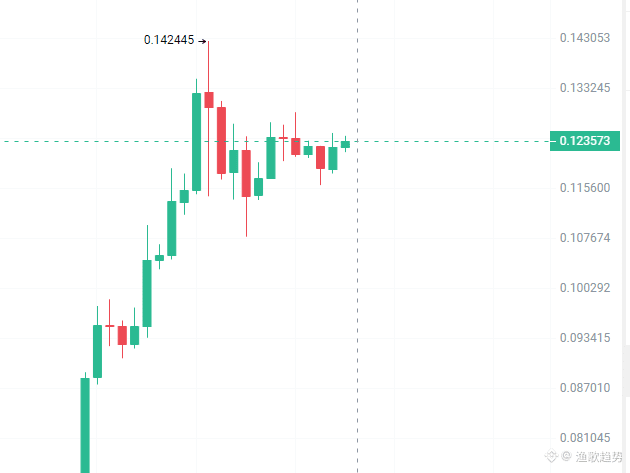
15-minute K-line: only do the last “firing action.”
This timeframe is meant to find the moment to enter, not to read the overall trend.
•Wait for a reversal signal on the smaller cycle at a key price level (engulfing, bullish divergence at the bottom, golden cross), then place the trade
•Make sure volume increases—breakouts are more reliable only when volume expands; otherwise, it’s easy to get a fake move
How to coordinate multiple timeframes?
1. First decide the direction: use the 4-hour chart to determine whether to go long or short
2. Find the entry zone: use the 1-hour chart to mark the support or resistance area
3. Enter precisely: use the 15-minute chart to look for the final “touch-and-go” signal
Additional notes:
•If different timeframes give conflicting directions, it’s better to stay in cash and wait than to take an uncertain trade
•Small timeframes move fast—always use a stop-loss to avoid getting repeatedly swept
•When trend + position + timing align, it’s far better than staring at the chart and guessing blindly
I’ve used this multi-timeframe K-line method myself for years 👉@渔歌趋势
This is a big question—it depends on whether you’re trading on the 15-minute timeframe, the 1-hour timeframe, or the 4-hour timeframe.
Today, let’s talk about short-term trading: quick entries and quick exits.
15-minute K-line: only do the last “firing action.”
This timeframe is meant to find the moment to enter, not to read the overall trend.
•Wait for a reversal signal on the smaller cycle at a key price level (engulfing, bullish divergence at the bottom, golden cross), then place the trade
•Make sure volume increases—breakouts are more reliable only when volume expands; otherwise, it’s easy to get a fake move
How to coordinate multiple timeframes?
1. First decide the direction: use the 4-hour chart to determine whether to go long or short
2. Find the entry zone: use the 1-hour chart to mark the support or resistance area
3. Enter precisely: use the 15-minute chart to look for the final “touch-and-go” signal
Additional notes:
•If different timeframes give conflicting directions, it’s better to stay in cash and wait than to take an uncertain trade
•Small timeframes move fast—always use a stop-loss to avoid getting repeatedly swept
•When trend + position + timing align, it’s far better than staring at the chart and guessing blindly
I’ve used this multi-timeframe K-line method myself for years 👉@渔歌趋势