BlackRock Warning: The Bank of Japan Accelerating Rate Hikes Could Lift Global Bond Yields
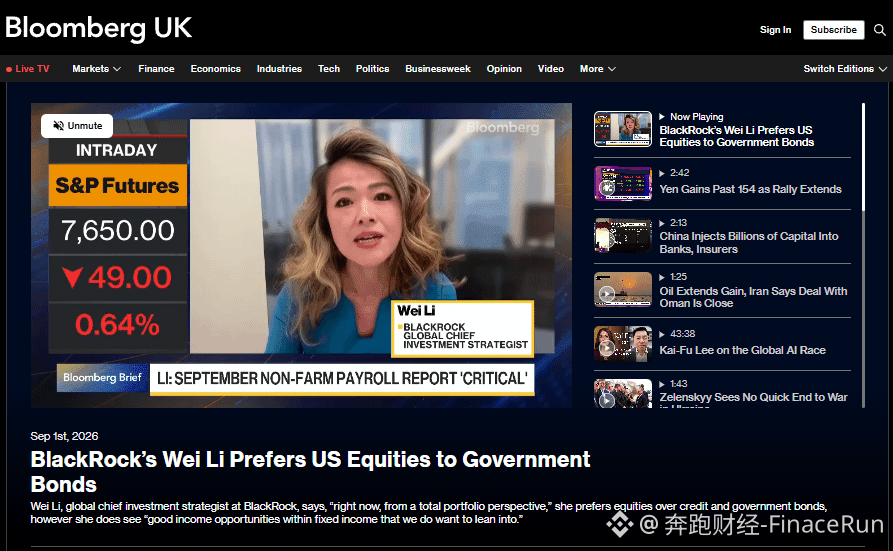
On September 9, BlackRock issued a warning in a research report. It said that if the Bank of Japan quickens the pace of rate hikes, it could prompt Japanese investors to bring overseas funds back home in search of higher returns, thereby pushing up global bond yields.
In the report, Wei Li, a strategy expert in BlackRock’s research department, emphasized that if such cross-border spillover effects are indeed real, there is a risk that the bond market could develop into a negative feedback loop.
The research notes that over the past several decades, with Japan’s domestic yields having remained at extremely low levels for a long time, Japanese investors have put large sums into overseas markets to seek higher returns.
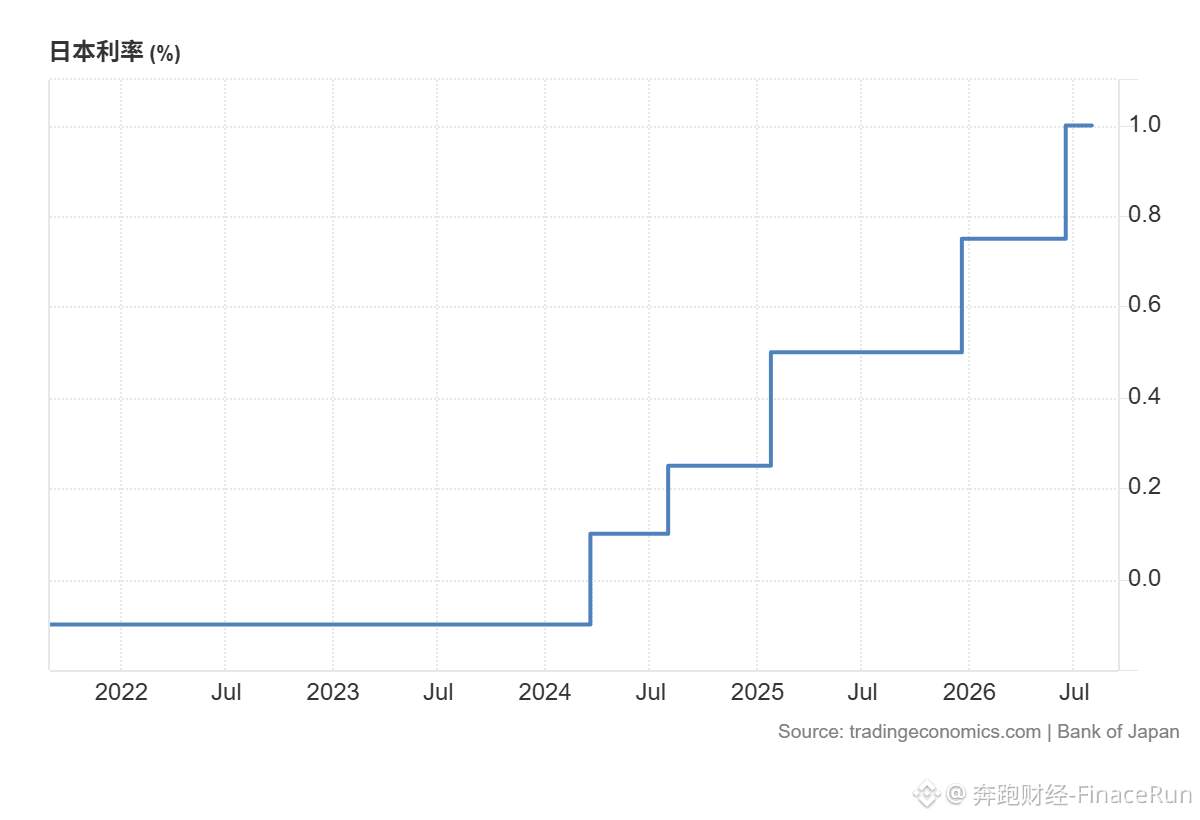
However, as Japanese interest rates gradually rise, this pattern of capital flows may reverse. BlackRock believes the sizable risk-free returns currently offered by Japan may cause some overseas funds to start flowing back to Japan’s domestic market.
Despite inflation continuing to climb and requiring Japan to tighten monetary policy, the reality that government spending is expanding and the scale of public debt exceeds twice GDP means the fiscal cost of rate hikes is rising substantially.
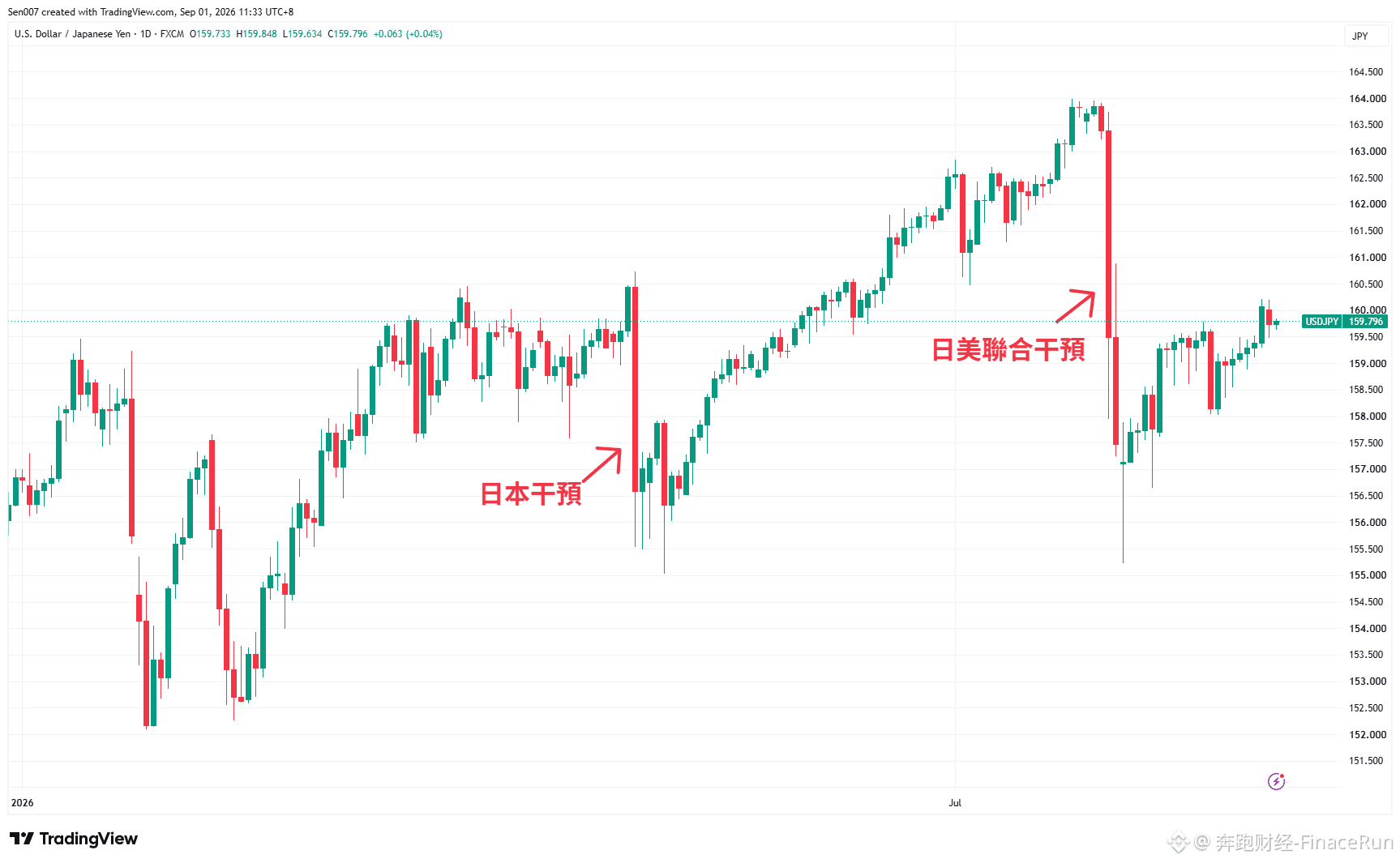
In addition, continued accommodative policy would also weigh on the yen. Once the yen weakens significantly, if Japan’s authorities sell overseas assets such as U.S. Treasuries to stabilize the exchange rate, it would further intensify upward pressure on U.S. Treasury yields.
Wei Li analysis pointed out that, given the clear linkage and transmission effects between U.S. and Japan’s monetary policy rates: specifically, rising U.S. rates would continue to suppress the yen exchange rate, forcing the Bank of Japan to accelerate its rate-hike schedule;
and higher Japanese rates would attract overseas funds back, reducing the market’s demand for U.S. Treasuries, which in turn would raise the United States’ overall financing costs—thereby creating a self-reinforcing cycle of interdependence in the U.S.-Japan market.
In summary, this analysis not only reveals the cross-market linkage logic of the global bond market, but also highlights that policy adjustments by major central banks have very strong spillover effects. Changes in their policies can, through capital flows and exchange-rate transmission, have a far-reaching impact on global financial markets.
#债券收益率
On September 9, BlackRock issued a warning in a research report. It said that if the Bank of Japan quickens the pace of rate hikes, it could prompt Japanese investors to bring overseas funds back home in search of higher returns, thereby pushing up global bond yields.
In the report, Wei Li, a strategy expert in BlackRock’s research department, emphasized that if such cross-border spillover effects are indeed real, there is a risk that the bond market could develop into a negative feedback loop.
The research notes that over the past several decades, with Japan’s domestic yields having remained at extremely low levels for a long time, Japanese investors have put large sums into overseas markets to seek higher returns.
However, as Japanese interest rates gradually rise, this pattern of capital flows may reverse. BlackRock believes the sizable risk-free returns currently offered by Japan may cause some overseas funds to start flowing back to Japan’s domestic market.
Despite inflation continuing to climb and requiring Japan to tighten monetary policy, the reality that government spending is expanding and the scale of public debt exceeds twice GDP means the fiscal cost of rate hikes is rising substantially.
In addition, continued accommodative policy would also weigh on the yen. Once the yen weakens significantly, if Japan’s authorities sell overseas assets such as U.S. Treasuries to stabilize the exchange rate, it would further intensify upward pressure on U.S. Treasury yields.
Wei Li analysis pointed out that, given the clear linkage and transmission effects between U.S. and Japan’s monetary policy rates: specifically, rising U.S. rates would continue to suppress the yen exchange rate, forcing the Bank of Japan to accelerate its rate-hike schedule;
and higher Japanese rates would attract overseas funds back, reducing the market’s demand for U.S. Treasuries, which in turn would raise the United States’ overall financing costs—thereby creating a self-reinforcing cycle of interdependence in the U.S.-Japan market.
In summary, this analysis not only reveals the cross-market linkage logic of the global bond market, but also highlights that policy adjustments by major central banks have very strong spillover effects. Changes in their policies can, through capital flows and exchange-rate transmission, have a far-reaching impact on global financial markets.
#债券收益率