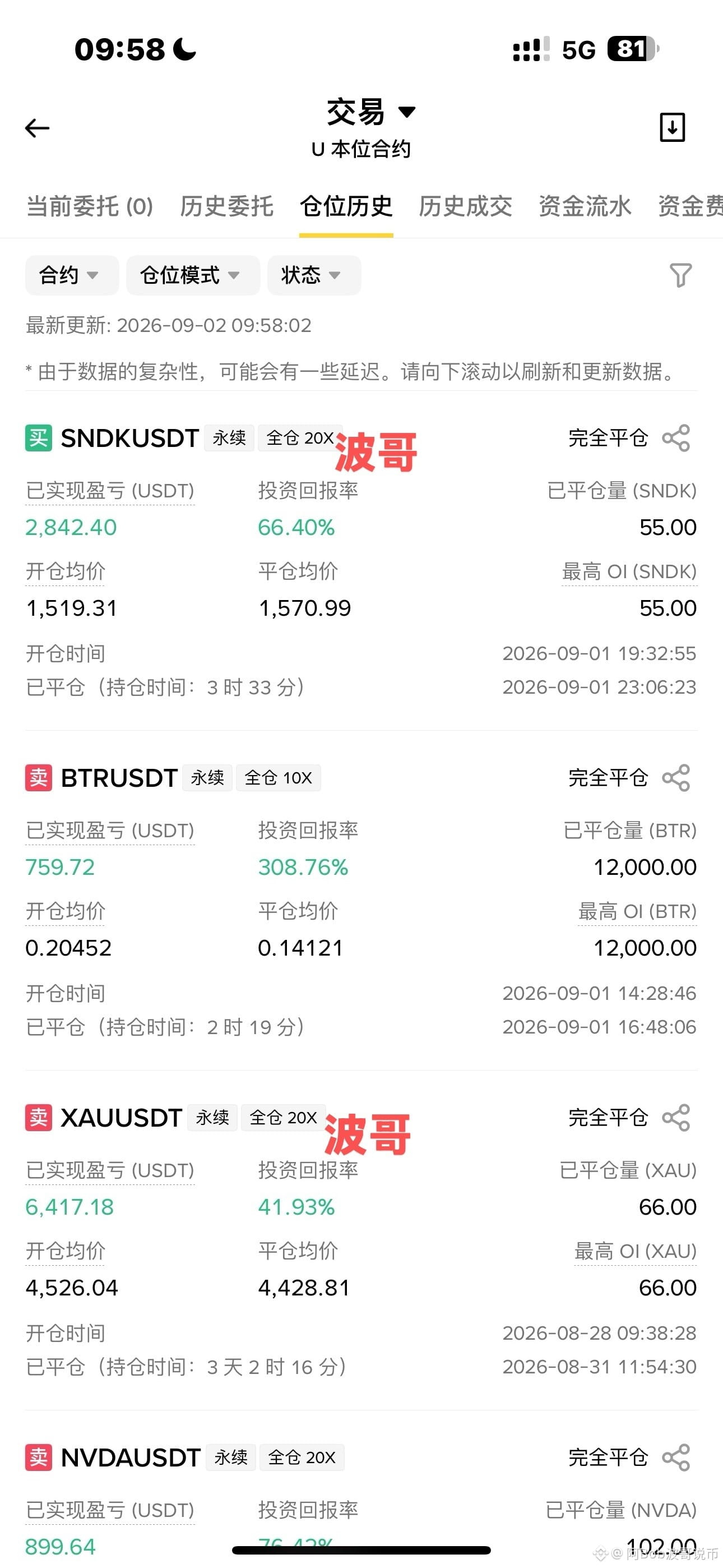
Less than 10,000 U, don’t play fancy tricks. This simple method is actually the most stable.
If your account capital is less than 10,000 U, don’t mess with those flashy, complicated moves. This strategy isn’t exciting, but it can survive.
Many followers have used this to go from five figures to seven figures.
Step 1: When choosing coins, only watch for a MACD golden cross.
A daily MACD golden cross, preferably above the zero line—only recognize this one signal and ignore everything else.
Step 2: Trade only with the daily moving average.
Hold when the price is above the moving average, and exit when it falls below it. If it breaks, that’s discipline: don’t hold, don’t wait, don’t fantasize.
Step 3: For entries, watch price and volume; for exits, scale out in stages.
Only when the price stands above the moving average and volume breaks out do you treat it as a heavy-position signal. Sell part after a 40% gain, sell another part after an 80% gain, and clear the rest once it falls below the moving average.
Step 4: For stop-loss, only look at the closing price.
If the daily close falls below the moving average, exit unconditionally the next day—don’t wait, don’t delay, don’t gamble on luck.
If you miss the move, it’s fine. Wait until it rises back above the moving average and then get back in.
This method is simple, but it’s the easiest for retail traders to follow and the least likely to get wiped out. If you’re still confused about trading and want to completely say goodbye to losses and turn things around for steady profits in 2026, come find me in the chat room and let’s do it together!
If your account capital is less than 10,000 U, don’t mess with those flashy, complicated moves. This strategy isn’t exciting, but it can survive.
Many followers have used this to go from five figures to seven figures.
Step 1: When choosing coins, only watch for a MACD golden cross.
A daily MACD golden cross, preferably above the zero line—only recognize this one signal and ignore everything else.
Step 2: Trade only with the daily moving average.
Hold when the price is above the moving average, and exit when it falls below it. If it breaks, that’s discipline: don’t hold, don’t wait, don’t fantasize.
Step 3: For entries, watch price and volume; for exits, scale out in stages.
Only when the price stands above the moving average and volume breaks out do you treat it as a heavy-position signal. Sell part after a 40% gain, sell another part after an 80% gain, and clear the rest once it falls below the moving average.
Step 4: For stop-loss, only look at the closing price.
If the daily close falls below the moving average, exit unconditionally the next day—don’t wait, don’t delay, don’t gamble on luck.
If you miss the move, it’s fine. Wait until it rises back above the moving average and then get back in.
This method is simple, but it’s the easiest for retail traders to follow and the least likely to get wiped out. If you’re still confused about trading and want to completely say goodbye to losses and turn things around for steady profits in 2026, come find me in the chat room and let’s do it together!