$SPCX
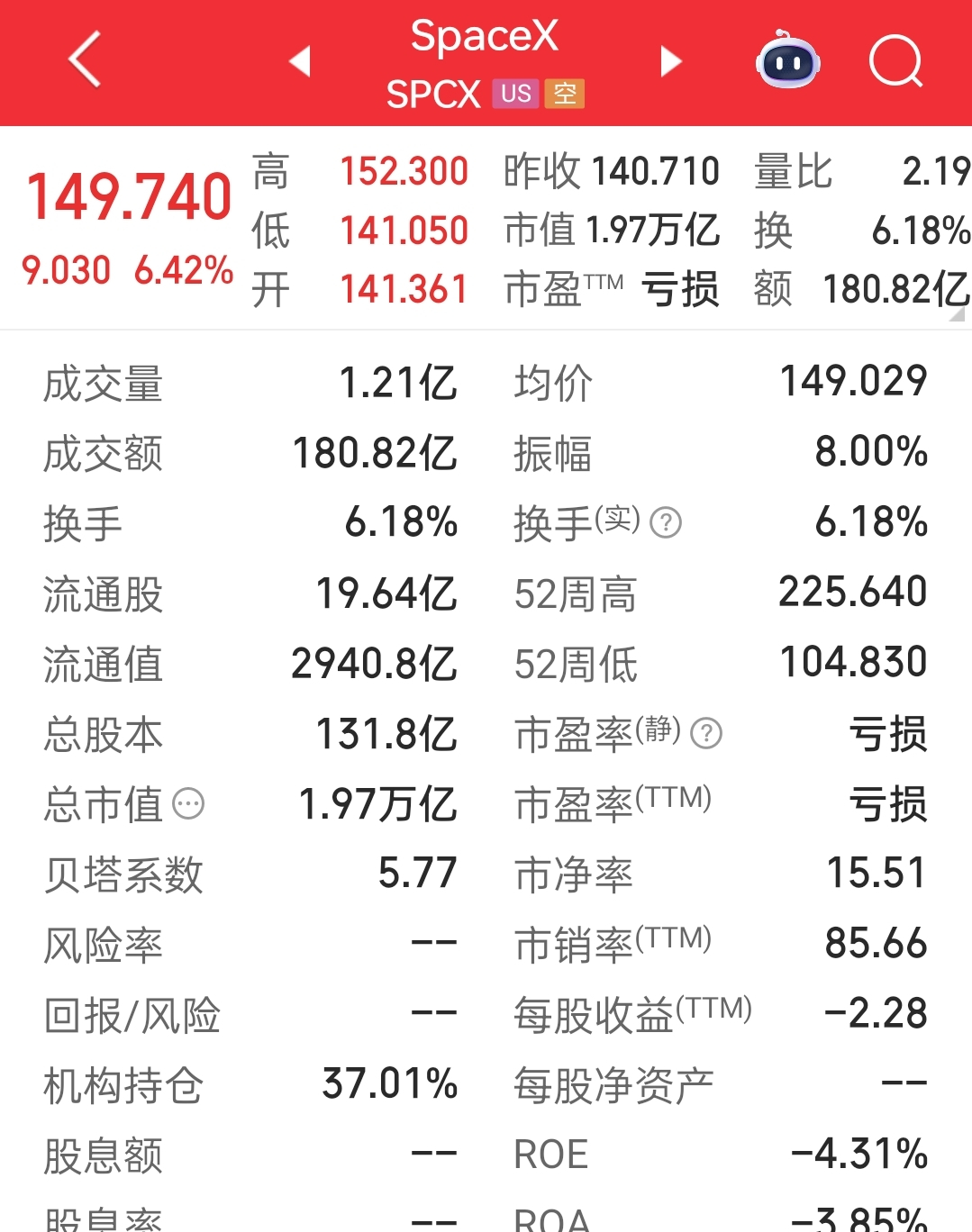
Just looking purely at the financial statement figures, without any understanding of the company itself, it’s completely normal to have such questions.
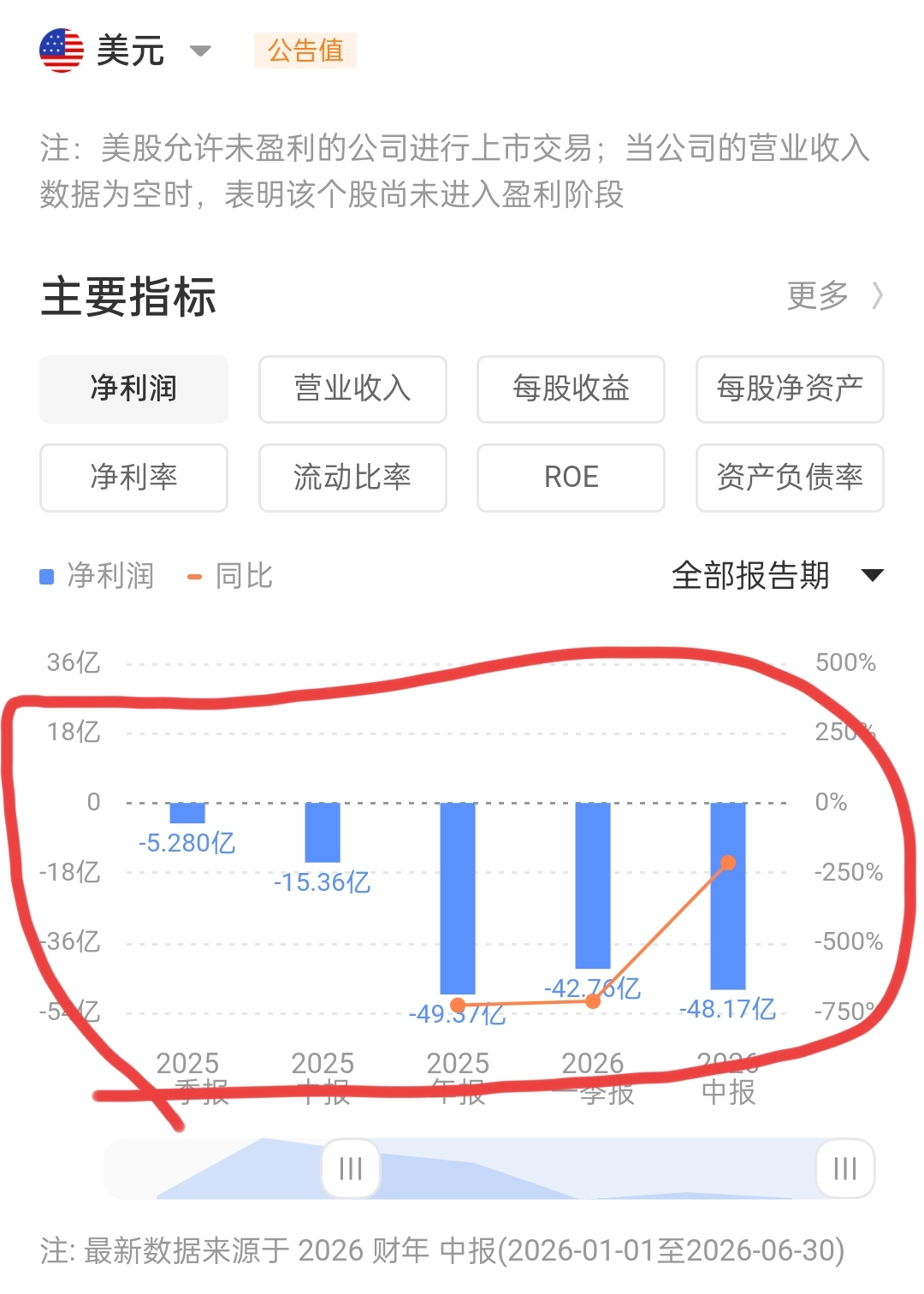
As for so-called “financial statement losses,” this is actually clearly explained in the report as well. The losses mainly come from investments in AI and the Starship project. For these two investments, the AI compute infrastructure investment has already been recouped—based on the contracts with OpenAI and Google, for example. Meanwhile, demand for compute capacity, especially compute that can be used immediately, is becoming increasingly tight. SpaceX is currently the fastest company in the U.S. to move from confirming an investment to deploying compute capacity onto the market. So what’s so hard to understand about spending this money?
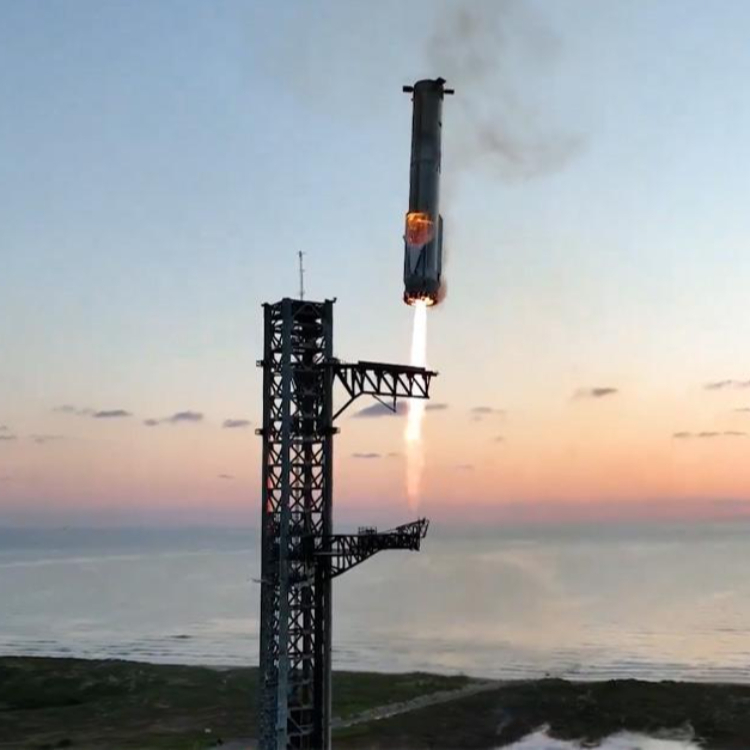
And as for the Starship project, that really doesn’t need much explanation. As a core capability supporting multiple future SpaceX business lines, it is also humanity’s most advanced space transportation system project so far. Up to now, it has cost just over $10 billion—less than $10 billion, and it has not even used as much of SLS’s old technology as one might expect. The next test flight can basically be confirmed to begin executing the formal Starlink in-orbit networking mission. It fully deserves the “spend a little to do big things” assessment.
As you can see, these two matters that drive the “losses” are all described in the financial report. But if you only look at the financial statements, you can’t derive a concrete evaluation of these two investment projects.
Also, regarding the claim of “no stable profitability”—if you really went to understand the Starlink business, including what I’ve said on my account many times—this business’s demand is far stronger than what many people who supposedly think “there’s no demand” imagine. What mainly holds back Starlink user growth right now is network capacity and terminal production. User numbers basically track SpaceX terminal production. And regional network capacity can only be addressed by the next generation of Starlink satellites, i.e., the satellites that will begin正式 (formally) building the network this very month.
And beyond this ultra-high growth that grows in step with production capacity, Starlink also has an extremely low customer churn rate. This is a “super cash cow” business that contributes a large amount of cash flow every month and keeps increasing the cash flow contribution day by day.
As for the compute leasing business, there’s no need to repeat it again: in the AI era, how scarce “spot compute” is probably doesn’t need further elaboration.
Just looking purely at the financial statement figures, without any understanding of the company itself, it’s completely normal to have such questions.
As for so-called “financial statement losses,” this is actually clearly explained in the report as well. The losses mainly come from investments in AI and the Starship project. For these two investments, the AI compute infrastructure investment has already been recouped—based on the contracts with OpenAI and Google, for example. Meanwhile, demand for compute capacity, especially compute that can be used immediately, is becoming increasingly tight. SpaceX is currently the fastest company in the U.S. to move from confirming an investment to deploying compute capacity onto the market. So what’s so hard to understand about spending this money?
And as for the Starship project, that really doesn’t need much explanation. As a core capability supporting multiple future SpaceX business lines, it is also humanity’s most advanced space transportation system project so far. Up to now, it has cost just over $10 billion—less than $10 billion, and it has not even used as much of SLS’s old technology as one might expect. The next test flight can basically be confirmed to begin executing the formal Starlink in-orbit networking mission. It fully deserves the “spend a little to do big things” assessment.
As you can see, these two matters that drive the “losses” are all described in the financial report. But if you only look at the financial statements, you can’t derive a concrete evaluation of these two investment projects.
Also, regarding the claim of “no stable profitability”—if you really went to understand the Starlink business, including what I’ve said on my account many times—this business’s demand is far stronger than what many people who supposedly think “there’s no demand” imagine. What mainly holds back Starlink user growth right now is network capacity and terminal production. User numbers basically track SpaceX terminal production. And regional network capacity can only be addressed by the next generation of Starlink satellites, i.e., the satellites that will begin正式 (formally) building the network this very month.
And beyond this ultra-high growth that grows in step with production capacity, Starlink also has an extremely low customer churn rate. This is a “super cash cow” business that contributes a large amount of cash flow every month and keeps increasing the cash flow contribution day by day.
As for the compute leasing business, there’s no need to repeat it again: in the AI era, how scarce “spot compute” is probably doesn’t need further elaboration.