
白鲨观点
561 Posts

白鲨观点
交易之神,白鲨观点,同名公众号x。
Frequent Trader
5.3 Years
125 Following
24.2K+ Followers
6.6K+ Liked
Posts
All
Quotes
Videos
Live
PINNED
After spending long enough in the crypto world, you’ll notice a painfully consistent pattern:
Every time you feel like, "This time is different," the outcome is usually the same.
In 2021 you said, "This time the institutional bull market is different," and it still fell from 69,000 to 15,000.
In 2025 you said, "This time Trump’s taking office is different," and it still dropped from 120,000 to more than 50,000.
Whenever the market gets hot, there’s always a bunch of people who jump out to tell you about a "new paradigm," a "super cycle," and "this time it’s really different."
But the essence of crypto has never changed: when it rises too much, it falls; when it falls too much, it rises—cycles always keep looping.
The only thing that changes is the storyline.
Last round was the DeFi summer; this round is ETF and Trump-themed coins. Next round could be AI x Crypto or RWA. The story changes, the cast changes, but the script never does—pump the price first, then tell the story, and finally let retail investors get left holding the bag.
So if BTC drops a few percentage points today, there’s really no need to panic too much. And you don’t need to guess whether "the bull market has turned into a bear market" or whether there will be a violent rebound tomorrow. Nobody knows the answers to those questions.
What you should really ask yourself is: if it drops another 10% tomorrow, can you hold up? If it rises another 30% next month, do you still have chips (capital)?
In the end, what people compete on in crypto isn’t who can predict it best—it’s who can last the longest.
For friends who are down today, check in the comments—see that you’re not the only one taking the hit.
#币圈人生 #交易心得分享 #深夜食堂 #BTC #BiananceSquare
Every time you feel like, "This time is different," the outcome is usually the same.
In 2021 you said, "This time the institutional bull market is different," and it still fell from 69,000 to 15,000.
In 2025 you said, "This time Trump’s taking office is different," and it still dropped from 120,000 to more than 50,000.
Whenever the market gets hot, there’s always a bunch of people who jump out to tell you about a "new paradigm," a "super cycle," and "this time it’s really different."
But the essence of crypto has never changed: when it rises too much, it falls; when it falls too much, it rises—cycles always keep looping.
The only thing that changes is the storyline.
Last round was the DeFi summer; this round is ETF and Trump-themed coins. Next round could be AI x Crypto or RWA. The story changes, the cast changes, but the script never does—pump the price first, then tell the story, and finally let retail investors get left holding the bag.
So if BTC drops a few percentage points today, there’s really no need to panic too much. And you don’t need to guess whether "the bull market has turned into a bear market" or whether there will be a violent rebound tomorrow. Nobody knows the answers to those questions.
What you should really ask yourself is: if it drops another 10% tomorrow, can you hold up? If it rises another 30% next month, do you still have chips (capital)?
In the end, what people compete on in crypto isn’t who can predict it best—it’s who can last the longest.
For friends who are down today, check in the comments—see that you’re not the only one taking the hit.
#币圈人生 #交易心得分享 #深夜食堂 #BTC #BiananceSquare

PINNED
This morning I checked the market: BTC broke below 77,000, and liquidations across the whole network are almost 240 million yuan—about 80% of them are long positions. Then look at the ETF data: BlackRock’s IBIT bought another 1,400+ BTC, net inflow of over $100 million.
Prices are falling, while institutions are buying. Every time this kind of divergence shows up, the comments section splits into two camps:
One side says, “Institutions are coming in—quick, buy the dip.” The other side says, “Institutions are buying ETF shares, not pulling the spot price directly. Don’t get fooled.”
Both sides have points, but neither quite gets to the core.
What’s really worth thinking about is: why is the market dropping like this, yet institutions keep moving money in?
The answer may not be inside the crypto market, but outside it. Over the past few days, global bond markets have been selling off. U.S. Treasury yields have surged to 4.8%, and Japanese government bond yields hit their highest level in 96 years. The cost of capital for traditional finance is getting more expensive—the money is no longer cheap.
That sounds bearish—higher funding costs mean risk assets will face pressure. And yes, in the short term, it really is pressure. But think about it from another angle: when the operating costs of the traditional financial system keep rising, capital will look for places with lower friction and higher efficiency.
Why have stablecoins been so hot lately? Because 21 banks joined forces to launch their own stablecoin. It’s not because they suddenly believe in decentralization—it’s because they’ve realized that the cost of on-chain settlement is far cheaper than traditional clearing systems.
So the situation right now is rather delicate: short-term macro factors are weighing on prices, while long-term structural capital is positioning. What you see is the candlestick chart falling; what you can’t see is the underlying infrastructure changing.
As for what to do in the short term? Honestly, it’s normal for the 77,000 level to wobble up and down. Geopolitical conflicts plus rate-hike expectations are dual headwinds—of course it wouldn’t drop only a little. But if you think the bull market is over just because it’s down for two days, or if you want to go all-in to catch the dip because it’s dropping, that might be a bit too impatient.
The market is never black and white. It’s more like a balance scale being repriced: one side is macro pressure, the other is structural opportunity. Which side you stand on determines what you do next.
One last thing: for today’s行情, don’t place random orders. First figure out whether you’re making a short-term trade or building a long-term trend. If you mix the two, you’ll get hit from both ends.
$BTC $ETH #行情分析📈 #币圈思考
Prices are falling, while institutions are buying. Every time this kind of divergence shows up, the comments section splits into two camps:
One side says, “Institutions are coming in—quick, buy the dip.” The other side says, “Institutions are buying ETF shares, not pulling the spot price directly. Don’t get fooled.”
Both sides have points, but neither quite gets to the core.
What’s really worth thinking about is: why is the market dropping like this, yet institutions keep moving money in?
The answer may not be inside the crypto market, but outside it. Over the past few days, global bond markets have been selling off. U.S. Treasury yields have surged to 4.8%, and Japanese government bond yields hit their highest level in 96 years. The cost of capital for traditional finance is getting more expensive—the money is no longer cheap.
That sounds bearish—higher funding costs mean risk assets will face pressure. And yes, in the short term, it really is pressure. But think about it from another angle: when the operating costs of the traditional financial system keep rising, capital will look for places with lower friction and higher efficiency.
Why have stablecoins been so hot lately? Because 21 banks joined forces to launch their own stablecoin. It’s not because they suddenly believe in decentralization—it’s because they’ve realized that the cost of on-chain settlement is far cheaper than traditional clearing systems.
So the situation right now is rather delicate: short-term macro factors are weighing on prices, while long-term structural capital is positioning. What you see is the candlestick chart falling; what you can’t see is the underlying infrastructure changing.
As for what to do in the short term? Honestly, it’s normal for the 77,000 level to wobble up and down. Geopolitical conflicts plus rate-hike expectations are dual headwinds—of course it wouldn’t drop only a little. But if you think the bull market is over just because it’s down for two days, or if you want to go all-in to catch the dip because it’s dropping, that might be a bit too impatient.
The market is never black and white. It’s more like a balance scale being repriced: one side is macro pressure, the other is structural opportunity. Which side you stand on determines what you do next.
One last thing: for today’s行情, don’t place random orders. First figure out whether you’re making a short-term trade or building a long-term trend. If you mix the two, you’ll get hit from both ends.
$BTC $ETH #行情分析📈 #币圈思考

q


NAJAF_加密 143
·
--
‼️$DOGE 🐕 Reward is here ‼️
I’m sharing $DOGE rewards with the community as a Bigger thank-you.
✨ Just claim your reward and enjoy! ✨
Claim it. Get rewarded
@DOGE_ $DOGE
I’m sharing $DOGE rewards with the community as a Bigger thank-you.
✨ Just claim your reward and enjoy! ✨
Claim it. Get rewarded
@DOGE_ $DOGE

q
NAJAF_加密 143
·
--
‼️$DOGE 🐕 Reward is here ‼️
I’m sharing $DOGE rewards with the community as a Bigger thank-you.
✨ Just claim your reward and enjoy! ✨
Claim it. Get rewarded
@DOGE_ $DOGE
I’m sharing $DOGE rewards with the community as a Bigger thank-you.
✨ Just claim your reward and enjoy! ✨
Claim it. Get rewarded
@DOGE_ $DOGE
H

静心1688
·
--
💥 Wuwei: Not acting subjectively or arbitrarily, not going against the laws of nature; go with the flow
#比特币ETF买家回归
#美联储加息概率升至68%
#比特币ETF买家回归
#美联储加息概率升至68%

q

KIM_加密 143
·
--
Bullish🚨 RED PACKET DROP IS LIVE! 🧧🔥
Don’t miss your chance to grab your reward! 🎁💰
Jump in now, claim your luck, and enjoy the surprise! 🍀🧧
⚡ LIVE NOW — GO GO GO! 🚀$NVDAB $GOOGL.US $NVDA.US #ARBRises30%OnRobinhoodChainRevenue #Japan10YYieldHits3%FirstSince1996 #WTIOilRisesAsOpenInterestShrinks #EtherETFsExtendInflowStreakTo11Days #GoldFalls5.5%From3MonthHigh
Don’t miss your chance to grab your reward! 🎁💰
Jump in now, claim your luck, and enjoy the surprise! 🍀🧧
⚡ LIVE NOW — GO GO GO! 🚀$NVDAB $GOOGL.US $NVDA.US #ARBRises30%OnRobinhoodChainRevenue #Japan10YYieldHits3%FirstSince1996 #WTIOilRisesAsOpenInterestShrinks #EtherETFsExtendInflowStreakTo11Days #GoldFalls5.5%From3MonthHigh

H

路人1688luren
·
--
#美联储加息概率升至68% $XRP What surprised me most this time isn’t how much the price has risen, but that the ETF has gone 11 straight trading days without running out of funds.
In the latest day, the U.S. spot XRP ETF saw net inflows of about $14.38 million. The cumulative inflows from this streak are already close to $170 million. Since it launched in November last year, the cumulative net inflow has reached about $1.68 billion.
To be honest, that number isn’t all that extraordinary in front of Bitcoin.
But for $XRP , the meaning is completely different.
In the past, whenever we talked about XRP, the market kept circling around Ripple, lawsuits, cross-border payments, and bank partnerships—stories have been told for years, and truly obvious institutional money that would be willing to hold real cash long-term wasn’t especially clear.
Now, the ETF is essentially opening up a proper channel for legitimate funding.
And during these 11 days, the XRP price wasn’t rising every day. It fell again from around $1.45 in late August back to roughly $1.33, yet ETF capital kept flowing in.
I actually find this more interesting than chasing a rally.
When the price drops and the money doesn’t run—at least it suggests some of the capital isn’t just trying to chase a single big green candle.
Also, in the disclosed data for Q2, the XRP ETF exposure held by Goldman Sachs is around $87.4 million, and Jane Street and Millennium are also listed. Of course, don’t immediately see Goldman Sachs and imagine a “Wall Street all-in on XRP.” These positions could include market-making, arbitrage, even hedging trades.
But no matter what, the fact that institutions are willing to use this product is itself a change.
I’m not going to call $XRP to “take off” right away.
What I’d rather see is this: after 11 days, will there still be a 12th, a 15th, a 20th day?
A big buy in a single day is emotion.
Only continuous inflows can be called a trend.
If the XRP ETF can truly maintain this kind of capital stickiness, then the most important fuel for its next round of trading activity may no longer be retail investors shouting orders every day—it could be institutions slowly but steadily buying away the float, one piece at a time.
In the latest day, the U.S. spot XRP ETF saw net inflows of about $14.38 million. The cumulative inflows from this streak are already close to $170 million. Since it launched in November last year, the cumulative net inflow has reached about $1.68 billion.
To be honest, that number isn’t all that extraordinary in front of Bitcoin.
But for $XRP , the meaning is completely different.
In the past, whenever we talked about XRP, the market kept circling around Ripple, lawsuits, cross-border payments, and bank partnerships—stories have been told for years, and truly obvious institutional money that would be willing to hold real cash long-term wasn’t especially clear.
Now, the ETF is essentially opening up a proper channel for legitimate funding.
And during these 11 days, the XRP price wasn’t rising every day. It fell again from around $1.45 in late August back to roughly $1.33, yet ETF capital kept flowing in.
I actually find this more interesting than chasing a rally.
When the price drops and the money doesn’t run—at least it suggests some of the capital isn’t just trying to chase a single big green candle.
Also, in the disclosed data for Q2, the XRP ETF exposure held by Goldman Sachs is around $87.4 million, and Jane Street and Millennium are also listed. Of course, don’t immediately see Goldman Sachs and imagine a “Wall Street all-in on XRP.” These positions could include market-making, arbitrage, even hedging trades.
But no matter what, the fact that institutions are willing to use this product is itself a change.
I’m not going to call $XRP to “take off” right away.
What I’d rather see is this: after 11 days, will there still be a 12th, a 15th, a 20th day?
A big buy in a single day is emotion.
Only continuous inflows can be called a trend.
If the XRP ETF can truly maintain this kind of capital stickiness, then the most important fuel for its next round of trading activity may no longer be retail investors shouting orders every day—it could be institutions slowly but steadily buying away the float, one piece at a time.


q

Ahmed Ali Nizamani
·
--
✨ 111 + 111 = 🎁🎁🎁🎁🎁🎁🎁

Verified
Yesterday there was a piece of news that many people may not have paid much attention to: 21 international banks, including Citigroup, Goldman Sachs, Fidelity, and Wells Fargo, are reportedly planning to jointly set up a company to issue stablecoins.
Don’t think of this as “traditional finance coming in to ride the hype.” The weight of this is much greater than you might think.
In the past, the crypto world’s understanding of stablecoins was basically: “USDT dominates, USDC follows.” Competition was about whose on-chain liquidity was better and whose DeFi ecosystem was deeper. But once these 21 banks enter, the rules of the game change.
From now on, stablecoins won’t be competing on who launched first or who has more usage on-chain. Instead, whoever can integrate into the settlement layer of the global financial system will have the advantage.
Think about it: these banks control most of the world’s cross-border payments, trade settlement, and corporate finance. Their issued stablecoins can naturally plug into the existing financial system. Then when companies pay salaries, make cross-border remittances, and settle securities, they can just use stablecoins on-chain—often with efficiency several orders of magnitude higher than SWIFT, and at lower costs.
What does this mean for the crypto industry?
In the short term, native stablecoins like USDT and USDC will face pressure. How big can you get—can you possibly be bigger than 21 of the world’s top-tier banks?
In the long run, this is a tremendous positive. Because stablecoins are evolving from “something crypto people play with among themselves” into “part of the global financial infrastructure.” When traditional finance starts using on-chain settlement, BTC and ETH as “reserve assets” and “value anchors” on-chain will only become more and more entrenched.
Many people constantly hope for “institutions to come in.” In reality, institutions have already entered—just not in the way you imagine. It’s not about pumping BTC to rescue you; it’s about strengthening the industry’s foundation at the infrastructure level.
Once the foundation is laid, the building can rise higher. It’s just that this process will be much slower than you expect.
#稳定币 #RWA #行业观察
Don’t think of this as “traditional finance coming in to ride the hype.” The weight of this is much greater than you might think.
In the past, the crypto world’s understanding of stablecoins was basically: “USDT dominates, USDC follows.” Competition was about whose on-chain liquidity was better and whose DeFi ecosystem was deeper. But once these 21 banks enter, the rules of the game change.
From now on, stablecoins won’t be competing on who launched first or who has more usage on-chain. Instead, whoever can integrate into the settlement layer of the global financial system will have the advantage.
Think about it: these banks control most of the world’s cross-border payments, trade settlement, and corporate finance. Their issued stablecoins can naturally plug into the existing financial system. Then when companies pay salaries, make cross-border remittances, and settle securities, they can just use stablecoins on-chain—often with efficiency several orders of magnitude higher than SWIFT, and at lower costs.
What does this mean for the crypto industry?
In the short term, native stablecoins like USDT and USDC will face pressure. How big can you get—can you possibly be bigger than 21 of the world’s top-tier banks?
In the long run, this is a tremendous positive. Because stablecoins are evolving from “something crypto people play with among themselves” into “part of the global financial infrastructure.” When traditional finance starts using on-chain settlement, BTC and ETH as “reserve assets” and “value anchors” on-chain will only become more and more entrenched.
Many people constantly hope for “institutions to come in.” In reality, institutions have already entered—just not in the way you imagine. It’s not about pumping BTC to rescue you; it’s about strengthening the industry’s foundation at the infrastructure level.
Once the foundation is laid, the building can rise higher. It’s just that this process will be much slower than you expect.
#稳定币 #RWA #行业观察

Turn off the lights and get into bed. Suddenly, I remember something.
Last year, for a period of time, the market was bad. I lost a lot of money, and my mood was awful. One night, around midnight, I drove out for a little while just to clear my head. By the roadside, I saw an older man selling grilled skewers. It was freezing in winter. He was standing there by himself, guarding a small stall. There wasn’t much business, but he sat on a little stool and hummed songs.
I stopped to buy a few skewers, and while I waited, I chatted with him for a couple of sentences. I asked, “Grandpa, it’s so late—why aren’t you packing up yet?” He said, “It’s not urgent. Just wait a bit more. People who get off the night shift should be coming out soon.” When he said this, he was smiling—no hurry at all.
The skewers I ate left a sour feeling in my heart.
You know, we spend every day watching the candlestick charts—happy when it goes up, miserable when it drops. We can’t sleep when it rises, and we also can’t sleep when it falls. We fuss and twist ourselves around, day after day—what are we even doing all that for? Meanwhile, that grilled-skewer vendor sets up his stall and packs it up every day. However much he earns, he’s cheerful. And he’s actually more grounded than people like us who spend our days dealing with hundreds of millions.
Maybe in life, whether you’re happy or not really has nothing to do with money.
Money can solve a lot of problems, but it can’t solve everything.
Trading is only a part of life,
Don’t let it take up all of your life.
Good night.
#BinanceSquare #BTC #交易者日常
Last year, for a period of time, the market was bad. I lost a lot of money, and my mood was awful. One night, around midnight, I drove out for a little while just to clear my head. By the roadside, I saw an older man selling grilled skewers. It was freezing in winter. He was standing there by himself, guarding a small stall. There wasn’t much business, but he sat on a little stool and hummed songs.
I stopped to buy a few skewers, and while I waited, I chatted with him for a couple of sentences. I asked, “Grandpa, it’s so late—why aren’t you packing up yet?” He said, “It’s not urgent. Just wait a bit more. People who get off the night shift should be coming out soon.” When he said this, he was smiling—no hurry at all.
The skewers I ate left a sour feeling in my heart.
You know, we spend every day watching the candlestick charts—happy when it goes up, miserable when it drops. We can’t sleep when it rises, and we also can’t sleep when it falls. We fuss and twist ourselves around, day after day—what are we even doing all that for? Meanwhile, that grilled-skewer vendor sets up his stall and packs it up every day. However much he earns, he’s cheerful. And he’s actually more grounded than people like us who spend our days dealing with hundreds of millions.
Maybe in life, whether you’re happy or not really has nothing to do with money.
Money can solve a lot of problems, but it can’t solve everything.
Trading is only a part of life,
Don’t let it take up all of your life.
Good night.
#BinanceSquare #BTC #交易者日常

Spent the whole night browsing various communities and forums and noticed an interesting pattern:
Whenever the market goes up a little, there are “experts” everywhere, everyone is showing off their profits—it’s like the whole world is making money. But whenever it dips a little, it’s all complaints, everyone says they’re trapped, and the market is going to collapse.
But think about it carefully: will the people who truly make money be posting everywhere every day?
No. “Quietly getting rich” applies everywhere. People who are genuinely and consistently profitable would rather you don’t know what they’re making, and they definitely won’t run to communities to shout trades or post profit screenshots. If someone is posting profits every day, then either they’re trying to get you into a paid group, or they’ve only made a little money and gotten carried away—then after a while, you’ll see that person may just vanish.
The most baffling thing in the crypto world is this: what you see is always what others want you to see. The people who profit shout loudly; the ones who lose stay silent—making you feel like you’re the only one losing money in the world. Then you get anxious, and when you’re anxious, you’re more likely to make mistakes. And once you make mistakes, you lose even more.
Actually, you don’t need to compare yourself with others.
Look at your own account. As long as it keeps going up every month,
even if it grows slowly, that’s still the right thing.
No matter how much others make, it has nothing to do with you;
what you can truly put in your own pocket is what really counts.
$BTC #BinanceSquare #BTC #币圈观察
Whenever the market goes up a little, there are “experts” everywhere, everyone is showing off their profits—it’s like the whole world is making money. But whenever it dips a little, it’s all complaints, everyone says they’re trapped, and the market is going to collapse.
But think about it carefully: will the people who truly make money be posting everywhere every day?
No. “Quietly getting rich” applies everywhere. People who are genuinely and consistently profitable would rather you don’t know what they’re making, and they definitely won’t run to communities to shout trades or post profit screenshots. If someone is posting profits every day, then either they’re trying to get you into a paid group, or they’ve only made a little money and gotten carried away—then after a while, you’ll see that person may just vanish.
The most baffling thing in the crypto world is this: what you see is always what others want you to see. The people who profit shout loudly; the ones who lose stay silent—making you feel like you’re the only one losing money in the world. Then you get anxious, and when you’re anxious, you’re more likely to make mistakes. And once you make mistakes, you lose even more.
Actually, you don’t need to compare yourself with others.
Look at your own account. As long as it keeps going up every month,
even if it grows slowly, that’s still the right thing.
No matter how much others make, it has nothing to do with you;
what you can truly put in your own pocket is what really counts.
$BTC #BinanceSquare #BTC #币圈观察

During lunch, I talked with a friend about stop-loss. He said that recently, because he didn’t set a stop-loss again, one trade ended up down 20%, and now he’s just “playing dead.”
When I first entered the industry, I was the same. I thought that a stop-loss only meant admitting defeat—if I didn’t sell, there was still hope that the price would rebound. So what happens instead? Usually, a small loss grows into a big loss, a big loss turns into a deep drawdown, and in the end you stop looking at it altogether—calling it “value investing” with a fancy name.
Only after suffering losses again and again did I finally understand: stop-loss isn’t surrender. It’s survival.
Think about it: if you make ten trades—say you’re right five times and wrong five times—then as long as when you’re wrong you lose less each time, and when you’re right you gain more, you can still come out ahead overall. But if you don’t stop-loss, then being wrong just once could wipe out all the gains from the previous nine.
In trading, staying alive matters more than anything.
Many people like to see how many times others have profited, thinking that’s what “real skill” looks like. But that’s not it. The truly great ones are the people who are still in the game after ten or eight years. They may not make money as quickly, and they rarely have overnight-fortune myths, but they move steadily—and they go the distance.
“Fast” and “steady” are always a choice.
Choose fast, and you might look great for a while;
Choose steady, and you’re the one who makes it to the end.
$BTC #BinanceSquare #BTC #交易心得分享
When I first entered the industry, I was the same. I thought that a stop-loss only meant admitting defeat—if I didn’t sell, there was still hope that the price would rebound. So what happens instead? Usually, a small loss grows into a big loss, a big loss turns into a deep drawdown, and in the end you stop looking at it altogether—calling it “value investing” with a fancy name.
Only after suffering losses again and again did I finally understand: stop-loss isn’t surrender. It’s survival.
Think about it: if you make ten trades—say you’re right five times and wrong five times—then as long as when you’re wrong you lose less each time, and when you’re right you gain more, you can still come out ahead overall. But if you don’t stop-loss, then being wrong just once could wipe out all the gains from the previous nine.
In trading, staying alive matters more than anything.
Many people like to see how many times others have profited, thinking that’s what “real skill” looks like. But that’s not it. The truly great ones are the people who are still in the game after ten or eight years. They may not make money as quickly, and they rarely have overnight-fortune myths, but they move steadily—and they go the distance.
“Fast” and “steady” are always a choice.
Choose fast, and you might look great for a while;
Choose steady, and you’re the one who makes it to the end.
$BTC #BinanceSquare #BTC #交易心得分享

Today a friend mentioned an old trader—he’s already in his fifties, and he’s been trading for nearly ten years.
This man has a habit: every day after the market closes, he goes to a park and sits for half an hour—feeding the pigeons, staring off into the distance. No phone, and he doesn’t chat with anyone. He just sits there.
When my friend asked him why, he said: “I watch charts all day, and my eyes are full of numbers. My mind is a mess. Sitting in the park and looking at the trees, listening to the birds—after half an hour, I feel completely cleared out. The next day when the market opens, my mind is clean, and I’m less likely to act impulsively.”
Before, I thought this sounded a bit mystical. But the more I think about it, the more I understand.
In the trading world, you deal with money every day, and people are easily led around by numbers. When prices rise, you get excited; when they fall, you get anxious. If your position is heavy, you can’t sleep. If you’re flat, you start itching to get back in. After a long time, you get stuck in it. Everything you see looks like a candlestick chart. Everything you think about becomes a trading setup.
You need an exit—something that can pull you out of the market, so you remember you’re still a normal person. It could be cooking. It could be running. It could be fishing. Or it could simply be sitting in the park for half an hour.
Trading isn’t everything in life.
If your life has only trading left,
then chances are you won’t be able to do trading well either.
Alright, good night.
When you wake up tomorrow, it will be a brand-new day.
#BinanceSquare #BTC #交易者日常
This man has a habit: every day after the market closes, he goes to a park and sits for half an hour—feeding the pigeons, staring off into the distance. No phone, and he doesn’t chat with anyone. He just sits there.
When my friend asked him why, he said: “I watch charts all day, and my eyes are full of numbers. My mind is a mess. Sitting in the park and looking at the trees, listening to the birds—after half an hour, I feel completely cleared out. The next day when the market opens, my mind is clean, and I’m less likely to act impulsively.”
Before, I thought this sounded a bit mystical. But the more I think about it, the more I understand.
In the trading world, you deal with money every day, and people are easily led around by numbers. When prices rise, you get excited; when they fall, you get anxious. If your position is heavy, you can’t sleep. If you’re flat, you start itching to get back in. After a long time, you get stuck in it. Everything you see looks like a candlestick chart. Everything you think about becomes a trading setup.
You need an exit—something that can pull you out of the market, so you remember you’re still a normal person. It could be cooking. It could be running. It could be fishing. Or it could simply be sitting in the park for half an hour.
Trading isn’t everything in life.
If your life has only trading left,
then chances are you won’t be able to do trading well either.
Alright, good night.
When you wake up tomorrow, it will be a brand-new day.
#BinanceSquare #BTC #交易者日常

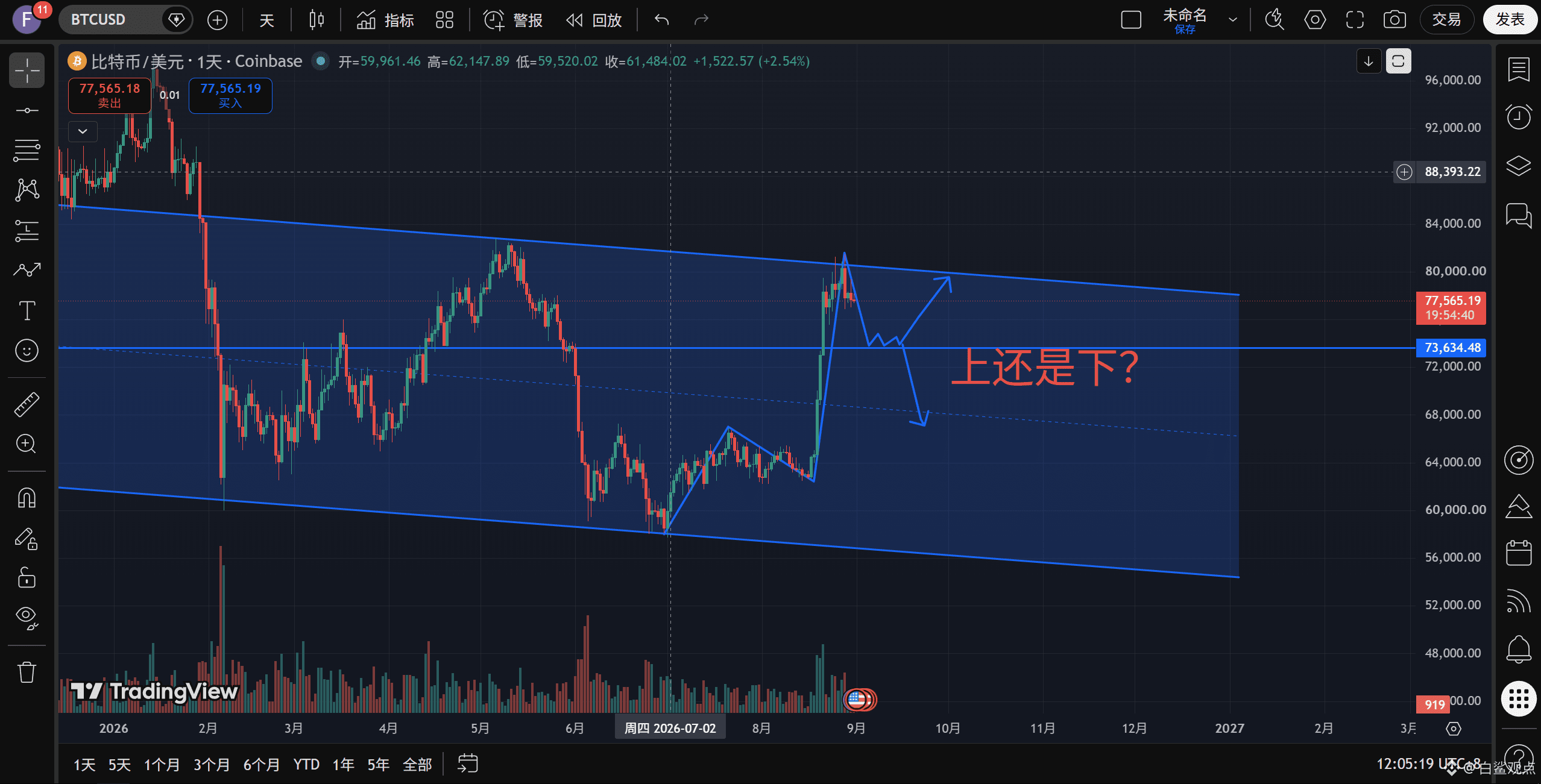
On Monday the market opened, and BTC hovered around 79,000—neither up nor down, pretty annoying.
Over the weekend, there really wasn’t much new news. Everything that needed to be digested had mostly been digested. The market right now is basically a textbook range-bound setup: both longs and shorts are waiting, and neither side is willing to make the first move.
This week, there are a few key levels I’m watching closely. Resistance at 81,000 is a hurdle. If it breaks through, there’s a good chance it will test 83,000 or even set new highs. Support at 74,000 is the bottom—if that level breaks, this bounce may be in doubt.
The few-thousand-point range in between isn’t huge, but it’s not small either. Trading the swings could easily get you “hit on both ends,” while going long-term doesn’t really feel like it has much momentum.
A lot of people ask me how to trade this week. My own plan is: hold the spot position and don’t touch it; for futures, use a small position size and test lightly. Once the direction becomes clear, then add. No guessing the top, no catching the bottom—just follow the market.
After you’ve been trading for a long time, you’ll realize that most of the time the market is “waiting”—waiting for a piece of news, waiting for a breakout, waiting for a batch of people to get impatient and rush in, or to get scared and cut losses. The more urgent you are, the more likely you are to make mistakes while the market is “waiting.”
So this week, patience matters more than anything.
The行情 will come when it’s supposed to,
what you need to do is:
be there when it arrives.
$BTC #BinanceSquare #BTC #行情分析📈 #交易策略分享
Over the weekend, there really wasn’t much new news. Everything that needed to be digested had mostly been digested. The market right now is basically a textbook range-bound setup: both longs and shorts are waiting, and neither side is willing to make the first move.
This week, there are a few key levels I’m watching closely. Resistance at 81,000 is a hurdle. If it breaks through, there’s a good chance it will test 83,000 or even set new highs. Support at 74,000 is the bottom—if that level breaks, this bounce may be in doubt.
The few-thousand-point range in between isn’t huge, but it’s not small either. Trading the swings could easily get you “hit on both ends,” while going long-term doesn’t really feel like it has much momentum.
A lot of people ask me how to trade this week. My own plan is: hold the spot position and don’t touch it; for futures, use a small position size and test lightly. Once the direction becomes clear, then add. No guessing the top, no catching the bottom—just follow the market.
After you’ve been trading for a long time, you’ll realize that most of the time the market is “waiting”—waiting for a piece of news, waiting for a breakout, waiting for a batch of people to get impatient and rush in, or to get scared and cut losses. The more urgent you are, the more likely you are to make mistakes while the market is “waiting.”
So this week, patience matters more than anything.
The行情 will come when it’s supposed to,
what you need to do is:
be there when it arrives.
$BTC #BinanceSquare #BTC #行情分析📈 #交易策略分享
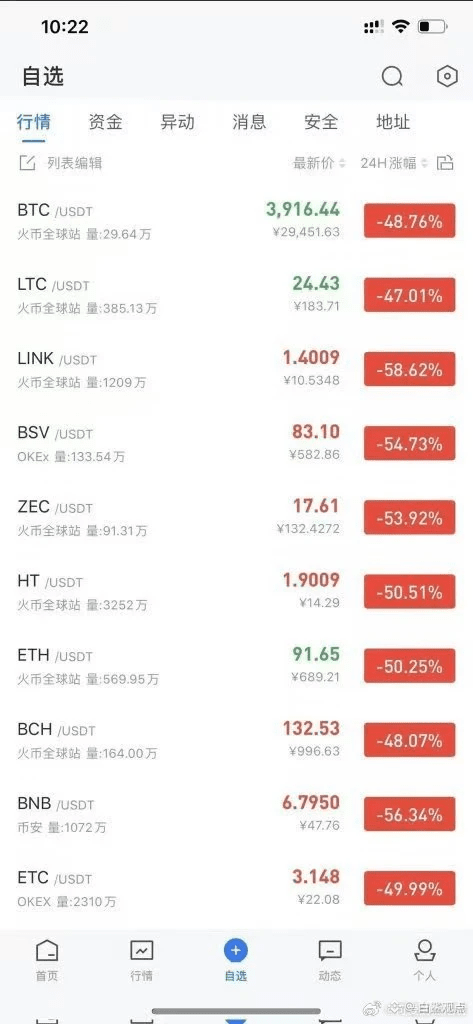
Can’t sleep, so I flipped through the old photos on my phone.
I saw a screenshot from six years ago. Back then, BTC was only a little over three thousand dollars. I’d just entered the space for two months, and I went heavy on an altcoin. Every day I chatted in groups with people about “100x coins” and “1000x coins,” convinced I was about to achieve financial freedom.
Now looking at that screenshot, I feel like laughing—and also something I can’t quite put into words.
Six years. Too many people have come in, and too many have left. Some made a fortune and walked away. Some lost everything and cursed their way out. And then there are others—who just… disappeared while walking away. The group of people who used to stay up late together talking about the market—now the ones I still keep in touch with are only two or three.
Sometimes I wonder: what would my life be like if I hadn’t entered this world back then? Maybe I’d have found a stable job, gotten married, had kids, and lived a life where you can see how it ends from the very start. I can’t say it’d be better or worse—just different.
In this crypto world over the past few years, there have been gains and losses—but what truly remains are those nights when we all stared at the charts together at 3 a.m. Those days after a crash when we encouraged each other. Those experiences of crawling back from heaven to hell.
These things can’t be traded for money, but money can’t buy them either.
Forget it. I won’t think about it anymore. Time to sleep.
Tomorrow will be a new day.
The market is still here, and so are the days to live.
Good night.
#BinanceSquare #BTC #交易者日常
I saw a screenshot from six years ago. Back then, BTC was only a little over three thousand dollars. I’d just entered the space for two months, and I went heavy on an altcoin. Every day I chatted in groups with people about “100x coins” and “1000x coins,” convinced I was about to achieve financial freedom.
Now looking at that screenshot, I feel like laughing—and also something I can’t quite put into words.
Six years. Too many people have come in, and too many have left. Some made a fortune and walked away. Some lost everything and cursed their way out. And then there are others—who just… disappeared while walking away. The group of people who used to stay up late together talking about the market—now the ones I still keep in touch with are only two or three.
Sometimes I wonder: what would my life be like if I hadn’t entered this world back then? Maybe I’d have found a stable job, gotten married, had kids, and lived a life where you can see how it ends from the very start. I can’t say it’d be better or worse—just different.
In this crypto world over the past few years, there have been gains and losses—but what truly remains are those nights when we all stared at the charts together at 3 a.m. Those days after a crash when we encouraged each other. Those experiences of crawling back from heaven to hell.
These things can’t be traded for money, but money can’t buy them either.
Forget it. I won’t think about it anymore. Time to sleep.
Tomorrow will be a new day.
The market is still here, and so are the days to live.
Good night.
#BinanceSquare #BTC #交易者日常
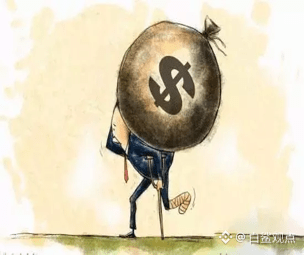
Standing on the balcony, I smoked a cigarette as the sky slowly darkened, and the weekend was almost over again.
This week’s market was actually pretty lively. BTC surged from 75,000 to 80,000, then got dumped back down, only to rally again—big swings of several thousand points back and forth. Both sides, bulls and bears, had people getting liquidated. I scrolled through my朋友圈 (social feed). Some people were showing off profits, others cursing, and some pretending nothing happened. It was pretty much the same as every weekend.
I personally didn’t do much this week. I held spot, and with a small position I played two swings—just made enough for grocery money. In the past, with this kind of choppy, ranging market, I would definitely have jumped in every day, unable to sit still if I didn’t trade. But not anymore. I’m older now, more cautious. I know that some money isn’t meant to be earned by me.
A lot of people ask me how next week will go. Honestly, I don’t know.
After doing trading for so many years, I’ve become less and less willing to predict. You think you’ve understood the trend, and the market slaps you in the face in a second. You think it’s definitely going down, and it shows you otherwise by going up instead. In the end, you realize that being right a few times about the market isn’t that impressive. The real skill is being able to survive in this market for five or ten years.
As for what happens next week—let’s talk about it next week.
Tonight, have a good meal and go to bed early.
Tomorrow the market opens—another brand-new week.
#BinanceSquare #BTC #交易心得分享 #周末复盘
This week’s market was actually pretty lively. BTC surged from 75,000 to 80,000, then got dumped back down, only to rally again—big swings of several thousand points back and forth. Both sides, bulls and bears, had people getting liquidated. I scrolled through my朋友圈 (social feed). Some people were showing off profits, others cursing, and some pretending nothing happened. It was pretty much the same as every weekend.
I personally didn’t do much this week. I held spot, and with a small position I played two swings—just made enough for grocery money. In the past, with this kind of choppy, ranging market, I would definitely have jumped in every day, unable to sit still if I didn’t trade. But not anymore. I’m older now, more cautious. I know that some money isn’t meant to be earned by me.
A lot of people ask me how next week will go. Honestly, I don’t know.
After doing trading for so many years, I’ve become less and less willing to predict. You think you’ve understood the trend, and the market slaps you in the face in a second. You think it’s definitely going down, and it shows you otherwise by going up instead. In the end, you realize that being right a few times about the market isn’t that impressive. The real skill is being able to survive in this market for five or ten years.
As for what happens next week—let’s talk about it next week.
Tonight, have a good meal and go to bed early.
Tomorrow the market opens—another brand-new week.
#BinanceSquare #BTC #交易心得分享 #周末复盘
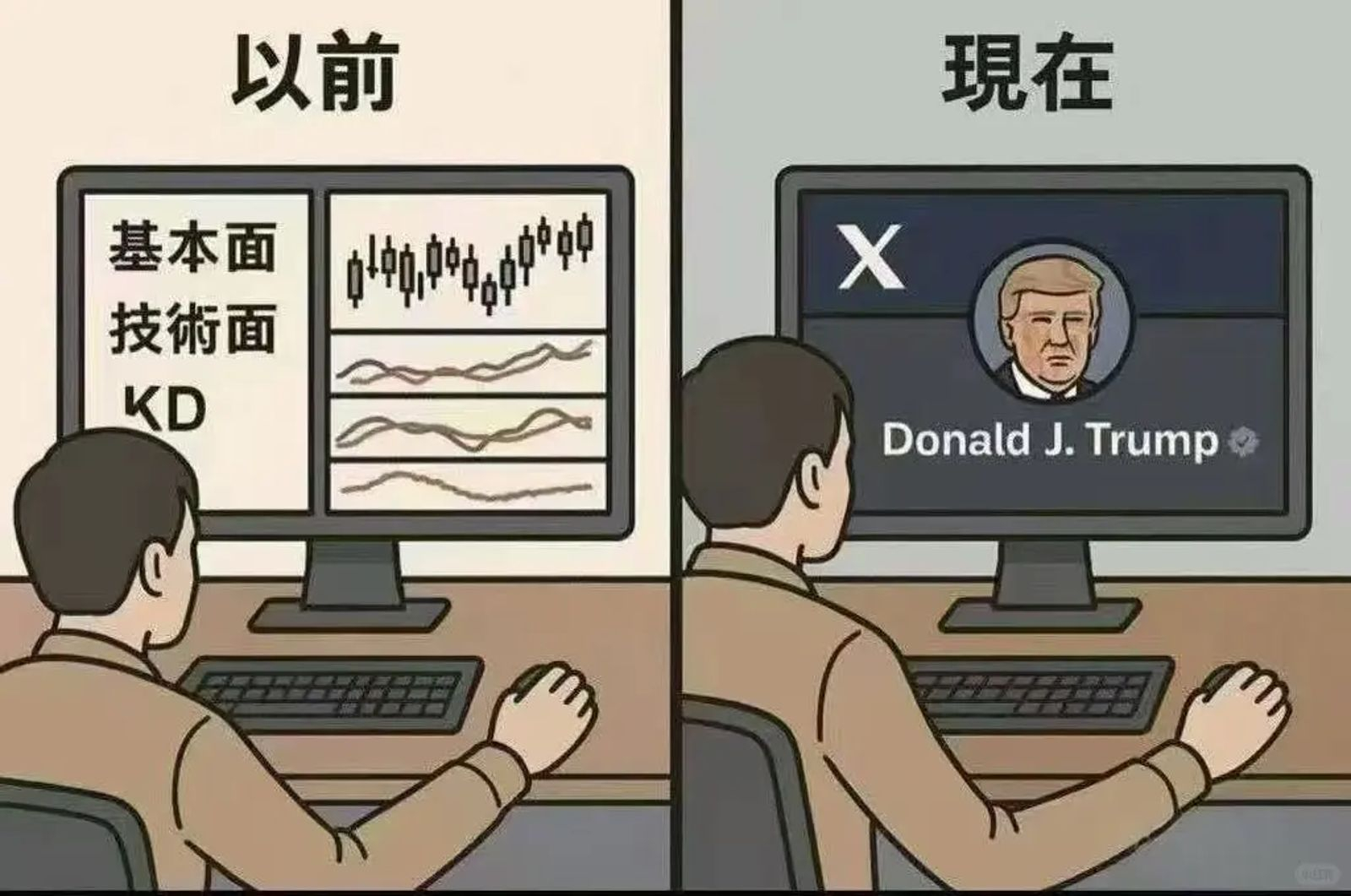
Take advantage of the weekend downtime and go through the “attention marketing masterpieces” in the cryptocurrency world’s history.
Number one is a no-brainer: Justin Sun. While Buffett’s lunch was declined, Sun ate 6.2 million bananas in public, and now even breakups can be turned into a six-thousand-word long article released across the whole internet—he’s already turned the attention economy into a discipline, jokingly called “Justin Sun Marketing Studies.”
But you might have forgotten that before him, there were several “marketing ancestors” in crypto.
Back then, one tweet from Elon Musk could make Dogecoin jump by several times—far more efficient than hype groups. Later, when he acquired Twitter and renamed it X, he also casually elevated DOGE’s payment narrative to a new level. You think he’s just playing around, but actually he’s managing market capitalization.
And then there was last year’s “Bitcoin Pizza Day.” Every May 22, programmers across the entire industry collectively commemorate the program of “buying two pizzas with 10,000 BTC.” On the surface it’s nostalgia; in essence it’s the whole sector cooperatively doing a free brand PR event. Look—Bitcoin went from two pizzas to over a hundred thousand dollars. How persuasive can this story get?
The most impressive is the peak of the NFT era. “Bored Ape Yacht Club” turned avatars into identity symbols. What people bought wasn’t just an image—it was an entry ticket. You spend hundreds of thousands on a monkey avatar and share it, which is basically telling the whole world, “I’m one of us.” This marketing is more effective than any advertisement.
Over the years in crypto, technology changes, narratives change, and tracks change. Only one thing never changes: attention is always the scarcest resource. What project teams compete on isn’t just technology—it’s who can grab your eyes first.
But remember: where attention flows, the scythe follows. The next time everyone in the room is talking about the same thing, you should be calm instead—places that are noisy don’t necessarily have money to make, but there is definitely someone who wants to take your money.
When trading opens next week, don’t let the weekend hot searches fool your eyes.
#周末闲聊 #BinanceSquareTalks #BTC
Number one is a no-brainer: Justin Sun. While Buffett’s lunch was declined, Sun ate 6.2 million bananas in public, and now even breakups can be turned into a six-thousand-word long article released across the whole internet—he’s already turned the attention economy into a discipline, jokingly called “Justin Sun Marketing Studies.”
But you might have forgotten that before him, there were several “marketing ancestors” in crypto.
Back then, one tweet from Elon Musk could make Dogecoin jump by several times—far more efficient than hype groups. Later, when he acquired Twitter and renamed it X, he also casually elevated DOGE’s payment narrative to a new level. You think he’s just playing around, but actually he’s managing market capitalization.
And then there was last year’s “Bitcoin Pizza Day.” Every May 22, programmers across the entire industry collectively commemorate the program of “buying two pizzas with 10,000 BTC.” On the surface it’s nostalgia; in essence it’s the whole sector cooperatively doing a free brand PR event. Look—Bitcoin went from two pizzas to over a hundred thousand dollars. How persuasive can this story get?
The most impressive is the peak of the NFT era. “Bored Ape Yacht Club” turned avatars into identity symbols. What people bought wasn’t just an image—it was an entry ticket. You spend hundreds of thousands on a monkey avatar and share it, which is basically telling the whole world, “I’m one of us.” This marketing is more effective than any advertisement.
Over the years in crypto, technology changes, narratives change, and tracks change. Only one thing never changes: attention is always the scarcest resource. What project teams compete on isn’t just technology—it’s who can grab your eyes first.
But remember: where attention flows, the scythe follows. The next time everyone in the room is talking about the same thing, you should be calm instead—places that are noisy don’t necessarily have money to make, but there is definitely someone who wants to take your money.
When trading opens next week, don’t let the weekend hot searches fool your eyes.
#周末闲聊 #BinanceSquareTalks #BTC

Previously I thought that trading, like any other industry,
was the same: as long as you worked hard enough, you could get ahead. So I stared at the charts for 16 hours every day—drawing K-line charts over and over, studying dozens of indicators, scrolling the news nonstop for 24 hours. Even when I slept, I kept my phone under my pillow. Whenever the market moved, I’d wake up.
And what happened? The harder I tried, the more I lost.
Later, it gradually clicked for me:
Trading isn’t like construction work. It’s not that if you do one more hour, you’ll earn one more hour of money.
Quite the opposite.
The more frequently you trade, the higher the probability you’ll make mistakes.
The truly profitable trades are often the ones you wait for,
not the ones you force into existence.
Patience—waiting for the right opportunity,
patiently holding the correct position,
patiently letting profits grow on their own—
those stretches of time when it feels like you’re doing nothing,
are actually the most valuable part of trading.
It’s kind of ironic when you think about it:
When I first started, I was always hunting for opportunities, always wanting to trade. In the end, I lost terribly.
Now, I might only make trades once or twice a week—
and yet I earn more than before.
So sometimes I wonder:
are we really competing with the market,
or are we competing with our own “reluctance”?
Reluctant to miss any market move,
reluctant to let the money in the account sit idle,
reluctant to just watch other people make money…
In the end, I realized:
all that reluctance is a trap.
Slow down. Do less.
And you’ll go farther.
#BinanceSquare #BTC #交易心得 #交易认知
was the same: as long as you worked hard enough, you could get ahead. So I stared at the charts for 16 hours every day—drawing K-line charts over and over, studying dozens of indicators, scrolling the news nonstop for 24 hours. Even when I slept, I kept my phone under my pillow. Whenever the market moved, I’d wake up.
And what happened? The harder I tried, the more I lost.
Later, it gradually clicked for me:
Trading isn’t like construction work. It’s not that if you do one more hour, you’ll earn one more hour of money.
Quite the opposite.
The more frequently you trade, the higher the probability you’ll make mistakes.
The truly profitable trades are often the ones you wait for,
not the ones you force into existence.
Patience—waiting for the right opportunity,
patiently holding the correct position,
patiently letting profits grow on their own—
those stretches of time when it feels like you’re doing nothing,
are actually the most valuable part of trading.
It’s kind of ironic when you think about it:
When I first started, I was always hunting for opportunities, always wanting to trade. In the end, I lost terribly.
Now, I might only make trades once or twice a week—
and yet I earn more than before.
So sometimes I wonder:
are we really competing with the market,
or are we competing with our own “reluctance”?
Reluctant to miss any market move,
reluctant to let the money in the account sit idle,
reluctant to just watch other people make money…
In the end, I realized:
all that reluctance is a trap.
Slow down. Do less.
And you’ll go farther.
#BinanceSquare #BTC #交易心得 #交易认知
Sun Yuchen’s piece titled “My Girlfriend Jing Tian” has cornered all the trending topics on the entire Chinese internet. My first reaction was to laugh; and as I kept laughing, I thought—this is just too “Sun Yuchen.”
A man with a net worth of $8.5 billion, for more than $30 million in bride price, lays out details of his ex-girlfriend’s private life for the whole internet to watch. You say he’s short on money? No way. You say he’s deeply devoted? Even the ending has a line that says, “This article is entirely fictional.”
It’s like the pump-and-dump tactics commonly seen in the crypto circle—you think it’s value discovery, but in reality it’s attention being cashed out. Sun Yuchen has always understood this: the Buffett lunch was filmed and then he didn’t go, using the heat for two waves; he paid $6.2 million for a banana and ate it publicly, getting headlines everywhere. His life is a continuous “market-making” of attention—every incident is like an “on-chain” moment, turning controversy, gossip, and shock value into traffic and exposure.
But you need to see the essence clearly: attention can pump prices, and it can also dump them. The most worth-guarding in this incident isn’t the melodramatic plot—it’s that the founder’s public-opinion risk is now transmitting to related assets. Tron TRX, HTX, and the Trump coin he’s deeply tied to are, in essence, “Sun Yuchen concept stocks.” When the founder’s public image shifts from “the king of crypto marketing” to “the male lead in a relationship dispute,” the fragility of the chip structure gets amplified.
More subtly, there’s the detail that’s been mentioned again and again: when Jing Tian asked him, “Can you come to Beijing?” he went silent. Behind that silence lie questions about travel restrictions, regulatory risk, and asset liquidity. For someone who can’t even get back to the capital, how much of his wealth is paper glory, and how much is real cash in hand—let the market weigh it.
Gossip is for looking at, not for paying for the story. The iron rules of the crypto world have never changed: the more noisy the founder is, the more calmly you must think. He’s cashed in all that attention—yet you might end up becoming the cost of the attention economy.
#孙割 #景甜 #Binance #BTC
A man with a net worth of $8.5 billion, for more than $30 million in bride price, lays out details of his ex-girlfriend’s private life for the whole internet to watch. You say he’s short on money? No way. You say he’s deeply devoted? Even the ending has a line that says, “This article is entirely fictional.”
It’s like the pump-and-dump tactics commonly seen in the crypto circle—you think it’s value discovery, but in reality it’s attention being cashed out. Sun Yuchen has always understood this: the Buffett lunch was filmed and then he didn’t go, using the heat for two waves; he paid $6.2 million for a banana and ate it publicly, getting headlines everywhere. His life is a continuous “market-making” of attention—every incident is like an “on-chain” moment, turning controversy, gossip, and shock value into traffic and exposure.
But you need to see the essence clearly: attention can pump prices, and it can also dump them. The most worth-guarding in this incident isn’t the melodramatic plot—it’s that the founder’s public-opinion risk is now transmitting to related assets. Tron TRX, HTX, and the Trump coin he’s deeply tied to are, in essence, “Sun Yuchen concept stocks.” When the founder’s public image shifts from “the king of crypto marketing” to “the male lead in a relationship dispute,” the fragility of the chip structure gets amplified.
More subtly, there’s the detail that’s been mentioned again and again: when Jing Tian asked him, “Can you come to Beijing?” he went silent. Behind that silence lie questions about travel restrictions, regulatory risk, and asset liquidity. For someone who can’t even get back to the capital, how much of his wealth is paper glory, and how much is real cash in hand—let the market weigh it.
Gossip is for looking at, not for paying for the story. The iron rules of the crypto world have never changed: the more noisy the founder is, the more calmly you must think. He’s cashed in all that attention—yet you might end up becoming the cost of the attention economy.
#孙割 #景甜 #Binance #BTC

Can’t sleep. I got up and checked the market. It’s still the same.
Suddenly I want to ask everyone a question:
When you first entered the crypto circle, what was it for?
Let me go first:
In 2017, a friend told me buying BTC made money. I took a shot at it and invested 20,000.
Back then, I was thinking something very simple:
Make some extra cash, buy a slightly better car, and get a bigger house for my family.
What about later?
It went up, it went down. I got liquidated, and I also doubled my money.
You make money and you lose money, but people change a lot.
From staring at the charts for 16 hours a day, to now checking three times a day;
From fantasies of getting rich overnight, to slowly accepting “slow is fast.”
I came in at first for the money,
and now I stay for more than that—it’s become habit.
I’ve gotten used to this kind of volatility.
I’ve gotten used to the people and things in this circle.
I’ve gotten used to finding a bit of certainty in uncertainty.
What about you?
Why did you come in back then?
And what’s your reason for still holding on now?
Talk about it in the comments.
Anyway, none of us can sleep.
#BinanceSquare #BTC #币圈人生 #交易者日常 #深夜话题
Suddenly I want to ask everyone a question:
When you first entered the crypto circle, what was it for?
Let me go first:
In 2017, a friend told me buying BTC made money. I took a shot at it and invested 20,000.
Back then, I was thinking something very simple:
Make some extra cash, buy a slightly better car, and get a bigger house for my family.
What about later?
It went up, it went down. I got liquidated, and I also doubled my money.
You make money and you lose money, but people change a lot.
From staring at the charts for 16 hours a day, to now checking three times a day;
From fantasies of getting rich overnight, to slowly accepting “slow is fast.”
I came in at first for the money,
and now I stay for more than that—it’s become habit.
I’ve gotten used to this kind of volatility.
I’ve gotten used to the people and things in this circle.
I’ve gotten used to finding a bit of certainty in uncertainty.
What about you?
Why did you come in back then?
And what’s your reason for still holding on now?
Talk about it in the comments.
Anyway, none of us can sleep.
#BinanceSquare #BTC #币圈人生 #交易者日常 #深夜话题

Log in to explore more content