In the contract market, many people don’t stop even after getting liquidated. The core problem is simple: they haven’t understood what they’re actually trading. The platform shows a leverage number, so they assume the risk is controllable. Even though their account has very little capital, they place heavy bets on the market. They say they’re using low leverage, but in reality they’re already using high leverage to gamble on price action. One needle move down and—boom—liquidation. Many people don’t lose because they got the direction wrong; they die from their position sizing. #StrategySpends$635MOnSTRCPreferredBuybacks
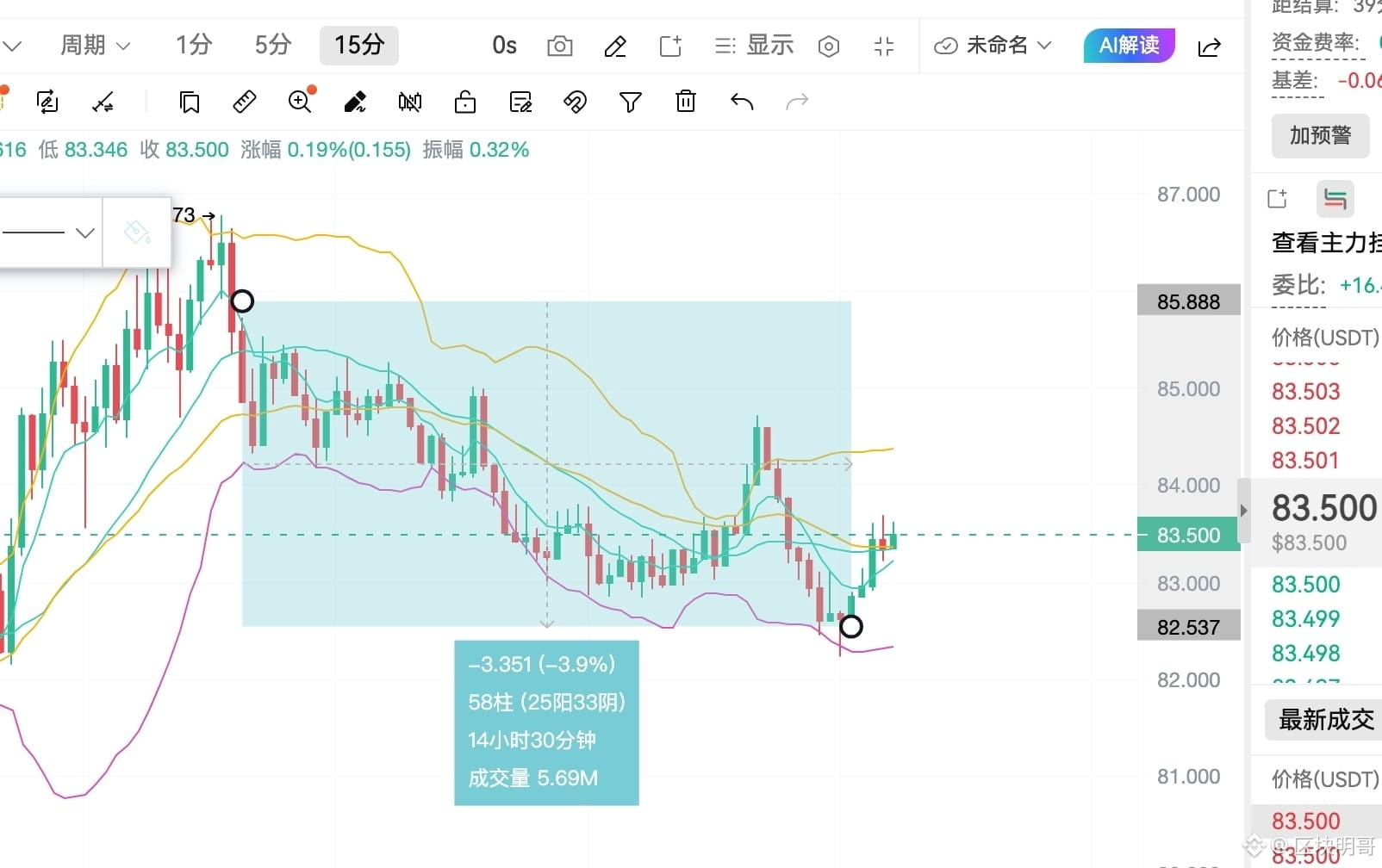
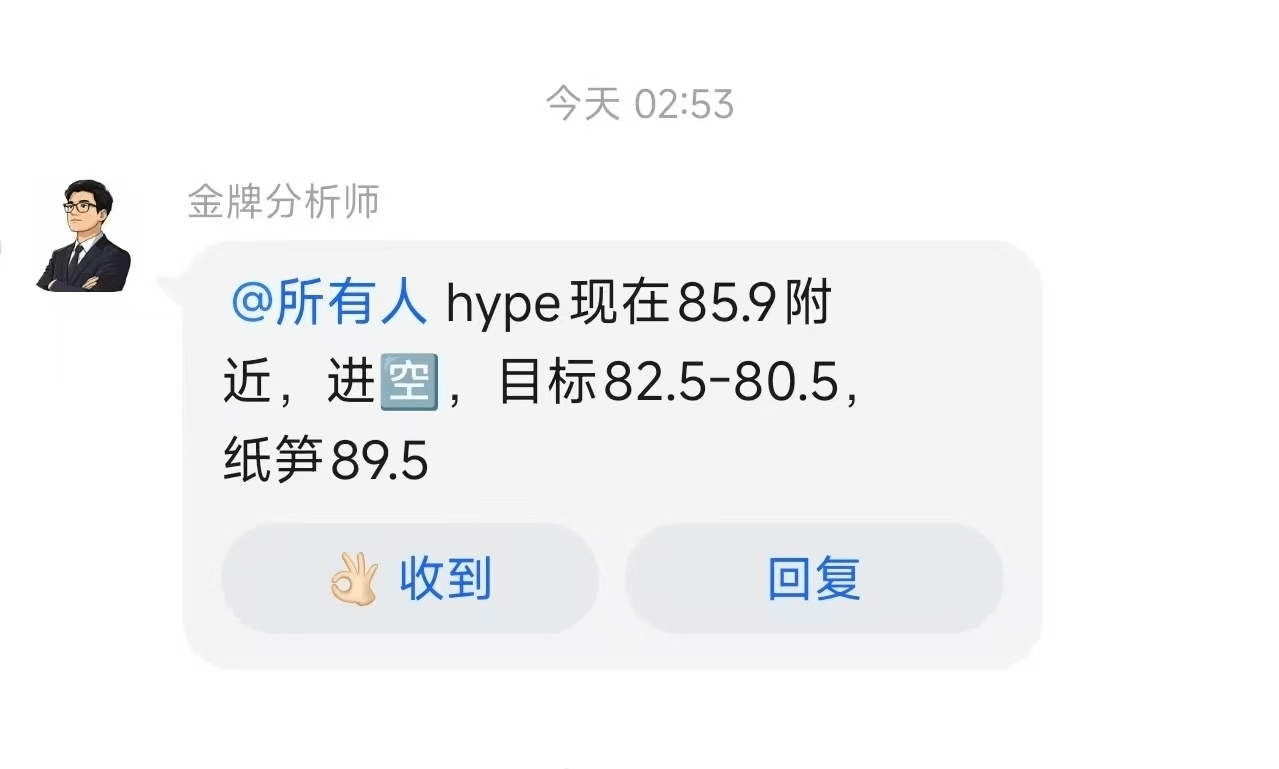
People who truly understand contracts calculate first—before placing an order—how much they can afford to lose, and whether they even want to aim for how much they can make. To them, this is a risk-control tool, not a gambling device. Most of the time—70%—they’re waiting: waiting for the trend, waiting for the right levels, waiting for the highest-certainty moment. When the opportunity isn’t there, they stay flat. When price reaches the level, they enter decisively, take the profit they’re supposed to take, and then leave. By contrast, most people place a dozen or more trades a day, chasing rallies and cutting in the wrong direction. The busier they are, the more they lose, and all their money gets handed over to trading fees. $HYPE
In the contract market, the most valuable quality is restraint. When others panic, they can stay calm; when others get carried away, they can still think clearly. Per-trade loss is kept within a controllable range. With the right direction, profits will run on their own. Small losses, big wins—that’s the logic for surviving long-term. Don’t treat this place like a casino; if you mess around, you’ll be cleared out sooner or later. If you can make money in contracts, you never rely on luck—you rely on discipline that’s built into your bones. #ARBRises30%OnRobinhoodChainRevenue $ZEC
People who truly understand contracts calculate first—before placing an order—how much they can afford to lose, and whether they even want to aim for how much they can make. To them, this is a risk-control tool, not a gambling device. Most of the time—70%—they’re waiting: waiting for the trend, waiting for the right levels, waiting for the highest-certainty moment. When the opportunity isn’t there, they stay flat. When price reaches the level, they enter decisively, take the profit they’re supposed to take, and then leave. By contrast, most people place a dozen or more trades a day, chasing rallies and cutting in the wrong direction. The busier they are, the more they lose, and all their money gets handed over to trading fees. $HYPE
In the contract market, the most valuable quality is restraint. When others panic, they can stay calm; when others get carried away, they can still think clearly. Per-trade loss is kept within a controllable range. With the right direction, profits will run on their own. Small losses, big wins—that’s the logic for surviving long-term. Don’t treat this place like a casino; if you mess around, you’ll be cleared out sooner or later. If you can make money in contracts, you never rely on luck—you rely on discipline that’s built into your bones. #ARBRises30%OnRobinhoodChainRevenue $ZEC