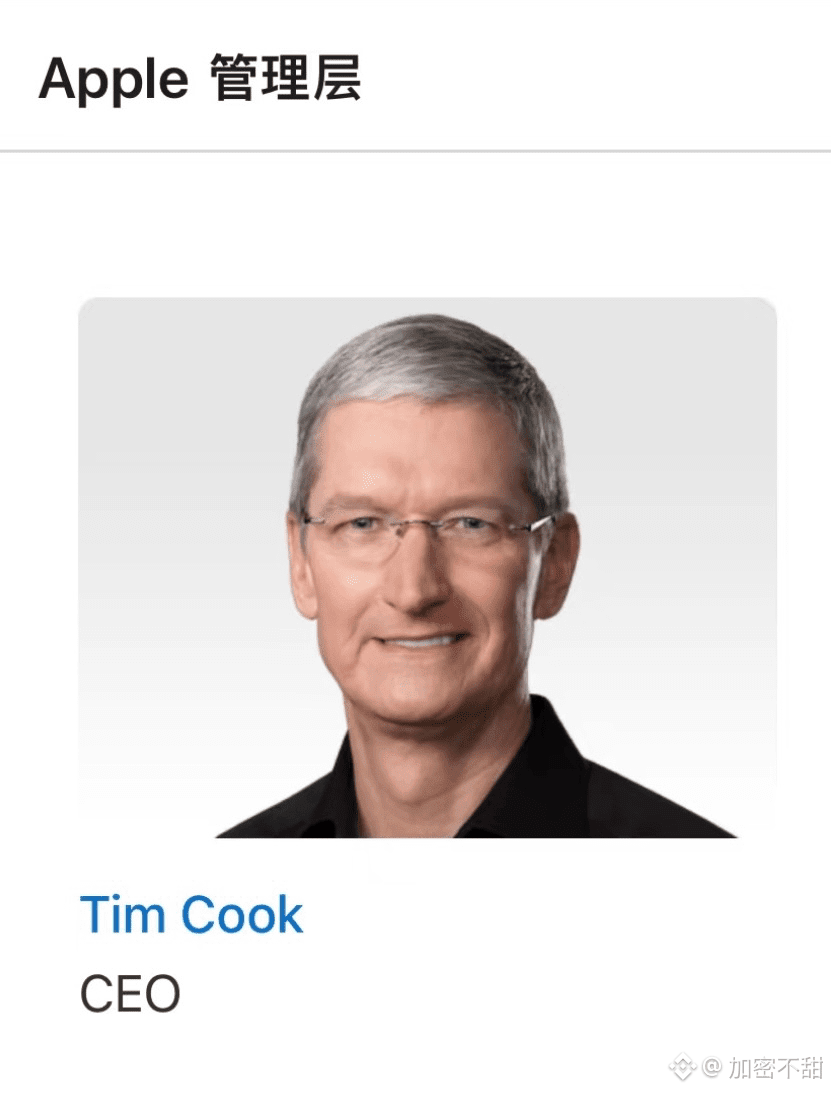
Tim Cook @tim_cook
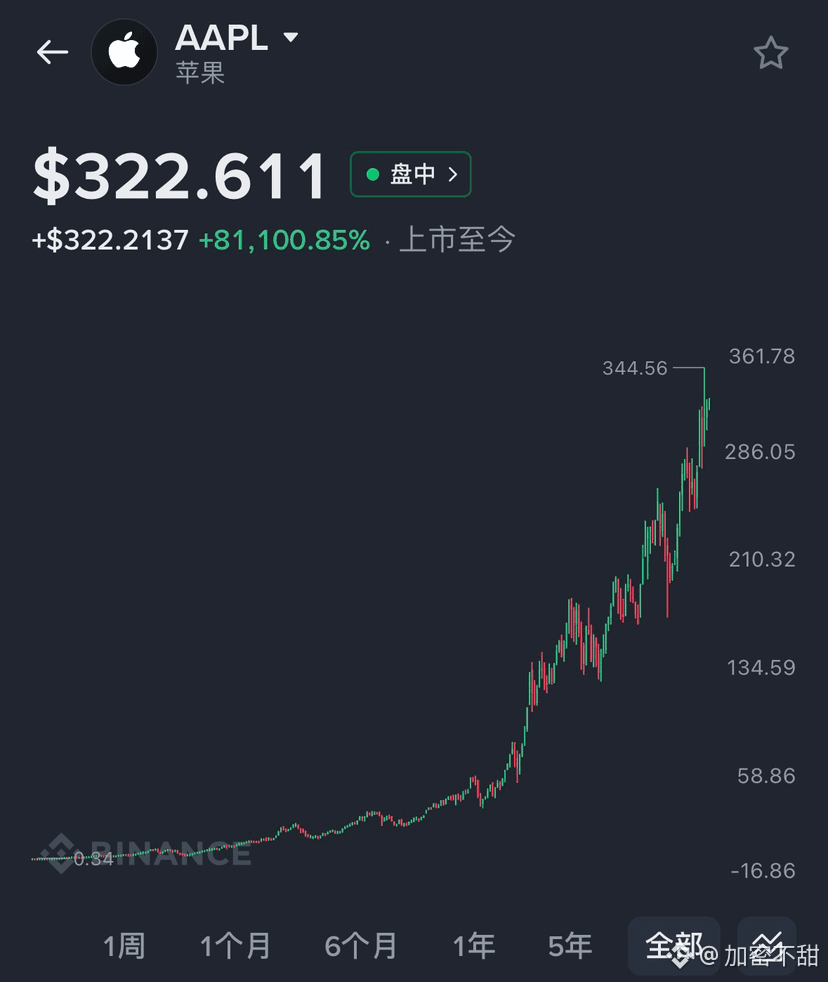
Leading Apple $AAPL toward a top-level CEO valuation of $4.6 trillion
Born on November 1, 1960, in Mobile, Alabama, USA, and raised in Robertsdale.
His father, Donald, worked in a shipyard; his mother, Geraldine, worked at a pharmacy. There were three brothers in the family, and he was the second.
As a teenager, he delivered newspapers, took jobs, and played the trumpet. He isn’t the kind of garage genius from the Silicon Valley myth—he’s an industrial engineer who came out of a small town in the American South.
After graduating high school in 1978, he enrolled at Auburn University, earning a bachelor’s degree in Industrial Engineering in 1982.
He then joined IBM, spending twelve years in the personal computer business and rising to become North America Fulfillment Director.
During that time, he pursued an MBA part-time at Duke University’s Fuqua School of Business, graduating in 1988.
He has always been more willing to see himself as an engineer than as a top-level manager who parachuted in from business school.
In 1994, he left IBM and became Chief Operating Officer of the distribution business for Intelligent Electronics; in 1997, he briefly joined Compaq as Vice President of Corporate Materials, staying for about half a year.
The turning point came in March 1998. Steve Jobs personally came knocking and asked him to go to Apple, which was still perched on the edge of a cliff, to overhaul global operations. Cook agreed. He compressed inventory, reshaped the supply chain, and turned production from chaos into a machine that could be scaled and replicated.
What the public remembers are iMac, iPod, and iPhone—few people see the capability behind it that locks together parts, factories, and delivery dates.
In 2005, he became Chief Operating Officer; when Jobs took leave due to illness, he temporarily served as CEO three times.
On August 24, 2011, Jobs resigned. Cook officially took over and joined the board. At that time, Apple’s market value was about $350 billion—most outsiders wondered: could an operations expert hold on to a company built on product imagination and personal charisma?
The answer given by fifteen years was another kind of greatness.
Apple didn’t have another Jobs-style single-point breakthrough, but it grew into a larger, steadier machine: its market value crossed $1T, $2T, and $3T in sequence; in 2025 to 2026 it even touched the $4T to $5T range.
Revenue rose from about $108 billion per year at the time he took over to exceeding that figure within a single quarter.
Leading Apple $AAPL toward a top-level CEO valuation of $4.6 trillion
Born on November 1, 1960, in Mobile, Alabama, USA, and raised in Robertsdale.
His father, Donald, worked in a shipyard; his mother, Geraldine, worked at a pharmacy. There were three brothers in the family, and he was the second.
As a teenager, he delivered newspapers, took jobs, and played the trumpet. He isn’t the kind of garage genius from the Silicon Valley myth—he’s an industrial engineer who came out of a small town in the American South.
After graduating high school in 1978, he enrolled at Auburn University, earning a bachelor’s degree in Industrial Engineering in 1982.
He then joined IBM, spending twelve years in the personal computer business and rising to become North America Fulfillment Director.
During that time, he pursued an MBA part-time at Duke University’s Fuqua School of Business, graduating in 1988.
He has always been more willing to see himself as an engineer than as a top-level manager who parachuted in from business school.
In 1994, he left IBM and became Chief Operating Officer of the distribution business for Intelligent Electronics; in 1997, he briefly joined Compaq as Vice President of Corporate Materials, staying for about half a year.
The turning point came in March 1998. Steve Jobs personally came knocking and asked him to go to Apple, which was still perched on the edge of a cliff, to overhaul global operations. Cook agreed. He compressed inventory, reshaped the supply chain, and turned production from chaos into a machine that could be scaled and replicated.
What the public remembers are iMac, iPod, and iPhone—few people see the capability behind it that locks together parts, factories, and delivery dates.
In 2005, he became Chief Operating Officer; when Jobs took leave due to illness, he temporarily served as CEO three times.
On August 24, 2011, Jobs resigned. Cook officially took over and joined the board. At that time, Apple’s market value was about $350 billion—most outsiders wondered: could an operations expert hold on to a company built on product imagination and personal charisma?
The answer given by fifteen years was another kind of greatness.
Apple didn’t have another Jobs-style single-point breakthrough, but it grew into a larger, steadier machine: its market value crossed $1T, $2T, and $3T in sequence; in 2025 to 2026 it even touched the $4T to $5T range.
Revenue rose from about $108 billion per year at the time he took over to exceeding that figure within a single quarter.