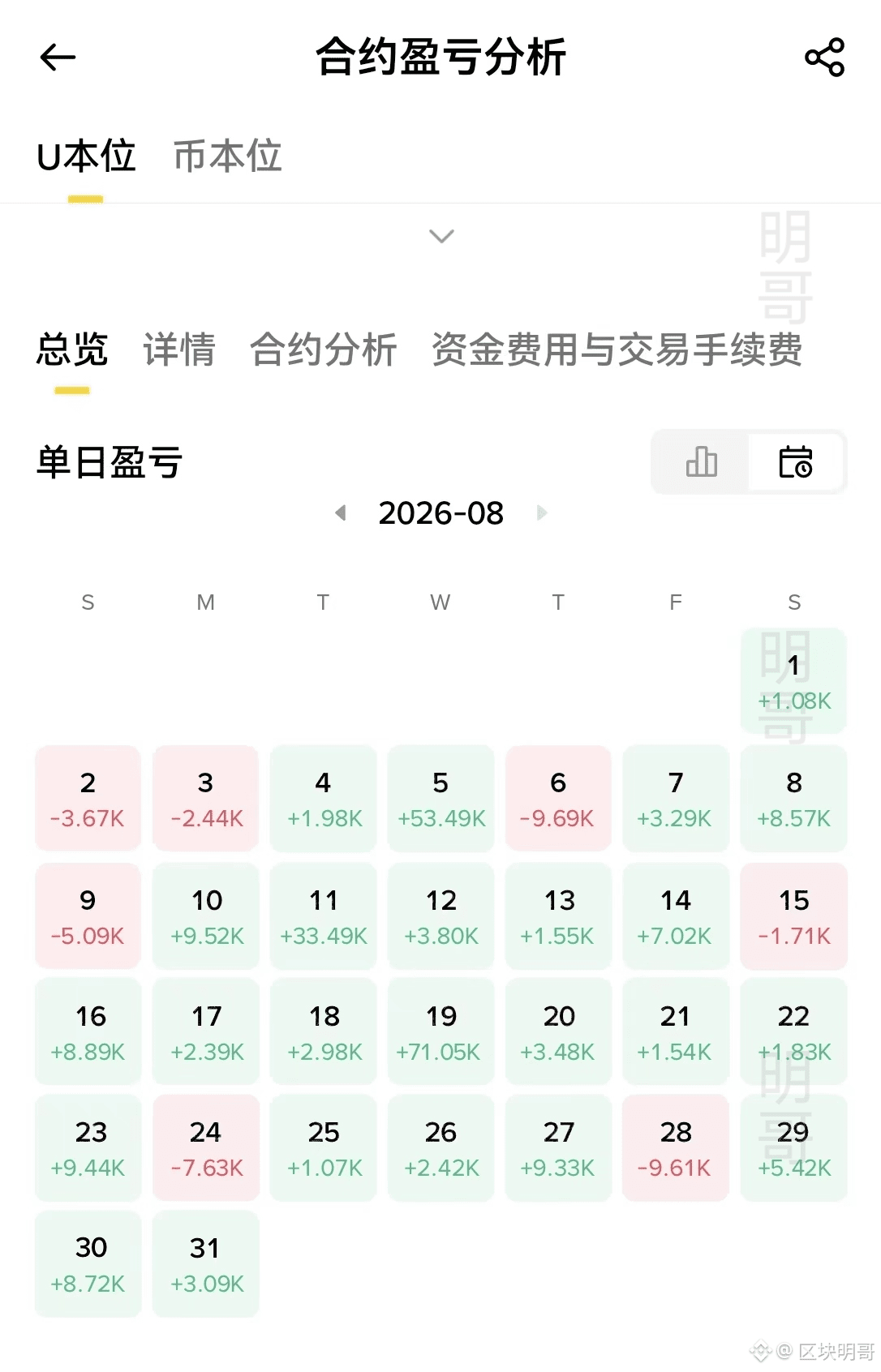
The easiest time to lose money in a contract is often not during a bear market, but right after you’ve just made a profit. You think you’ve figured it out, start increasing your positions, loosen your stop-loss, and feel like the money should be yours. Then the market turns—everything you made earlier gets given back, and your principal gets put in too. It’s not that the market is too cruel; it’s that human weaknesses are amplified most after you’ve started making money. $SKR
There are three common traps in contracts—almost everyone has stepped into them. Lack of knowledge: not understanding what you’re actually buying; trading based on feelings from news, not knowing where you went wrong when you lose. Losing control of mindset: when it rises you’re afraid of missing out, when it falls you want to buy the dip; you don’t exit when you should, and you can’t hold when you should. Poor technical skills: no solid basis for directional judgment; unclear entry points; and no bottom line for risk control.
This “contract” thing is essentially a magnifying glass. When you have the ability, it magnifies your gains; when you don’t, it magnifies your losses. The people who can truly keep doing it aren’t those who are right every time—they’re the ones who know when they should stop. It’s more useful to be able to protect your profits and limit your losses than to chase a one-time dream of getting rich. Opportunities are always there, but your principal is only once. Survive first—then you have the right to talk about the next round. #XRPRises40%InTwoWeeksAsOpenInterestFalls $BTR
There are three common traps in contracts—almost everyone has stepped into them. Lack of knowledge: not understanding what you’re actually buying; trading based on feelings from news, not knowing where you went wrong when you lose. Losing control of mindset: when it rises you’re afraid of missing out, when it falls you want to buy the dip; you don’t exit when you should, and you can’t hold when you should. Poor technical skills: no solid basis for directional judgment; unclear entry points; and no bottom line for risk control.
This “contract” thing is essentially a magnifying glass. When you have the ability, it magnifies your gains; when you don’t, it magnifies your losses. The people who can truly keep doing it aren’t those who are right every time—they’re the ones who know when they should stop. It’s more useful to be able to protect your profits and limit your losses than to chase a one-time dream of getting rich. Opportunities are always there, but your principal is only once. Survive first—then you have the right to talk about the next round. #XRPRises40%InTwoWeeksAsOpenInterestFalls $BTR