$ETH $ENA $DOGE Did Trump single out Hyperliquid to flip Wall Street’s table?
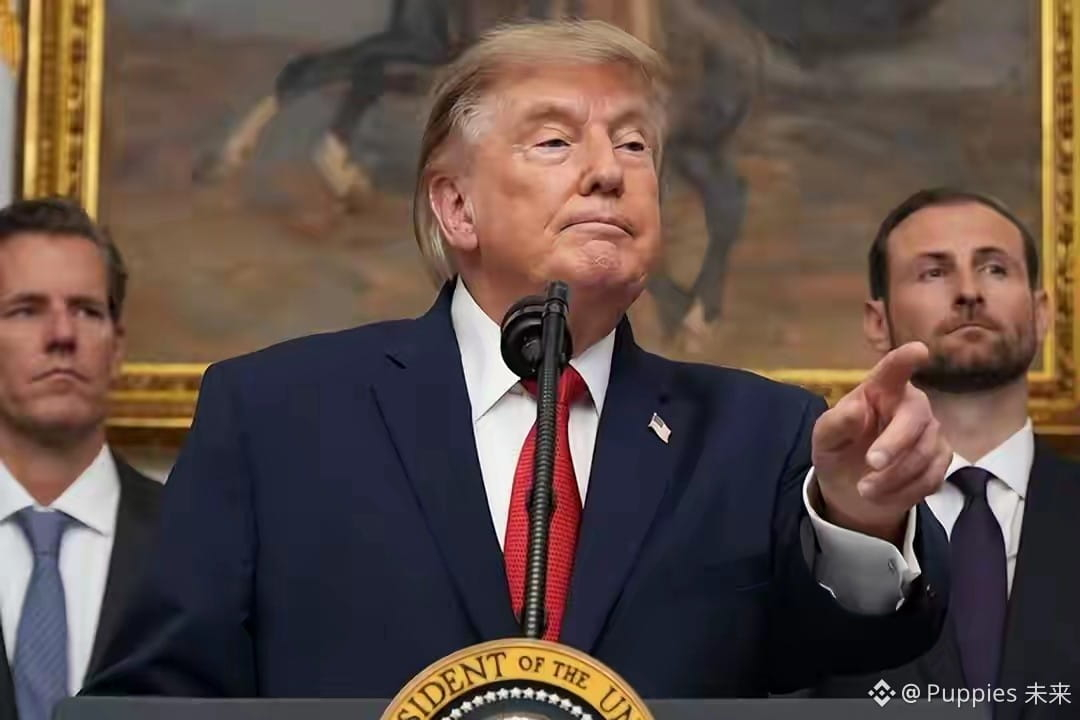
Suddenly, Trump named an offshore platform, Hyperliquid, at the White House and said it should be brought into the United States, with the CFTC acting in tandem. In plain terms, this platform is all about perpetual futures—where you can bet on crude oil, gold, stocks, and even SpaceX—with leverage up to 40x and trading that doesn’t close over the weekend. When tensions in Iran escalated, traditional exchanges basically shut down; Hyperliquid kept running oil prices, and liquidity simply grabbed the spotlight.
CME was the first to break ranks and, in June, sued the CFTC—implying that letting this kind of thing into the U.S. is essentially opening a casino for retail investors. Wall Street talks tough about not fearing competition, but behind the scenes it’s been lobbying companies and law firms to get everything set up. Hyperliquid, meanwhile, hasn’t been hiding its intentions either—bringing in BGR and Sullivan & Cromwell to publicly back the move, clearly signaling it wants to “land” in the U.S. and obtain the necessary licenses.
What the old money is really afraid of isn’t the technology—it’s the rules being rewritten. Perpetual contracts are already commonplace in crypto, but once they enter the U.S. mainstream market, the meaning is completely different. Critics call it 40x leverage gambling; supporters say it’s the next-generation financial infrastructure. What’s even more telling is that Trump himself issued the call—effectively maximizing crypto’s voice and influence in Washington.
Whether Hyperliquid can land smoothly remains uncertain, but one thing is clear: it used to be crypto asking Wall Street for entry; now it’s the other way around—Wall Street has to think about how to get a seat at the table. #加州通过法案拟禁官员发行Meme币 #SOL本周上涨20%
Suddenly, Trump named an offshore platform, Hyperliquid, at the White House and said it should be brought into the United States, with the CFTC acting in tandem. In plain terms, this platform is all about perpetual futures—where you can bet on crude oil, gold, stocks, and even SpaceX—with leverage up to 40x and trading that doesn’t close over the weekend. When tensions in Iran escalated, traditional exchanges basically shut down; Hyperliquid kept running oil prices, and liquidity simply grabbed the spotlight.
CME was the first to break ranks and, in June, sued the CFTC—implying that letting this kind of thing into the U.S. is essentially opening a casino for retail investors. Wall Street talks tough about not fearing competition, but behind the scenes it’s been lobbying companies and law firms to get everything set up. Hyperliquid, meanwhile, hasn’t been hiding its intentions either—bringing in BGR and Sullivan & Cromwell to publicly back the move, clearly signaling it wants to “land” in the U.S. and obtain the necessary licenses.
What the old money is really afraid of isn’t the technology—it’s the rules being rewritten. Perpetual contracts are already commonplace in crypto, but once they enter the U.S. mainstream market, the meaning is completely different. Critics call it 40x leverage gambling; supporters say it’s the next-generation financial infrastructure. What’s even more telling is that Trump himself issued the call—effectively maximizing crypto’s voice and influence in Washington.
Whether Hyperliquid can land smoothly remains uncertain, but one thing is clear: it used to be crypto asking Wall Street for entry; now it’s the other way around—Wall Street has to think about how to get a seat at the table. #加州通过法案拟禁官员发行Meme币 #SOL本周上涨20%