
晚风Vesper_1688
1.4k Posts

晚风Vesper_1688
 Square Verified+
一二级市场投研爱好者|热爱运动,品味美食,静听旋律🎶,深耕区块链行业,期待同频交流。
1.0K+ Following
30.5K+ Followers
29.1K+ Liked
Posts
All
Quotes
Live
PINNED
UXUY × SUBB Special Session | Binance Square AMA Coming in Hot!
📅 Time: August 29 (Tonight) 21:00 - 22:00
📍 Watch in: Zhouzhou 1688 Livestream Room
We will hold an in-depth conversation around the UXUY and SUBB ecosystem, kicking off real-time Q&A interaction. Let’s explore new opportunities in Web3 together with industry partners.
🎁 On-site interactive rewards galore—participate for a chance to win surprises!
#SUBB #UXUY #币安广场AMA
#1688家族family
📅 Time: August 29 (Tonight) 21:00 - 22:00
📍 Watch in: Zhouzhou 1688 Livestream Room
We will hold an in-depth conversation around the UXUY and SUBB ecosystem, kicking off real-time Q&A interaction. Let’s explore new opportunities in Web3 together with industry partners.
🎁 On-site interactive rewards galore—participate for a chance to win surprises!
#SUBB #UXUY #币安广场AMA
#1688家族family




@周周1688
is speaking[LIVE] 🎙️ UXUY × SUBB Special Session | A Major Binance Square AMA Is Coming!
8k listens

大嗯BNB
·
--
BTC is trading in a tight range near 80,000, with Warsh giving his first keynote address tonight at Jackson Hole. 69% of fund managers expect a neutral tone—no specific rate signals.
Beyond the content of the speech itself, there’s one thing tonight that’s worth watching more than whether the tone is hawkish or dovish.
Analyst Lee proposed a key observation framework: after the speech, look at the synchrony between BTC and gold. If BTC rises while gold also rises and long-term bonds fall, it indicates the market is using BTC to trade narratives around government debt risk and currency debasement—the “digital gold” role is being confirmed. If BTC and stocks fall together, it suggests BTC is still priced as a pure high-volatility risk asset, with rate sensitivity outweighing any hedging narrative.
The difference between these two scenarios is not about how much the price moves tonight, but rather what role this asset class actually plays within the macro framework. That question has remained unanswered throughout the first half of 2026, and tonight’s price action may provide a partial answer.
The variables that truly affect short-term prices, ranked by importance, are: dollar funding conditions, real yields, and term premium. These three are more directly relevant than rate decisions themselves. By contrast, the Fed’s balance sheet, the Treasury’s cash balance, and bank reserves affect liquidity structure over a longer horizon.
After tonight’s speech ends, don’t rush to chase or cut. Watch the direction of gold and long-term bonds rather than relying on BTC’s own price to judge the real logic behind this sell-off and rebound.
Since Warsh took office, he has abandoned forward guidance—each speech is the only source of information. If he offers any positive remarks regarding financial innovation, stablecoins, or a regulatory framework for digital assets, that would be a structural positive catalyst independent of the rate path. Its long-term impact on the crypto industry could exceed any instance of a pause in rate hikes.
What are you planning to focus on tonight when it comes to this speech? Will you watch the wording on rates, or the synchrony between BTC and gold? Share your thoughts.
$BTC
Beyond the content of the speech itself, there’s one thing tonight that’s worth watching more than whether the tone is hawkish or dovish.
Analyst Lee proposed a key observation framework: after the speech, look at the synchrony between BTC and gold. If BTC rises while gold also rises and long-term bonds fall, it indicates the market is using BTC to trade narratives around government debt risk and currency debasement—the “digital gold” role is being confirmed. If BTC and stocks fall together, it suggests BTC is still priced as a pure high-volatility risk asset, with rate sensitivity outweighing any hedging narrative.
The difference between these two scenarios is not about how much the price moves tonight, but rather what role this asset class actually plays within the macro framework. That question has remained unanswered throughout the first half of 2026, and tonight’s price action may provide a partial answer.
The variables that truly affect short-term prices, ranked by importance, are: dollar funding conditions, real yields, and term premium. These three are more directly relevant than rate decisions themselves. By contrast, the Fed’s balance sheet, the Treasury’s cash balance, and bank reserves affect liquidity structure over a longer horizon.
After tonight’s speech ends, don’t rush to chase or cut. Watch the direction of gold and long-term bonds rather than relying on BTC’s own price to judge the real logic behind this sell-off and rebound.
Since Warsh took office, he has abandoned forward guidance—each speech is the only source of information. If he offers any positive remarks regarding financial innovation, stablecoins, or a regulatory framework for digital assets, that would be a structural positive catalyst independent of the rate path. Its long-term impact on the crypto industry could exceed any instance of a pause in rate hikes.
What are you planning to focus on tonight when it comes to this speech? Will you watch the wording on rates, or the synchrony between BTC and gold? Share your thoughts.
$BTC
白鲨观点
·
--
BearishPreviously I thought that trading, like any other industry,
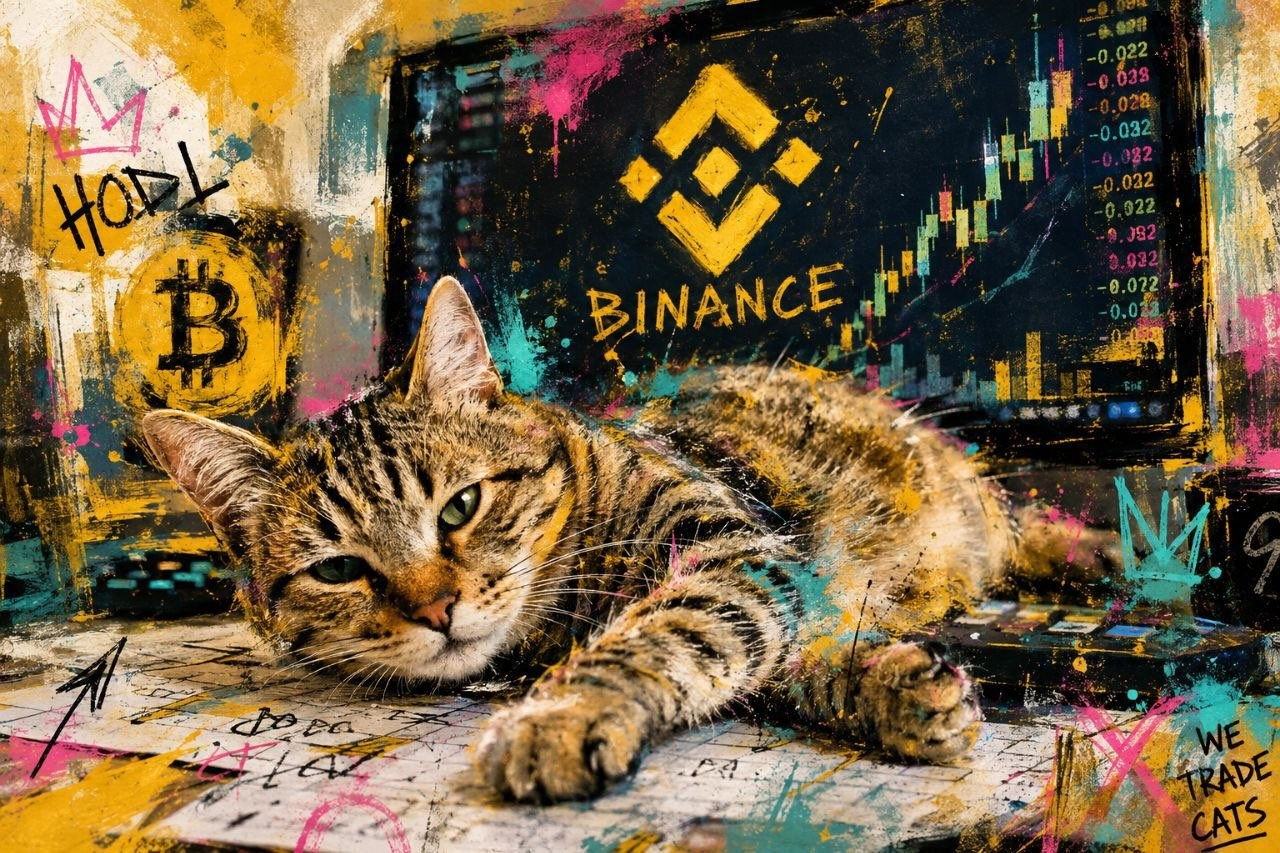
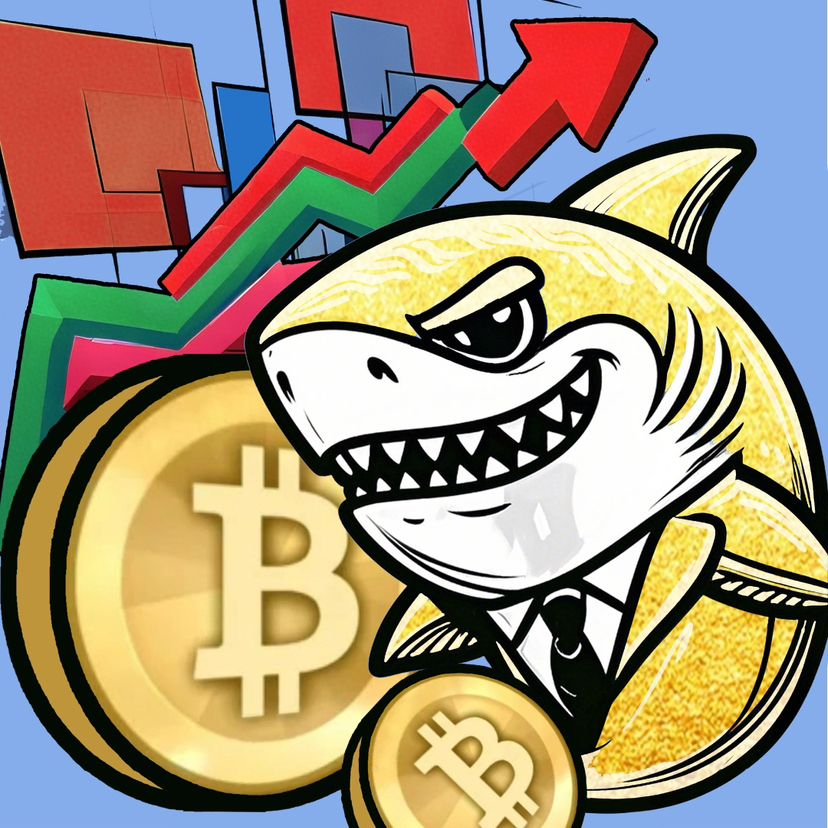
was the same: as long as you worked hard enough, you could get ahead. So I stared at the charts for 16 hours every day—drawing K-line charts over and over, studying dozens of indicators, scrolling the news nonstop for 24 hours. Even when I slept, I kept my phone under my pillow. Whenever the market moved, I’d wake up.
And what happened? The harder I tried, the more I lost.
Later, it gradually clicked for me:
Trading isn’t like construction work. It’s not that if you do one more hour, you’ll earn one more hour of money.
Quite the opposite.
The more frequently you trade, the higher the probability you’ll make mistakes.
The truly profitable trades are often the ones you wait for,
not the ones you force into existence.
Patience—waiting for the right opportunity,
patiently holding the correct position,
patiently letting profits grow on their own—
those stretches of time when it feels like you’re doing nothing,
are actually the most valuable part of trading.
It’s kind of ironic when you think about it:
When I first started, I was always hunting for opportunities, always wanting to trade. In the end, I lost terribly.
Now, I might only make trades once or twice a week—
and yet I earn more than before.
So sometimes I wonder:
are we really competing with the market,
or are we competing with our own “reluctance”?
Reluctant to miss any market move,
reluctant to let the money in the account sit idle,
reluctant to just watch other people make money…
In the end, I realized:
all that reluctance is a trap.
Slow down. Do less.
And you’ll go farther.
#BinanceSquare #BTC #交易心得 #交易认知
was the same: as long as you worked hard enough, you could get ahead. So I stared at the charts for 16 hours every day—drawing K-line charts over and over, studying dozens of indicators, scrolling the news nonstop for 24 hours. Even when I slept, I kept my phone under my pillow. Whenever the market moved, I’d wake up.
And what happened? The harder I tried, the more I lost.
Later, it gradually clicked for me:
Trading isn’t like construction work. It’s not that if you do one more hour, you’ll earn one more hour of money.
Quite the opposite.
The more frequently you trade, the higher the probability you’ll make mistakes.
The truly profitable trades are often the ones you wait for,
not the ones you force into existence.
Patience—waiting for the right opportunity,
patiently holding the correct position,
patiently letting profits grow on their own—
those stretches of time when it feels like you’re doing nothing,
are actually the most valuable part of trading.
It’s kind of ironic when you think about it:
When I first started, I was always hunting for opportunities, always wanting to trade. In the end, I lost terribly.
Now, I might only make trades once or twice a week—
and yet I earn more than before.
So sometimes I wonder:
are we really competing with the market,
or are we competing with our own “reluctance”?
Reluctant to miss any market move,
reluctant to let the money in the account sit idle,
reluctant to just watch other people make money…
In the end, I realized:
all that reluctance is a trap.
Slow down. Do less.
And you’ll go farther.
#BinanceSquare #BTC #交易心得 #交易认知

马大富来了
·
--
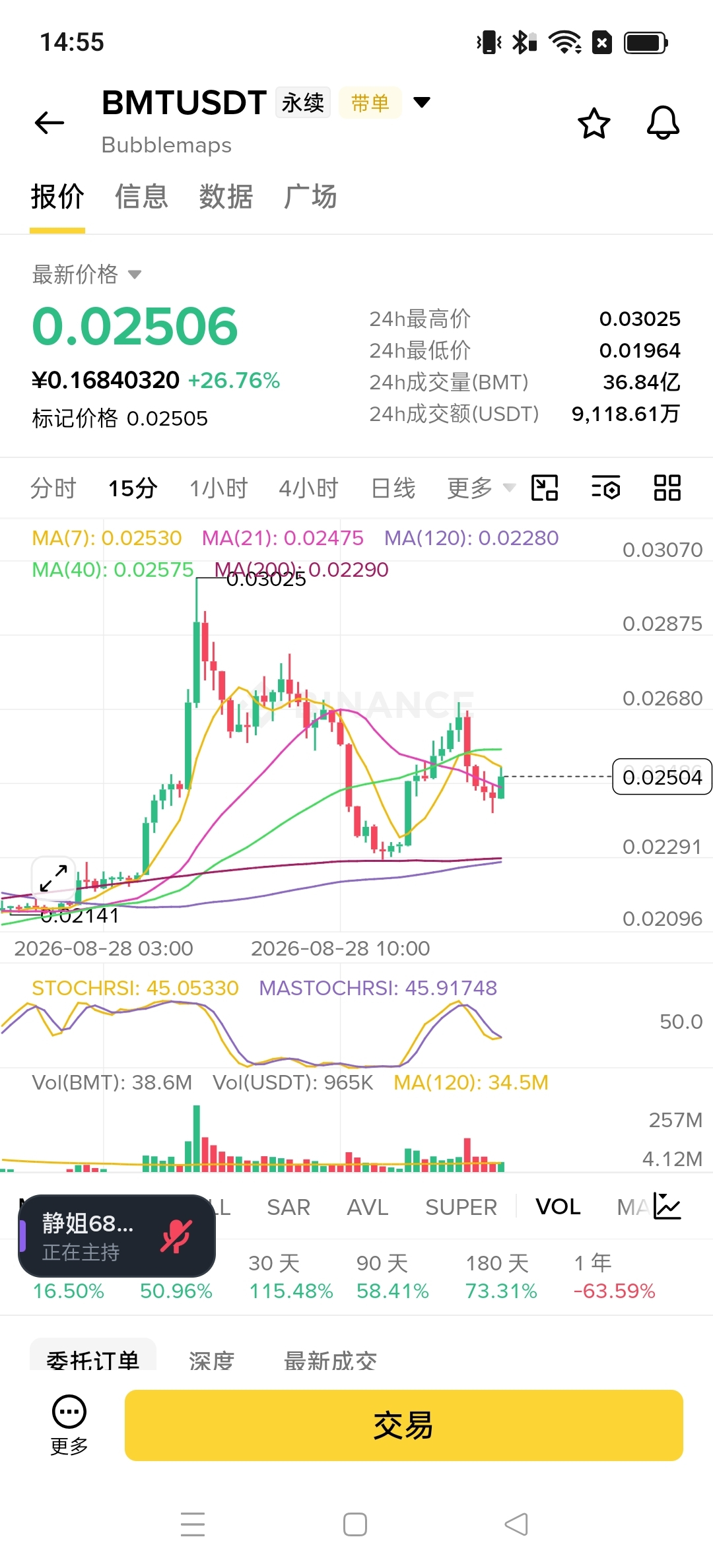
#比特币24小时跌3.4%至7.74万美元 Hello Every day one pack of benefits, 10,000份, fans’ benefits!
🎁repost my pin post
Claim your gift🎁
🎁repost my pin post
Claim your gift🎁



圣克斯Lucky1688
·
--
🧧🧧🔥🔥🧧🧧With inflation remaining the main focus, uncertainty around the Fed is on the rise. Less guidance may mean increased market volatility—so watch the data, yields, and liquidity closely. Follow me, answer 1 to the question, and take away the $SOL red envelope 🧧🧧🔥🔥🧧🧧.

楠楠nannan势不可挡
·
--
As night falls, set down all the fatigue of the day. Make peace with yourself—truly. $币安人生

大鹤1688
·
--
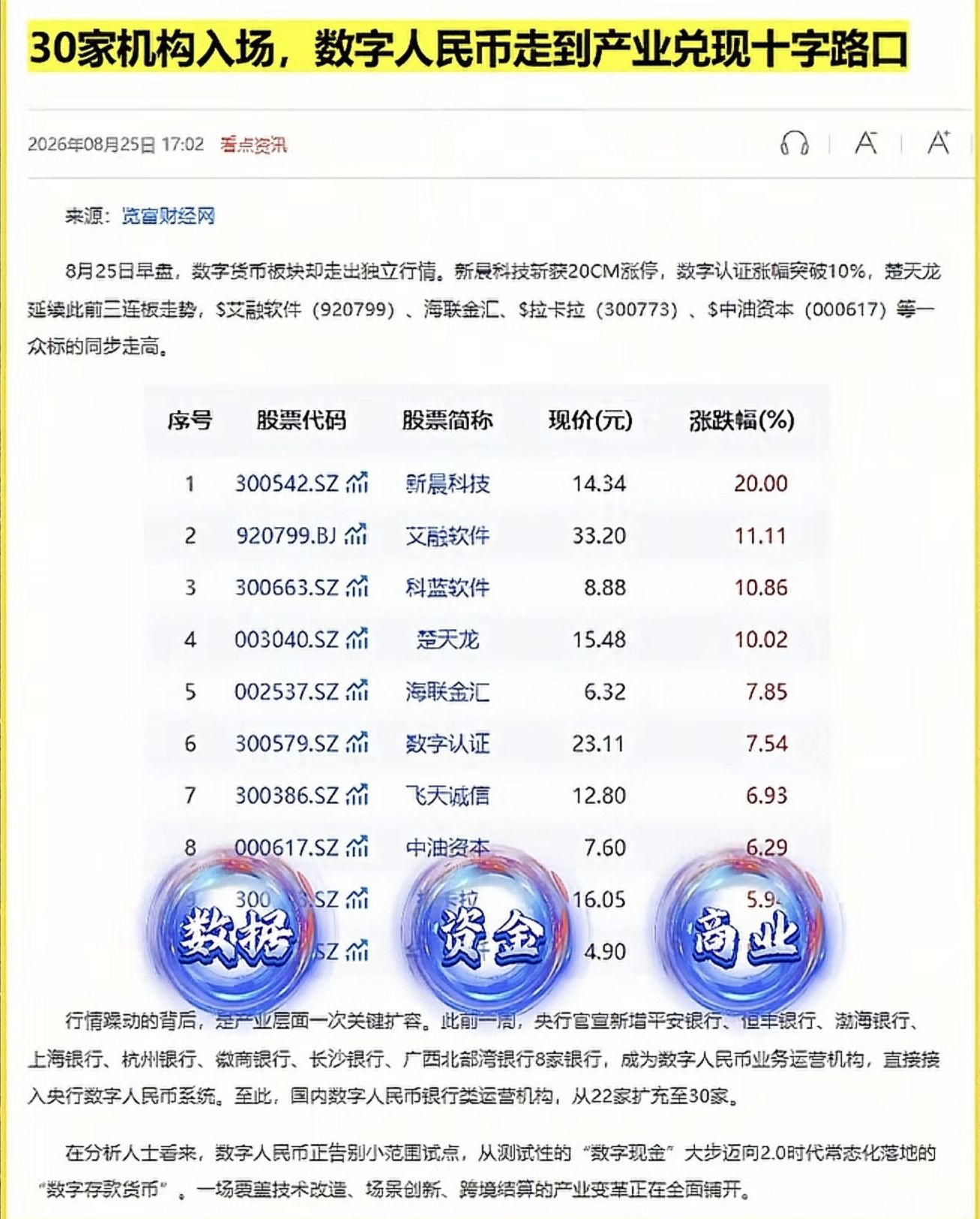
Many people only treat digital RMB as another form of online payment. In fact, the scope is far broader than that. As this system is rolled out widely and put into practice, it will connect data, funds, and businesses across different scenarios. It is an important piece of foundational infrastructure in the digital economy era, shaping long-term financial and trade rules—the kind of underlying changes of the times that are often hidden in everyday developments. #1688 family
@1688
XY 心月势不可挡
·
--
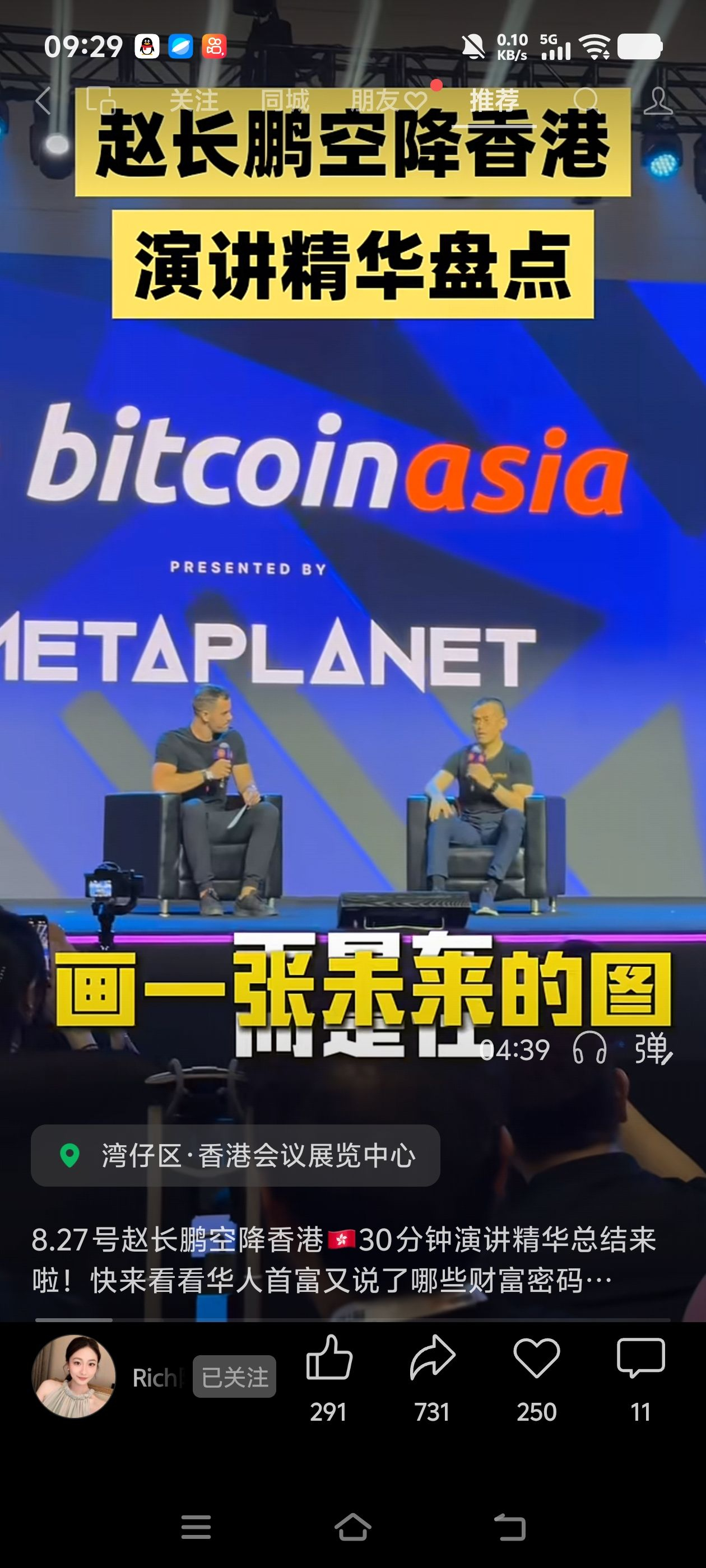
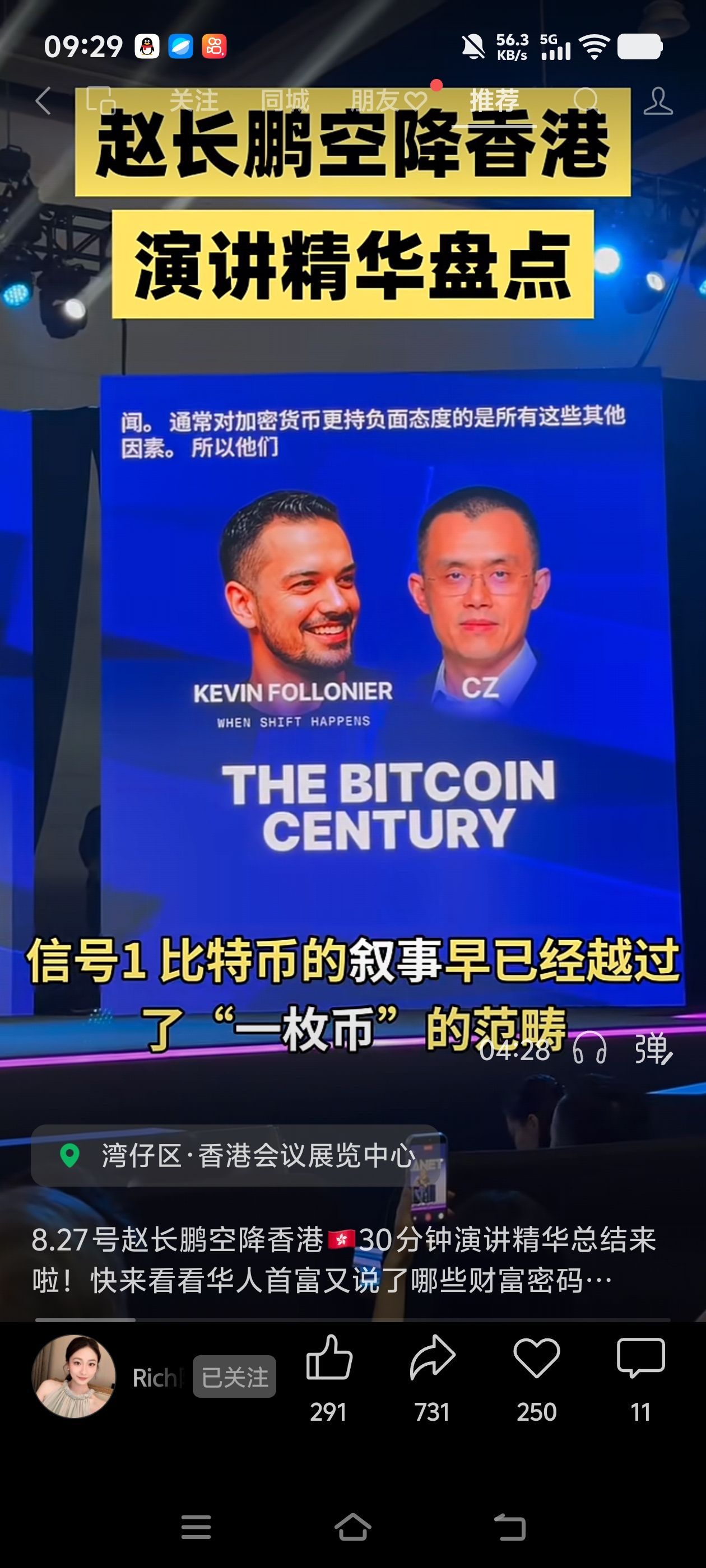
Will every household have 0.1 Bitcoin ten years from now? Everything will be on-chain, 🍰🍰🍰

大仁Jaron
·
--
Powell turns hawkish, reigniting rate-hike expectations: September hike probability rises to nearly 60%, with possibly two hikes before March 2027
The Federal Reserve chair Powell on Friday reignited market expectations for rate hikes with remarks at the Jackson Hole annual symposium. While he did not directly provide policy guidance for the September meeting, he clearly said that policymakers must be confident that underlying inflation is falling back toward the 2% target in a “clear and sufficiently rapid” manner; otherwise, the Fed “still has work to do.”
The statement quickly changed pricing in the interest-rate market. Media reports said market moves indicated traders restarted bets on a single 25-basis-point rate hike later this year, and leaned toward expecting two hikes by March 2027. CME-related data showed the probability of a September hike rose from about 35% before Powell’s remarks to 50%, while other market data at one point suggested the probability increased to around 55%. Later reporting also said market data showed the probability briefly reached about 60%.
The statement quickly changed pricing in the interest-rate market. Media reports said market moves indicated traders restarted bets on a single 25-basis-point rate hike later this year, and leaned toward expecting two hikes by March 2027. CME-related data showed the probability of a September hike rose from about 35% before Powell’s remarks to 50%, while other market data at one point suggested the probability increased to around 55%. Later reporting also said market data showed the probability briefly reached about 60%.


@Anna-汤圆
is speaking[LIVE] 🎙️ Another boring weekend again. Is there market action today?
9.4k listens

奋斗1688BNB
·
--
[Replay] 🎙️ Bitcoin 1 Million Dollars—Do We Really Need to Wait 25 Years?
02 h 46 m 03 s · 5.6k listens

Hawk自由哥
·
--
[Replay] 🎙️ Crypto market trends exchange; answering questions for newcomers ✅ co-building the Binance Square plaza 🦅 spreading the idea of freedom! maintaining ecological balance!
03 h 12 m 05 s · 10.7k listens



橙子Joyce
·
--
Revisiting the Bitcoin Price Flywheel
The monetization process of Bitcoin also follows a similar trajectory. In this analogy, the material that continues to endure sustained pressure is the US dollar credit system.
The first phase is discovery. Both returns and volatility are extremely high; large funds find it difficult to allocate to Bitcoin, and it is also hard to obtain financing by using it as collateral.
The second phase is maturation. Returns and volatility narrow in tandem, risk-adjusted returns improve, investors are able to expand their allocation, and it gradually becomes a more attractive collateral asset.
The third phase is monetization driven by the financial system. Dedicated capital and credit-driven buy orders begin to enter the Bitcoin market at scale, triggering a self-reinforcing loop; the uptrend accelerates again and breaks upward along a power-law trajectory.
The first phase is discovery. Both returns and volatility are extremely high; large funds find it difficult to allocate to Bitcoin, and it is also hard to obtain financing by using it as collateral.
The second phase is maturation. Returns and volatility narrow in tandem, risk-adjusted returns improve, investors are able to expand their allocation, and it gradually becomes a more attractive collateral asset.
The third phase is monetization driven by the financial system. Dedicated capital and credit-driven buy orders begin to enter the Bitcoin market at scale, triggering a self-reinforcing loop; the uptrend accelerates again and breaks upward along a power-law trajectory.
🎙️ Crypto market updates and discussion; answers to newbie questions ✅ Let’s build the Binance Square 🦅 and spread the idea of freedom! Maintain ecological balance!

End
03 h 12 m 05 s
10.5k
76
1688
龟龟财神到
·
--
Don't be sad, the flowers will bloom for you

Log in to explore more content