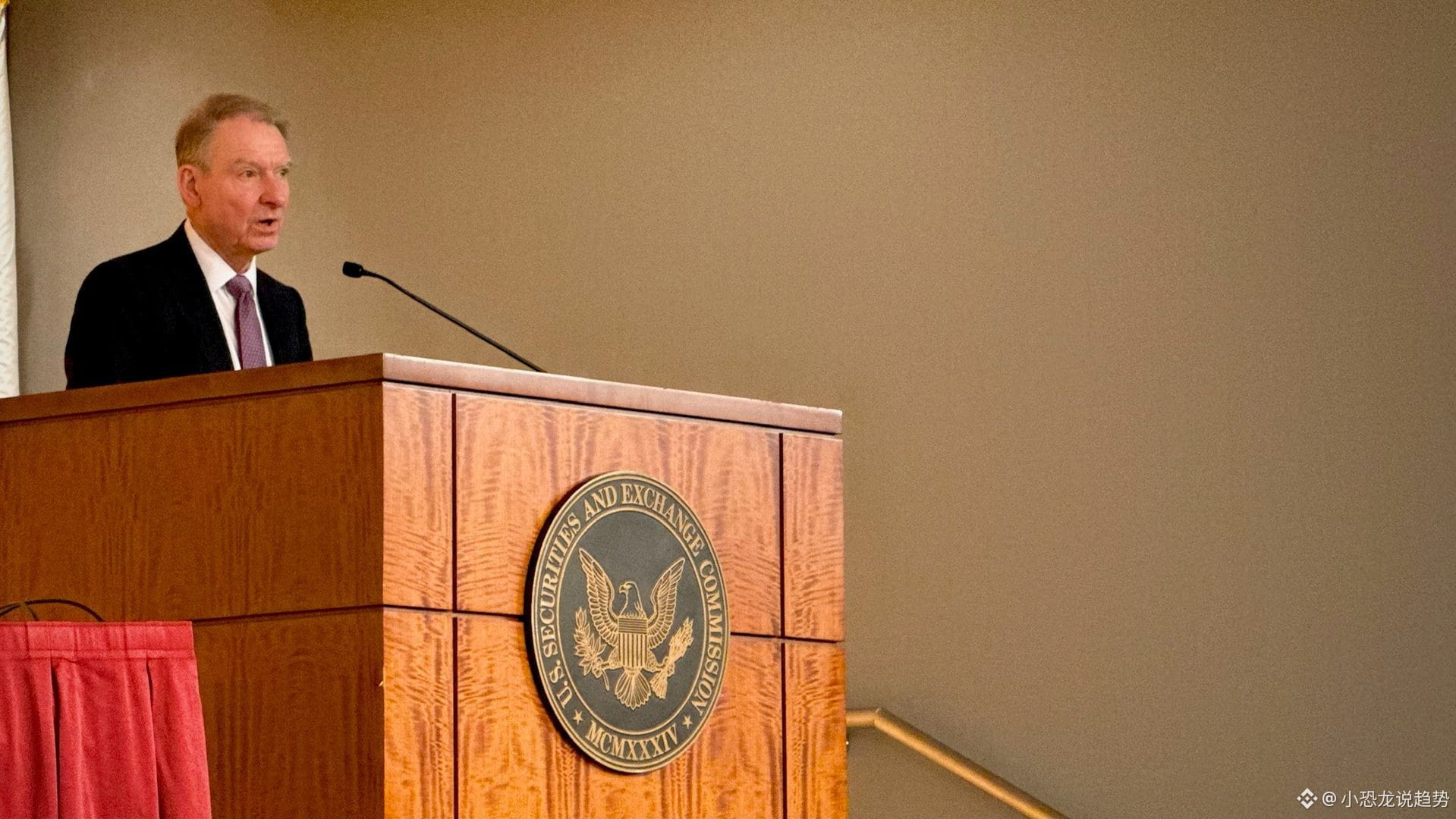
The U.S. SEC is reopening old issues—crypto custody rules are back on the table 📋
Back in 2023, they already wanted to draw up guidelines for how crypto assets should be held by investment advisers. The plan didn’t get pushed through.
Now they’re taking a different approach and trying again. Exactly how things will change is still being kept tightly under wraps by officials.
Why should you keep an eye on this? Because custody is the entry ticket for institutional funds.
When big money moves into crypto, the first thing isn’t buying coins—it’s finding a compliant place to store them.
If individuals manage their own wallets, that’s one thing. But institutions don’t dare take risks—one mistake could mean an astronomical lawsuit.
Once custody rules are implemented, banks and brokerages will finally dare to handle customers’ crypto assets at scale.
What the previous administration couldn’t get done, this new one is picking up again. The direction alone can tell you something.
The rules haven’t been released yet, which suggests there’s still internal debate. But the fact that they’re going back and forth again and again is itself a signal:
Regulators are giving crypto a formal seat—not simply driving it away.
The version from back then drew too much criticism for being too strict. This time, it will likely be a bit looser—but nobody knows where the bottom line is.
For retail investors, custody rules may look unrelated to the market. In reality, they matter a lot.
When institutional money comes in, liquidity thickens—volatility will gradually be dampened.
Of course, don’t expect overnight changes. From when a rule is proposed to when it’s actually rolled out, the timeline is measured in years.
In the short term, with the rules still vague, it’s normal that the market doesn’t react.
In the long run, once custody becomes compliant, traditional large capital will finally have the courage to enter.
Standardized on-chain asset custody is one of the key prerequisites for institutions to really move in.
During this kind of “quiet period,” it’s basically waiting for a passcode.
Every day, I’ll help you track regulatory hot topics—not just what happens in the news, but the logic and opportunities behind it 👀🚀
Click the link below to follow me 👇🏻加入小恐龙粉丝群
#Regulation #CryptoCustody #SEC
Back in 2023, they already wanted to draw up guidelines for how crypto assets should be held by investment advisers. The plan didn’t get pushed through.
Now they’re taking a different approach and trying again. Exactly how things will change is still being kept tightly under wraps by officials.
Why should you keep an eye on this? Because custody is the entry ticket for institutional funds.
When big money moves into crypto, the first thing isn’t buying coins—it’s finding a compliant place to store them.
If individuals manage their own wallets, that’s one thing. But institutions don’t dare take risks—one mistake could mean an astronomical lawsuit.
Once custody rules are implemented, banks and brokerages will finally dare to handle customers’ crypto assets at scale.
What the previous administration couldn’t get done, this new one is picking up again. The direction alone can tell you something.
The rules haven’t been released yet, which suggests there’s still internal debate. But the fact that they’re going back and forth again and again is itself a signal:
Regulators are giving crypto a formal seat—not simply driving it away.
The version from back then drew too much criticism for being too strict. This time, it will likely be a bit looser—but nobody knows where the bottom line is.
For retail investors, custody rules may look unrelated to the market. In reality, they matter a lot.
When institutional money comes in, liquidity thickens—volatility will gradually be dampened.
Of course, don’t expect overnight changes. From when a rule is proposed to when it’s actually rolled out, the timeline is measured in years.
In the short term, with the rules still vague, it’s normal that the market doesn’t react.
In the long run, once custody becomes compliant, traditional large capital will finally have the courage to enter.
Standardized on-chain asset custody is one of the key prerequisites for institutions to really move in.
During this kind of “quiet period,” it’s basically waiting for a passcode.
Every day, I’ll help you track regulatory hot topics—not just what happens in the news, but the logic and opportunities behind it 👀🚀
Click the link below to follow me 👇🏻加入小恐龙粉丝群
#Regulation #CryptoCustody #SEC