$BTR $NVDA.US $ETH Don’t panic about the double kill in the dead of night! Oil and AI hardware plunge— the truth isn’t recession
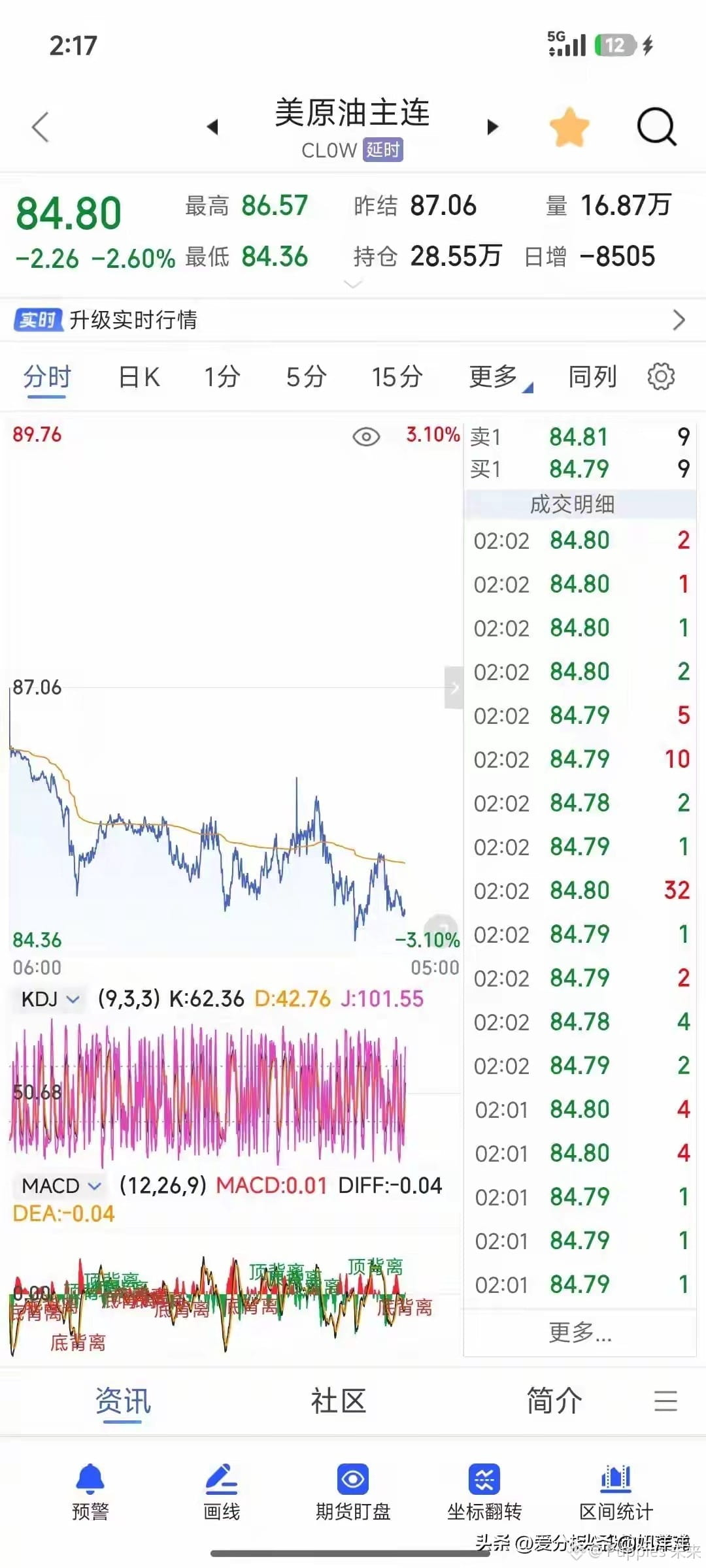
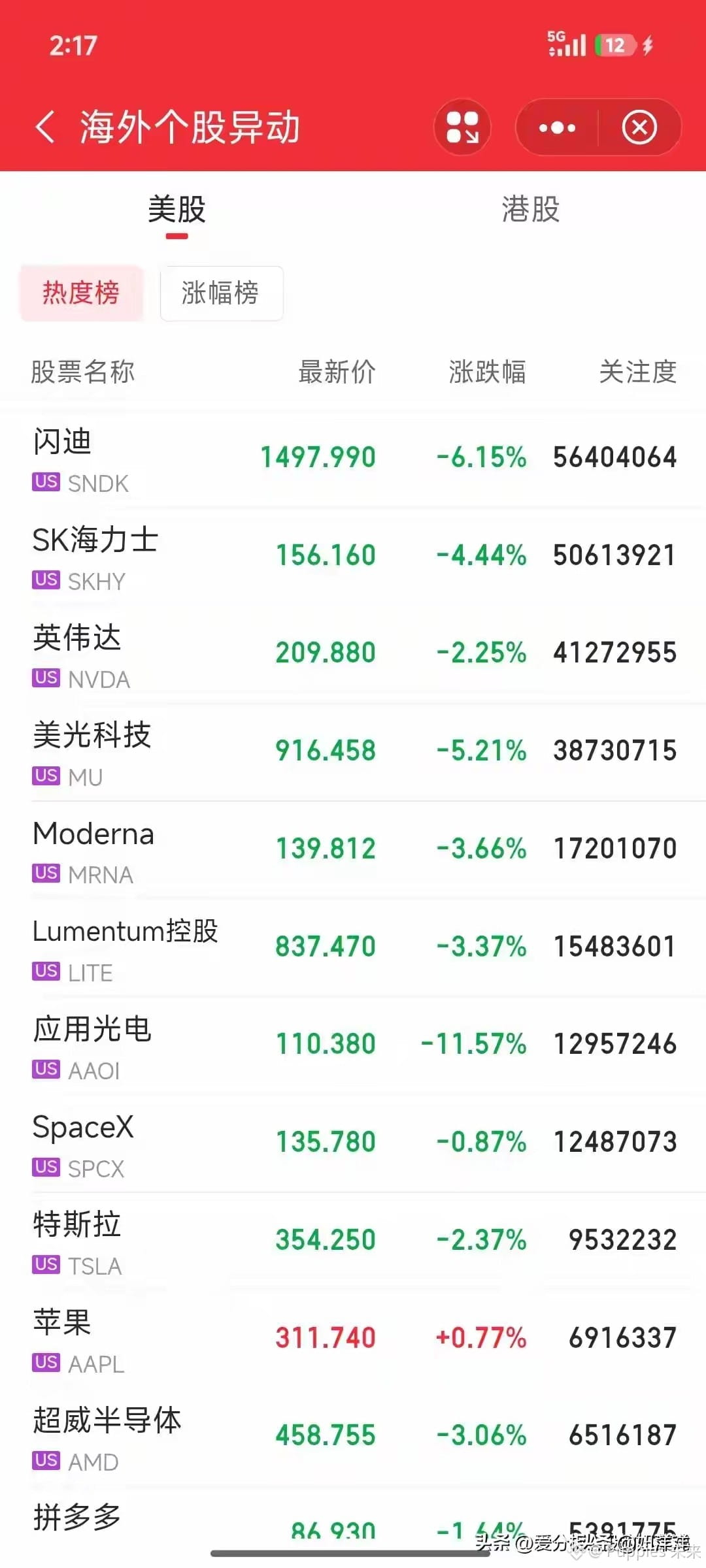
Last night, overseas markets once again messed with people’s emotions: U.S. crude oil slid from 86.57 all the way down to 84.36, down more than 2.6%; meanwhile, the three major subsector leaders in AI hardware all pulled back together—Applied Optoelectronics plunged 11%, and SanDisk and Micron followed suit. Many people’s first reaction is “recession is here,” but the truth is not that simple.
This move is essentially institutions rebalancing, not a fundamental breakdown. Let’s clear up two misconceptions first: First, the 84-dollar level for oil isn’t an unbreakable floor—just a psychological barrier for short-term speculative capital. OPEC+ production cuts are still being carried out, and supply-demand dynamics haven’t changed fundamentally. Second, a broad pullback in tech stocks doesn’t mean the AI rally is over. Funds are merely rotating from overvalued, “bubble-like” hardware toward the application side with lower valuations and where earnings are starting to materialize—they never really left the AI track. Institutions sent out sell signals half a month ago, but most people only saw the excitement of rising prices and missed the risks.
So the real meaning of this “double kill” is: AI is shifting from a broad-market beta-style rally to an alpha-style market focused on selected stocks. The stage where you can make money just by trading themes and telling stories is over. Next, it comes down to who can actually execute and turn it into profit.
There’s a high chance A-shares will open lower tomorrow, but there’s no need to panic excessively. After structural opportunities adjust and digest the pullback pressure, things may actually become clearer.
For ordinary people: don’t shout “financial crisis” just because of a drop, and don’t blindly rush into things just because of a rise. Keep most of your position in steady wealth-management products as your core holding; use a small portion to participate in volatility. If it drops, your life won’t be affected; if it rises, you still get to share in the returns. Having the adjustment release pullback pressure early isn’t all bad news.#SEC向白宫提交加密托管规则提案 #加密恐惧贪婪指数升至74
Last night, overseas markets once again messed with people’s emotions: U.S. crude oil slid from 86.57 all the way down to 84.36, down more than 2.6%; meanwhile, the three major subsector leaders in AI hardware all pulled back together—Applied Optoelectronics plunged 11%, and SanDisk and Micron followed suit. Many people’s first reaction is “recession is here,” but the truth is not that simple.
This move is essentially institutions rebalancing, not a fundamental breakdown. Let’s clear up two misconceptions first: First, the 84-dollar level for oil isn’t an unbreakable floor—just a psychological barrier for short-term speculative capital. OPEC+ production cuts are still being carried out, and supply-demand dynamics haven’t changed fundamentally. Second, a broad pullback in tech stocks doesn’t mean the AI rally is over. Funds are merely rotating from overvalued, “bubble-like” hardware toward the application side with lower valuations and where earnings are starting to materialize—they never really left the AI track. Institutions sent out sell signals half a month ago, but most people only saw the excitement of rising prices and missed the risks.
So the real meaning of this “double kill” is: AI is shifting from a broad-market beta-style rally to an alpha-style market focused on selected stocks. The stage where you can make money just by trading themes and telling stories is over. Next, it comes down to who can actually execute and turn it into profit.
There’s a high chance A-shares will open lower tomorrow, but there’s no need to panic excessively. After structural opportunities adjust and digest the pullback pressure, things may actually become clearer.
For ordinary people: don’t shout “financial crisis” just because of a drop, and don’t blindly rush into things just because of a rise. Keep most of your position in steady wealth-management products as your core holding; use a small portion to participate in volatility. If it drops, your life won’t be affected; if it rises, you still get to share in the returns. Having the adjustment release pullback pressure early isn’t all bad news.#SEC向白宫提交加密托管规则提案 #加密恐惧贪婪指数升至74