But if it's under 8000U, don’t rush to buy randomly—first remember these rules.
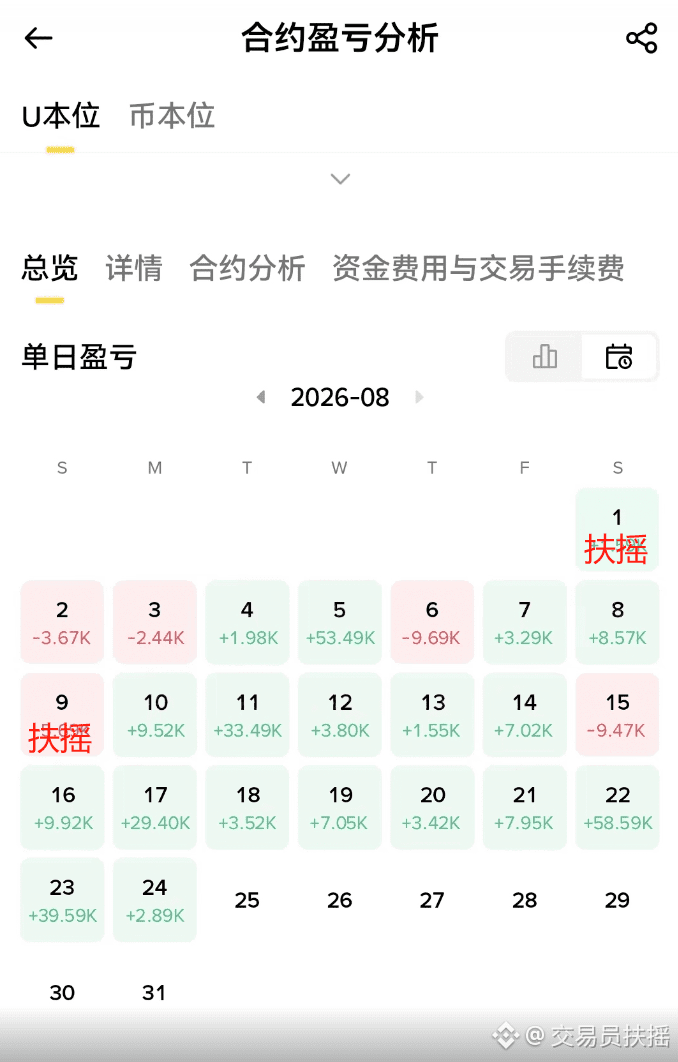
Trading isn’t about who has the biggest nerve; it’s about who can control risk. I used to bring a brother with me. He started with 8000U. It wasn’t because he went all-in on every trade, but because he built his position sizing, timing, and discipline step by step.
First, split your capital and always keep a fallback.
For example, with 8000U, don’t put everything in at once. Divide your funds into several parts: one portion for short-term trades, one portion waiting for trend opportunities, and keep the rest as reserve capital. Always leave yourself room to adjust—don’t let a single trade decide the fate of your whole account.
Second, only trade what you can clearly understand.
If you can’t read a sideways market, wait. If the trend isn’t clear, stay in cash. When an opportunity appears, then act. If profits reach your plan, take profit in batches—don’t always try to capture an entire wave.
Third, rules are always more important than your on-the-spot instincts.
Before opening a position, set your stop-loss and take-profit first. If the stop-loss is hit, admit the mistake. If you’re in profit, protect it in time. If you’re losing, don’t blindly add to the position—and never keep increasing size just to get back to break-even.
With small capital, what makes it grow isn’t about how much you can earn from a single win, but about making fewer mistakes, controlling drawdowns, and giving your account a chance to grow slowly.
8000U isn’t the key that determines the outcome. What truly decides how far you can go is whether you can control your position sizing and emotions.
If someone charges in recklessly, they’ll flip the account sooner or later. With someone to guide you, you can move more steadily.
If you really want to change, why not start planning together with me sooner?
Trading isn’t about who has the biggest nerve; it’s about who can control risk. I used to bring a brother with me. He started with 8000U. It wasn’t because he went all-in on every trade, but because he built his position sizing, timing, and discipline step by step.
First, split your capital and always keep a fallback.
For example, with 8000U, don’t put everything in at once. Divide your funds into several parts: one portion for short-term trades, one portion waiting for trend opportunities, and keep the rest as reserve capital. Always leave yourself room to adjust—don’t let a single trade decide the fate of your whole account.
Second, only trade what you can clearly understand.
If you can’t read a sideways market, wait. If the trend isn’t clear, stay in cash. When an opportunity appears, then act. If profits reach your plan, take profit in batches—don’t always try to capture an entire wave.
Third, rules are always more important than your on-the-spot instincts.
Before opening a position, set your stop-loss and take-profit first. If the stop-loss is hit, admit the mistake. If you’re in profit, protect it in time. If you’re losing, don’t blindly add to the position—and never keep increasing size just to get back to break-even.
With small capital, what makes it grow isn’t about how much you can earn from a single win, but about making fewer mistakes, controlling drawdowns, and giving your account a chance to grow slowly.
8000U isn’t the key that determines the outcome. What truly decides how far you can go is whether you can control your position sizing and emotions.
If someone charges in recklessly, they’ll flip the account sooner or later. With someone to guide you, you can move more steadily.
If you really want to change, why not start planning together with me sooner?