📊 The U.S. hits the “economic D-day,” moving crypto onto the main battlefield of sanctions against Iran
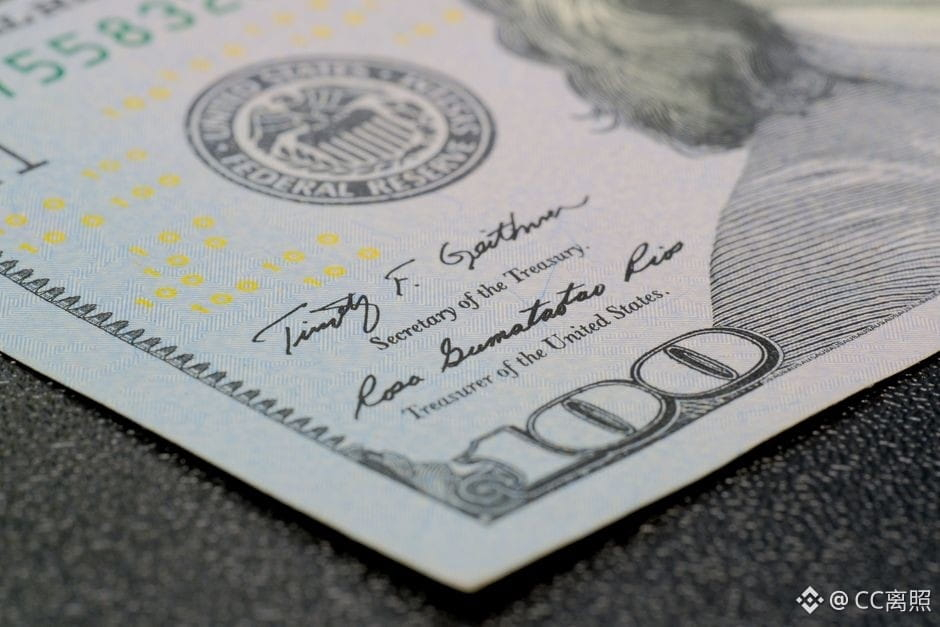
On August 24, U.S. Treasury Secretary Bessent took the podium at the Treasury Department and announced an “Economic Runaway Action” against Iran. The core message in one sentence: anyone who still does business with Iran will be kicked out of the dollar system.
He called out five areas, with digital assets first, followed by technology, gold, commercial aviation, and shipping. The Treasury Department itself said that Iran has been using cryptocurrencies to evade sanctions, using gold as an inflation hedge, and using civilian airlines and cargo ships to move money and weapons.
The Iranian rial was the first to buckle. On August 24 alone, it took 2.02 million rials to buy 1 U.S. dollar—the lowest level in history. Inflation is 66%. People’s money is shrinking in value.
Bessent added one more line: next week, sanctions will target a “large financial institution.” When asked whether it was the Bank of China, he said no one could escape the reach of the United States. China, Turkey, and the UAE—Iran’s three largest trading partners—are all in the crosshairs.
This is the logic I see. The essence of the U.S. move is to treat the dollar as a weapon. But the more a weapon is swung, the more others will look for settlement channels that don’t go through the dollar. Iran is already using stablecoins, and countries that get scared will start thinking: should we leave ourselves a fallback plan?
The more the dollar is used like a club, the more valuable the crypto-based settlement layer that bypasses the dollar becomes. The four words “digital assets” on the sanctions list are both a crackdown and a live advertisement.
$BTC
#中本聪国际社区Baoluo币商资本 #Bitcoin #Iran sanctions
On August 24, U.S. Treasury Secretary Bessent took the podium at the Treasury Department and announced an “Economic Runaway Action” against Iran. The core message in one sentence: anyone who still does business with Iran will be kicked out of the dollar system.
He called out five areas, with digital assets first, followed by technology, gold, commercial aviation, and shipping. The Treasury Department itself said that Iran has been using cryptocurrencies to evade sanctions, using gold as an inflation hedge, and using civilian airlines and cargo ships to move money and weapons.
The Iranian rial was the first to buckle. On August 24 alone, it took 2.02 million rials to buy 1 U.S. dollar—the lowest level in history. Inflation is 66%. People’s money is shrinking in value.
Bessent added one more line: next week, sanctions will target a “large financial institution.” When asked whether it was the Bank of China, he said no one could escape the reach of the United States. China, Turkey, and the UAE—Iran’s three largest trading partners—are all in the crosshairs.
This is the logic I see. The essence of the U.S. move is to treat the dollar as a weapon. But the more a weapon is swung, the more others will look for settlement channels that don’t go through the dollar. Iran is already using stablecoins, and countries that get scared will start thinking: should we leave ourselves a fallback plan?
The more the dollar is used like a club, the more valuable the crypto-based settlement layer that bypasses the dollar becomes. The four words “digital assets” on the sanctions list are both a crackdown and a live advertisement.
$BTC
#中本聪国际社区Baoluo币商资本 #Bitcoin #Iran sanctions