
AbdullRauf
8.2k Posts

AbdullRauf
 Square Verified
Hi Guys i am Spot trader specialist in Intra Daytrade, DCA and Swing trade. Follow me tostay updated about market and Binance reward Campaigns.
Open Trade
Frequent Trader
1.3 Years
1.1K+ Following
30.2K+ Followers
27.1K+ Liked
Posts
Portfolio
All
Quotes
Videos
Live
PINNED
GIVEAWAY ALERT 🧧
We're giving away 2000 gifts to our Square Family as a huge thank you for your support!
To Enter:
✅ Follow
✅ Share this post
✅ Comment "666 !"
Random winners will be selected. Good luck, everyone! 🚀
We're giving away 2000 gifts to our Square Family as a huge thank you for your support!
To Enter:
✅ Follow
✅ Share this post
✅ Comment "666 !"
Random winners will be selected. Good luck, everyone! 🚀

PINNED
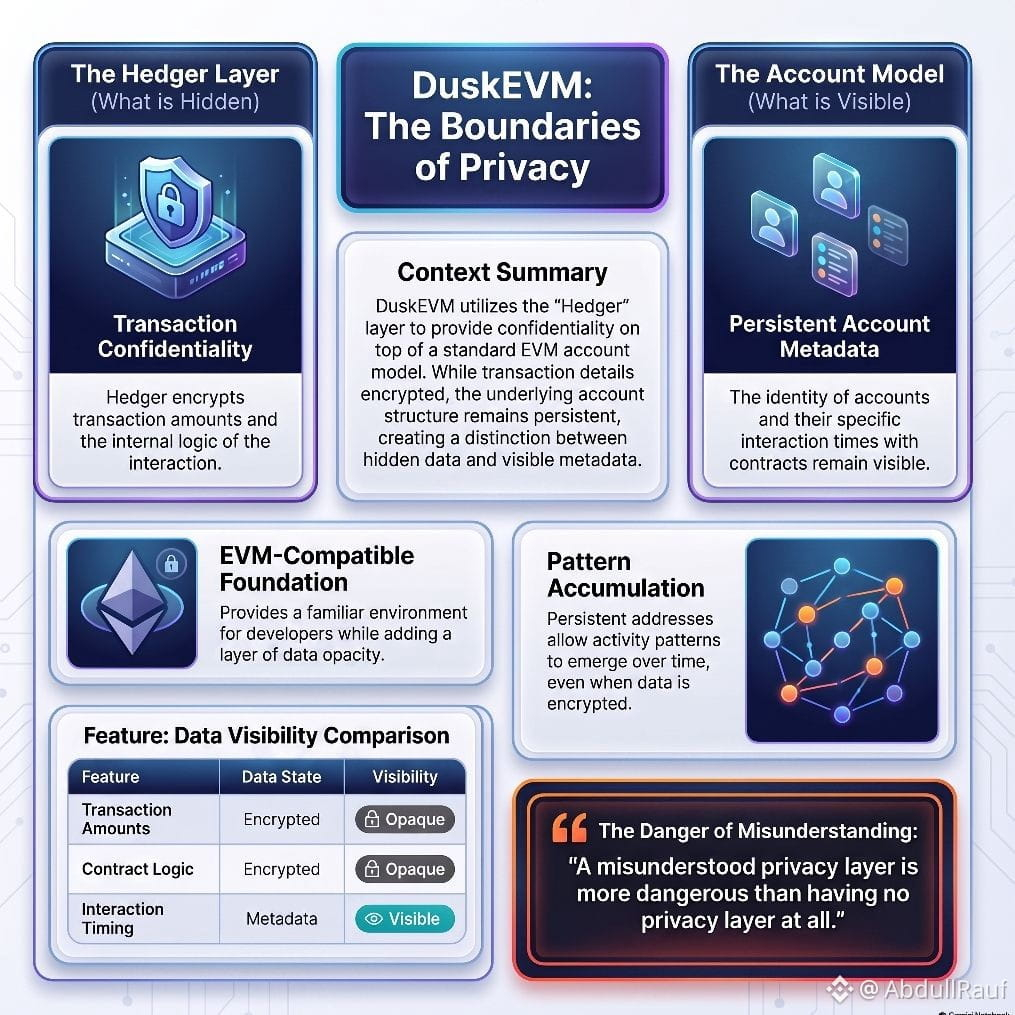
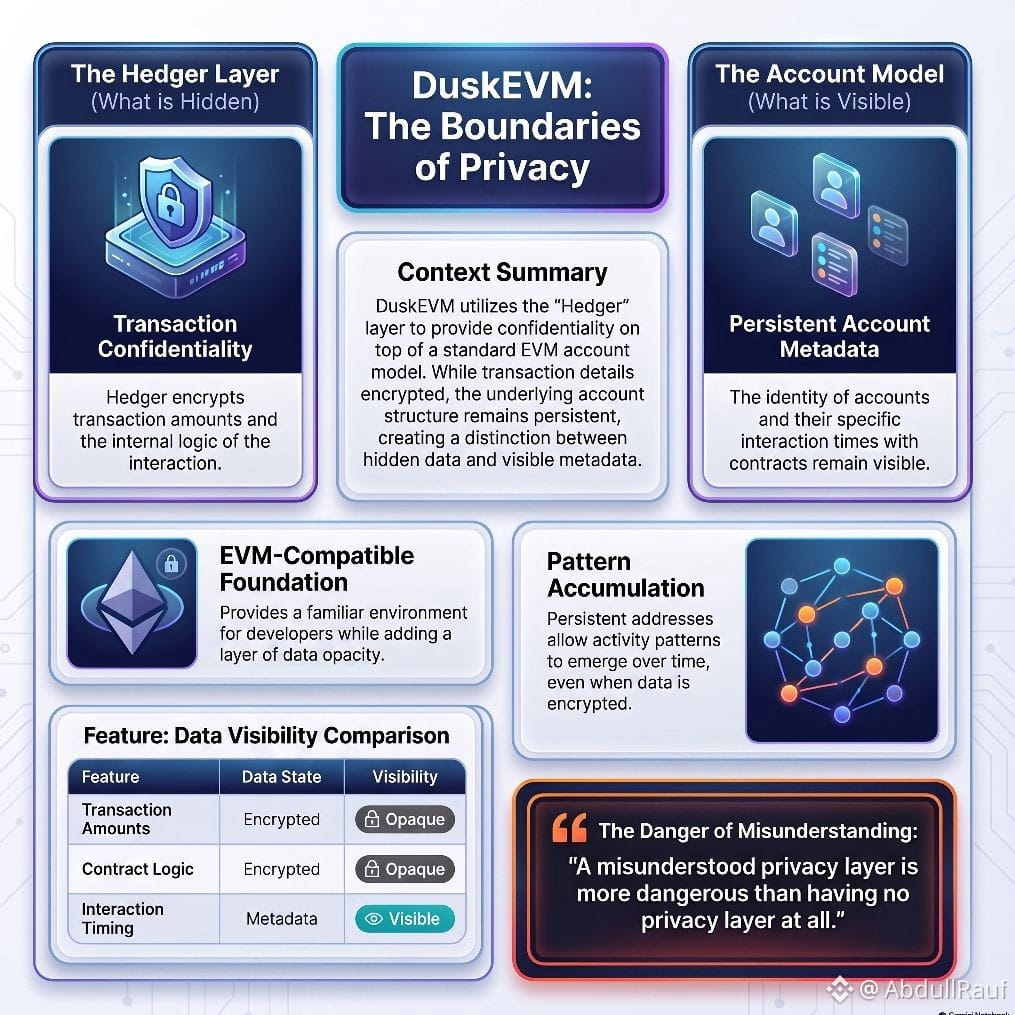
At first I assumed adding privacy to an EVM environment was the same as building privacy from the start. From the outside the two look similar. On the inside they are not.
The EVM account model carries a structural assumption. Addresses persist. Activity accumulates. Even when individual transactions are encrypted, the account itself becomes a pattern over time. Hedger adds confidentiality on top of that model. Transaction data can become opaque. The account structure remains visible.
So the real question is narrower. When Hedger encrypts a transaction, what exactly is hidden and what is not? Amounts and internal logic may stay private. The fact that this account interacted with this contract at this time is often still visible. In regulated finance, who traded with whom and when can matter as much as what they traded.
This is not a flaw in the design. Account-based EVM is practical for developers. Hedger is a real privacy layer. The risk is misunderstanding. A privacy layer that people overestimate can be more dangerous than no privacy layer at all.
Does transaction-level confidentiality give institutions enough protection, or does the account model underneath quietly limit the whole promise?
#dusk $DUSK @Dusk
The EVM account model carries a structural assumption. Addresses persist. Activity accumulates. Even when individual transactions are encrypted, the account itself becomes a pattern over time. Hedger adds confidentiality on top of that model. Transaction data can become opaque. The account structure remains visible.
So the real question is narrower. When Hedger encrypts a transaction, what exactly is hidden and what is not? Amounts and internal logic may stay private. The fact that this account interacted with this contract at this time is often still visible. In regulated finance, who traded with whom and when can matter as much as what they traded.
This is not a flaw in the design. Account-based EVM is practical for developers. Hedger is a real privacy layer. The risk is misunderstanding. A privacy layer that people overestimate can be more dangerous than no privacy layer at all.
Does transaction-level confidentiality give institutions enough protection, or does the account model underneath quietly limit the whole promise?
#dusk $DUSK @Dusk
Maya

MAYA_
·
--
BullishThank you #Binance 💛
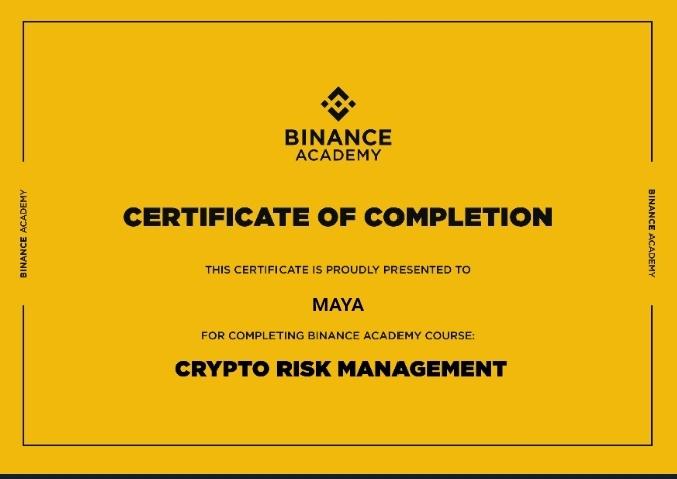
It feels so good when I get a certificate. Wow, it's really a joy.
@Binance Academy
It feels so good when I get a certificate. Wow, it's really a joy.
@Binance Academy
jannat

JANNAT BM_
·
--
Thank you #Binance 💛
My first certificate form @Binance Academy 💛💛💛
My first certificate form @Binance Academy 💛💛💛

Zhou

周周1688
·
--
🚀 Aug 25|Crypto Market Snapshot
$BNB 🧧🧧
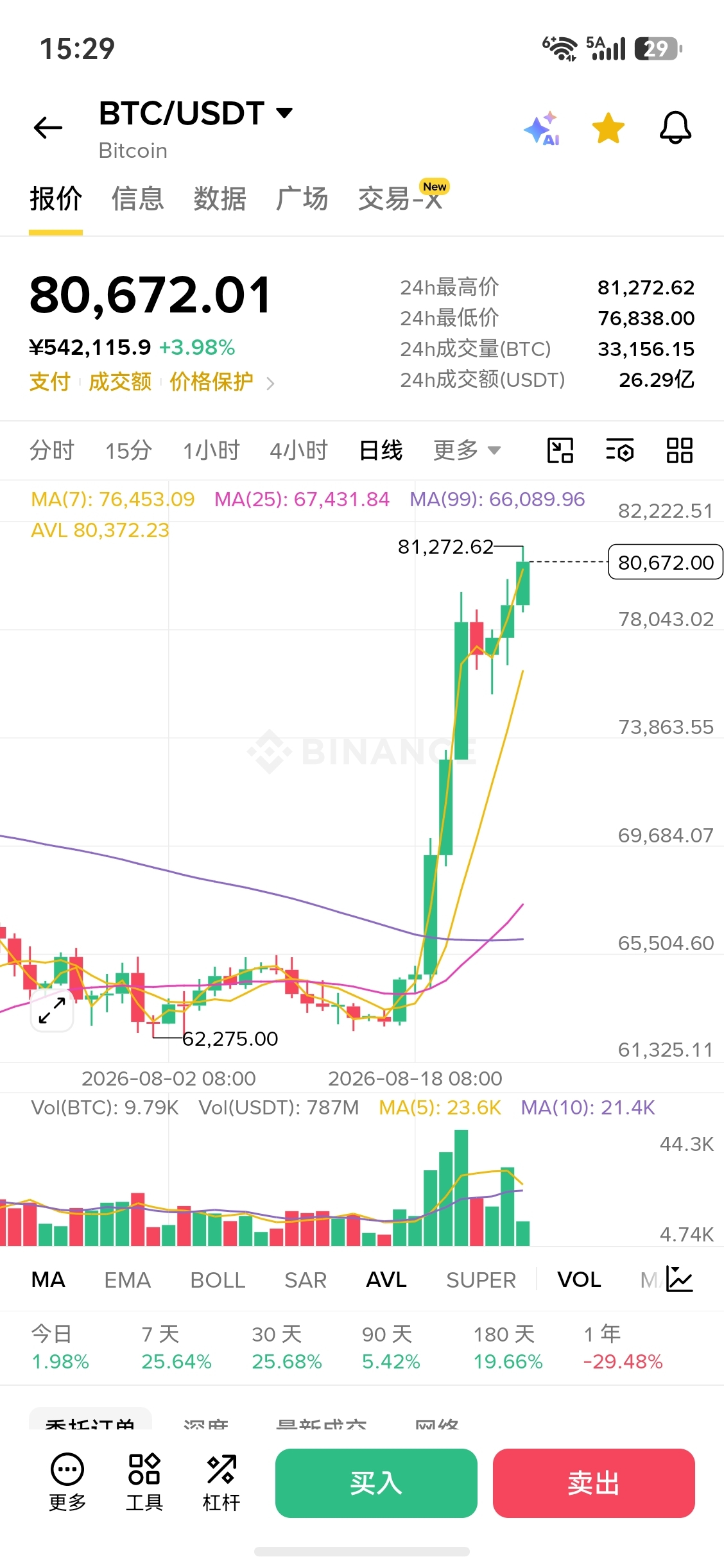
🔥 BTC breaks above $80,000, the bull-market train keeps accelerating
BTC today broke above $80,000, briefly surging to $81,000–$81,200 and setting a new high since May.
Currently, the market is consolidating at high levels. In the past 24 hours, it’s up roughly 3–4.5%, with the weekly gain widening to 24–26%.
ETH is around $2,480–$2,510, SOL has broken above $100, and XRP and other major altcoins are strengthening in tandem.
🌐 Total market cap breaks above $2.75T
Market gains are no longer just a one-horse show led by BTC. ETH, SOL, XRP, and other large assets are rising together, indicating capital is spreading more broadly across the market.
💰 Institutional flows continue to drive the rally
Last week, U.S. spot Bitcoin ETFs saw net inflows of about $1.9B. Institutional demand remains an important support for this leg of the upswing.
Continued ETF inflows also give BTC breaking above $80K a more solid capital base than pure short-term speculation.
🇺🇸 “Debasement Trade” keeps heating up
After the U.S. Treasury expanded long-term Treasury buyback operations, market attention to liquidity, a weakening U.S. dollar, and the risk of asset value depreciation has intensified.
In this environment, Bitcoin as a scarce asset continues to attract capital.
🔥 Market enters Greed / Extreme Greed
BTC’s rapid rise is pushing market sentiment into an extreme greed zone.
Meanwhile, open interest in the derivatives market and short liquidations have increased notably—this can further amplify the rally, but it also means that if buy pressure fades, a pullback could be just as swift.
⚠️ DeFi: Term Finance attack losses of about $8.5M
Term Finance previously suffered an attack related to its governance mechanism and shut down Meta Vaults.
The incident once again reminds the market: DeFi risks don’t only come from smart-contract vulnerabilities—governance mechanisms themselves can also become an entry point for attacks.
🛡️ TAC Blockchain hit with a vulnerability in the ~$7.5M range
TAC Blockchain, a Cosmos EVM ecosystem project, suffered a security incident with estimated losses of about $7.5M.
Even as the market surges wildly, DeFi security issues remain worth watching closely.
📊 Key focus for today
BTC → $80K+
ETH → ~$2.5K
SOL → $100+
TOTAL MARKET CAP → $2.75T+
BTC ETF → +$1.9B / week
---
🚀 BTC is back above $80K.
Over the past week, the market surged from around $64K to $81K, driven by capital flows, ETFs, and overall risk appetite.
How long can $80K hold?
The real test ahead is whether it can stay firm after the breakout.$BTC
#1688家族family
$BNB 🧧🧧
🔥 BTC breaks above $80,000, the bull-market train keeps accelerating
BTC today broke above $80,000, briefly surging to $81,000–$81,200 and setting a new high since May.
Currently, the market is consolidating at high levels. In the past 24 hours, it’s up roughly 3–4.5%, with the weekly gain widening to 24–26%.
ETH is around $2,480–$2,510, SOL has broken above $100, and XRP and other major altcoins are strengthening in tandem.
🌐 Total market cap breaks above $2.75T
Market gains are no longer just a one-horse show led by BTC. ETH, SOL, XRP, and other large assets are rising together, indicating capital is spreading more broadly across the market.
💰 Institutional flows continue to drive the rally
Last week, U.S. spot Bitcoin ETFs saw net inflows of about $1.9B. Institutional demand remains an important support for this leg of the upswing.
Continued ETF inflows also give BTC breaking above $80K a more solid capital base than pure short-term speculation.
🇺🇸 “Debasement Trade” keeps heating up
After the U.S. Treasury expanded long-term Treasury buyback operations, market attention to liquidity, a weakening U.S. dollar, and the risk of asset value depreciation has intensified.
In this environment, Bitcoin as a scarce asset continues to attract capital.
🔥 Market enters Greed / Extreme Greed
BTC’s rapid rise is pushing market sentiment into an extreme greed zone.
Meanwhile, open interest in the derivatives market and short liquidations have increased notably—this can further amplify the rally, but it also means that if buy pressure fades, a pullback could be just as swift.
⚠️ DeFi: Term Finance attack losses of about $8.5M
Term Finance previously suffered an attack related to its governance mechanism and shut down Meta Vaults.
The incident once again reminds the market: DeFi risks don’t only come from smart-contract vulnerabilities—governance mechanisms themselves can also become an entry point for attacks.
🛡️ TAC Blockchain hit with a vulnerability in the ~$7.5M range
TAC Blockchain, a Cosmos EVM ecosystem project, suffered a security incident with estimated losses of about $7.5M.
Even as the market surges wildly, DeFi security issues remain worth watching closely.
📊 Key focus for today
BTC → $80K+
ETH → ~$2.5K
SOL → $100+
TOTAL MARKET CAP → $2.75T+
BTC ETF → +$1.9B / week
---
🚀 BTC is back above $80K.
Over the past week, the market surged from around $64K to $81K, driven by capital flows, ETFs, and overall risk appetite.
How long can $80K hold?
The real test ahead is whether it can stay firm after the breakout.$BTC
#1688家族family

Mahi

Mahi_玛希BNB
·
--
BTC Queen 👑₿
BTC is still the queen of the crypto market. 👑
Strong community, limited supply, and long-term potential make Bitcoin a favorite for many investors. 🚀
Keep learning, manage risk, and DYOR. 💎
1️⃣ **Follow MAHI BNB** ✅
2️⃣ **Like & Comment “BTC ”** ✅
3️⃣ **Repost This Post** 🔄✅
4️⃣ **Stay Tuned for the Next Gift 🎁🧧** ✅
#BTC☀ #Bitcoin❗ #Crypto_Jobs🎯 #BinanceSquareFamily #BTCQueen #CryptoCommunity #trading
$BTC $BNB $ETH
BTC is still the queen of the crypto market. 👑
Strong community, limited supply, and long-term potential make Bitcoin a favorite for many investors. 🚀
Keep learning, manage risk, and DYOR. 💎
1️⃣ **Follow MAHI BNB** ✅
2️⃣ **Like & Comment “BTC ”** ✅
3️⃣ **Repost This Post** 🔄✅
4️⃣ **Stay Tuned for the Next Gift 🎁🧧** ✅
#BTC☀ #Bitcoin❗ #Crypto_Jobs🎯 #BinanceSquareFamily #BTCQueen #CryptoCommunity #trading
$BTC $BNB $ETH

1111

阿波罗1111
·
--
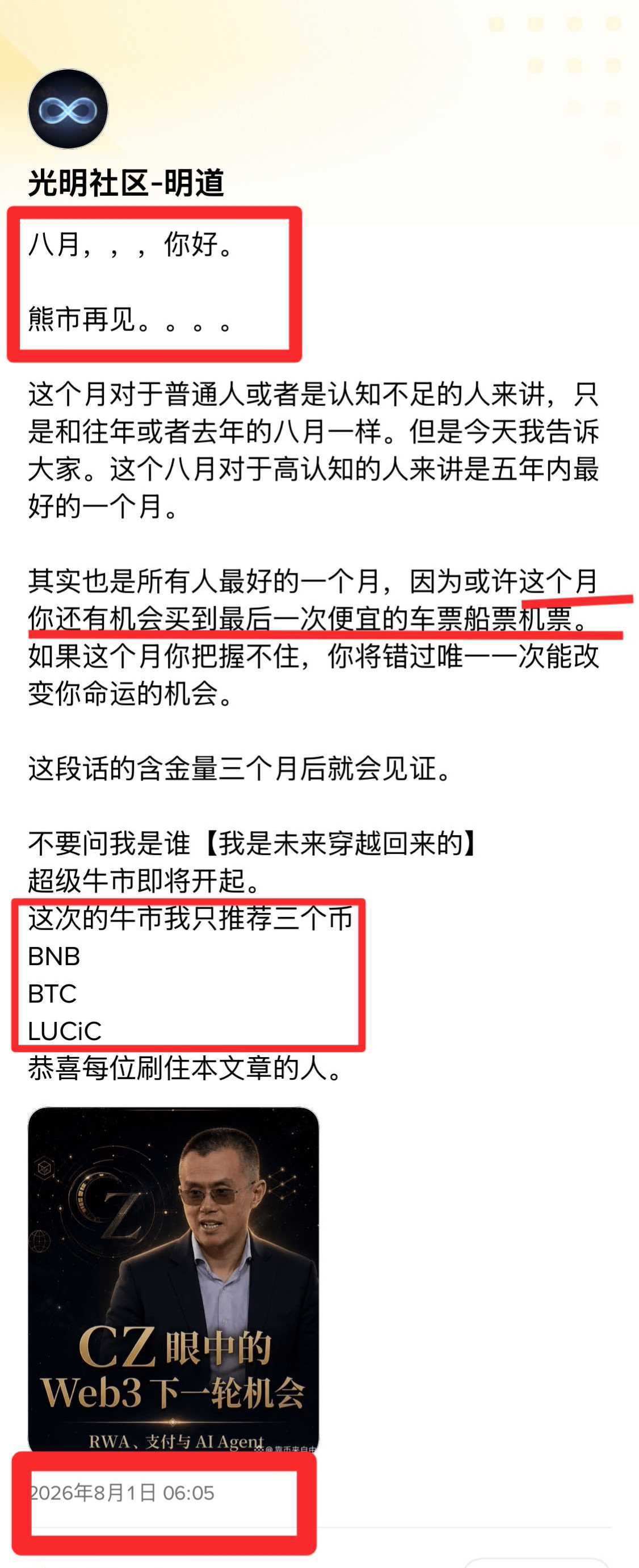
Prophet of Destiny👇👇👇👇👇👇👇👇👇
Founder of the Bright Community @光明社区-明道
Success is simple—just follow the right people and do the right things
Making money is as easy as breathing!
#BTC #BNB #LUCiC
Founder of the Bright Community @光明社区-明道
Success is simple—just follow the right people and do the right things
Making money is as easy as breathing!
#BTC #BNB #LUCiC
Leo

Leo - F0
·
--
Bullish🔥🧧🧧RED PACKAGE SEASON🧧🧧🔥
"Cast your doubts into the deep blue sea,
Chasing the life you were destined to lead."
$BTC 🔥🔥🧧🧧
#金价升破4400美元创两月高
$BNB $ETH
#1688家族family 💚 @周周1688
#BTCReaches$80000 #BitcoinOpenInterestFallsToTwoMonthLow
"Cast your doubts into the deep blue sea,
Chasing the life you were destined to lead."
$BTC 🔥🔥🧧🧧
#金价升破4400美元创两月高
$BNB $ETH
#1688家族family 💚 @周周1688
#BTCReaches$80000 #BitcoinOpenInterestFallsToTwoMonthLow

bull

Jaxson Bull
·
--
Bullish₿🎉 BTC SURPRISE GIVEAWAY BY JAXSON BULL! 🧧✨
Ready to get involved? 👀🎁
Don’t miss your chance to join the exclusive BTC community drop hosted by Jaxson Bull!
✅ Follow Jaxson Bull
❤️ Like this post
🔁 Share / Repost
💬 Comment “BTC” below 👇
🔥 Bring your crypto friends!
🧧 Stay active because more BTC surprises are coming from Jaxson Bull!
#JaxsonBull #BTC #RedPacket #Giveaway #CryptoCommunity
Ready to get involved? 👀🎁
Don’t miss your chance to join the exclusive BTC community drop hosted by Jaxson Bull!
✅ Follow Jaxson Bull
❤️ Like this post
🔁 Share / Repost
💬 Comment “BTC” below 👇
🔥 Bring your crypto friends!
🧧 Stay active because more BTC surprises are coming from Jaxson Bull!
#JaxsonBull #BTC #RedPacket #Giveaway #CryptoCommunity

Ahmed

Ahmed Ali Nizamani
·
--
310 + 3 =. 🎁🎁🎁✨✨✨

Anuuo

ANUUONCHAIN
·
--
❤🩹❤🩹❤🩹❤🩹❤🩹❤🩹❤🩹❤🩹❤🩹❤🩹❤🩹❤🩹❤🩹❤🩹❤🩹
follow me please
👏👏👏👏👏👏👏👏👏👏👏👏👏👏👏
follow me please
👏👏👏👏👏👏👏👏👏👏👏👏👏👏👏

Sara

Sara_ k
·
--
claim here 👈🎁
.
join & claim web3 benefits 👈🎁
.
join & claim web3 benefits 👈🎁

techno

Techno BNB
·
--
Claim ✨ $PEPE ✨
#PEPE
#pepe
#pepe⚡
#PEPE
#pepe
#pepe⚡

king

king Gulfam
·
--
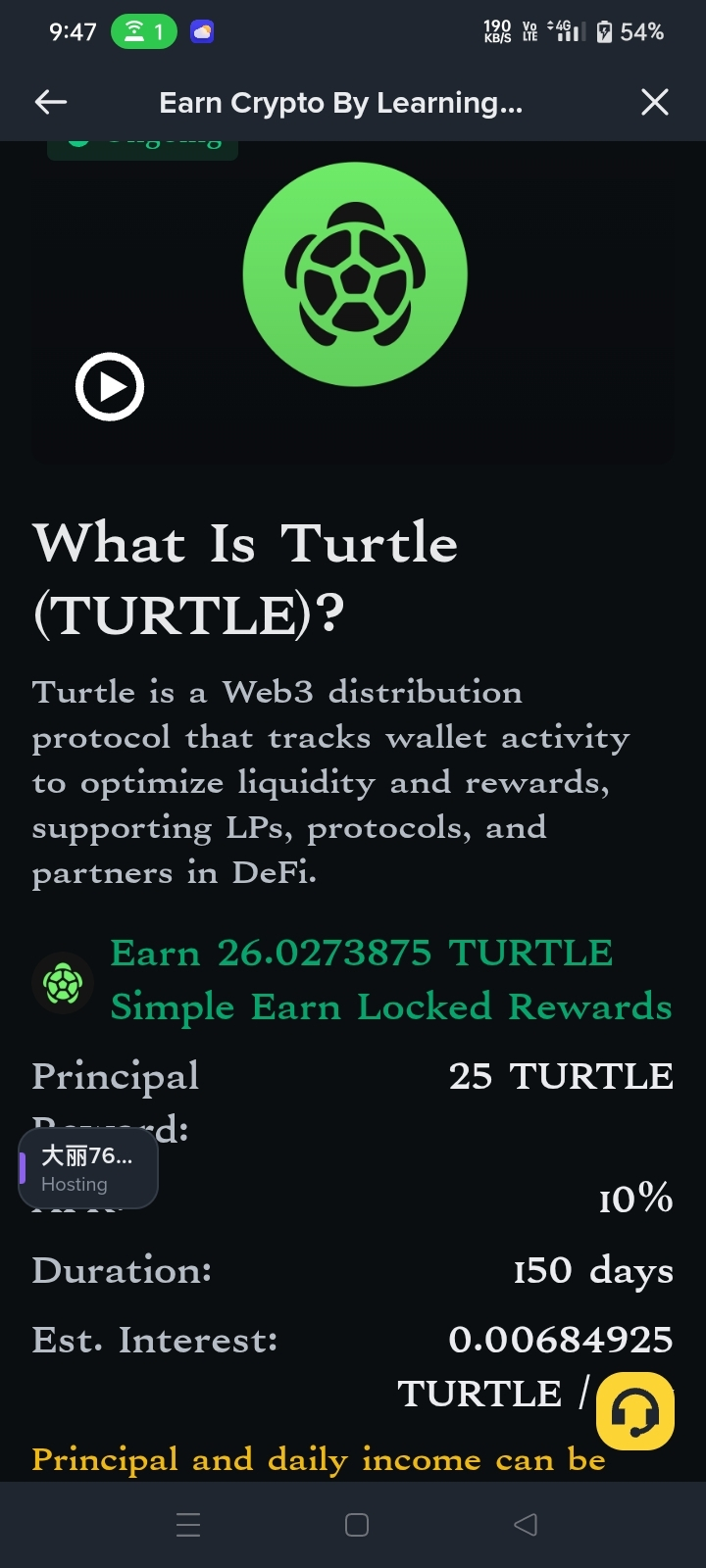
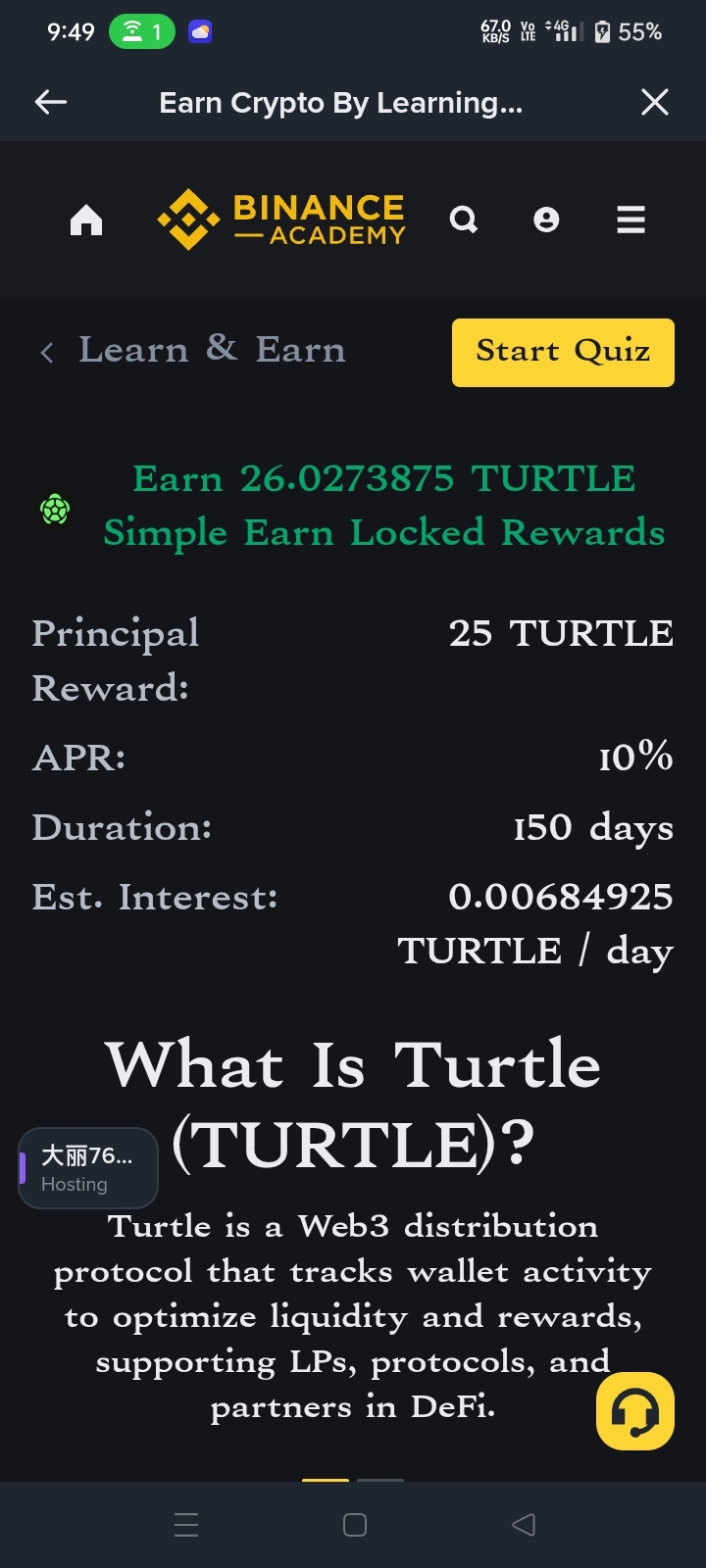
LAREN AND EARN
Earn free crypto through learning
👉🏻Build your blockchain knowledge, complete quizzes, and earn free crypto.
$SPK
$TURBO
$TURTLE
Earn free crypto through learning
👉🏻Build your blockchain knowledge, complete quizzes, and earn free crypto.
$SPK
$TURBO
$TURTLE
DK

DK短线复刻
·
--
Reply to receive red envelopes 🎁🎁

Najaf

NAJAF_加密 143
·
--
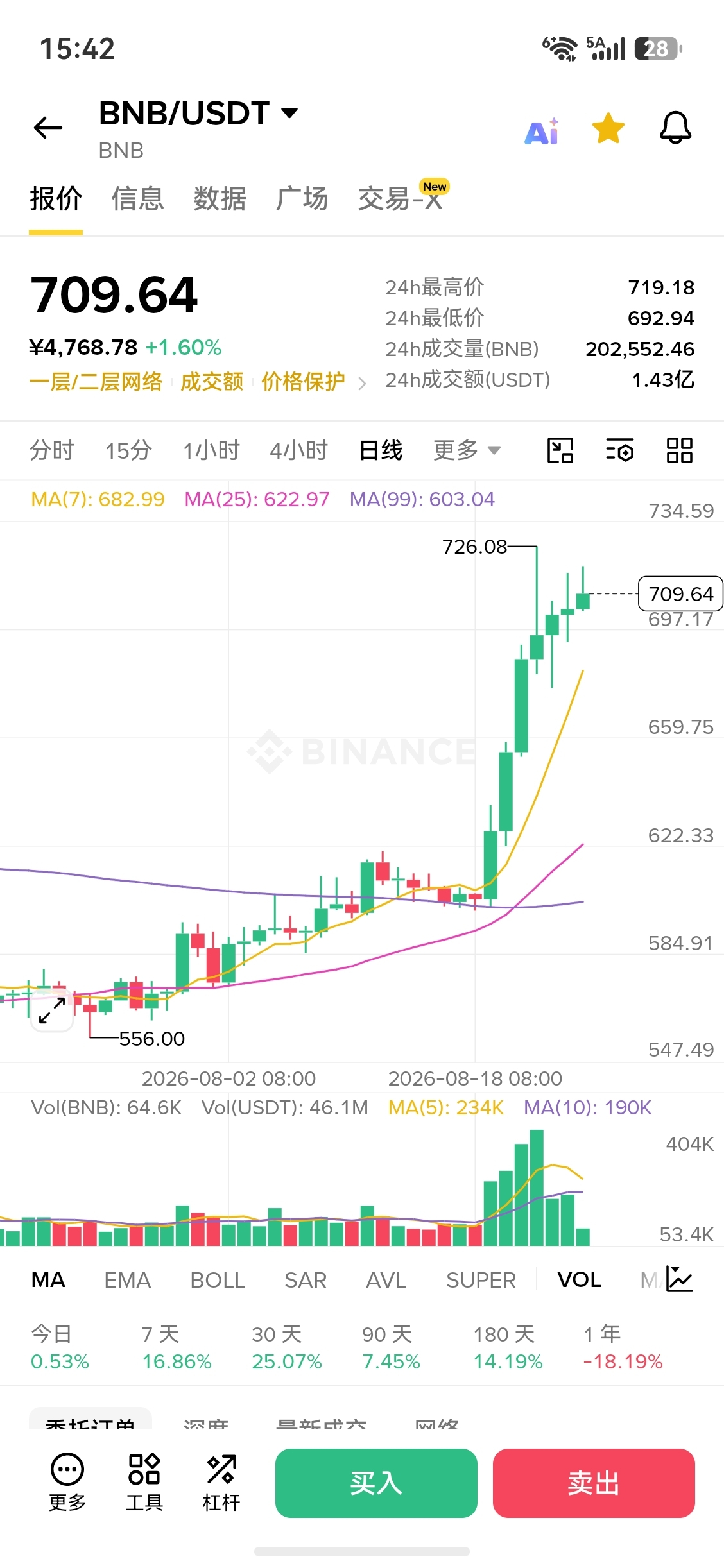
BNB has evolved from Binance’s exchange utility token into one of the most important assets in the crypto ecosystem. Its biggest strength is utility: BNB is used to pay gas fees on BNB Smart Chain, support staking, and power transactions across a large Web3 ecosystem.
🔥 Another key factor is BNB’s token-burning mechanism, which reduces supply over time and can create deflationary pressure.
📊 Current market position: As of August 24, 2026, BNB is trading around $700, with a market capitalization of roughly $93 billion, placing it around #5 among cryptocurrencies by market cap according to CoinMarketCap’s live data.
BNB’s importance comes from the combination of exchange utility + blockchain usage + staking + token burns + a large ecosystem.
The future of BNB will depend on BNB Chain adoption, Binance’s ecosystem strength, competition from other Layer-1 networks, and regulatory developments.
BNB is no longer simply a “Binance token” — it has become a major infrastructure asset in the crypto market. 🔶
$BNB #Binance #BNBChain #Crypto #Web3 #Blockchain
🔥 Another key factor is BNB’s token-burning mechanism, which reduces supply over time and can create deflationary pressure.
📊 Current market position: As of August 24, 2026, BNB is trading around $700, with a market capitalization of roughly $93 billion, placing it around #5 among cryptocurrencies by market cap according to CoinMarketCap’s live data.
BNB’s importance comes from the combination of exchange utility + blockchain usage + staking + token burns + a large ecosystem.
The future of BNB will depend on BNB Chain adoption, Binance’s ecosystem strength, competition from other Layer-1 networks, and regulatory developments.
BNB is no longer simply a “Binance token” — it has become a major infrastructure asset in the crypto market. 🔶
$BNB #Binance #BNBChain #Crypto #Web3 #Blockchain

Ahli

Ahli Hidaya Doka hy Sab Kuch
·
--
Bullish🚀 Institutional Momentum Surges: Crypto Spot ETFs Record Massive Inflows Led by BTC and ETH!
The latest weekly data for U.S. crypto spot ETFs is out, and it paints a powerfully bullish picture for the market. Institutional adoption is showing no signs of slowing down, with broad net inflows across major digital assets last week.
📊 Weekly ETF Inflows Breakdown:
Bitcoin (BTC): Dominating the board with a massive $1.92B in net inflows, cementing its position as the ultimate institutional favorite.
Ethereum (ETH): Following strong at $697.18M, proving steady confidence in smart contract dominance and layer-2 growth.
XRP: Pulling a solid $39.78M, showing continued institutional interest.
Solana (SOL): Securing $28.34M as high-performance blockchain demand grows.
Chainlink (LINK): Recording $13.35M, highlighting the vital role of decentralized oracle networks.
Altcoins & Ecosystems: HYPE ($3.89M), AVAX ($1.30M), HBAR ($848.19K), and DOGE ($654.42K) also saw positive green momentum.
💡 What This Means for Traders:
When capital floods into spot ETFs at this scale, it reduces circulating supply on the open market and signals strong long-term conviction from traditional finance (TradFi) players. While BTC and ETH take the lion's share, capital trickling down into altcoins shows a broadening market appetite.
Are you adjusting your spot bags based on these institutional moves? Let’s discuss in the comments below! 👇
#BinanceSquare #CryptoETFs #Bitcoin #Ethereum #CryptoTrading #BullRun #InstitutionalInvestors $XRP $SOL $ETH #dyor
The latest weekly data for U.S. crypto spot ETFs is out, and it paints a powerfully bullish picture for the market. Institutional adoption is showing no signs of slowing down, with broad net inflows across major digital assets last week.
📊 Weekly ETF Inflows Breakdown:
Bitcoin (BTC): Dominating the board with a massive $1.92B in net inflows, cementing its position as the ultimate institutional favorite.
Ethereum (ETH): Following strong at $697.18M, proving steady confidence in smart contract dominance and layer-2 growth.
XRP: Pulling a solid $39.78M, showing continued institutional interest.
Solana (SOL): Securing $28.34M as high-performance blockchain demand grows.
Chainlink (LINK): Recording $13.35M, highlighting the vital role of decentralized oracle networks.
Altcoins & Ecosystems: HYPE ($3.89M), AVAX ($1.30M), HBAR ($848.19K), and DOGE ($654.42K) also saw positive green momentum.
💡 What This Means for Traders:
When capital floods into spot ETFs at this scale, it reduces circulating supply on the open market and signals strong long-term conviction from traditional finance (TradFi) players. While BTC and ETH take the lion's share, capital trickling down into altcoins shows a broadening market appetite.
Are you adjusting your spot bags based on these institutional moves? Let’s discuss in the comments below! 👇
#BinanceSquare #CryptoETFs #Bitcoin #Ethereum #CryptoTrading #BullRun #InstitutionalInvestors $XRP $SOL $ETH #dyor


$DUSK Is Down 93%… Yet Holding Partnerships and a €200M+ Issuance Pipeline Most Protocols at This Price Don’t Have
AbdullRauf
·
--
Spent time trying to read two signals that point in different directions. The price is down ninety-three percent from its all-time high. The NPEX partnership is live. A confirmed issuance pipeline of over two hundred million euros exists. The Boreas upgrade shipped in May. Those two pictures do not belong to the same narrative. One suggests a project that failed to hold its launch momentum. The other suggests a project that kept building while the price declined. Infrastructure tokens have a timing problem that equity markets do not. A company's stock price and its revenue usually move in the same direction over time. A protocol's token price and its actual usage can diverge for years. The price reflects what traders think today. The usage reflects what institutions decided months ago. What I cannot reconcile is the gap between the confirmed issuance number and the daily trading volume. Two hundred million euros in pipeline against three and a half million in daily volume is a wide distance. Either the issuance has not reached the chain yet or volume is not the right measure. @Dusk has partnerships that most protocols at this price would not. Whether that eventually shows up in the price or just in the history books is the question price charts were never designed to answer. When price and adoption diverge this far, which one is lying?
#dusk $DUSK @Dusk
#dusk $DUSK @Dusk

At first I assumed adding privacy to an EVM environment was the same as building privacy from the start. From the outside the two look similar. On the inside they are not.
The EVM account model carries a structural assumption. Addresses persist. Activity accumulates. Even when individual transactions are encrypted, the account itself becomes a pattern over time. Hedger adds confidentiality on top of that model. Transaction data can become opaque. The account structure remains visible.
So the real question is narrower. When Hedger encrypts a transaction, what exactly is hidden and what is not? Amounts and internal logic may stay private. The fact that this account interacted with this contract at this time is often still visible. In regulated finance, who traded with whom and when can matter as much as what they traded.
This is not a flaw in the design. Account-based EVM is practical for developers. Hedger is a real privacy layer. The risk is misunderstanding. A privacy layer that people overestimate can be more dangerous than no privacy layer at all.
Does transaction-level confidentiality give institutions enough protection, or does the account model underneath quietly limit the whole promise?
#dusk $DUSK @Dusk
The EVM account model carries a structural assumption. Addresses persist. Activity accumulates. Even when individual transactions are encrypted, the account itself becomes a pattern over time. Hedger adds confidentiality on top of that model. Transaction data can become opaque. The account structure remains visible.
So the real question is narrower. When Hedger encrypts a transaction, what exactly is hidden and what is not? Amounts and internal logic may stay private. The fact that this account interacted with this contract at this time is often still visible. In regulated finance, who traded with whom and when can matter as much as what they traded.
This is not a flaw in the design. Account-based EVM is practical for developers. Hedger is a real privacy layer. The risk is misunderstanding. A privacy layer that people overestimate can be more dangerous than no privacy layer at all.
Does transaction-level confidentiality give institutions enough protection, or does the account model underneath quietly limit the whole promise?
#dusk $DUSK @Dusk
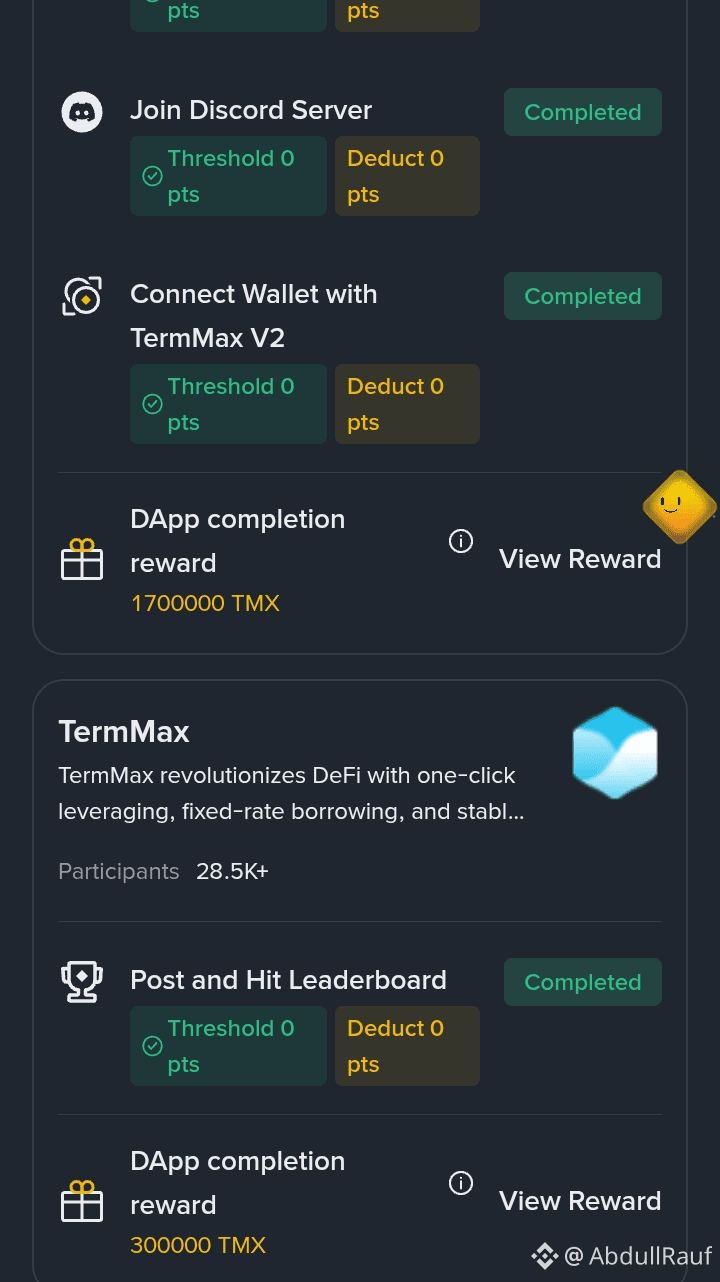
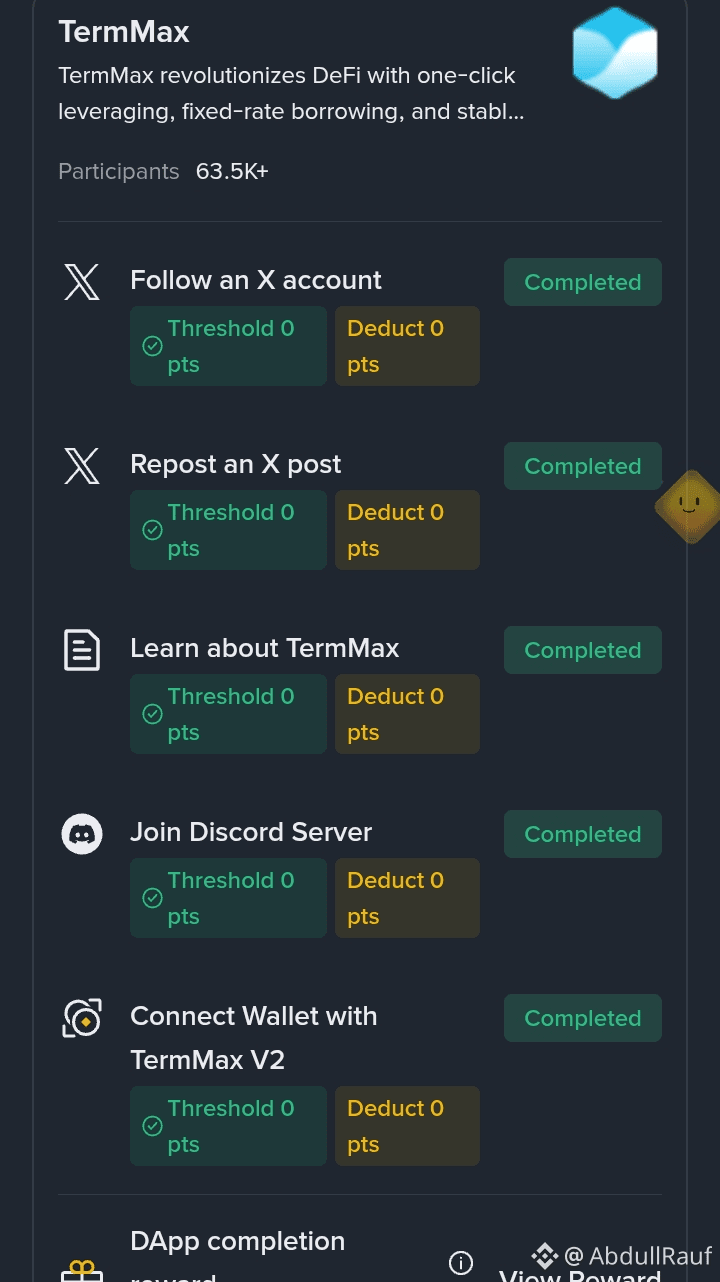
At first I assumed appearing on the leaderboard was enough.
Spent time checking the rules and realized verification is the real gate.
Today is the only window.
Binance Wallet → Discover → Booster → TermMax → Square task → Complete & Verify.
Miss this step and the ranking means nothing
The quiet work of confirming still decides who actually gets paid.
@TermMax
#TermMax
Spent time checking the rules and realized verification is the real gate.
Today is the only window.
Binance Wallet → Discover → Booster → TermMax → Square task → Complete & Verify.
Miss this step and the ranking means nothing
The quiet work of confirming still decides who actually gets paid.
@TermMax
#TermMax
Log in to explore more content