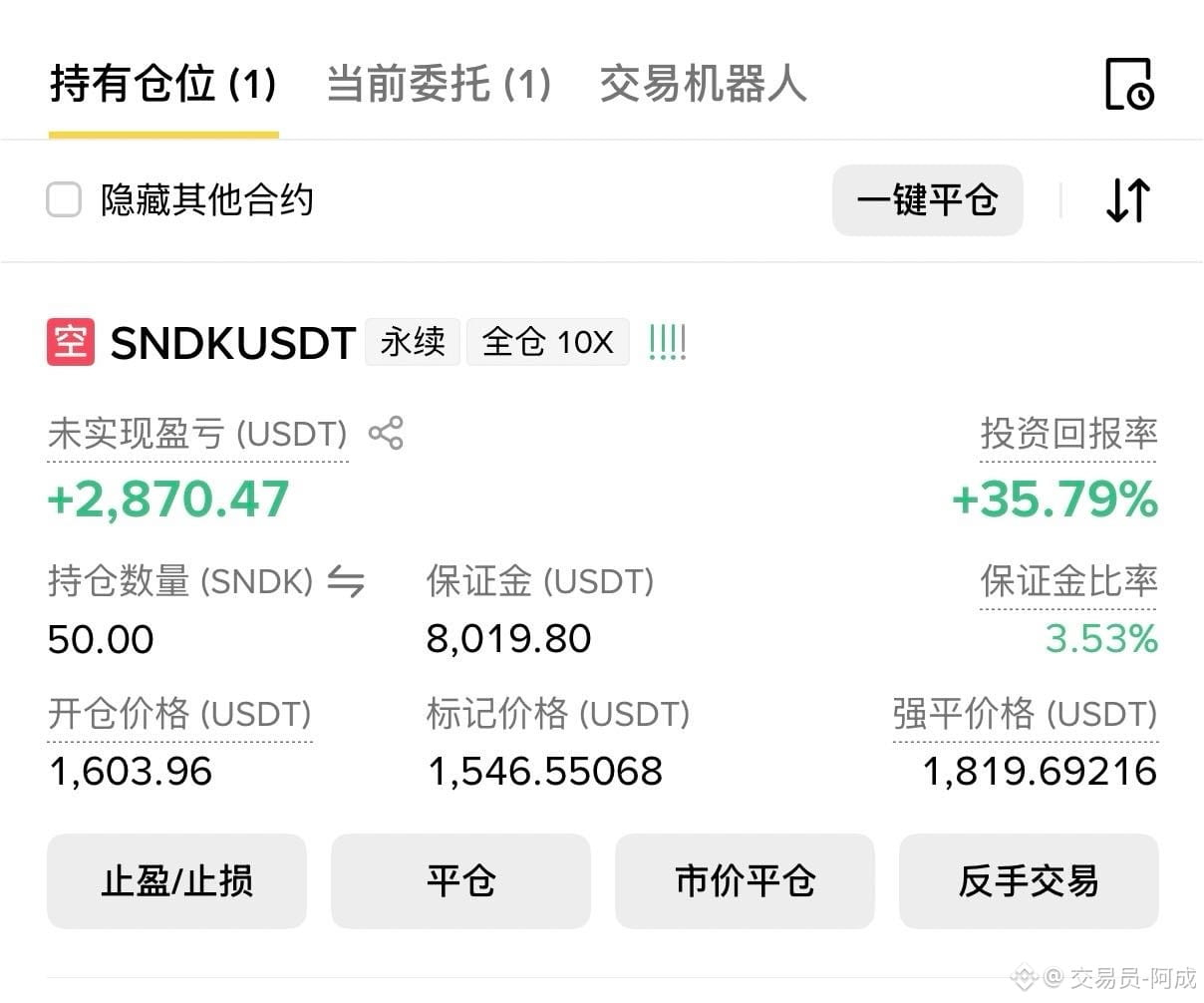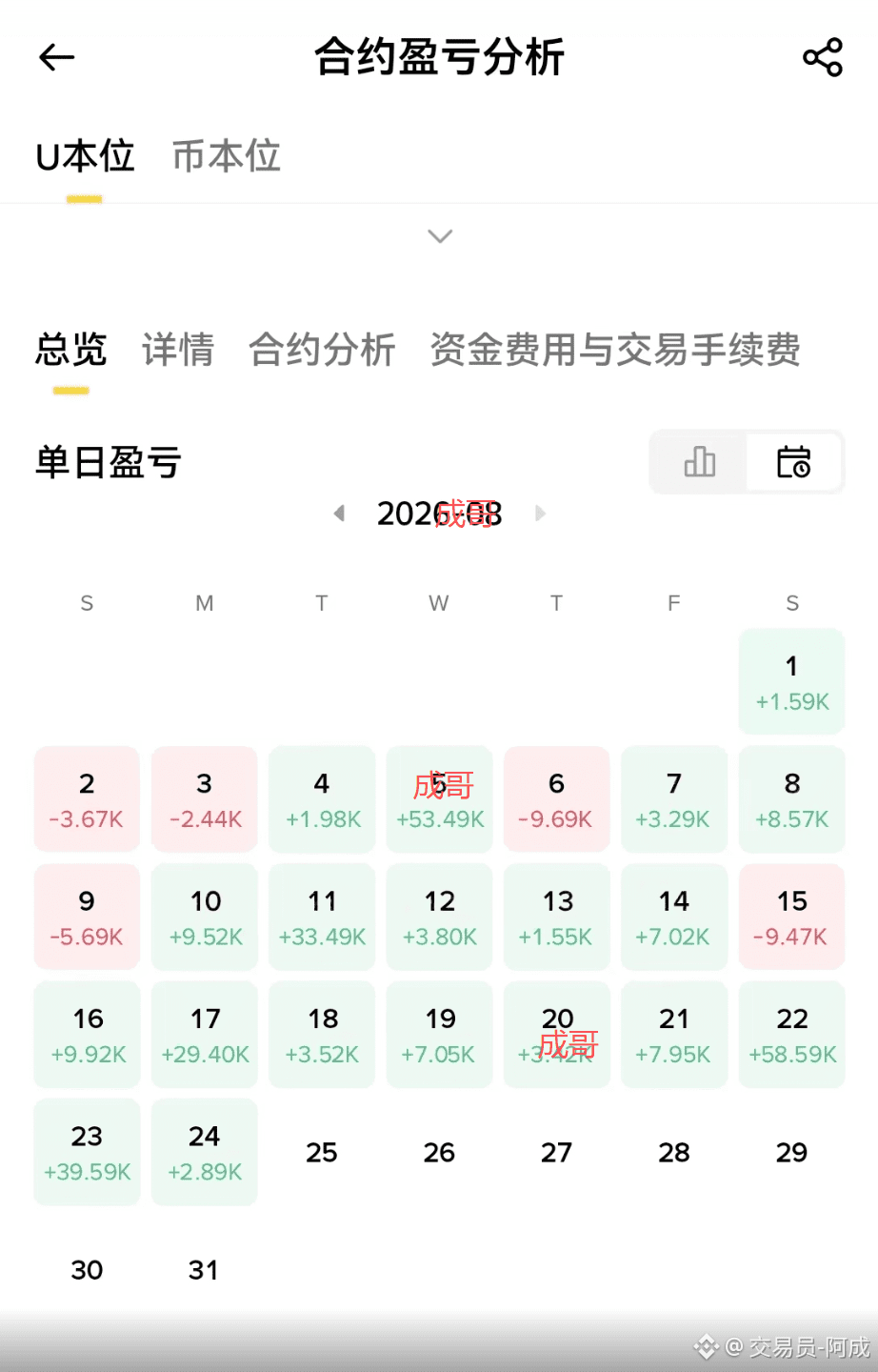
Eight years ago, when I first transferred 20,000 RMB into my crypto account, my hands were shaking. $TUT
Now there are over ten million RMB sitting in the account, but I don’t feel much of anything anymore.
In these years, what truly stayed with me isn’t the thrill of getting rich overnight, but a few “stupid” things.
Even now, I’m not fully invested. $VELVET
Even if I’m very optimistic about a market move, at most I only shift two-tenths of my position.
Because I know that the most important thing in the market isn’t how quickly you can make money, but not getting knocked out all at once.
As for stop loss—I’m extremely strict about it. $TAC
If a single trade loses 10%, I exit immediately; if I keep making a few wrong calls in a row, I accept it.
Many people always think, “Let’s wait a bit more.” The result is that the longer they wait, the deeper they go.
On the contrary, I’ve always believed that only those who can cut fast are able to last.
Also, one more thing: I never try to bottom-pick.
In a downturn, the “opportunities” you see are often just knives.
I only trade things that have already broken out of a trend—waiting for a pullback, waiting for confirmation, then entering.
Those妖 coins that can multiply several times in a single day—I basically don’t touch them.
They look tempting, but for most people who go in, in the end they become the bag-holders.
I also pay very little attention to indicators.
MACD is enough; what I really focus on more is the rhythm and volume.
A breakout on rising volume means real money is coming in;
If it’s a stubborn pull up on low volume, I usually don’t chase.
Adding to the position is the same.
I only add after I’m in profit. I stopped doing things like adding to a losing position a long time ago.
After doing this for long enough, you’ll realize that trading ultimately comes down to six words:
Follow the trend, control losses, and be patient.
There’s no method that’s guaranteed to make money.
What’s truly valuable is whether you can keep following the rules.
After eight years, I think the hardest part has never been technique—it’s restraint.
Now there are over ten million RMB sitting in the account, but I don’t feel much of anything anymore.
In these years, what truly stayed with me isn’t the thrill of getting rich overnight, but a few “stupid” things.
Even now, I’m not fully invested. $VELVET
Even if I’m very optimistic about a market move, at most I only shift two-tenths of my position.
Because I know that the most important thing in the market isn’t how quickly you can make money, but not getting knocked out all at once.
As for stop loss—I’m extremely strict about it. $TAC
If a single trade loses 10%, I exit immediately; if I keep making a few wrong calls in a row, I accept it.
Many people always think, “Let’s wait a bit more.” The result is that the longer they wait, the deeper they go.
On the contrary, I’ve always believed that only those who can cut fast are able to last.
Also, one more thing: I never try to bottom-pick.
In a downturn, the “opportunities” you see are often just knives.
I only trade things that have already broken out of a trend—waiting for a pullback, waiting for confirmation, then entering.
Those妖 coins that can multiply several times in a single day—I basically don’t touch them.
They look tempting, but for most people who go in, in the end they become the bag-holders.
I also pay very little attention to indicators.
MACD is enough; what I really focus on more is the rhythm and volume.
A breakout on rising volume means real money is coming in;
If it’s a stubborn pull up on low volume, I usually don’t chase.
Adding to the position is the same.
I only add after I’m in profit. I stopped doing things like adding to a losing position a long time ago.
After doing this for long enough, you’ll realize that trading ultimately comes down to six words:
Follow the trend, control losses, and be patient.
There’s no method that’s guaranteed to make money.
What’s truly valuable is whether you can keep following the rules.
After eight years, I think the hardest part has never been technique—it’s restraint.