



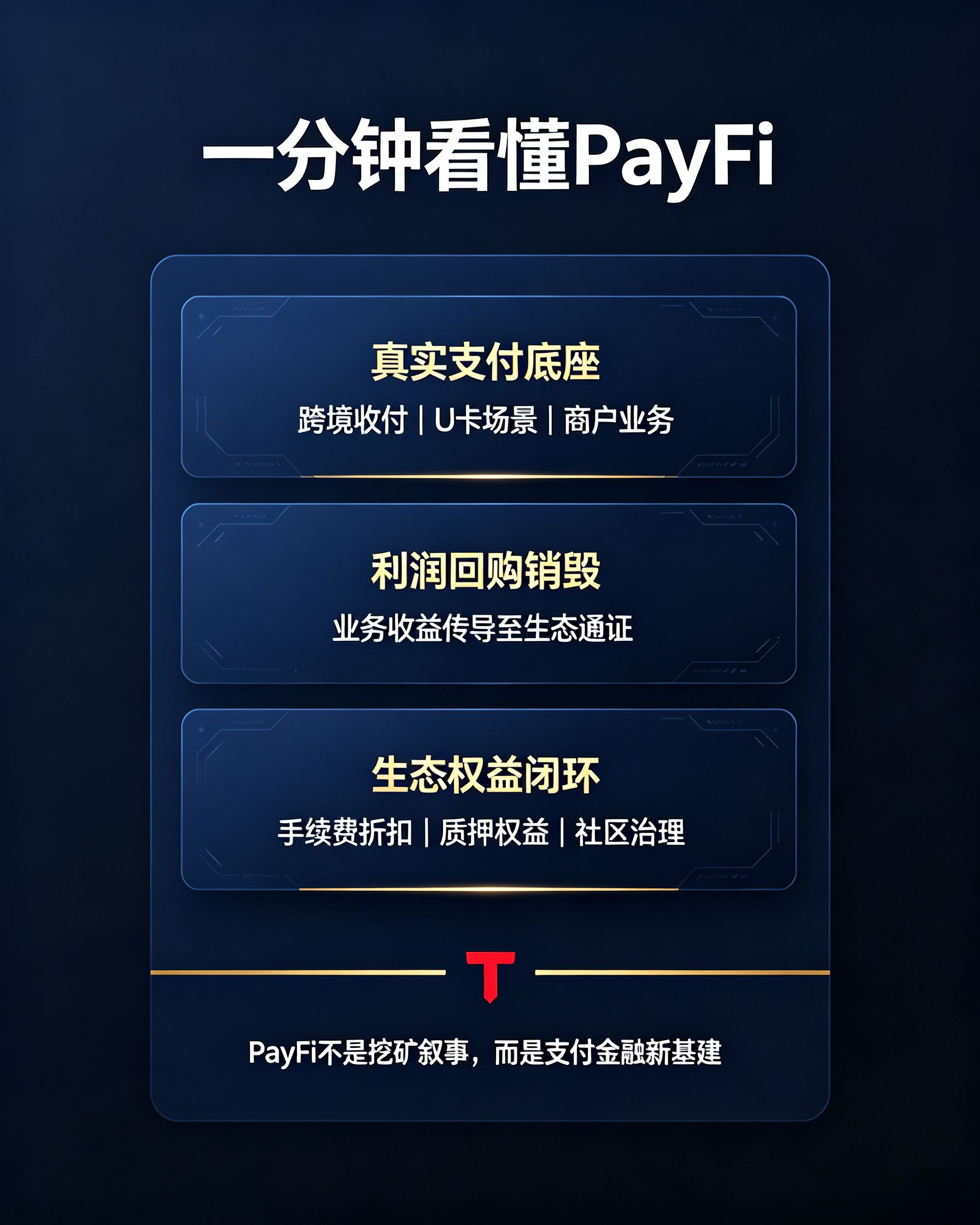
All of Web3 is moving from “pure on-chain speculation” toward “real-world deployment.”
The market is starting to look again for projects that truly have business operations, revenue, users, and long-term value.
In this process, a few directions are becoming increasingly important:
- RWA (real-world assets)
- Cross-border payments
- Merchant acquiring for physical merchants
- Stablecoin payments
- Web3 payment cards
- PayFi payment finance
The commonality of these directions is not just talking about coin prices, but connecting Web3 technology with real-world businesses.
They are not telling a distant story; they are transforming real-world business processes that already exist—and payments are a necessity!
We can look at it in two layers.
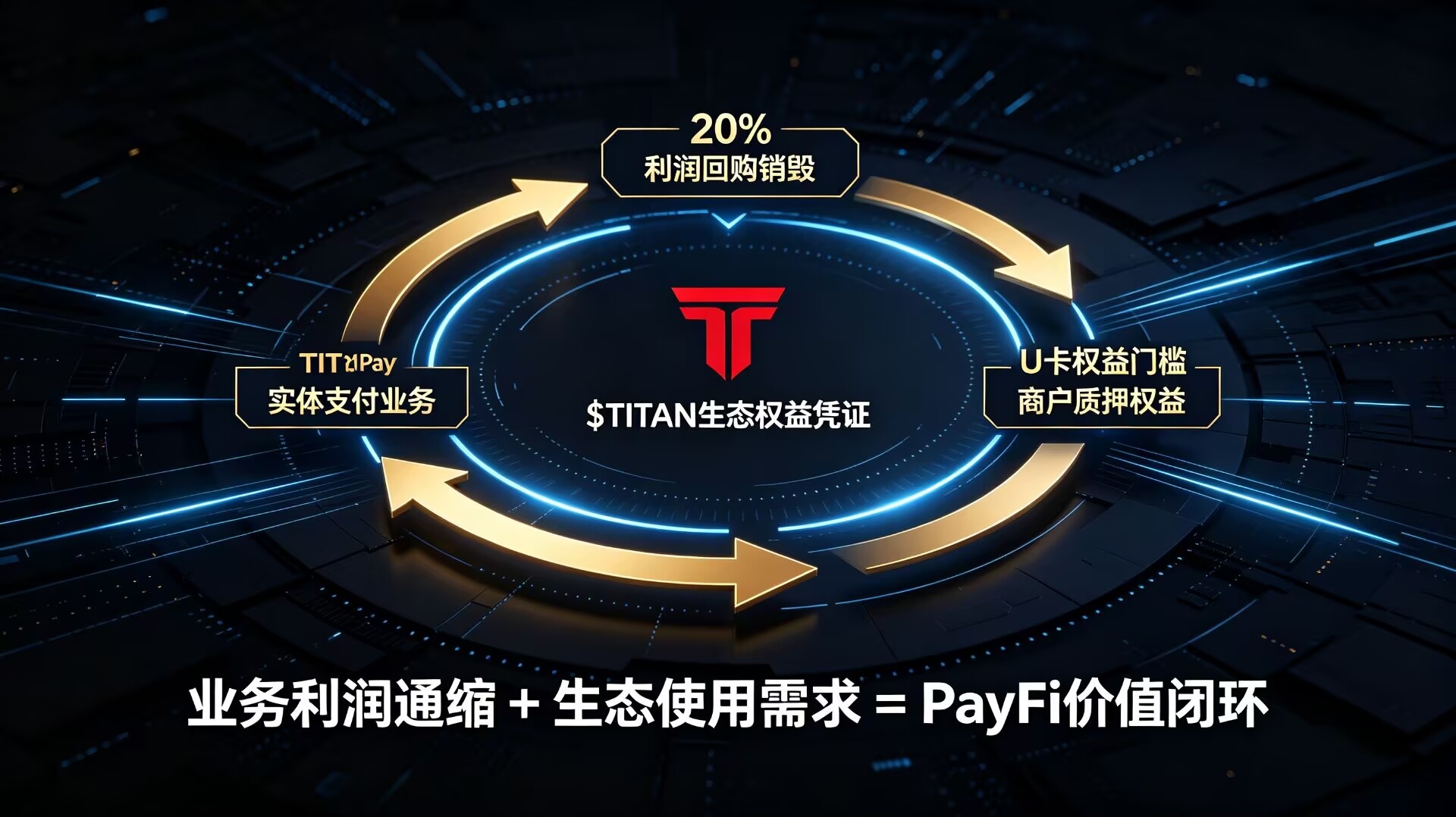
First layer: TitanPay’s official physical payment business
At the core of TitanPay is a Web3 payment infrastructure company serving the global market.
What it mainly does is real payment business, including but not limited to:
- Global cross-border payments
- Merchant payments
- Stablecoin settlement
- Digital U cards
- Physical U cards
- Multi-region payment integration
- Deployment in Web3 business scenarios
These businesses are not fantasies dreamed up by the project team, nor are they mere marketing concepts.
They are the real business foundation that TitanPay’s official team is actively driving forward.
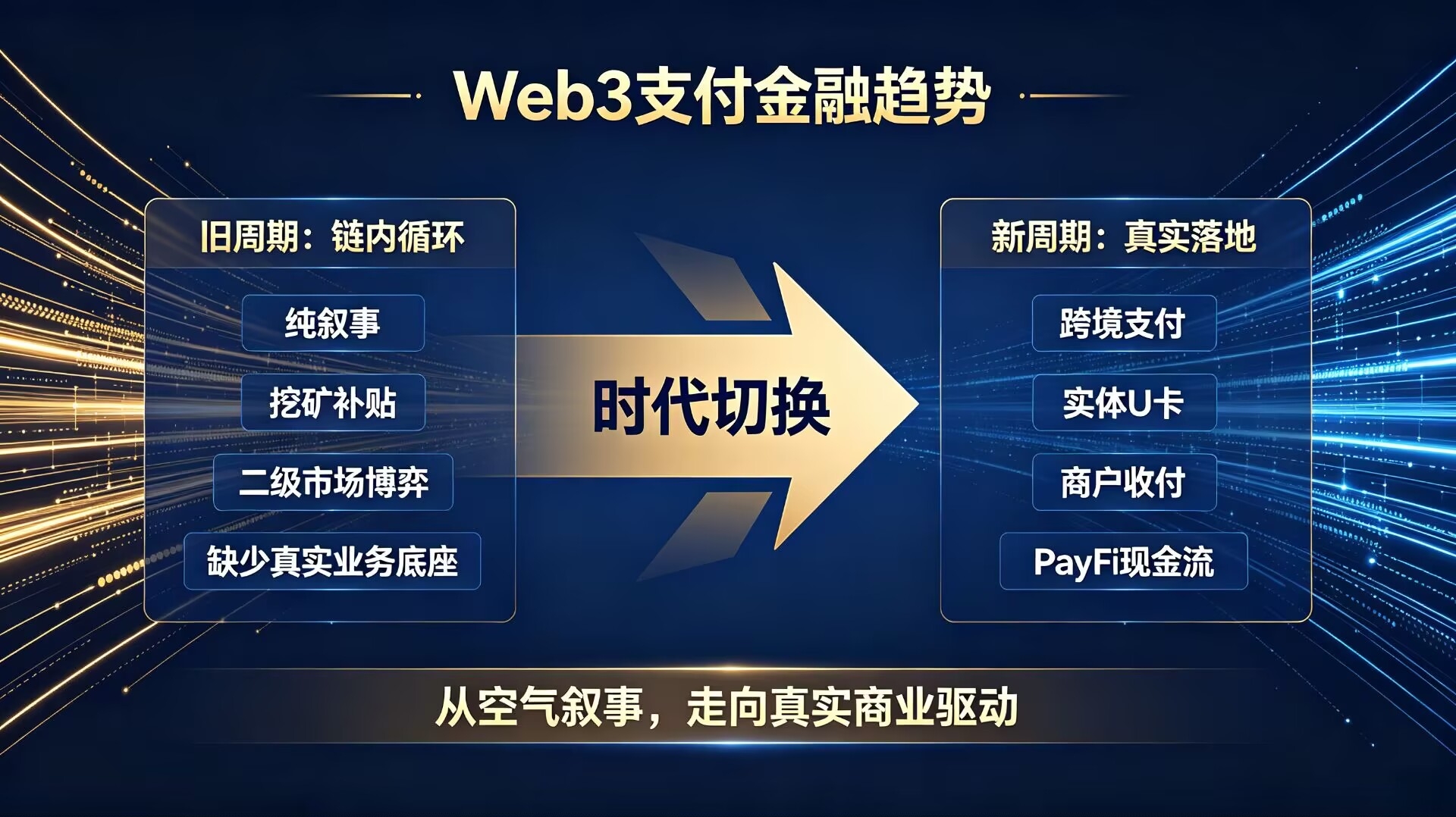
That means TitanPay is not a project that only issues tokens, only builds a community, and survives solely on the hype of the secondary market.
Under the hood, it is supported by a payment business.
This is very important.
Because without real payment business, PayFi would just be another concept.
But with real payment business, PayFi could potentially become a truly sustainable ecosystem.