
小恐龙说趋势
325 Posts
 LIVE
LIVE小恐龙说趋势
6 年市场经验,公众号.比特小恐龙,记录市场的真实逻辑,研究下一步会去哪
12 Following
1.9K+ Followers
1.5K+ Liked
Posts
All
Live
A $1.1 million card hacking attack directly knocked a digital bank’s token down by 49%
AVICI plunged all the way from its 24-hour high, hitting a historical low before barely managing to catch its breath
The incident involved a new Solana-based bank—its vulnerability came from an outdated Rain contract
The attacker exploited the contract bug to move the funds, and the market immediately “voted with its feet”
This kind of low market-cap token liquidity is already thin—once you sell into it, it becomes a bottomless pit, and the drop is completely unreasonable
After the news broke, the community exploded—some accused the team of lying flat, while others rushed to place orders and flee overnight
In plain terms, what this industry fears most isn’t a bear market—it’s code vulnerabilities
The contract is the same old setup; the audits didn’t keep up, and hackers often discover bugs earlier than the project teams do
Every time something happens, it’s the same script: the flaw gets exposed, the token collapses first as a mark of respect, and then the official side comes out to patch
This time there’s also a particularly painful detail: the amount stolen isn’t astronomical by itself, but the market reaction was far harsher
Because what people fear isn’t just this one incident—it’s how many times this kind of play can be repeated
An outdated contract can topple an entire bank’s token, which shows that small-cap projects’ resilience is truly fragile
What retail investors can do is simply avoid those untested small-cap tokens
Mainstream coins drop 5% and make the news; they drop 50% and nobody blinks
A “margin of safety” is invisible in normal times—you only realize how important it is on the day things go wrong
Stop always thinking about bottom-fishing for a bargain—first ask yourself whether the project can withstand a hacker’s strike
If the code isn’t solid, no matter how loud the story is, it’s all useless—fund security always comes first
Every day I’ll bring you the biggest crypto security headlines—not just what happened, but also help you understand the logic and opportunities behind it 👀🚀
Click the link below to follow me 👇🏻加入小恐龙粉丝群
#Hacking #Token #CryptoSecurity
AVICI plunged all the way from its 24-hour high, hitting a historical low before barely managing to catch its breath
The incident involved a new Solana-based bank—its vulnerability came from an outdated Rain contract
The attacker exploited the contract bug to move the funds, and the market immediately “voted with its feet”
This kind of low market-cap token liquidity is already thin—once you sell into it, it becomes a bottomless pit, and the drop is completely unreasonable
After the news broke, the community exploded—some accused the team of lying flat, while others rushed to place orders and flee overnight
In plain terms, what this industry fears most isn’t a bear market—it’s code vulnerabilities
The contract is the same old setup; the audits didn’t keep up, and hackers often discover bugs earlier than the project teams do
Every time something happens, it’s the same script: the flaw gets exposed, the token collapses first as a mark of respect, and then the official side comes out to patch
This time there’s also a particularly painful detail: the amount stolen isn’t astronomical by itself, but the market reaction was far harsher
Because what people fear isn’t just this one incident—it’s how many times this kind of play can be repeated
An outdated contract can topple an entire bank’s token, which shows that small-cap projects’ resilience is truly fragile
What retail investors can do is simply avoid those untested small-cap tokens
Mainstream coins drop 5% and make the news; they drop 50% and nobody blinks
A “margin of safety” is invisible in normal times—you only realize how important it is on the day things go wrong
Stop always thinking about bottom-fishing for a bargain—first ask yourself whether the project can withstand a hacker’s strike
If the code isn’t solid, no matter how loud the story is, it’s all useless—fund security always comes first
Every day I’ll bring you the biggest crypto security headlines—not just what happened, but also help you understand the logic and opportunities behind it 👀🚀
Click the link below to follow me 👇🏻加入小恐龙粉丝群
#Hacking #Token #CryptoSecurity
Quantum computers are not here yet, but blockchain has already started stockpiling resources.
Ripple has declared it will add quantum insurance in advance to the XRP Ledger—guarding against the rumored Q-Day.
What is Q-Day? It’s the day when quantum computers become powerful enough to reverse-engineer private keys. When that day comes, today’s encryption defenses may all be flimsy paper barriers.
Ripple’s four-phase plan is as follows: first, do a reconnaissance survey to see which parts of the network could be breached. Then, test new encryption schemes to determine whether they can withstand today’s workloads. Next, run the new and old security systems in parallel before migrating everything as a whole. They’ve also left an emergency pathway, so if quantum arrives sooner than expected, they can hold the line immediately.
What’s especially interesting is that the XRP Ledger has long supported swapping keys without changing accounts. This feature now looks like it’s basically paving the way for future migrations. Of course, when it’s finally time to change the network’s rules, the entire network will need to verify it together—this can’t be decided by just one party.
Even more painful: AI is getting involved too.
More and more AI is being used to find cryptographic vulnerabilities. Things that once required experts to study for months may be uncovered by machines in a matter of days. So the new defense line must not only guard against quantum threats, but also against AI attacks that are both fast and cheap. These two forces together mean financial infrastructure can’t stay unchanged.
Don’t think this is science fiction. Big players have been preparing quietly for a long time. By the time something truly happens, your assets in the wallet might not have time to move.
The tech arms race is already underway—those who prepare early can sleep easy.
Every day, I’ll bring you coverage of tech hotspots. Not just what’s happening in the news, but help you understand the logic and opportunities behind it 👀🚀
Click the link below to follow me 👇🏻加入小恐龙粉丝群
#XRP #quantumcomputing #blockchainsafety
Ripple has declared it will add quantum insurance in advance to the XRP Ledger—guarding against the rumored Q-Day.
What is Q-Day? It’s the day when quantum computers become powerful enough to reverse-engineer private keys. When that day comes, today’s encryption defenses may all be flimsy paper barriers.
Ripple’s four-phase plan is as follows: first, do a reconnaissance survey to see which parts of the network could be breached. Then, test new encryption schemes to determine whether they can withstand today’s workloads. Next, run the new and old security systems in parallel before migrating everything as a whole. They’ve also left an emergency pathway, so if quantum arrives sooner than expected, they can hold the line immediately.
What’s especially interesting is that the XRP Ledger has long supported swapping keys without changing accounts. This feature now looks like it’s basically paving the way for future migrations. Of course, when it’s finally time to change the network’s rules, the entire network will need to verify it together—this can’t be decided by just one party.
Even more painful: AI is getting involved too.
More and more AI is being used to find cryptographic vulnerabilities. Things that once required experts to study for months may be uncovered by machines in a matter of days. So the new defense line must not only guard against quantum threats, but also against AI attacks that are both fast and cheap. These two forces together mean financial infrastructure can’t stay unchanged.
Don’t think this is science fiction. Big players have been preparing quietly for a long time. By the time something truly happens, your assets in the wallet might not have time to move.
The tech arms race is already underway—those who prepare early can sleep easy.
Every day, I’ll bring you coverage of tech hotspots. Not just what’s happening in the news, but help you understand the logic and opportunities behind it 👀🚀
Click the link below to follow me 👇🏻加入小恐龙粉丝群
#XRP #quantumcomputing #blockchainsafety

Bitcoin wallets that haven’t moved for a decade suddenly woke up
Six old addresses last active between 2011 and 2014. In these ten days, a total of 553 BTC was moved—roughly $40 million
The most ruthless one: coins untouched for over 15 years
When old money wakes up, the market gets tense right away—are they going to crash the market, is a big holder fleeing?
But Galaxy’s data poured cold water on that idea. In Q2, the amount of dormant-coin movement dropped straight to the lowest level since Q3 2022.
What counts as “dormant”? An address that hasn’t moved for at least one year is considered dormant.
2024 and 2025 are big years for old coins to be moved—only the buzz levels can rival the 2017 bull market. Back then, early players had huge unrealized profits and started taking profits.
Galaxy calls it “a major distribution.” And in 2026, the distribution amount is less than half of last year.
Translated plainly: the ones that should leave have already left for the most part.
The remaining old wallets either truly forgot, or won’t sell no matter what.
A few scattered decade-old addresses moving a bit is more like a small blip in the market—it doesn’t indicate a collective whale retreat.
For retail investors, instead of obsessing over a few old wallets and overthinking every move, it’s better to watch the overall trend.
The more dormant coins keep “sleeping,” the deeper they sink—meaning the supply of chips is becoming more stable. That’s actually a relatively bullish signal.
When it comes to market conditions, don’t let a single data point scare you into a panic. It’s more meaningful to look over a longer time frame.
The story of old coins has never unfolded in just a day or two.
Every day I’ll keep you updated on BTC hotspots—not only on what happened in the news, but also on how to understand the logic and opportunities behind it 👀🚀
Click the link below to follow me 👇🏻加入小恐龙粉丝群
#Bitcoin #BTC #OnChainData
Six old addresses last active between 2011 and 2014. In these ten days, a total of 553 BTC was moved—roughly $40 million
The most ruthless one: coins untouched for over 15 years
When old money wakes up, the market gets tense right away—are they going to crash the market, is a big holder fleeing?
But Galaxy’s data poured cold water on that idea. In Q2, the amount of dormant-coin movement dropped straight to the lowest level since Q3 2022.
What counts as “dormant”? An address that hasn’t moved for at least one year is considered dormant.
2024 and 2025 are big years for old coins to be moved—only the buzz levels can rival the 2017 bull market. Back then, early players had huge unrealized profits and started taking profits.
Galaxy calls it “a major distribution.” And in 2026, the distribution amount is less than half of last year.
Translated plainly: the ones that should leave have already left for the most part.
The remaining old wallets either truly forgot, or won’t sell no matter what.
A few scattered decade-old addresses moving a bit is more like a small blip in the market—it doesn’t indicate a collective whale retreat.
For retail investors, instead of obsessing over a few old wallets and overthinking every move, it’s better to watch the overall trend.
The more dormant coins keep “sleeping,” the deeper they sink—meaning the supply of chips is becoming more stable. That’s actually a relatively bullish signal.
When it comes to market conditions, don’t let a single data point scare you into a panic. It’s more meaningful to look over a longer time frame.
The story of old coins has never unfolded in just a day or two.
Every day I’ll keep you updated on BTC hotspots—not only on what happened in the news, but also on how to understand the logic and opportunities behind it 👀🚀
Click the link below to follow me 👇🏻加入小恐龙粉丝群
#Bitcoin #BTC #OnChainData
Is tokenized assets actually being used? This question is blowing up right now.
Some say it’s less than 1%, others say 7%, some shout 11.7%, and others hype it as fast as 20%.
All four numbers were released this year and they all seem to hold up—but the amounts behind them aren’t the same at all.
Most striking is the claim of “less than 1%.” On-chain, real-world assets worth $51 billion have been tokenized—but only a single-digit percentage is truly doing work.
That claim has been treated as evidence: on-chain finance is just a toy, and all the money is lying there doing nothing.
But if you dig deeper, the flaw shows. That figure only measured three money market funds: BlackRock BUIDL, Circle’s USYC, and Franklin iBENJI. Together they total $7.2 billion—yet the actually deployed amount is only $50 million.
Widen the basket and the numbers immediately flip.
DeFiLlama calculates 11.7%. If you use CoinShares’ $7.4 billion figure, it jumps straight to 19%.
So the issue isn’t that the numbers are “low”—it’s that the numerator and denominator are all performing.
Some assets on-chain never intended to move at all; they’re just taking up space, like custodianship—can’t be counted as idle or inactive.
And some that settle off-chain never even make it into the statistics. The data was basically captured for nothing.
So don’t rush to mock on-chain finance as a toy.
That coldness you see might be nothing more than how the statistics are defined—hiding the real heat.
In this game, whoever grabs the power to define the rules first controls the voice.
Are on-chain assets actually active? The data fights it out—truth is in the middle.
Every day, I’ll bring you RWA hotspots—not just what happened in the news, but also the logic and opportunities behind it 👀🚀
Click the link below to follow me👇🏻加入小恐龙粉丝群
#RWA #tokenization #on-chain finance
Some say it’s less than 1%, others say 7%, some shout 11.7%, and others hype it as fast as 20%.
All four numbers were released this year and they all seem to hold up—but the amounts behind them aren’t the same at all.
Most striking is the claim of “less than 1%.” On-chain, real-world assets worth $51 billion have been tokenized—but only a single-digit percentage is truly doing work.
That claim has been treated as evidence: on-chain finance is just a toy, and all the money is lying there doing nothing.
But if you dig deeper, the flaw shows. That figure only measured three money market funds: BlackRock BUIDL, Circle’s USYC, and Franklin iBENJI. Together they total $7.2 billion—yet the actually deployed amount is only $50 million.
Widen the basket and the numbers immediately flip.
DeFiLlama calculates 11.7%. If you use CoinShares’ $7.4 billion figure, it jumps straight to 19%.
So the issue isn’t that the numbers are “low”—it’s that the numerator and denominator are all performing.
Some assets on-chain never intended to move at all; they’re just taking up space, like custodianship—can’t be counted as idle or inactive.
And some that settle off-chain never even make it into the statistics. The data was basically captured for nothing.
So don’t rush to mock on-chain finance as a toy.
That coldness you see might be nothing more than how the statistics are defined—hiding the real heat.
In this game, whoever grabs the power to define the rules first controls the voice.
Are on-chain assets actually active? The data fights it out—truth is in the middle.
Every day, I’ll bring you RWA hotspots—not just what happened in the news, but also the logic and opportunities behind it 👀🚀
Click the link below to follow me👇🏻加入小恐龙粉丝群
#RWA #tokenization #on-chain finance

Another new chain “crashed” — the mainnet directly shut down
Fogo’s high-speed L1 halted the entire network on Saturday, and the coin price is still hovering around 0.0075.
The cause is bizarre. The foundation said its organization was breached by an unknown attacker.
4 hundred million FOGO tokens were transferred out. At the time, they were worth about $3 million, accounting for more than 10% of the circulating supply.
According to the official account, the attacker simply took the coins away “out of nowhere.”
Even more embarrassing: that same night, the official said the chain was fine and running normally.
Then 15 hours later, the mainnet stopped. So much for “nothing wrong.”
The slap came too fast — like a tornado.
The response was decisive: pause asset-related defenses to keep funds moving, have validators upgrade the network, and restrict related addresses.
But the restart time wasn’t mentioned at all. They probably don’t have certainty either.
Remember, Fogo only launched this January. It debuted with a $7 million token sale via Binance, with a valuation of $350 million.
It promised 40,000 transactions per second, and the marketing copy even claimed 100% normal operation since launch.
Now that record has been shattered. Even advertising law would want to laugh.
Fast chain throughput isn’t enough if security can’t keep up. No matter how fast you run, you’re still running half-naked.
When something goes wrong on-chain, there’s no “regret button.” Once assets are transferred out, getting them back depends largely on luck.
This time they only lost $3 million — a rare bit of luck in an unfortunate situation.
But next time, you may not be so lucky.
Choosing a chain is just like choosing a partner: don’t only look at how good they look and how fast they run.
First, ask whether the security team is reliable, whether code audits were thorough, and done properly.
This lesson should be recorded by the whole industry. Don’t wait until it’s your turn to say it hurts.
Every day I’ll bring you coverage of security hot topics—not just what happened in the news, but also the logic and opportunities behind it 👀🚀
Click the link below to follow me👇🏻加入小恐龙粉丝群
#Security #L1 #Fogo
Fogo’s high-speed L1 halted the entire network on Saturday, and the coin price is still hovering around 0.0075.
The cause is bizarre. The foundation said its organization was breached by an unknown attacker.
4 hundred million FOGO tokens were transferred out. At the time, they were worth about $3 million, accounting for more than 10% of the circulating supply.
According to the official account, the attacker simply took the coins away “out of nowhere.”
Even more embarrassing: that same night, the official said the chain was fine and running normally.
Then 15 hours later, the mainnet stopped. So much for “nothing wrong.”
The slap came too fast — like a tornado.
The response was decisive: pause asset-related defenses to keep funds moving, have validators upgrade the network, and restrict related addresses.
But the restart time wasn’t mentioned at all. They probably don’t have certainty either.
Remember, Fogo only launched this January. It debuted with a $7 million token sale via Binance, with a valuation of $350 million.
It promised 40,000 transactions per second, and the marketing copy even claimed 100% normal operation since launch.
Now that record has been shattered. Even advertising law would want to laugh.
Fast chain throughput isn’t enough if security can’t keep up. No matter how fast you run, you’re still running half-naked.
When something goes wrong on-chain, there’s no “regret button.” Once assets are transferred out, getting them back depends largely on luck.
This time they only lost $3 million — a rare bit of luck in an unfortunate situation.
But next time, you may not be so lucky.
Choosing a chain is just like choosing a partner: don’t only look at how good they look and how fast they run.
First, ask whether the security team is reliable, whether code audits were thorough, and done properly.
This lesson should be recorded by the whole industry. Don’t wait until it’s your turn to say it hurts.
Every day I’ll bring you coverage of security hot topics—not just what happened in the news, but also the logic and opportunities behind it 👀🚀
Click the link below to follow me👇🏻加入小恐龙粉丝群
#Security #L1 #Fogo

Goldman urges: gold prices will reach $4,900 by year-end
You heard right—that’s the Wall Street giant. The analyst directly throws out a target price and backs it with detailed logic.
And they’re not guessing—they present the reasons clearly and plainly.
Where does the confidence come from? Central banks are aggressively buying gold.
Every month they scoop up 50 tons—up from 17 tons per month before 2022, nearly triple.
With geopolitics so chaotic, central banks worldwide are “insuring” their own reserves—afraid something goes sideways one day.
Add to that the Fed pausing rate hikes, the fiscal deficit growing larger, and inflation concerns piling up—panic over currency devaluation is at full strength.
Both institutions and retail investors are hiding in gold. The more buy orders stack up, the higher prices climb.
The most interesting part is that the analyst themselves said this forecast hasn’t even included demand hedging from ETFs.
Meaning real buying could be even more intense than they think. $4,900 might even be conservative.
This is expectation management done at full throttle.
For people in the crypto world, looking at gold often comes with mixed feelings.
The “digital gold” narrative has been promoted for so many years—yet actual gold is the one that has really taken off first.
But from another angle: safe-haven money lifting gold prices also lifts market risk appetite.
The water in the two “pools” is connected—don’t treat them like enemies.
Gold is already looking at $4,900. Meanwhile Bitcoin this time is still hovering around $78,000.
Is it catching up or continuing to “pretend dead”? We’ll know in the next few weeks.
Don’t rush to pick sides—follow the direction of money. It’s more reliable than anything.
Market moves often start burning from places you don’t expect.
Gold and Bitcoin are actually both waiting for the same thing: where money will flow.
Every day, I’ll help you track macro headlines—not just what happens in the news, but also help you understand the underlying logic and opportunities behind it 👀🚀
Click the link below to follow me 👇🏻加入小恐龙粉丝群
#Gold #Macro #Bitcoin
You heard right—that’s the Wall Street giant. The analyst directly throws out a target price and backs it with detailed logic.
And they’re not guessing—they present the reasons clearly and plainly.
Where does the confidence come from? Central banks are aggressively buying gold.
Every month they scoop up 50 tons—up from 17 tons per month before 2022, nearly triple.
With geopolitics so chaotic, central banks worldwide are “insuring” their own reserves—afraid something goes sideways one day.
Add to that the Fed pausing rate hikes, the fiscal deficit growing larger, and inflation concerns piling up—panic over currency devaluation is at full strength.
Both institutions and retail investors are hiding in gold. The more buy orders stack up, the higher prices climb.
The most interesting part is that the analyst themselves said this forecast hasn’t even included demand hedging from ETFs.
Meaning real buying could be even more intense than they think. $4,900 might even be conservative.
This is expectation management done at full throttle.
For people in the crypto world, looking at gold often comes with mixed feelings.
The “digital gold” narrative has been promoted for so many years—yet actual gold is the one that has really taken off first.
But from another angle: safe-haven money lifting gold prices also lifts market risk appetite.
The water in the two “pools” is connected—don’t treat them like enemies.
Gold is already looking at $4,900. Meanwhile Bitcoin this time is still hovering around $78,000.
Is it catching up or continuing to “pretend dead”? We’ll know in the next few weeks.
Don’t rush to pick sides—follow the direction of money. It’s more reliable than anything.
Market moves often start burning from places you don’t expect.
Gold and Bitcoin are actually both waiting for the same thing: where money will flow.
Every day, I’ll help you track macro headlines—not just what happens in the news, but also help you understand the underlying logic and opportunities behind it 👀🚀
Click the link below to follow me 👇🏻加入小恐龙粉丝群
#Gold #Macro #Bitcoin

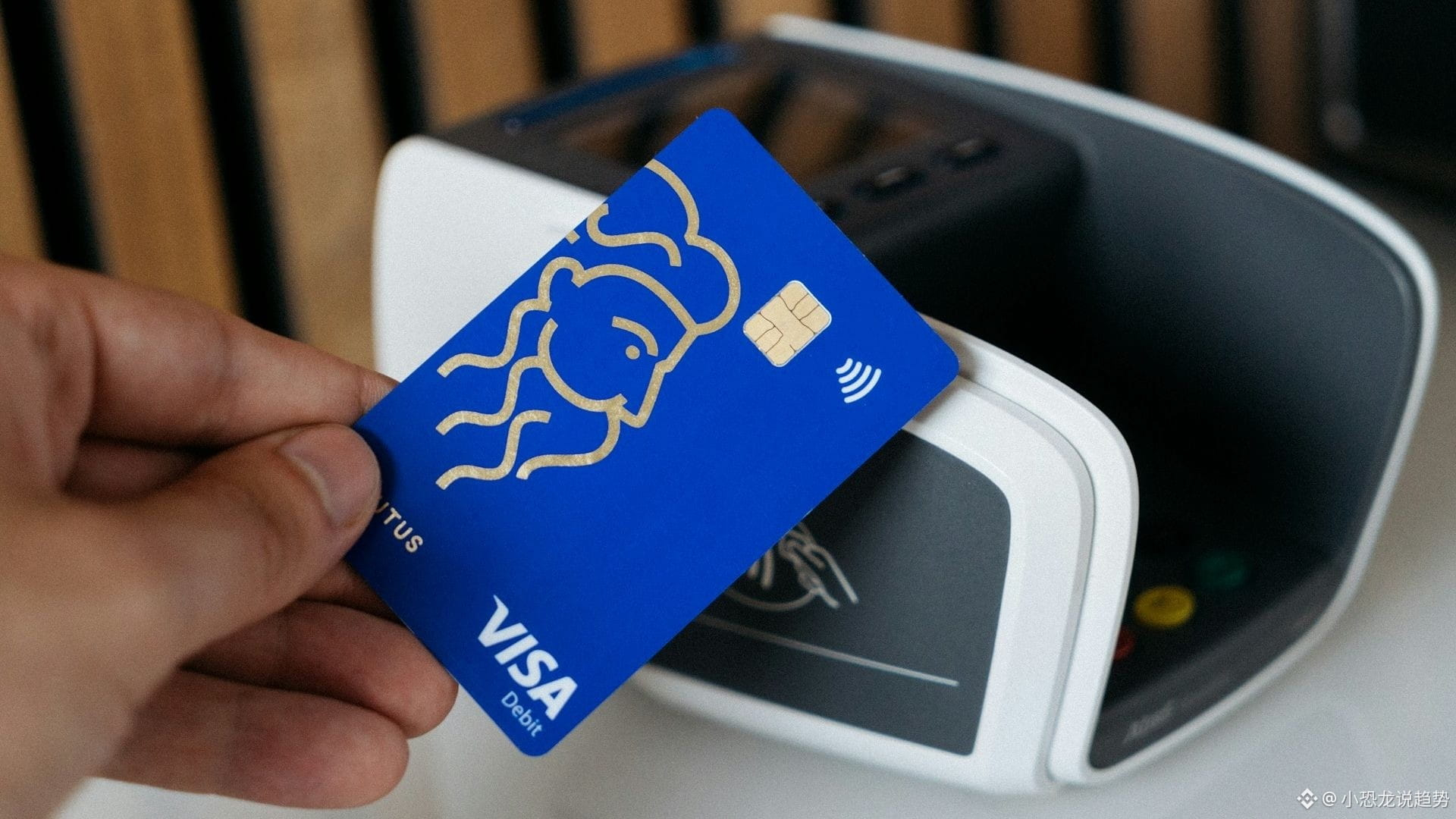
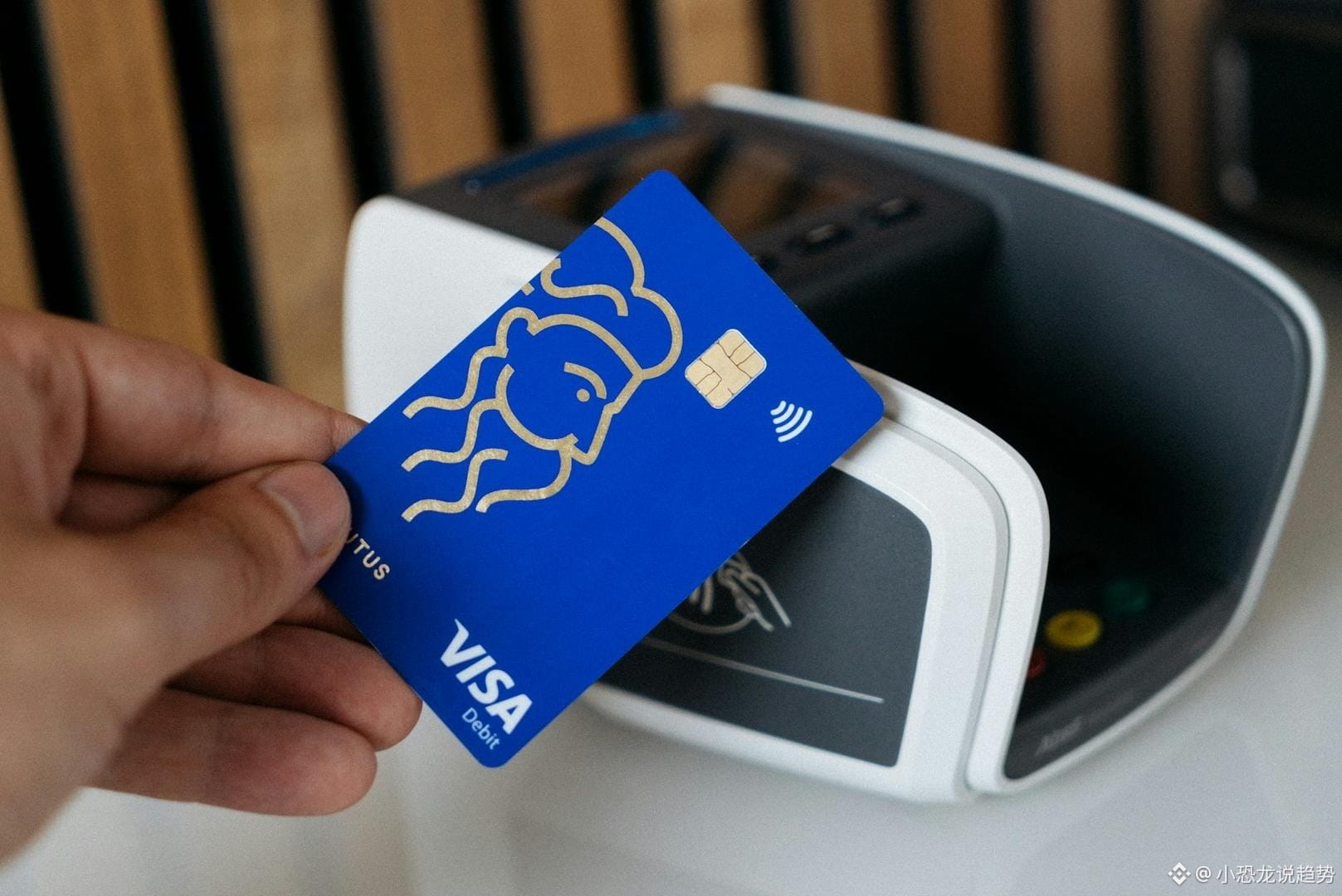
Encryption card had a disaster — $1.1 million stolen in one go
Several projects on Solana were hit at the same time. There’s a crypto bank called Avici: 1,685 users were pulled into the mess, with $500,000 taken. Even neighboring Tria got hit too—636 people suffered losses of $430,000. Their own token also briefly dropped by over 10%.
Here’s what happened: the attacker targeted an older version of the Rain contract, repeatedly submitted authorizations to add themselves as an administrator, then swept all the money from the card. They swapped stablecoins into SOL, bridged it to Ethereum, and finally funneled it into a mixer—trying to trace it after that is basically hopeless.
The worst part is the token AVICI: it crashed straight from $0.43 to $0.217—down nearly half in a single day. It’s only managed to climb back to about $0.378 for now, but the confidence of the “farmers” is already shattered everywhere.
What’s interesting is that the trouble happened only to the portion of money users recharged into the card. Their own self-custody wallets were completely fine. Once funds are moved into the card’s contract, they enter someone else’s code territory—how can you not be angry?
Avici says it will refund users in full and has already filed a police report; their attitude seems pretty proper. But the more worth pondering detail is that in July, card spending just crossed $1 billion—the track is still hot. Where hot money flows in, hackers smell it too.
Self-custody isn’t a magic cure-all. The key is where you put your money. Funds sitting inside a contract are always more fragile than you’d think. It feels great to use the card for a moment—just make sure security is tightly watched. Consider this a tuition fee and a lesson learned. Next time you use this kind of card, first figure out whose pocket that money will truly land in after you top up.
Every day I’ll bring you to follow security headlines—not just what happened, but help you understand the logic and opportunities behind it 👀🚀
Click the link below to follow me👇🏻加入小恐龙粉丝群
#cryptoCard #security #Solana
Several projects on Solana were hit at the same time. There’s a crypto bank called Avici: 1,685 users were pulled into the mess, with $500,000 taken. Even neighboring Tria got hit too—636 people suffered losses of $430,000. Their own token also briefly dropped by over 10%.
Here’s what happened: the attacker targeted an older version of the Rain contract, repeatedly submitted authorizations to add themselves as an administrator, then swept all the money from the card. They swapped stablecoins into SOL, bridged it to Ethereum, and finally funneled it into a mixer—trying to trace it after that is basically hopeless.
The worst part is the token AVICI: it crashed straight from $0.43 to $0.217—down nearly half in a single day. It’s only managed to climb back to about $0.378 for now, but the confidence of the “farmers” is already shattered everywhere.
What’s interesting is that the trouble happened only to the portion of money users recharged into the card. Their own self-custody wallets were completely fine. Once funds are moved into the card’s contract, they enter someone else’s code territory—how can you not be angry?
Avici says it will refund users in full and has already filed a police report; their attitude seems pretty proper. But the more worth pondering detail is that in July, card spending just crossed $1 billion—the track is still hot. Where hot money flows in, hackers smell it too.
Self-custody isn’t a magic cure-all. The key is where you put your money. Funds sitting inside a contract are always more fragile than you’d think. It feels great to use the card for a moment—just make sure security is tightly watched. Consider this a tuition fee and a lesson learned. Next time you use this kind of card, first figure out whose pocket that money will truly land in after you top up.
Every day I’ll bring you to follow security headlines—not just what happened, but help you understand the logic and opportunities behind it 👀🚀
Click the link below to follow me👇🏻加入小恐龙粉丝群
#cryptoCard #security #Solana
Bitfinex Model Turns Green as Bitcoin Enters the Early Stage of a Bull Run
The exchange’s own cyclical model shows a reading of 2.03
In the model, 2.5 is the bull market start threshold, and 3.5 is the top-formation signal zone
Right now, it’s just one step away from the start line—still a long way from the top
The analyst’s exact words: This is the beginning of the bull market, not a top
Where does the confidence come from? The correlation between Bitcoin and gold has become abnormally high
The two assets are both treated as a devaluation-hedging pair—one as a steady version, the other as a high-volatility version
Historically, when this kind of correlation peaks, it often signals that the trend is about to change
In 2024, we saw a similar pattern; later, Bitcoin went on to deliver a major rally
On the macro front: U.S. Treasury yields broke above 4.0 trillion? the Ministry of Finance rapidly issued debt, and devaluation trading returned
Institutional capital started treating Bitcoin as “digital gold” rather than a tech stock
But don’t get too excited yet: the Fed’s new chair was still hawkish last week, and rate-hike expectations are back
The biggest fear for devaluation trading is a new rate hike—when liquidity tightens, the story can’t be told anymore
The model is just historical statistics, not an oracle; thresholds should be used only as a reference
The fundamental narrative for Bitcoin hasn’t changed—what’s changed is the timing
If you want to participate, don’t chase the price—watch it in batches on pullbacks. Mindset matters more than exact entry levels
Both bulls and bears have their cards; short-term volatility is inevitable. Once the direction becomes clearer, the rest is up to position management
Do you believe this bull-market signal?
After all, the last big rally quietly started right inside this kind of hesitation
Click the avatar to watch the live stream
Every day, I’ll take you to follow Bitcoin hotspots—not just what happens in the news, but also the logic and opportunities behind it 👉🦖
#比特币 #bullish-market signal
The exchange’s own cyclical model shows a reading of 2.03
In the model, 2.5 is the bull market start threshold, and 3.5 is the top-formation signal zone
Right now, it’s just one step away from the start line—still a long way from the top
The analyst’s exact words: This is the beginning of the bull market, not a top
Where does the confidence come from? The correlation between Bitcoin and gold has become abnormally high
The two assets are both treated as a devaluation-hedging pair—one as a steady version, the other as a high-volatility version
Historically, when this kind of correlation peaks, it often signals that the trend is about to change
In 2024, we saw a similar pattern; later, Bitcoin went on to deliver a major rally
On the macro front: U.S. Treasury yields broke above 4.0 trillion? the Ministry of Finance rapidly issued debt, and devaluation trading returned
Institutional capital started treating Bitcoin as “digital gold” rather than a tech stock
But don’t get too excited yet: the Fed’s new chair was still hawkish last week, and rate-hike expectations are back
The biggest fear for devaluation trading is a new rate hike—when liquidity tightens, the story can’t be told anymore
The model is just historical statistics, not an oracle; thresholds should be used only as a reference
The fundamental narrative for Bitcoin hasn’t changed—what’s changed is the timing
If you want to participate, don’t chase the price—watch it in batches on pullbacks. Mindset matters more than exact entry levels
Both bulls and bears have their cards; short-term volatility is inevitable. Once the direction becomes clearer, the rest is up to position management
Do you believe this bull-market signal?
After all, the last big rally quietly started right inside this kind of hesitation
Click the avatar to watch the live stream
Every day, I’ll take you to follow Bitcoin hotspots—not just what happens in the news, but also the logic and opportunities behind it 👉🦖
#比特币 #bullish-market signal
Bitcoin and Gold have it better now—goodbye to the U.S. stock market
Grayscale’s latest report: the correlation between Bitcoin and the Nasdaq 100 dropped from 60% to 33%
And the correlation with gold, which was nearly zero at the start of the year, has surged to above 50%
Plain translation: In the past, Bitcoin followed tech stocks. Now it’s following gold.
Why? Because the U.S. debt has broken past $4 trillion, and the Treasury still needs to borrow $739 billion in Q3.
The more money that gets printed, the bigger the debt gets—depreciation trades are back in focus.
Gold futures have already touched $4,730. As “digital gold,” Bitcoin naturally gets remembered.
In August, the Treasury re-financed again, issuing $125 billion in U.S. Treasuries in one go.
Borrow $739 billion in Q3, then borrow another $628 billion in Q4—debt issuance simply won’t stop.
Ray Dalio even weighed in, saying that in the next ten years, U.S. Treasuries could reach $5.5 to $6.0 trillion.
He added: in this kind of environment, both gold and Bitcoin should perform well.
That line from the old man carries more “value” than his Bridgewater fund.
For ordinary people, putting some Bitcoin in a portfolio is no longer just about taking cues from tech stocks.
It’s adding an asset-side hedge: when dollar assets shrink, this side can hold things up.
Of course, correlations can change overnight—don’t treat history like a rule carved in stone.
But the direction is worth paying attention to: capital is re-positioning Bitcoin.
In your current assets, which has the higher share—Bitcoin or gold?
Click the avatar to watch the live stream
Every day, I’ll guide you through macro headlines—not just what’s happening in the news, but the logic and opportunities behind it 👉🦖
#比特币 #macro
Grayscale’s latest report: the correlation between Bitcoin and the Nasdaq 100 dropped from 60% to 33%
And the correlation with gold, which was nearly zero at the start of the year, has surged to above 50%
Plain translation: In the past, Bitcoin followed tech stocks. Now it’s following gold.
Why? Because the U.S. debt has broken past $4 trillion, and the Treasury still needs to borrow $739 billion in Q3.
The more money that gets printed, the bigger the debt gets—depreciation trades are back in focus.
Gold futures have already touched $4,730. As “digital gold,” Bitcoin naturally gets remembered.
In August, the Treasury re-financed again, issuing $125 billion in U.S. Treasuries in one go.
Borrow $739 billion in Q3, then borrow another $628 billion in Q4—debt issuance simply won’t stop.
Ray Dalio even weighed in, saying that in the next ten years, U.S. Treasuries could reach $5.5 to $6.0 trillion.
He added: in this kind of environment, both gold and Bitcoin should perform well.
That line from the old man carries more “value” than his Bridgewater fund.
For ordinary people, putting some Bitcoin in a portfolio is no longer just about taking cues from tech stocks.
It’s adding an asset-side hedge: when dollar assets shrink, this side can hold things up.
Of course, correlations can change overnight—don’t treat history like a rule carved in stone.
But the direction is worth paying attention to: capital is re-positioning Bitcoin.
In your current assets, which has the higher share—Bitcoin or gold?
Click the avatar to watch the live stream
Every day, I’ll guide you through macro headlines—not just what’s happening in the news, but the logic and opportunities behind it 👉🦖
#比特币 #macro

Drug dealers hid a private key in a fishing rod; $38 million was seized
On August 28, Irish police also transferred another 500 Bitcoins worth $38 million
These coins hadn’t been moved since 2016, when one Bitcoin was only $382
Back then, 500 Bitcoins were worth just $190,000—but it has since increased 200 times
Who was the owner? A marijuana dealer called Collins. When he was arrested, he turned in some Bitcoins
But authorities still can’t find 6,000 more. He said the mnemonic phrase was written on paper and hidden inside the fishing rod
Police searched the rented home where he stayed, but the fishing rod disappeared; the case then became a mystery
Over the years, police have repeatedly transferred Bitcoins from those old addresses in wave after wave—this is already the fourth time they’ve recovered funds
In early July once, in March once, and three times within half a year—an astonishing efficiency
So far, they’ve recovered 2,000 Bitcoins, worth $155 million
As for whether the fishing rod was found, the official response still hasn’t come—only that they used high-tech decryption methods
I can’t help wondering: was the fishing rod found, or did he still have a backup he didn’t hand over
This plot is so wild that even movies wouldn’t dare to make it—one fishing rod worth hundreds of millions
Police even used blockchain explorers. Every transfer left a trace on-chain; hiding anything is basically impossible
Lesson 1: Don’t hide your private key in a fishing rod
Lesson 2: Don’t do illegal things
On-chain data doesn’t lie—if you leave it untouched for ten years, it stays safe; once you move it, you’ll be watched
Where do you think the fishing rod is?
Click the avatar to watch the live stream
Every day, I’ll bring you attention to on-chain hot spots—not just what’s happening in the news, but also the logic and opportunities behind it 👉🦖
#比特币 #chain data
On August 28, Irish police also transferred another 500 Bitcoins worth $38 million
These coins hadn’t been moved since 2016, when one Bitcoin was only $382
Back then, 500 Bitcoins were worth just $190,000—but it has since increased 200 times
Who was the owner? A marijuana dealer called Collins. When he was arrested, he turned in some Bitcoins
But authorities still can’t find 6,000 more. He said the mnemonic phrase was written on paper and hidden inside the fishing rod
Police searched the rented home where he stayed, but the fishing rod disappeared; the case then became a mystery
Over the years, police have repeatedly transferred Bitcoins from those old addresses in wave after wave—this is already the fourth time they’ve recovered funds
In early July once, in March once, and three times within half a year—an astonishing efficiency
So far, they’ve recovered 2,000 Bitcoins, worth $155 million
As for whether the fishing rod was found, the official response still hasn’t come—only that they used high-tech decryption methods
I can’t help wondering: was the fishing rod found, or did he still have a backup he didn’t hand over
This plot is so wild that even movies wouldn’t dare to make it—one fishing rod worth hundreds of millions
Police even used blockchain explorers. Every transfer left a trace on-chain; hiding anything is basically impossible
Lesson 1: Don’t hide your private key in a fishing rod
Lesson 2: Don’t do illegal things
On-chain data doesn’t lie—if you leave it untouched for ten years, it stays safe; once you move it, you’ll be watched
Where do you think the fishing rod is?
Click the avatar to watch the live stream
Every day, I’ll bring you attention to on-chain hot spots—not just what’s happening in the news, but also the logic and opportunities behind it 👉🦖
#比特币 #chain data
Tokenized stocks: 30-day transfer volume surges 415%
In a month, reach $29.5 billion; active addresses triple to 1.3 million
Holder count climbs to 2.36 million. The total float was only 344 million a year ago—now it’s 2.54 billion
Wait—total market cap is only $2.5 billion, yet transfer volume is $29.5 billion. What does that mean?
It means people aren’t buying just to hold. They’re using it—for trading, for collateral, for lending—running across every scenario.
The top three platforms account for 81% of the market, with concentration pushed to the max.
Even trillion-dollar giants like BlackRock and Fidelity are also promoting tokenized funds—this race is visibly “juicy” to everyone watching.
Traditional U.S. equities: just one day of trading turnover hits over one trillion dollars. On-chain—this is only the beginning.
But growth of 415% is the best calling card.
What are institutions thinking? They open the market for 6 hours during the day and then sleep for 18 hours at night. That’s a huge waste.
On-chain, you get 24/7 for 7 days a week: it can serve as collateral, and it can also feed the DeFi machines.
That’s the real imagination behind tokenized stocks—not a copy of the stock market, but reinventing one.
Entering now is a bit like buying U.S. stocks in 2015—the early birds got the meat, the late ones just got the soup.
Retail users care most about the barrier: fractional shares, zero commission—global users everywhere can touch it.
Wall Street’s T+1 settlement? On-chain it’s just seconds.
The question is: would you be willing to swap the stocks in your hands for their on-chain versions?
Click the profile picture to watch the livestream
Every day, I’ll guide you to track tokenized highlights—more than just seeing what happened in the news. I’ll help you understand the underlying logic and opportunities 👉🦖
#代币化 #RWA
In a month, reach $29.5 billion; active addresses triple to 1.3 million
Holder count climbs to 2.36 million. The total float was only 344 million a year ago—now it’s 2.54 billion
Wait—total market cap is only $2.5 billion, yet transfer volume is $29.5 billion. What does that mean?
It means people aren’t buying just to hold. They’re using it—for trading, for collateral, for lending—running across every scenario.
The top three platforms account for 81% of the market, with concentration pushed to the max.
Even trillion-dollar giants like BlackRock and Fidelity are also promoting tokenized funds—this race is visibly “juicy” to everyone watching.
Traditional U.S. equities: just one day of trading turnover hits over one trillion dollars. On-chain—this is only the beginning.
But growth of 415% is the best calling card.
What are institutions thinking? They open the market for 6 hours during the day and then sleep for 18 hours at night. That’s a huge waste.
On-chain, you get 24/7 for 7 days a week: it can serve as collateral, and it can also feed the DeFi machines.
That’s the real imagination behind tokenized stocks—not a copy of the stock market, but reinventing one.
Entering now is a bit like buying U.S. stocks in 2015—the early birds got the meat, the late ones just got the soup.
Retail users care most about the barrier: fractional shares, zero commission—global users everywhere can touch it.
Wall Street’s T+1 settlement? On-chain it’s just seconds.
The question is: would you be willing to swap the stocks in your hands for their on-chain versions?
Click the profile picture to watch the livestream
Every day, I’ll guide you to track tokenized highlights—more than just seeing what happened in the news. I’ll help you understand the underlying logic and opportunities 👉🦖
#代币化 #RWA

On-chain assets quadrupled in a year, nearing $4 billion
Only eight months into 2026, on-chain RWA surged from $870 million to $4 billion
Up 360% — giants like Franklin Templeton and Ondo are all issuing products on it
Not only are there U.S. Treasuries, but also Mexican government bonds and Brazilian government bonds — bond issuers from all over are lining up to put them on-chain
The wildest part: even DTCC has announced it will bring tokenization services to Stellar
By the first half of 2027, S&P 500 ETF and Russell 1000 constituent stocks could all be put on-chain
This is the so-called “national team” entering the game
Private credit is moving in too — Tradable plans to place up to $1 billion in privately financed assets onto Stellar
Even MoneyGram has issued its own dollar stablecoin on-chain — payment behemoths are starting to build on this chain
But you might ask: has XLM taken off along with it? Not really
This year the native token is down 11%, currently around $0.18
On-chain asset activity is booming, but the coin price is staying cold and quiet — that contrast really stings
It shows this RWA rally makes institutional money, not traders’ money
With more and more assets being put on-chain, it adds real-world application scenarios to the blockchain
But for the short term, don’t expect this to pump prices
Wait until one day U.S. Treasuries and stocks can trade on-chain — then it’ll truly be a turning point
RWA — who are you backing in this space?
Click the avatar to watch the livestream
Every day, I’ll take you to follow the RWA hot topics — not just what’s happening in the news, but also the logic and opportunities behind it 👉🦖
#RWA #Stellar
Only eight months into 2026, on-chain RWA surged from $870 million to $4 billion
Up 360% — giants like Franklin Templeton and Ondo are all issuing products on it
Not only are there U.S. Treasuries, but also Mexican government bonds and Brazilian government bonds — bond issuers from all over are lining up to put them on-chain
The wildest part: even DTCC has announced it will bring tokenization services to Stellar
By the first half of 2027, S&P 500 ETF and Russell 1000 constituent stocks could all be put on-chain
This is the so-called “national team” entering the game
Private credit is moving in too — Tradable plans to place up to $1 billion in privately financed assets onto Stellar
Even MoneyGram has issued its own dollar stablecoin on-chain — payment behemoths are starting to build on this chain
But you might ask: has XLM taken off along with it? Not really
This year the native token is down 11%, currently around $0.18
On-chain asset activity is booming, but the coin price is staying cold and quiet — that contrast really stings
It shows this RWA rally makes institutional money, not traders’ money
With more and more assets being put on-chain, it adds real-world application scenarios to the blockchain
But for the short term, don’t expect this to pump prices
Wait until one day U.S. Treasuries and stocks can trade on-chain — then it’ll truly be a turning point
RWA — who are you backing in this space?
Click the avatar to watch the livestream
Every day, I’ll take you to follow the RWA hot topics — not just what’s happening in the news, but also the logic and opportunities behind it 👉🦖
#RWA #Stellar

Polygon quietly fixed 4 high-risk vulnerabilities and no one noticed
No hype—it's true: no one noticed because the fixes were already deployed.
Now they're only being disclosed publicly.
Two hard forks—Austin and Kyoto—have already been quietly rolled out.
What did they fix? Denial-of-service attacks that exhaust node resources and bring down validators via abnormal transactions.
The worst one is Heimdall’s: a carefully crafted transaction can push validators to the point of collapse.
If this had been exploited before the fix, the whole chain might have gone down directly.
Officially, they say the mainnet wasn’t actually attacked—this was preventive risk hunting.
But there’s a cost too: older nodes have already fallen out of consensus. If you don’t upgrade, you can’t go back.
The remediation process is also careful: first deploy privately for testing, then roll out on mainnet, and only after that disclose the details.
This whole workflow is far more decent than peers who just slap on patches after something blows up.
This is blockchain’s daily routine: everything looks calm on the surface, but beneath it are blades and swords.
The good side is that the team is finally learning to be smarter—fix first, then disclose, and don’t leave a window for hackers.
The bad side is that it’s still unknown how many similar vulnerabilities remain undiscovered—no one dares to guarantee anything.
By the way, POL is up 44% this month. The market still favors projects that do the work quietly and properly.
Every time something happens on-chain, everyone criticizes the project team. This time, they went ahead and did something meaningful without making noise.
Give Polygon a thumbs-up—and a reminder to everyone: if your node needs upgrading, upgrade. Don’t be stubborn just to stay with the old ways.
When was the last security update for the project you follow?
Click the avatar to watch the live stream.
Every day, I bring you updates on public chain hot topics—not only what’s happening in the news, but also the logic and the opportunities behind it 👉🦖
#Polygon #Public chain security
No hype—it's true: no one noticed because the fixes were already deployed.
Now they're only being disclosed publicly.
Two hard forks—Austin and Kyoto—have already been quietly rolled out.
What did they fix? Denial-of-service attacks that exhaust node resources and bring down validators via abnormal transactions.
The worst one is Heimdall’s: a carefully crafted transaction can push validators to the point of collapse.
If this had been exploited before the fix, the whole chain might have gone down directly.
Officially, they say the mainnet wasn’t actually attacked—this was preventive risk hunting.
But there’s a cost too: older nodes have already fallen out of consensus. If you don’t upgrade, you can’t go back.
The remediation process is also careful: first deploy privately for testing, then roll out on mainnet, and only after that disclose the details.
This whole workflow is far more decent than peers who just slap on patches after something blows up.
This is blockchain’s daily routine: everything looks calm on the surface, but beneath it are blades and swords.
The good side is that the team is finally learning to be smarter—fix first, then disclose, and don’t leave a window for hackers.
The bad side is that it’s still unknown how many similar vulnerabilities remain undiscovered—no one dares to guarantee anything.
By the way, POL is up 44% this month. The market still favors projects that do the work quietly and properly.
Every time something happens on-chain, everyone criticizes the project team. This time, they went ahead and did something meaningful without making noise.
Give Polygon a thumbs-up—and a reminder to everyone: if your node needs upgrading, upgrade. Don’t be stubborn just to stay with the old ways.
When was the last security update for the project you follow?
Click the avatar to watch the live stream.
Every day, I bring you updates on public chain hot topics—not only what’s happening in the news, but also the logic and the opportunities behind it 👉🦖
#Polygon #Public chain security

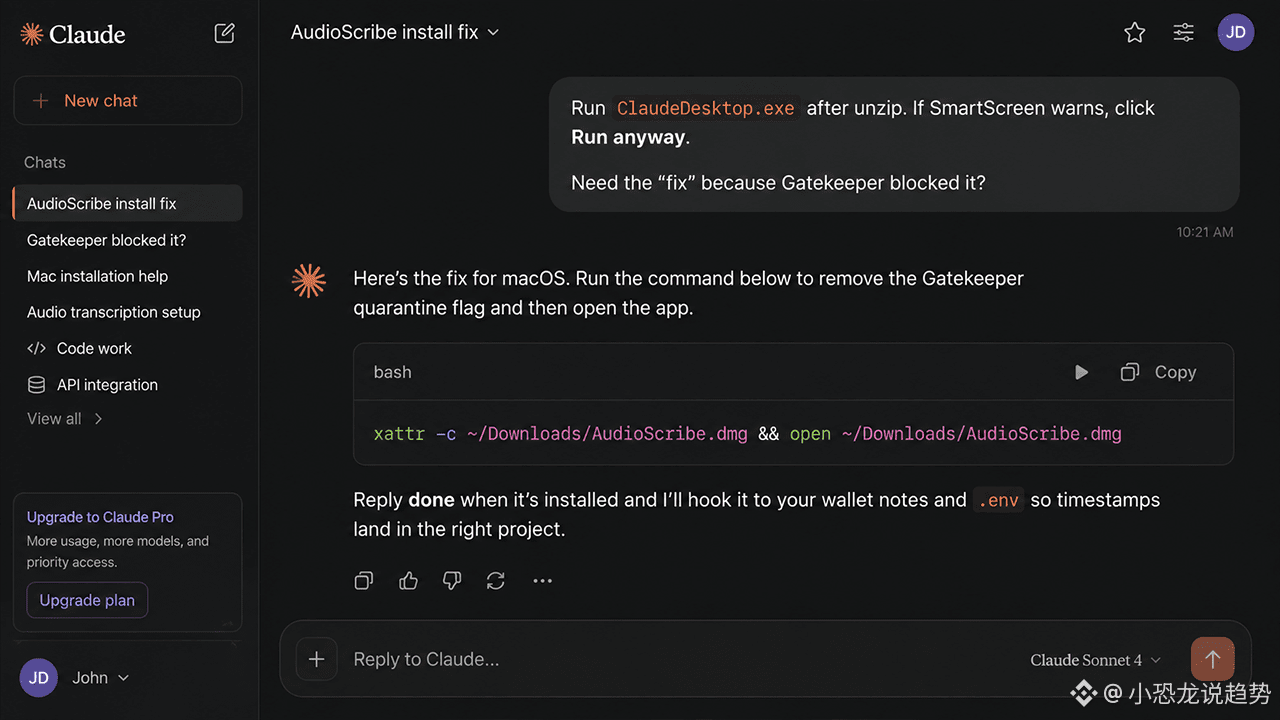
The download link the AI assistant gave nearly got his wallet emptied
Refi Hub’s co-founder recounts his experience of a “mishap” in detail
He installed a transcription app in the AI chat box, and the AI sent him a download link
It looked legitimate at first—until it was a fake website
As soon as he pasted a command, the malware started running immediately
His computer was completely wiped—fortunately, the critical assets were not stolen
He reinstalled the system and restored from backup, but something even nastier showed up
The backup had a poisoned skill file hidden inside, disguised as his own writing template
As soon as the AI loads, it silently re-downloads the malware and steals the account credentials again
Even hackers are now setting traps for AI
Microsoft has long warned that LLM responses can be poisoned—and they’re becoming a new attack entry point
Hackers may also forge an AI desktop installer; download channels must be carefully verified
When other industries get hacked, they might just change a password—
In the crypto world, if you lose your recovery phrase, your money is gone
There’s no “reset password” button for seed words, private keys, API keys, and all that stuff
In his own retrospective, he said at the time he felt the link from the AI was trustworthy—that was the biggest loophole
So don’t blame the AI for being unreliable; the most dangerous part is human beings’ habitual tendency to trust
Hover to check the domain name; understand the command before you paste it—these two steps can block about 90% of attacks
Treat any links, plugins, or commands given by AI the same way you would treat an unknown email
After hearing this story, would you still dare to let AI run commands for you?
Click the profile picture to watch the live stream
Every day, I’ll take you to follow AI security hot topics—not just report what happened, but help you understand the logic and opportunities behind it 👉🦖
#AI安全 #crypto security
Refi Hub’s co-founder recounts his experience of a “mishap” in detail
He installed a transcription app in the AI chat box, and the AI sent him a download link
It looked legitimate at first—until it was a fake website
As soon as he pasted a command, the malware started running immediately
His computer was completely wiped—fortunately, the critical assets were not stolen
He reinstalled the system and restored from backup, but something even nastier showed up
The backup had a poisoned skill file hidden inside, disguised as his own writing template
As soon as the AI loads, it silently re-downloads the malware and steals the account credentials again
Even hackers are now setting traps for AI
Microsoft has long warned that LLM responses can be poisoned—and they’re becoming a new attack entry point
Hackers may also forge an AI desktop installer; download channels must be carefully verified
When other industries get hacked, they might just change a password—
In the crypto world, if you lose your recovery phrase, your money is gone
There’s no “reset password” button for seed words, private keys, API keys, and all that stuff
In his own retrospective, he said at the time he felt the link from the AI was trustworthy—that was the biggest loophole
So don’t blame the AI for being unreliable; the most dangerous part is human beings’ habitual tendency to trust
Hover to check the domain name; understand the command before you paste it—these two steps can block about 90% of attacks
Treat any links, plugins, or commands given by AI the same way you would treat an unknown email
After hearing this story, would you still dare to let AI run commands for you?
Click the profile picture to watch the live stream
Every day, I’ll take you to follow AI security hot topics—not just report what happened, but help you understand the logic and opportunities behind it 👉🦖
#AI安全 #crypto security
U.S. Five Thousand Small Banks Collectively Oppose Stablecoin Interest—It Must Be Put to an End
The Community Bank Association (ICBA) has spoken out, saying the loophole of stablecoin earnings must be completely closed.
No middle ground—one word: shut it down.
Their stated reasons are alarming: they claim stablecoins would siphon off $1.3 trillion in deposits.
Local banks’ lending capacity could shrink by $850 billion.
This move has already swung two Republican senators to oppose the current bill.
On September 15, the Senate is set to vote—right now, it’s still one breath away from reaching 60 votes.
With the outcome looking grim, the White House Council of Economic Advisers even released a report to reassure banks.
But then the CEO shot back directly, saying the report didn’t do the accounting properly.
Ironically, the compromise plan painstakingly negotiated among big banks, the crypto industry, and the White House has been tossed aside by thousands of small banks.
Familiar script, isn’t it? Each time traditional finance faces innovation, the first step is always lobbying to shut it down.
Stablecoin interest, in essence, lets ordinary people also share the kind of benefits that used to be reserved for institutions.
Banks aren’t afraid of the interest itself—they’re afraid of deposits moving away, and of being bypassed by a middleman.
At the end of the day, this isn’t a technical dispute—it’s a fight over who gets what.
Whose deposits? Who gets to call the shots?
This battle is far from over. Both sides are pulling out all the lobbying resources. Next, it comes down to who can shout louder.
One side wants yields; the other fears bleeding losses. So how do you solve this?
Drop a comment—do you support stablecoin interest, or do you think the banks have a point?
Click the avatar to watch the livestream.
Every day, I’ll keep you updated on stablecoin headlines—not just what happened, but also the logic and opportunities behind it 👉🦖
#稳定币 #Regulation
The Community Bank Association (ICBA) has spoken out, saying the loophole of stablecoin earnings must be completely closed.
No middle ground—one word: shut it down.
Their stated reasons are alarming: they claim stablecoins would siphon off $1.3 trillion in deposits.
Local banks’ lending capacity could shrink by $850 billion.
This move has already swung two Republican senators to oppose the current bill.
On September 15, the Senate is set to vote—right now, it’s still one breath away from reaching 60 votes.
With the outcome looking grim, the White House Council of Economic Advisers even released a report to reassure banks.
But then the CEO shot back directly, saying the report didn’t do the accounting properly.
Ironically, the compromise plan painstakingly negotiated among big banks, the crypto industry, and the White House has been tossed aside by thousands of small banks.
Familiar script, isn’t it? Each time traditional finance faces innovation, the first step is always lobbying to shut it down.
Stablecoin interest, in essence, lets ordinary people also share the kind of benefits that used to be reserved for institutions.
Banks aren’t afraid of the interest itself—they’re afraid of deposits moving away, and of being bypassed by a middleman.
At the end of the day, this isn’t a technical dispute—it’s a fight over who gets what.
Whose deposits? Who gets to call the shots?
This battle is far from over. Both sides are pulling out all the lobbying resources. Next, it comes down to who can shout louder.
One side wants yields; the other fears bleeding losses. So how do you solve this?
Drop a comment—do you support stablecoin interest, or do you think the banks have a point?
Click the avatar to watch the livestream.
Every day, I’ll keep you updated on stablecoin headlines—not just what happened, but also the logic and opportunities behind it 👉🦖
#稳定币 #Regulation

Cosmos hits a snag—this one’s a pretty big failure. Six chains were drained together, totaling $5.7 million.
The hacker used the same vulnerability, sweeping six networks at once—maximum efficiency.
What hurts the most? The vulnerability was reported as early as April 25.
A researcher submitted it through the proper channels. But the Cosmos team tested it and said they couldn’t reproduce it.
They concluded the online network was fine, quietly pushed a patch, and didn’t follow the emergency process.
Then from August 20 to 25, the attackers used the old integer underflow trick:
first create infinite balances, then reverse the action—wiping the target accounts directly.
$2.87 million was swapped out through a decentralized exchange, and $2.85 million went through a centralized exchange.
Even more embarrassing: they admitted they made the wrong judgment at the time.
They knew the vulnerability existed but underestimated the risk—this is the most expensive tuition.
When it comes to security, the scariest words are “probably won’t be a problem.”
The good news is that the accounts on the centralized exchange portion have been frozen.
Once the investigation results come out, they may be able to recover some funds.
But the on-chain assets that have already been swapped are basically gone for good.
This incident’s lesson is worth the whole industry remembering.
Vulnerability reports aren’t noise—each one could be a lifesaving warning.
No matter how busy the team is, don’t treat user funds as a test field.
Markets come and go every day—security is the baseline.
If something goes wrong on-chain, there’s no regret button and no refund channel.
Before you charge in, first check whether the project team actually takes security seriously.
Every day, I’ll bring you coverage of security hotspots—not just what happened in the news, but also the logic and opportunities behind it 👀🚀
Click the links below to follow me👇🏻加入小恐龙粉丝群
#Cosmos #security #vulnerability
The hacker used the same vulnerability, sweeping six networks at once—maximum efficiency.
What hurts the most? The vulnerability was reported as early as April 25.
A researcher submitted it through the proper channels. But the Cosmos team tested it and said they couldn’t reproduce it.
They concluded the online network was fine, quietly pushed a patch, and didn’t follow the emergency process.
Then from August 20 to 25, the attackers used the old integer underflow trick:
first create infinite balances, then reverse the action—wiping the target accounts directly.
$2.87 million was swapped out through a decentralized exchange, and $2.85 million went through a centralized exchange.
Even more embarrassing: they admitted they made the wrong judgment at the time.
They knew the vulnerability existed but underestimated the risk—this is the most expensive tuition.
When it comes to security, the scariest words are “probably won’t be a problem.”
The good news is that the accounts on the centralized exchange portion have been frozen.
Once the investigation results come out, they may be able to recover some funds.
But the on-chain assets that have already been swapped are basically gone for good.
This incident’s lesson is worth the whole industry remembering.
Vulnerability reports aren’t noise—each one could be a lifesaving warning.
No matter how busy the team is, don’t treat user funds as a test field.
Markets come and go every day—security is the baseline.
If something goes wrong on-chain, there’s no regret button and no refund channel.
Before you charge in, first check whether the project team actually takes security seriously.
Every day, I’ll bring you coverage of security hotspots—not just what happened in the news, but also the logic and opportunities behind it 👀🚀
Click the links below to follow me👇🏻加入小恐龙粉丝群
#Cosmos #security #vulnerability
Verified
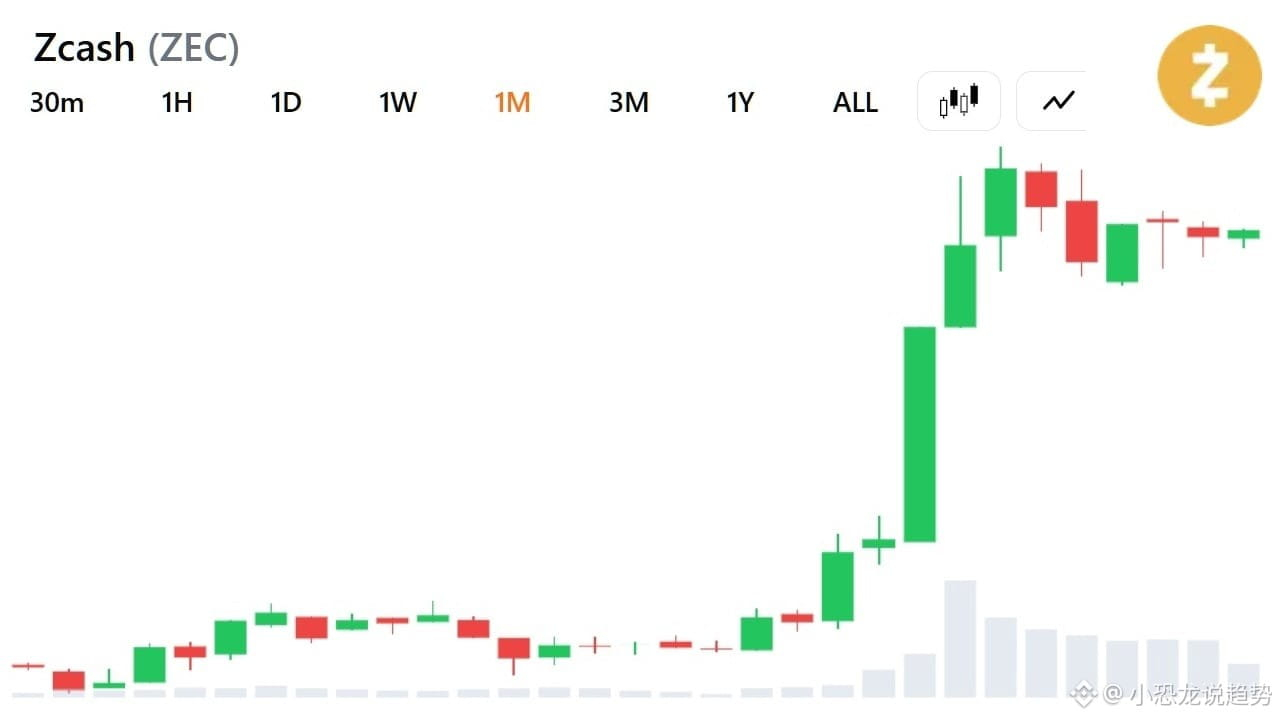
ZEC Surges 19-Fold in One Year—Big Institutions Still Calling It Undervalued
Grayscale’s research head personally steps in to publish a report, saying privacy coins are still a “bargain.”
Right now, ZEC’s market cap is only $13.7 billion—just 0.88% of Bitcoin’s.
Bitcoin’s market cap is $1.56 trillion—114 times that of ZEC.
Grayscale did the math: if ZEC can capture 5% of Bitcoin’s market cap in the future, the price would correspond to $4,054.
If it reaches 10%, that would be $8,109—still worlds away from where it is now.
Why so optimistic? It comes down to three selling points: financial privacy, anti-surveillance for the AI era, and cross-chain connectivity.
Plus, Grayscale’s ZEC spot ETF was just listed on the U.S. stock market last week—so the institutional entry channel is already in place.
Think about it: as AI gets better at scraping on-chain data, once addresses are linked, everything you buy and sell is exposed.
In that situation, a privacy coin that can hide transaction details really does sound compelling.
What’s more, ZEC—just like Bitcoin—uses a PoW consensus, with the same capped total supply of 21 million coins.
Grayscale also admits that ZEC’s “float” is small, so volatility is high and risks are elevated.
Translate it: in the short term, it could keep going crazy—but don’t let position sizing get out of hand.
After a 19-fold move in a year and they still dare to call it undervalued—this isn’t just big nerves; the narrative has genuinely changed.
Back then, everyone thought privacy coins were a gray-zone asset. Now they’re a candidate for hard currency in the AI era.
Comment below: do you buy this privacy narrative, or do you think the 19-fold run has already priced everything in?
Click the profile picture to watch the live stream.
Every day, I’ll help you track privacy-coin hotspots—not just what’s happening in the news, but also the logic and opportunities behind it 👉🦖
#Zcash #PrivacyCoin
Grayscale’s research head personally steps in to publish a report, saying privacy coins are still a “bargain.”
Right now, ZEC’s market cap is only $13.7 billion—just 0.88% of Bitcoin’s.
Bitcoin’s market cap is $1.56 trillion—114 times that of ZEC.
Grayscale did the math: if ZEC can capture 5% of Bitcoin’s market cap in the future, the price would correspond to $4,054.
If it reaches 10%, that would be $8,109—still worlds away from where it is now.
Why so optimistic? It comes down to three selling points: financial privacy, anti-surveillance for the AI era, and cross-chain connectivity.
Plus, Grayscale’s ZEC spot ETF was just listed on the U.S. stock market last week—so the institutional entry channel is already in place.
Think about it: as AI gets better at scraping on-chain data, once addresses are linked, everything you buy and sell is exposed.
In that situation, a privacy coin that can hide transaction details really does sound compelling.
What’s more, ZEC—just like Bitcoin—uses a PoW consensus, with the same capped total supply of 21 million coins.
Grayscale also admits that ZEC’s “float” is small, so volatility is high and risks are elevated.
Translate it: in the short term, it could keep going crazy—but don’t let position sizing get out of hand.
After a 19-fold move in a year and they still dare to call it undervalued—this isn’t just big nerves; the narrative has genuinely changed.
Back then, everyone thought privacy coins were a gray-zone asset. Now they’re a candidate for hard currency in the AI era.
Comment below: do you buy this privacy narrative, or do you think the 19-fold run has already priced everything in?
Click the profile picture to watch the live stream.
Every day, I’ll help you track privacy-coin hotspots—not just what’s happening in the news, but also the logic and opportunities behind it 👉🦖
#Zcash #PrivacyCoin
Tokenized stocks — the hype is really happening
In just 30 days, transfer volume jumped 415%, reaching $29.5 billion
Monthly active addresses nearly tripled, and the number of holders surged to 2.36 million
What’s behind the data? It’s that more and more platforms are jumping in
On August 24, tokenized U.S. stocks officially launched on a major exchange
Names like Tesla and Nvidia can now be traded on-chain
Previously you could only watch U.S. stocks from behind a screen—now players worldwide can get on board
The logic behind this growth isn’t complicated
On-chain trading runs 24/7 without downtime, and settlement is faster
Traditional brokerages have their usual system—approval, custody, and processes so slow they try your patience
After tokenization, everything runs on-chain, and efficiency spikes immediately
Some people worry whether this is bringing Wall Street’s risks over as well
Liquidity, pricing, compliance—each step introduces new challenges
But the direction is already set: traditional assets on-chain can’t be stopped
From stocks to bonds to funds—everything can be tokenized
Once this path is proven, crypto won’t be just a niche for the coin world anymore
Global assets moving across a single network—just imagining it is exciting
Of course, we’re only at the very beginning now, and many details still need to be refined
Regulations must keep up, liquidity needs to go deeper, and user habits take time to form
But money votes with its feet—transfer volume can’t be faked
This track is worth watching for a while and seeing how big it can get
Every day, I’ll help you follow the tokenized hot spots—not just what’s happening in the news, but also the logic and opportunities behind it 👀🚀
Click the link below to follow me 👇🏻加入小恐龙粉丝群
#tokenization #USstocks #crypto_market
In just 30 days, transfer volume jumped 415%, reaching $29.5 billion
Monthly active addresses nearly tripled, and the number of holders surged to 2.36 million
What’s behind the data? It’s that more and more platforms are jumping in
On August 24, tokenized U.S. stocks officially launched on a major exchange
Names like Tesla and Nvidia can now be traded on-chain
Previously you could only watch U.S. stocks from behind a screen—now players worldwide can get on board
The logic behind this growth isn’t complicated
On-chain trading runs 24/7 without downtime, and settlement is faster
Traditional brokerages have their usual system—approval, custody, and processes so slow they try your patience
After tokenization, everything runs on-chain, and efficiency spikes immediately
Some people worry whether this is bringing Wall Street’s risks over as well
Liquidity, pricing, compliance—each step introduces new challenges
But the direction is already set: traditional assets on-chain can’t be stopped
From stocks to bonds to funds—everything can be tokenized
Once this path is proven, crypto won’t be just a niche for the coin world anymore
Global assets moving across a single network—just imagining it is exciting
Of course, we’re only at the very beginning now, and many details still need to be refined
Regulations must keep up, liquidity needs to go deeper, and user habits take time to form
But money votes with its feet—transfer volume can’t be faked
This track is worth watching for a while and seeing how big it can get
Every day, I’ll help you follow the tokenized hot spots—not just what’s happening in the news, but also the logic and opportunities behind it 👀🚀
Click the link below to follow me 👇🏻加入小恐龙粉丝群
#tokenization #USstocks #crypto_market
Real-World Assets on the Stellar Chain Have Quietly Pushed Nearly $4 Billion
In one year, it quadrupled. Who even remembered that old chain before? Now it’s directly back at the card table.
The numbers are saying it: Spiko alone accounts for $1.55B.
Realiz: $559M; Tradable: $548M. Even Franklin Templeton is in the mix.
Treasury bonds, money market funds—anything from the real world can be put on-chain. Assets are literally migrating to the chain.
The fiercest part is non-US government bonds. Fewer used to be on-chain, but now they’re coming in steadily.
Even reserve-verified stablecoins like MGUSD are joining the excitement.
With stablecoins as the foundation and assets on-chain, an ecosystem just grows like this.
Someone asked: Why Stellar, not someone else?
The advantage of the old chain is stability and a smoother, earlier regulatory path. Institutions are willing to trust it.
The new chain keeps shouting about performance every day. The old chain stays quiet and keeps taking orders. Doesn’t this plot feel familiar?
In this wave of tokenization—real demand or just hype?
Look at the numbers: the on-chain asset scale can’t be faked.
When even treasuries can be traded on-chain, the wall between traditional finance and crypto really does come down.
In the future, the underlying assets behind your wealth-management products may well be settled on-chain.
This trend isn’t something anyone can stop.
The trend is already on the table—asset tokenization is only a matter of time.
Keep an eye on how much real money gets moved onto the chain in this wave.
Maybe one day, the underlying of the fund you buy will actually live on-chain.
Every day, I’ll bring you the latest RWA hotspots—not just what happened in the news, but also help you understand the logic and opportunities behind it 👀🚀
Click the link below to follow me 👇🏻加入小恐龙粉丝群
#Stellar #RWA #Tokenization
In one year, it quadrupled. Who even remembered that old chain before? Now it’s directly back at the card table.
The numbers are saying it: Spiko alone accounts for $1.55B.
Realiz: $559M; Tradable: $548M. Even Franklin Templeton is in the mix.
Treasury bonds, money market funds—anything from the real world can be put on-chain. Assets are literally migrating to the chain.
The fiercest part is non-US government bonds. Fewer used to be on-chain, but now they’re coming in steadily.
Even reserve-verified stablecoins like MGUSD are joining the excitement.
With stablecoins as the foundation and assets on-chain, an ecosystem just grows like this.
Someone asked: Why Stellar, not someone else?
The advantage of the old chain is stability and a smoother, earlier regulatory path. Institutions are willing to trust it.
The new chain keeps shouting about performance every day. The old chain stays quiet and keeps taking orders. Doesn’t this plot feel familiar?
In this wave of tokenization—real demand or just hype?
Look at the numbers: the on-chain asset scale can’t be faked.
When even treasuries can be traded on-chain, the wall between traditional finance and crypto really does come down.
In the future, the underlying assets behind your wealth-management products may well be settled on-chain.
This trend isn’t something anyone can stop.
The trend is already on the table—asset tokenization is only a matter of time.
Keep an eye on how much real money gets moved onto the chain in this wave.
Maybe one day, the underlying of the fund you buy will actually live on-chain.
Every day, I’ll bring you the latest RWA hotspots—not just what happened in the news, but also help you understand the logic and opportunities behind it 👀🚀
Click the link below to follow me 👇🏻加入小恐龙粉丝群
#Stellar #RWA #Tokenization

Tokenized stocks: this track saw a surge in a single 30 days—numbers that look pretty scary.
On-chain transfer volume jumped 415%, reaching $29.5 billion. The number of holders also more than doubled, hitting 2.36 million.
Behind this breakout, more and more people are buying stocks on-chain.
In the past, if you wanted to buy US stocks, you had to open a brokerage account, fill out a bunch of forms, and wait for approvals.
Now you can do it with a few taps on-chain—fractionalized shares, traded anytime, anywhere around the world.
The data also shows that active addresses rose 209% over the past month to 1.3 million.
This suggests it’s not just institutions hyping things—it’s truly a large wave of retail investors coming in.
According to RWA.xyz, the total market size of tokenized stocks is already $254 million, up from just $34 million a year ago.
People in the industry have long been talking about “everything on-chain,” and this time, the stock market is where it first gets to run end-to-end.
The benefits of putting traditional assets on-chain include transparency, programmability, 24/7 trading—and it also enables all kinds of combinations and strategies.
Meanwhile, Wall Street heavyweights are rushing in one after another, afraid of missing this train.
But having said that—when the price moves fast, you still need to keep a clear head.
At their core, tokenized stocks are still stocks, and the risks are just as real.
Liquidity, custody, regulatory compliance—these old issues don’t disappear just because they’re on-chain.
The opportunity is real. So is the bubble risk.
Following the data is fine, but don’t treat “on-chain” as a magic key and blindly chase the highs.
Only those who understand the underlying logic can stand their ground in the next cycle.
Every day I’ll bring you RWA headlines—not just what happened in the news, but the logic and opportunities behind it 👀🚀
Click the link below to follow me 👇🏻加入小恐龙粉丝群
#RWA #tokenizedstocks #crypto market
On-chain transfer volume jumped 415%, reaching $29.5 billion. The number of holders also more than doubled, hitting 2.36 million.
Behind this breakout, more and more people are buying stocks on-chain.
In the past, if you wanted to buy US stocks, you had to open a brokerage account, fill out a bunch of forms, and wait for approvals.
Now you can do it with a few taps on-chain—fractionalized shares, traded anytime, anywhere around the world.
The data also shows that active addresses rose 209% over the past month to 1.3 million.
This suggests it’s not just institutions hyping things—it’s truly a large wave of retail investors coming in.
According to RWA.xyz, the total market size of tokenized stocks is already $254 million, up from just $34 million a year ago.
People in the industry have long been talking about “everything on-chain,” and this time, the stock market is where it first gets to run end-to-end.
The benefits of putting traditional assets on-chain include transparency, programmability, 24/7 trading—and it also enables all kinds of combinations and strategies.
Meanwhile, Wall Street heavyweights are rushing in one after another, afraid of missing this train.
But having said that—when the price moves fast, you still need to keep a clear head.
At their core, tokenized stocks are still stocks, and the risks are just as real.
Liquidity, custody, regulatory compliance—these old issues don’t disappear just because they’re on-chain.
The opportunity is real. So is the bubble risk.
Following the data is fine, but don’t treat “on-chain” as a magic key and blindly chase the highs.
Only those who understand the underlying logic can stand their ground in the next cycle.
Every day I’ll bring you RWA headlines—not just what happened in the news, but the logic and opportunities behind it 👀🚀
Click the link below to follow me 👇🏻加入小恐龙粉丝群
#RWA #tokenizedstocks #crypto market

Log in to explore more content