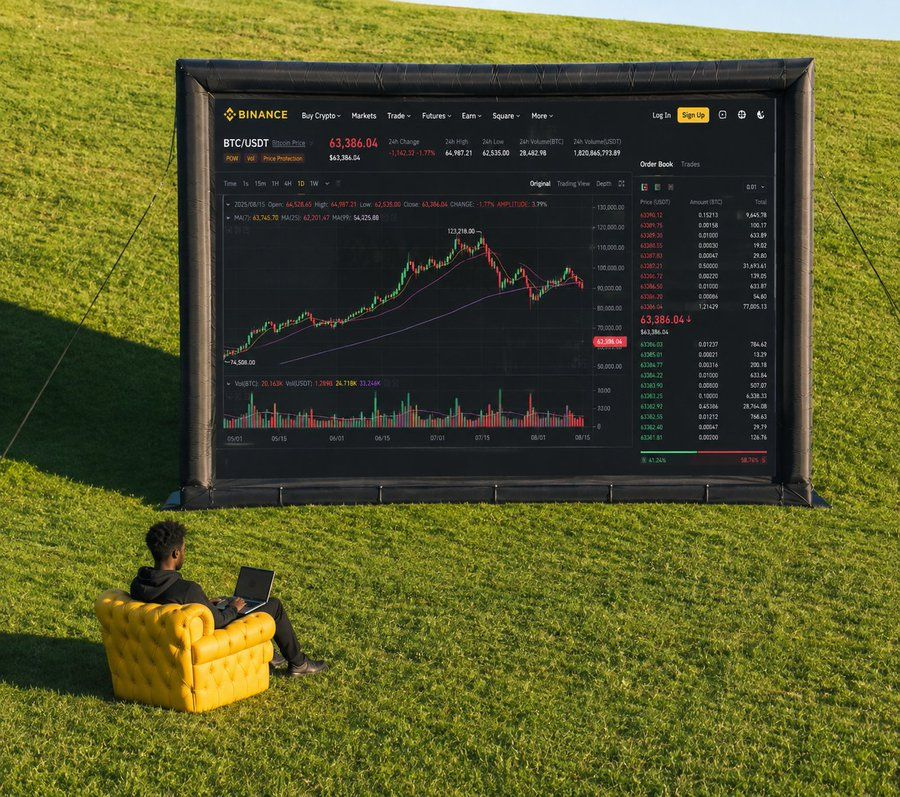

This week’s event density is one of the highest of the year: consumer confidence on Tuesday; Nvidia’s earnings on Wednesday; GDP revisions plus the opening of Jackson Hole on Thursday; and PCE data plus Warsh’s first Jackson Hole keynote speech—on the same day in the morning.
I took a look at the forecast numbers, and it’s a bit of a headache.
Core PCE is expected to accelerate to 0.3% month over month, while GDP is revised down—hot inflation, slow growth; this combination has a name: stagflation.
Last week’s 22% jump in BTC was because Treasury repo activity ignited the “currency debasement trade,” but if PCE really runs hot, there’s no reason for Warsh to soften his stance at Jackson Hole—he will directly “shut the trade down” with his speech that same morning.
What’s even more troublesome is that the Fed and the Treasury are basically operating in opposite directions now: the Treasury is injecting liquidity, while the Fed is tightening—“I think this will require the Fed to adjust its interest-rate target by more than it originally expected.”
This contradiction will keep hanging over markets until before Warsh’s speech.
Nvidia’s earnings are also a two-edged sword: earnings beat expectations plus strong AI guidance benefit both tech and crypto; if earnings disappoint or guidance is cautious, the AI trade could unwind quickly, and part of this week’s gains may be digested fast.
The bond market is the variable that covers everything—10-year U.S. Treasury yields are at 4.74%, near a 52-week high. As long as yields remain here, upside for any risk asset faces structural pressure.
BTC is now around 77,500; holding 77,000 is the minimum requirement.
This week’s events aren’t about whether there are catalysts—they’re about having too many catalysts at the same time with no clear direction. In this kind of environment, wide-range oscillations are most likely, not a one-way breakout.
What are you planning to do with your trades this week—keep your positions unchanged or cut a bit first and wait for Warsh to speak? Share your thoughts.
$BTC
#BTC
I took a look at the forecast numbers, and it’s a bit of a headache.
Core PCE is expected to accelerate to 0.3% month over month, while GDP is revised down—hot inflation, slow growth; this combination has a name: stagflation.
Last week’s 22% jump in BTC was because Treasury repo activity ignited the “currency debasement trade,” but if PCE really runs hot, there’s no reason for Warsh to soften his stance at Jackson Hole—he will directly “shut the trade down” with his speech that same morning.
What’s even more troublesome is that the Fed and the Treasury are basically operating in opposite directions now: the Treasury is injecting liquidity, while the Fed is tightening—“I think this will require the Fed to adjust its interest-rate target by more than it originally expected.”
This contradiction will keep hanging over markets until before Warsh’s speech.
Nvidia’s earnings are also a two-edged sword: earnings beat expectations plus strong AI guidance benefit both tech and crypto; if earnings disappoint or guidance is cautious, the AI trade could unwind quickly, and part of this week’s gains may be digested fast.
The bond market is the variable that covers everything—10-year U.S. Treasury yields are at 4.74%, near a 52-week high. As long as yields remain here, upside for any risk asset faces structural pressure.
BTC is now around 77,500; holding 77,000 is the minimum requirement.
This week’s events aren’t about whether there are catalysts—they’re about having too many catalysts at the same time with no clear direction. In this kind of environment, wide-range oscillations are most likely, not a one-way breakout.
What are you planning to do with your trades this week—keep your positions unchanged or cut a bit first and wait for Warsh to speak? Share your thoughts.
$BTC
#BTC