Iran threatens retaliation over US economic interests, risk aversion heats up; BTC clings to 76K
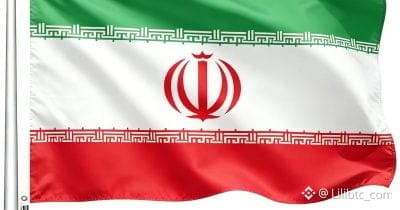
Iran has openly threatened US economic interests, increasing the risk of a breakdown in talks between the two sides. Risk-aversion sentiment has weighed on BTC to $76,565.
The US has added another batch of sanctions against Iran, and Iran responded directly: it will target US economic interests. This isn’t just empty talk—oil tankers in the Persian Gulf and shipping routes near US military bases in the Middle East could all be potential targets. The key issue is timing: the market originally expected that by before 2026, the US and Iran could agree on some de-escalation plan, but that expectation has essentially been dashed. The diplomatic window is narrowing, and the geopolitical risk premium is back in the pricing.
Market impact
Let’s make the transmission path clear: escalation in Middle East conflict → surge in oil prices → higher US inflation expectations → reduced room for the Fed to cut rates → tighter liquidity expectations → downward pressure on BTC. BTC is not a safe-haven asset; it’s a liquidity asset. When geopolitical tensions rise, it falls along with US equities rather than rallying like gold.
- Short term: BTC at $76,565 (24h -0.51%) has started showing signs of a pullback. ETH at $2,413 (-0.09%) has held up relatively better, but only with a lag—not immunity. If oil jumps higher, risk assets will be under pressure across the board.
- Medium term: the expectation of a US-Iran deal in 2026 has failed, meaning the entire 2026 macro storyline needs rewriting. The rate-cut path may come later and be shallower, which would suppress valuations.
My view
Bearish. In the short term, whether BTC can hold the 76K whole-number level is crucial. A breakdown would open room to the downside. Support lies around $74K–$75K; resistance is at 78K. If ETH ($2,413) loses $2,400, the next look is around $2,300. Scenario analysis: if Iran is only posturing, the market may digest the impact within about a week. But if it actually strikes oil tankers or blocks the Strait of Hormuz, the risk-aversion mode would fully kick in and the drawdown for risk assets would not be small. I currently lean toward the first scenario, but position-wise I still want to leave room for the latter.
One-sentence translation: Geopolitical risk doesn’t directly smash the market—it gradually tightens liquidity through the path of “inflation rising → rate cuts delayed,” and BTC’s valuation depends on liquidity.
🎯 Impact outlook
- Assets: BTC / ETH
- Direction: Bearish 📉 forecast to fall
- Duration: BTC 12 hours / ETH 24 hours
$BTC $ETH #BTC #ETH
⚠️ Not investment advice
Iran has openly threatened US economic interests, increasing the risk of a breakdown in talks between the two sides. Risk-aversion sentiment has weighed on BTC to $76,565.
The US has added another batch of sanctions against Iran, and Iran responded directly: it will target US economic interests. This isn’t just empty talk—oil tankers in the Persian Gulf and shipping routes near US military bases in the Middle East could all be potential targets. The key issue is timing: the market originally expected that by before 2026, the US and Iran could agree on some de-escalation plan, but that expectation has essentially been dashed. The diplomatic window is narrowing, and the geopolitical risk premium is back in the pricing.
Market impact
Let’s make the transmission path clear: escalation in Middle East conflict → surge in oil prices → higher US inflation expectations → reduced room for the Fed to cut rates → tighter liquidity expectations → downward pressure on BTC. BTC is not a safe-haven asset; it’s a liquidity asset. When geopolitical tensions rise, it falls along with US equities rather than rallying like gold.
- Short term: BTC at $76,565 (24h -0.51%) has started showing signs of a pullback. ETH at $2,413 (-0.09%) has held up relatively better, but only with a lag—not immunity. If oil jumps higher, risk assets will be under pressure across the board.
- Medium term: the expectation of a US-Iran deal in 2026 has failed, meaning the entire 2026 macro storyline needs rewriting. The rate-cut path may come later and be shallower, which would suppress valuations.
My view
Bearish. In the short term, whether BTC can hold the 76K whole-number level is crucial. A breakdown would open room to the downside. Support lies around $74K–$75K; resistance is at 78K. If ETH ($2,413) loses $2,400, the next look is around $2,300. Scenario analysis: if Iran is only posturing, the market may digest the impact within about a week. But if it actually strikes oil tankers or blocks the Strait of Hormuz, the risk-aversion mode would fully kick in and the drawdown for risk assets would not be small. I currently lean toward the first scenario, but position-wise I still want to leave room for the latter.
One-sentence translation: Geopolitical risk doesn’t directly smash the market—it gradually tightens liquidity through the path of “inflation rising → rate cuts delayed,” and BTC’s valuation depends on liquidity.
🎯 Impact outlook
- Assets: BTC / ETH
- Direction: Bearish 📉 forecast to fall
- Duration: BTC 12 hours / ETH 24 hours
$BTC $ETH #BTC #ETH
⚠️ Not investment advice