
菲菲Faye
506 Posts

菲菲Faye
Report
Block User
菲菲财经;X、ins、YouTube:chainbeautyfaye

BNB Holder
Occasional Trader
2.6 Years
277 Following
23.3K+ Followers
15.7K+ Liked
Posts
All
Quotes
Videos
PINNED
·
--
We looking to make long‑term bets on Web3 projects run by teams based in Europe, US, Australia and other Western regions.
we could put in anywhere from 100k‑2000k USDT per project.
Super generous referral bonus for good leads! 🧧
Feel free to slide into my DMs or leave a note below.
We looking to make long‑term bets on Web3 projects run by teams based in Europe, US, Australia and other Western regions.
we could put in anywhere from 100k‑2000k USDT per project.
Super generous referral bonus for good leads! 🧧
Feel free to slide into my DMs or leave a note below.
we could put in anywhere from 100k‑2000k USDT per project.
Super generous referral bonus for good leads! 🧧
Feel free to slide into my DMs or leave a note below.



19
1
56
14.1k
·
--
Crypto, the stock market, and the weather have all entered a deep freeze 🥹
Chilly 🥶
Crypto, the stock market, and the weather have all entered a deep freeze 🥹
Chilly 🥶
Chilly 🥶

2
2
679
·
--
Partly True
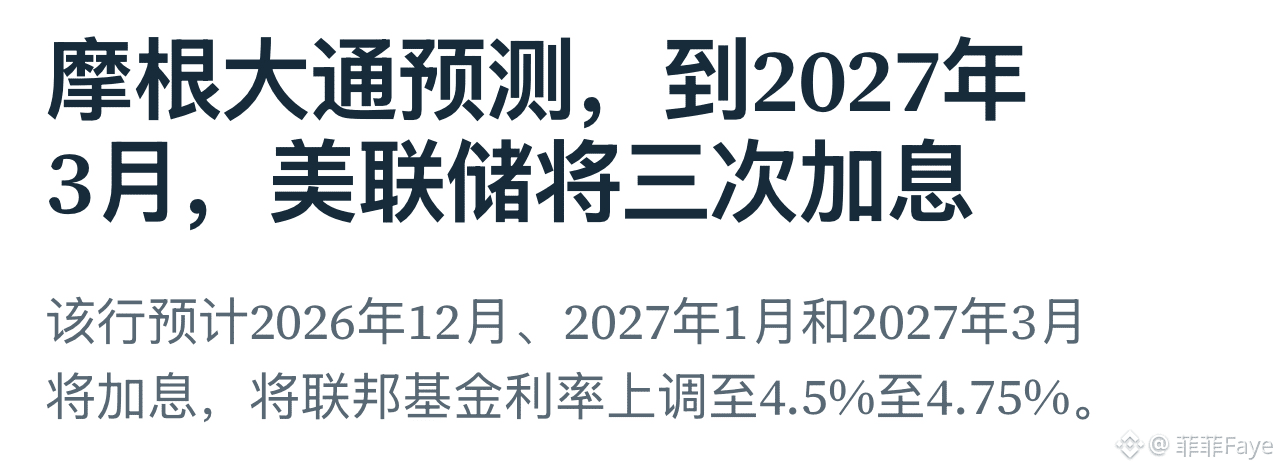
We are entering a rate-hiking cycle,
with the Fed expected to raise rates three times—in December, January, and March—bringing the federal funds rate to 4.5%-4.75%.
We are entering a rate-hiking cycle,
with the Fed expected to raise rates three times—in December, January, and March—bringing the federal funds rate to 4.5%-4.75%.
with the Fed expected to raise rates three times—in December, January, and March—bringing the federal funds rate to 4.5%-4.75%.
2
5
7.7k
·
--
Verified
Article
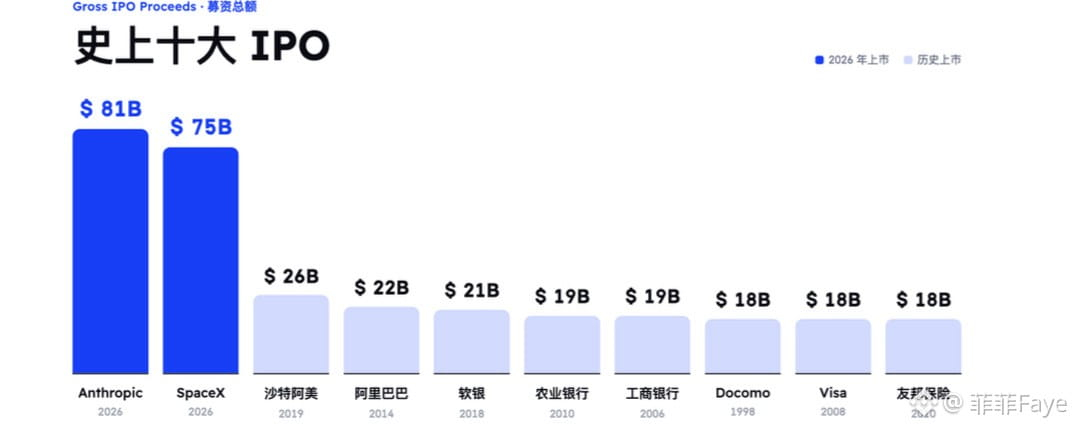
Tonight, the biggest IPO in history is going publicAnthropic priced its IPO yesterday at $83 per share, about 6.4% above the original range of $70 to $78. (It will list on Nasdaq tonight under the ticker symbol ANT.)
Not only was the price raised, but the number of shares being offered also increased from 825 million to 980 million. With many institutions looking to buy, subscription orders at one point approached
7 times the number of shares available for sale, according to Bloomberg. Institutional investor demand was exceptionally strong.
Of these 980 million shares, most (about 956 million) are newly issued by the company, and the proceeds go to the company. Another approximately 23.65 million shares are being sold by the seven co-founders themselves, about 3.38 million each. At $83 per share, each would cash out about $280 million. That money has nothing to do with the company.
Tonight, the biggest IPO in history is going public
Anthropic priced its IPO yesterday at $83 per share, about 6.4% above the original range of $70 to $78. (It will list on Nasdaq tonight under the ticker symbol ANT.)
Not only was the price raised, but the number of shares being offered also increased from 825 million to 980 million. With many institutions looking to buy, subscription orders at one point approached
7 times the number of shares available for sale, according to Bloomberg. Institutional investor demand was exceptionally strong.
Of these 980 million shares, most (about 956 million) are newly issued by the company, and the proceeds go to the company. Another approximately 23.65 million shares are being sold by the seven co-founders themselves, about 3.38 million each. At $83 per share, each would cash out about $280 million. That money has nothing to do with the company.
5
2.1k
·
--
Verified
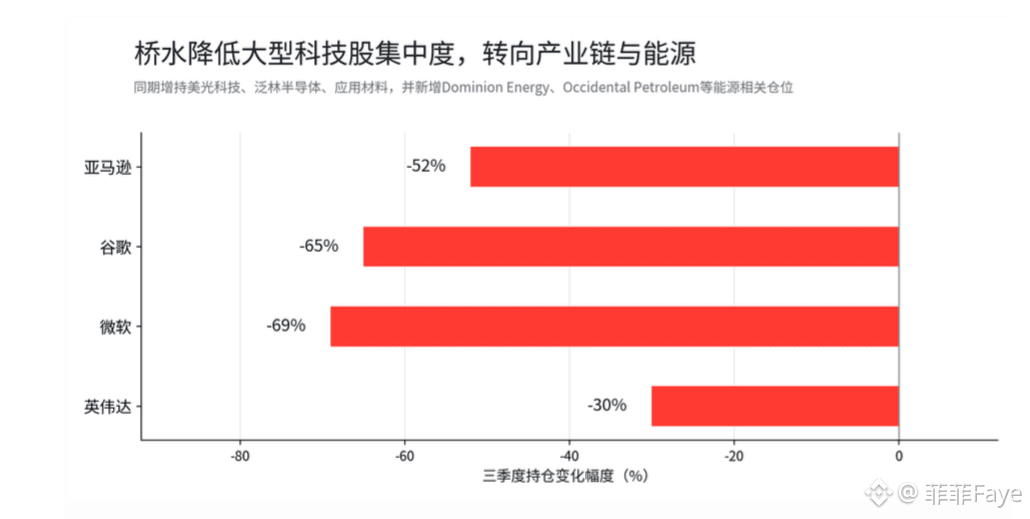
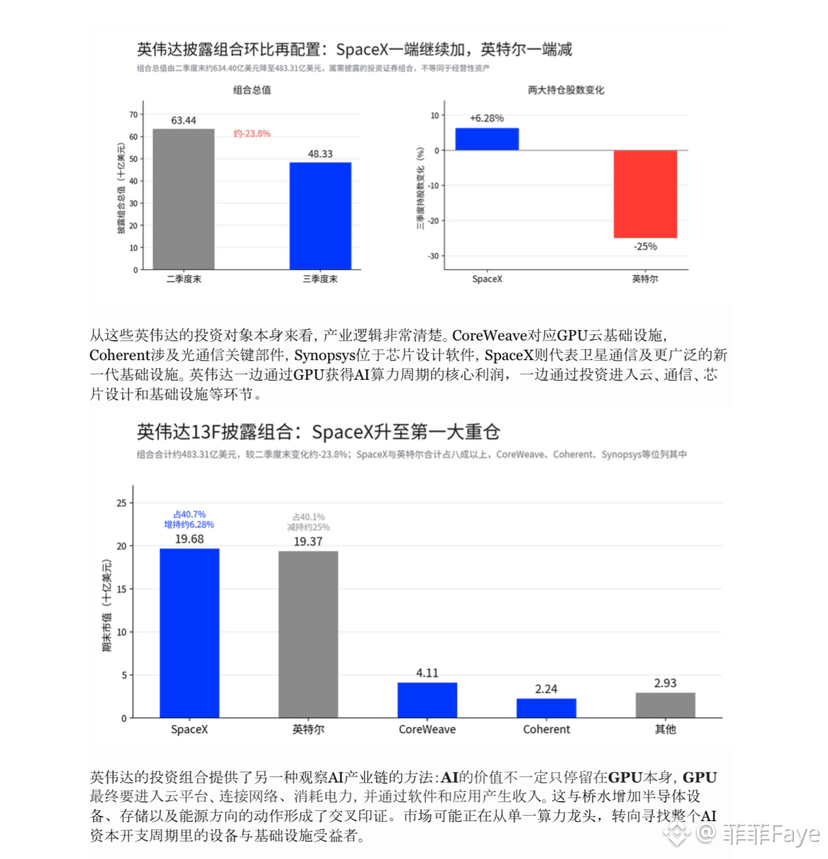
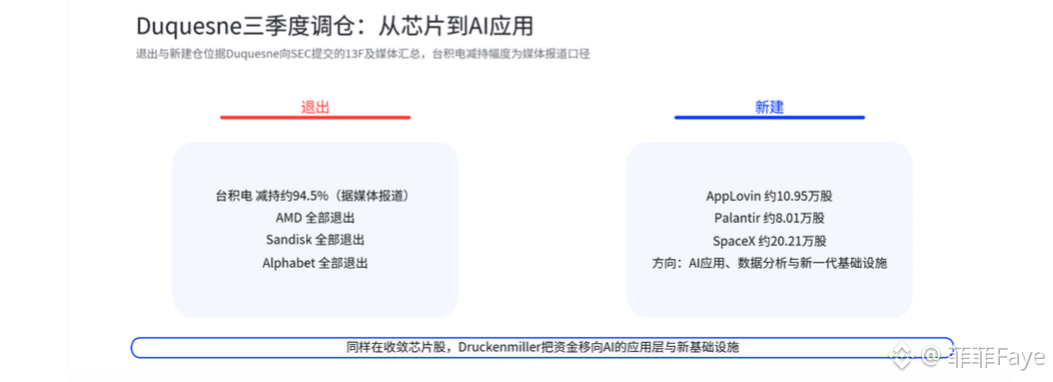
Bridgewater reduced its holdings in Nvidia (by 30%), Microsoft, Google, and Amazon,
while increasing its holdings in semiconductor equipment, energy, and utilities.
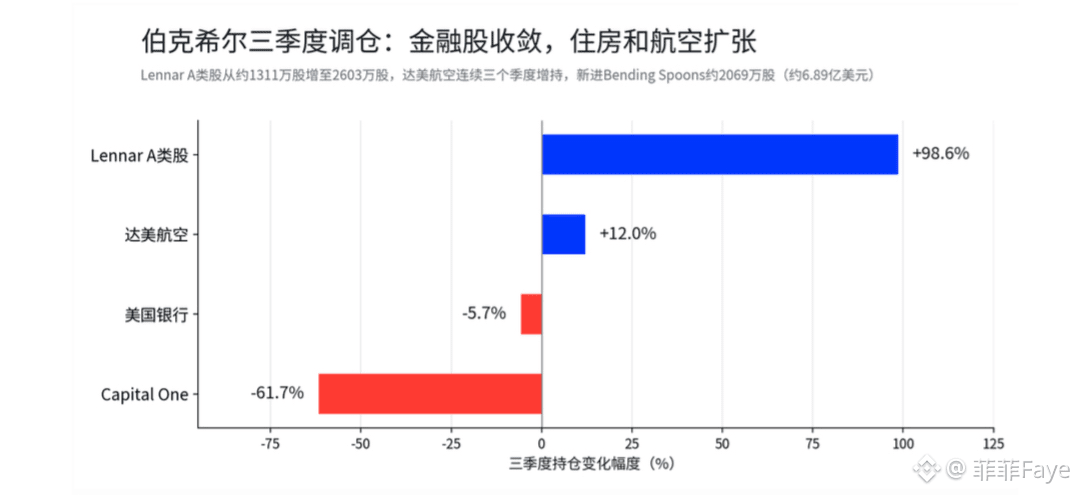
Berkshire continued to reduce its holdings in Bank of America, while adding to its positions in Lennar and Delta Air Lines.
Nvidia increased its holdings in SpaceX and reduced its stake in Intel.
Institutions have not yet reached a consensus on “leaving AI.” Capital is shifting from a handful of AI megacaps toward computing infrastructure, energy, power, and AI applications.
2
1.1k
·
--
Verified
Article
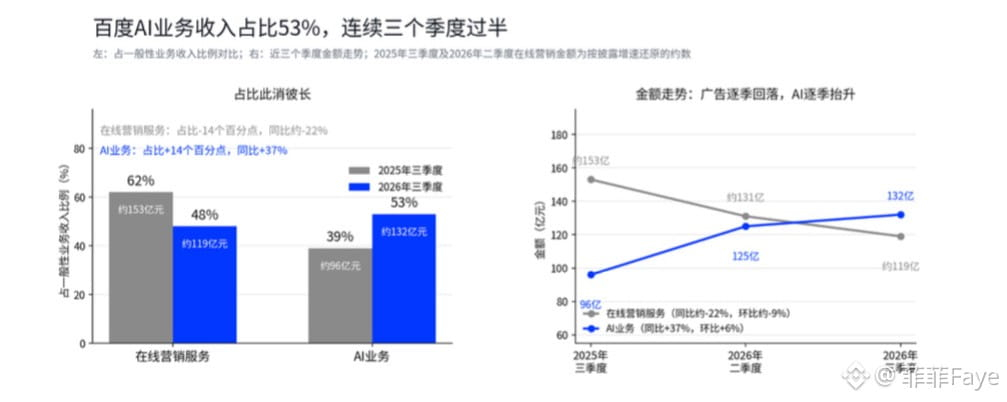
Earnings week for Chinese stocks listed overseas: Baidu’s AI cloud revenue grows 94%—who could be next to see earnings expectations revised upward?This week marks a busy earnings period for Chinese stocks listed overseas. Baidu reported first, followed by JD.com, Tencent Music, Tencent, Alibaba, Pinduoduo, and NetEase, which are set to release their third-quarter results in succession.
Goldman Sachs expects adjusted net profit for China’s internet sector to grow by about 9% year over year in the third quarter, ending a decline that lasted for the previous two quarters.
I think one change worth watching this earnings season is that the market is increasingly differentiating how it values internet companies. In recent years, investors focused more on revenue growth, user numbers, and market share. Now, as AI capital expenditure continues to expand, improving profit margins, free cash flow, and returns on capital investment are becoming more important.
Earnings week for Chinese stocks listed overseas: Baidu’s AI cloud revenue grows 94%—who could be next to see earnings expectations revised upward?
This week marks a busy earnings period for Chinese stocks listed overseas. Baidu reported first, followed by JD.com, Tencent Music, Tencent, Alibaba, Pinduoduo, and NetEase, which are set to release their third-quarter results in succession.
Goldman Sachs expects adjusted net profit for China’s internet sector to grow by about 9% year over year in the third quarter, ending a decline that lasted for the previous two quarters.
I think one change worth watching this earnings season is that the market is increasingly differentiating how it values internet companies. In recent years, investors focused more on revenue growth, user numbers, and market share. Now, as AI capital expenditure continues to expand, improving profit margins, free cash flow, and returns on capital investment are becoming more important.
1
725
·
--
Visiting the filming locations of Blossoms for the second time 🎬
Visiting the filming locations of Blossoms for the second time 🎬



1
10
2.7k
·
--
I am NOT a Chinese spy.
But you gotta admit, Chinese ladies are 「牛逼plus」
I am NOT a Chinese spy.
But you gotta admit, Chinese ladies are 「牛逼plus」
But you gotta admit, Chinese ladies are 「牛逼plus」

2
5
886
·
--
Honestly, events in Southeast Asia are still a little scary 😱
By comparison, I’m more looking forward to events in regions with developed economies and good public safety.
Honestly, events in Southeast Asia are still a little scary 😱
By comparison, I’m more looking forward to events in regions with developed economies and good public safety.
By comparison, I’m more looking forward to events in regions with developed economies and good public safety.
1
286
·
--
Verified
2
687
·
--
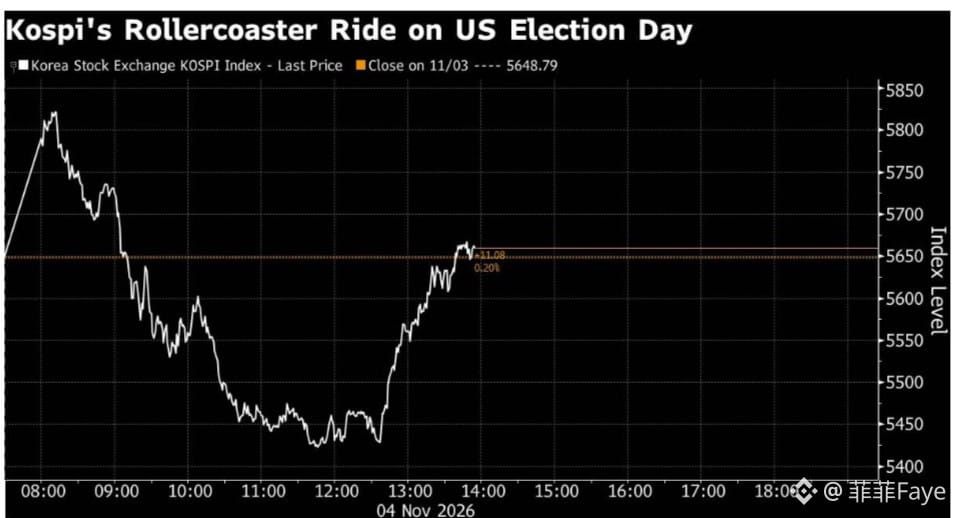
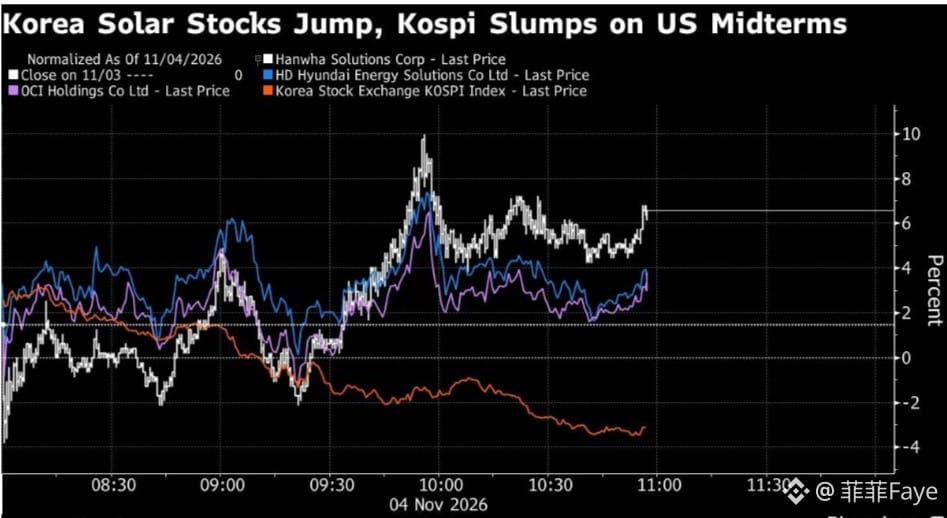
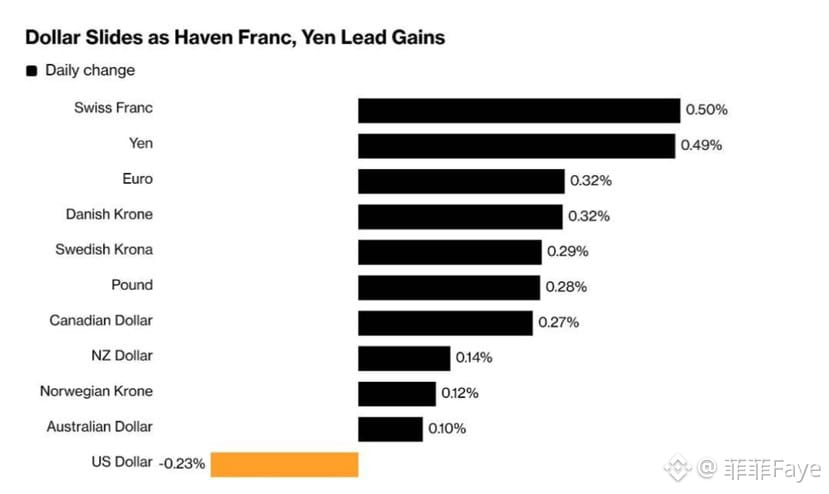
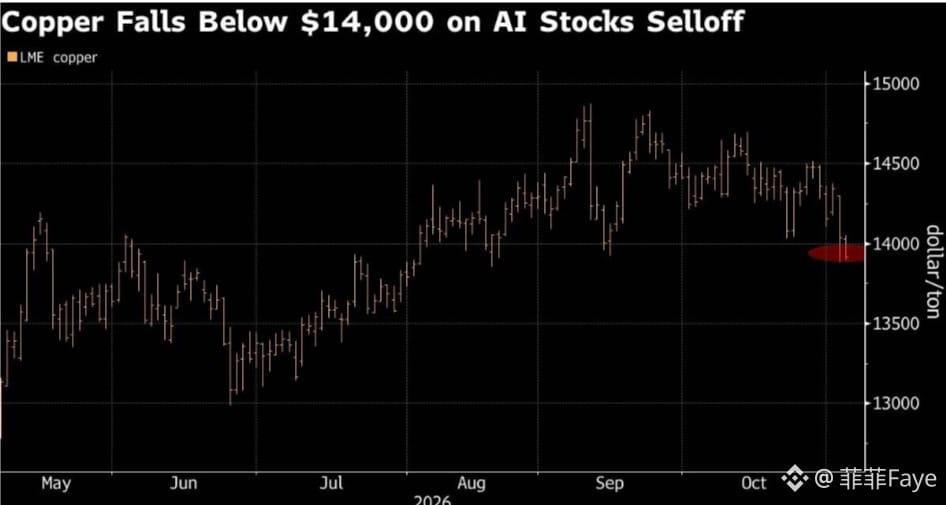
Republicans were swept out, and Democrats won both chambers. After retaking Congress, global capital markets rebounded, finally recouping lost ground. Sentiment in secondary markets is picking up again 🥂
Republicans were swept out, and Democrats won both chambers. After retaking Congress, global capital markets rebounded, finally recouping lost ground. Sentiment in secondary markets is picking up again 🥂
1
2.6k
·
--
When will the skies clear in the crypto world? ☔️
When will the skies clear in the crypto world? ☔️

1
5
500
·
--
The U.S. preliminary third-quarter GDP growth rate, seasonally adjusted and annualized, was 3.4%, versus an estimate of 3.2% and a previous reading of 2.2%; the PCE price index rose 0.5% month over month in September, in line with expectations; the U.S. core personal consumption expenditures price index rose 0.3% month over month in September, versus an estimate of 0.3% and a previous reading of 0.2%. It rose 3.1% year over year, in line with the 3.1% estimate.
The U.S. preliminary third-quarter GDP growth rate, seasonally adjusted and annualized, was 3.4%, versus an estimate of 3.2% and a previous reading of 2.2%; the PCE price index rose 0.5% month over month in September, in line with expectations; the U.S. core personal consumption expenditures price index rose 0.3% month over month in September, versus an estimate of 0.3% and a previous reading of 0.2%. It rose 3.1% year over year, in line with the 3.1% estimate.
314
·
--
Today at Sheshan Golf Club—membership starts at 3.5 million. Not going to the Solana event was a wise choice. $SOL
Today at Sheshan Golf Club—membership starts at 3.5 million. Not going to the Solana event was a wise choice. $SOL




10
1.1k
·
--
Gaining followers is easy: post beautiful photos every day for 2 years straight.
Gaining followers is easy: post beautiful photos every day for 2 years straight.

2
15
667
·
--
Verified
U.S. core CPI rose 2.6% year over year in September, versus an estimate of 2.5% and a previous reading of 2.4%.
U.S. core CPI rose 0.3% month over month in September, versus an estimate of 0.2% and a previous reading of 0.3%.
The U.S. Consumer Price Index (CPI) rose 3.7% year over year in September, versus an estimate of 3.6% and a previous reading of 3.4%.
CPI rose 0.6% month over month in September, in line with the 0.6% estimate.
Traders increased their bets on a Fed rate hike in October, expecting the Fed to raise rates three more times by the end of 2027.
The yield on 10-year U.S. Treasury bonds rose 10 basis points during the day to 5.31%.
I didn't expect the midterms to show Trump absolutely no respect—he's finished 👐
1
2
1.5k
·
--
Verified
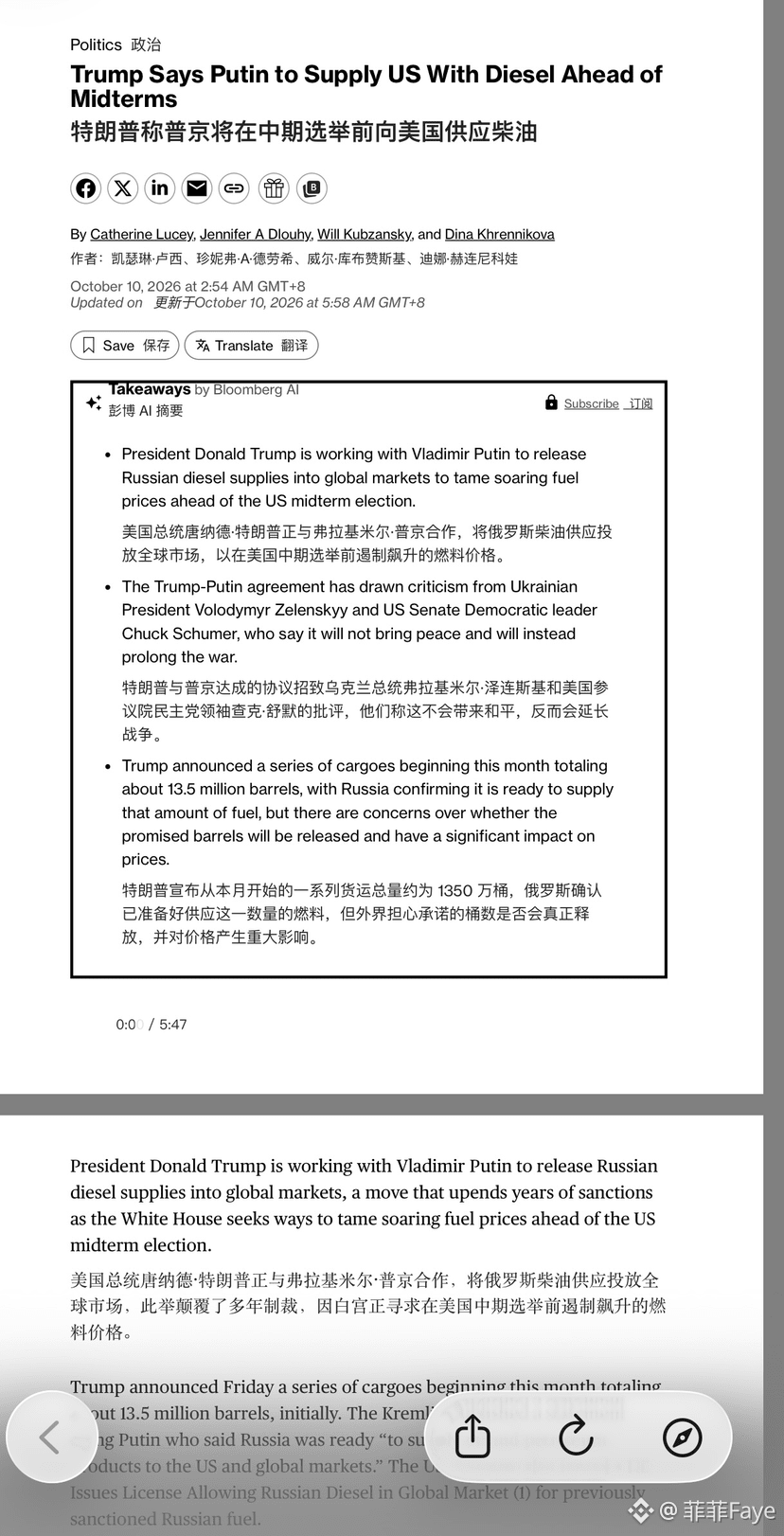
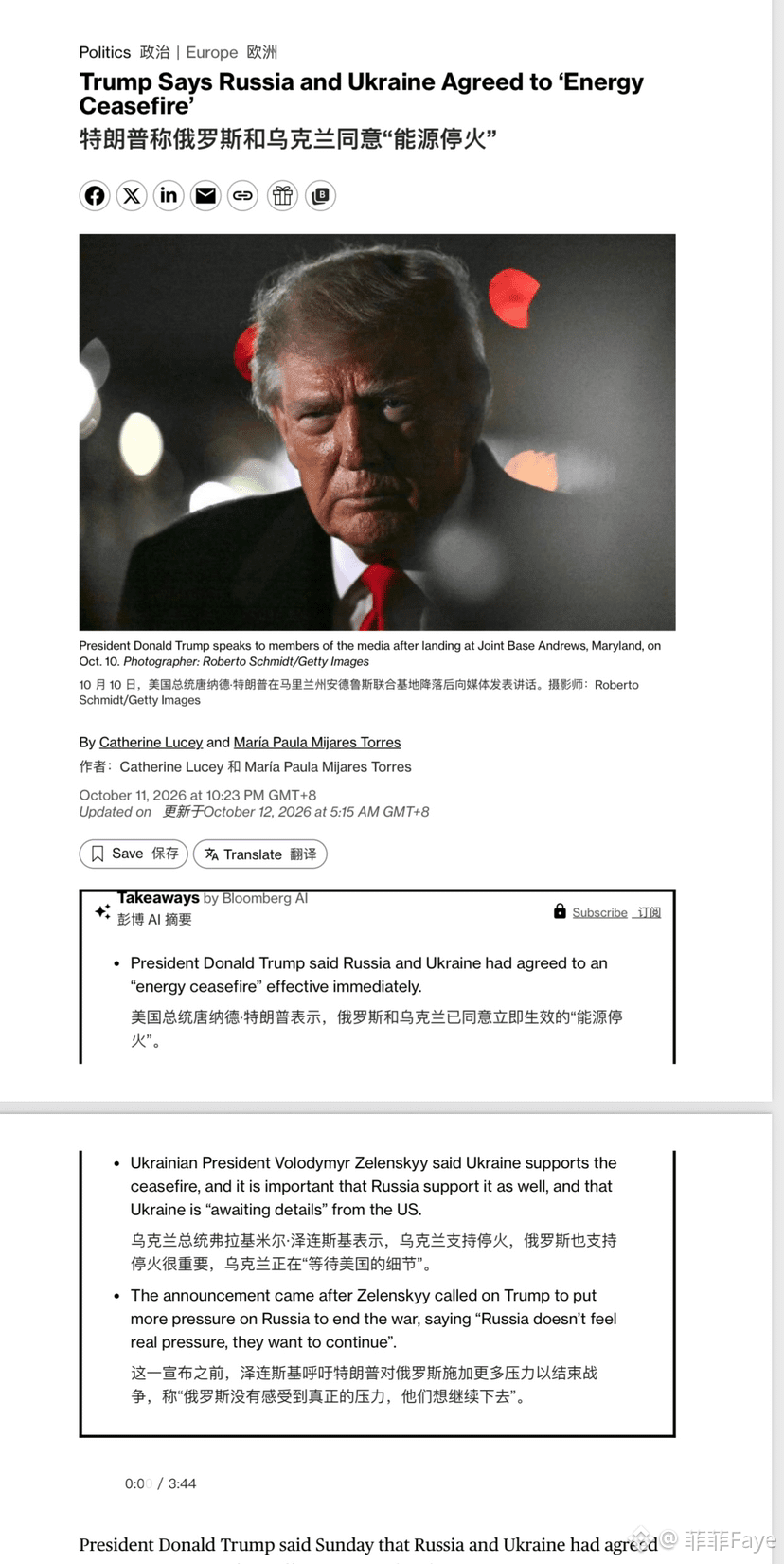
Over the past couple of days, Trump said Russia would supply diesel to the U.S. and global markets. On top of that, Russia and Ukraine reached an energy ceasefire agreement (see images 1 and 2).
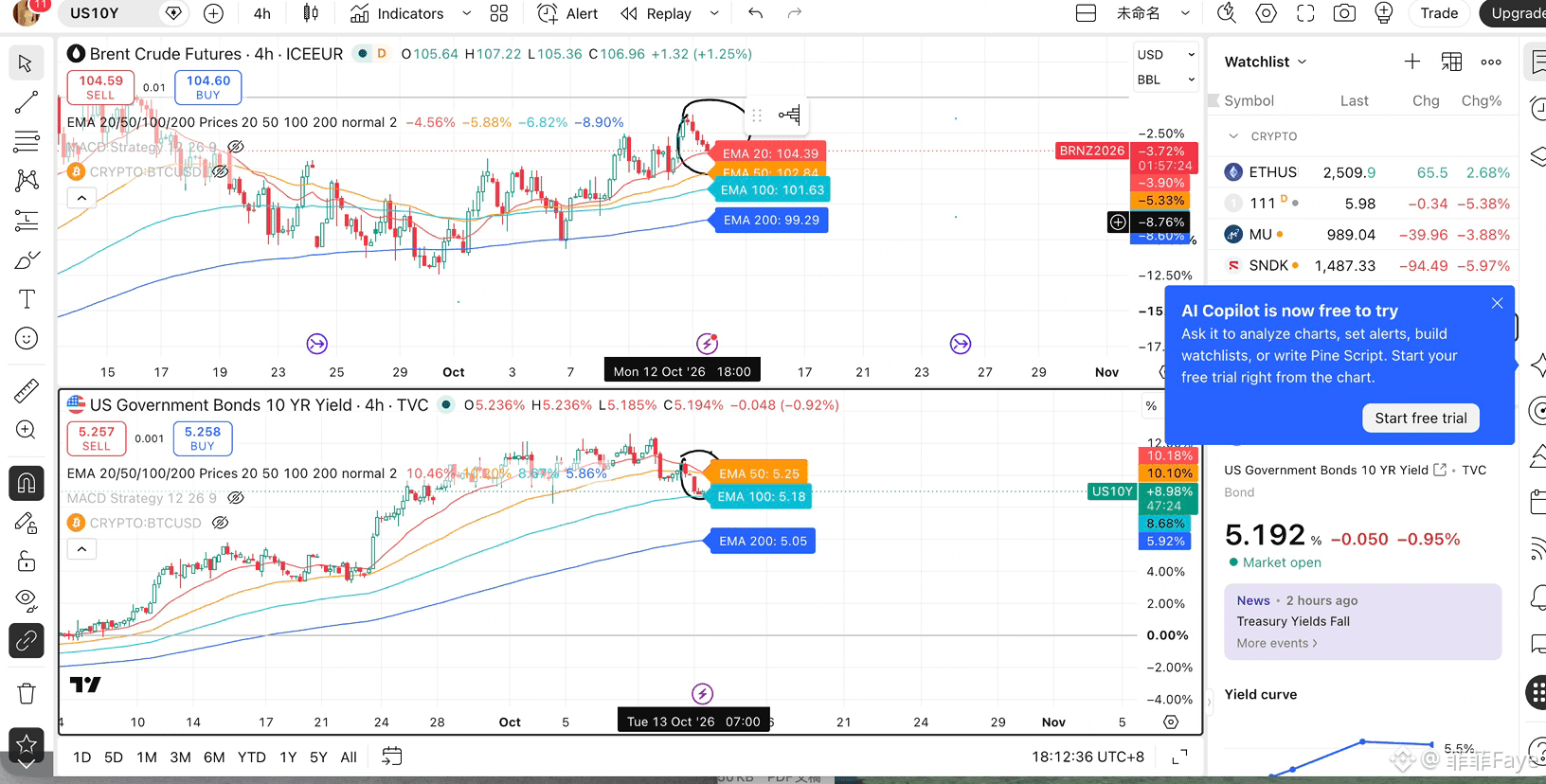
After the news, Brent crude fell, and 10Y yields were bound to be affected, so we can see U.S. 10-year Treasury yields dropping (see image 3).
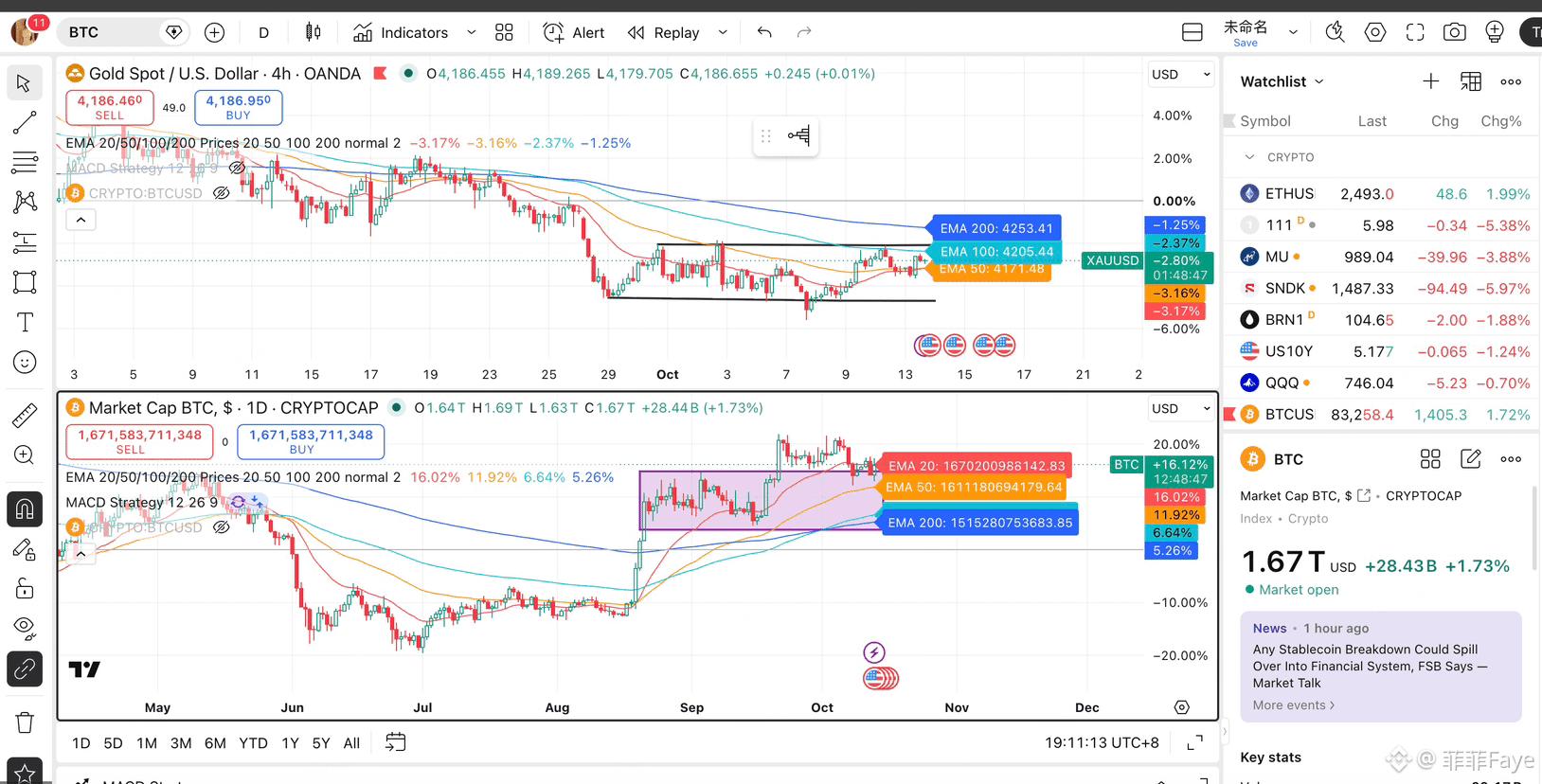
With long-term Treasury yields falling, gold is looking interesting right now (see image 4). My personal guess is that Wednesday night's CPI data will come in below or in line with expectations, showing moderate inflation and helping the midterm elections. As for the way the actual data is calculated and all that, it could still be revised later, right, bro? 😅
So, all in all, gold has a good chance of breaking above the top of its range, and could make a move after the breakout. Likewise, BTC is currently retesting support at the bottom of its range. Looking forward to the upcoming macro data.
Whoosh—done for the day. $BTC $ETH
1
3
1.5k
·
--
BNB Chain’s event this time was so dreamy—the aesthetics are off the charts ☺️
BNB Chain’s event this time was so dreamy—the aesthetics are off the charts ☺️




12
77
38.9k
·
--
The longest place I stayed during the pandemic was Singapore. Back then I was so bored that I decided to give myself a challenge: I stuck to a gluten-free diet. In class, my classmates even bet I wouldn’t last a month.
When I wasn’t in class, I’d hang out in the gym and the swimming pool in my residential area, slowly turning this extrovert (E) into an introvert (I). I strictly followed a gluten-free diet. I cooked every meal myself (Singapore apartments don’t have range hoods because they don’t cook), so you can imagine how hard it was to keep going. My soy sauce was coconut soy sauce, and my seasonings were only things like salt and black pepper—pure, natural, and additive-free.
Basically every day I ate naturally sourced foods like pan-fried beef, chicken, fish, and some vegetables and fruit. There was no way I could eat snacks. And I wouldn’t eat any processed “after-the-fact” packaged things either—like packaged beef jerky—because it has ingredients. I only used olive oil. I couldn’t possibly touch bread or noodles, either. And I definitely wouldn’t eat out—because the ingredients are too complicated (for example, seasonings like bean soy sauce aren’t allowed either).
After sticking to a gluten-free diet for nearly a year, I found that my friends were almost gone too 😂—because everywhere you go outside restaurants have all kinds of ingredients. If I didn’t eat with my friends and relied on texting and calling, how could you maintain a relationship? So later on, I just gave up 😄
Honestly, I’m still pretty impressed with myself for managing to stick with it for almost a year. Thinking about how I have to attend 2049 Singapore 🇸🇬 in the next few days, I’ll have to reflect a bit—goodnight 😴

10
23
5.2k
·
--
Verified
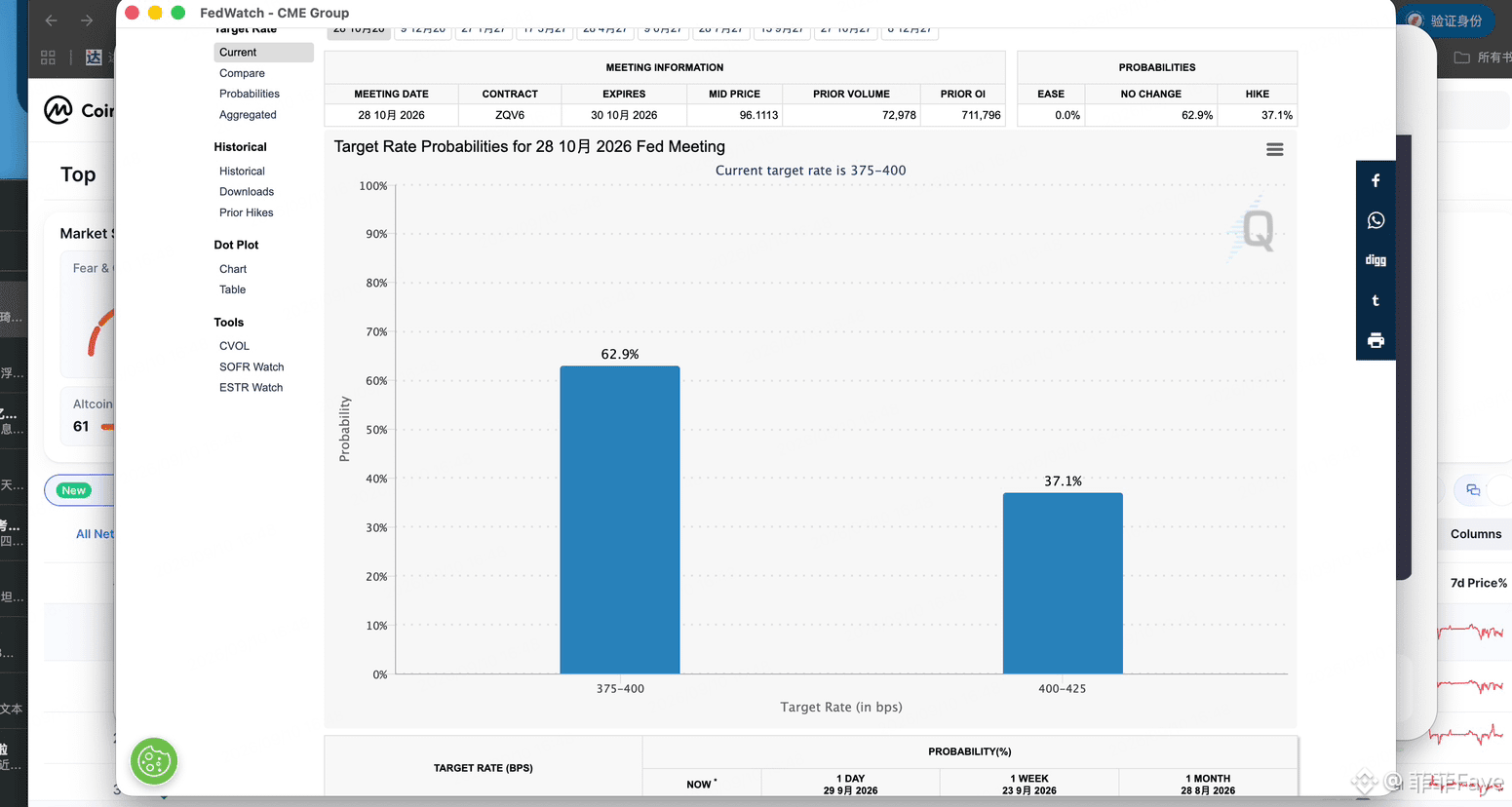
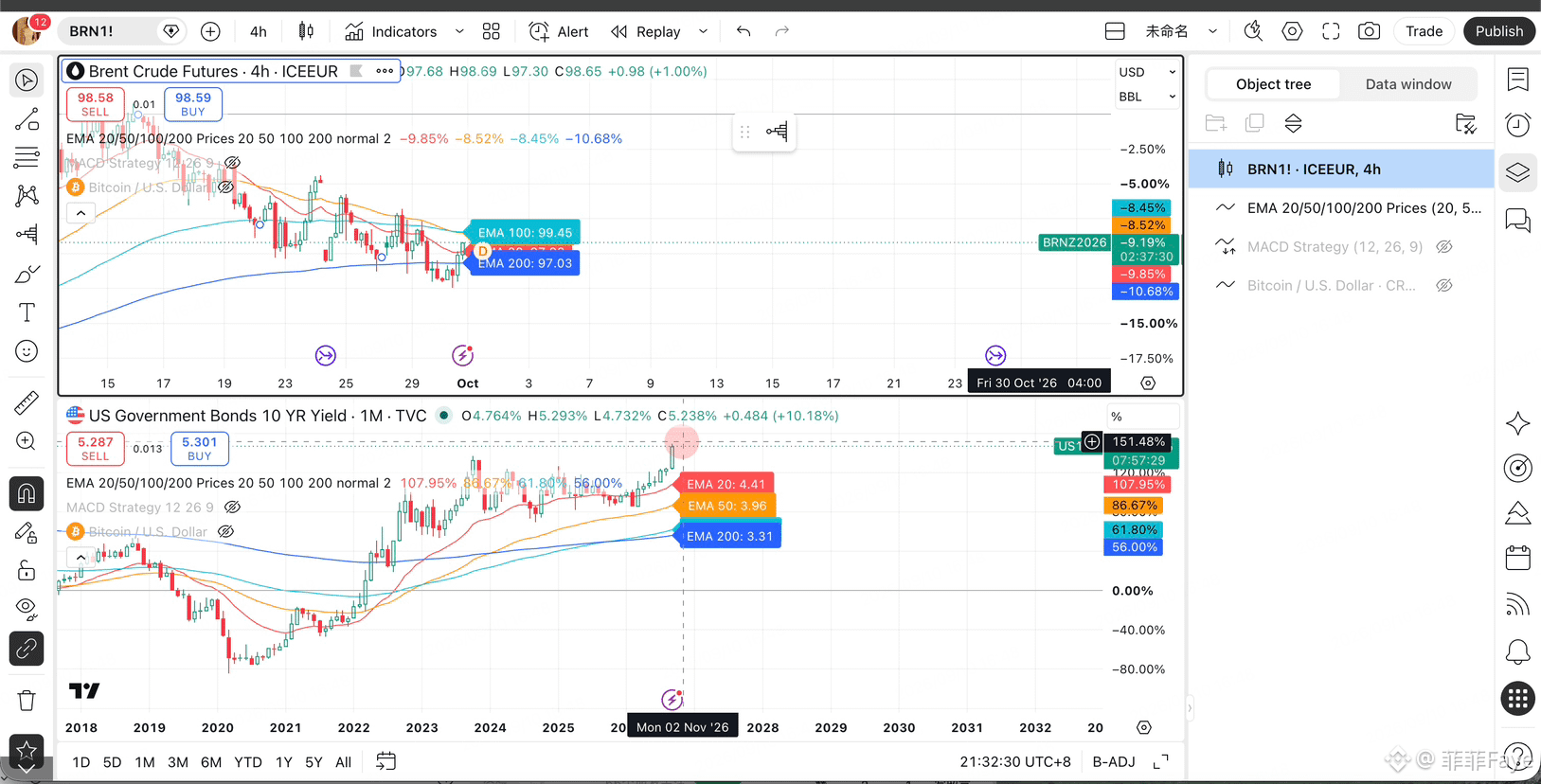
Market moves quickly: US August core PCE year-over-year rose 3%, slightly down from the previous month, hitting the lowest level since February and below the market expectation of 3.3%.
The CME FedWatch rate-hike probability has sharply fallen from yesterday’s 70% to 37%. What looked like a done deal for a rate hike yesterday now faces new variables.🤔
The issue is that US 10-year Treasury yields are still hovering around 5.3%, and oil prices remain near 98. This is a tricky situation—please remember that core PCE excludes food and energy, and the market still has serious concerns about the outlook ahead.
2
3.6k
Log in to explore more content
Join global crypto users on Binance Square
⚡️ Get latest and useful information about crypto.
💬 Trusted by the world’s largest crypto exchange.
👍 Discover real insights from verified creators.
Email / Phone number
Trending Topics
CorePCEBeatLiftsFedHikeOdds
120,961 views
1,038 Discussing
U.S. October PCE Price Index at 0.3% Month Over Month, Versus 0.30% Expected and 0.50% Prior
Binance News
·14 Likes
·32k views
BitcoinAndStocksSlipAgainAmidTrump’sTariffPlans
184,409 views
1,883 Discussing
JensenHuangSaysNvidiaDoesn’tNeedASuccessionPlan
89,633 views
1,133 Discussing