

大仁Jaron
174 Posts

大仁Jaron
 Square Verified+
Wb3投研 • 价值投资 • AI研究员|X: @Jaron2277

SOL Holder
Frequent Trader
3.7 Years
660 Following
32.9K+ Followers
32.4K+ Liked
Posts
All
Quotes
Live
PINNED

听澜321
·
--
🌏【Main Title】
On-chain breakthrough to reshape the landscape — SGY deflation opens a new radar era
🌏【Subtitle】
Innovate traditional ecosystem ailments — create lasting consensus through mechanism-driven benefits
📅 【Time】October 3, 2026, 13:30 (UTC+8)
🎬 【Live Stream Location】
Binance Square @听澜321 live room
🎤 Special Host
🎙Gold-credential host in the Web3 space 👉🏻 Li Qian Grace @梨浅Grace
🎙Co-host 👉🏻 Xu Hao Media @旭好传媒
👥【Featured VIP Speakers】(Speakers)
🔹MAX |Senior blockchain expert in the industry
🔹MAGGIE|Senior blockchain expert in the industry
🔹Tinglan @听澜321 |Web3 Binance Square gold-standard host
🔹Fendou @奋斗Hustle1688 |Web3 Binance Square gold-standard host
🔹Bangbang @帮帮Bonnie |Web3 Binance Square gold-standard host
🔹Mike @慢就是快Mike |Web3 Binance Square gold-standard host
#比特币升至8.5万美元附近
On-chain breakthrough to reshape the landscape — SGY deflation opens a new radar era
🌏【Subtitle】
Innovate traditional ecosystem ailments — create lasting consensus through mechanism-driven benefits
📅 【Time】October 3, 2026, 13:30 (UTC+8)
🎬 【Live Stream Location】
Binance Square @听澜321 live room
🎤 Special Host
🎙Gold-credential host in the Web3 space 👉🏻 Li Qian Grace @梨浅Grace
🎙Co-host 👉🏻 Xu Hao Media @旭好传媒
👥【Featured VIP Speakers】(Speakers)
🔹MAX |Senior blockchain expert in the industry
🔹MAGGIE|Senior blockchain expert in the industry
🔹Tinglan @听澜321 |Web3 Binance Square gold-standard host
🔹Fendou @奋斗Hustle1688 |Web3 Binance Square gold-standard host
🔹Bangbang @帮帮Bonnie |Web3 Binance Square gold-standard host
🔹Mike @慢就是快Mike |Web3 Binance Square gold-standard host
#比特币升至8.5万美元附近

PINNED
Verified

IEFETF-0.27%

橙子Joyce
·
--
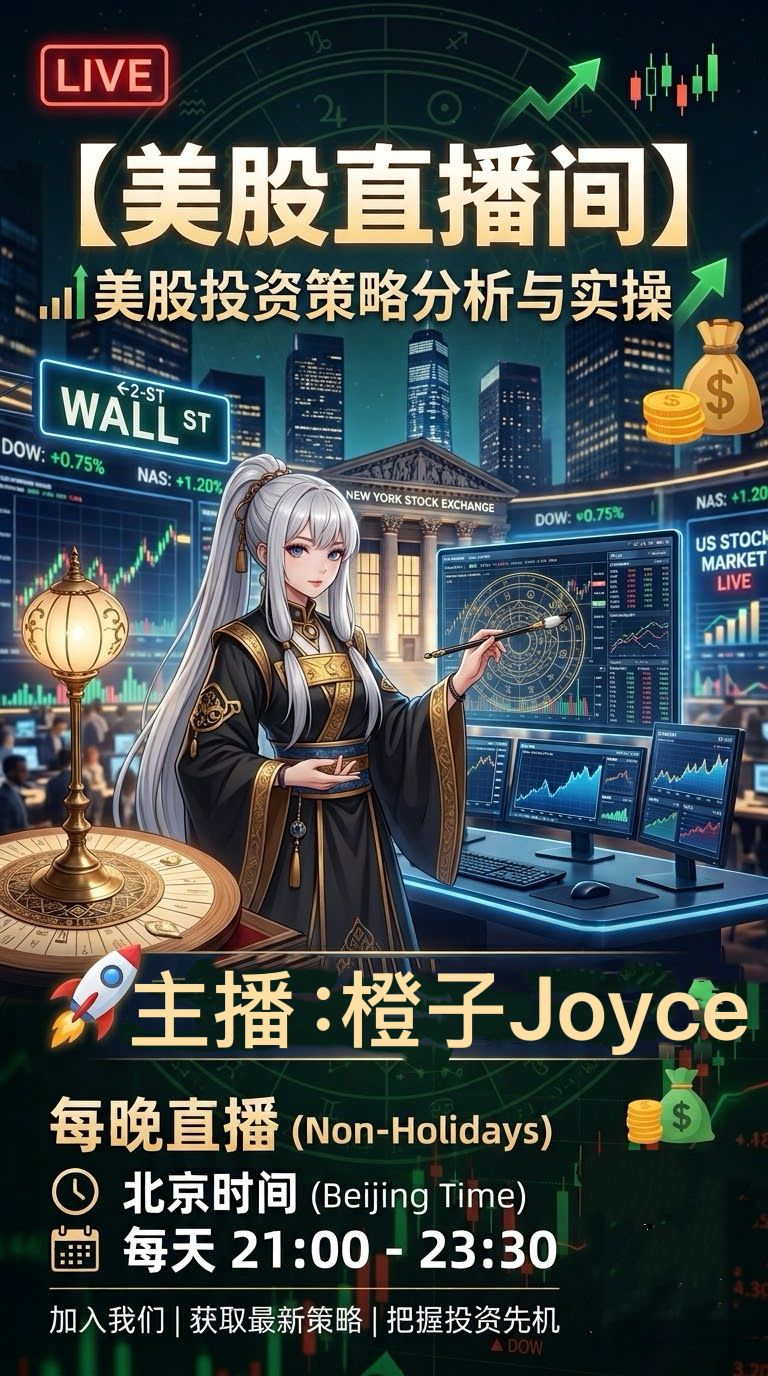
Bullish🚀🚀🚀🚀Orange Joyce live room time October 3, 2026, 21:00–23:30 ✨✨✨✨✨US stock investment strategy analysis and trading
🌞🌞Deeply cultivating financial markets: over ten years of US stock market research and investment strategy | WEB3 project research | investing in BTC.ETH for over ten years | investing in BNB.SOL for several years | investing in precious metals (gold. silver. copper) strategies for several years | long-term value investors | ✨✨
#美联储会议
#币安广场
$NVDA.US
$SPCX.US
$AMZN.US
🌞🌞Deeply cultivating financial markets: over ten years of US stock market research and investment strategy | WEB3 project research | investing in BTC.ETH for over ten years | investing in BNB.SOL for several years | investing in precious metals (gold. silver. copper) strategies for several years | long-term value investors | ✨✨
#美联储会议
#币安广场
$NVDA.US
$SPCX.US
$AMZN.US

乘风Sunshine
·
--
The essence of trading is simply waiting for the flowers to bloom. When you’ve watched the order book and the candlestick charts long enough, you know where things will rise and where they’ll fall—everyone has that figured out. What’s hard is that most people just want the flowers to open immediately, to enter the market immediately, without the patience to wait for the season when they bloom. Their money either comes with a high price tag or ongoing costs, or it’s just waiting to pay rent and buy meals. So they can’t wait for the blooming season; they end up becoming fertilizer for the flowers too soon—turning into liquidity in the market itself and losing all their chips.


兰汐kyL
·
--
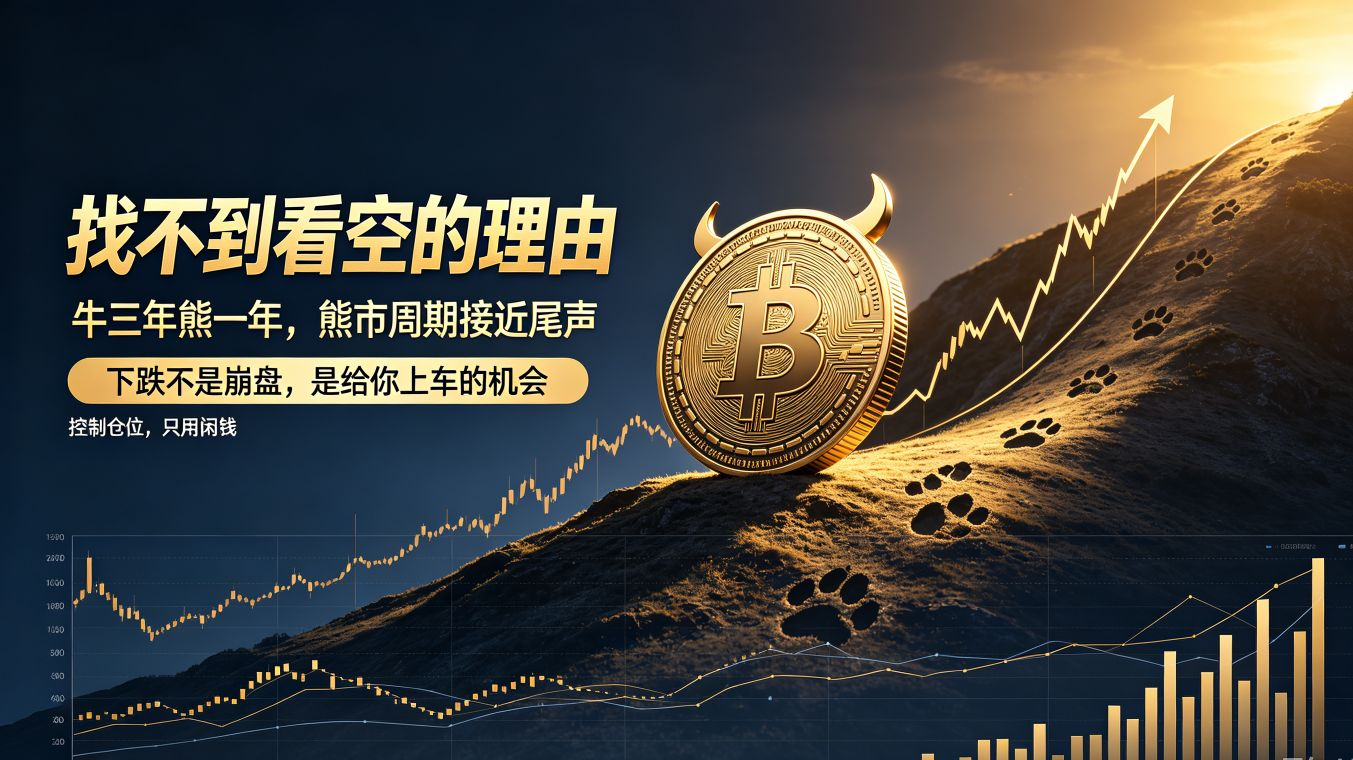
$ETH $BTC #Many people ask me about market conditions. To be honest, I really can’t find any reason to be bearish right now. There’s a rule that’s been circulating in the crypto world: bull runs last three years and bear markets last one. This bear market we’re in started last October, so the cycle is almost coming to an end.💥
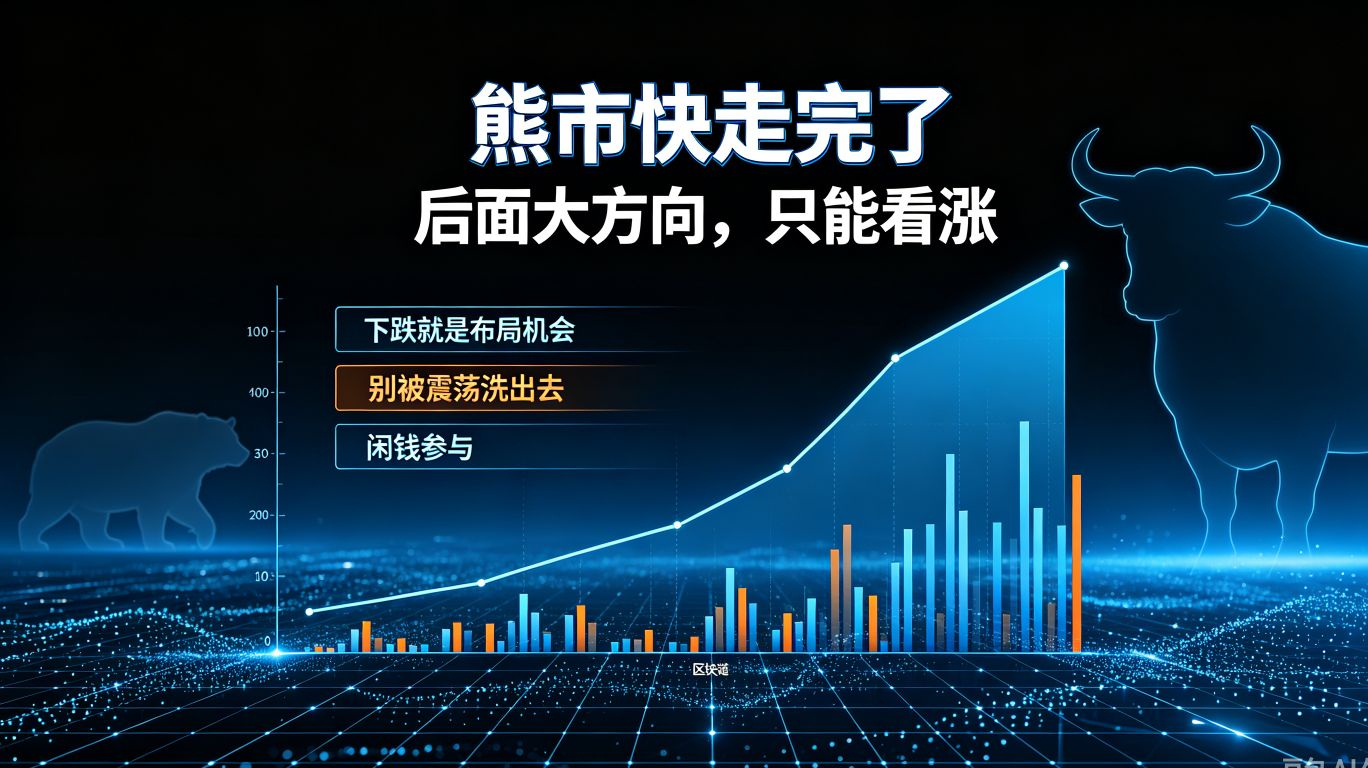
Many people are still afraid of the price falling, but remember—when a bear market is nearing its end, any pullback isn’t a collapse; it’s an opportunity for you to get on board. The bigger trend can only be bullish from here on out. Every drop is a window to build your position in batches.🚨
Of course, you can’t be blindly optimistic either. Don’t go all-in. Even if the overall trend turns bullish, there will definitely be plenty of consolidation and “shakeout” in between. The big players will keep moving back and forth to harvest leveraged traders repeatedly. Never take on extremely high leverage to hold a position. If a sudden negative catalyst hits, you can easily get liquidated.🔥#
The transition from bull to bear (and vice versa) won’t happen overnight. It’s not like once a bear market ends, prices will just surge nonstop. Hold your coins patiently—don’t let yourself get shaken out by short-term fluctuations. When the market moves, hold steady. When opportunities drop low enough to buy, have the courage to lay out your plan and stick to your own position limits.💥
The market always has uncertainty. No market prediction is 100% accurate. You must control how much capital you投入 and only participate with money you can afford to lose. Be mentally prepared for potential losses.💥#美国10年期美债收益率逼近5.3% #美元指数创2025年5月来新高
Many people are still afraid of the price falling, but remember—when a bear market is nearing its end, any pullback isn’t a collapse; it’s an opportunity for you to get on board. The bigger trend can only be bullish from here on out. Every drop is a window to build your position in batches.🚨
Of course, you can’t be blindly optimistic either. Don’t go all-in. Even if the overall trend turns bullish, there will definitely be plenty of consolidation and “shakeout” in between. The big players will keep moving back and forth to harvest leveraged traders repeatedly. Never take on extremely high leverage to hold a position. If a sudden negative catalyst hits, you can easily get liquidated.🔥#
The transition from bull to bear (and vice versa) won’t happen overnight. It’s not like once a bear market ends, prices will just surge nonstop. Hold your coins patiently—don’t let yourself get shaken out by short-term fluctuations. When the market moves, hold steady. When opportunities drop low enough to buy, have the courage to lay out your plan and stick to your own position limits.💥
The market always has uncertainty. No market prediction is 100% accurate. You must control how much capital you投入 and only participate with money you can afford to lose. Be mentally prepared for potential losses.💥#美国10年期美债收益率逼近5.3% #美元指数创2025年5月来新高

只会呐喊的尖刀手
·
--
The cup shattered
Don’t rush to clean up
First look at the floor
See if there’s
A transparent flower blooming
Don’t rush to clean up
First look at the floor
See if there’s
A transparent flower blooming


奋斗Hustle1688
·
--
Wishing everyone a happy National Day and big money—take a break today.


圣克斯Lucky1688
·
--
🧧🎁🌹🧧🎁🌹
Brazilian state-owned energy giant Petrobras (Petrobras) has officially announced a partnership with the Cardano Foundation and Ledger Labs to test and develop two application programs on its blockchain to track the environmental benefits of sustainable aviation fuel (SAF) and low-carbon diesel. This initiative aims to leverage the transparency and revocation mechanism of the Cardano blockchain to address the troublesome issues of “double counting” and false environmental claims in traditional carbon management, supporting international aviation carbon offset and reduction plans (CORSIA) compliance and full lifecycle emission reporting. This marks a substantive step forward in the deployment of Web3 core technologies in the field of carbon asset management for traditional heavy industries.
Follow me and answer 1 to take away a $SOL 红包!
Brazilian state-owned energy giant Petrobras (Petrobras) has officially announced a partnership with the Cardano Foundation and Ledger Labs to test and develop two application programs on its blockchain to track the environmental benefits of sustainable aviation fuel (SAF) and low-carbon diesel. This initiative aims to leverage the transparency and revocation mechanism of the Cardano blockchain to address the troublesome issues of “double counting” and false environmental claims in traditional carbon management, supporting international aviation carbon offset and reduction plans (CORSIA) compliance and full lifecycle emission reporting. This marks a substantive step forward in the deployment of Web3 core technologies in the field of carbon asset management for traditional heavy industries.
Follow me and answer 1 to take away a $SOL 红包!



生蚝哥Oyster
·
--
BullishOn the second day of National Day, the holiday mode is officially on! ☀️
After watching the flag-raising ceremony yesterday, I was still feeling really unsatisfied. Today, it’s time to fully relax—lying down, eating and drinking to your heart’s content, binge-watching shows, or going out for a stroll to feel the autumn breeze~
Wishing everyone a happy holiday—eat lots of delicious food, take plenty of good-looking photos, and stockpile happiness for the entire mini-holiday! 🎉
How are you planning to spend today? Let’s chat in the comments~
After watching the flag-raising ceremony yesterday, I was still feeling really unsatisfied. Today, it’s time to fully relax—lying down, eating and drinking to your heart’s content, binge-watching shows, or going out for a stroll to feel the autumn breeze~
Wishing everyone a happy holiday—eat lots of delicious food, take plenty of good-looking photos, and stockpile happiness for the entire mini-holiday! 🎉
How are you planning to spend today? Let’s chat in the comments~


Sofi紫藤
·
--
With mountains and seas in the heart, quiet yet without contention.

·
--
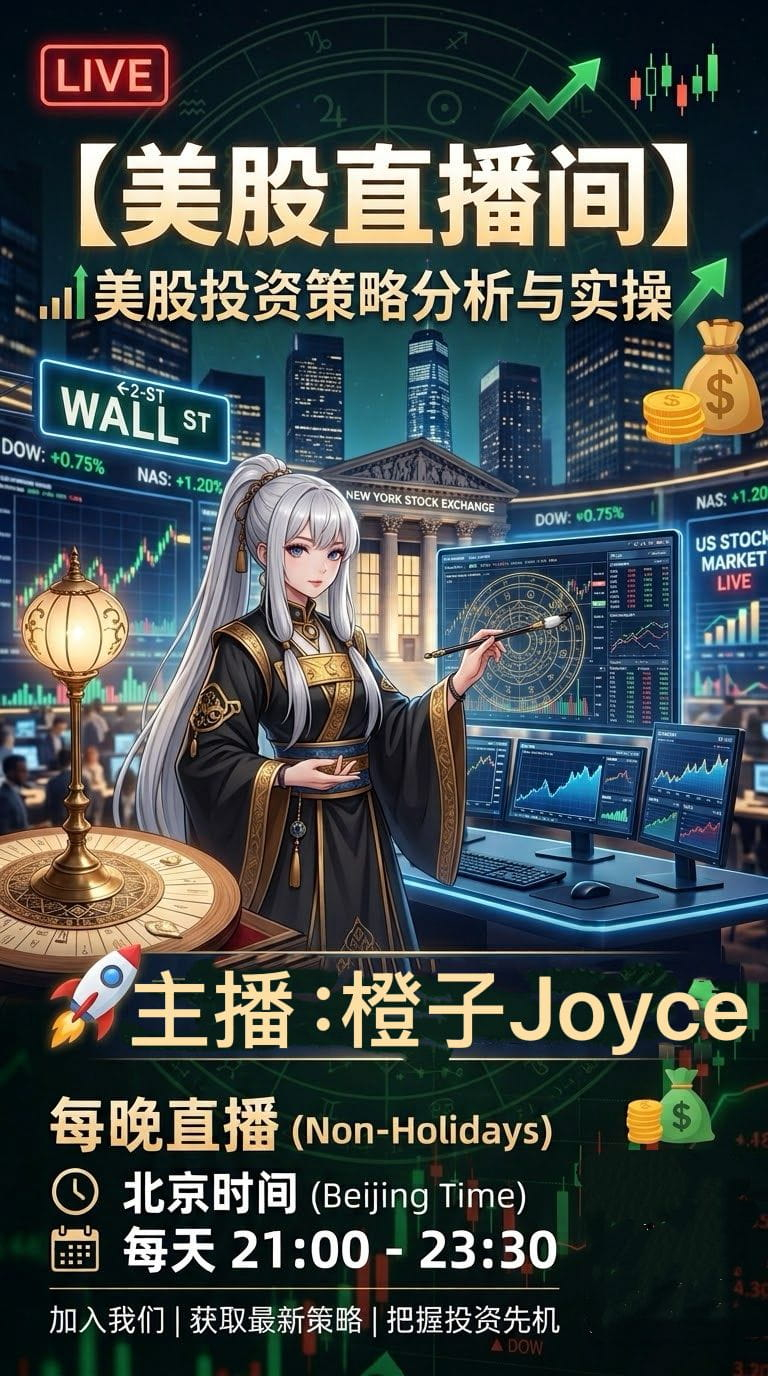
🎙️ Analysis and Practical Implementation of U.S. Stock Investment Strategies
End
02 h 22 m 48 s
1.5k
5


Verified


Log in to explore more content