



Two pieces of news are said to be quite interesting; both products target organizations
1. Officially open Standard launches Open USD (OUSD)

- A new stablecoin with ambitions to become open payment infrastructure, bringing together more than 140 partners such as Visa, Mastercard, Stripe, BlackRock, CB, Google, Ripple, Solana...
- The key difference of Open USD is a free mint/redeem model, sharing almost all profits from reserve assets with partners and governance under an open model, rather than focusing profits on the issuing entity.
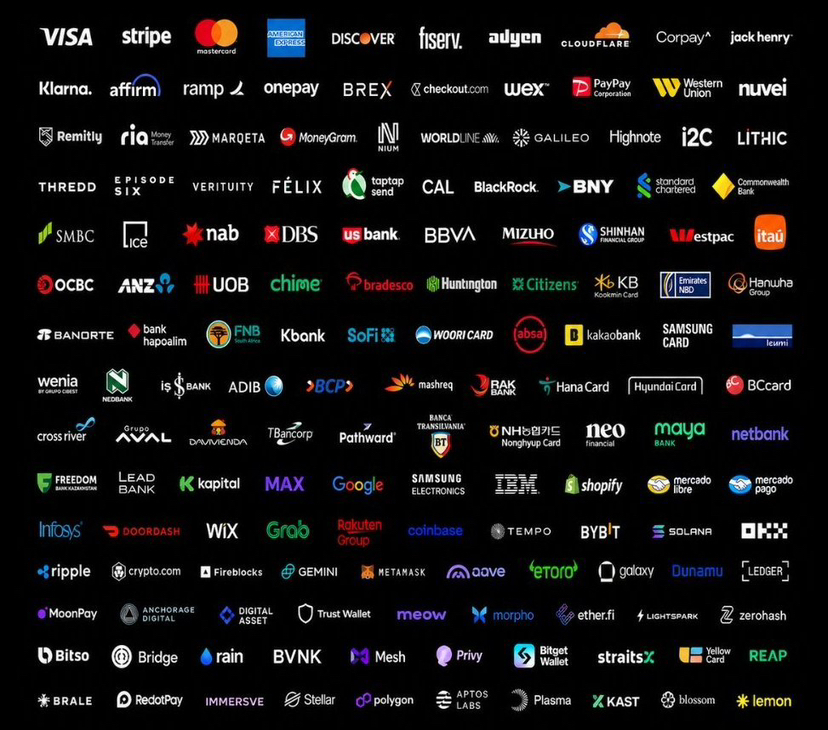
- Open USD is considered a direct competitor to USDC. While both target the enterprise, payments, and financial institutions segment, they are competing by focusing on different areas rather than trading like USDT.
- Circle stock ( $CRCL) fell by about 16% after news that Open USD was launched was made public. However, the pressure is not only coming from the new competitor.
- Previously, Circle was removed from many Russell Growth indexes, forcing passive ETFs and investment funds to sell shares to rebalance their portfolios. According to Simply Wall St, CRCL has dropped by about 32.8% over the past 30 days.
2. Ethereum has just announced the establishment of "Ethereum Institutional"
- An independent non-profit organization to promote large organizations’ adoption of Ethereum $ETH .
- Ethereum Institutional does not develop technology or issue tokens; instead, it acts as a bridge between the Ethereum ecosystem and traditional financial institutions.
- Five main missions include: supporting organizations in accessing Ethereum, providing neutral research, promoting the Ethereum ecosystem, gathering needs from financial institutions, and organizing connecting events.
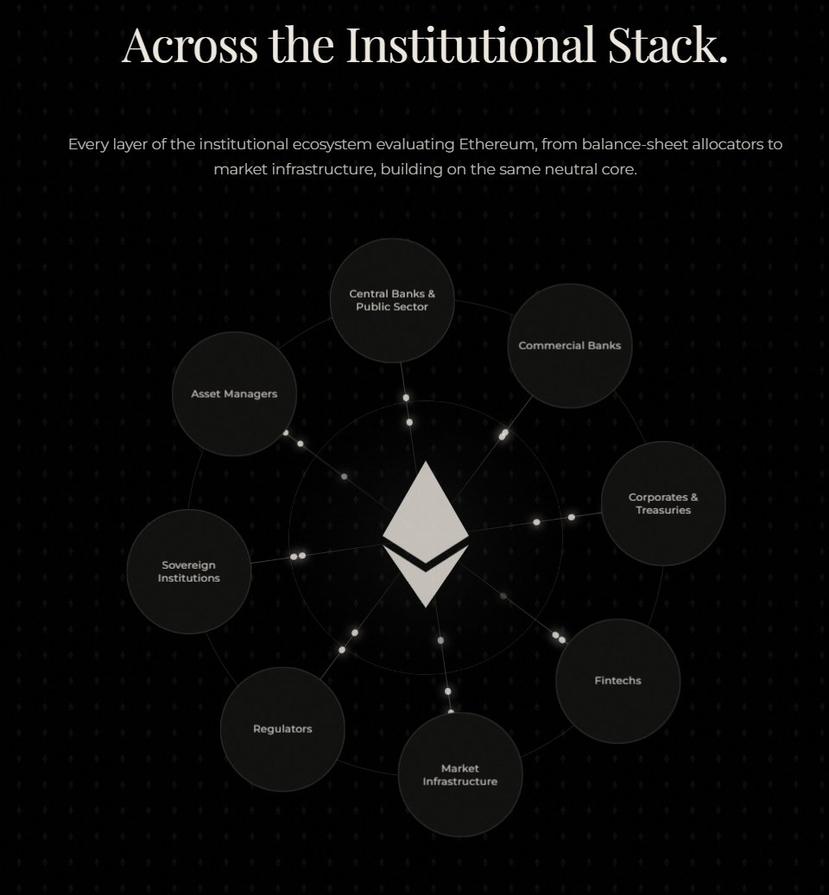
- The target audience is banks, investment funds, asset management companies, large enterprises, fintechs, market infrastructure, central banks, and sovereign institutions, not individual retail investors.
- The goal is to help institutions confidently deploy RWA, stablecoins, on-chain payments, and financial applications on Ethereum, while also creating a neutral point of contact instead of having to approach information from many different sources.
(In my opinion, Ethereum should have done this a long time ago.)
3. The trend toward institutionalization in crypto
- We can see that large organizations are aiming at business customers, rather than launching products mainly for retail users, right?
- Instead of rolling out a product that competes with Tether mainly used in crypto and DeFi, OUSD is aiming at the institutional market share—an advantage that USDC has had all along.
- What do you think, folks?