

小捕手 chaos
232 Posts

小捕手 chaos
Report
Block User
100加一级项目投资经验;知名 KOL 管理;文学硕士背景
15 Following
4.8K+ Followers
776 Liked
Posts
All
Quotes
·
--
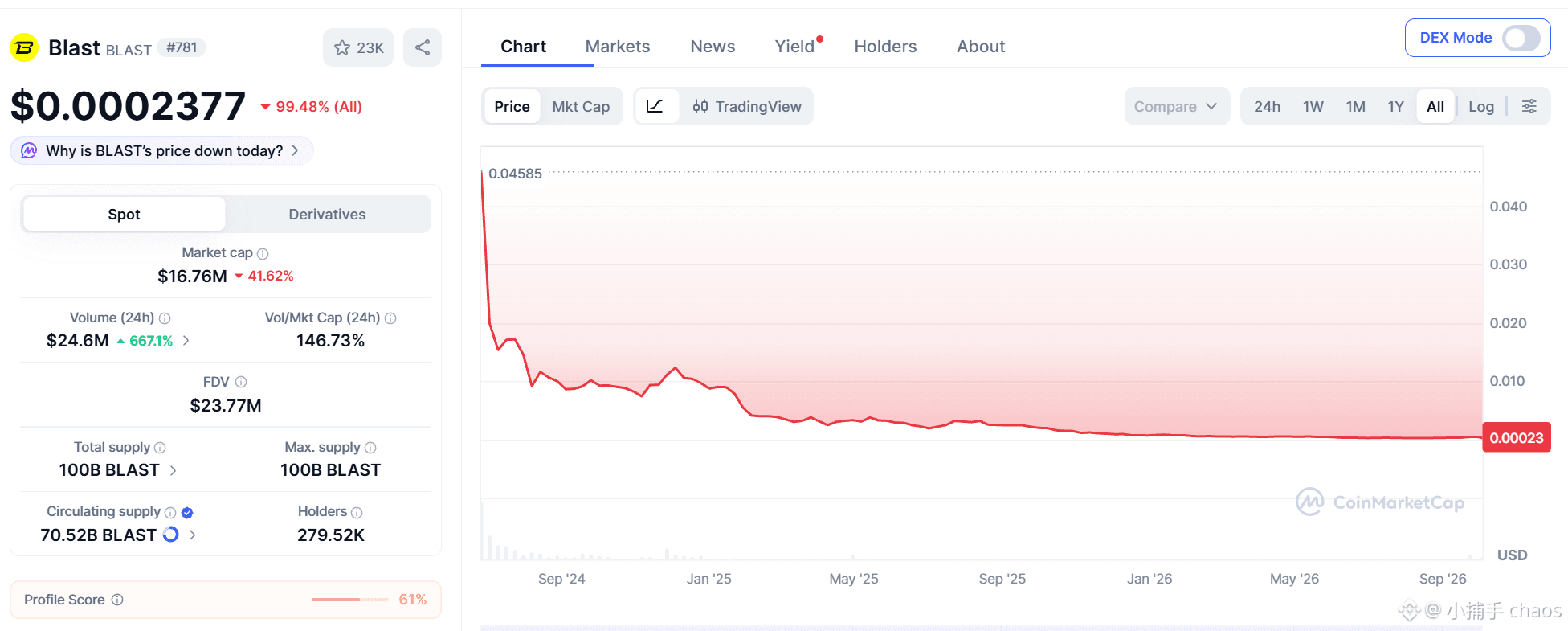
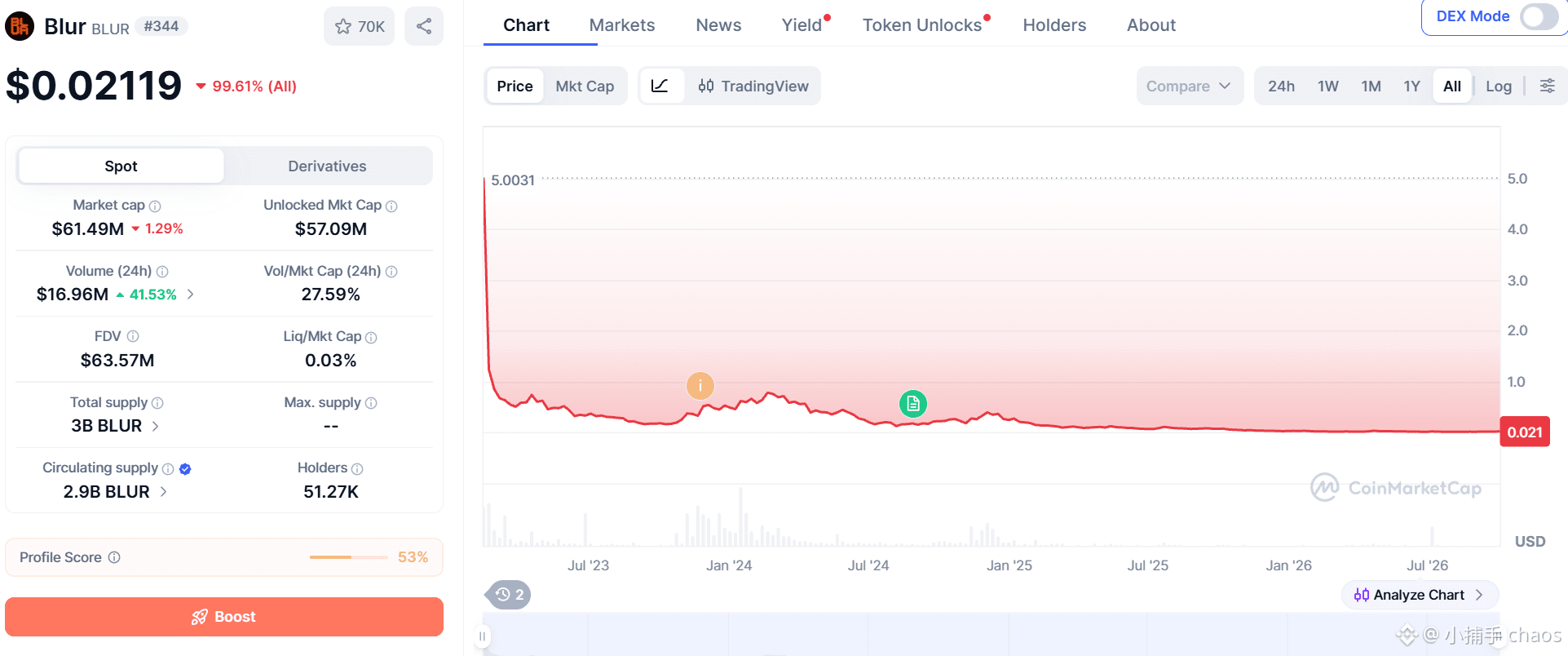
The same founder
The same shitty trend
🤣
Whatever incentives there are, that’s the kind of ecosystem you get.
In the future, we will witness more Blurs and Blasts being born.
For example, all kinds of current perp DEXs and prediction markets……
The same founder
The same shitty trend
🤣
Whatever incentives there are, that’s the kind of ecosystem you get.
In the future, we will witness more Blurs and Blasts being born.
For example, all kinds of current perp DEXs and prediction markets……
The same shitty trend
🤣
Whatever incentives there are, that’s the kind of ecosystem you get.
In the future, we will witness more Blurs and Blasts being born.
For example, all kinds of current perp DEXs and prediction markets……
818
·
--
Built an automated copy-trading bot with Mojo. Features include:
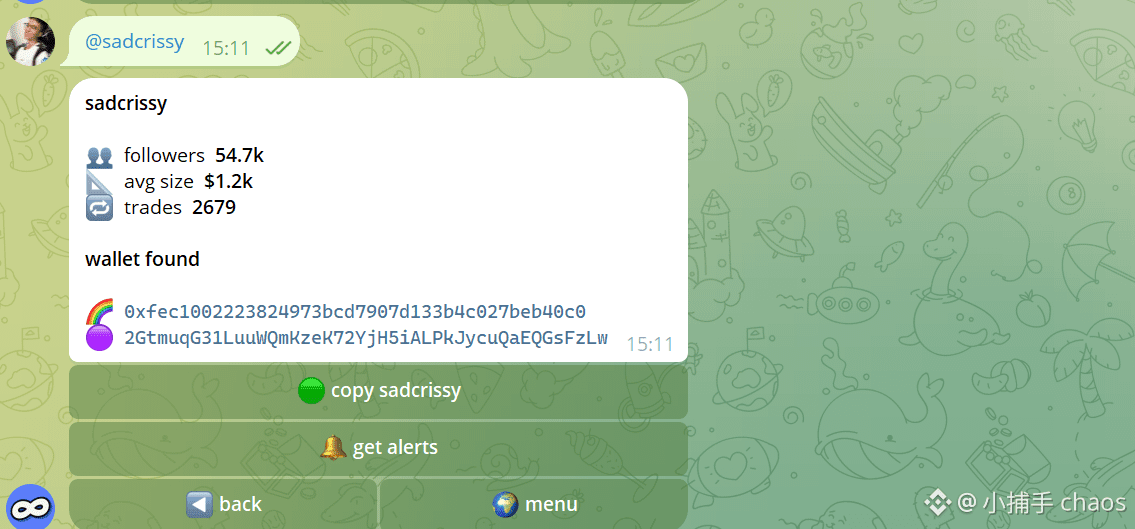
▌Continuously monitor the buying activity of the FOMO user Crissy
▌When a single buy exceeds 2000U, automatically trigger copy-trading
▌2% price deviation protection
▌Use token CA to search X and news sources, then automatically generate a Chinese summary. Use a fixed three-part structure: project introduction, bullish points, and critical analysis with risks
1/ Why monitor Crissy?
It’s a bit casual—I’m just using him as a test subject.
But his track record is undeniably strong:
Basecat profit 390,000 USD
cate profit 270,000 USD
stonk profit 220,000 USD
And he also has 450,000 USD in cash sitting in his FOMO wallet. At this pace, he will most likely make a move soon.
But later, when I studied him more seriously, I found a key issue: he doesn’t like long holding. A typical pattern is: buy → shout signal → sell a few hours later.
So my plan is to first try following him one or two times as a test; after that, either stop or switch to a different address.
2/ How do you find the address of a specific user on FOMO?
There are quite a few methods. I used copyfomo. It’s basically a FOMO copy-trading tool, and it also helps you get the address.
3/ Why am I promoting Mojo lately?
There’s nothing special about it. I’ve simply been tinkering with Mojo and trying out various strategies lately, and I just happen to be someone with an overwhelming urge to share.
DYOR
Built an automated copy-trading bot with Mojo. Features include:
▌Continuously monitor the buying activity of the FOMO user Crissy
▌When a single buy exceeds 2000U, automatically trigger copy-trading
▌2% price deviation protection
▌Use token CA to search X and news sources, then automatically generate a Chinese summary. Use a fixed three-part structure: project introduction, bullish points, and critical analysis with risks
1/ Why monitor Crissy?
It’s a bit casual—I’m just using him as a test subject.
But his track record is undeniably strong:
Basecat profit 390,000 USD
cate profit 270,000 USD
stonk profit 220,000 USD
And he also has 450,000 USD in cash sitting in his FOMO wallet. At this pace, he will most likely make a move soon.
But later, when I studied him more seriously, I found a key issue: he doesn’t like long holding. A typical pattern is: buy → shout signal → sell a few hours later.
So my plan is to first try following him one or two times as a test; after that, either stop or switch to a different address.
2/ How do you find the address of a specific user on FOMO?
There are quite a few methods. I used copyfomo. It’s basically a FOMO copy-trading tool, and it also helps you get the address.
3/ Why am I promoting Mojo lately?
There’s nothing special about it. I’ve simply been tinkering with Mojo and trying out various strategies lately, and I just happen to be someone with an overwhelming urge to share.
DYOR
▌Continuously monitor the buying activity of the FOMO user Crissy
▌When a single buy exceeds 2000U, automatically trigger copy-trading
▌2% price deviation protection
▌Use token CA to search X and news sources, then automatically generate a Chinese summary. Use a fixed three-part structure: project introduction, bullish points, and critical analysis with risks
1/ Why monitor Crissy?
It’s a bit casual—I’m just using him as a test subject.
But his track record is undeniably strong:
Basecat profit 390,000 USD
cate profit 270,000 USD
stonk profit 220,000 USD
And he also has 450,000 USD in cash sitting in his FOMO wallet. At this pace, he will most likely make a move soon.
But later, when I studied him more seriously, I found a key issue: he doesn’t like long holding. A typical pattern is: buy → shout signal → sell a few hours later.
So my plan is to first try following him one or two times as a test; after that, either stop or switch to a different address.
2/ How do you find the address of a specific user on FOMO?
There are quite a few methods. I used copyfomo. It’s basically a FOMO copy-trading tool, and it also helps you get the address.
3/ Why am I promoting Mojo lately?
There’s nothing special about it. I’ve simply been tinkering with Mojo and trying out various strategies lately, and I just happen to be someone with an overwhelming urge to share.
DYOR

651
·
--
Article
A Solo On-Chain Hedge Fund: Almanak TestedAI Trading may still be far off, but AI Strategy is already right here.
Regarding AI trading, I’ve always been cautious.
That’s because an LLM is a good engineer, but not a good fortune-teller. Trading is essentially a gamble against the market’s randomness. Handing this to a black box makes the risks uncontrollable and any losses unrecoverable or untraceable.
You can look at it from another angle: understanding DeFi primitives, writing Python, and generating a clear strategy PRD—these are exactly the strengths of LLMs.
Let AI build tools, not place bets for you—that’s more practical and also safer.
A Solo On-Chain Hedge Fund: Almanak Tested
AI Trading may still be far off, but AI Strategy is already right here.
Regarding AI trading, I’ve always been cautious.
That’s because an LLM is a good engineer, but not a good fortune-teller. Trading is essentially a gamble against the market’s randomness. Handing this to a black box makes the risks uncontrollable and any losses unrecoverable or untraceable.
You can look at it from another angle: understanding DeFi primitives, writing Python, and generating a clear strategy PRD—these are exactly the strengths of LLMs.
Let AI build tools, not place bets for you—that’s more practical and also safer.
Regarding AI trading, I’ve always been cautious.
That’s because an LLM is a good engineer, but not a good fortune-teller. Trading is essentially a gamble against the market’s randomness. Handing this to a black box makes the risks uncontrollable and any losses unrecoverable or untraceable.
You can look at it from another angle: understanding DeFi primitives, writing Python, and generating a clear strategy PRD—these are exactly the strengths of LLMs.
Let AI build tools, not place bets for you—that’s more practical and also safer.
1
435
·
--
🔥 Built an X List of FOMO Top 100 traders—sharing it with everyone
I’ve compiled all traders who have made it into the FOMO profit leaderboard Top 100 into an X list, so you can track them instantly with one tap.
There are only a few faces from the Chinese segment—right now I only see a handful like LaserHair and Dayu, etc.
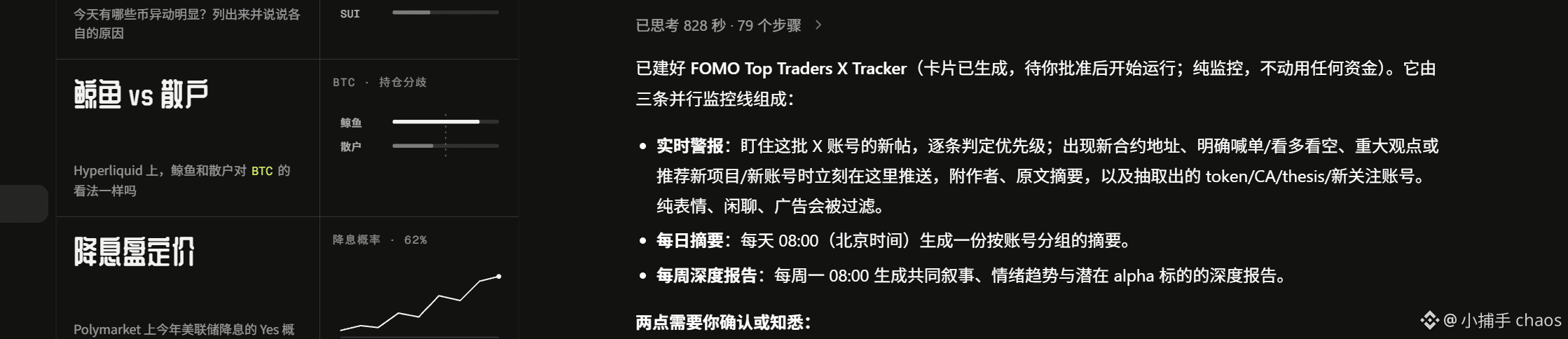
▌ Advanced play: Let AI help you watch the market
If you don’t want to manually refresh the list, you can use MOJO to build a tracking agent that monitors these accounts’ activity in real time—automatically extracting and highlighting the key information below:
Signal to extract: mentioned tokens, project names, TICKERs, contract addresses
Trading logic: trading ideas, thesis, market views, long/short stance
Social signals: which accounts they newly follow
Evidence: shared charts, PnL, wallet addresses, or on-chain data
It also automatically filters out pure emojis, irrelevant chatter, and ads—leaving only the useful stuff.
It’s like hiring an intern who never sleeps for 24 hours.
MOJO is still way too good—looking forward to the public beta.
🔥 Built an X List of FOMO Top 100 traders—sharing it with everyone
I’ve compiled all traders who have made it into the FOMO profit leaderboard Top 100 into an X list, so you can track them instantly with one tap.
There are only a few faces from the Chinese segment—right now I only see a handful like LaserHair and Dayu, etc.
▌ Advanced play: Let AI help you watch the market
If you don’t want to manually refresh the list, you can use MOJO to build a tracking agent that monitors these accounts’ activity in real time—automatically extracting and highlighting the key information below:
Signal to extract: mentioned tokens, project names, TICKERs, contract addresses
Trading logic: trading ideas, thesis, market views, long/short stance
Social signals: which accounts they newly follow
Evidence: shared charts, PnL, wallet addresses, or on-chain data
It also automatically filters out pure emojis, irrelevant chatter, and ads—leaving only the useful stuff.
It’s like hiring an intern who never sleeps for 24 hours.
MOJO is still way too good—looking forward to the public beta.
I’ve compiled all traders who have made it into the FOMO profit leaderboard Top 100 into an X list, so you can track them instantly with one tap.
There are only a few faces from the Chinese segment—right now I only see a handful like LaserHair and Dayu, etc.
▌ Advanced play: Let AI help you watch the market
If you don’t want to manually refresh the list, you can use MOJO to build a tracking agent that monitors these accounts’ activity in real time—automatically extracting and highlighting the key information below:
Signal to extract: mentioned tokens, project names, TICKERs, contract addresses
Trading logic: trading ideas, thesis, market views, long/short stance
Social signals: which accounts they newly follow
Evidence: shared charts, PnL, wallet addresses, or on-chain data
It also automatically filters out pure emojis, irrelevant chatter, and ads—leaving only the useful stuff.
It’s like hiring an intern who never sleeps for 24 hours.
MOJO is still way too good—looking forward to the public beta.
402
·
--
PaperTrade, another perpetual contract DEX
1/ First, look at the team
Co-founder Colin H’s background is impressive.
Former Morgan Stanley and Millennium Management analyst, later became a full-time partner at Standard Crypto. Since 2024, he’s been doing angel investing and has backed fomo.
It feels like there’s a system in him.
2/ Look at the product
Mechanically, PaperTrade is a bit like FCoin 2.0, with the difference being who receives the subsidies.
FCoin subsidized all traders—trading is mining; PaperTrade only subsidizes contract losers—losses are mining. The mined PAPER can be staked to earn USDC dividends.
How did FCoin die back then? Two things: first, FT issuance and trading volume were linked— the bigger the volume, the harder the sell-off; second, centralized custody— a hole containing 7,000+ BTC was hidden for two years before it finally blew up.
PaperTrade fixes both.
PAPER issuance is inversely linked to LP balances— the healthier the pool, the less it issues; everything is on-chain, so LP balances, the debt queue, and the issuance curve are all verifiable.
Sounds like a big improvement. But it also brings three FCoin problems.
The counterparty changes. FCoin is a matching system; PaperTrade is users vs LP. FT holders are betting that the exchange can survive long-term, while PAPER holders bet that retail traders lose to the house long-term. That has historically held true—but the house’s capital starts from zero, with a soft cap of 5 million.
An openly displayed ponzi structure.
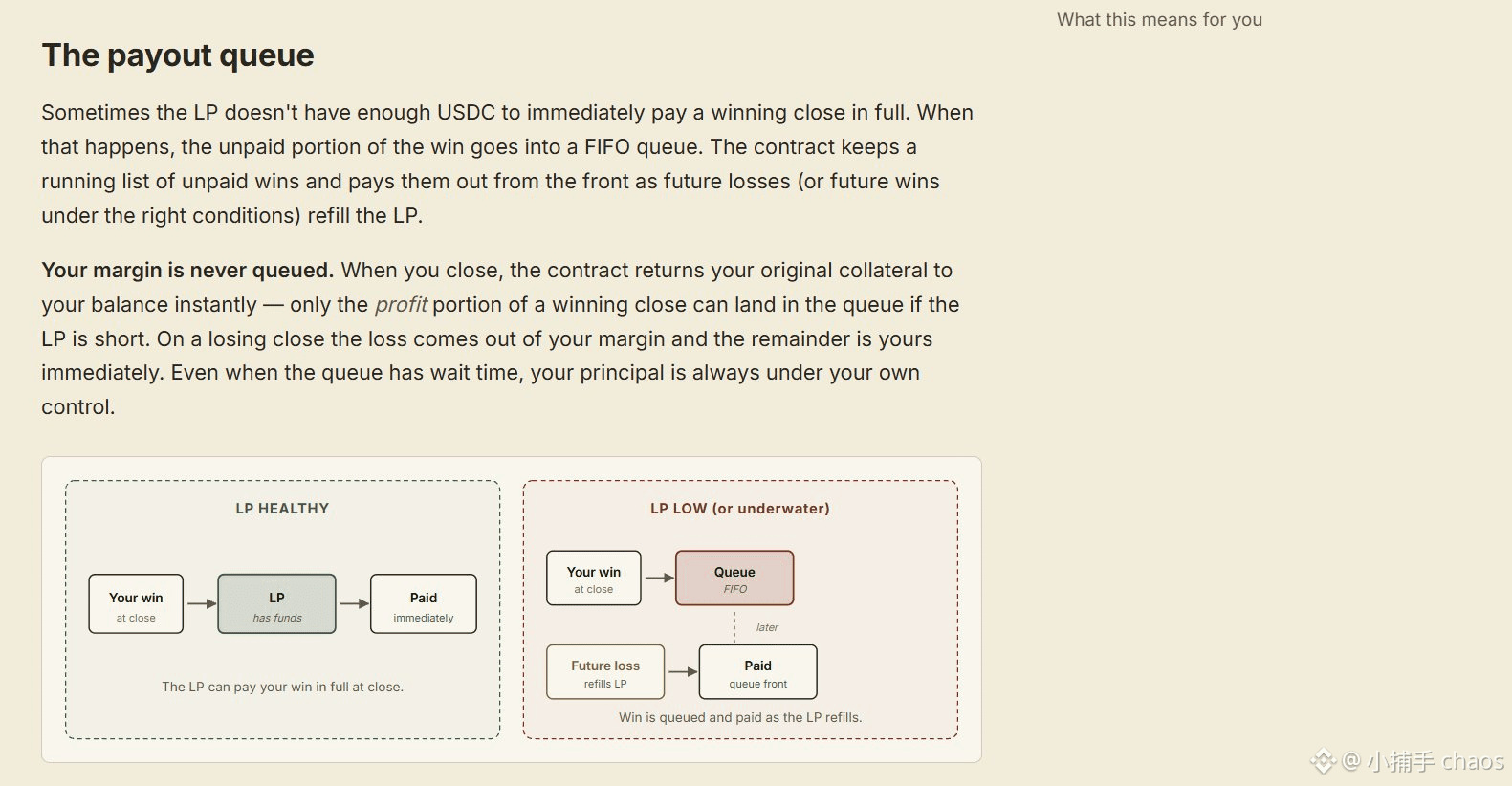
PaperTrade’s LP can temporarily go bankrupt—winners’ profits line up in a FIFO queue to wait for later losers to pay. Even better: the emptier the LP is, the faster PAPER is issued, encouraging you to trade right now.
Oracle risk. The price reads the mid price between Hyperliquid’s buy-one and sell-one orders directly—no deviation-based circuit breaker—but you can’t say there’s zero risk of manipulation.
In one sentence: FCoin’s risk was in people; PaperTrade’s risk is in mathematics.
3/ Conclusion
If you enter as a futures/contract trader, you’re facing a casino like this:
No frontend fees, but when you win, your profit is discounted;
If you win big, your profit may have to queue behind others’ losses;
If you lose, you get a bunch of PAPER you can’t sell for the moment (in the early phase, you can’t transfer—only stake it).
PaperTrade, another perpetual contract DEX
1/ First, look at the team
Co-founder Colin H’s background is impressive.
Former Morgan Stanley and Millennium Management analyst, later became a full-time partner at Standard Crypto. Since 2024, he’s been doing angel investing and has backed fomo.
It feels like there’s a system in him.
2/ Look at the product
Mechanically, PaperTrade is a bit like FCoin 2.0, with the difference being who receives the subsidies.
FCoin subsidized all traders—trading is mining; PaperTrade only subsidizes contract losers—losses are mining. The mined PAPER can be staked to earn USDC dividends.
How did FCoin die back then? Two things: first, FT issuance and trading volume were linked— the bigger the volume, the harder the sell-off; second, centralized custody— a hole containing 7,000+ BTC was hidden for two years before it finally blew up.
PaperTrade fixes both.
PAPER issuance is inversely linked to LP balances— the healthier the pool, the less it issues; everything is on-chain, so LP balances, the debt queue, and the issuance curve are all verifiable.
Sounds like a big improvement. But it also brings three FCoin problems.
The counterparty changes. FCoin is a matching system; PaperTrade is users vs LP. FT holders are betting that the exchange can survive long-term, while PAPER holders bet that retail traders lose to the house long-term. That has historically held true—but the house’s capital starts from zero, with a soft cap of 5 million.
An openly displayed ponzi structure.
PaperTrade’s LP can temporarily go bankrupt—winners’ profits line up in a FIFO queue to wait for later losers to pay. Even better: the emptier the LP is, the faster PAPER is issued, encouraging you to trade right now.
Oracle risk. The price reads the mid price between Hyperliquid’s buy-one and sell-one orders directly—no deviation-based circuit breaker—but you can’t say there’s zero risk of manipulation.
In one sentence: FCoin’s risk was in people; PaperTrade’s risk is in mathematics.
3/ Conclusion
If you enter as a futures/contract trader, you’re facing a casino like this:
No frontend fees, but when you win, your profit is discounted;
If you win big, your profit may have to queue behind others’ losses;
If you lose, you get a bunch of PAPER you can’t sell for the moment (in the early phase, you can’t transfer—only stake it).
1/ First, look at the team
Co-founder Colin H’s background is impressive.
Former Morgan Stanley and Millennium Management analyst, later became a full-time partner at Standard Crypto. Since 2024, he’s been doing angel investing and has backed fomo.
It feels like there’s a system in him.
2/ Look at the product
Mechanically, PaperTrade is a bit like FCoin 2.0, with the difference being who receives the subsidies.
FCoin subsidized all traders—trading is mining; PaperTrade only subsidizes contract losers—losses are mining. The mined PAPER can be staked to earn USDC dividends.
How did FCoin die back then? Two things: first, FT issuance and trading volume were linked— the bigger the volume, the harder the sell-off; second, centralized custody— a hole containing 7,000+ BTC was hidden for two years before it finally blew up.
PaperTrade fixes both.
PAPER issuance is inversely linked to LP balances— the healthier the pool, the less it issues; everything is on-chain, so LP balances, the debt queue, and the issuance curve are all verifiable.
Sounds like a big improvement. But it also brings three FCoin problems.
The counterparty changes. FCoin is a matching system; PaperTrade is users vs LP. FT holders are betting that the exchange can survive long-term, while PAPER holders bet that retail traders lose to the house long-term. That has historically held true—but the house’s capital starts from zero, with a soft cap of 5 million.
An openly displayed ponzi structure.
PaperTrade’s LP can temporarily go bankrupt—winners’ profits line up in a FIFO queue to wait for later losers to pay. Even better: the emptier the LP is, the faster PAPER is issued, encouraging you to trade right now.
Oracle risk. The price reads the mid price between Hyperliquid’s buy-one and sell-one orders directly—no deviation-based circuit breaker—but you can’t say there’s zero risk of manipulation.
In one sentence: FCoin’s risk was in people; PaperTrade’s risk is in mathematics.
3/ Conclusion
If you enter as a futures/contract trader, you’re facing a casino like this:
No frontend fees, but when you win, your profit is discounted;
If you win big, your profit may have to queue behind others’ losses;
If you lose, you get a bunch of PAPER you can’t sell for the moment (in the early phase, you can’t transfer—only stake it).

1
407
·
--
Partly True
Article
Will PopDEX issue tokens? Breaking down a Perp DEX that returns 100% of value to usersPerp DEXs have always been known for how much profit they bring.
dYdX airdropped 25% of its tokens, Hyperliquid airdropped 31%, and Variational announced an airdrop of 32%.
These numbers are already impressive enough.
But what’s even more astonishing is that @popdex_ directly announced a 100% value return. No long points race, and no repeatedly PUA-ing users based on expectations of airdrops.
Sounds great, but problems quickly come into view.
▌If all value is fully returned to users, how does the development team make money?
▌PopDEX took a $30 million investment—will it actually issue tokens or not?
Let’s tackle them one by one.
1/ Who is PopDEX?
Will PopDEX issue tokens? Breaking down a Perp DEX that returns 100% of value to users
Perp DEXs have always been known for how much profit they bring.
dYdX airdropped 25% of its tokens, Hyperliquid airdropped 31%, and Variational announced an airdrop of 32%.
These numbers are already impressive enough.
But what’s even more astonishing is that @popdex_ directly announced a 100% value return. No long points race, and no repeatedly PUA-ing users based on expectations of airdrops.
Sounds great, but problems quickly come into view.
▌If all value is fully returned to users, how does the development team make money?
▌PopDEX took a $30 million investment—will it actually issue tokens or not?
Let’s tackle them one by one.
1/ Who is PopDEX?
dYdX airdropped 25% of its tokens, Hyperliquid airdropped 31%, and Variational announced an airdrop of 32%.
These numbers are already impressive enough.
But what’s even more astonishing is that @popdex_ directly announced a 100% value return. No long points race, and no repeatedly PUA-ing users based on expectations of airdrops.
Sounds great, but problems quickly come into view.
▌If all value is fully returned to users, how does the development team make money?
▌PopDEX took a $30 million investment—will it actually issue tokens or not?
Let’s tackle them one by one.
1/ Who is PopDEX?
662
·
--
Verified
XDP’s debut performance is more than decent.
Binance Alpha + OKX + Kraken + KuCoin—basically all the mainstream CEXs are covered, aside from the Han exchange I was hoping for.
1/ No near-term selling pressure
FDV is $230 million, with a circulating market cap of $23 million.
Circulation is only 10%—most of the tokens are in the project team’s hands.
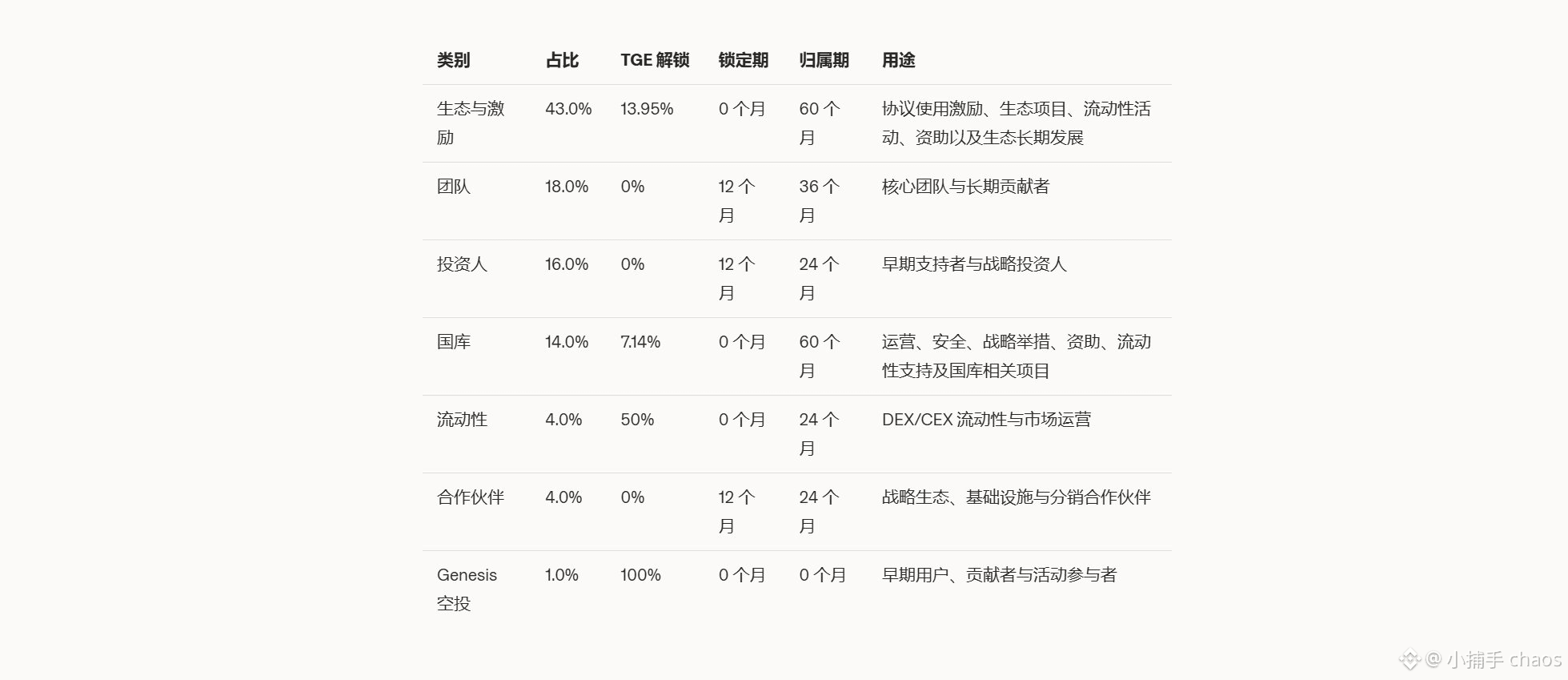
More importantly, investors (16%) + the team (18%) both have a 12-month lock-up period.
Those two parts add up to 34% of the supply; it can’t move within a year, so there’s basically no dump pressure in the short term.
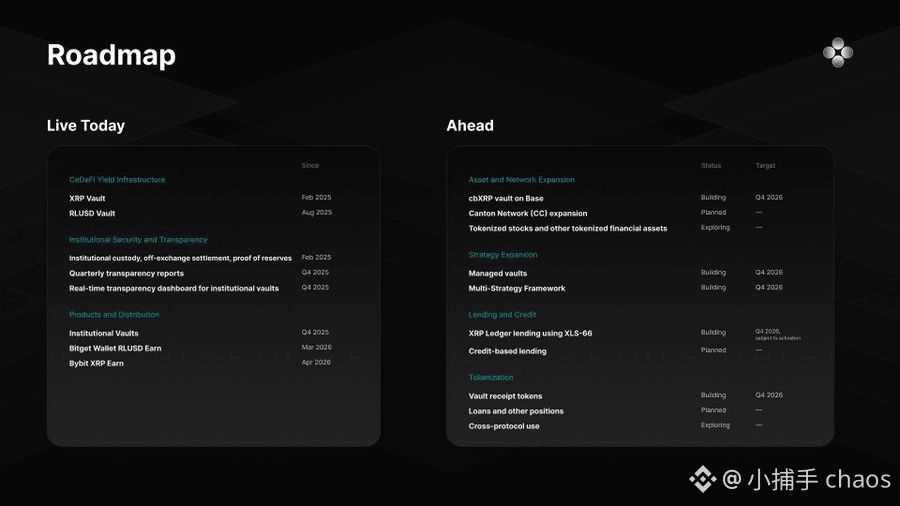
2/ Next key milestone: 2026 Q4
According to the project roadmap, several major products will go live in a concentrated rollout at this time.
▌cbXRP Vault
▌Multi-strategy framework
▌XLS-66 lending
So, XDP’s breakout logic is already very clear. There are mainly two catalysts ahead.
One is the potential listing on the Han exchange.
Two is the concentrated deployment of products in Q4, bringing a substantive upgrade to the project’s fundamentals.
In addition, in the tokenomics, “ecosystem incentives” account for 43%, and most of it hasn’t been distributed yet.
It will very likely run activities in Q4 in tandem with the new product launches.
With both the product release + incentive unlock happening together, it should boost attention on the project.
This is something to watch closely.
XDP’s debut performance is more than decent.
Binance Alpha + OKX + Kraken + KuCoin—basically all the mainstream CEXs are covered, aside from the Han exchange I was hoping for.
1/ No near-term selling pressure
FDV is $230 million, with a circulating market cap of $23 million.
Circulation is only 10%—most of the tokens are in the project team’s hands.
More importantly, investors (16%) + the team (18%) both have a 12-month lock-up period.
Those two parts add up to 34% of the supply; it can’t move within a year, so there’s basically no dump pressure in the short term.
2/ Next key milestone: 2026 Q4
According to the project roadmap, several major products will go live in a concentrated rollout at this time.
▌cbXRP Vault
▌Multi-strategy framework
▌XLS-66 lending
So, XDP’s breakout logic is already very clear. There are mainly two catalysts ahead.
One is the potential listing on the Han exchange.
Two is the concentrated deployment of products in Q4, bringing a substantive upgrade to the project’s fundamentals.
In addition, in the tokenomics, “ecosystem incentives” account for 43%, and most of it hasn’t been distributed yet.
It will very likely run activities in Q4 in tandem with the new product launches.
With both the product release + incentive unlock happening together, it should boost attention on the project.
This is something to watch closely.
Binance Alpha + OKX + Kraken + KuCoin—basically all the mainstream CEXs are covered, aside from the Han exchange I was hoping for.
1/ No near-term selling pressure
FDV is $230 million, with a circulating market cap of $23 million.
Circulation is only 10%—most of the tokens are in the project team’s hands.
More importantly, investors (16%) + the team (18%) both have a 12-month lock-up period.
Those two parts add up to 34% of the supply; it can’t move within a year, so there’s basically no dump pressure in the short term.
2/ Next key milestone: 2026 Q4
According to the project roadmap, several major products will go live in a concentrated rollout at this time.
▌cbXRP Vault
▌Multi-strategy framework
▌XLS-66 lending
So, XDP’s breakout logic is already very clear. There are mainly two catalysts ahead.
One is the potential listing on the Han exchange.
Two is the concentrated deployment of products in Q4, bringing a substantive upgrade to the project’s fundamentals.
In addition, in the tokenomics, “ecosystem incentives” account for 43%, and most of it hasn’t been distributed yet.
It will very likely run activities in Q4 in tandem with the new product launches.
With both the product release + incentive unlock happening together, it should boost attention on the project.
This is something to watch closely.
2.3k
·
--
Trading coins is not as good as issuing tokens
Starting a business is not as good as getting a launch going
In 2 months, they issued 53 coins and walked away with $18 million
What level is this? Here’s a reference:
Grayscale’s RWA business—its profit in a month is only around $18 million
The difference is that Grayscale has to keep dozens of people on payroll, handling compliance, audits, and regulators—working hard for a whole month.
And these guys only need to change the token name, swap the contract address, and then funnel the money stolen from the previous launch into the next one.
Trading coins is not as good as issuing tokens
Starting a business is not as good as getting a launch going
In 2 months, they issued 53 coins and walked away with $18 million
What level is this? Here’s a reference:
Grayscale’s RWA business—its profit in a month is only around $18 million
The difference is that Grayscale has to keep dozens of people on payroll, handling compliance, audits, and regulators—working hard for a whole month.
And these guys only need to change the token name, swap the contract address, and then funnel the money stolen from the previous launch into the next one.
Starting a business is not as good as getting a launch going
In 2 months, they issued 53 coins and walked away with $18 million
What level is this? Here’s a reference:
Grayscale’s RWA business—its profit in a month is only around $18 million
The difference is that Grayscale has to keep dozens of people on payroll, handling compliance, audits, and regulators—working hard for a whole month.
And these guys only need to change the token name, swap the contract address, and then funnel the money stolen from the previous launch into the next one.

19
1
43
79.4k
·
--
▌Kaito doesn’t care about your content itself.
What it quantifies and sells is influence.
▌FOMO doesn’t care how many followers you have.
As long as you have verifiable investment performance, followers will come naturally.
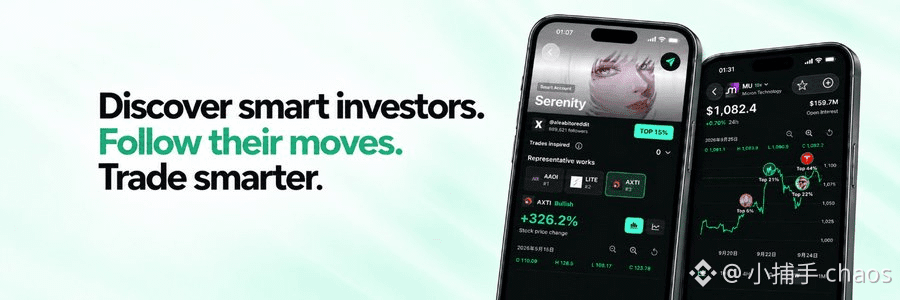
▌bSmart is the third approach.
Let the price speak—use future market performance to verify whether the KOL’s view is “correct.”
What it cares about is judgment.
Based on the official website, the product will cover both the crypto and stock markets at the same time, and the founder is a former Kaito member.
But this path isn’t easy to take.
First. Correlation isn’t causation, and it’s not the same as being correct. “Right or wrong” is only one facet of financial decision-making.
The bigger challenge is the business model.
Kaito has become an attention transmitter; FOMO has become a trading terminal. Different roads, same destination—both rely on taking a cut to make a living.
The question is: what will bSmart’s business form look like?
▌Kaito doesn’t care about your content itself.
What it quantifies and sells is influence.
▌FOMO doesn’t care how many followers you have.
As long as you have verifiable investment performance, followers will come naturally.
▌bSmart is the third approach.
Let the price speak—use future market performance to verify whether the KOL’s view is “correct.”
What it cares about is judgment.
Based on the official website, the product will cover both the crypto and stock markets at the same time, and the founder is a former Kaito member.
But this path isn’t easy to take.
First. Correlation isn’t causation, and it’s not the same as being correct. “Right or wrong” is only one facet of financial decision-making.
The bigger challenge is the business model.
Kaito has become an attention transmitter; FOMO has become a trading terminal. Different roads, same destination—both rely on taking a cut to make a living.
The question is: what will bSmart’s business form look like?
What it quantifies and sells is influence.
▌FOMO doesn’t care how many followers you have.
As long as you have verifiable investment performance, followers will come naturally.
▌bSmart is the third approach.
Let the price speak—use future market performance to verify whether the KOL’s view is “correct.”
What it cares about is judgment.
Based on the official website, the product will cover both the crypto and stock markets at the same time, and the founder is a former Kaito member.
But this path isn’t easy to take.
First. Correlation isn’t causation, and it’s not the same as being correct. “Right or wrong” is only one facet of financial decision-making.
The bigger challenge is the business model.
Kaito has become an attention transmitter; FOMO has become a trading terminal. Different roads, same destination—both rely on taking a cut to make a living.
The question is: what will bSmart’s business form look like?
1
633
·
--
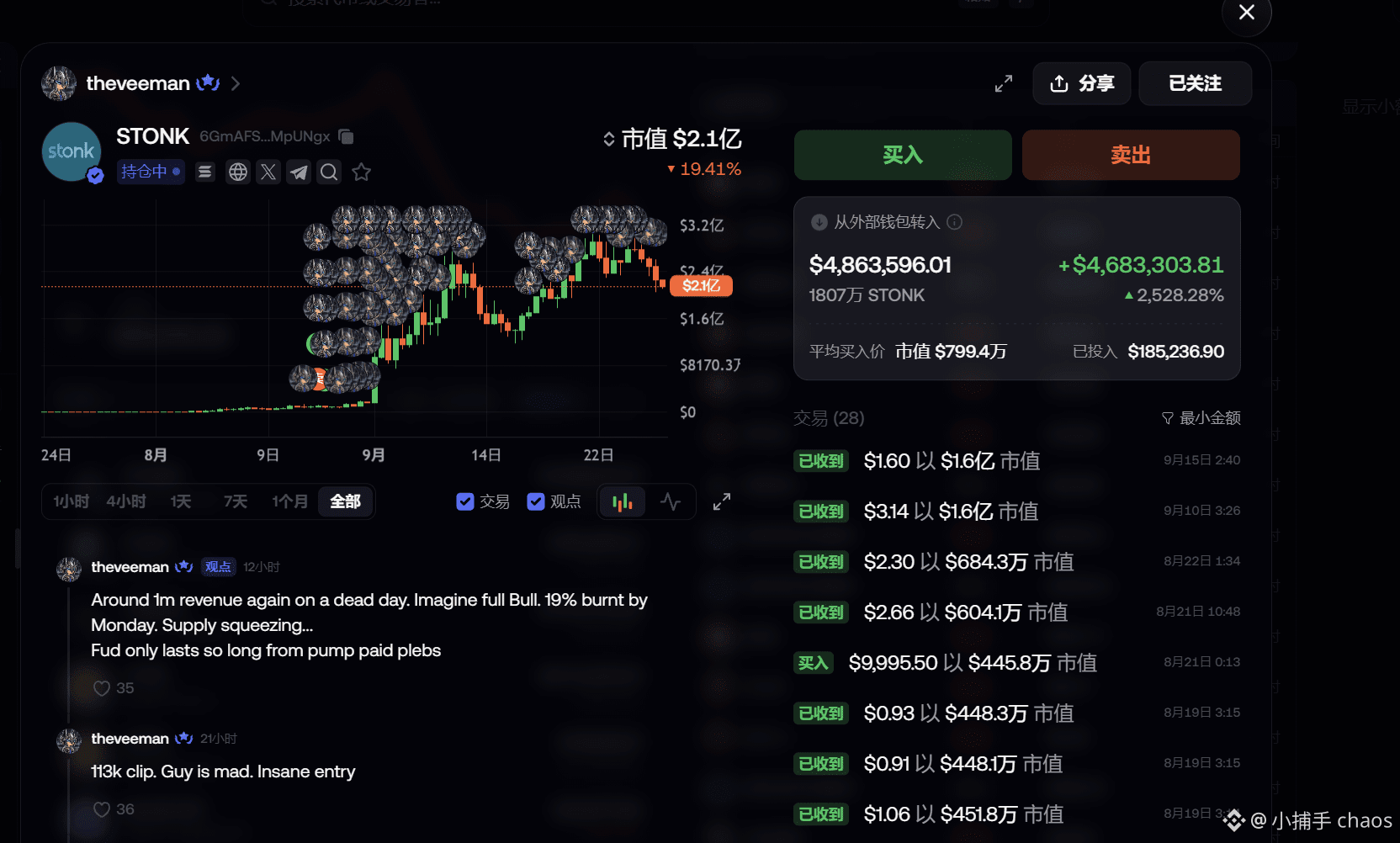
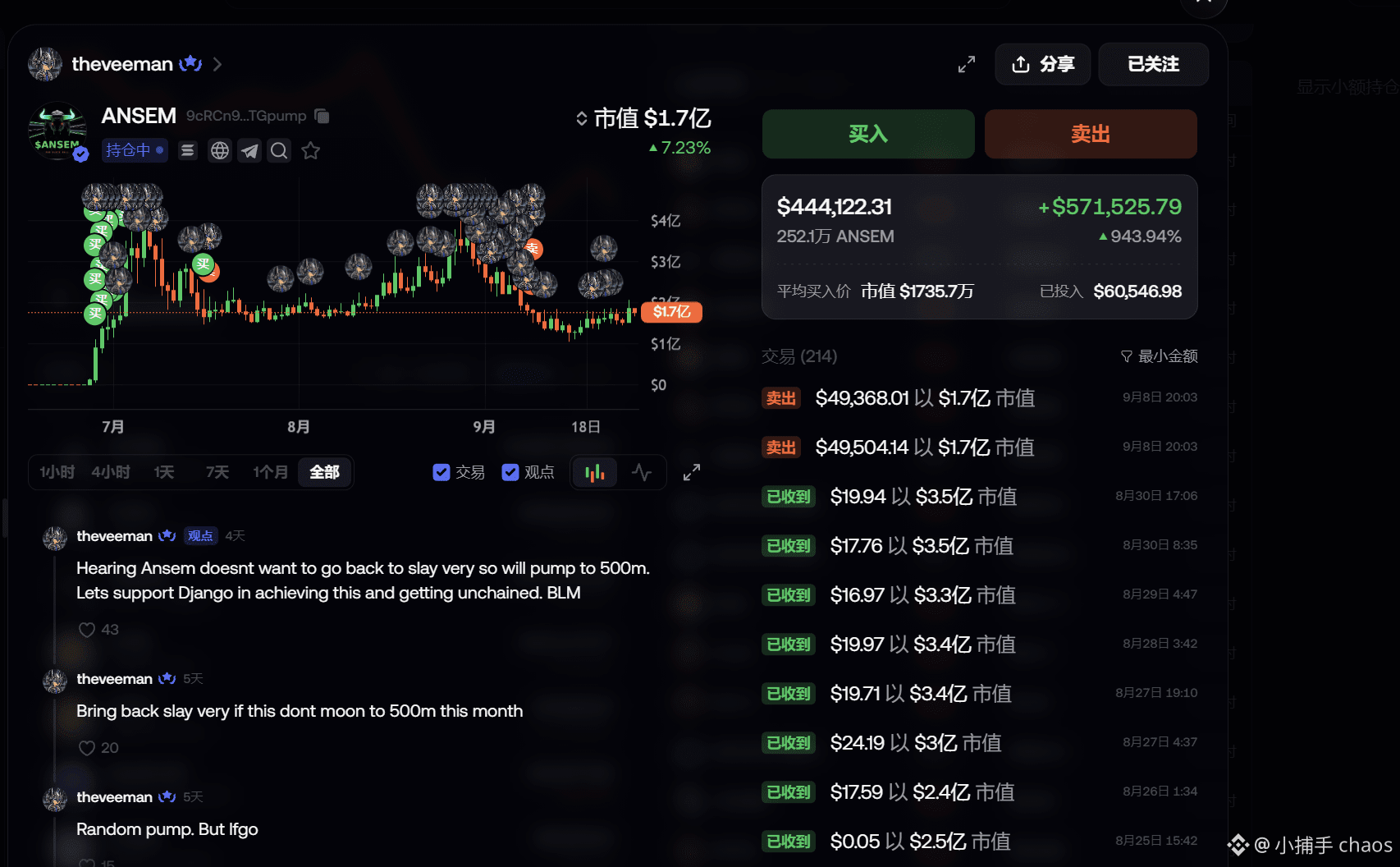
▌ STONK floating profit of $4.68 million
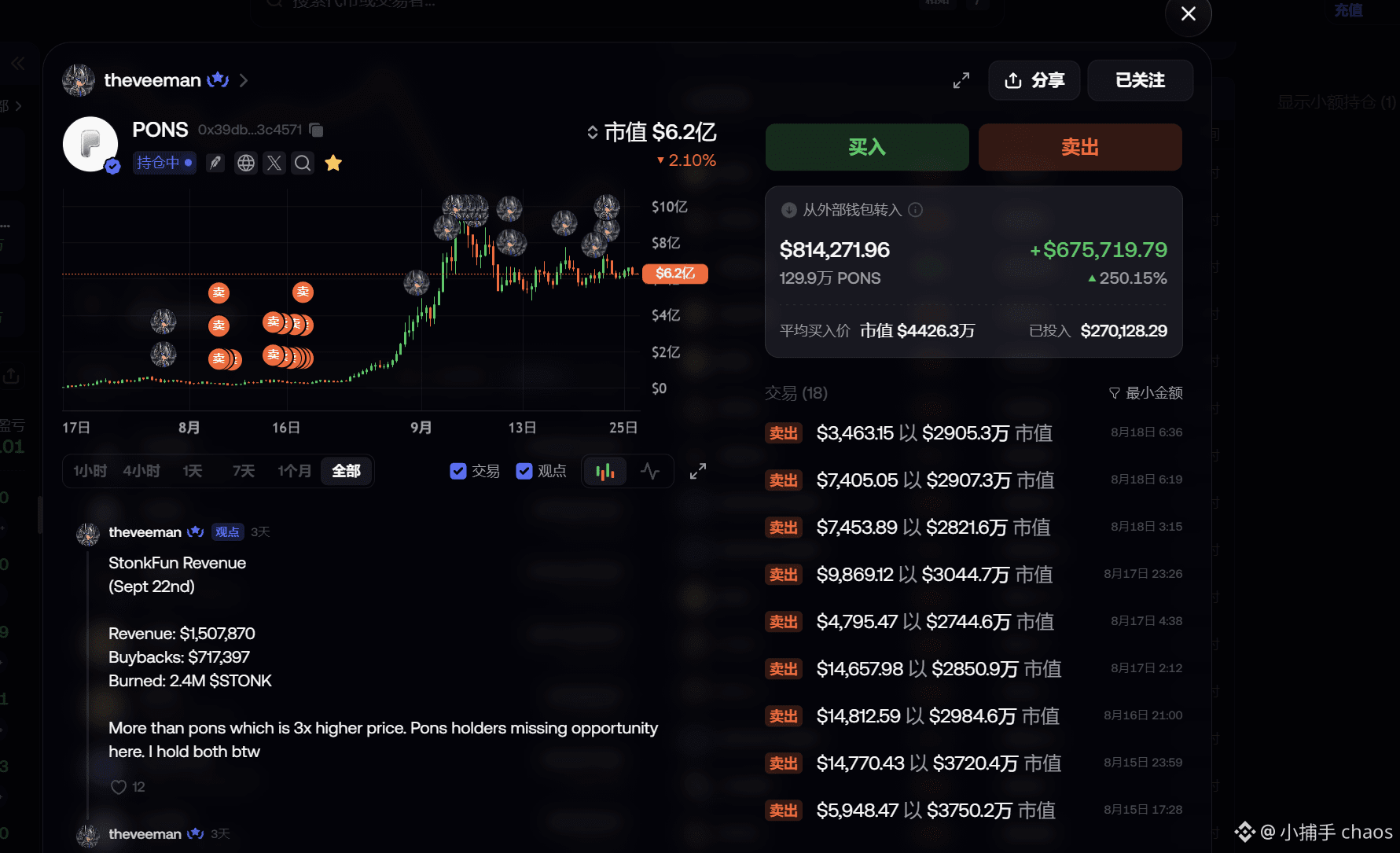
▌POND floating profit of $670,000
▌ANSEM floating profit of $570,000
The idea is to discover gems and undervalued projects,
not to recklessly chase memes.
One address I personally prefer
If you FOMO, search for theveeman and you’ll find him
▌ STONK floating profit of $4.68 million
▌POND floating profit of $670,000
▌ANSEM floating profit of $570,000
The idea is to discover gems and undervalued projects,
not to recklessly chase memes.
One address I personally prefer
If you FOMO, search for theveeman and you’ll find him
▌POND floating profit of $670,000
▌ANSEM floating profit of $570,000
The idea is to discover gems and undervalued projects,
not to recklessly chase memes.
One address I personally prefer
If you FOMO, search for theveeman and you’ll find him
1
5.5k
·
--
I’m increasingly convinced of one thing.
The formula for future on-chain breakout applications is “chain abstraction + X”.
Chain abstraction by itself isn’t a product; it’s a kind of attribute.
And X can be meme trading, perpetual futures contracts, or socializing. These demands have already been validated—what’s missing is only lowering the user friction coefficient to the bare minimum.
Whoever achieves that first can take this round of users.
FOMO is the most typical example. It didn’t create new demand; it merely turned old demand into something that feels like it doesn’t exist on the chain.
But if this judgment holds, the real long-term winners shouldn’t be apps like FOMO, but the two layers of infrastructure under every application:
▌ Relay — cross-chain settlement and routing layer
▌ Privy — wallet and account infrastructure for developers
The logic is the same as a gold rush.
The application layer iterates extremely fast—today’s FOMO may be replaced by a better app tomorrow—but every app must get through the same two hurdles: cross-chain settlement and account custody.
Winning at the application layer is a probability game, while the shovels-seller’s income is a certainty.
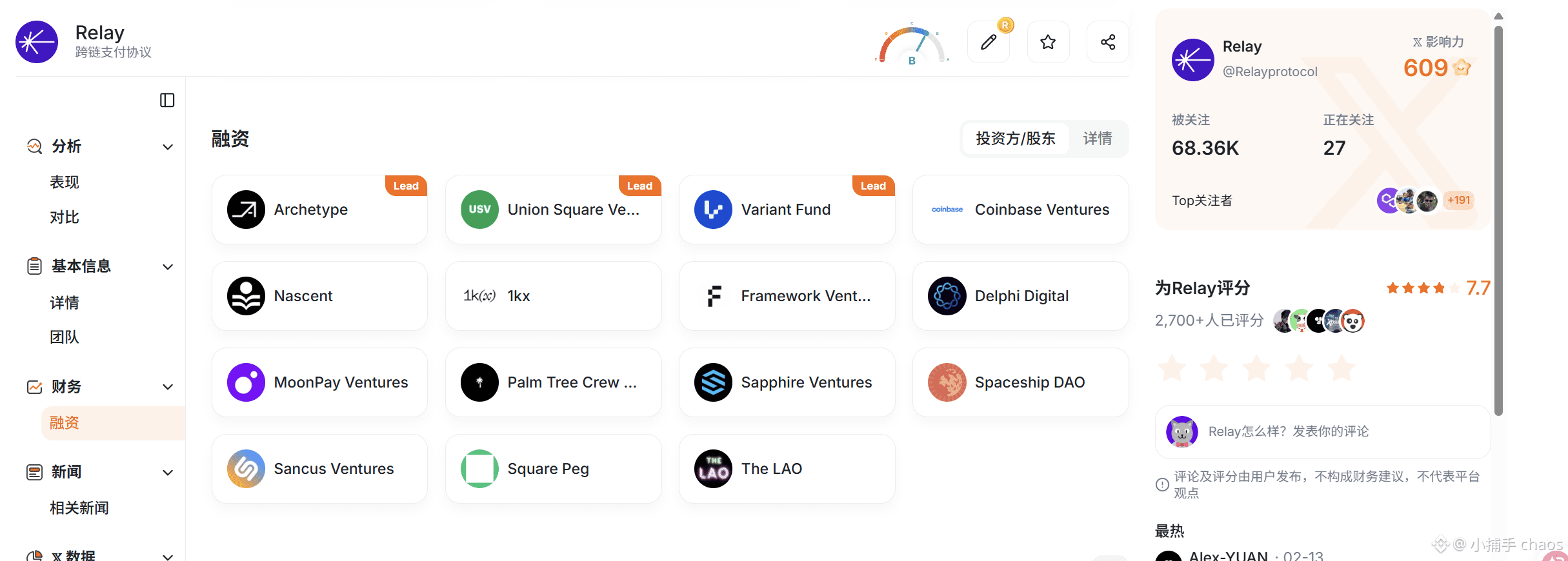
Also, it’s ridiculous that from FOMO to Relay to Privy, the same group of investors shows up behind the scenes.
Common investors for Relay and FOMO: Archetype, Coinbase, and USV
Common investors for all three: Coinbase and Archetype
All I can say is that the world is a gigantic Shandong.
I’m increasingly convinced of one thing.
The formula for future on-chain breakout applications is “chain abstraction + X”.
Chain abstraction by itself isn’t a product; it’s a kind of attribute.
And X can be meme trading, perpetual futures contracts, or socializing. These demands have already been validated—what’s missing is only lowering the user friction coefficient to the bare minimum.
Whoever achieves that first can take this round of users.
FOMO is the most typical example. It didn’t create new demand; it merely turned old demand into something that feels like it doesn’t exist on the chain.
But if this judgment holds, the real long-term winners shouldn’t be apps like FOMO, but the two layers of infrastructure under every application:
▌ Relay — cross-chain settlement and routing layer
▌ Privy — wallet and account infrastructure for developers
The logic is the same as a gold rush.
The application layer iterates extremely fast—today’s FOMO may be replaced by a better app tomorrow—but every app must get through the same two hurdles: cross-chain settlement and account custody.
Winning at the application layer is a probability game, while the shovels-seller’s income is a certainty.
Also, it’s ridiculous that from FOMO to Relay to Privy, the same group of investors shows up behind the scenes.
Common investors for Relay and FOMO: Archetype, Coinbase, and USV
Common investors for all three: Coinbase and Archetype
All I can say is that the world is a gigantic Shandong.
The formula for future on-chain breakout applications is “chain abstraction + X”.
Chain abstraction by itself isn’t a product; it’s a kind of attribute.
And X can be meme trading, perpetual futures contracts, or socializing. These demands have already been validated—what’s missing is only lowering the user friction coefficient to the bare minimum.
Whoever achieves that first can take this round of users.
FOMO is the most typical example. It didn’t create new demand; it merely turned old demand into something that feels like it doesn’t exist on the chain.
But if this judgment holds, the real long-term winners shouldn’t be apps like FOMO, but the two layers of infrastructure under every application:
▌ Relay — cross-chain settlement and routing layer
▌ Privy — wallet and account infrastructure for developers
The logic is the same as a gold rush.
The application layer iterates extremely fast—today’s FOMO may be replaced by a better app tomorrow—but every app must get through the same two hurdles: cross-chain settlement and account custody.
Winning at the application layer is a probability game, while the shovels-seller’s income is a certainty.
Also, it’s ridiculous that from FOMO to Relay to Privy, the same group of investors shows up behind the scenes.
Common investors for Relay and FOMO: Archetype, Coinbase, and USV
Common investors for all three: Coinbase and Archetype
All I can say is that the world is a gigantic Shandong.


2
723
·
--
Partly True
A belated realization.
The founders of the three companies—Chain Catcher, RootData, and CatcherVC—are the same person.
Chain Catcher and RootData are almost considered basic infrastructure in the industry. If you’ve been around the ecosystem for years but never used either of these products, that’s a bit hard to explain.
And CatcherVC is one of the VC firms I’ve been paying close attention to.
The reason is simple: price speaks.
CatcherVC previously invested in Metis, PlatON, and DeAgentAI—all of them have actually made it big.
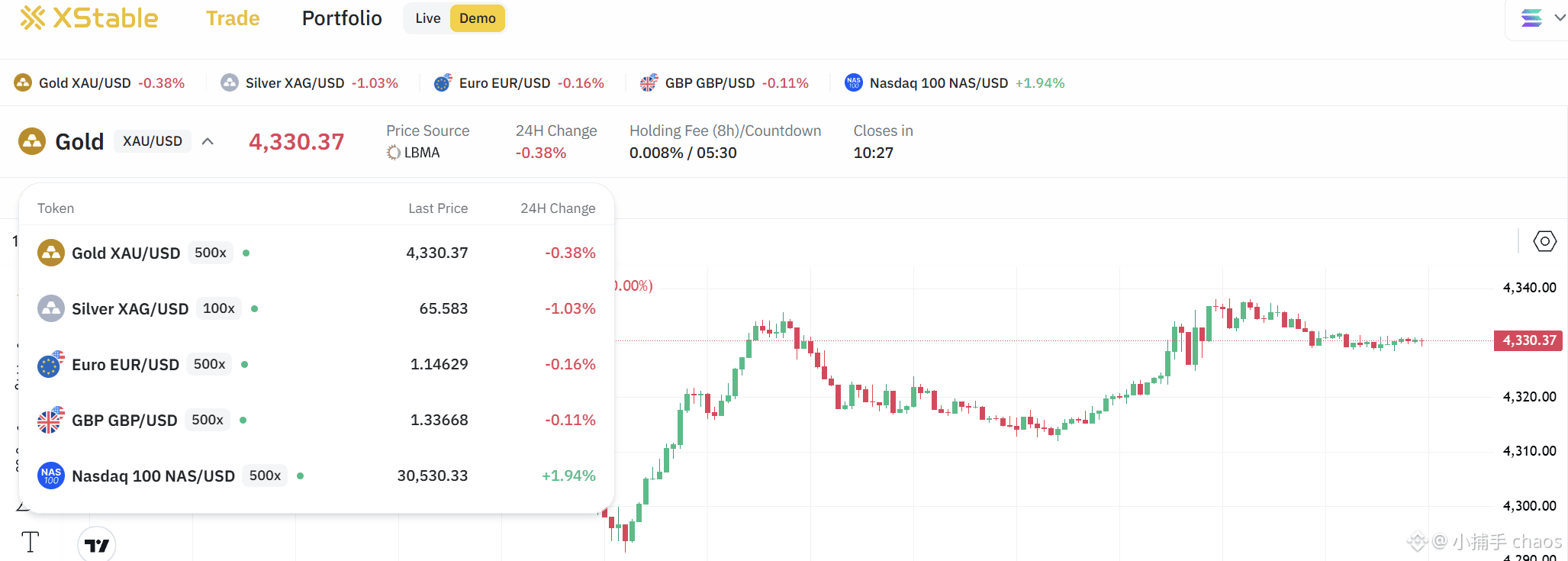
Recently, CatcherVC also co-invested with YZi Labs in a new project @XStableAI, focusing on on-chain gold and FX trading.
1/ What XStableAI looks like so far
The project is still in its very early stage. It has only launched 5 markets:
Gold
Silver
Euro
British Pound
Nasdaq 100 Index
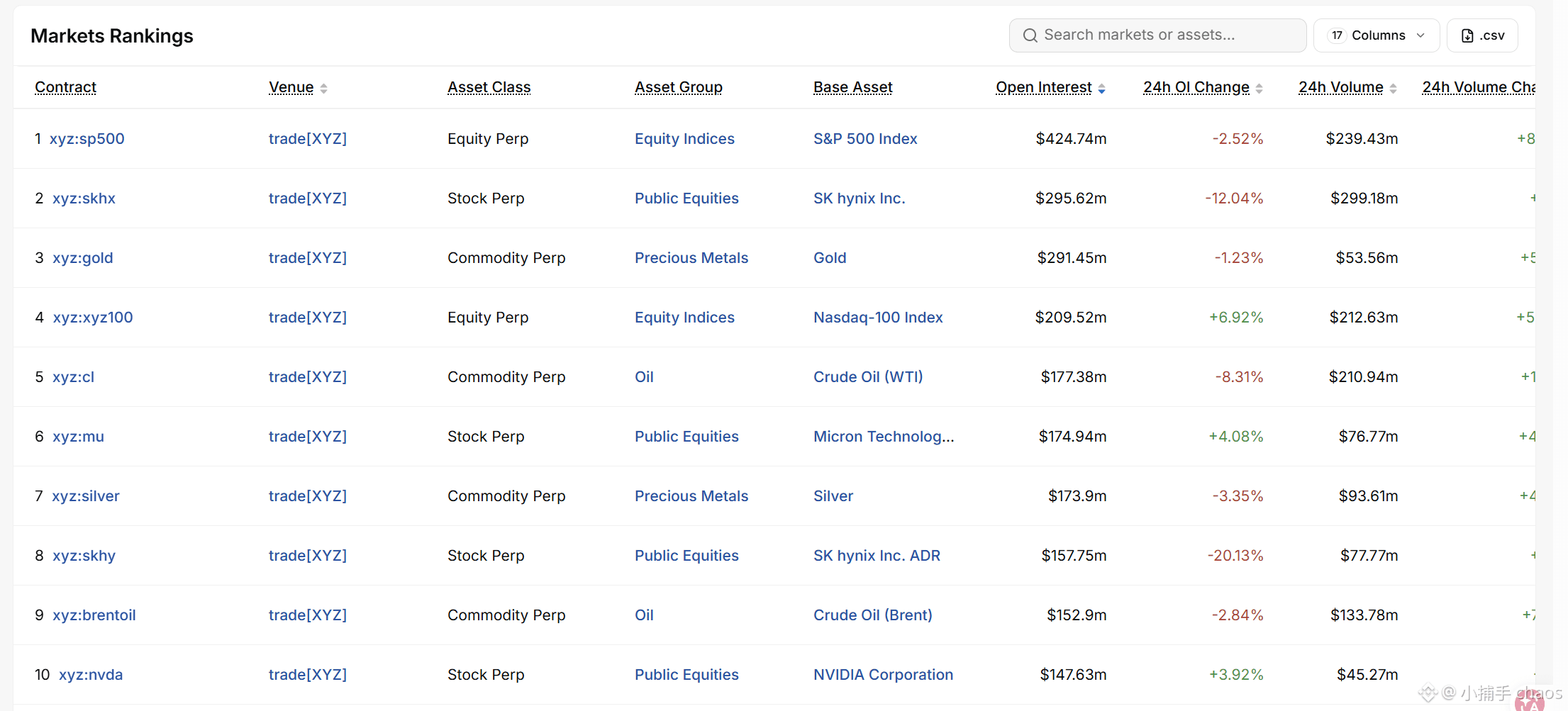
Of these 5 markets, 3 are in the top ten of DeFiLlama RWA perpetual contract market leaderboards (ranked by total open interest). They are:
#3 Gold
#4 Nasdaq 100 Index
#7 Silver
This shows the team behind the project has put thought into selecting markets.
2/ Closing thoughts
The project is currently at a very early stage.
The XStable funding news was only recently announced, and there aren’t many participants yet.
If you’re interested, you can try it yourself: https://xstable.ai/trade?ref=U60XC7
A belated realization.
The founders of the three companies—Chain Catcher, RootData, and CatcherVC—are the same person.
Chain Catcher and RootData are almost considered basic infrastructure in the industry. If you’ve been around the ecosystem for years but never used either of these products, that’s a bit hard to explain.
And CatcherVC is one of the VC firms I’ve been paying close attention to.
The reason is simple: price speaks.
CatcherVC previously invested in Metis, PlatON, and DeAgentAI—all of them have actually made it big.
Recently, CatcherVC also co-invested with YZi Labs in a new project @XStableAI, focusing on on-chain gold and FX trading.
1/ What XStableAI looks like so far
The project is still in its very early stage. It has only launched 5 markets:
Gold
Silver
Euro
British Pound
Nasdaq 100 Index
Of these 5 markets, 3 are in the top ten of DeFiLlama RWA perpetual contract market leaderboards (ranked by total open interest). They are:
#3 Gold
#4 Nasdaq 100 Index
#7 Silver
This shows the team behind the project has put thought into selecting markets.
2/ Closing thoughts
The project is currently at a very early stage.
The XStable funding news was only recently announced, and there aren’t many participants yet.
If you’re interested, you can try it yourself: https://xstable.ai/trade?ref=U60XC7
The founders of the three companies—Chain Catcher, RootData, and CatcherVC—are the same person.
Chain Catcher and RootData are almost considered basic infrastructure in the industry. If you’ve been around the ecosystem for years but never used either of these products, that’s a bit hard to explain.
And CatcherVC is one of the VC firms I’ve been paying close attention to.
The reason is simple: price speaks.
CatcherVC previously invested in Metis, PlatON, and DeAgentAI—all of them have actually made it big.
Recently, CatcherVC also co-invested with YZi Labs in a new project @XStableAI, focusing on on-chain gold and FX trading.
1/ What XStableAI looks like so far
The project is still in its very early stage. It has only launched 5 markets:
Gold
Silver
Euro
British Pound
Nasdaq 100 Index
Of these 5 markets, 3 are in the top ten of DeFiLlama RWA perpetual contract market leaderboards (ranked by total open interest). They are:
#3 Gold
#4 Nasdaq 100 Index
#7 Silver
This shows the team behind the project has put thought into selecting markets.
2/ Closing thoughts
The project is currently at a very early stage.
The XStable funding news was only recently announced, and there aren’t many participants yet.
If you’re interested, you can try it yourself: https://xstable.ai/trade?ref=U60XC7

3
841
·
--
Verified

Article
Sell-off pressure at the end + migration to Solana: an in-depth breakdown of $ZETA’s transformation from cross-chain L1 to consumer-grade AIPrivacy is the next big thing in the crypto world.
Vitalik recently said he wants to “stand firm on privacy and double down.” But the reality is harsh—there are very few projects in the privacy track that can truly compete.
Monero achieves censorship resistance through enforced privacy; Zcash combines transparent and shielded transactions, becoming a template for many privacy projects; Aztec builds a privacy DeFi layer on Ethereum.
The sexiest new narrative of this cycle is Crypto x Private AI, representing the Venice project. It gives users control over their private memories through a decentralized encryption layer.
But Venice is facing a formidable adversary, @ZetaChain.
Sell-off pressure at the end + migration to Solana: an in-depth breakdown of $ZETA’s transformation from cross-chain L1 to consumer-grade AI
Privacy is the next big thing in the crypto world.
Vitalik recently said he wants to “stand firm on privacy and double down.” But the reality is harsh—there are very few projects in the privacy track that can truly compete.
Monero achieves censorship resistance through enforced privacy; Zcash combines transparent and shielded transactions, becoming a template for many privacy projects; Aztec builds a privacy DeFi layer on Ethereum.
The sexiest new narrative of this cycle is Crypto x Private AI, representing the Venice project. It gives users control over their private memories through a decentralized encryption layer.
But Venice is facing a formidable adversary, @ZetaChain.
Vitalik recently said he wants to “stand firm on privacy and double down.” But the reality is harsh—there are very few projects in the privacy track that can truly compete.
Monero achieves censorship resistance through enforced privacy; Zcash combines transparent and shielded transactions, becoming a template for many privacy projects; Aztec builds a privacy DeFi layer on Ethereum.
The sexiest new narrative of this cycle is Crypto x Private AI, representing the Venice project. It gives users control over their private memories through a decentralized encryption layer.
But Venice is facing a formidable adversary, @ZetaChain.
1.4k
·
--
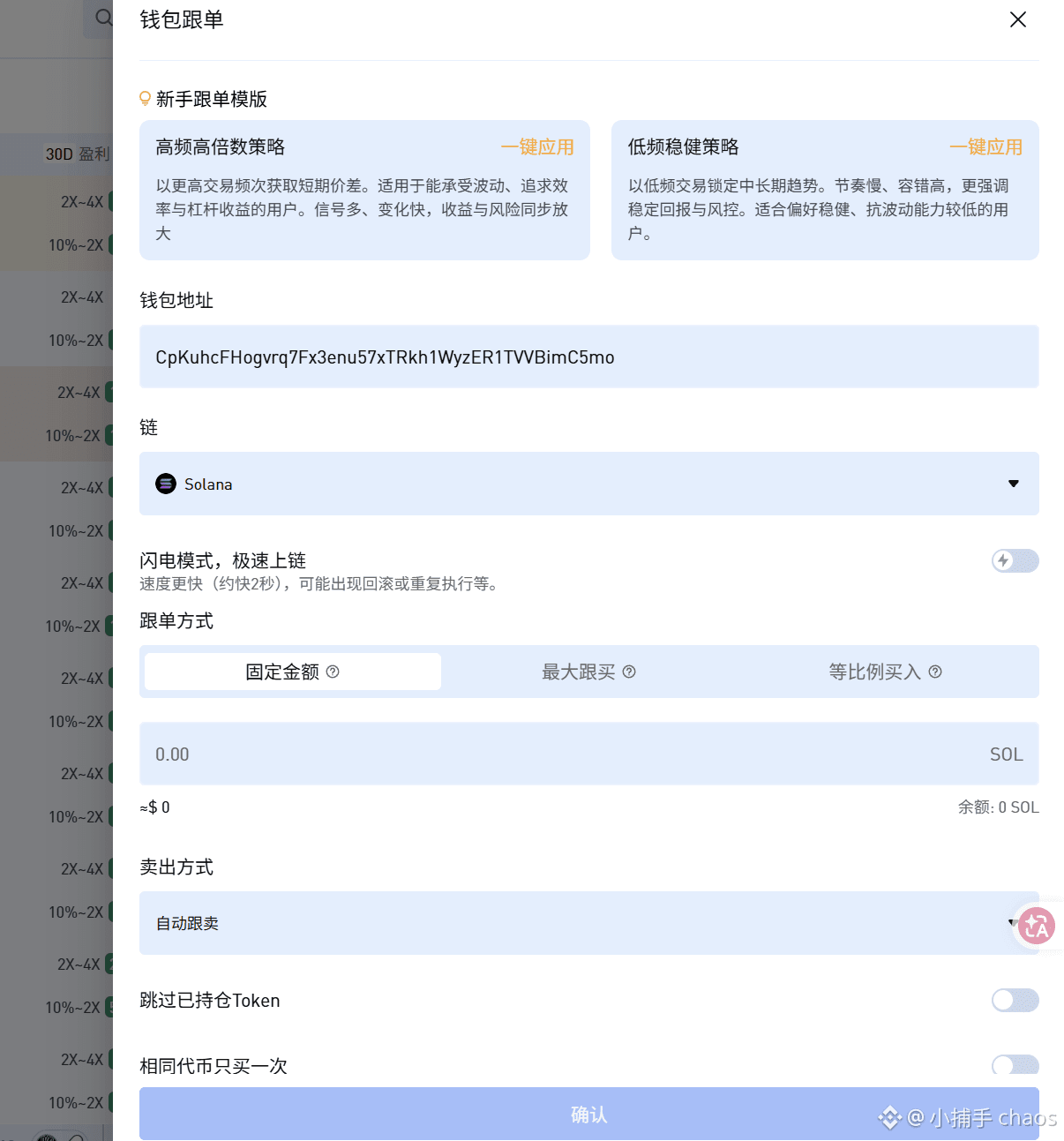
ave has added a FOMO smart money tracking feature.
Currently, it tracks a total of 100 addresses. You can view detailed information for each address, including:
Win rate
Preferred token market cap
Recent profit/loss
Activities
Positions
and more
Compared to the information that FOMO itself displays, it’s more intuitive and richer.
In addition, you can also use ave to instantly copy-trade all already indexed addresses.
You can customize the copy-trading method, the selling method, and even the token market cap and pool size.
That said, it’s still recommended that you only copy-trade addresses with high win rates.
Never follow addresses like the one Frank that turn out to be scam/cut-followers……
ave has added a FOMO smart money tracking feature.
Currently, it tracks a total of 100 addresses. You can view detailed information for each address, including:
Win rate
Preferred token market cap
Recent profit/loss
Activities
Positions
and more
Compared to the information that FOMO itself displays, it’s more intuitive and richer.
In addition, you can also use ave to instantly copy-trade all already indexed addresses.
You can customize the copy-trading method, the selling method, and even the token market cap and pool size.
That said, it’s still recommended that you only copy-trade addresses with high win rates.
Never follow addresses like the one Frank that turn out to be scam/cut-followers……
Currently, it tracks a total of 100 addresses. You can view detailed information for each address, including:
Win rate
Preferred token market cap
Recent profit/loss
Activities
Positions
and more
Compared to the information that FOMO itself displays, it’s more intuitive and richer.
In addition, you can also use ave to instantly copy-trade all already indexed addresses.
You can customize the copy-trading method, the selling method, and even the token market cap and pool size.
That said, it’s still recommended that you only copy-trade addresses with high win rates.
Never follow addresses like the one Frank that turn out to be scam/cut-followers……

1.5k
·
--
Distribution is everything.
Whoever controls the users controls the power of discourse.
Looking across the entire Crypto industry, there are only two types of entities that can truly be considered “entry-level” in the literal sense from beginning to end.
▌ Centralized exchanges — represented by Binance and Coinbase, they hold true distribution supremacy.
▌ Stablecoin issuers — represented by Tether and Circle; although they don’t directly face end users, they are the foundational pipeline for the flow of funds.
Other so-called “entry points” are mostly fleeting illusions of traffic.
1/ Telegram: the closest thing to an “entry point,” yet not one
With 1 billion users, Telegram is viewed as the theoretically strongest distribution channel. But the outcome isn’t as impressive as expected.
From “tap a little game” to becoming real on-chain users, the funnel is far too steep—user conversion never quite materializes.
2/ The CEX hegemony is being eroded by on-chain entry points
Perp DEXs represented by Hyperliquid are directly taking away the most core slice of the CEX cake. Contracts are the profit engine of CEXs, and the rise of Perp DEXs is the most fatal blow to that business model.
On-chain trading platforms are eating into spot trading. New-generation on-chain social products, represented by FOMO, are taking over meme coins and those long-tail assets that CEXs simply can’t support at all. Fortunately, the scale of what’s being taken so far isn’t very large.
3/ CEX won’t die, but it is being downgraded
CEXs certainly won’t disappear. But they are slowly degrading from being the largest entry point in the Crypto world.
The real trading entry point, discovery entry point, and speculation entry point are being gradually divided, eaten away, and carved up by on-chain products, one piece at a time.
Distribution is everything.
Whoever controls the users controls the power of discourse.
Looking across the entire Crypto industry, there are only two types of entities that can truly be considered “entry-level” in the literal sense from beginning to end.
▌ Centralized exchanges — represented by Binance and Coinbase, they hold true distribution supremacy.
▌ Stablecoin issuers — represented by Tether and Circle; although they don’t directly face end users, they are the foundational pipeline for the flow of funds.
Other so-called “entry points” are mostly fleeting illusions of traffic.
1/ Telegram: the closest thing to an “entry point,” yet not one
With 1 billion users, Telegram is viewed as the theoretically strongest distribution channel. But the outcome isn’t as impressive as expected.
From “tap a little game” to becoming real on-chain users, the funnel is far too steep—user conversion never quite materializes.
2/ The CEX hegemony is being eroded by on-chain entry points
Perp DEXs represented by Hyperliquid are directly taking away the most core slice of the CEX cake. Contracts are the profit engine of CEXs, and the rise of Perp DEXs is the most fatal blow to that business model.
On-chain trading platforms are eating into spot trading. New-generation on-chain social products, represented by FOMO, are taking over meme coins and those long-tail assets that CEXs simply can’t support at all. Fortunately, the scale of what’s being taken so far isn’t very large.
3/ CEX won’t die, but it is being downgraded
CEXs certainly won’t disappear. But they are slowly degrading from being the largest entry point in the Crypto world.
The real trading entry point, discovery entry point, and speculation entry point are being gradually divided, eaten away, and carved up by on-chain products, one piece at a time.
Whoever controls the users controls the power of discourse.
Looking across the entire Crypto industry, there are only two types of entities that can truly be considered “entry-level” in the literal sense from beginning to end.
▌ Centralized exchanges — represented by Binance and Coinbase, they hold true distribution supremacy.
▌ Stablecoin issuers — represented by Tether and Circle; although they don’t directly face end users, they are the foundational pipeline for the flow of funds.
Other so-called “entry points” are mostly fleeting illusions of traffic.
1/ Telegram: the closest thing to an “entry point,” yet not one
With 1 billion users, Telegram is viewed as the theoretically strongest distribution channel. But the outcome isn’t as impressive as expected.
From “tap a little game” to becoming real on-chain users, the funnel is far too steep—user conversion never quite materializes.
2/ The CEX hegemony is being eroded by on-chain entry points
Perp DEXs represented by Hyperliquid are directly taking away the most core slice of the CEX cake. Contracts are the profit engine of CEXs, and the rise of Perp DEXs is the most fatal blow to that business model.
On-chain trading platforms are eating into spot trading. New-generation on-chain social products, represented by FOMO, are taking over meme coins and those long-tail assets that CEXs simply can’t support at all. Fortunately, the scale of what’s being taken so far isn’t very large.
3/ CEX won’t die, but it is being downgraded
CEXs certainly won’t disappear. But they are slowly degrading from being the largest entry point in the Crypto world.
The real trading entry point, discovery entry point, and speculation entry point are being gradually divided, eaten away, and carved up by on-chain products, one piece at a time.

1
2
1.3k
·
--
Airdrop message👇
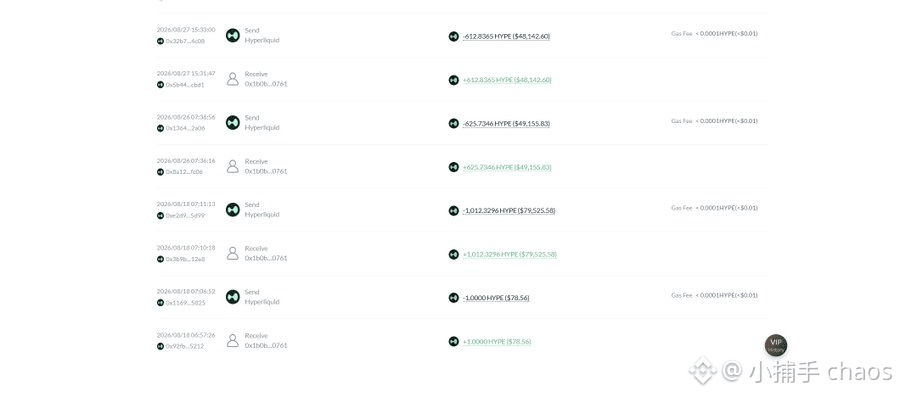
entropy has started distributing the first batch of referral commissions:
▌Distributed in the form of Hype
▌Requires manual claiming
From the on-chain data, this time a total of 2,250 Hype were distributed.
Worth about $180,000.
Not a lot, but at least it’s steady and ongoing.
There will be many more rounds.
Airdrop message👇
entropy has started distributing the first batch of referral commissions:
▌Distributed in the form of Hype
▌Requires manual claiming
From the on-chain data, this time a total of 2,250 Hype were distributed.
Worth about $180,000.
Not a lot, but at least it’s steady and ongoing.
There will be many more rounds.
entropy has started distributing the first batch of referral commissions:
▌Distributed in the form of Hype
▌Requires manual claiming
From the on-chain data, this time a total of 2,250 Hype were distributed.
Worth about $180,000.
Not a lot, but at least it’s steady and ongoing.
There will be many more rounds.
2
1
6.1k
·
--
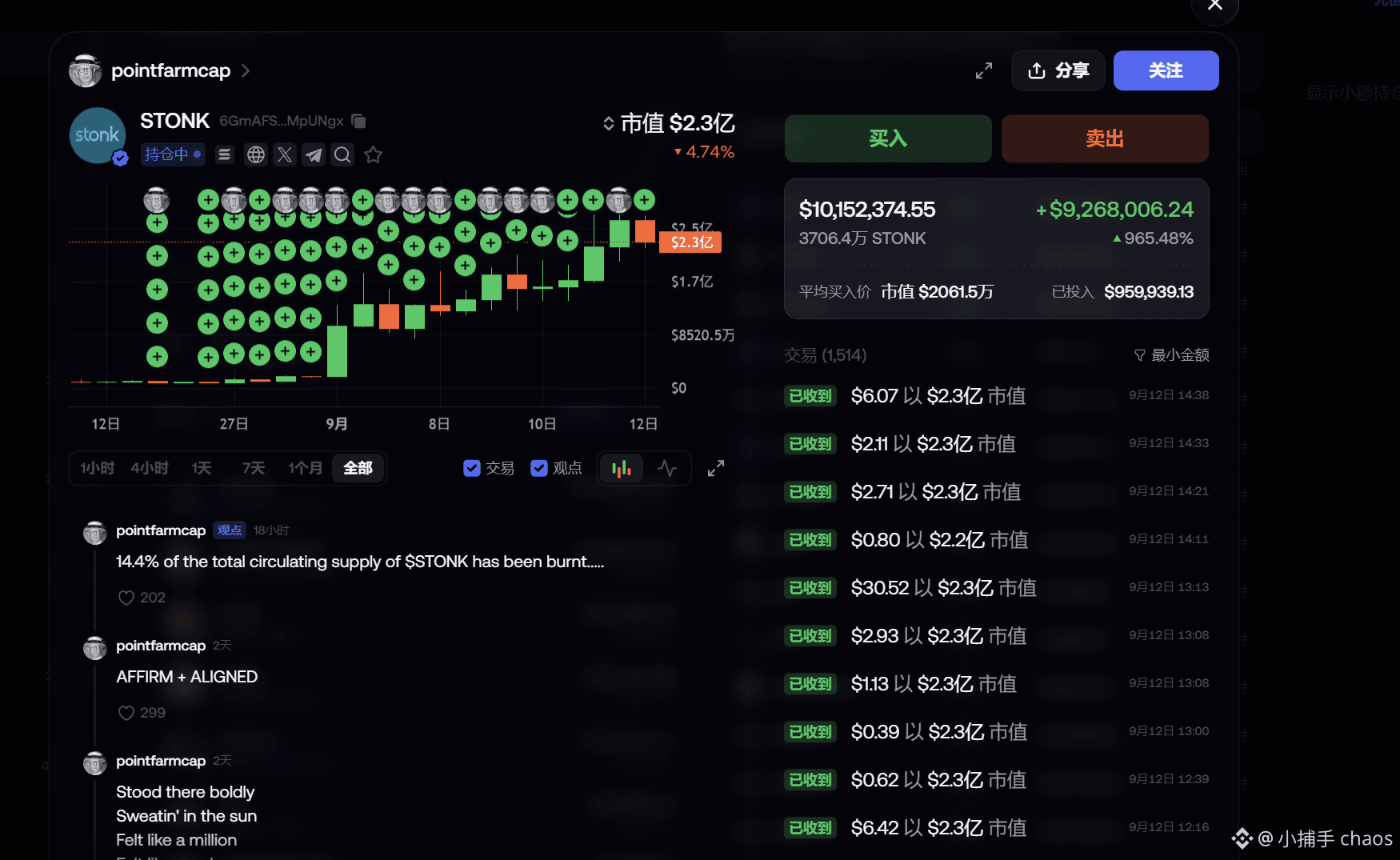
Horrifyingly impressive!
▌Point Farm Capital’s STONK is already up $9.26 million
▌That’s about RMB 65.8 million
If you’re young and capable, earning a million a year—
Congratulations. If you don’t eat or drink and work for 66 years, you’d just barely catch up to his profit from this one bet 🙃
Horrifyingly impressive!
▌Point Farm Capital’s STONK is already up $9.26 million
▌That’s about RMB 65.8 million
If you’re young and capable, earning a million a year—
Congratulations. If you don’t eat or drink and work for 66 years, you’d just barely catch up to his profit from this one bet 🙃
▌Point Farm Capital’s STONK is already up $9.26 million
▌That’s about RMB 65.8 million
If you’re young and capable, earning a million a year—
Congratulations. If you don’t eat or drink and work for 66 years, you’d just barely catch up to his profit from this one bet 🙃
2.2k
·
--
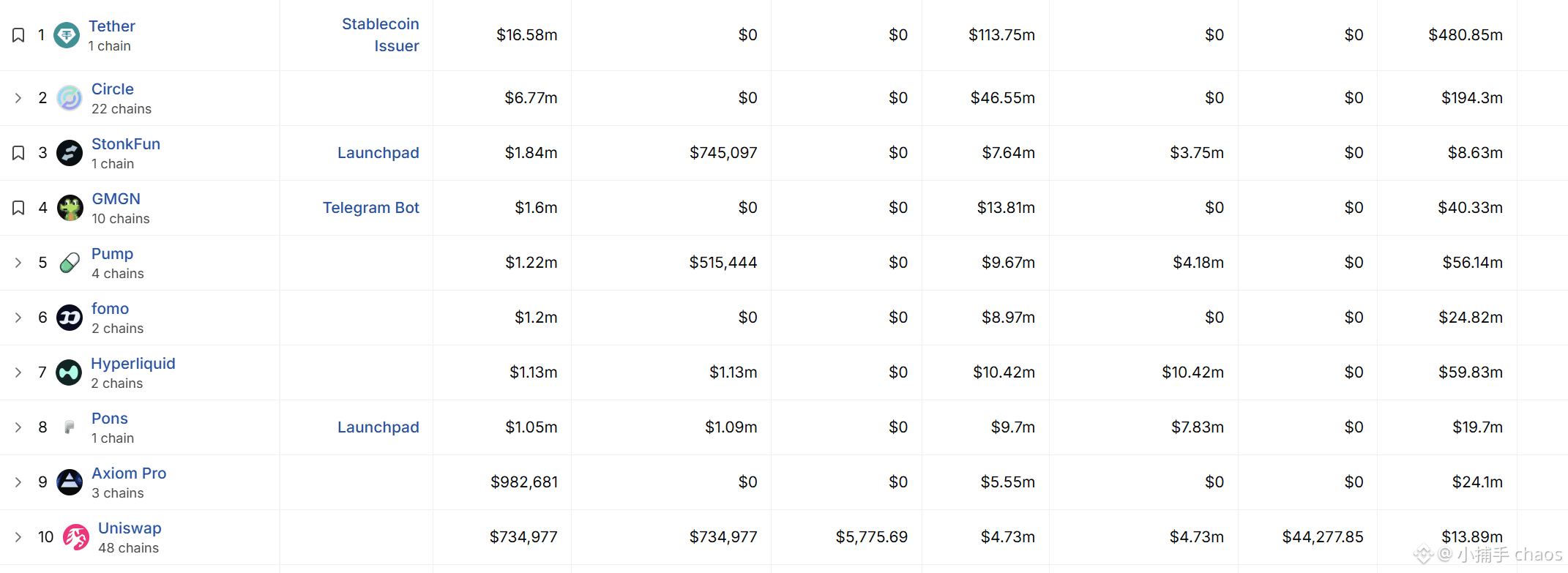
tether is still too authoritative
If you only look at revenue
one of it equals three circles
and it equals sixteen fomo
Miles ahead
stable earnings, regardless of drought or floods
tether is still too authoritative
If you only look at revenue
one of it equals three circles
and it equals sixteen fomo
Miles ahead
stable earnings, regardless of drought or floods
If you only look at revenue
one of it equals three circles
and it equals sixteen fomo
Miles ahead
stable earnings, regardless of drought or floods
2
2
1.6k
·
--
Partly True
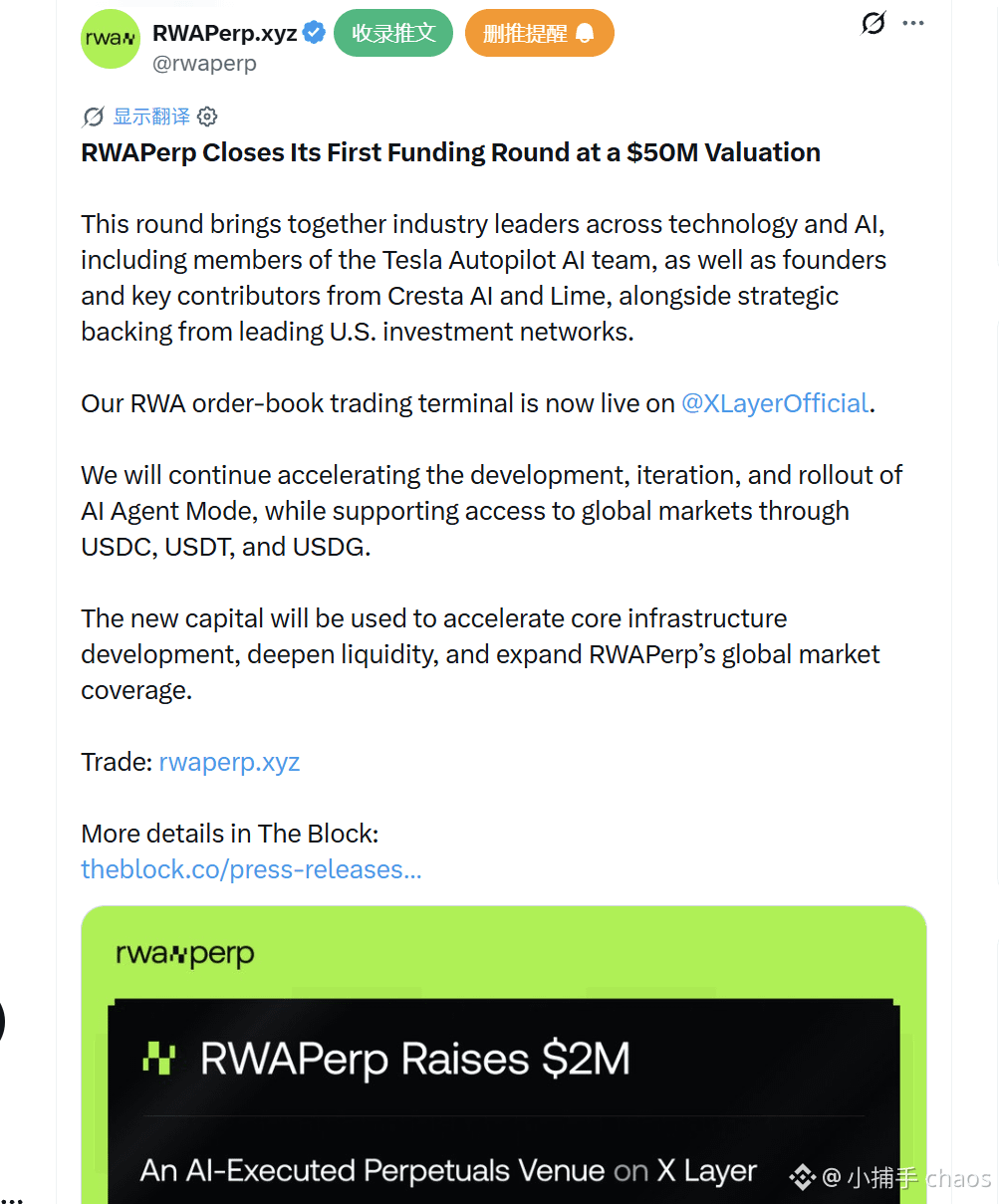
I dug into the investor roster of RWAPerp.xyz.
The lineup is a bit intimidating.
First, Tianlin Shi
Co-founder and CTO of AI unicorn Cresta.
An alumnus of Tsinghua’s Yao Ban program. Before starting his company, he was an early member at DJI and OpenAI.
Second, Pengfei Duan
Director of Autonomous Driving Engineering at Tesla.
Third, William Freiberg
Former CEO of Crux.
Fourth, Yueqiao Bao
Co-founder and CEO of Lime, the big shared-mobility giant.
He also joined the board of Cere Network, but that’s also why he got embroiled in a lawsuit.
If you’re interested, go search for CERE news—you can look it up yourself; I won’t air the details here.
The product hasn’t officially launched yet, so it’s worth keeping an eye on it.
I dug into the investor roster of RWAPerp.xyz.
The lineup is a bit intimidating.
First, Tianlin Shi
Co-founder and CTO of AI unicorn Cresta.
An alumnus of Tsinghua’s Yao Ban program. Before starting his company, he was an early member at DJI and OpenAI.
Second, Pengfei Duan
Director of Autonomous Driving Engineering at Tesla.
Third, William Freiberg
Former CEO of Crux.
Fourth, Yueqiao Bao
Co-founder and CEO of Lime, the big shared-mobility giant.
He also joined the board of Cere Network, but that’s also why he got embroiled in a lawsuit.
If you’re interested, go search for CERE news—you can look it up yourself; I won’t air the details here.
The product hasn’t officially launched yet, so it’s worth keeping an eye on it.
The lineup is a bit intimidating.
First, Tianlin Shi
Co-founder and CTO of AI unicorn Cresta.
An alumnus of Tsinghua’s Yao Ban program. Before starting his company, he was an early member at DJI and OpenAI.
Second, Pengfei Duan
Director of Autonomous Driving Engineering at Tesla.
Third, William Freiberg
Former CEO of Crux.
Fourth, Yueqiao Bao
Co-founder and CEO of Lime, the big shared-mobility giant.
He also joined the board of Cere Network, but that’s also why he got embroiled in a lawsuit.
If you’re interested, go search for CERE news—you can look it up yourself; I won’t air the details here.
The product hasn’t officially launched yet, so it’s worth keeping an eye on it.

1
4.9k
·
--
The momentum behind FOMO is truly quite fierce.
1/ Contract trading is booming on two fronts
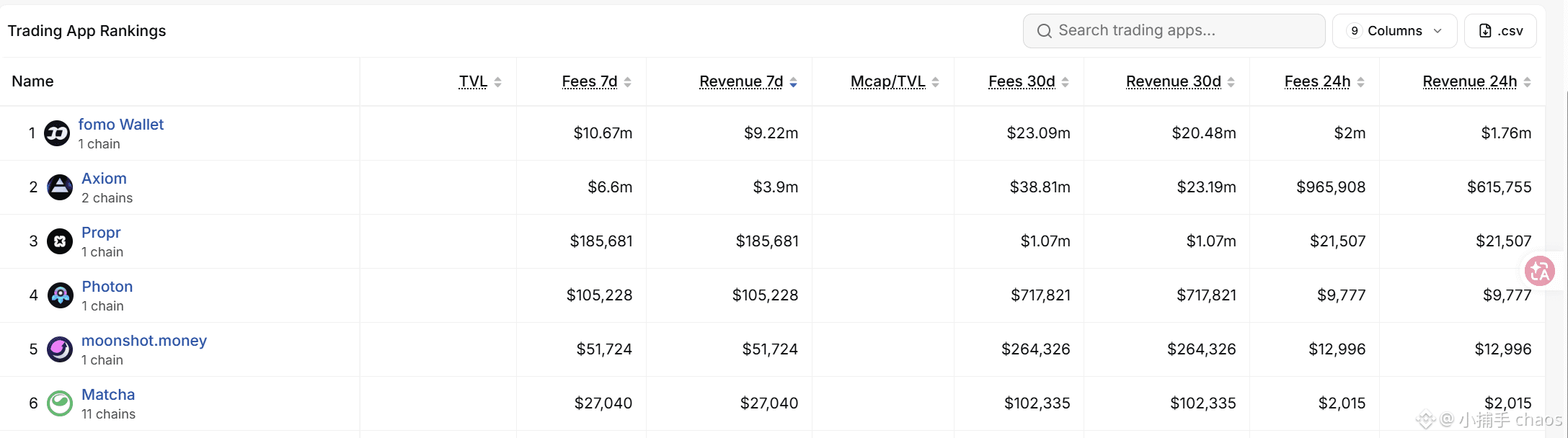
Over the past week, FOMO generated $10.67 million in fees, ranking first in the DefiLlama Trading Apps category.
Axiom, in second place, recorded $6.6 million in fees over the same period.
FOMO’s perpetual contracts business is also ramping up quickly.
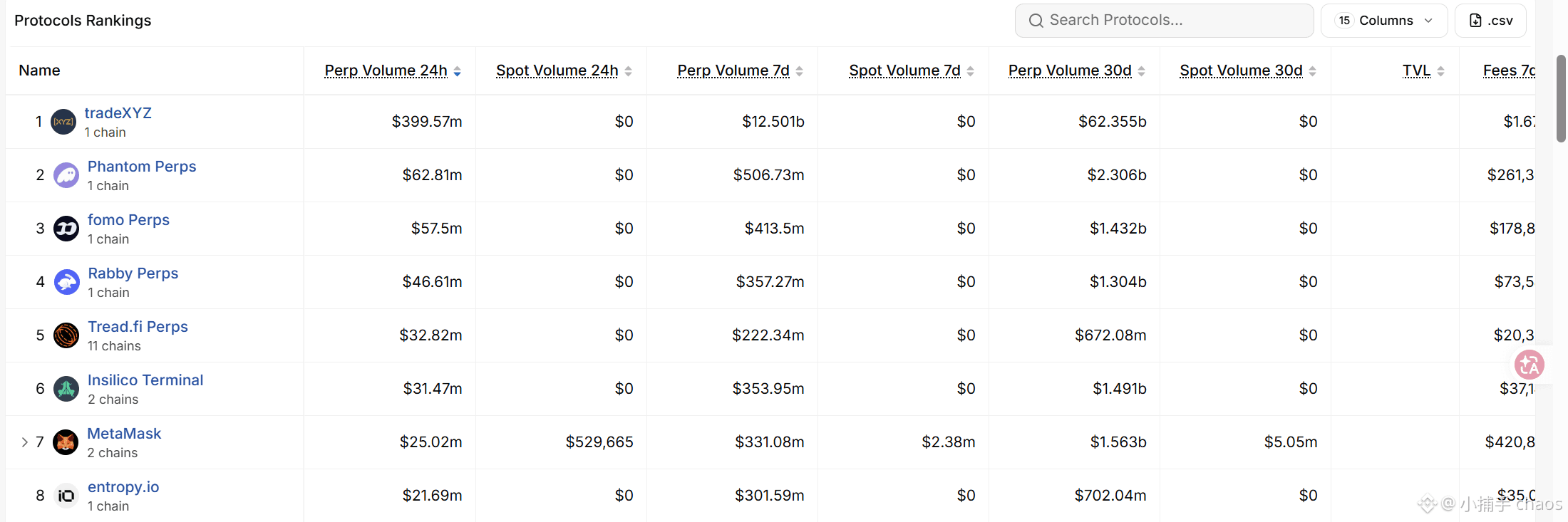
In the past 24 hours, FOMO Perps trading volume reached $57.5 million, ranking third in DefiLlama’s Interface Protocols category, only behind top projects such as tradeXYZ.
The key is that FOMO’s perpetual contract functionality was only officially launched in June this year.
FOMO has already proven that it not only attracts users and traffic, but can also quickly move those users and that traffic into new trading scenarios and financial products.
If FOMO continues to expand into directions like prediction markets and structured products in the future, that won’t be surprising either.
2/ Pressure is being put on Axiom and GMGN
When facing a newcomer like FOMO, Axiom and GMGN’s most direct responses in the short term are likely limited to just two options.
First, feature follow-up.
That is, to learn from and roll out similar services, narrowing the gap in the product matrix as much as possible.
Second, issue tokens.
By leveraging expectations of airdrops, a points system, and incentive mechanisms, increase user stickiness and slow the migration of funds and users to competitors.
However, for products like Axiom and GMGN that already have strong cash flow, issuing tokens isn’t a survival-critical funding tool. Instead, tokens are more like a strategic asset.
If played well, they can rapidly amplify growth; if played poorly, they may dilute an originally healthy business model and pull the platform into a higher-cost incentive race.
The momentum behind FOMO is truly quite fierce.
1/ Contract trading is booming on two fronts
Over the past week, FOMO generated $10.67 million in fees, ranking first in the DefiLlama Trading Apps category.
Axiom, in second place, recorded $6.6 million in fees over the same period.
FOMO’s perpetual contracts business is also ramping up quickly.
In the past 24 hours, FOMO Perps trading volume reached $57.5 million, ranking third in DefiLlama’s Interface Protocols category, only behind top projects such as tradeXYZ.
The key is that FOMO’s perpetual contract functionality was only officially launched in June this year.
FOMO has already proven that it not only attracts users and traffic, but can also quickly move those users and that traffic into new trading scenarios and financial products.
If FOMO continues to expand into directions like prediction markets and structured products in the future, that won’t be surprising either.
2/ Pressure is being put on Axiom and GMGN
When facing a newcomer like FOMO, Axiom and GMGN’s most direct responses in the short term are likely limited to just two options.
First, feature follow-up.
That is, to learn from and roll out similar services, narrowing the gap in the product matrix as much as possible.
Second, issue tokens.
By leveraging expectations of airdrops, a points system, and incentive mechanisms, increase user stickiness and slow the migration of funds and users to competitors.
However, for products like Axiom and GMGN that already have strong cash flow, issuing tokens isn’t a survival-critical funding tool. Instead, tokens are more like a strategic asset.
If played well, they can rapidly amplify growth; if played poorly, they may dilute an originally healthy business model and pull the platform into a higher-cost incentive race.
1/ Contract trading is booming on two fronts
Over the past week, FOMO generated $10.67 million in fees, ranking first in the DefiLlama Trading Apps category.
Axiom, in second place, recorded $6.6 million in fees over the same period.
FOMO’s perpetual contracts business is also ramping up quickly.
In the past 24 hours, FOMO Perps trading volume reached $57.5 million, ranking third in DefiLlama’s Interface Protocols category, only behind top projects such as tradeXYZ.
The key is that FOMO’s perpetual contract functionality was only officially launched in June this year.
FOMO has already proven that it not only attracts users and traffic, but can also quickly move those users and that traffic into new trading scenarios and financial products.
If FOMO continues to expand into directions like prediction markets and structured products in the future, that won’t be surprising either.
2/ Pressure is being put on Axiom and GMGN
When facing a newcomer like FOMO, Axiom and GMGN’s most direct responses in the short term are likely limited to just two options.
First, feature follow-up.
That is, to learn from and roll out similar services, narrowing the gap in the product matrix as much as possible.
Second, issue tokens.
By leveraging expectations of airdrops, a points system, and incentive mechanisms, increase user stickiness and slow the migration of funds and users to competitors.
However, for products like Axiom and GMGN that already have strong cash flow, issuing tokens isn’t a survival-critical funding tool. Instead, tokens are more like a strategic asset.
If played well, they can rapidly amplify growth; if played poorly, they may dilute an originally healthy business model and pull the platform into a higher-cost incentive race.
1
683
Log in to explore more content
Join global crypto users on Binance Square
⚡️ Get latest and useful information about crypto.
💬 Trusted by the world’s largest crypto exchange.
👍 Discover real insights from verified creators.
Email / Phone number