PaperTrade, another perpetual contract DEX
1/ First, look at the team
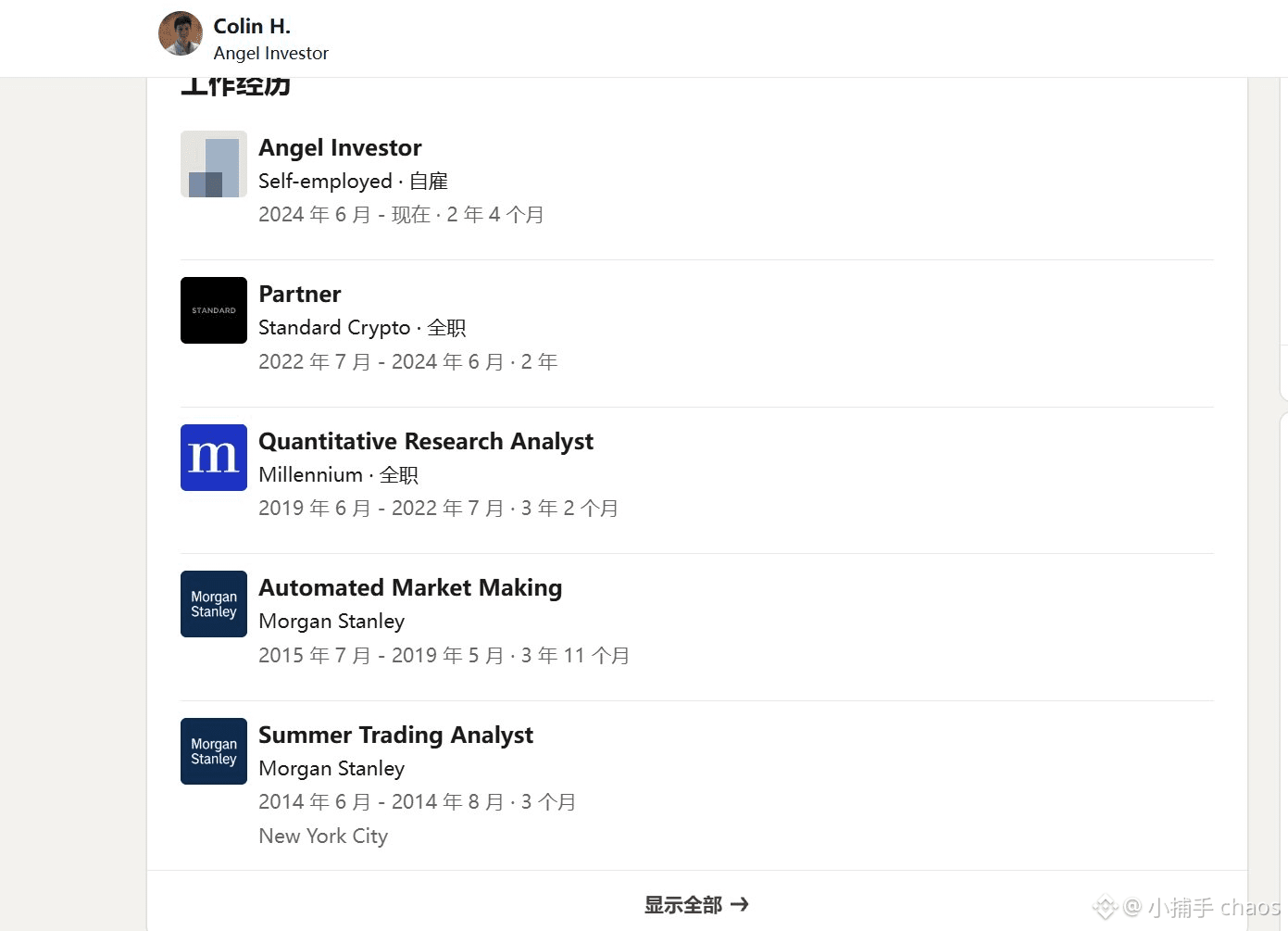
Co-founder Colin H’s background is impressive.
Former Morgan Stanley and Millennium Management analyst, later became a full-time partner at Standard Crypto. Since 2024, he’s been doing angel investing and has backed fomo.
It feels like there’s a system in him.
2/ Look at the product
Mechanically, PaperTrade is a bit like FCoin 2.0, with the difference being who receives the subsidies.
FCoin subsidized all traders—trading is mining; PaperTrade only subsidizes contract losers—losses are mining. The mined PAPER can be staked to earn USDC dividends.
How did FCoin die back then? Two things: first, FT issuance and trading volume were linked— the bigger the volume, the harder the sell-off; second, centralized custody— a hole containing 7,000+ BTC was hidden for two years before it finally blew up.
PaperTrade fixes both.
PAPER issuance is inversely linked to LP balances— the healthier the pool, the less it issues; everything is on-chain, so LP balances, the debt queue, and the issuance curve are all verifiable.
Sounds like a big improvement. But it also brings three FCoin problems.
The counterparty changes. FCoin is a matching system; PaperTrade is users vs LP. FT holders are betting that the exchange can survive long-term, while PAPER holders bet that retail traders lose to the house long-term. That has historically held true—but the house’s capital starts from zero, with a soft cap of 5 million.
An openly displayed ponzi structure.
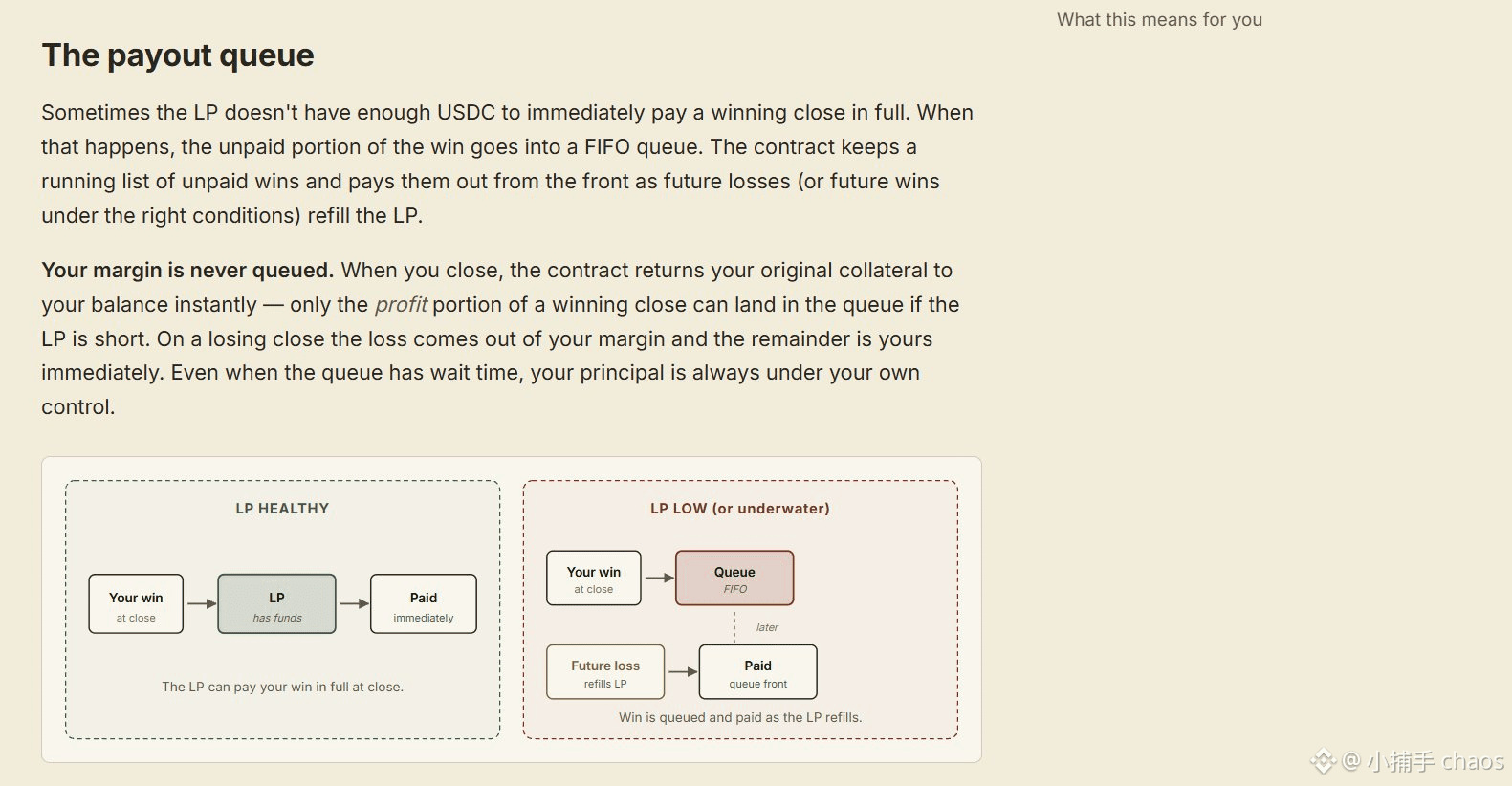
PaperTrade’s LP can temporarily go bankrupt—winners’ profits line up in a FIFO queue to wait for later losers to pay. Even better: the emptier the LP is, the faster PAPER is issued, encouraging you to trade right now.
Oracle risk. The price reads the mid price between Hyperliquid’s buy-one and sell-one orders directly—no deviation-based circuit breaker—but you can’t say there’s zero risk of manipulation.
In one sentence: FCoin’s risk was in people; PaperTrade’s risk is in mathematics.
3/ Conclusion
If you enter as a futures/contract trader, you’re facing a casino like this:
No frontend fees, but when you win, your profit is discounted;
If you win big, your profit may have to queue behind others’ losses;
If you lose, you get a bunch of PAPER you can’t sell for the moment (in the early phase, you can’t transfer—only stake it).
1/ First, look at the team
Co-founder Colin H’s background is impressive.
Former Morgan Stanley and Millennium Management analyst, later became a full-time partner at Standard Crypto. Since 2024, he’s been doing angel investing and has backed fomo.
It feels like there’s a system in him.
2/ Look at the product
Mechanically, PaperTrade is a bit like FCoin 2.0, with the difference being who receives the subsidies.
FCoin subsidized all traders—trading is mining; PaperTrade only subsidizes contract losers—losses are mining. The mined PAPER can be staked to earn USDC dividends.
How did FCoin die back then? Two things: first, FT issuance and trading volume were linked— the bigger the volume, the harder the sell-off; second, centralized custody— a hole containing 7,000+ BTC was hidden for two years before it finally blew up.
PaperTrade fixes both.
PAPER issuance is inversely linked to LP balances— the healthier the pool, the less it issues; everything is on-chain, so LP balances, the debt queue, and the issuance curve are all verifiable.
Sounds like a big improvement. But it also brings three FCoin problems.
The counterparty changes. FCoin is a matching system; PaperTrade is users vs LP. FT holders are betting that the exchange can survive long-term, while PAPER holders bet that retail traders lose to the house long-term. That has historically held true—but the house’s capital starts from zero, with a soft cap of 5 million.
An openly displayed ponzi structure.
PaperTrade’s LP can temporarily go bankrupt—winners’ profits line up in a FIFO queue to wait for later losers to pay. Even better: the emptier the LP is, the faster PAPER is issued, encouraging you to trade right now.
Oracle risk. The price reads the mid price between Hyperliquid’s buy-one and sell-one orders directly—no deviation-based circuit breaker—but you can’t say there’s zero risk of manipulation.
In one sentence: FCoin’s risk was in people; PaperTrade’s risk is in mathematics.
3/ Conclusion
If you enter as a futures/contract trader, you’re facing a casino like this:
No frontend fees, but when you win, your profit is discounted;
If you win big, your profit may have to queue behind others’ losses;
If you lose, you get a bunch of PAPER you can’t sell for the moment (in the early phase, you can’t transfer—only stake it).