


Can you imagine that the Massive Adaptation that the crypto community has been longing for will never be widely adopted, and that national-level applications like WeChat, X, and TK will never emerge with blockchain backing.
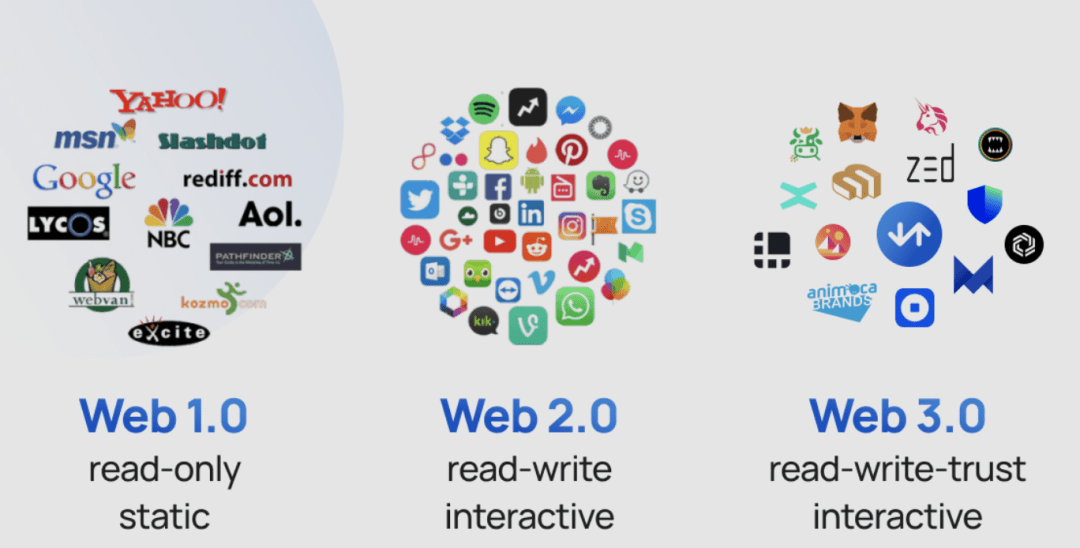
What brought us success also brought us failure. The cornerstone of Web3's value lies in decentralization and trustlessness, which can establish trust through blockchain technology.
At the same time, the more blockchain nodes there are, the more secure it is, but the more backup nodes there are, the higher the cost and the lower the efficiency.
In meeting people's general needs, the inefficiency of decentralization means it can't compete with centralized organizations in satisfying national-level demands.
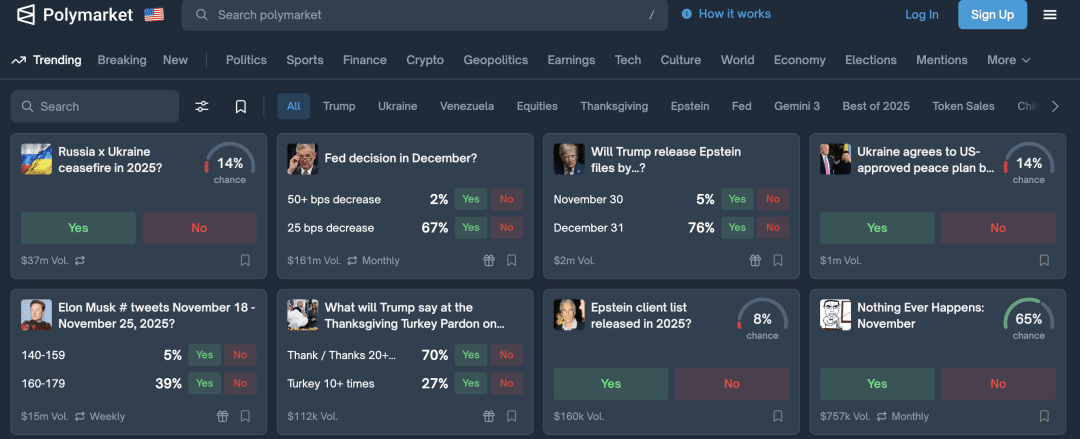
"Web3" will have a wide range of applications in specific fields, especially in the financial sector, such as the currently popular prediction market polymarket, but it is almost impossible for it to have a national-level application.
The core value proposition of Web3 is insufficient to support the next generation of internet narratives; at best, it is merely a functional plugin for the current internet.
"Web3.0 (also known as Web3) is the next-generation internet paradigm, representing a fundamental shift from centralization to decentralization. Based on blockchain technology, it aims to transfer control of data and the right to distribute value back to users from large technology companies, building a more open, fair, and transparent internet ecosystem."
Starting with the concept, and combining my observations of the industry over the past ten years, I'll add a few more slashes to dispel the illusions for everyone.
Currently, all web3 applications are ostensibly open source and decentralized, but in reality, most of them still run on Google or Amazon servers (or a few specific node service providers). The so-called nodes are mostly just a bunch of useless things controlled by a small group of interest groups and individuals. Most of the revenue obtained from the protocol still ends up in the hands of the project team, and the promised dividends often just play the role of bait in a scam.
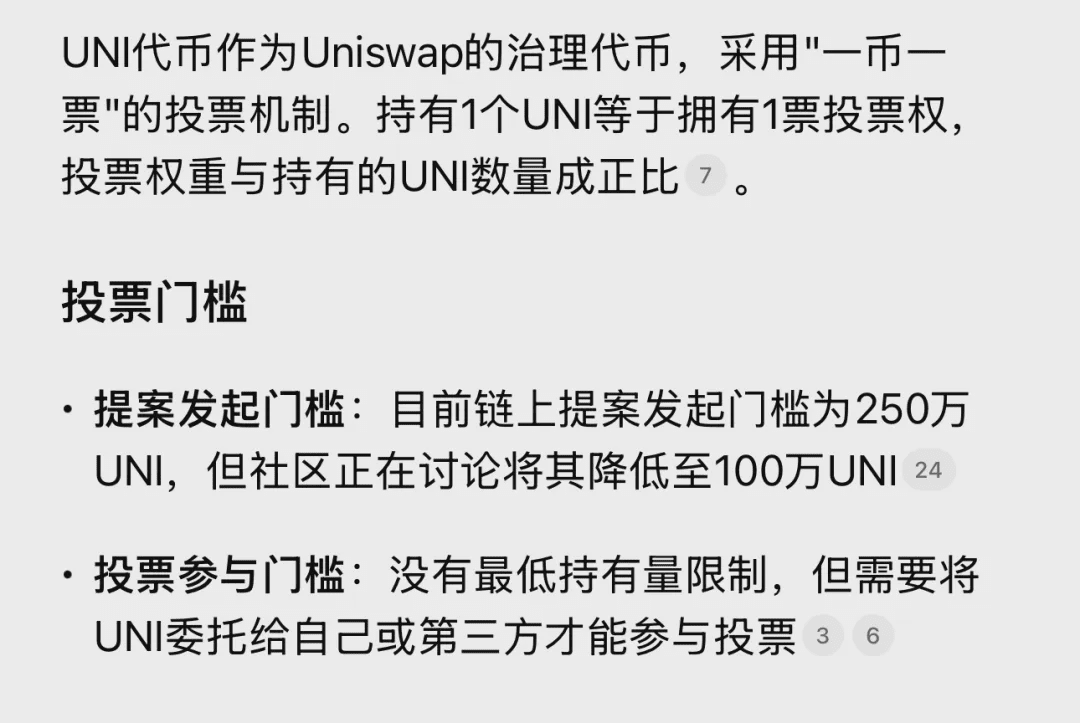
Ordinary users still have almost no say in data and value distribution. The so-called voting is controlled by interest groups represented by project teams, or you need 2.5 million tokens to be eligible to initiate a proposal (such as UNI). Once you have excitedly accumulated enough tokens, the project team may even happily sell the entire project to you.
In other words, in most scenarios, decentralization is merely a new narrative or decorative element used to deceive laymen.
True decentralized networks, such as Bitcoin, are incredibly inefficient. Transactions are expensive and slow when there are many, and during congestion, a single transaction can incur fees of hundreds of dollars. Would you even consider using what's known as an "elite chain"?
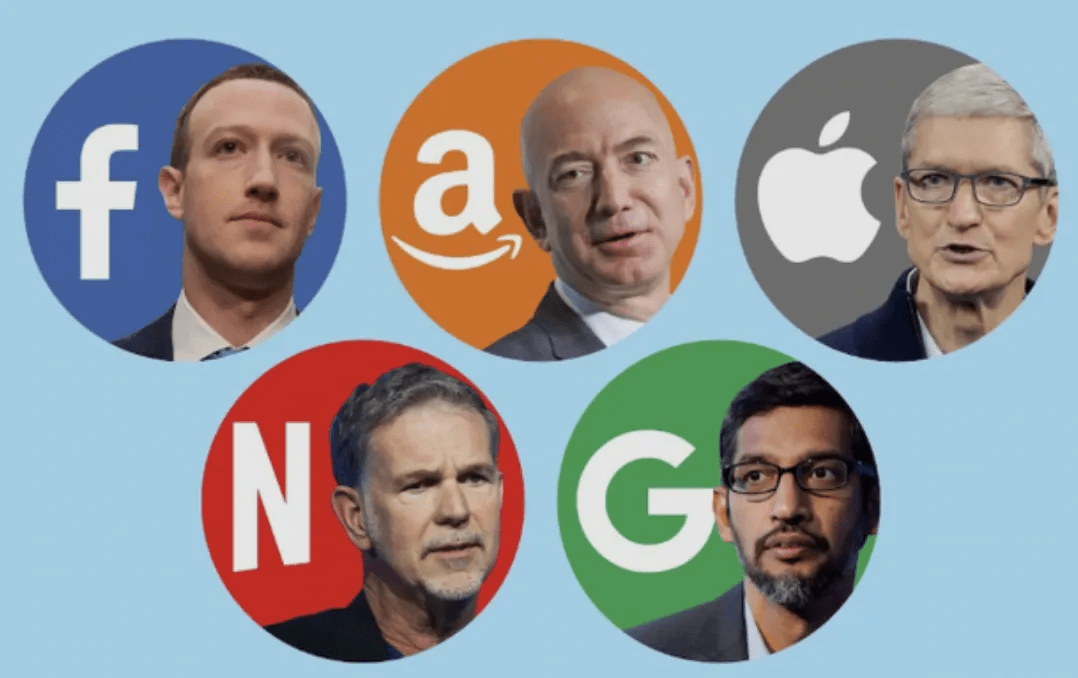
For large-scale applications, a centralized foundation is necessary. In the AI era, giants like Google, META, OpenAI, and Oracle are struggling with computing power and server costs. Do you really want a decentralized system with redundant nodes?
Today, I've long since given up on the pipe dream of creating a national-level web3 application. It would be quite an achievement if we could actually make solid progress in implementing RWA, such as putting stocks on the blockchain.
Therefore, if someone is still confidently telling you how great Web3 is and how promising its future is, you should be wary; they've probably been in the industry for less than a year.
I once had eyes shining with faith, but experience has taught me what the real world's operating rules are.
That's all.
Note: Investing involves risk. Think it through yourself, make your own decisions and take full responsibility. The information provided here is just one person's opinion and is for reference only.
BTC ETH