
牛霸天
4.3k Posts

牛霸天
 Square Verified+
Report
Block User
三流玩家|野生交易员|币安好友nbt10086|推特@GNBT10086

Level 1 Creator
Open Trade
High-Frequency Trader
5.8 Years
1.0K+ Following
31.4K+ Followers
29.0K+ Liked
1 Badges
Posts
Portfolio
All
Quotes
Videos
PINNED
·
--
Because of my work, I have to deal with a lot of people. My preferred way to communicate is to become a client first, then a friend. Don’t lead with emotional appeals when approaching strangers.
To keep things running smoothly, let’s get a few unpleasant truths out of the way upfront. That way, we can avoid misunderstandings later—and there have already been some unpleasant experiences.
1. I love sharing, but I absolutely hate being taken advantage of for free. What I hate most is when you use someone else’s referral code, then bombard me with private messages asking questions.
2. I have very little patience for stupidity. I spend ages writing guides, and then people don’t read them and ask me questions that are already answered in the articles. When that happens, I immediately label you as unreliable—and, in serious cases, I’ll think you’re a fucking idiot. I’ve talked before about the guide paradox: you think writing a guide will save you time, but it ends up costing you more time. That extra time gets wasted on people like this.
3. If you treat me like a scholar, I’ll repay you like a scholar; if you treat me like customer service, I’ll repay you by treating you like a fucking idiot. You get only three chances if you disrespect my time by treating me like customer support or a free tutor. My rule is three questions: under normal circumstances, if we aren’t very close, I’ll answer three of your questions. Any more than that, and I’m afraid I can’t help you.
4. If you want to learn something, either invest your own time or spend your own money—there’s no other way. If you want to use someone else’s time without spending your own money, feel free to head for the door. Other people’s time is valuable. If you don’t value their time, don’t expect them to respect you or yours.
5. To some friends who keep asking me questions: if I stop replying to you, it means I don’t want to reply anymore.

2
5
896
·
--
I've started buying spot through dollar-cost averaging. In crypto, if you can't get on the ride, just remember to check back in three or six months.
Small rallies in crypto generally happen only about once every six months. I hope everyone takes their time—the opportunities are there only if you preserve your capital.
Someone makes money in every market rally, but far more people get wiped out or liquidated.
Are you willing to slow down?$BTC $ETH $BNB
1
2k
·
--
As a man, he succeeded
As a husband, he failed
When you find someone honest, that person might actually be worse $NVDAB
As a man, he succeeded
As a husband, he failed
When you find someone honest, that person might actually be worse $NVDAB
As a husband, he failed
When you find someone honest, that person might actually be worse $NVDAB


6
1.1k
·
--
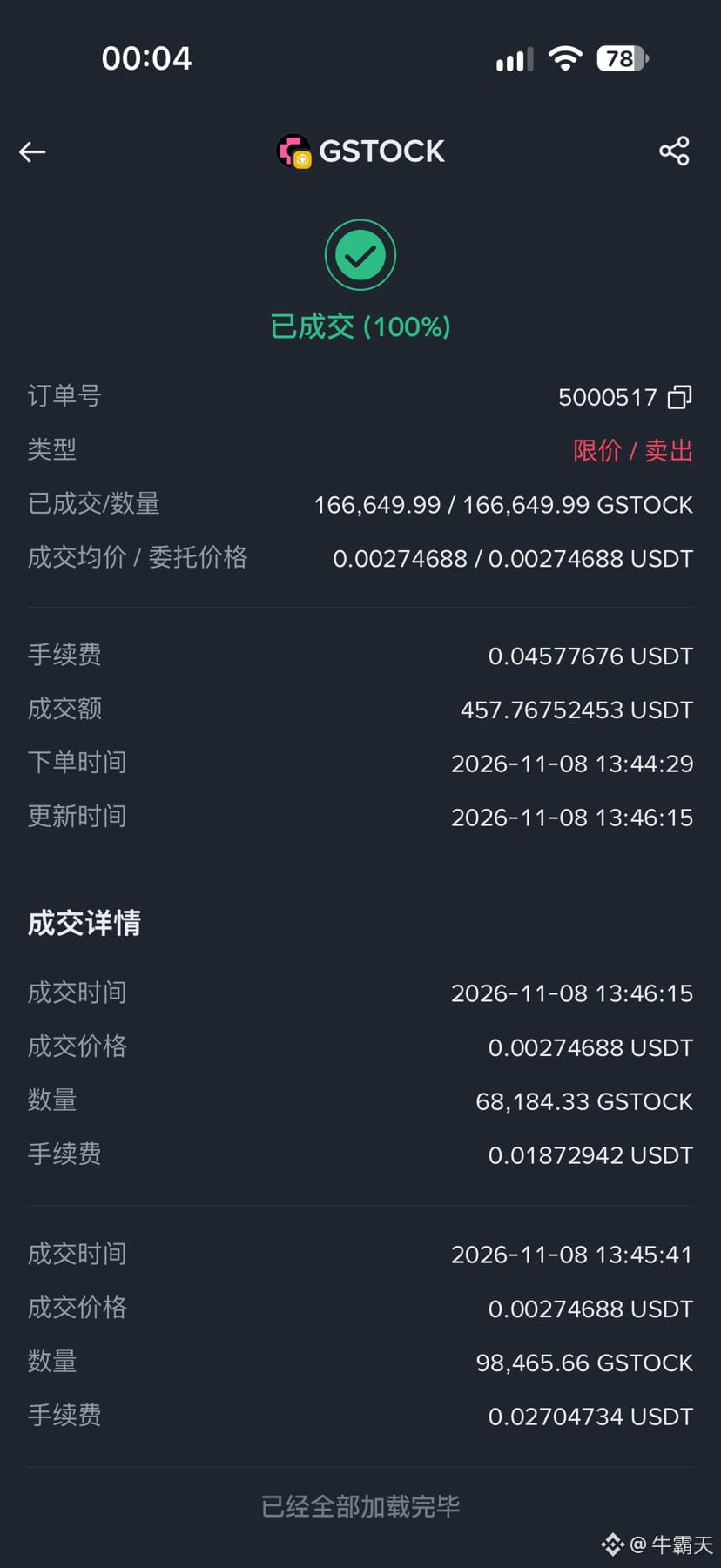
$GSTOCK I can't hold on anymore. I was thinking of selling it all today and maybe buying some value coins, but then CZ went and hyped it up.
Could you just let me break even? Do I really have to cut my losses and get out? 😂
$GSTOCK I can't hold on anymore. I was thinking of selling it all today and maybe buying some value coins, but then CZ went and hyped it up.
Could you just let me break even? Do I really have to cut my losses and get out? 😂
Could you just let me break even? Do I really have to cut my losses and get out? 😂
2
1
912
·
--
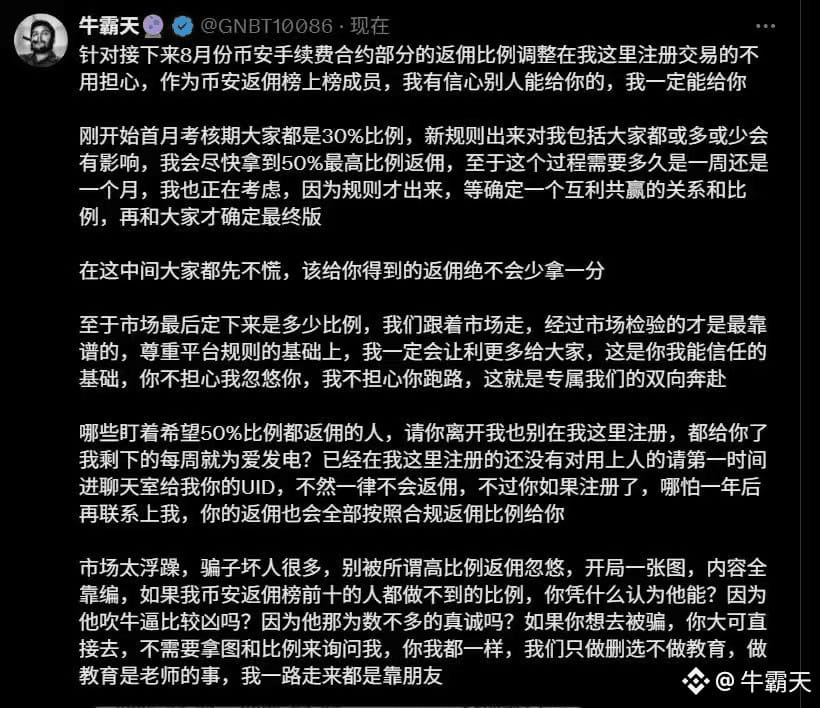
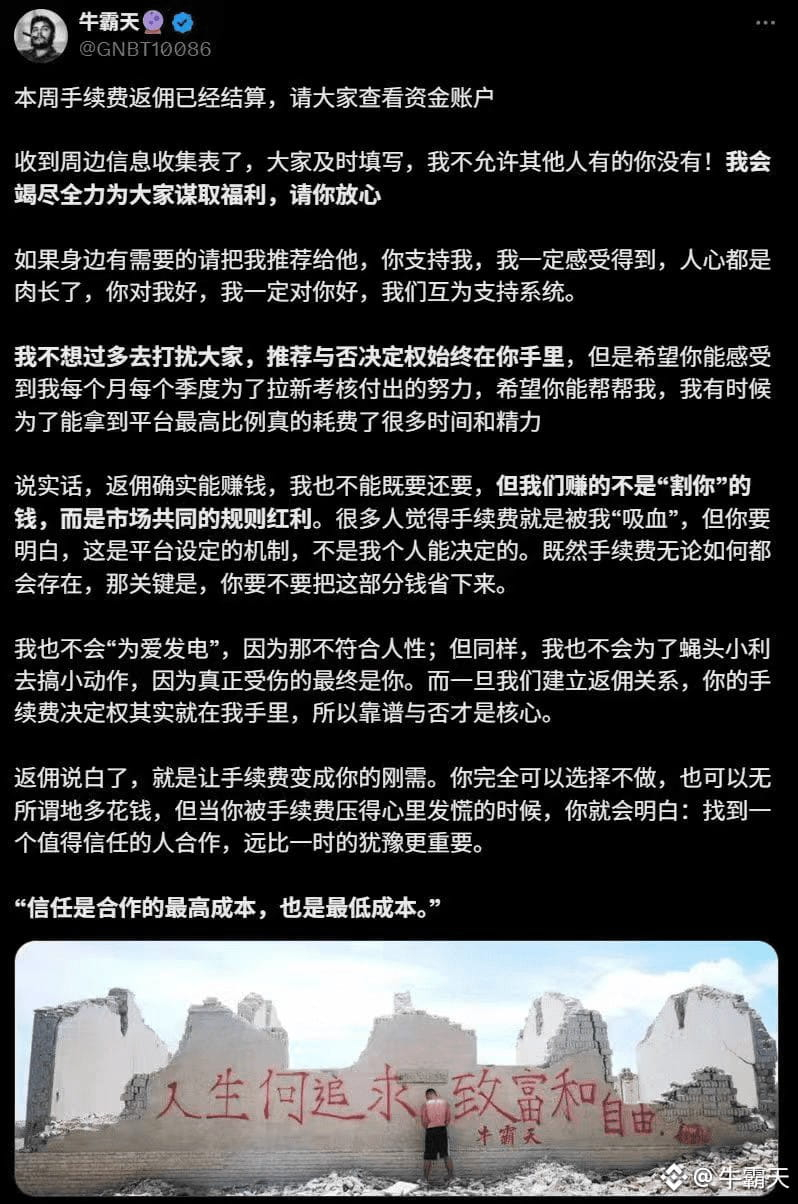
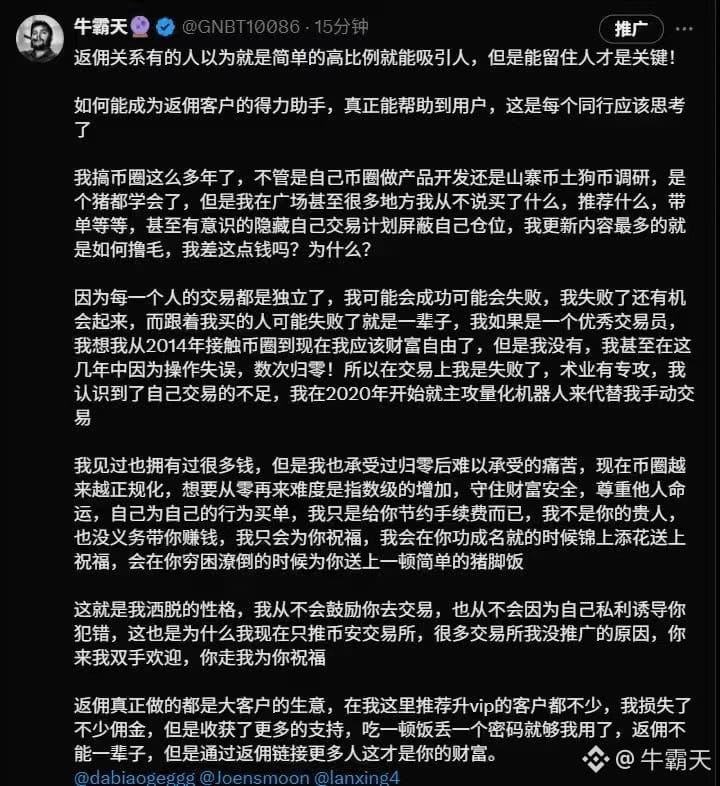
Those who got in early and understood the importance of fee rebates are truly lucky.
Whether by saving on their own fees or by promoting the program, people have saved at least some money.
Rebate rules have actually been around for a long time. For example, Binance has offered fee rebates for seven years, yet many people still don’t know about them. There will always be an information gap.
“The best time to plant a tree was ten years ago. The second-best time is now.”
There’s no way to undo the past or know things in advance, and we can’t go back to the choices we once made. When you realize something can benefit you, that’s the best time to act. Remember to cherish this moment.
The Square’s referral rebate rules are now here. Let’s see how things unfold. Even the Buddha only saves those with a connection to him—it remains to be seen whether you and I still have the good fortune to work together. #手续费返佣 #返佣 #FeeRebates
1.1k
·
--
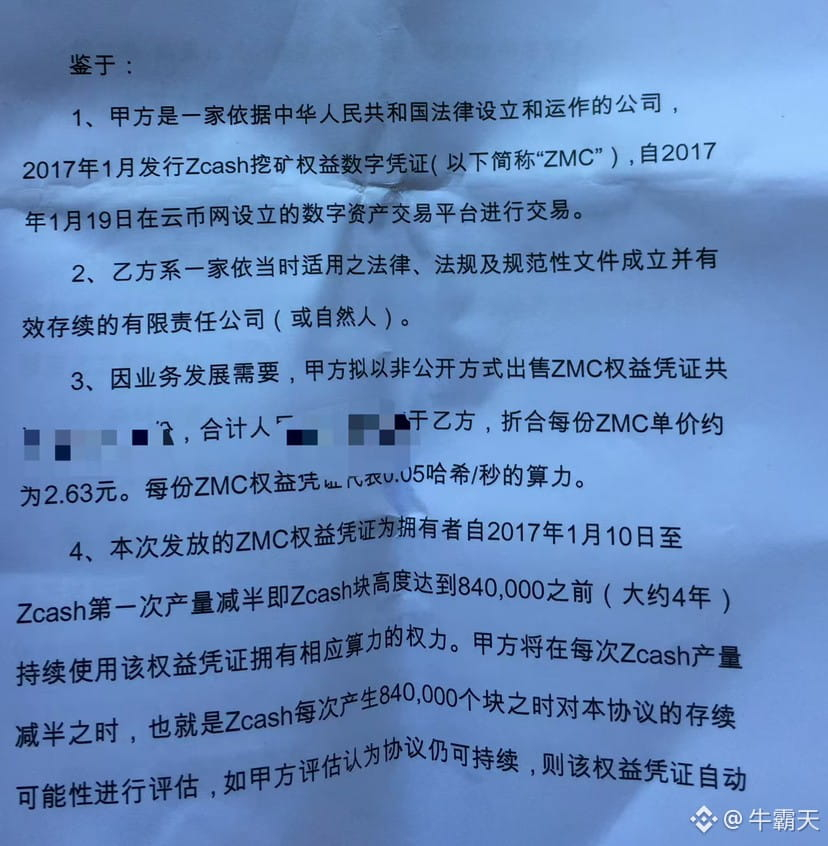
A ZEC purchase contract that once cost 2.5 yuan per coin, in January 2017
We’re always blinded by so-called “demon coins,” even though they’ve proven time and again to be nothing but scams.
You know full well it’s a scam, but you still want to get involved.
You know full well it’s gambling, but you always think you can win.
Believe in the power of belief. Be a friend of time, and find coins with real value: $ZEC $AKE $BTW
17
16
66.8k
·
--
What trading strategies are still viable in crypto right now?
Should you short a basket of large-cap coins, or altcoins?
If you hold USD1, be mindful of the risks. This stablecoin absolutely cannot afford to run into trouble—or we’ll have another day of catastrophic losses.
What trading strategies are still viable in crypto right now?
Should you short a basket of large-cap coins, or altcoins?
If you hold USD1, be mindful of the risks. This stablecoin absolutely cannot afford to run into trouble—or we’ll have another day of catastrophic losses.
Should you short a basket of large-cap coins, or altcoins?
If you hold USD1, be mindful of the risks. This stablecoin absolutely cannot afford to run into trouble—or we’ll have another day of catastrophic losses.
1
2.7k
·
--
@woaiwoxifu Bro, say something! Are you still asleep?
Everything's gone to hell! I saw someone in the group chat sharing a screenshot of you
saying you haven't posted anything since last night
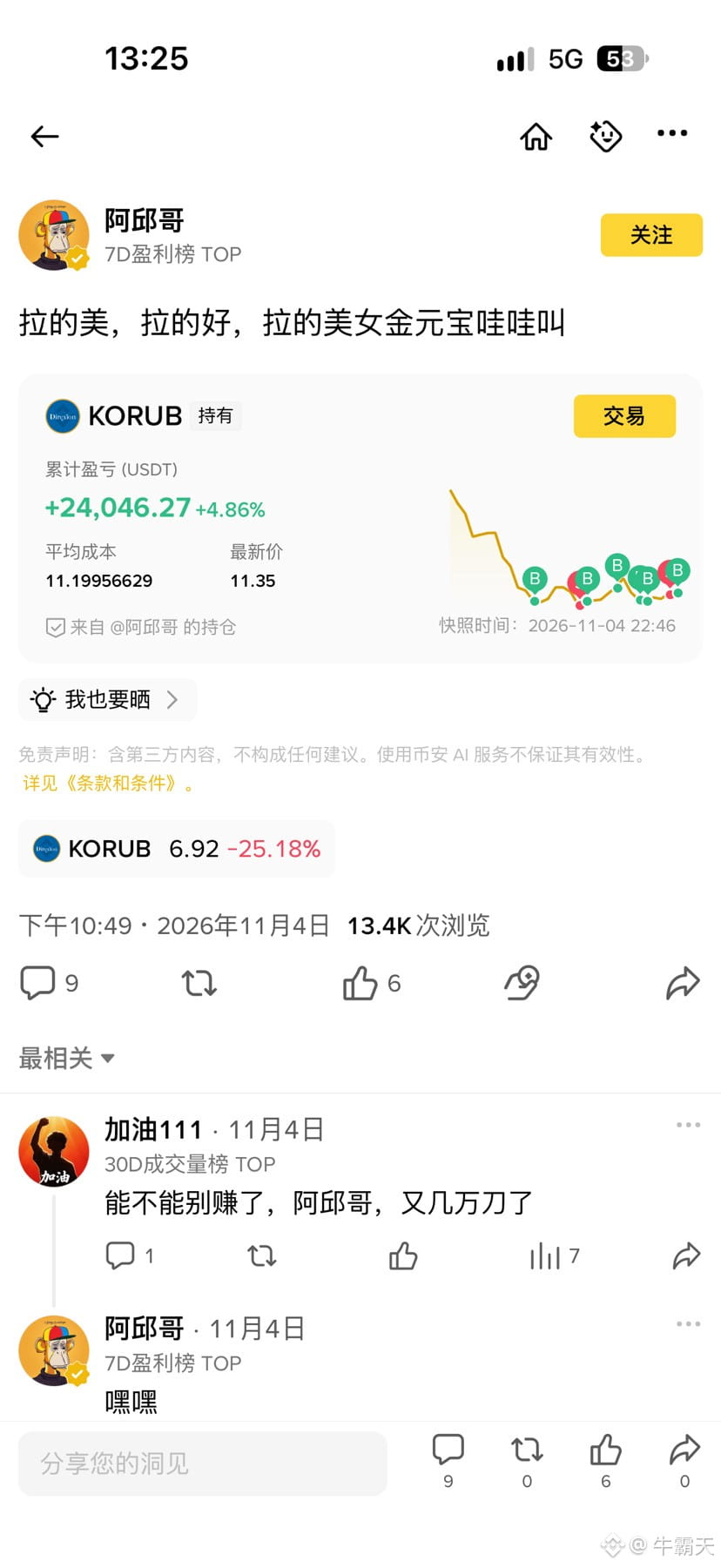
I mean, I'm in the same boat as you too 🚌$KORUB
When I bought in, I was betting on Korea's national fortunes. Then I saw you were on board too
I figured we were safe—someone in crypto finally gets it. Great minds think alike
But now, with my cost basis at 12, do I still have a chance to break even? I'm really panicking. I don't want to gamble anymore.
@阿邱哥 Bro, say something! Are you still asleep?
Everything's gone to hell! I saw someone in the group chat sharing a screenshot of you
saying you haven't posted anything since last night
I mean, I'm in the same boat as you too 🚌$KORUB
When I bought in, I was betting on Korea's national fortunes. Then I saw you were on board too
I figured we were safe—someone in crypto finally gets it. Great minds think alike
But now, with my cost basis at 12, do I still have a chance to break even? I'm really panicking. I don't want to gamble anymore.
12
6
13.5k
·
--
A lot of people laugh at me for losing money trading futures, but since I entered the market in 2020, I’ve traded for six years and lost only a little over 200,000 in total. That works out to less than 3,000 a month.
I don’t have any bad habits like eating and drinking excessively, gambling, or visiting prostitutes. Aside from playing sports, one of my few hobbies is trading. Even today, although I’m losing money, I’ve never complained about trading or about my country. I only blame myself for having a poor mindset.
Many students at third-tier universities spend all kinds of fees, including tuition, every year. Over three or four years, that can easily add up to 200,000. What I’ve gained from futures trading is about equivalent to getting a degree from one of those universities.
To be honest, I’ve won way too much. $KORUB

13
9
12k
·
--
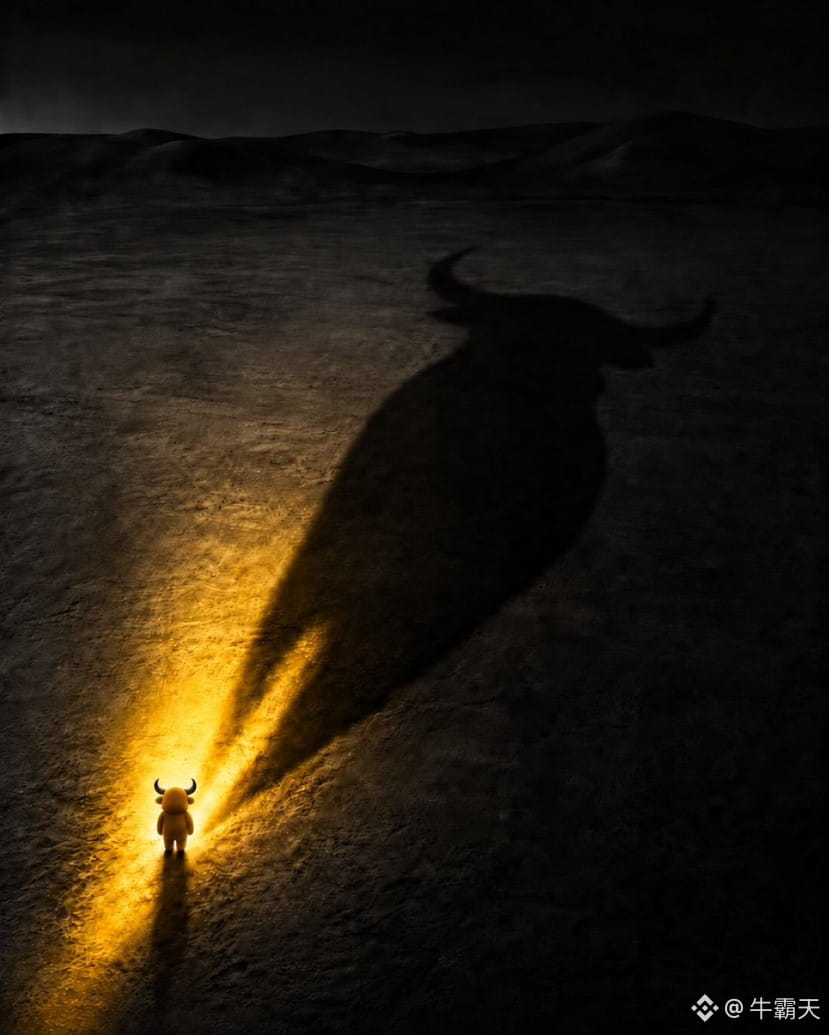
I’ve seen lots of bloggers posting photos from Phu Quoc Island. Apparently, this time the learning camp covered flights and accommodation, and many new bloggers were invited too. I’m happy for them.
The invited KOLs are probably all loyal Binance fans. At the very least, it shows they’ve built an audience and made contributions on the Binance exchange, earning official recognition.
Take this opportunity to see what tier the bloggers you follow are in. If you weren’t invited, don’t be discouraged—keep working hard and focusing on what you do. One day, you’ll be standing on that stage too.
Being a KOL is actually simple: first, pretend you know what you’re doing; then, start to look the part; and finally, become the real deal. If you want to become a certain kind of person, start by bragging about being that kind of person.
34
20
18.9k
·
--
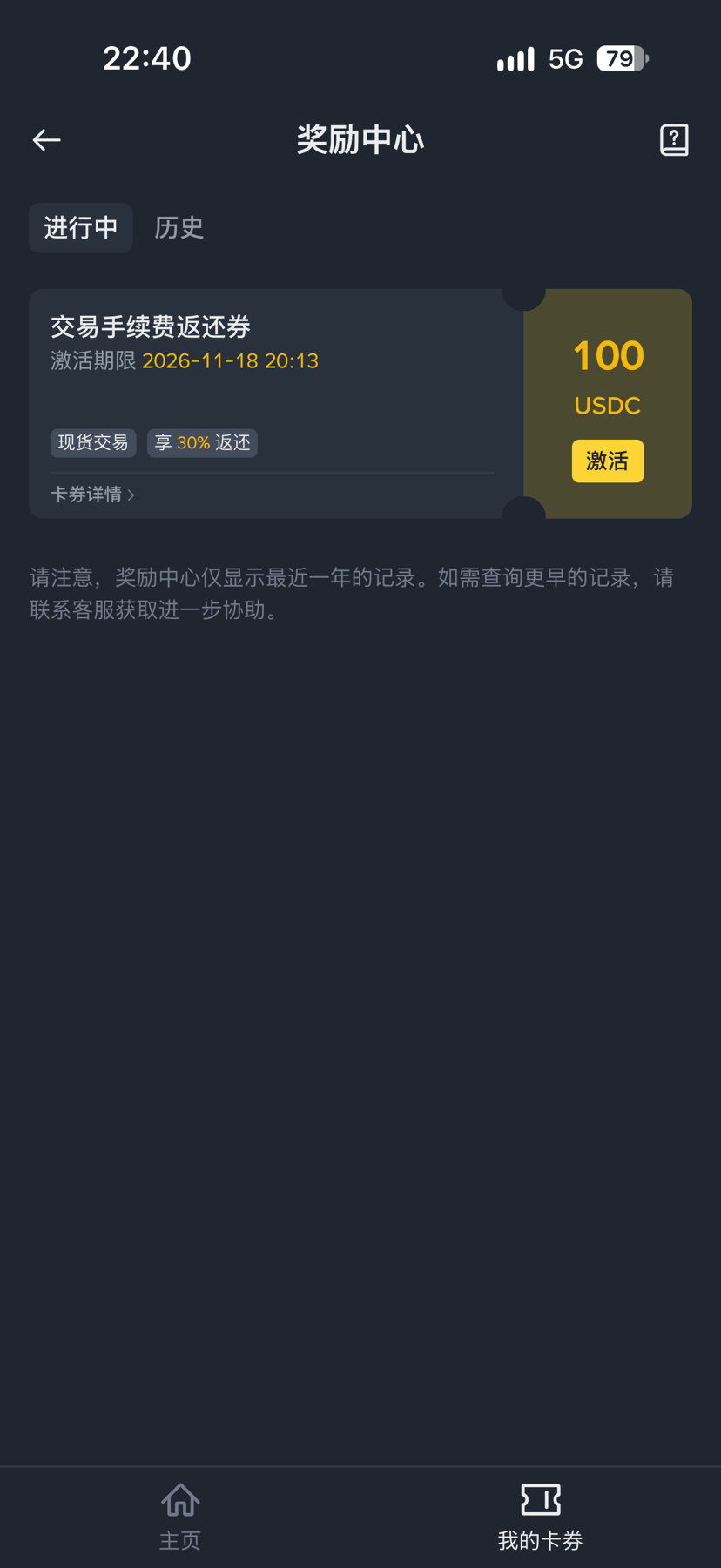
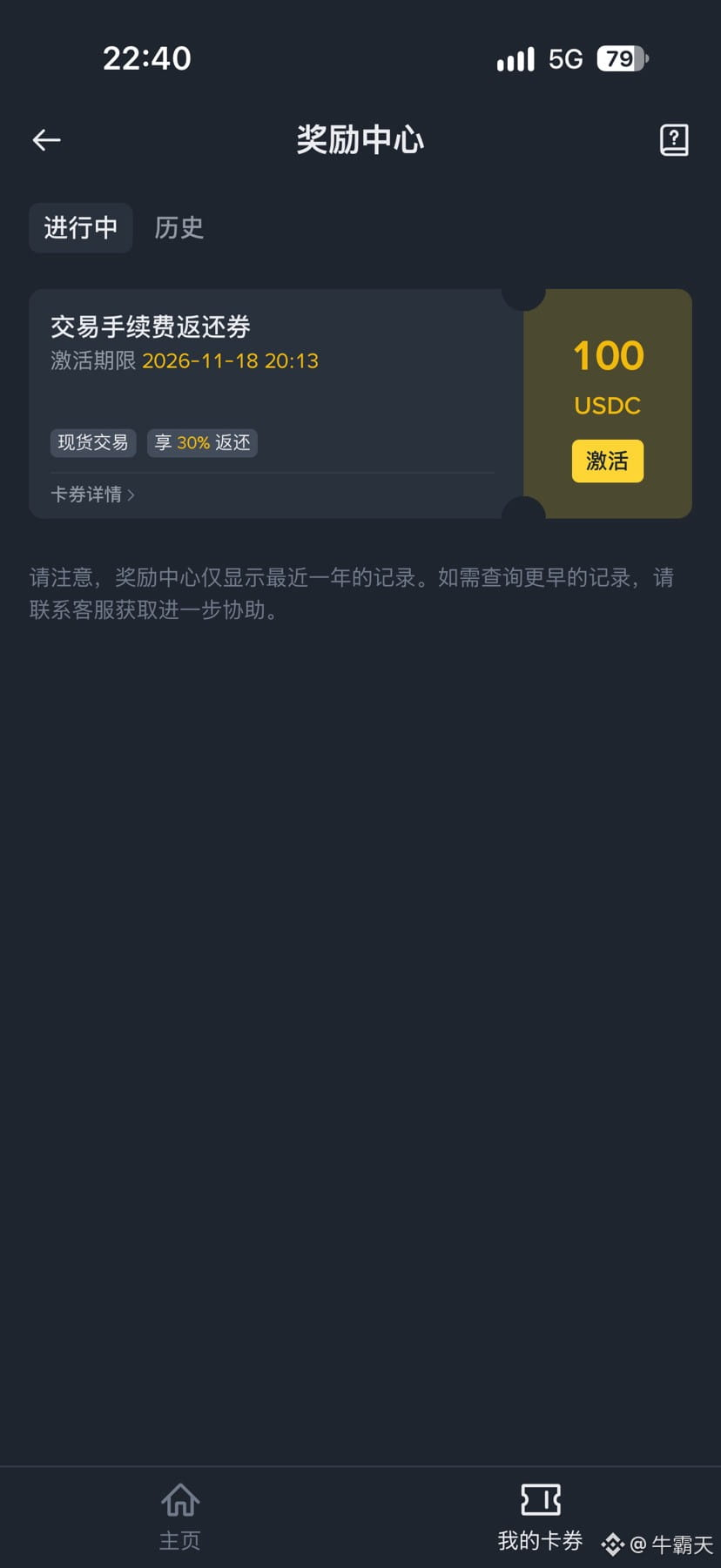
Binance has airdropped everyone a $100 fee rebate voucher.
Claim it in the Rewards Hub.
Binance has airdropped everyone a $100 fee rebate voucher.
Claim it in the Rewards Hub.
Claim it in the Rewards Hub.
5
5k
·
--
$ZHONGJI I saw the meeting boosting confidence and thought I could get in and make a quick buck. Now look what happened—I’m stuck holding the bag.
Every time I get trapped in the A-share market, I feel awful and always want to cut my losses. Is there any way to pump the market so I can make some money?
Every time I get trapped in the A-share market, I feel awful and always want to cut my losses. Is there any way to pump the market so I can make some money?
9
1
2.5k
·
--
One theory is that Binance was hacked this time, and that they’ll artificially create a bull market next.
Whether pumping the market will make money is uncertain, but selling directly is definitely profitable.
Stay optimistic and keep an eye on the market. At the very least, returns on your investments should increase.
Whether pumping the market will make money is uncertain, but selling directly is definitely profitable.
Stay optimistic and keep an eye on the market. At the very least, returns on your investments should increase.
5
1
2.3k
·
--
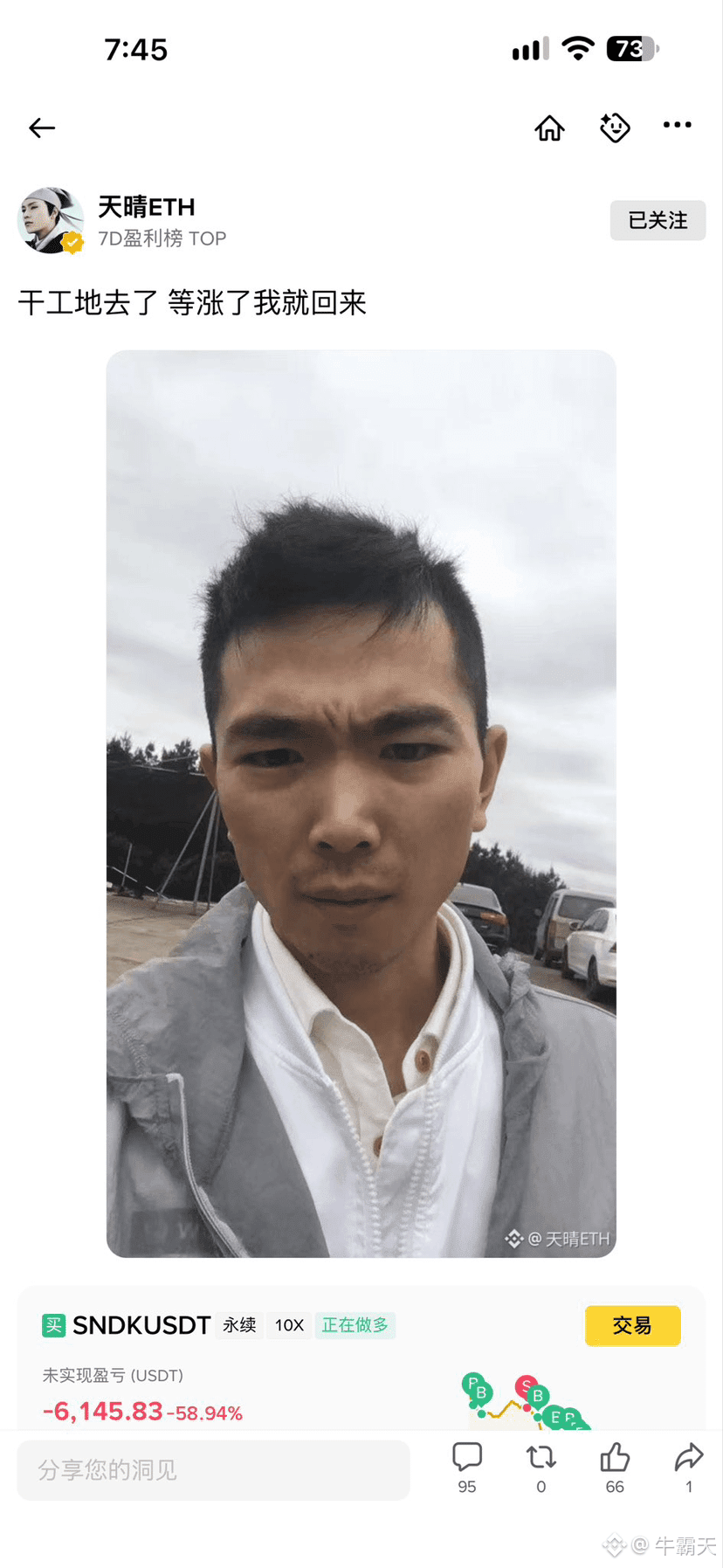
Why do you work hard to make money?
Your esteemed mentor Tianqing has the answer
Men are much more handsome when they're rich @TQLB11
Why do you work hard to make money?
Your esteemed mentor Tianqing has the answer
Men are much more handsome when they're rich @天晴ETH
Your esteemed mentor Tianqing has the answer
Men are much more handsome when they're rich @天晴ETH

1
5
2.7k
·
--
Verified
Why do so many people miss one era after another? Because even a major bull market is never a smooth ride.
People used to say that investing in U.S. stocks was easy: just pick leading tech companies and hold on to reap the benefits of the times. It’s only when a prolonged plunge hits that they realize how hard it can be. U.S. stocks have no daily price limits, and the intensity of their swings often exceeds expectations. A nearly 30% plunge in Intel in a single day, for example, is hard to imagine in China’s A-share market. Even widely recognized industry leaders can face a sharp repricing of their valuations because of a set of guidance that falls short of expectations or a disruption to their operations.
The long climb of a major bull market is always punctuated by steep pullbacks, choppy trading, and panic-driven sell-offs. In the thick of it, people can easily get swept up in huge short-term swings: when prices fall, they question the long-term thesis and mistake a temporary correction for the end of the trend; when markets churn, anxiety makes the wait unbearable, and they struggle to hold on to quality stocks. Many people see only the result—that tech giants have risen over the long term—while overlooking the countless terrifying drawdowns along the way.
The rewards of an era are never a gift for simply sitting back. They come wrapped in turbulence, fear, and repeated tests. Those who make it through market cycles need not only to see the big picture over the long term, but also to stay the course through the storms along the way—to hold on to what they know when the market panics, and not let short-term price moves shake their judgment of an industry or a company. Many people aren’t unable to understand the big trend; they simply can’t withstand the bumps along the way. They fall just before dawn, time and again, and ultimately miss the opportunities their era had to offer.

2
1.3k
·
--
I still recommend that those with an X account and the means to do so actively show their support for Binance on X at a time like this.
It benefits none of us if Binance goes down. So don’t just shut yourselves away and write long posts on the sidelines at a time like this.
Especially those who made the Top 100—you should step up and stand by Binance.
Your support, reposts, and likes may not bring any tangible benefits, but they can reassure more Binance users.
You see a person’s true character in a crisis. Since you’re an influencer, don’t turn a blind eye at a time like this.
6
7
5k
·
--
To be honest, I have no desire to buy the dip.
Mainly because it hasn’t fallen enough.
I bought a little, but when the rebound didn’t come, I took a tiny loss 🤏 and sold.
I’ll wait a month and see whether the market offers a golden buying opportunity.
A lot of people are still confused right now; panic will gradually spread.
Billions of dollars in losses affect cash flow—something no company can afford to ignore.
Binance funds are safe; I’m only discussing market conditions.
2
1.3k
·
--
An ordinary person’s reaction to news of a hack:
1) Open the app to check that my assets are still there
2) Refresh three times
3) Go to Twitter to see how everyone’s reacting
4) Realize everyone’s even more panicked than I am, and feel reassured
An ordinary person’s reaction to news of a hack:
1) Open the app to check that my assets are still there
2) Refresh three times
3) Go to Twitter to see how everyone’s reacting
4) Realize everyone’s even more panicked than I am, and feel reassured
8
11
19.3k
·
--
The Binance hacker may have just pulled off one of the smartest crypto moves I’ve ever seen.
First, Tether froze $1.5 billion in USDT.
Then Circle froze another $800 million in USDC.
At the time, it looked like the hacker’s funds were trapped.
But apparently, he had planned for this all along.
Instead of keeping the stolen USDT in a wallet, he allegedly deposited it into Aave and used it as collateral to borrow ETH.
Then he walked away.
This is where the story gets crazy.
Tether can freeze USDT in a wallet.
But it can’t freeze the ETH he already borrowed.
So now Aave is stuck with frozen collateral, while the hacker has liquid ETH.
Unless the protocol can somehow recover the funds, he may not even need to repay the loan.
Two companies froze billions of dollars in an instant.
But someone who knew how to use DeFi may have found a way around both of them.
When you think about it, it’s absolutely crazy.
98
13
186
190.4k
Log in to explore more content
Join global crypto users on Binance Square
⚡️ Get latest and useful information about crypto.
💬 Trusted by the world’s largest crypto exchange.
👍 Discover real insights from verified creators.
Email / Phone number
Trending Topics
NvidiaInvestigatesAfterHuang’sAffairApology
174,417 views
1,601 Discussing
Nvidia Board Opens Probe Into Whether Huang Was Target of Foreign Intelligence Effort
Binance News
·19 Likes
·54.1k views
BitcoinFiveWeeklyLosses
201,822 views
2,055 Discussing
AIChipSlumpNasdaq
107,356 views
1,276 Discussing