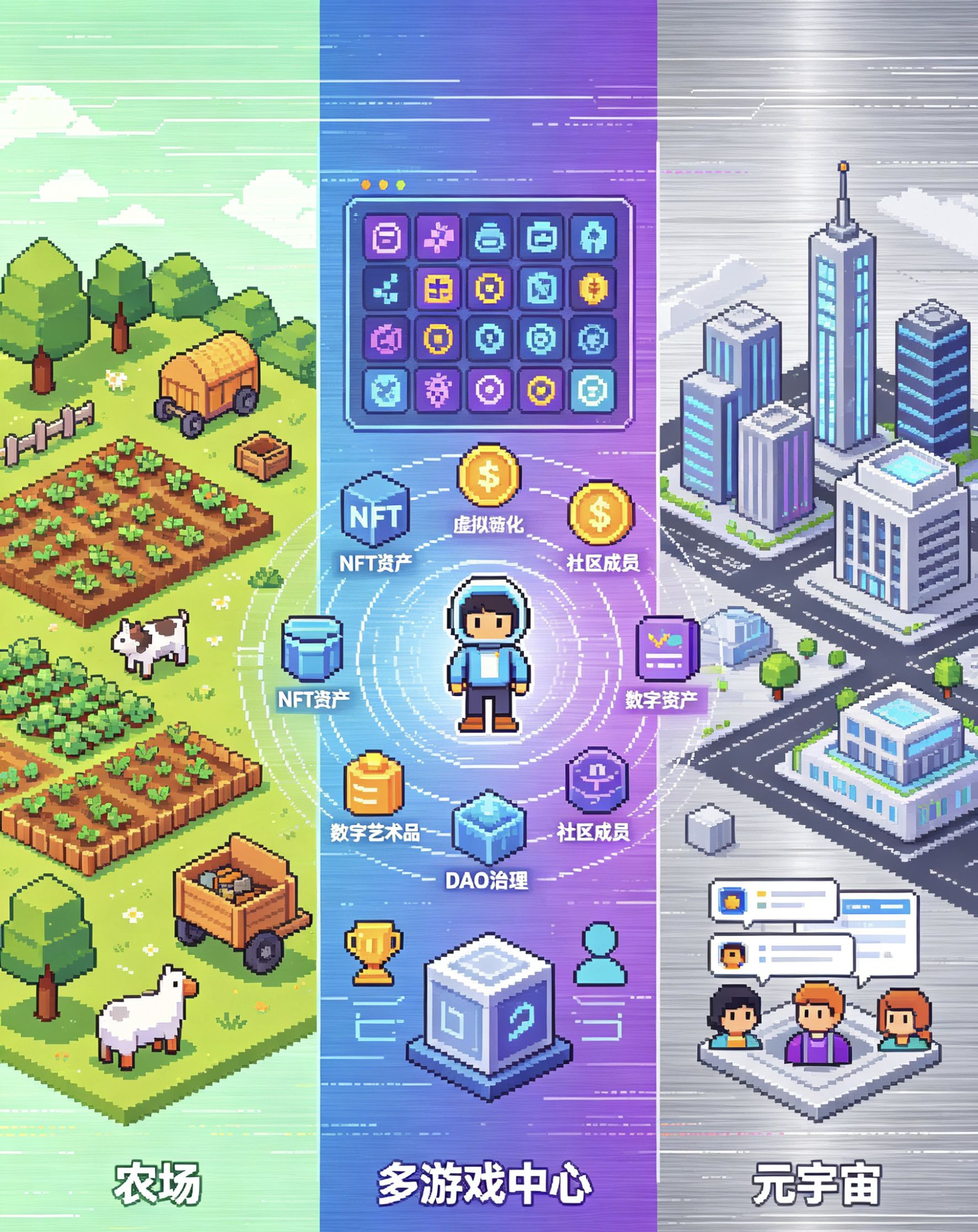

As a long-term player immersed in Web3, I have seen too many blockchain games shouting the slogan of 'complete decentralization', only to immediately hand over rules, economy, and governance to the community, resulting in chaos, collapse, and a mess. However, Pixels' gradual decentralization is like a breath of fresh air; it is not a cold concept but a warm process that I can truly feel, gradually returning the ecosystem to the players.
When I first stepped into the pixel world of Pixels, my most intuitive feeling was one of reassurance. There are no complicated DAO votes here, no chaotic rule changes; the team acts like a reliable guardian, firmly controlling the core gameplay, economic balance, and anti-cheating mechanisms. I only need to focus on farming, gathering, and building, enjoying the pure pleasure of casual gaming, just like a newly opened small shop where the owner personally oversees every detail to ensure that every customer has a stable and comfortable experience. This initial centralized foundation allows me not to worry about milestone updates suddenly going wrong, nor fear malicious account farming ruining the ecosystem; this is the fundamental reason I am willing to stay long-term.
One of the three core pillars of Pixels: The gradual decentralization of Pixels is one of the few pragmatic, feasible, and economically bound paths in Web3 gaming. It is not the slogan of 'complete DAO', but a combination of phased power delegation + data-driven + economic underpinning, which is quite interesting.
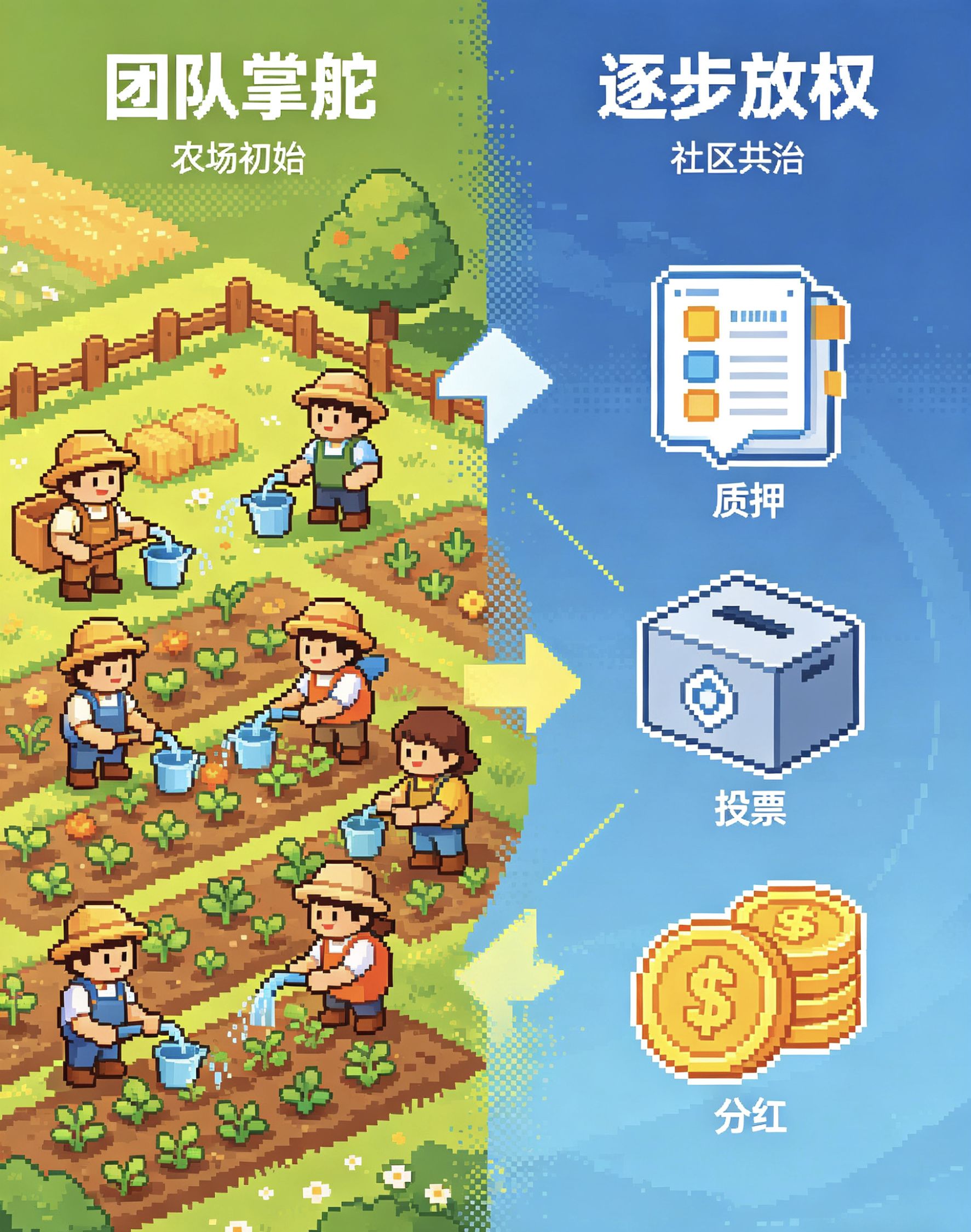
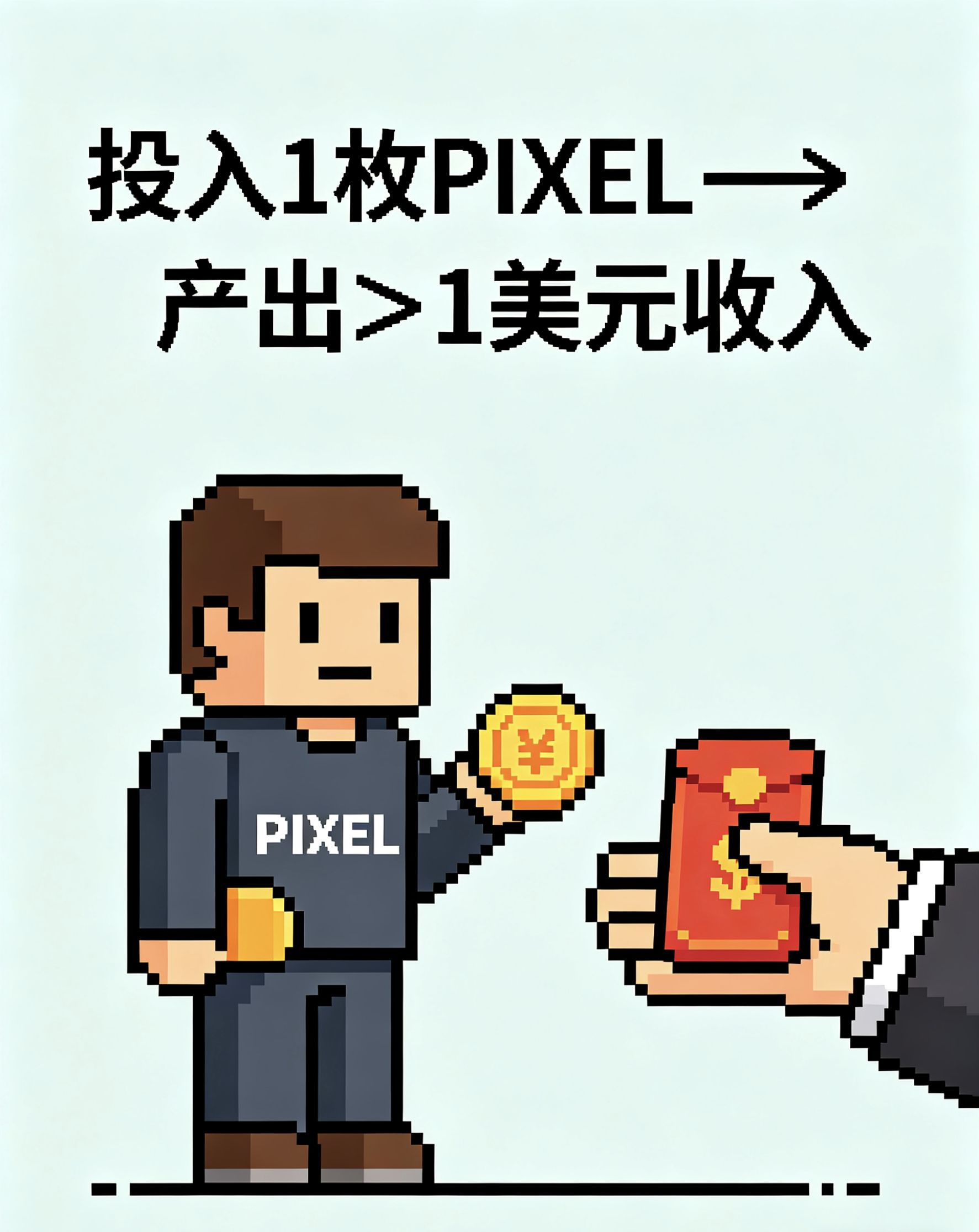
As I delved deeper into the game, I gradually discovered that the delegation of power in Pixels is not a blind impulse, but a steady progress in line with the rhythm of economic health. The project is centered around RORS as the core metric; only when each issuance of 1 PIXEL can generate over 1 dollar in revenue will the next phase of decentralization be promoted. This resembles the transition from teacher management to student autonomy in a classroom, first establishing a solid foundation of order before gradually delegating power. I began to earn vPIXEL by staking PIXEL, which not only allows me to receive profit shares but also grants me governance weight. My vote is no longer a meaningless sentiment but a right that can truly influence game development and relate to my own interests. The community will spontaneously resist decisions that harm the economy, with everyone united in thought, collectively safeguarding the long-term development of the ecosystem.
What I appreciate most is the cleverness of Pixels' layered decentralization. It first puts NFT assets like land and characters on-chain, allowing me to have real digital ownership, trade freely, and enjoy land shares, securing visible rights; then gradually opens up guild management and high-level decision-making, ultimately moving towards comprehensive DAO governance. It's like I first gained the right to use a house and then gradually participated in community decision-making, progressing step by step, without any sense of abruptness. At the same time, high-frequency gameplay off-chain ensures smoothness, while core assets on-chain guarantee security, balancing the experience of Web2 with the spirit of Web3, completely breaking my stereotype of blockchain games being laggy and cumbersome.
Now, looking at Pixels transitioning from a single farm game to a multi-platform, social metaverse, I truly realize that gradual decentralization is not conservatism, but wisdom. It does not seek radical revolutions, but centers on player experience and uses economic health as its bottom line, gently yet firmly returning ecological dominance to the community. For me, Pixels is not just a game; it is the ideal embodiment of Web3 decentralization—calm, not impulsive, allowing every player to become a co-builder and beneficiary of the ecosystem.
In summary, the gradual decentralization of Pixels is not a technical radicalism, but an artistic balance between business and community:
- Experience first, then power
- Phased, data-oriented
- Strong binding between governance and economy
- Gradually delegating power from game to platform
In an era where 'play-to-earn' is receding and GameFi 2.0 emphasizes re-experience, this model is likely to become a benchmark for decentralized Web3 gaming.