

In October 2025, global consumers were astonished to discover the trading entries for Bitcoin and Ethereum in Walmart's OnePay application.
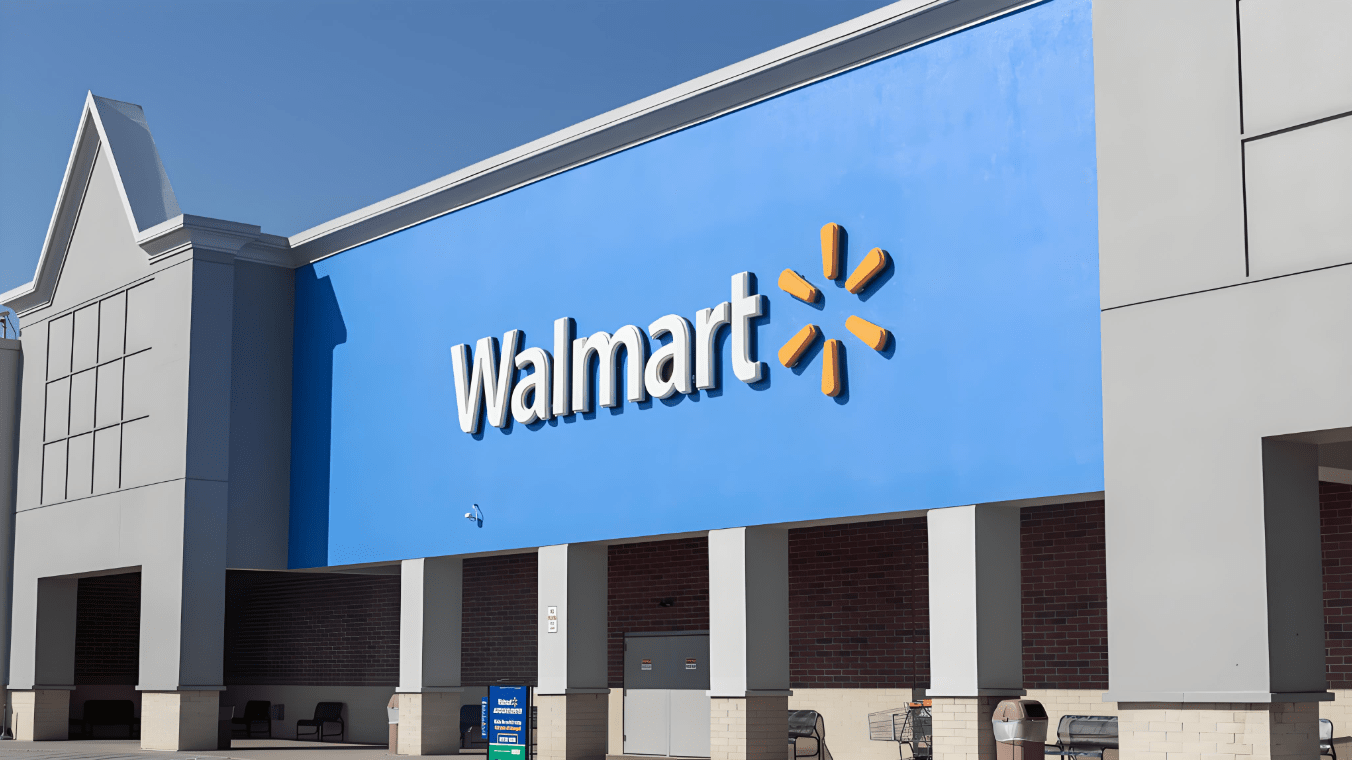
This retail giant with 4,700 stores is quietly launching a 'scenario revolution,' seamlessly integrating cryptocurrency into people's daily lives—customers can pay directly with ETH when scanning to purchase steaks; when paying utility bills, they can easily convert BTC from their salary accounts into dollars with one click.
This seemingly sudden move has actually been brewing for a long time.
Back in 2021, Walmart applied for multiple digital currency patents, intending to build a blockchain-based consumer points system.
But it wasn't until 2025, when partnering with Zerohash, that this vision truly landed. The 'gray box strategy' designed by Zerohash is a textbook-level example:
Risk management: User assets are entrusted to third-party professional custodians. Walmart does not directly hold cryptocurrencies, cleverly avoiding the risks associated with money service provider licenses;
Experience simplification: Transforming complex on-chain operations into an intuitive 'one-click exchange' button, allowing even elderly users unfamiliar with technology to operate easily;
Ecological closed loop: Integrating payment, savings, and lending functions to create a complete ecosystem of 'consumption-finance-living services.'
Behind this layout is Walmart's greater ambition beyond simply upgrading payment tools.

2025: The year of the explosion of cryptocurrency payments
Three key factors jointly drive cryptocurrency payments across the popularization threshold:
Policy breakthrough: The door to regulation is slowly opening
The passage of the U.S. (GENIUS Act) provides the first legal basis for corporations to issue stablecoins. The Zerohash platform, jointly invested by Walmart, Morgan Stanley, and Interactive Brokers, is leveraging this policy window—processing asset custody through licensed third-party institutions, benefiting from the advantages of cryptocurrency technology while circumventing regulatory gray areas.
Cost pressure: The traditional payment system is under unbearable strain
Walmart pays more than $2 billion annually in fees to payment institutions like Visa and Mastercard, while the settlement cost of cryptocurrency can plummet to 0.1%. More critically, credit card payments involve several days of fund delays, whereas blockchain technology can achieve instant settlement, releasing cash flow that is invaluable to retail giants.
User awareness: From speculative assets to practical tools
When Bitcoin can directly purchase daily necessities, the stereotype that 'cryptocurrency equals high-risk speculation' naturally dissipates. Research by Boston Consulting indicates that super apps that simultaneously have payment and asset management functions have a user lifetime value 3.2 times that of single-function products. Walmart is borrowing from Costco's membership logic—through high-frequency consumption scenarios, making cryptocurrency payments a natural choice for users.

The traditional financial system faces threefold shocks
Payment channels: The winter of credit card giants is approaching
Visa and Mastercard currently occupy half of the global payment market. However, if Walmart's 4,700 stores worldwide fully support cryptocurrency payments, it will open a huge gap in the traditional payment network. Even more seriously, tech giants like Amazon and Samsung have already partnered with Coinbase to launch similar services, forming a 'scenario encirclement' against traditional payment methods.
Deposit outflow: Banks are facing capital outflows
Morgan Stanley predicts that if Walmart's cryptocurrency payment penetration reaches 15%, the U.S. banking industry may face a loss of trillions of dollars in deposits. Younger users are particularly proactive in this regard—they prefer to keep their funds in cryptocurrency wallets with annual yields of 5%, rather than in bank demand accounts with only 0.01% interest.
Data sovereignty: The transfer of power over user profiles
Traditional banks can only infer user behavior from credit card consumption data, while Walmart can track the complete trajectory of every purchase through cryptocurrency wallets. When shopping preferences, asset allocation, and social relationships are all on-chain, the data advantage of traditional financial institutions will no longer exist.

Butterfly effect: The global wave of 'cryptocurrency awakening'
Walmart's move may become a historical turning point for the popularization of cryptocurrency:
Rise of corporate alliances: Industry giants like Amazon and Tesla may jointly issue industry stablecoins, forming a 'decentralized but dominated by giants' new ecosystem;
Regulatory acceleration of change: Central banks in various countries are forced to accelerate the research and development of digital currencies. Hong Kong has introduced regulations requiring 100% reserve audits for stablecoins, which is a defensive response to the Walmart-style impact;
Technical standard competition: Walmart's choice of the Solana public chain over Ethereum indicates that high-performance blockchains will become the mainstream choice for enterprise applications.
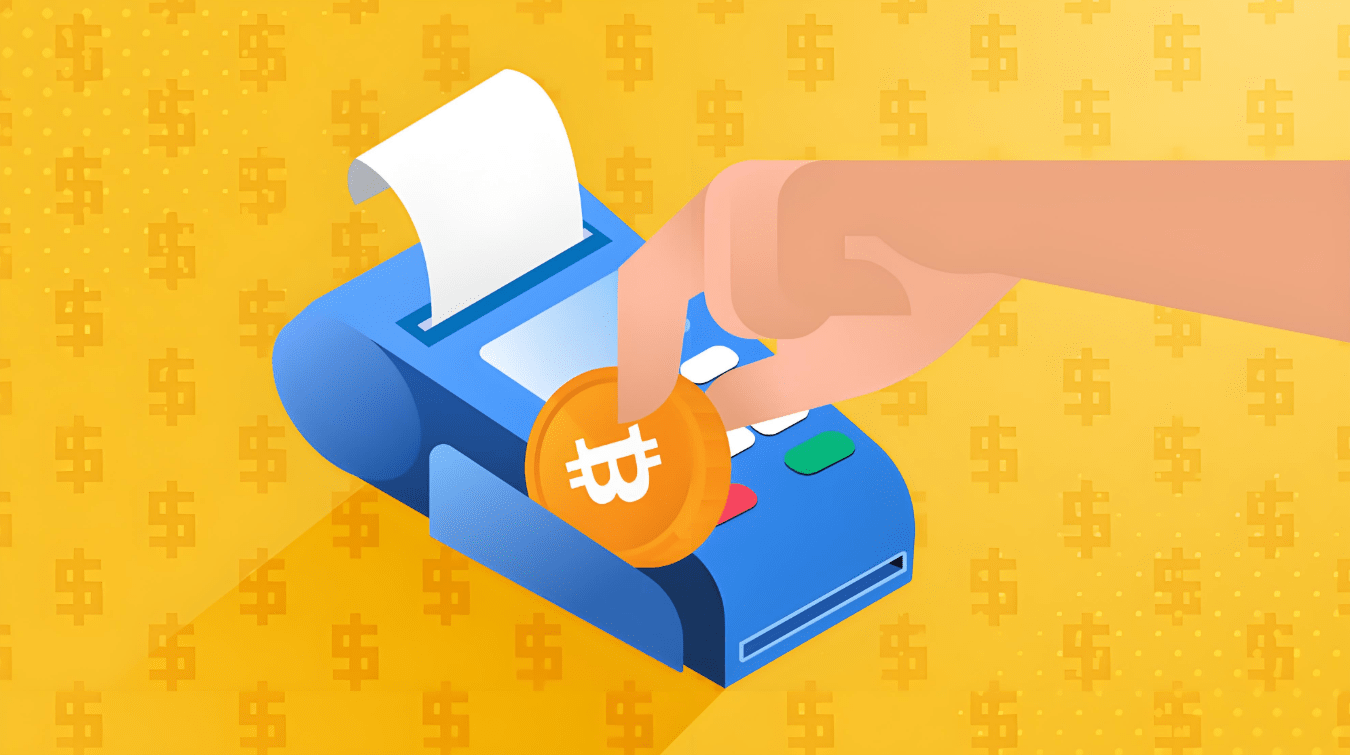
The future has arrived: The reconstruction of financial order
In a Walmart supermarket in Kansas City, a mother used ETH to pay for milk, and her curious child asked, 'Mom, what's the difference between this green money and a bank card?' This ordinary daily scene is, in fact, a 'cognitive revolution' in financial history.
When blockchain technology meets the essentials of daily life, the technological revolution finally touches the essence of ordinary people's lives.
This is no longer a carnival for niche technology enthusiasts, but a profound transformation concerning the essence of currency—whoever leads the payment scenario will grasp the lifeblood of future finance.
Want to make money in the cryptocurrency circle? Just follow Mig! Market trends, strategies, potential coins, all in one place! Click on the avatar and follow now!

