Buyback of @OpenLedger : 40% Pump from "Real Revenue" – The Maturity Signal of DeFi?
Hello everyone, I remember earlier this year, when mentioning @OpenLedger , most people only saw it as a new rising name in the decentralized finance infrastructure. An interesting project, with some real revenue, but still quite “quiet” amidst the noisy landscape of DeFi. Yet in just the past few days, that name has exploded on forums as they announced the official buyback program for the $OPEN token, leading to a price increase of over 40% – and the most important thing is that this time it is not because of hype, but because of real revenue behind it.
After many years immersed in the world of crypto, I can say I have experienced countless cross-chain bridges, having witnessed many DeFi projects flare up and then fizzle out. I have also seen many buyback programs that were merely for show – tokens bought back using reserve funds, or even just announced on paper. But this time, with OpenLedger, I see something different. It's not just news, but a signal of maturity for the entire industry.
1. Buyback from Real Cash Flow: A Lesson in Transparency
When @OpenLedger announced the plan to buy back and burn $OPEN tokens, the community initially thought it was just a typical move to 'beautify the chart'. But then their on-chain data and revenue reports were made public, and that's when everyone realized the difference.
According to their internal data, OpenLedger generated over $12 million in real revenue in Q3, mainly from transaction fees, bridge fees, and oracle data services. They commit to allocating 20% of net profits each quarter to buy back tokens on the open market – meaning this buyback is fully supported by real cash flow, not reserve funds.
This approach is vastly different from most other projects, which merely use undistributed tokens to create 'false buying pressure'. Here, OpenLedger is truly allowing revenues to support token value, a phenomenon that is extremely rare in today's DeFi. That is the difference between real business and yield farming.
2. Community Response: The Desire for "Blockchain Stocks"
In the context of the market craving projects with real yield, OpenLedger's buyback information is like a breath of fresh air. Many people liken it to a 'blockchain stock', where investors do not just buy tokens due to expectations (hype), but because they believe its value is linked to real cash flow and business performance.
Just 48 hours after the announcement, $OPEN rose over 40%, trading volume tripled the weekly average, and the number of new wallets holding tokens increased by over 25%.
The most interesting thing is that this increase is not driven by short-term speculation – over 70% of the total supply $$OPEN is still being staked, indicating the community's long-term trust.
I think what earns OpenLedger respect is their absolute transparency. They disclose every source of revenue, every buyback round, and all transactions are on-chain. No loud PR, no exaggerated charts. This clarity, while seemingly dry, is what makes people trust DeFi more after so many collapses.
3. Buyback Mechanism: Creating Consistent Buying Pressure
OpenLedger's revenue comes from three main areas: swaps and fees (45%), bridge fees (35%), and oracle services (20%). These are real sources of income from business operations.
They allocate 20% of net profits from the three areas above to buy back tokens on the market, then send all of it to the burn wallet (permanently burned).
The clever point is that OpenLedger does not execute massive buybacks; instead, it breaks them down into smaller rounds – following an 'auto-compounding treasury' mechanism. As revenue increases, the amount of tokens bought back also rises. This creates consistent buying pressure, helping stabilize the token price instead of short-term pumps followed by a collapse. This is a sign of a long-term financial strategy, not a gimmick.
4. A Broader Vision: DeFi-as-a-Service
If it were just about buybacks, perhaps the story wouldn't be worth mentioning. But OpenLedger is showing that they have a broader vision – building a truly decentralized financial ecosystem that has real cash flow.
Their products not only serve crypto traders but also target traditional financial institutions – where they can leverage DeFi technology while still adhering to regulations. Partnering with over 20 fintech and financial institutions in Europe and Asia to experiment with the DeFi-as-a-Service model is an extremely bold move.
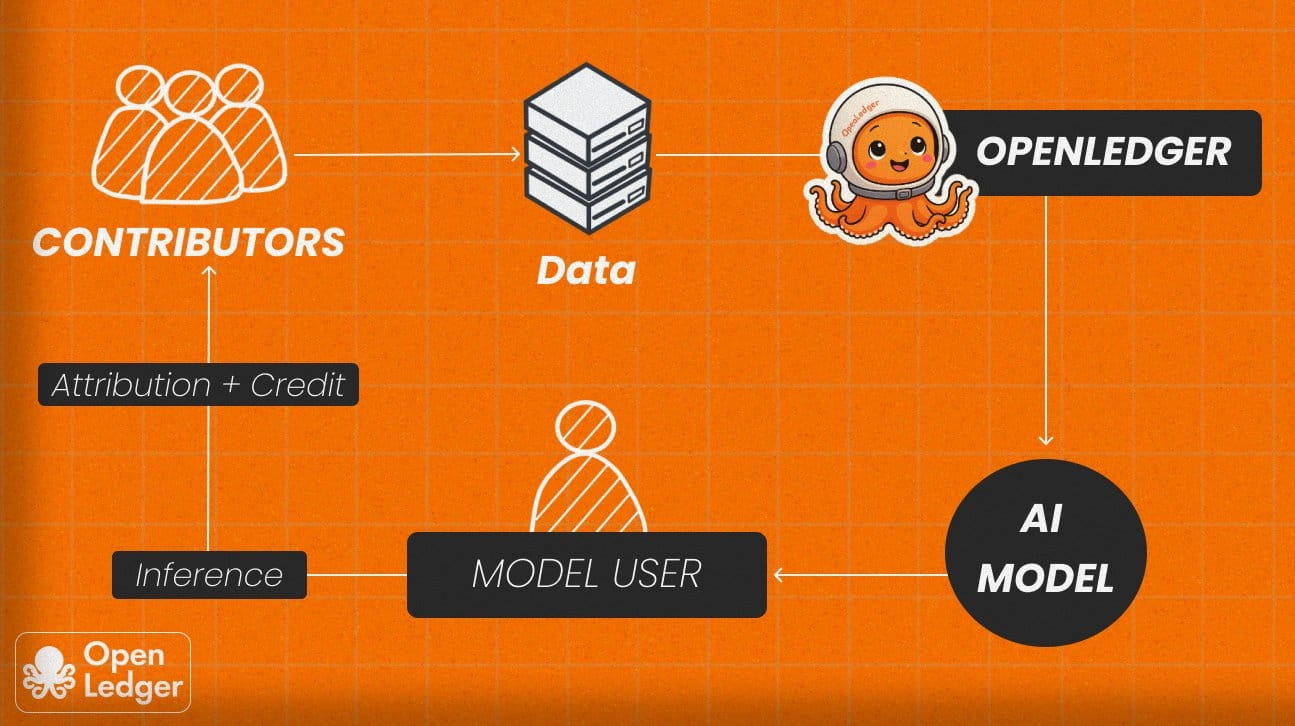
Each DeFi-as-a-Service transaction generates revenue for the system, and a portion of that revenue returns to buy and burn tokens. Thus, holders not only own governance tokens but actually own a part of the network's value – just like shareholders of a profitable business.
5. Conclusion: A Signal of Maturity for DeFi
I have gone through the DeFi yield of 1000%, farming tokens and then dumping them. The time when every project promised a 'life-changing' opportunity, but no one could explain where the money was coming from. OpenLedger is different. They have a business-like financial model – they have customers, revenue, profits, and share profits with the community through buybacks.
Their buyback is not just a financial move, but a statement that DeFi can also be as sustainable as any business. And if that continues to spread, we may be witnessing a true maturation of crypto – as projects begin to stop dreaming, stop printing tokens, and focus on operations, making money, and then sharing that value back to users.
After all those years living in crypto, trying one bridge after another, seeing hundreds of projects pass by, perhaps this is the first time I see a project truly operate like a real business – with profits, strategy, and trust. This 40% pump is not random, my friends, it is the market rewarding authenticity.
@OpenLedger #OpenLedger #open