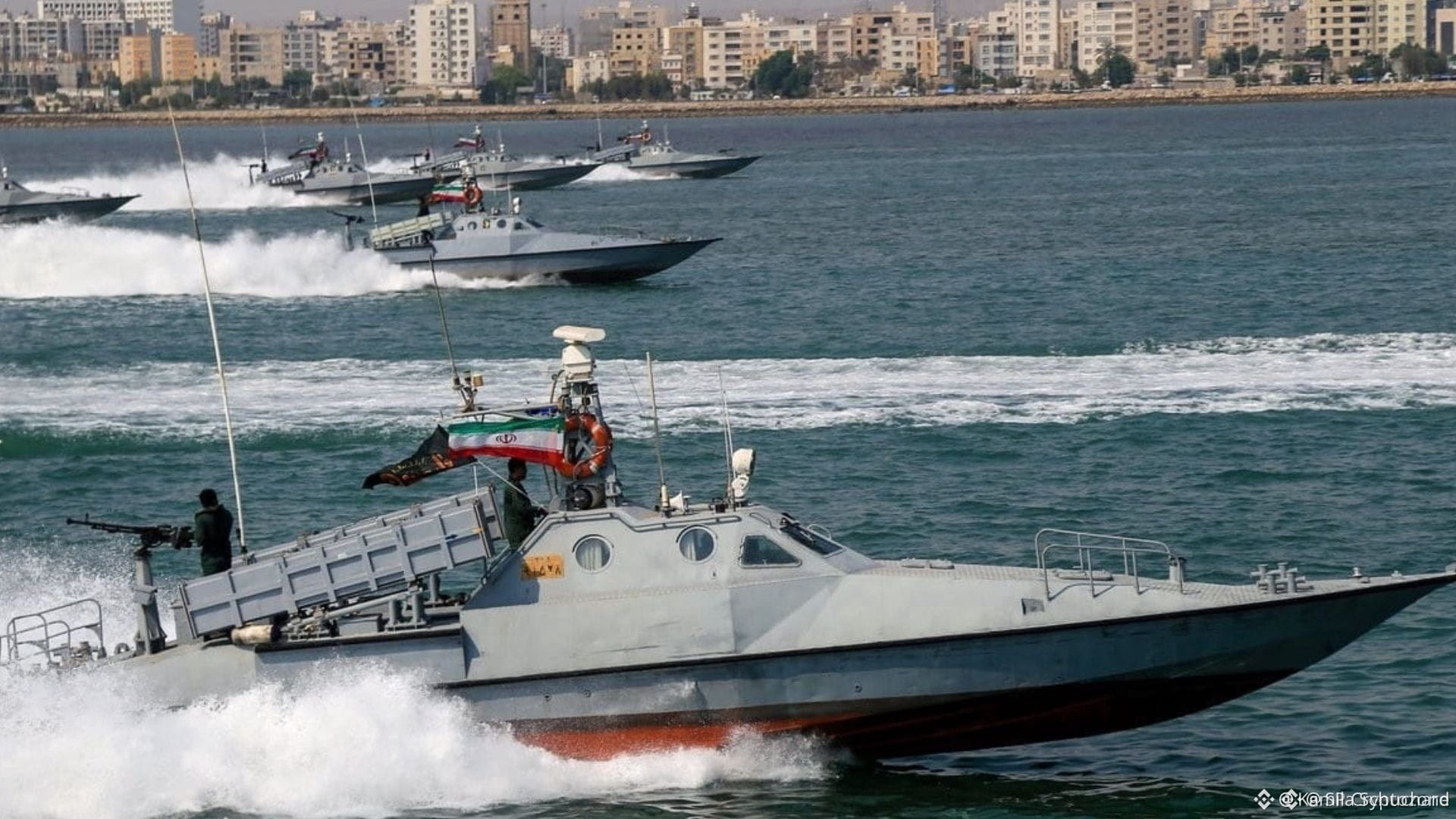
The central element of Iran's maritime defense strategy is the naval force of the Islamic Revolutionary Guard Corps, which operates what experts often refer to as the "mosquito fleet." This unit is believed to comprise more than 1,500 fast attack boats designed for swarm attack tactics rather than traditional naval confrontations.
Smaller units are expected to achieve speeds between 50 and 100 knots. Their strength lies in their ability to accelerate quickly and maneuver sharply, allowing them to rapidly close in and overwhelm the targeting systems of larger American warships. During a swarm attack, advanced radar and fire control systems on upgraded Aegis-class destroyers may struggle to simultaneously track multiple rapidly moving threats.
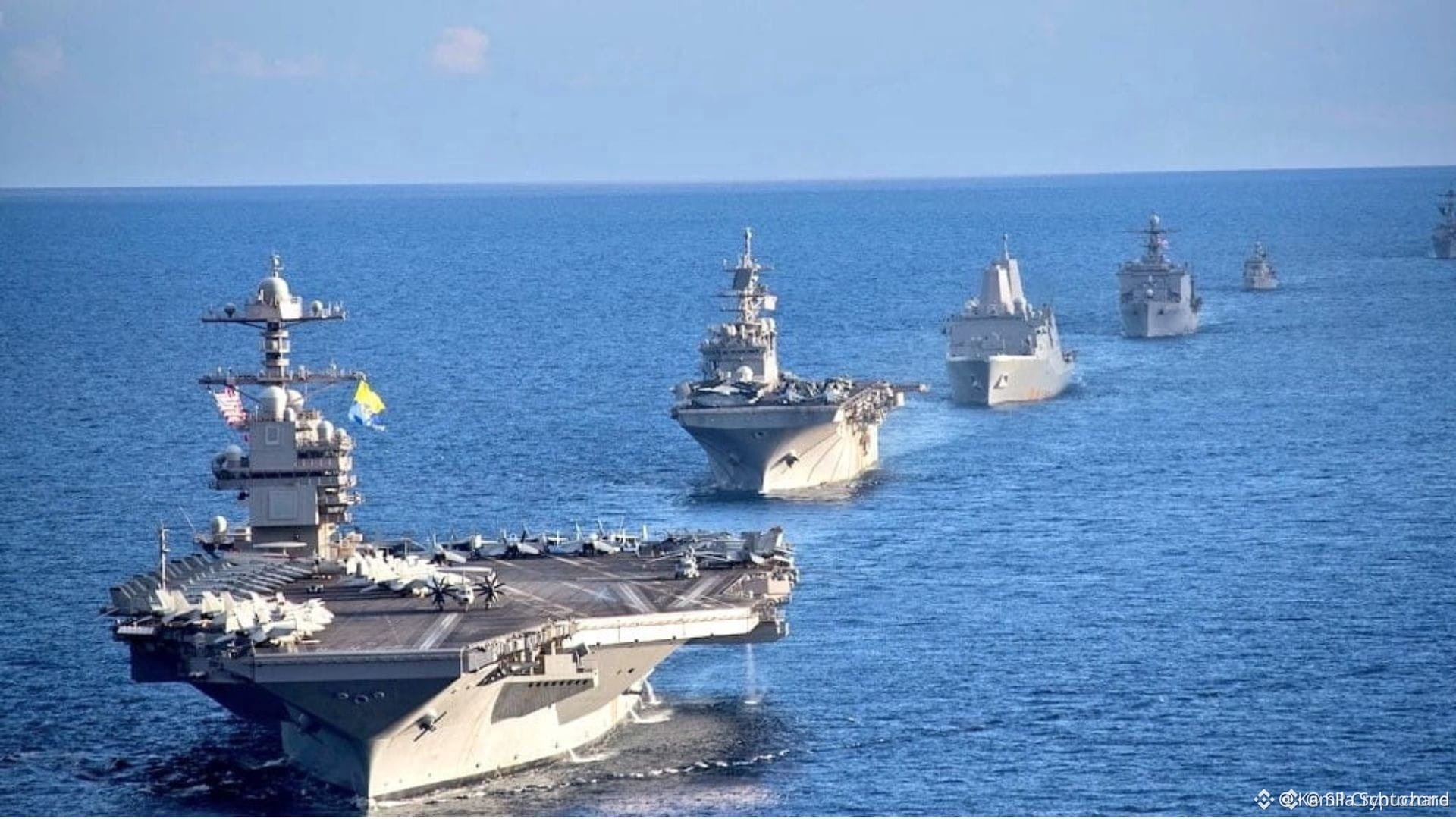
The main objective is strategy: to exert pressure on American destroyers to force them to launch multiple defensive missile salvos, which can deplete onboard intercept systems and weaken the protective layers surrounding important assets such as USS Abraham Lincoln or USS Gerald R. Ford, which may be sent to sea.
Rather than functioning as a conventional navy, this fleet operates more like a dispersed strike network — capable of rapidly amassing strength and then speeding along Iran's coastline of about 2400 kilometers to avoid prolonged retaliation.
Supporting this strategy is the domestically produced Ghader missile, which has a range of 200 to 300 kilometers. Launched from coastal locations, it allows Iran to threaten naval formations from considerable distances, complicating the operations of carrier strike groups before full deployment of air wings can occur.
As tensions in the strategically critical Strait of Hormuz continue, this asymmetric dynamic still influences decisions on both sides.
Smaller units are expected to achieve speeds between 50 and 100 knots. Their strength lies in their ability to accelerate quickly and maneuver sharply, allowing them to rapidly close in and overwhelm the targeting systems of larger American warships. During a swarm attack, advanced radar and fire control systems on upgraded Aegis-class destroyers may struggle to simultaneously track multiple rapidly moving threats.
The main objective is strategy: to exert pressure on American destroyers to force them to launch multiple defensive missile salvos, which can deplete onboard intercept systems and weaken the protective layers surrounding important assets such as USS Abraham Lincoln or USS Gerald R. Ford, which may be sent to sea.
Rather than functioning as a conventional navy, this fleet operates more like a dispersed strike network — capable of rapidly amassing strength and then speeding along Iran's coastline of about 2400 kilometers to avoid prolonged retaliation.
Supporting this strategy is the domestically produced Ghader missile, which has a range of 200 to 300 kilometers. Launched from coastal locations, it allows Iran to threaten naval formations from considerable distances, complicating the operations of carrier strike groups before full deployment of air wings can occur.
As tensions in the strategically critical Strait of Hormuz continue, this asymmetric dynamic still influences decisions on both sides.