


Résumé
When you create a cryptocurrency, you can choose to create a currency or a token. A currency has its own blockchain, while a token is built on a pre-existing network. Cryptocurrencies rely on blockchains for their security and decentralized nature.
Creating a token requires less expertise and effort than creating a cryptocurrency. Manufacturing a currency generally requires a team of developers and experts. A token requires technical knowledge, but it is possible to create them in minutes through the use of other blockchains, such as Ethereum, Binance Smart Chain, Solana and Polygon.
Choosing a token or currency will depend on the degree of customization needed and what you want to do with it. Overall, the costs involved depend on the work required, such as external developers and time.
Ethereum and Binance Smart Chain are popular blockchains for creating digital currencies. You can use the established code to create tokens yourself or pay to use a coin creation service. Sidechains are another popular choice, as they offer more customization with the main benefits of a blockchain.
Before creating your own crypto, you should consider its usefulness, business model, and legal status. Next, your choice of blockchain, consensus mechanism and architecture is necessary for the development phase. Then you can consider an audit of your project and a final legal check. Although anyone can create a cryptocurrency, developing a solid project requires serious work and dedication.
Introduction
The idea of creating your own cryptocurrency, its use cases and its audience is exciting for many cryptocurrency fans. But what is the best starting point? There are actually many ways to create currencies and tokens. Costs and knowledge also vary depending on the complexity of your project. If you are considering creating your own cryptocurrency, our article outlines the basic elements to get you started.

What is a cryptocurrency?
A cryptocurrency, also called a crypto, is a type of digital asset with several use cases. It is primarily a means of transferring value between people, including monetary value, property rights, or even voting privileges. Cryptocurrency differs from other digital payment systems due to its roots in blockchain technology. This basis gives cryptocurrencies more freedom from central entities like governments or banks.
Bitcoin is the most famous example of cryptocurrency. The use case is simple: transfer monetary value to anyone in the world, without an intermediary. Its blockchain records all transactions and ensures the security and stability of the network.
Difference between cryptocurrencies and tokens
Cryptocurrencies can roughly be divided into two categories: currencies and tokens. The difference between them is simple. Currencies have their own native blockchain, like bitcoin, for example. Ether (ETH) is the currency of the Ethereum blockchain. Currencies generally have a specific purpose across the network, such as paying transaction fees, staking, or participating in governance.
Tokens are built on pre-existing blockchains. They can have similar roles to currencies, but primarily have utility in their own projects. For example, CAKE from PancakeSwap on Binance Smart Chain. You can also use it to pay for certain transactions in the PancakeSwap ecosystem, such as issuing non-fungible tokens or to play their lottery. However, CAKE does not have its own blockchain, and therefore cannot be used in all BSC applications. The same goes for the thousands of ERC-20 tokens issued on the Ethereum blockchain. Each token is part of a specific project with different use cases.
Creation of currencies or tokens
As mentioned, creating a token is much simpler than creating a currency. A currency requires you to successfully develop and maintain a blockchain. You can fork (create a copy) of another existing chain, but that doesn't solve the problem of finding users and validators to allow your network to survive. However, the potential for success with a new currency may be greater than that of a token. Here is an overview of the two options:
Creation of a currency
Creating a new currency can take a long time if you are developing your own blockchain. However, it is possible to quickly fork an existing blockchain and use it as the basis for your new currency. Bitcoin Cash (BCH) is an example of a forked project. To do this, you still need a high level of technical knowledge and coding knowledge about blockchain. The success of your project will also depend on bringing new users to your blockchain network, which is a challenge.
Creating a token
Creating a token on an existing blockchain can leverage its reputation and security. Although you don't have complete control over every aspect of your token, there are still plenty of customization opportunities. There are a variety of websites and tools for creating your own token, including BSC and Ethereum.
Should I create a currency or token for my project?
One token will generally be sufficient for decentralized finance (DeFi) applications or play-to-earn games. Both BSC and Ethereum offer great flexibility and freedom of work to developers.
If you're looking to push the boundaries of what a currency or blockchain does, creating a currency with its own blockchain would probably be better. Creating a new blockchain and currency is certainly more difficult than issuing a token. But if done well, it can bring a lot of innovation and new possibilities. Binance Smart Chain, Ethereum, Solana and Polygon are good examples.
However, to be successful, both options will require a lot of work and technical, economic and commercial knowledge.
Main solutions for creating cryptocurrencies
Among the most popular solutions for creating cryptocurrencies are BSC, Ethereum and Solana. These networks provide ways to mint a variety of tokens based on pre-existing standards. The BEP-20 and ERC-20 token standards are flagship examples that almost every crypto wallet provider can support.
ERC-20 belongs to the Ethereum blockchain, while BEP-20 is part of the Binance Smart Chain (BSC). Both networks allow the creation and customization of smart contracts that allow you to create your own tokens and decentralized applications (DApps). With DApps, you can create an ecosystem that provides more use cases and functionality for your token.
You can also look into sidechains, which use the security of a larger chain like Ethereum or Polkadot, but also offer some customization. Polygon Network is linked to Ethereum and offers a similar experience, however it is cheaper and faster to use.
After choosing a blockchain, you need a method to create your token. With BSC and other blockchains based on the Ethereum Virtual Machine, the process is relatively simple. You can also find ready-made tools that create tokens based on parameters and rules you provide. They are usually paid, but they are a more convenient option for users who are new to smart contracts.
If you want to create your own blockchain and currency, you will likely need a team of blockchain developers and industry experts. Even if you're looking at a blockchain like Ethereum or Bitcoin, there's still a lot of work to do to set up your network. This would include encouraging users to act as validators and operate nodes to keep the blockchain functioning.
Things to Consider When Designing Your Crypto
Besides the obvious choices such as your blockchain or creating a currency or token, there are other essential areas to consider:
Define the usefulness of your cryptocurrency
Cryptocurrencies can play many roles. Some serve as keys to access services. Still others represent stocks or other financial assets. To understand and map the process of creating your cryptocurrency, you need to define its functionality from the start.
Design your business model
Your token's business model refers to the economic aspects that govern your crypto, such as total supply, distribution method, and initial price. A good idea can fail if the model is not viable and users are not incentivized to buy the cryptocurrency. For example, if you create a stablecoin but can't tie it to the price of the underlying correctly, no one will want to buy or hold it.
Check its legal compliance
Each country in the world has its own laws and rules regarding cryptocurrencies. Some jurisdictions may even prohibit the use of cryptocurrencies. Fully consider your legal obligations and any compliance issues you may face.
Create your own cryptocurrency in 7 steps
If you are only creating one token, not all of the steps in the tutorial below apply. The three design steps above are the most important. Most of our instructions cover the basics of creating a blockchain before issuing your currency.
1. Choose a suitable blockchain platform
To obtain a token, you will need to choose the blockchain to host your cryptocurrency. BSC and Ethereum are popular options, but sidechains can also be a good idea. To create your own currency, you will need to think about designing or hiring someone to create a custom blockchain.
2. Choose a consensus mechanism
If you are creating your own blockchain or not sure which one to choose for your token, consider what consensus mechanism you want to use. These mechanisms determine how participants confirm and validate transactions on the network. Most blockchains use proof of stake because it is not hardware-intensive and has many variations. Proof of work, as used in Bitcoin, is considered more secure by some, but it is often expensive to maintain and environmentally unfriendly.
3. Design your blockchain architecture
This step is only necessary if you are creating a currency. Not all blockchains allow the public to validate transactions or operate nodes. The decision to have a private, public, permissioned or permissionless blockchain is an important one. The architecture of your blockchain will depend on what your currency and project are trying to do. For example, a company or country creating a currency can run a private blockchain for more control.
4. Start blockchain development
Unless you have specialist development knowledge, you will need outside help to bring your ideas to life. Once blockchain operates in a real environment, it is extremely difficult to change its basic concepts and rules. Use a testnet to ensure everything works as expected and ideally cooperate with an entire development team to develop your blockchain.
5. Check your cryptocurrency and its source code
Auditing companies like Certik can check the code of your blockchain and its cryptocurrency to identify any vulnerabilities. You can then publish the audit publicly and act accordingly. This process provides a certain guarantee of security for you, as the creator, and for any potential users or investors.
6. Check the legal aspects
Now that your blockchain is up and running and you are ready to issue your cryptocurrency, it is best to seek expert legal advice to check whether you need to seek authorization. Once again, this step is difficult to complete alone and requires outside help.
7. Issue your cryptocurrency
Whether you create a token or a currency, you will need to issue the cryptocurrency at some point. The exact method will vary depending on your business model. For example, tokens with a fixed supply are generally issued all at once via a smart contract. Currencies like Bitcoin are mined gradually as miners validate new blocks of transactions.
How to create a BEP-20 token
To create a BEP-20 token, you will need some basic coding skills to deploy a smart contract on Binance Smart Chain. You will also need to have MetaMask installed and have some BNB in your wallet to pay gas fees.
1. Make sure the BSC mainnet is added to MetaMask. You can find detailed instructions in our Connect Metamask to BNB Smart Chain guide.
2. Go to Remix, an online application for developing and deploying smart contracts on blockchains compatible with the Ethereum virtual machine. Right-click the [contracts] folder, and then click [New file].

3. Name the file “BEP20.sol”.

4. Make sure the programming language is set to [Solidity]. Otherwise, your smart contract will not work. You can do this by clicking on the icon below on the right.

5. Copy the BEP-20 smart contract code into your file. More information about the code's settings and functions can be found on GitHub.

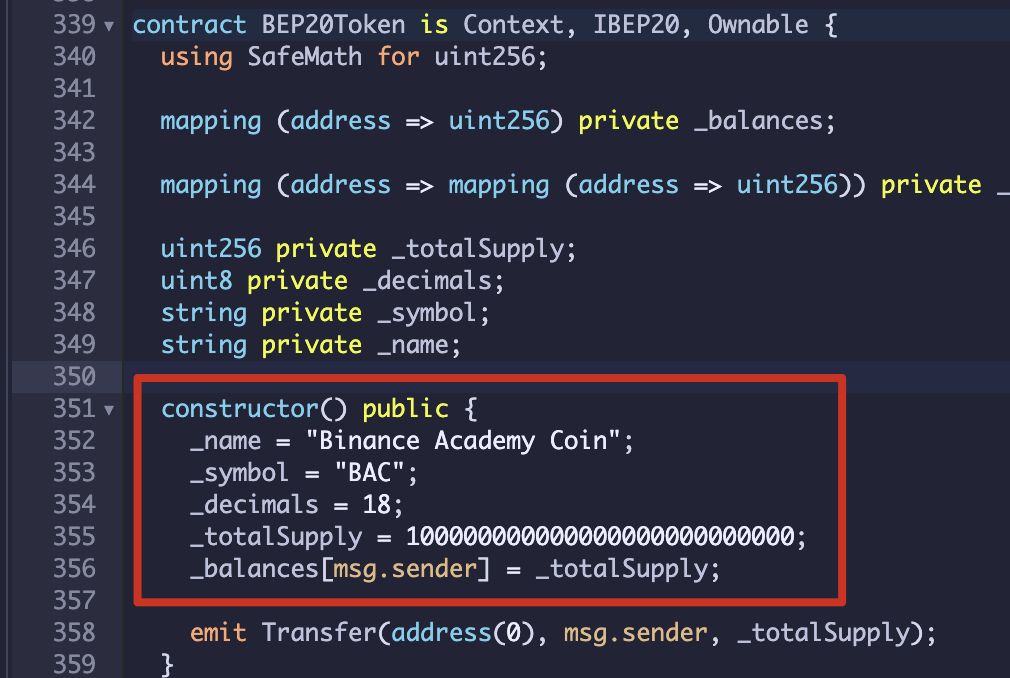
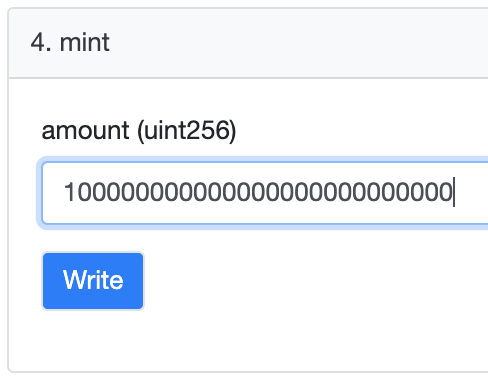
6. Edit your token name, symbol, decimals, and totalSupply. Here we have chosen Binance Academy Coin (BAC) as an example, with 18 decimal places and a total supply of 100,000,000 units. Remember to add enough 0s to cover 18 decimal places.
7. Next, you will need to compile the smart contract. Click the icon shown below on the left side of the screen, check [Auto compile] and [Enable optimization], then click the [Compile] button.

8. Click the [ABI] button to copy the contract ABI.

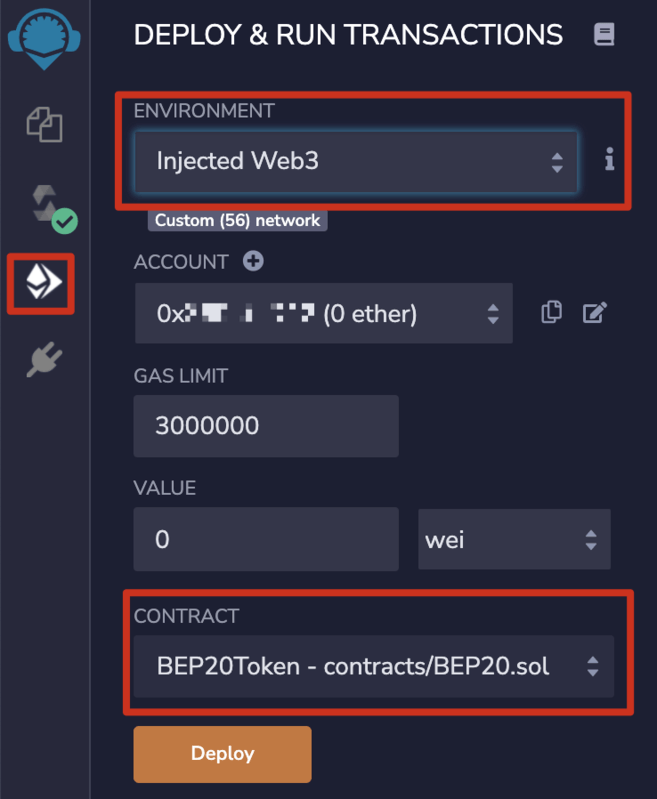
9. Click the icon below on the left side of the screen. Select [Injected Web3] as the environment and allow MetaMask to connect to Remix. Finally, make sure you have selected your BEP20 contract before clicking [Deploy].
10. You will now need to pay transaction fees through MetaMask to deploy the contract on the blockchain. Once the smart contract is posted online, you must verify and publish the source code of your contract.
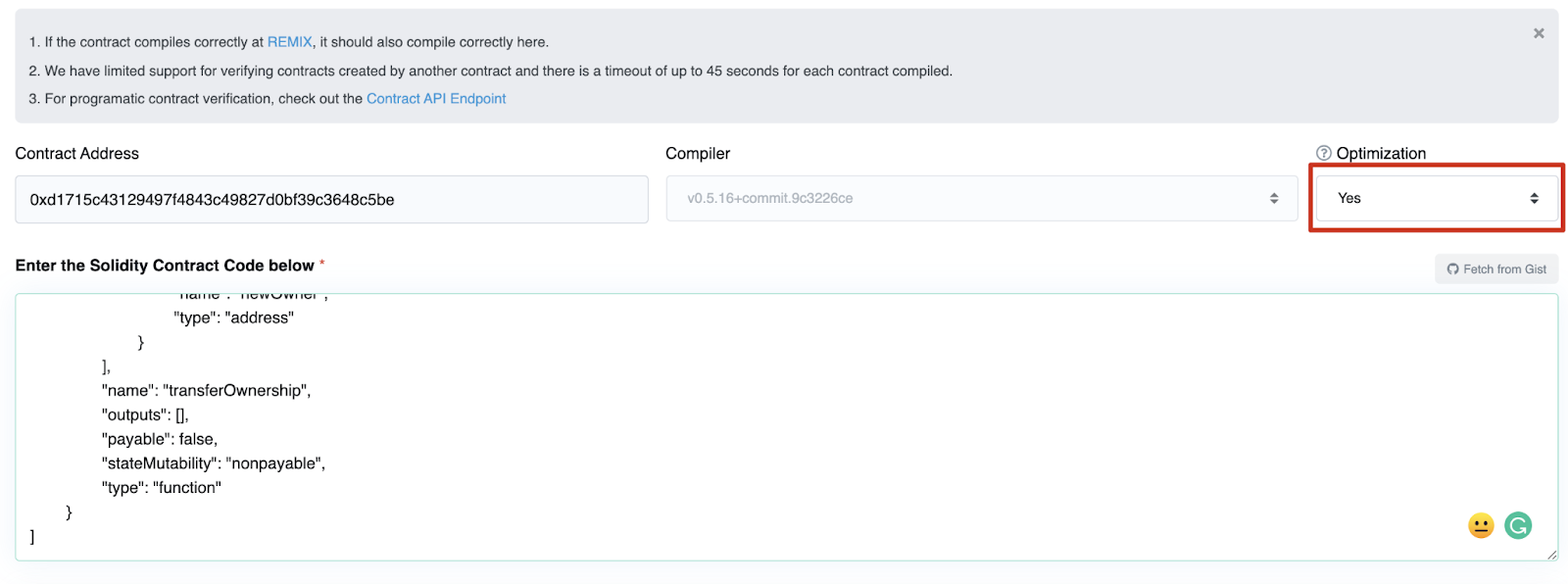
Copy the contract address into BscScan, select [Solidity (Single)] as the compiler type, and match the compiler version used in step 7.

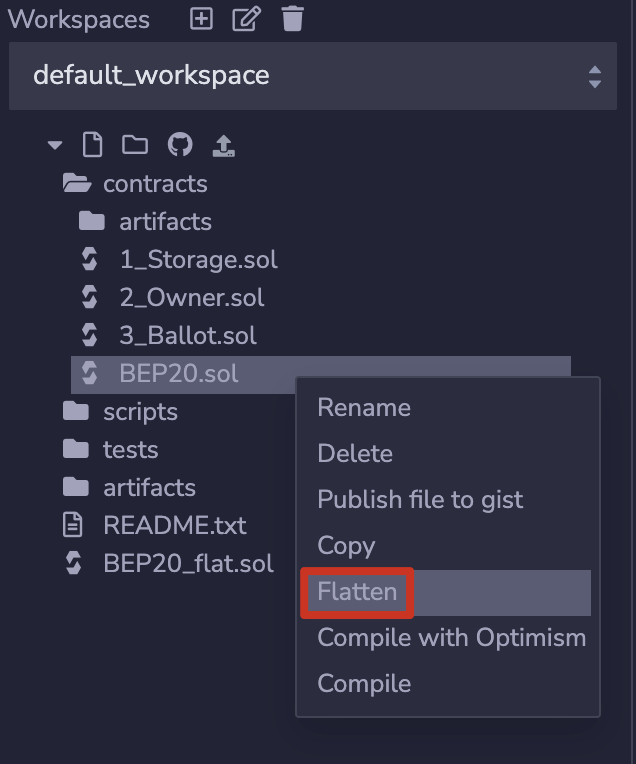
11. Next, right-click BEP20.sol in Remix and press [Flatten]. You will then need to give Remix permission to standardize the code.
12. Copy the code of your BEP20_flat.sol into the field, and make sure [Optimization] is set to Yes. Now click [Verify and Publish] at the bottom of the page.
13. You will now see a screen confirming the success of the operation. With the verified code, you can issue your token with BscScan using the _mint call implemented in the contract. Go to the contract address on BscScan and click [Write Contract], then click [Connect to Web3] to connect your MetaMask account.
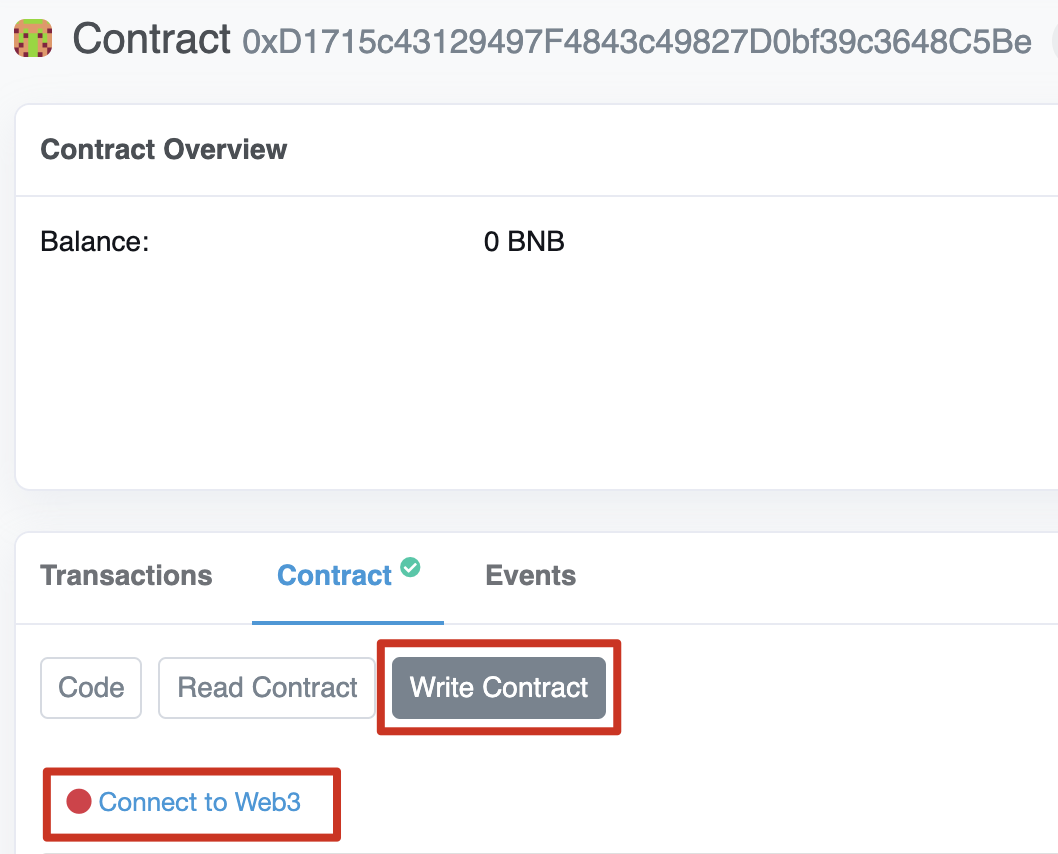
14. Scroll down to the Mint section, then enter the number of tokens you want to issue. We will issue 100,000,000 BAC. Don't forget to also add the decimal places, in this case 18. Click [Write] and pay the fee on MetaMask.
15. You should now see that the tokens have been issued and sent to the wallet that created the smart contract.

How to get a quote for your cryptocurrency
Listing your currency or token on a crypto exchange like Binance can make it known to a wider audience in a safe and regulated manner. If you manage to create and grow a solid cryptocurrency project, you can fill out Binance's online application forms for listing and/or direct distribution through Launchpad/Launchpool.
Each cryptocurrency undergoes a rigorous due diligence process, and you will need to regularly update Binance on your progress during the application. You will also need to accept BNB and BUSD into your cryptocurrency ecosystem, for example by providing them as liquidity or accepting them during your initial coin offering (ICO) or token sale.
Cost of creating your own cryptocurrency
The costs involved are related to the methods and configuration you choose. If you create a currency and a blockchain, you will probably have to pay an entire team for several months. A code audit performed by a reliable team can also cost around $15,000 (USD). At its lowest, a single token on BSC can be deployed for $50. If we take an average, to create a cryptocurrency with any chance of success, you will probably have to spend thousands of dollars on its creation, marketing and building a community.

To conclude
If you decide to create your own cryptocurrency, be sure to use our information only as a starting point. This is a deep topic that takes a long time to fully understand. Besides creating the token or currency, you also need to think about making it a success after launch. Studying other projects and their launches to see what worked well and what didn't can help you create your own cryptocurrency.