


In 2025, asset tokenization (that is, digitizing various assets through blockchain technology and achieving on-chain trading) emerged as one of the core trends of the Web3 ecosystem, making significant progress. From financial assets to physical assets to digital assets, the application of blockchain technology is reshaping traditional models of asset management, trading, and ownership. This article will review the latest progress in asset tokenization in 2025, focusing on asset classes that achieved on-chain trading first, and will discuss the profound implications of this trend in conjunction with authoritative media and key opinion leaders (KOLs) in the Web3 field.
Financial Assets: Rapid Tokenization Driven by Institutions
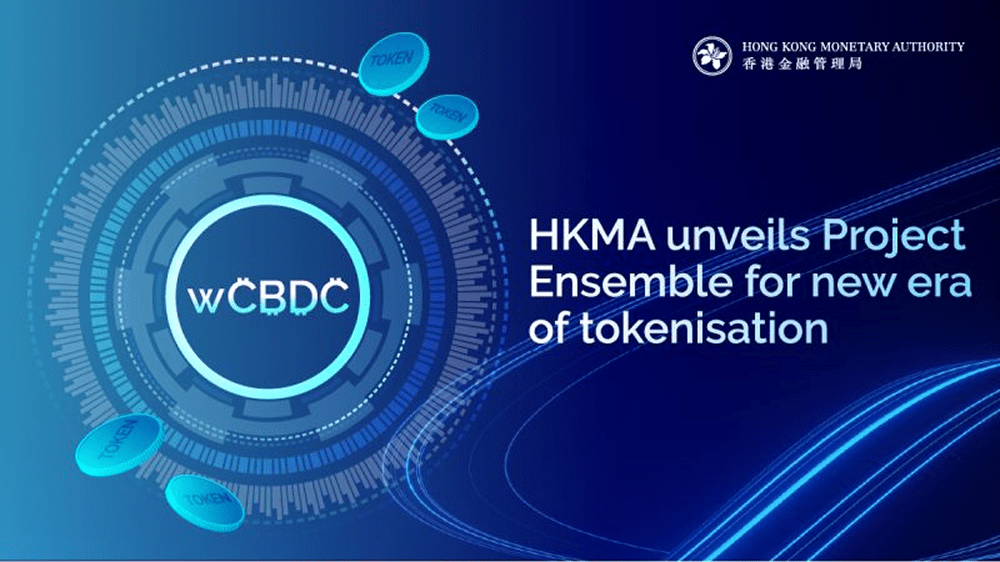
In 2025, financial assets became the pioneers of asset tokenization, especially with the active promotion of traditional financial institutions. According to a report from the World Economic Forum in December 2024, global major financial institutions' interest in asset tokenization continues to rise due to its ability to reduce costs, enhance efficiency, and minimize settlement risks. Entering 2025, this trend accelerated further. For example, the Hong Kong Monetary Authority's (HKMA) Project Ensemble regulatory sandbox, launched in August 2024, successfully completed multiple on-chain trading tests for financial assets in early 2025, including the trading of tokenized deposits and bonds. Participants included HSBC and HashKey, Hong Kong's largest digital asset company, marking a turning point from experimentation to practical application of financial asset tokenization.
The Monetary Authority of Singapore (MAS) also achieved breakthroughs in 2025. Since launching the Project Guardian initiative in 2022, MAS has facilitated over 20 pilot projects for financial asset tokenization by 2025, covering areas such as asset management, government bond management, and bond tokenization. MAS stated in November 2024 that it would support the commercialization of asset tokenization, a commitment that was fulfilled in 2025. For example, S&P Global collaborated with MAS to tokenize a portion of Singapore government bonds, achieving real-time trading on the Ethereum Layer 2 network, with trading volumes reaching hundreds of millions of dollars per month.

McKinsey's report in June 2024 predicts that by 2030, the market size of tokenized financial assets could reach $20 trillion (excluding cryptocurrencies and stablecoins), with cash, deposits, bonds, and ETFs being the assets to achieve large-scale adoption first. This prediction received preliminary validation in 2025. BlackRock's BUIDL fund is a typical case, which tokenized U.S. Treasury bonds and repurchase agreements through the Securitize Markets platform, providing investors with daily dividends. As of March 2025, its on-chain trading volume has exceeded $1 billion.

Physical Assets: Breakthroughs in Real Estate Tokenization
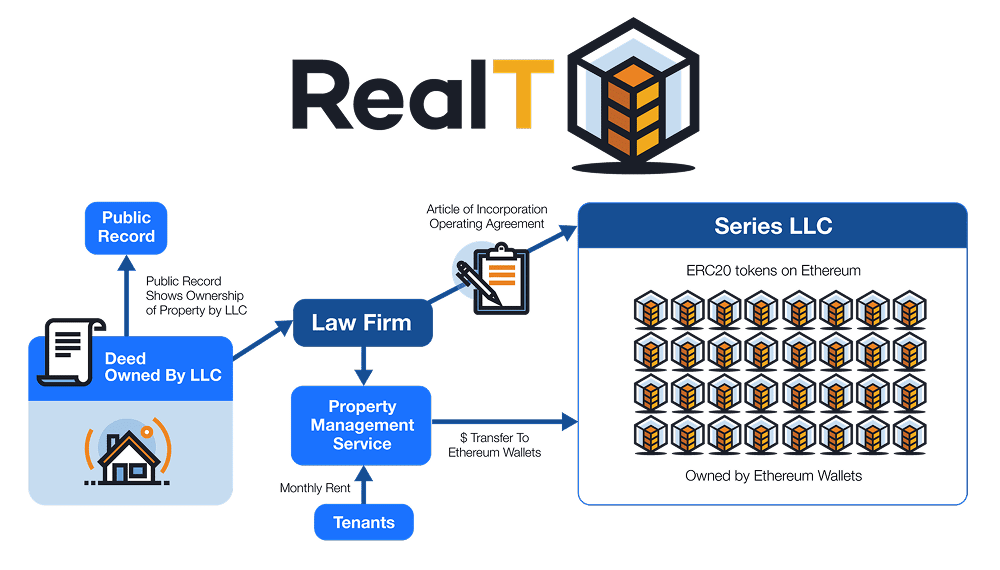
Real estate, as a representative of physical assets, became another highlight of asset tokenization in 2025. An article in Blockchain Magazine on March 21, 2025, pointed out that real estate tokenization significantly lowered investment thresholds by addressing market liquidity issues. For example, the U.S. real estate tokenization platform RealT continued to expand its influence in 2025 by tokenizing residential and commercial properties into NFTs, allowing investors to purchase fractional ownership for as low as $50. As of April 2025, over 500 properties had been tokenized on the RealT platform, with a total on-chain trading volume exceeding $500 million.
In the Asia-Pacific region, the Thai project Sabai Ecoverse also made breakthroughs in 2025. This project tokenized resort properties into dynamic NFTs (dNFT), achieving fractional ownership and automating the management of rental income distribution through smart contracts. According to a Forbes report in March 2024, Vadym Bukhkalov, co-founder of Sabai Ecoverse, stated: "The digitization of real estate reduces market barriers, enhances liquidity, and achieves unprecedented transparency through blockchain technology." In 2025, the project's on-chain trading volume increased nearly threefold, attracting retail investors from around the world.
Furthermore, Chainlink's report in February 2025 noted that real estate tokenization typically takes two forms: NFTs or fungible tokens. NFTs are suitable for trading entire properties, while fungible tokens are used for fractional ownership. A commercial property in Dubai was tokenized at the beginning of 2025 using Chainlink's oracle technology, allowing investors to purchase tokens representing 1% ownership through the Polygon network, with a total transaction amount reaching $30 million.
Digital Assets: Continued Momentum in NFTs and Game Assets
The tokenization of digital assets continued to maintain strong momentum in 2025, especially in NFTs and game assets. An article in CoinDesk on January 9, 2025, pointed out that NFTs, as a typical form of digital asset tokenization, have expanded from art to the fields of gaming and the metaverse. The GameFi project Axie Infinity launched a series of on-chain gaming assets in 2025, including virtual land, equipment, and character skins, which traded as NFTs, with on-chain trading volume reaching $200 million in the first quarter of 2025.
Moreover, the metaverse platform Decentraland further promoted the tokenization of virtual real estate in 2025. Users can purchase virtual land using MANA tokens and use it for commercial development or leasing. According to Chainalysis data from March 2024, on-chain trading of virtual real estate continued to grow in 2025, with some popular parcels trading for over $100,000, reflecting the immense potential of metaverse asset tokenization.
Authoritative Views: Opportunities and Challenges Coexist
Regarding the progress of asset tokenization, authoritative media and Web3 KOLs generally hold an optimistic view but also point out some challenges. An article in the World Economic Forum on March 24, 2025, emphasized that asset tokenization is unlocking significant liquidity potential, as currently only $25 trillion of securities are available as collateral, while tokenization could expand this pool to $230 trillion. Jeremy Allaire, CEO of Circle, stated at the 2025 Davos Forum: "Through the combination of stablecoin USDC and the Canton network, the barriers between traditional finance and crypto assets are being broken down, and asset tokenization will become the core infrastructure of modern financial markets."
However, Web3 KOL and COO of Security Token Market Jason Barraza warned in a CoinDesk column on January 9, 2025, that regulatory clarity remains the biggest obstacle to asset tokenization. Although the appointment of Paul Atkins as the new chair of the SEC and David Sacks as the crypto commissioner in 2025 brought hope for a legal framework for digital assets, global regulatory coordination still requires time. Additionally, McKinsey pointed out that standardization of technology and implementation costs are also key issues hindering large-scale adoption, especially in terms of cross-chain interoperability and off-chain asset authenticity verification.
Summary: The Future of Asset Tokenization
In 2025, asset tokenization made significant progress in the fields of financial assets, real estate, and digital assets. Financial assets benefited from institutional adoption and regulatory sandbox support, leading to large-scale on-chain trading; real estate tokenization lowered investment thresholds by fractionalizing ownership, attracting global investors; digital assets continued to gain momentum driven by NFTs and the metaverse. However, issues such as regulation, technology, and user acceptance still need to be addressed. Looking ahead, as blockchain technology matures and global regulatory frameworks improve, asset tokenization is expected to accelerate further, reshaping the global financial and asset management landscape.
This article only represents the author's personal views and does not represent the position and views of this platform. This article is for information sharing only and does not constitute any investment advice to anyone.
AiCoin Official Website: aicoin.com
Telegram: t.me/aicoincn
Twitter: x.com/AiCoinzh
Email: support@aicoin.com
Group Chat: Customer Service Yingying, Customer Service KK