

Key Points
Market sentiment reflects the mood, feelings, and attitudes of traders and investors towards cryptocurrency or the market as a whole.
These feelings do not always reflect the fundamentals of an asset or project, but they can significantly influence price movements.
Understanding and tracking market sentiment can help traders and investors anticipate price movements, manage risks, and make more informed decisions.
Introduction
Like all financial assets, cryptocurrency prices are influenced by supply and demand. Meanwhile, these factors are often influenced by public opinion, news, social media, and investor psychology.
Most traders analyze market sentiment to predict the potential short- and medium-term of a cryptocurrency asset. Along with technical and fundamental analysis, investigating crypto market sentiment can be a valuable addition to a trader's toolkit.
What is Market Sentiment?
Market sentiment is a collection of trader and investor behavior towards a financial asset or market. This concept exists in all financial markets, including cryptocurrency. Market sentiment indeed has the power to influence market cycles.
However, good market sentiment does not always lead to positive market conditions. Sometimes, strong positive sentiment (to the moon!) can emerge before a market correction or even a bearish market.
In addition to providing insights into market demand, traders can analyze this sentiment to predict potentially profitable trends. Market sentiment does not always consider the fundamentals of a project, but sometimes the two are interconnected.
Example: Meme Coins
Meme coins can help illustrate the concept of market sentiment. Let's take Dogecoin as an example. Most of the demand for Dogecoin during a bull run tends to come from hype on social media (leading to positive market sentiment).
In other words, most traders and investors buy Dogecoin without considering its tokenomics or the project's purpose, but rather just because of market sentiment. Even a single tweet from a figure like Elon Musk can sometimes be enough to create positive or negative market sentiment.
Bullish vs. Bearish Sentiment
Investor sentiment is usually divided into two main categories:
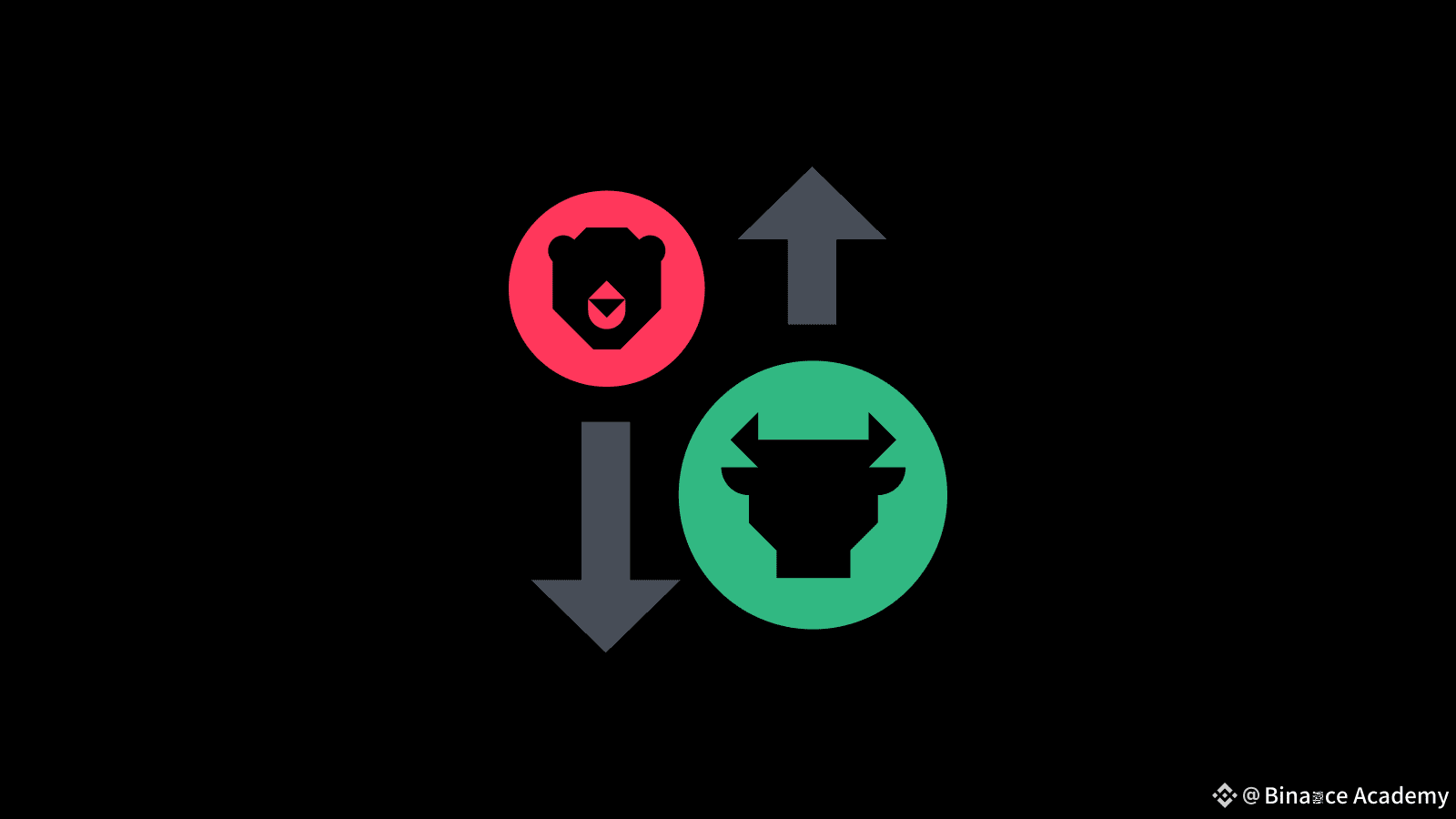
Bullish sentiment: Traders and investors feel confident that prices will rise. When the market is bullish, people tend to prefer buying and holding their assets with the hope of making a profit as prices go up.
Bearish sentiment: Indicates pessimism and expectation of falling prices. In bearish conditions, investors are more likely to sell holdings or open short positions.
Both mindsets can exist simultaneously in different parts of the market or among different groups of investors, often leading to price fluctuations and uncertainty.
Why is Market Sentiment Analysis Important?
Market sentiment analysis is an important part of most trading strategies. For example, this analysis can help you investigate whether FOMO is indeed real or just caused by group mentality. Overall, combining technical and fundamental analysis with market sentiment studies allows you to:
Gaining a better insight into short- and medium-term price action.
Developing better control over your emotional conditions.
Finding potentially profitable opportunities.
How to Conduct Market Sentiment Analysis
To understand market sentiment, you need to gather views, ideas, and opinions from market participants. To gain a basic understanding, you can try to investigate relevant pages and social media channels to grasp the community and investors' feelings regarding a specific project or the market as a whole.
You can also join official forums, Discord servers, or Telegram groups to communicate directly with project team members and the community. However, be cautious! There are many scammers in these groups. Do not trust strangers and make sure to do your own research before taking risks.
In addition to monitoring social channels (especially X, due to its popularity among cryptocurrency users), you may consider the following actions:
Tracking social mentions with data collection software tools.
Staying updated with the latest industry news through media portals and blogs. Binance Blog, Bitcoin Magazine, and CoinDesk are a few examples.
Setting alerts or tracking large transactions made by whales. These movements are usually monitored by crypto investors and can impact market sentiment. You can find free whale alert bots on Telegram and X (for example, WhaleAlert).
Checking market sentiment indicators and price-setting signals on CoinMarketCap. The index analyzes a wide range of sources and provides an easy summary of current market sentiment.
Measuring the level of hype around cryptocurrency with Google Trends. For example, a high search volume for "How to sell crypto" may suggest negative market sentiment.
Market Sentiment Indicators
Fear & Greed Index
The Crypto Fear & Greed Index is a popular indicator for crypto market sentiment. This index displays fear or greed on a scale from zero to 100 by analyzing various sources of information, including volatility, market volume, social media, dominance, and trends.
Bull & Bear Index
The Bull & Bear Index by Augmento is a different sentiment indicator that focuses on social media. An artificial intelligence (AI) software analyzes 93 sentiments and topics using conversations on platforms like X, Reddit, and Bitcointalk. The indicator values range from zero (bearish) to one (bullish).
Conclusion
Although most traders use market sentiment analysis in investment markets, this tool can be quite useful in the cryptocurrency market. Because the blockchain industry and crypto market are still relatively small, public views and sentiment can lead to volatile price fluctuations.
Market sentiment analysis tends to yield better results with practice and experience, but this tool may not be applicable in some cases. Make sure to conduct due diligence before trading or investing and only use funds that you can afford to lose.
Further Reading
What is the Crypto Fear and Greed Index?
Market Cycle Psychology
Five Risk Management Strategies
Disclaimer: This content is presented to you on an “as-is” basis for general information and educational purposes only without any representations or warranties of any kind. This content should not be construed as financial, legal, or other professional advice or intended to suggest the purchase of any specific products or services. You should seek advice from appropriate professional advisors. The products mentioned in this article may not be available in your region. If this article is a contribution from a third-party contributor, please note that the views expressed are those of the third-party contributor and do not reflect the views of Binance Academy. Please read our full disclaimer here for more details. The prices of digital assets can be volatile. The value of your investment may go down or up. You may not get back the amount you invested. You are solely responsible for your investment decisions. Binance Academy is not responsible for any losses you may incur. This material should not be construed as financial, legal, or other professional advice. For more information, please read our Terms of Use and Risk Warning.