



1. Powell’s “digital dollar ban”: a premeditated financial revolution?
On February 12, 2025, Federal Reserve Chairman Powell's remarks at a congressional hearing completely extinguished the market's last fantasy about the "digital dollar" - "During my term, the Federal Reserve will never launch a central bank digital currency (CBDC)." This statement may seem sudden, but it was actually foreshadowed. Since the release of the (Digital Dollar Report) by the Federal Reserve in 2022, the discussion of CBDC has been jumping back and forth between "technical potential" and "policy risks", and Powell's "one-size-fits-all" approach this time has undoubtedly brought the debate to a climax.
Cryptocurrency analysts point out that Powell's position is not only a technical conservatism but also a 'defensive battle' against the underlying logic of the dollar system. His repeated emphasis that 'the FedNow real-time payment system can meet demand' actually positions the digital dollar as a 'redundant product', suggesting that the Federal Reserve is more inclined to upgrade within the existing framework rather than overturn the traditional monetary system.
2. FedNow vs CBDC: Is the Federal Reserve's 'Alternative Solution' really sufficient?
The FedNow system, strongly promoted by Powell, has been described as the 'savior of real-time payments', but its functionalities significantly differ from the vision of CBDC. FedNow only optimizes interbank clearing speeds, while the core advantages of CBDC lie in disintermediation and programmability—such as reducing cross-border payment costs by 50% and shortening time to seconds. However, the Federal Reserve seems more wary of the 'side effects' of CBDC:
- Bank run risk: If CBDC becomes the 'ultimate safe asset', deposits may flee banks on a large scale during crises, directly impacting financial stability;
- Privacy black hole: 43% of Europeans have listed privacy as a primary concern regarding the digital euro, and if the Federal Reserve issues a CBDC, it may face more severe data monitoring controversies;
- Political resistance: The Republican-controlled Congress has repeatedly questioned the 'government control tendency' of CBDC, and Powell's statements happen to align with this trend.
Analysts' sharp comments: FedNow is merely a 'painkiller', while CBDC could be a 'scalpel'. The Federal Reserve's choice exposes its fear of systemic change.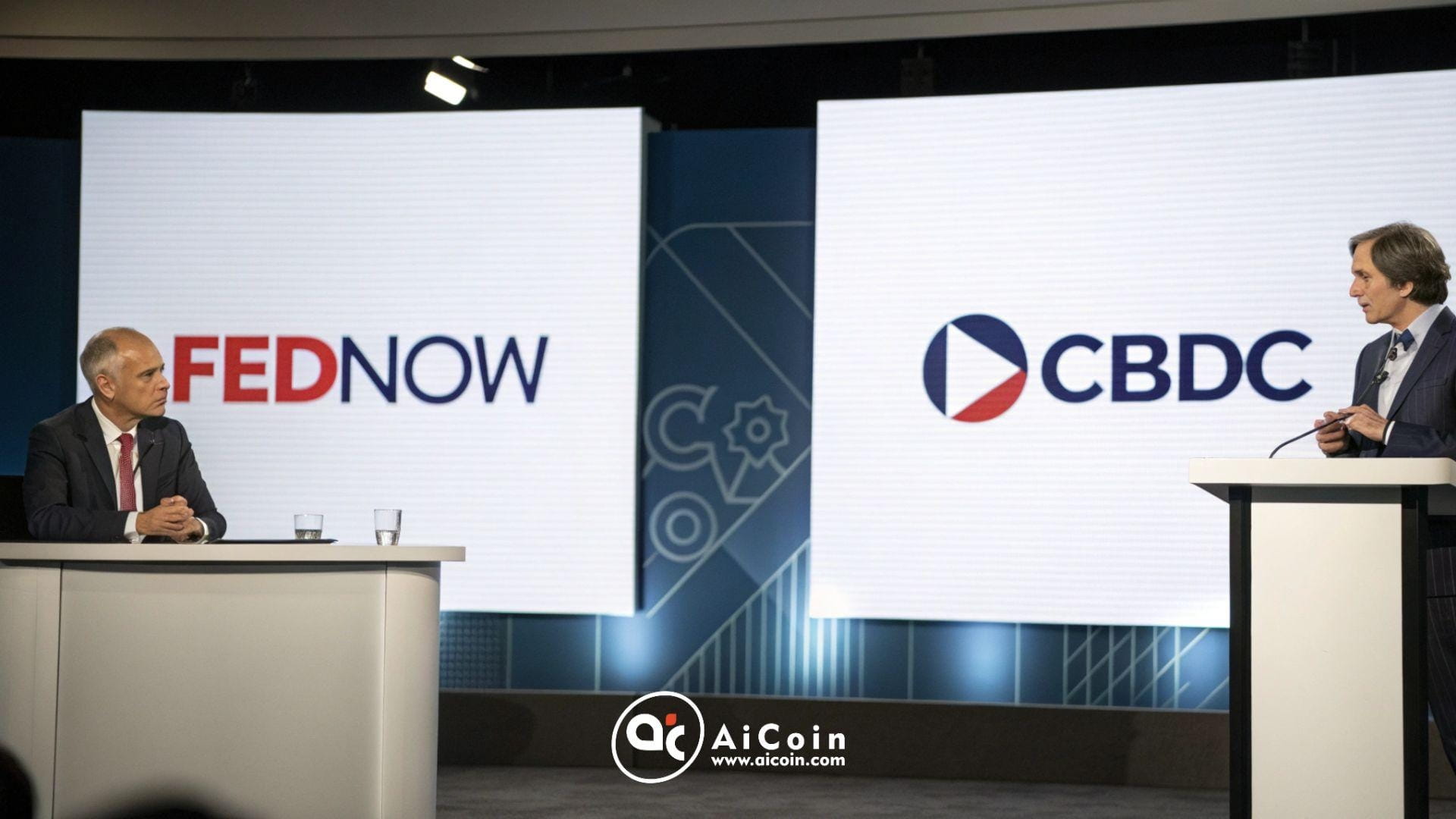
3. Springtime for the crypto industry? Market reactions and future patterns
Powell's 'digital dollar ban' unexpectedly became a shot in the arm for the crypto market. On the day of the hearing, Bitcoin rose by 3%, and DeFi protocol trading volume surged. This phenomenon is backed by two logics:
1. Regulatory vacuum dividend: The Federal Reserve's clear stance of not pushing for CBDC means that private crypto assets will continue to dominate the innovation testing ground. Powell previously stated that 'banks can serve crypto customers', which is interpreted as a tacit recognition of the industry's legitimacy;
2. Alternative demand: If the digitization of the dollar stagnates, stablecoins (like USDT, USDC) may further fill the gap in cross-border payments and inclusive finance.
However, beneath the excitement lies hidden concerns. Democratic lawmakers have criticized the $TRUMP coin supported by Trump as 'suspected of interest transfer', while the Federal Reserve's regulatory framework for cryptocurrencies remains vague. Although Powell has called for 'improving the regulatory mechanism', the specific path remains unclear.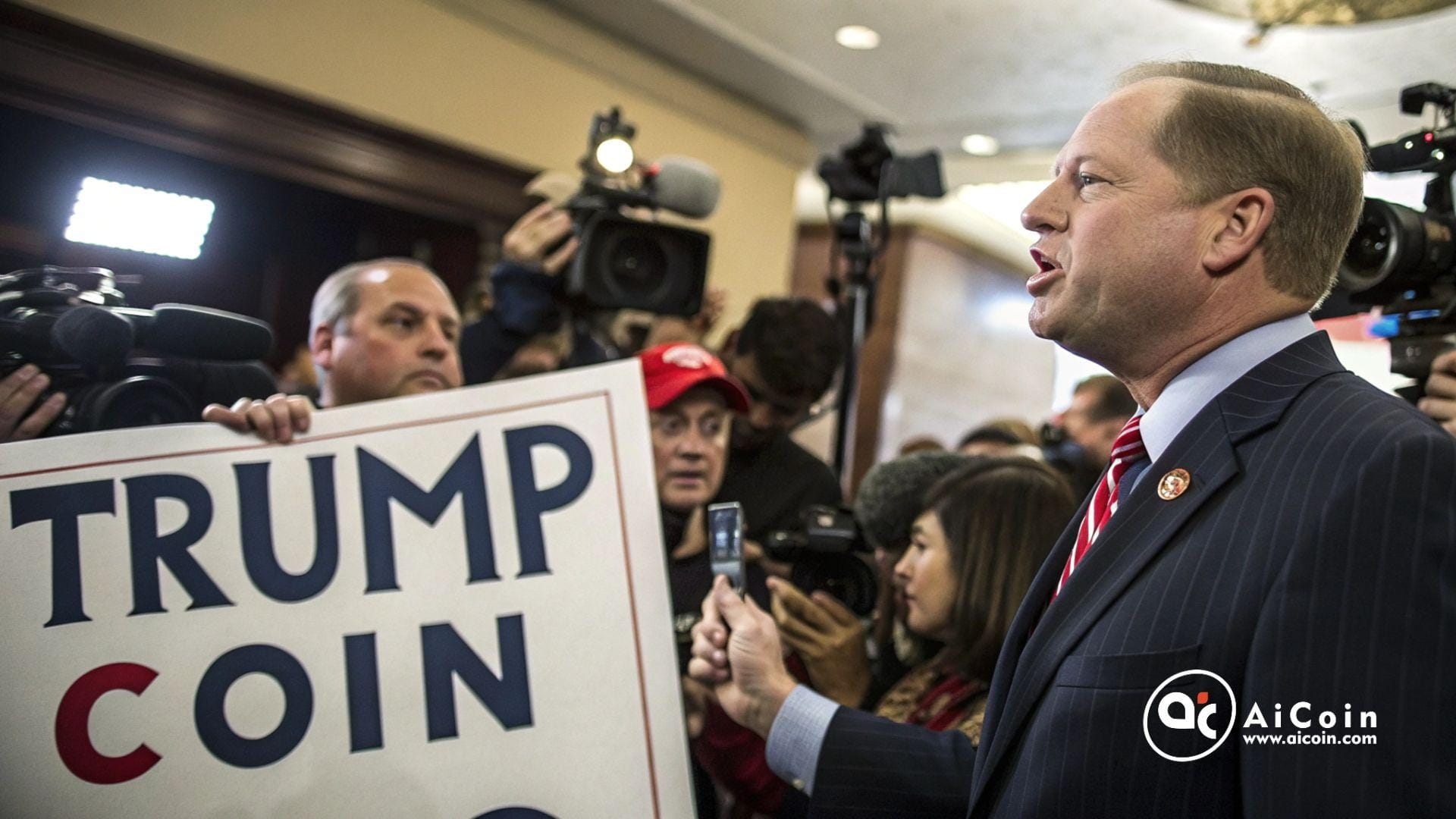
4. The Global CBDC Race: What Does the Federal Reserve's 'Absence' Mean?
As China's digital yuan pilot covers 260 million users and the eurozone accelerates the 'digital euro', the conservative stance of the Federal Reserve appears out of place. Analysts warn that this may lead to the dollar losing its edge in the digital currency era:
- Erosion of cross-border payment hegemony: The digital yuan has connected multiple central banks through the 'mBridge' project, while the dollar still relies on traditional channels like SWIFT;
- Weakening of geopolitical tools: The programmability of CBDC can precisely execute sanctions or welfare distributions, while the absence of the Federal Reserve may weaken the dollar's policy toolbox.
However, some argue that the Federal Reserve's 'late-start strategy' is a retreat to advance—avoiding early entry that exposes technical flaws while observing the trial-and-error experiences of other countries.
5. The Ultimate Question: Is Powell's legacy a 'Guardian' or a 'Stumbling Block'?
Powell's term will end in 2026, and his decision to reject CBDC is destined to become a controversial legacy. Supporters argue that he resisted the temptation of a 'technological utopia' and maintained the stability of the financial system; critics accuse him of clinging to the old order, causing the U.S. to fall behind in the currency evolution race.
Regardless of whether the Federal Reserve takes action, the wave of digital currency is irreversible. As private stablecoins and foreign CBDCs encroach on the dollar's share, Powell's successor may face tougher choices.
Disclaimer: The above content does not constitute investment advice.
If you have questions, you can contact us through the following official channels:
AiCoin official website: www.aicoin.com
Telegram: t.me/aicoincn
Twitter: x.com/AiCoinzh
Email: support@aicoin.com
Group chat: Customer service Yingying, Customer service KK