


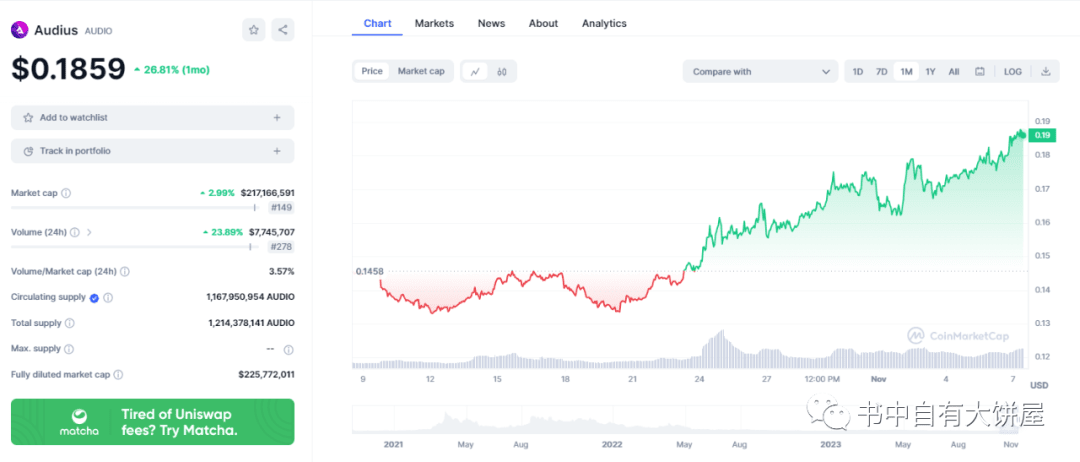
Today I will continue to talk about a music-related project. I should have talked about two of them before, one is the music big data VIB, and the other is the blockchain QQ music Opulous. The one I talked about today is similar. It is also a music platform, and its recent growth has been pretty good. , it is Audius, and its current market value has reached 200 million US dollars, reaching 150+, so we must talk about this project.
Introduction
Audius is a decentralized music sharing and streaming protocol designed to facilitate direct transactions between listeners and creators, allowing everyone to freely distribute, commercialize and stream any audio content. AUDIO is the native token of the network.
In recent years, the audio entertainment market has shown a booming development trend. With the popularity of smartphones and the development of mobile Internet, people's demand for audio content is getting higher and higher. However, existing audio entertainment platforms have many problems, such as copyright disputes, unfair revenue distribution, and uneven audio quality. For example, the music industry generates US$43 billion in revenue every year, but only 12% goes to content creators. Additionally, artists have little control over how their music is distributed and no clear visibility into who is listening to their music on streams. The emergence of the Audio project is precisely to solve these problems and promote the healthy development of the audio entertainment industry.
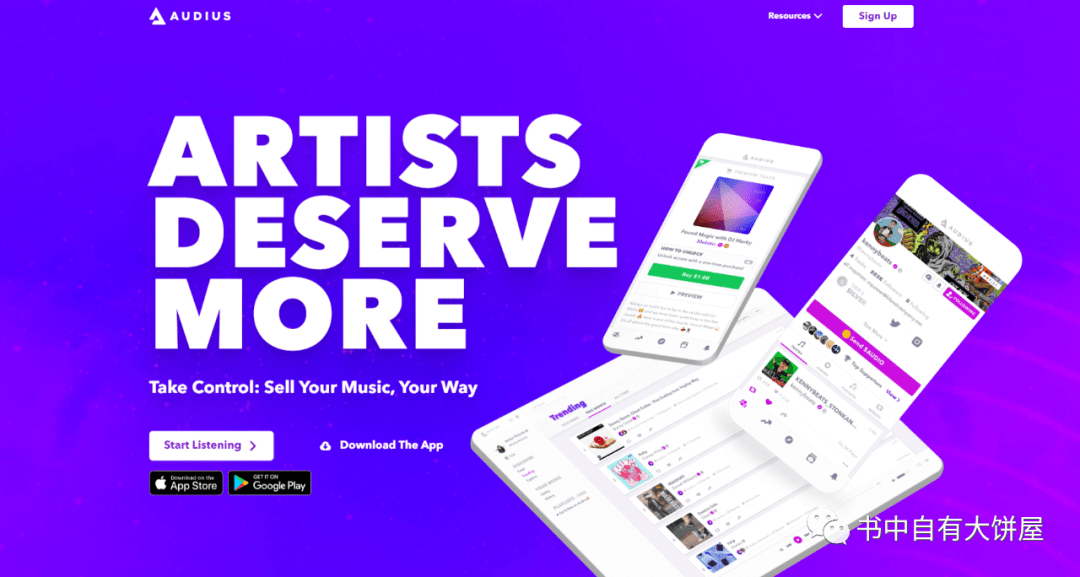
Audius is a desktop and mobile application that supports music streaming platforms where users can discover and listen to music.
Like traditional centralized music services, users can create playlists, browse genres, and view currently popular songs and artists. Artists can curate their homepage with tracks, albums, playlists, and even display non-traditional songs they have collected or created. Fungible Tokens (NFTs).
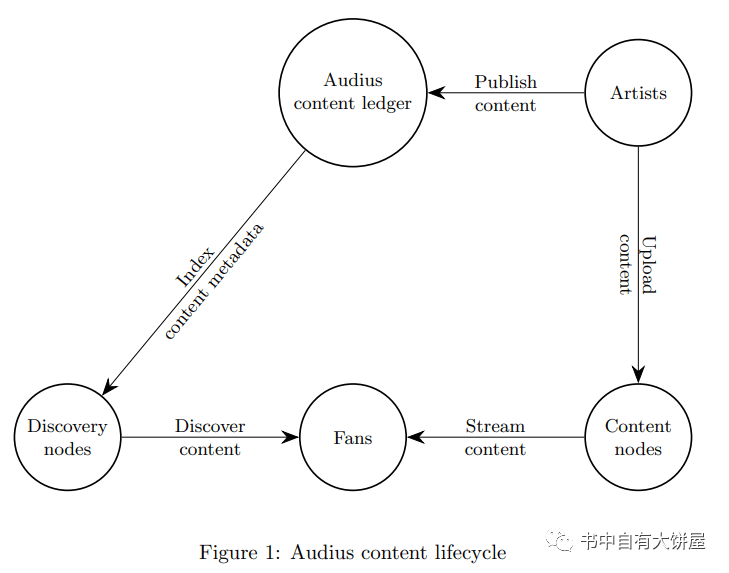
Unlike centralized streaming platforms such as Spotify and Tidal, music streaming on Audius originates from a global network of content nodes rather than a centralized service. Content nodes use blockchain technology to maintain copies of music files on multiple computers around the world, which are built on a decentralized file system called AudsP
Index, a peer-to-peer file sharing system based on the InterPlanetary File System (IPFS). Artists can choose to run their own content nodes to have more control over how their music is delivered to fans—even for selected ones if desired. fan base to unlock certain tracks. Alternatively, artists could allow Audius to select a set of nodes on the network to host their content on their behalf, making the system more censorship-resistant and resilient.
Nodes are also used to make it possible to find music on Audius. The discovery node indexes the metadata of all Audius content, making it easy for music listeners to find new tracks.
Node operators earn AUDIO from the protocol’s aggregated fee pool through the protocol’s annual token issuance (set at 7%) and by registering their nodes with active stake.
Artists are able to earn AUDIO tokens if their tracks appear in the platform’s top 5 weekly trending tracks or top 5 weekly trending playlists. Musicians can also earn tokens by transferring Twitter or lnstagram blue check verification to Audius and uploading their first content
AUDI0 token holders, whether listeners, artists or node operators, can vote in the Audius governance protocol. This decentralized autonomous organization (DAO)-like system supports the Web3 ethos of the platform and allows users to have a say in the future development of the service. The proposals presented here may determine new feature integrations, royalty structures, reward distribution, and more.
Components
The Audius protocol allows artists, fans and node operators to work together to provide high-quality end-user music streaming experiences without the need for centralized infrastructure. The protocol consists of the following 5 components working together:
1. Audius tokens, stable coins and artist tokens:
A platform token and shared token economic system that aligns the incentives of all participants with three main functional areas: access, security and governance.
2. Content nodes:
A network of user-operated nodes that host content and manage access to it on behalf of artists.
3. Content ledger:
A single source of truth for all accessible data within the Audius protocol, used to anchor references to content hosted by content nodes.
4. Discover nodes:
A network of user-operated nodes that index the Audius content ledger and provide an easy-to-query interface to retrieve metadata.
5.Governance:
Mechanisms for modifying and improving Audius, sharing control with those who continue to create value (Section 6).
These components work together to enable the Audius Protocol to deliver a decentralized music streaming experience while ensuring that participant incentives are aligned with key functional areas of the protocol.
Project Features
Audius improves existing music platforms in 3 main aspects:
1) Durability
Platforms like Myspace, Youtube, SoundCloud, etc. have all changed the rules for creators multiple times, and we’ve seen artists lose followers, views, and revenue streams time and time again. We want artists to build their following on a platform that exists forever, regardless of the health of the company running it. This is the promise of community ownership that blockchain-based platforms like Audius bring.
2) Artist control
Artists never control the platforms to which they contribute content. We at Audius believe that artists should have the right to vote on changes to the Audius protocol, including issues such as content distribution and monetization structures. By creating a community-owned level playing field for artists, everyone wins.
3) Transparent payment
Payments to artists on centralized platforms like Spotify and Soundcloud are slow and opaque. Today, paying for streaming takes anywhere from one month (for a completely independent artist) to 18 months (for a major label). We can change this by using a blockchain-based public ledger for near-instant, fully transparent payments.
data
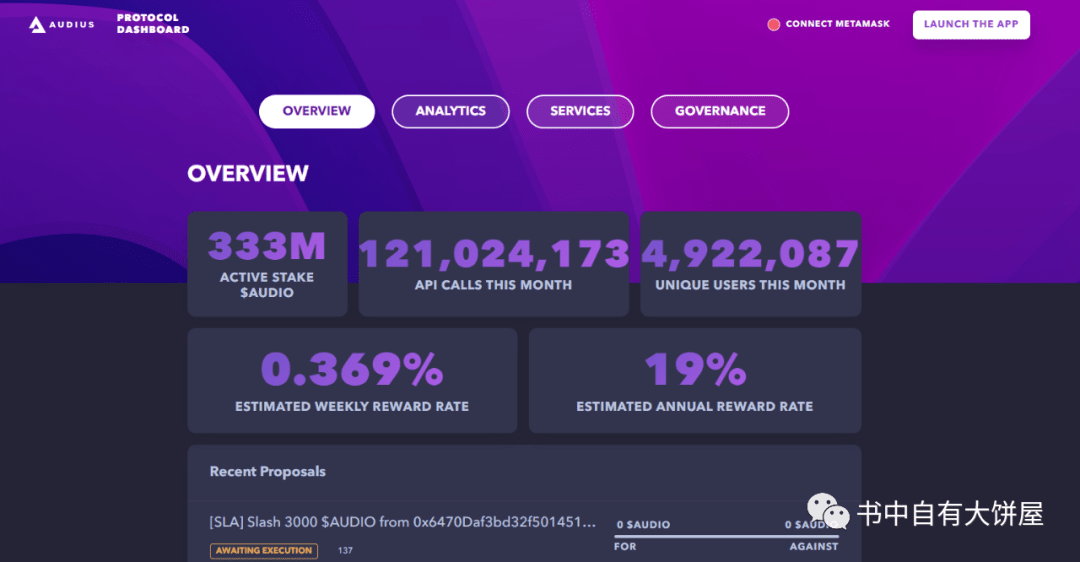
Audius already has 4.9 million monthly active users (MAU), more than 100,000 track resources, and more than 1 million played content. Audius has now cooperated with top artists such as deadmau5, 3LAU, and RAC to jointly promote the popularization of crypto assets in this field.
Financing
At present, the Audio project has completed Series C financing, with a financing amount of US$10 million. In the previous Series A and Series B financing, the Audio project received US$2 million and US$4 million in financing respectively. To date, the Audio project has raised a total of $20 million in financing.
Token economy
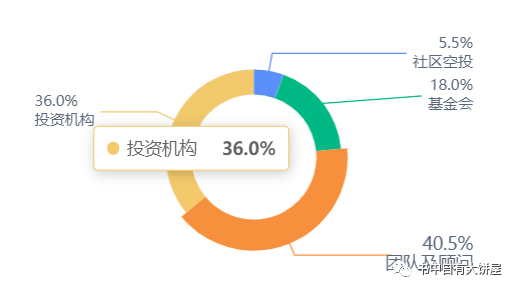
The current total amount is 1,214,378,141, and the circulation is 1,167,950,954, which is almost finished. The current token price is 0.19 US dollars, and the peak was $4.9783 (2021-03-27). This project was issued in 2020. The team’s currency holding ratio 40.5% is relatively high, but fortunately it is basically out of circulation now.
To sum up, the opulous project we talked about before has a lower market value, only 20 million US dollars, while Audio has 200 million US dollars, a difference of 10 times, and currently, regardless of the number of users, products, number of works, star musicians Judging from the above, Audio is even better. After all, Audio is also invested by Binance, so it will definitely support it. Then the music field is also a big market. It depends on how blockchain stirs up this area. In fact, there are still many things that can be done around this area. For example, they not only make online music, but also peripherals, etc., so the market can still Yes, big enough.