


The massive traffic from Telegram
On September 13, 2023, Telegram officially launched the natively embedded TON Space and announced the integration of the TON blockchain ecosystem. The newly launched self-custody wallet feature is directly integrated into the Telegram app, enabling 800 million active users to conveniently manage their digital assets on the platform. As a result, the number of on-chain wallets on the TON blockchain has surpassed 100 million, making it the fastest public chain in blockchain history to reach over 100 million wallets from the beginning of the year to October.
Telegram's integration strategy aims to convert its vast user traffic base into the user base of the TON ecosystem. Through innovations like gasless transactions, social finance, NFTs, and Mini Apps, Telegram is building a richer, decentralized social platform. This way, Telegram integrates blockchain technology into its core business, providing users with new social and financial services, thereby enhancing user stickiness and ecosystem value.
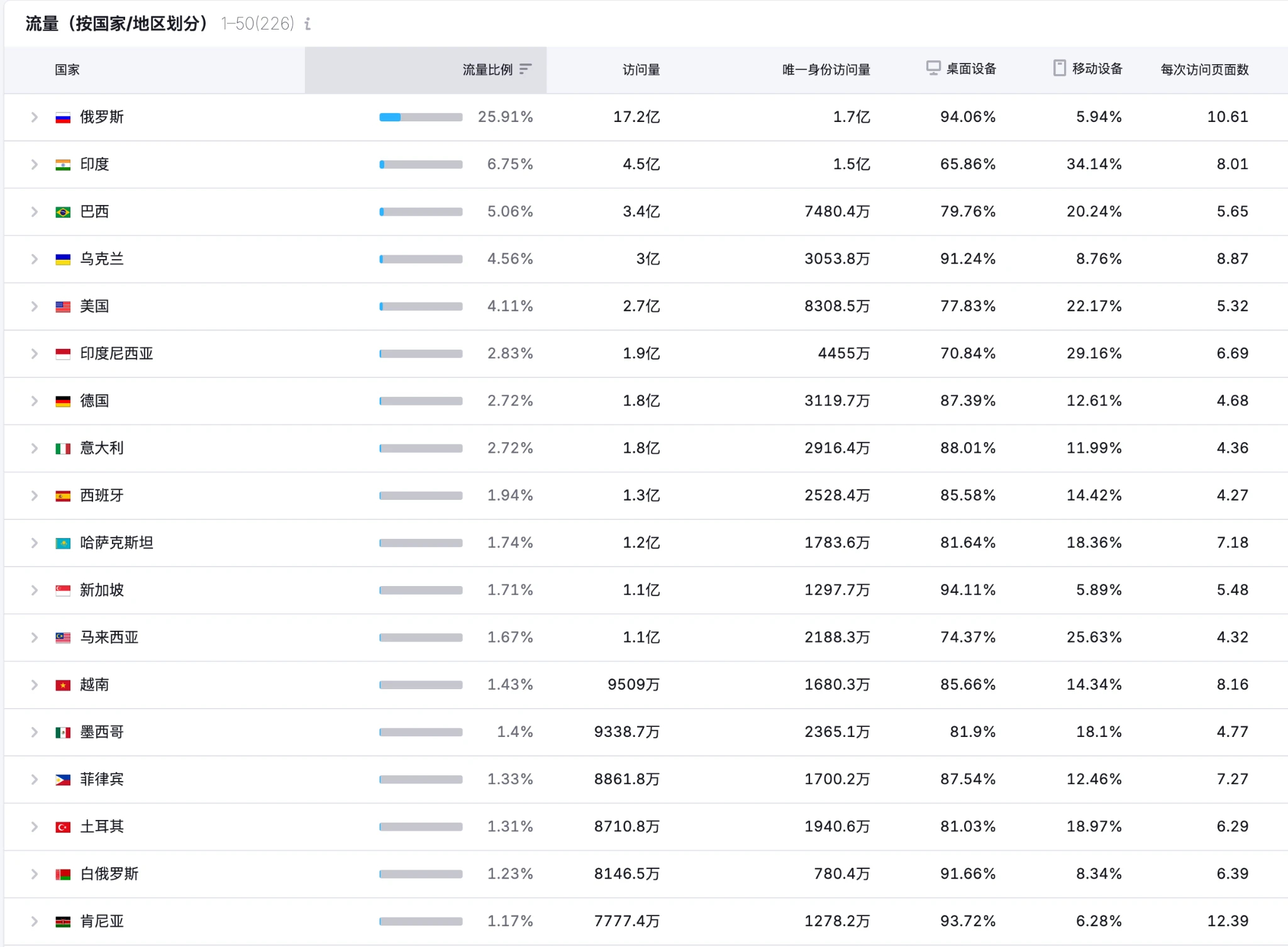
TG traffic sources, Source: Semrush
Our analysis of traffic sources from October 2023 to October 2024 shows that about 25.9% of Telegram traffic primarily comes from Russia, which is highly correlated with the significant ecological position of Russian project parties in the TON ecosystem. We indeed observe strong influence from Russian market makers like Gotbit within the TON ecosystem. However, this also means that the TON ecosystem may face stricter judicial scrutiny from Europe and the US. Additionally, high-traffic countries include India and Brazil, with 450 million and 340 million visits respectively. After deduplication, the single visit count from the US ranks third, with substantial traffic as well.
With the support of the massive traffic base from Telegram, since the TON Foundation took over development, its monthly active users (MAU) have surged explosively. According to data from Hamster Kombat, TON currently has about 240 million users (accounting for 25% of Telegram's MAU). Numerous lightweight applications (TAM) have attracted a considerable user base, leading to significant wealth effects, including applications like DOGS, NOT, Catizen, Rocky Rabbit, and Blum, each with over 20 million users, while there are many projects with over a million users. This large traffic pool coincides with the current lack of users in Web3, bringing opportunities.
Project Details
Product
Architecture Overview
Telegram Mini Apps (TMA) are products similar to WeChat Mini Programs and are developed based on the Telegram ecosystem. Many developers attempt to combine them with the TON blockchain to create Web2.5 internet products. TMA is developed based on web technologies, allowing users to access TMA via all devices, but interactions with the TON chain require the use of the TON chain's specific language FunC and running through the TON virtual machine (TVM) to generate Fift assembly code. TVM itself is implemented in C++.
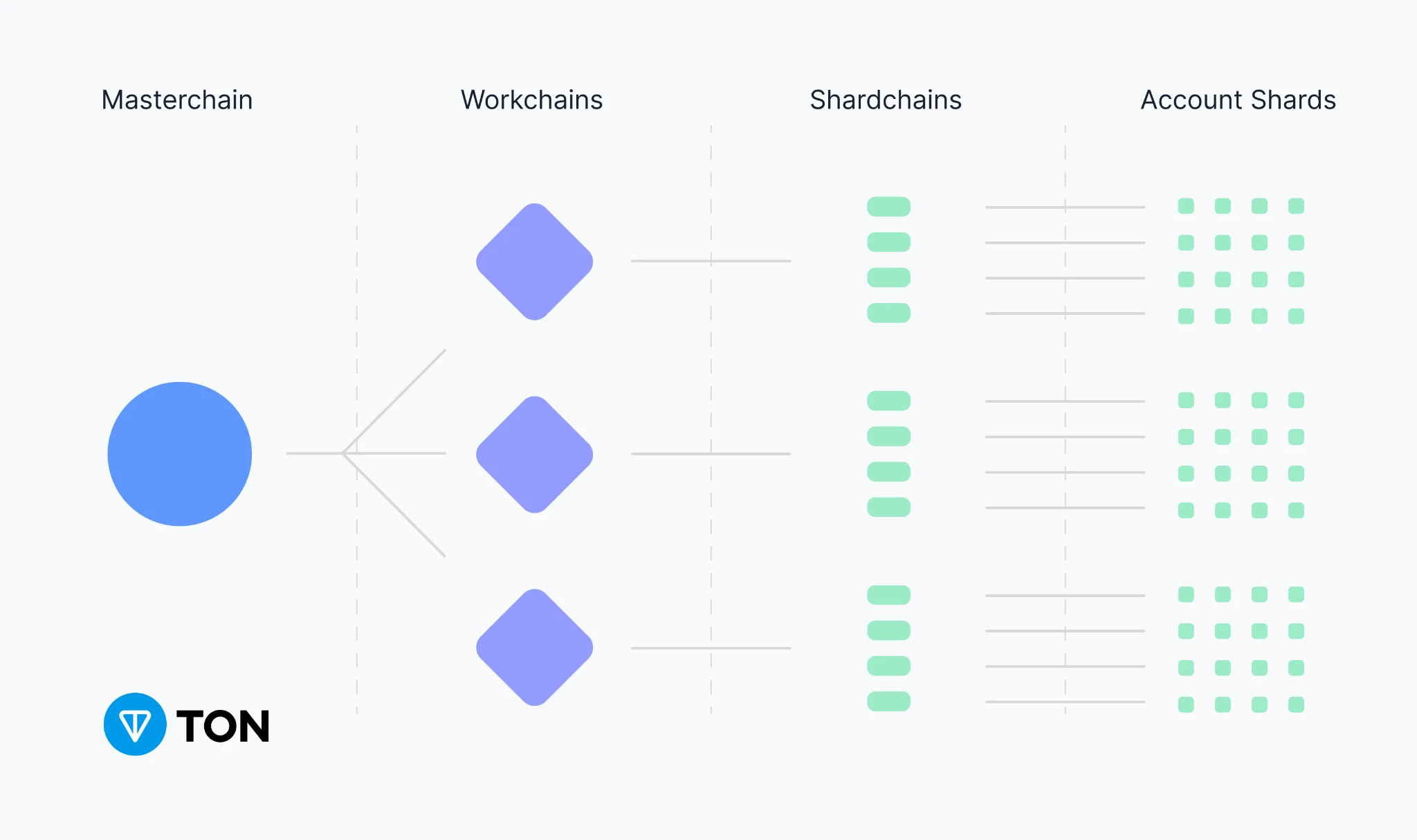
Technical architecture of the TON blockchain
The TON chain adopts a sharded blockchain architecture, divided into four layers. Theoretically, TON can support up to 2³² working chains (Workchains) executing in parallel, each of which can set independent operational rules according to its specific application or transaction needs, and further divided into 2⁶⁰ sub-chains (also called shardchains). However, currently, there is only one shardchain operating on TON, called Basechain. In this architecture, the Masterchain serves as the final state storage chain for all Workchains, storing core information about the protocol, including validator information, and maintaining the latest block hash records for all Workchains and shardchains to achieve consensus across the network. Shardchains are similar to sharded databases, supporting load balancing, meaning that databases or Workchains can automatically split into multiple Workchains to achieve higher concurrent processing capabilities.
Regarding the account model, although called an account chain, it is essentially just a description of how transactions are executed in sequence (Tx1 -> Tx2 -> Tx3 -> …). Accounts do not exist in the form of a chain; they are fundamentally based on the Actor model, which has been widely applied in several blockchains, including the derived Sui Objective model, Polygon Miden, Arweave AO, etc. However, it is worth noting that its architecture is still quite simple at present; despite the design and concept of shard chains, it still operates as a single chain.
Technical Features
Actor Model
In TON, the basic unit is the Actor, which can be understood as similar to a smart contract in Ethereum. Both accounts and smart contracts are regarded as Actors. The Actor model was proposed by Carl Hewitt in 1973, aiming to solve the complexity problems brought by shared states in traditional concurrent programming through message passing. Each Actor has its own independent state and behavior, and does not share any state information with other Actors. Actors have logical execution ability and data storage capability, and in each transaction, the following steps are executed:
1. Something happens (most commonly, an Actor receives a message)
2. Actor processes the event by executing its code in the TON virtual machine according to its properties.
3. Actor modifies its own attributes (code, data, etc.)
4. Actor optionally generates and sends messages
5. Actor enters standby mode until the next event occurs.
The combination of these steps is called a transaction. Each transaction is processed independently in parallel, and each processed transaction can asynchronously send messages to interact with other Actors. This enables concurrency between Actors.
Jetton
In TON, tokens are called Jetton, which are also a type of Actor. User wallet Actors do not directly store Jetton balances. For example, for a meme token called Gate Token, a Mint contract (Jetton) is deployed to generate Gate Token. If a user wishes to hold Gate Token, a new Actor will be generated containing the mint contract address, balance information, and holder address of Gate Token. If 100,000 users want to hold Gate Token, 100,000 Actors will be produced. These Actors theoretically reside on a shardchain, but if a large number of holders send asset operation messages to that Gate Token Actor, sharding can occur. The independent state-based Actor model enables parallel execution and enhances scalability.

Message passing between Actors, Source: TON
Overall, we registered Actor wallets with TON account balances on-chain, but do not store balances of other tokens like Jetton. Other tokens also exist in the form of Actors but have Holder Addresses, and Actors interoperate through message passing.
Development Languages
There are three programming languages available on TON: Fift, FunC, and Tact.
● FunC is a low-level language similar to Lisp, serving as the main programming language for TON smart contracts, emphasizing efficiency and flexibility. This language allows developers to manipulate memory directly for fine resource management. However, due to its low-level features, developers must manage memory manually and handle low-level operations, which requires a high level of programming skill and security awareness. Improper operations may lead to memory leaks, buffer overflows, and other issues, posing potential security risks to smart contracts.
● Tact is a more advanced language, but its complexity is high, and the programming difficulty is relatively large.
● Fift is a low-level assembly and debugging language that interacts directly with the TON virtual machine, suitable for low-level debugging and testing of smart contracts. However, Fift is still in the early stages, and the tools and documentation are not yet complete. Similar to the evolution of traditional development, most engineers have transitioned from early low-level languages (like FunC, similar to C language) to higher-level languages (like C++, JavaScript, Java, and Rust).
Team
Developers Anatoliy Makosov and EmelyanenkoK initiated the Newton open-source community to further promote the open-source development of TON. The Newton team later rebranded to the TON Foundation. Currently, the TON Foundation operates as a non-profit community, attracting over 40 independent non-registered developers from different regions and relying on donation funding for support.
Pavel Durov is the founder and CEO of Telegram. Telegram is a messaging application launched in 2013, attracting over 60 million active users in less than two years. Before creating Telegram, Pavel founded VK, a popular social network in Russia and several other countries with over 100 million active users. In early 2014, Pavel left Russia and VK to focus on the development of Telegram.
Steve Yun is the current chairman of the TON Foundation. He obtained a bachelor's degree in international studies from Simon Fraser University and completed a bachelor's degree in business administration at Douglas College. Steve has held significant positions in various organizations and has played a critical role in the TON Foundation since 2018, from strategic contributor to founding member, ultimately becoming the chairman in 2023. Previously, he served as COO at Koinvestor, responsible for financing nine crypto projects, raising a total of 50 million USD, and leading strategic partnerships.
Dima D is the technical head of the TON Foundation, holding an associate degree from the Moscow Aviation Institute and Moscow State Technical University, and a bachelor's degree in computer science from University College London. He has served as an engineer at Stealth, ivi.ru, and The Open Platform, and joined the TON Foundation as a product lead in September 2022, later promoted to technical head in August 2023.
Financing
The earliest TON token was named GRAM and was issued in the form of an ICO. From January to March 2018, it was conducted in multiple closed ICO rounds. The first phase was for trusted individuals and company insiders. The second phase was public fundraising (minimum subscription amount of 1 million USD), aiming for 850 million USD, ultimately raising 1.7 billion USD, while the third round was canceled due to oversubscription. However, in June 2020, under pressure from a US court, it announced the return of ICO funds, but could only immediately return 72% (about 1.22 billion USD), with 110% being returned one year later.
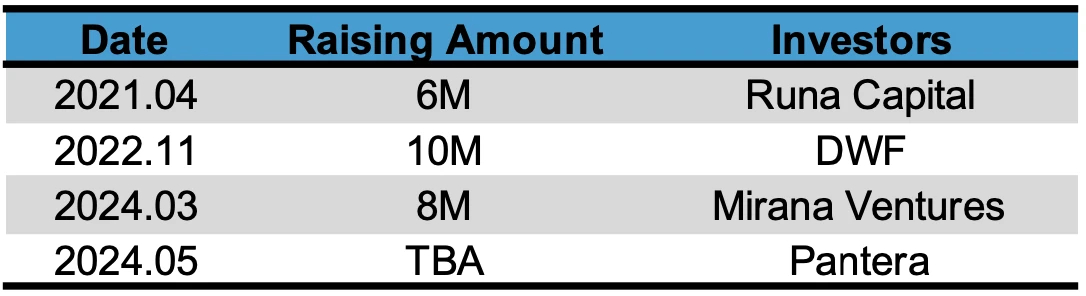
OTC financing situation
Ton Chain Ecosystem Development
Past
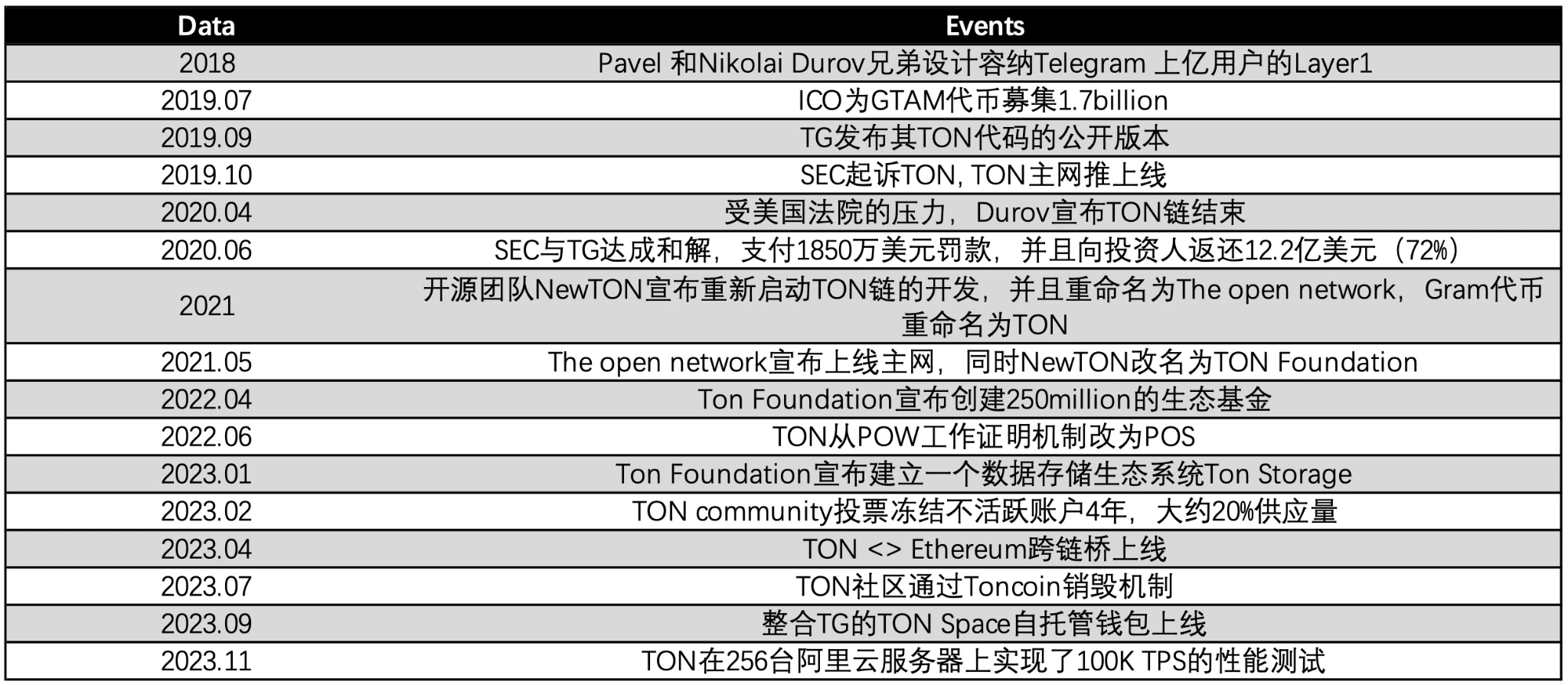
Historical Development of TON
Now
Community
User Community

Social Media Statistics
Developer Community
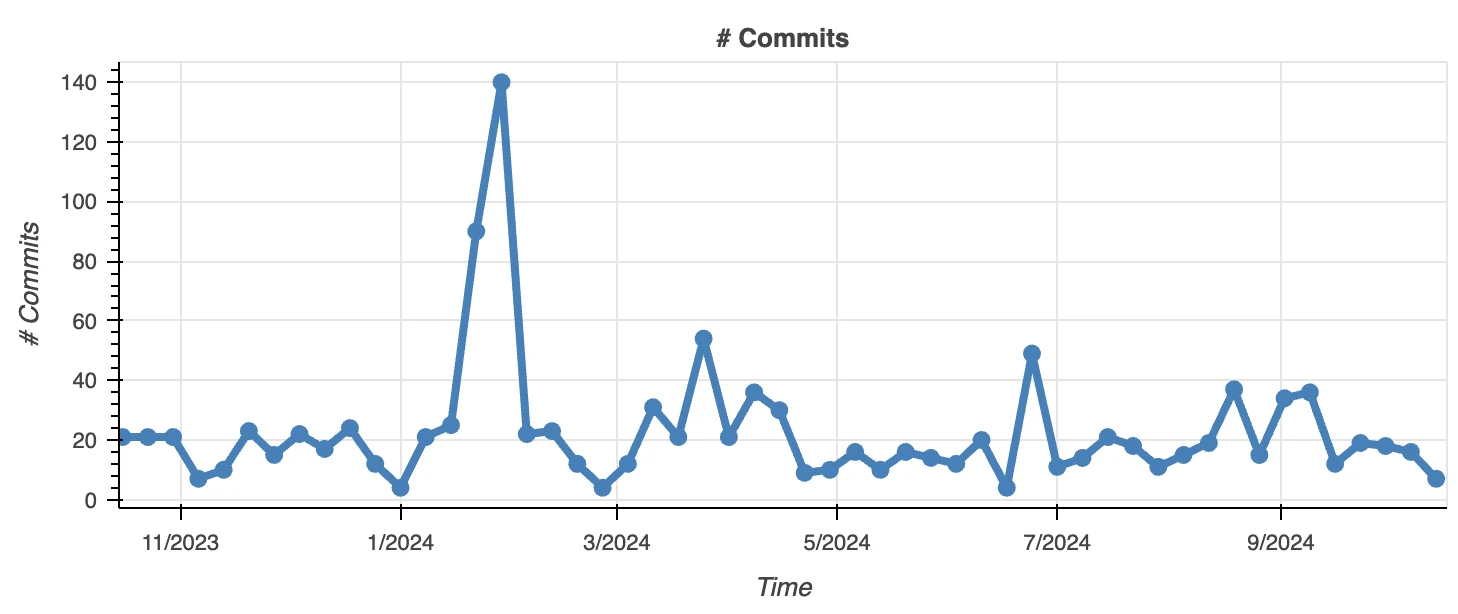
Commits, Source: Cauldron
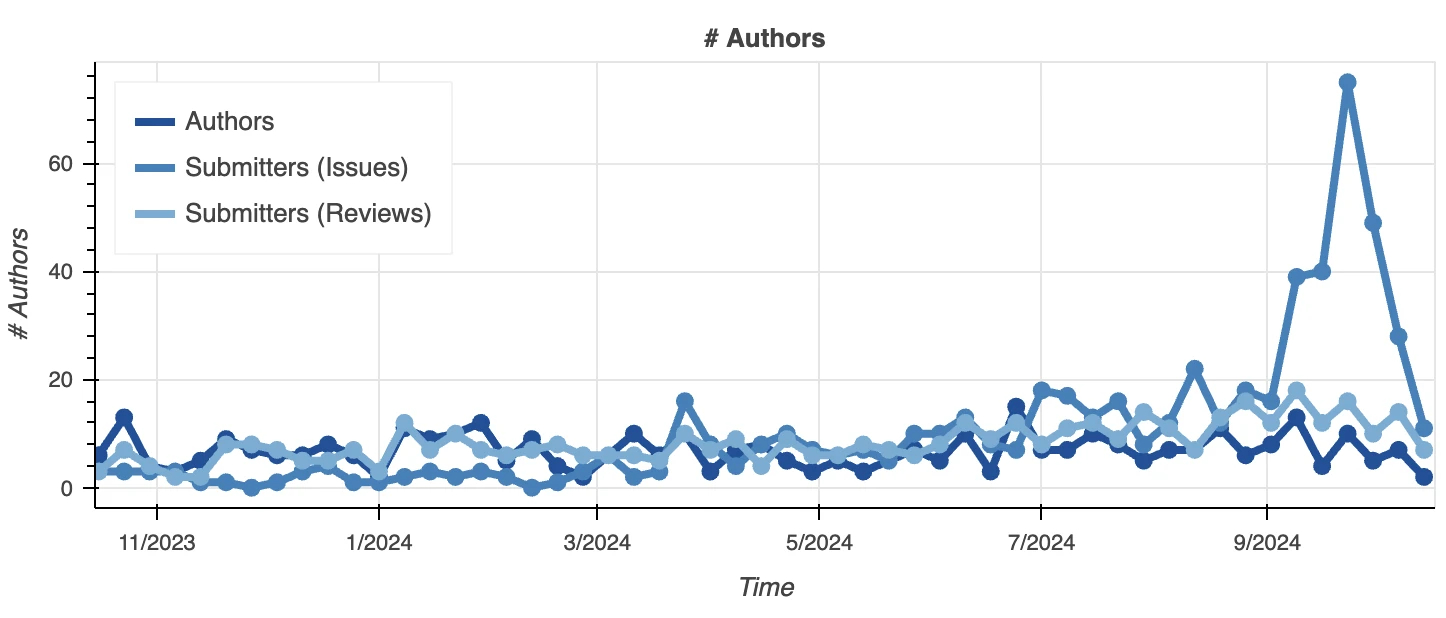
Authors, Source: Cauldron
The development progress of the TON developer library remains active and stable, with an average of about 10 submissions per day. The number of core developers also maintains stable submissions of code issues and reviews.
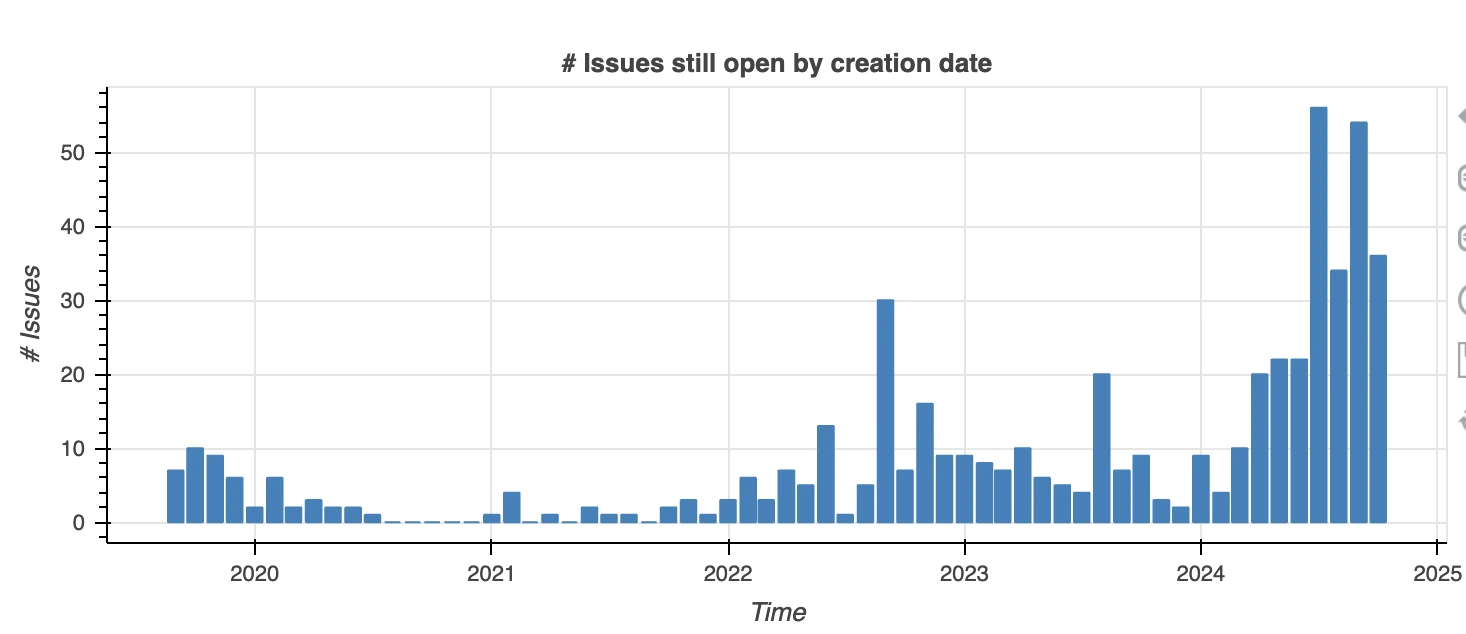
Issues, Source: Cauldron
The increased attention to the TON ecosystem and developer participation has led to a sharp rise in the number of issues in the codebase, and the number of developers may still face shortages.
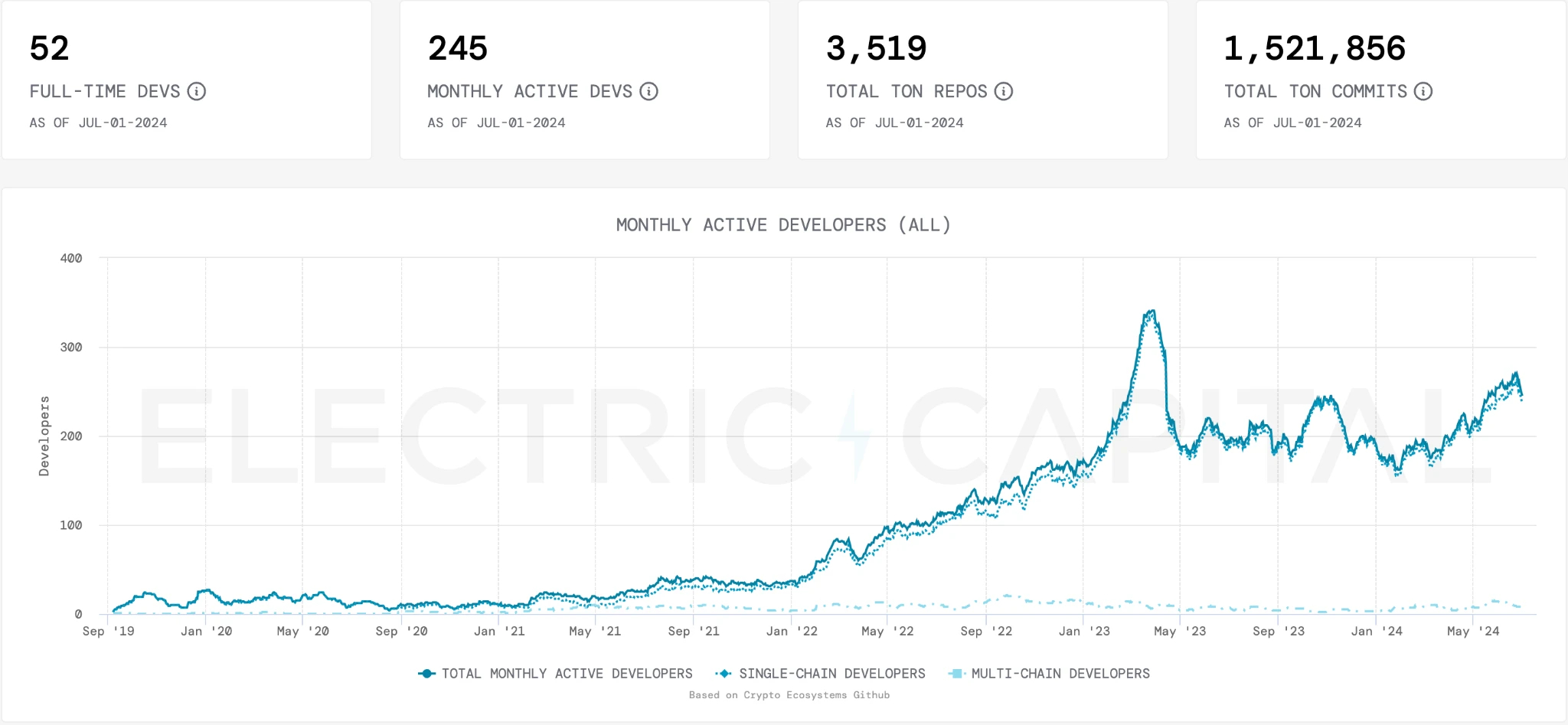
Developer growth, Source: Electric Capital
Due to TON's unique development language and virtual machine, the number of professional developers remains relatively low. Many on-chain projects choose to outsource development, but overall, the developer ecosystem of TON is still in its infancy and has significant room for growth in the future.
Ecosystem Landscape
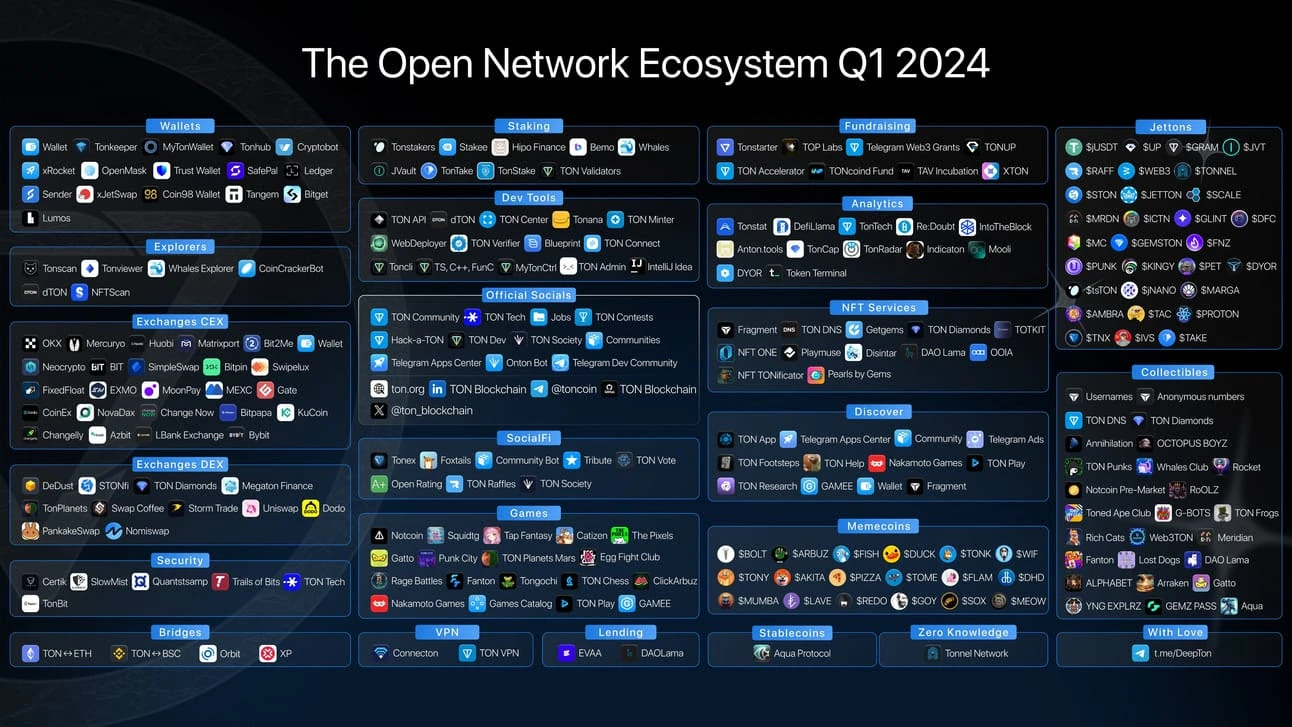
Ton Ecosystem, Source: Crypto Rand
During the development process of the TON ecosystem, the initial application explosion shows a diversified, consumer-level trend, which is a direction currently lacking in the industry. At present, the main applications accumulating a large number of users on TON are simple games of the 'Tap to earn' type with no entry barriers, and the vast traffic has revealed its potential to the industry. For example, in WeChat, the top ten applications in terms of monthly active users (MAU) are all consumer applications, proving that consumer-level applications are the real necessity and have long-term growth potential. It is recommended to explore consumer applications in productivity tools as a test.
Next, we will introduce the development status and potential opportunities of TON ecosystem applications by category.
Utilities
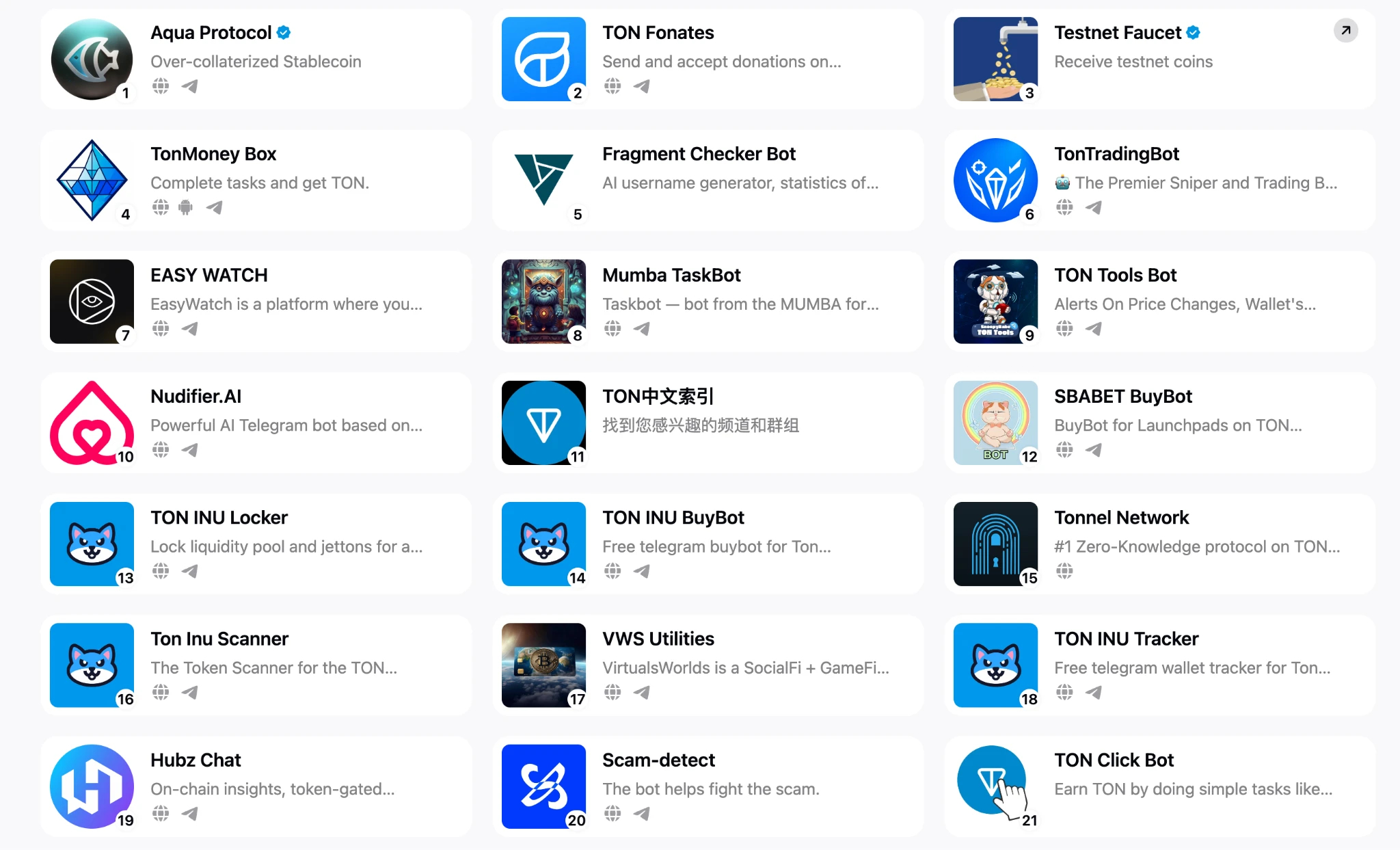
Utilities, Source: ton app
GameFi
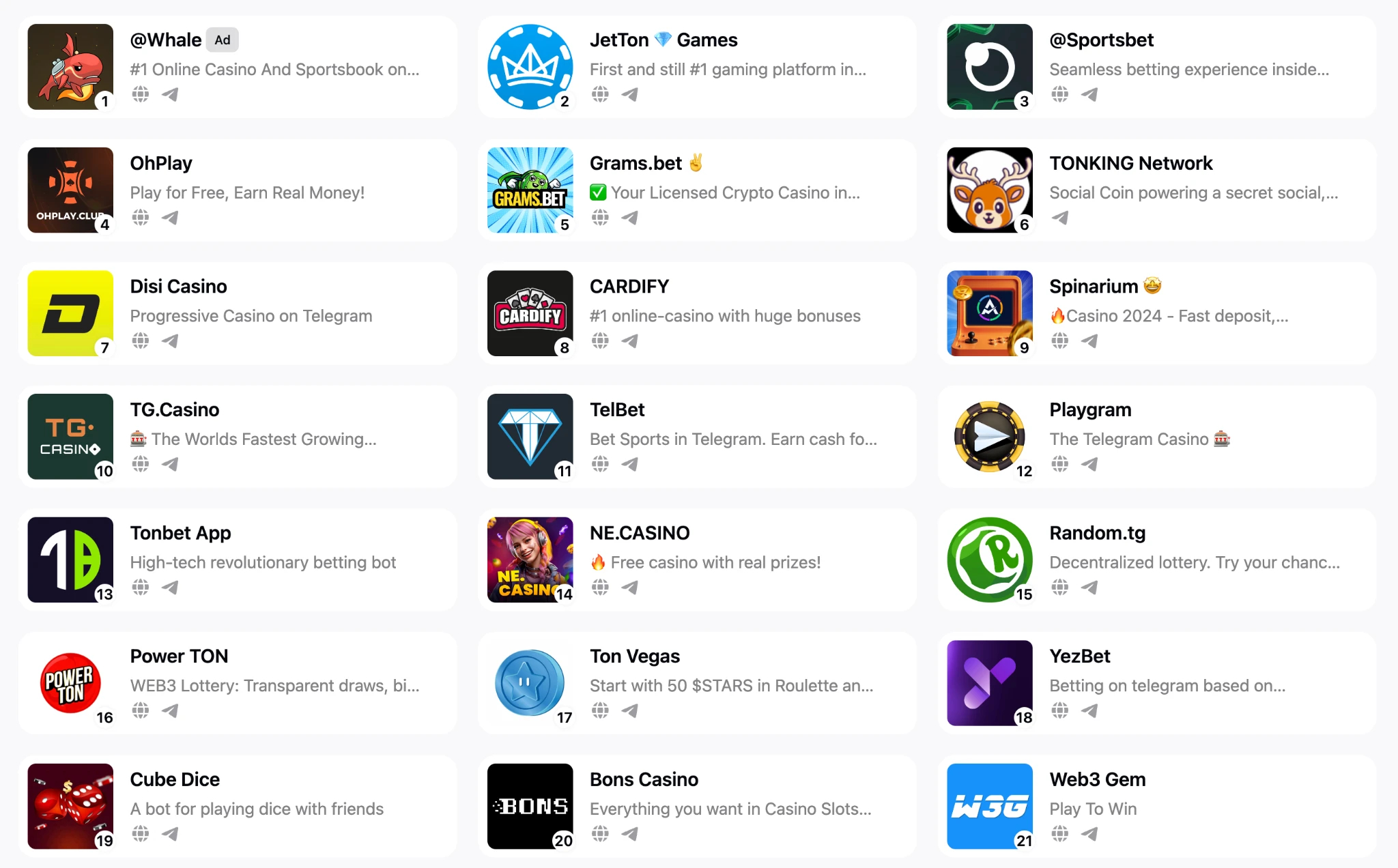
Gambling, Source: ton app
Currently, the Gambling type game JetTON Games has the highest monthly active users (MAU), reaching 4.3 million. Its main model is to collect Tickets through mini-games like 'Cutting Watermelon', task platforms, and in-app purchases, allowing users to share the prize pool.
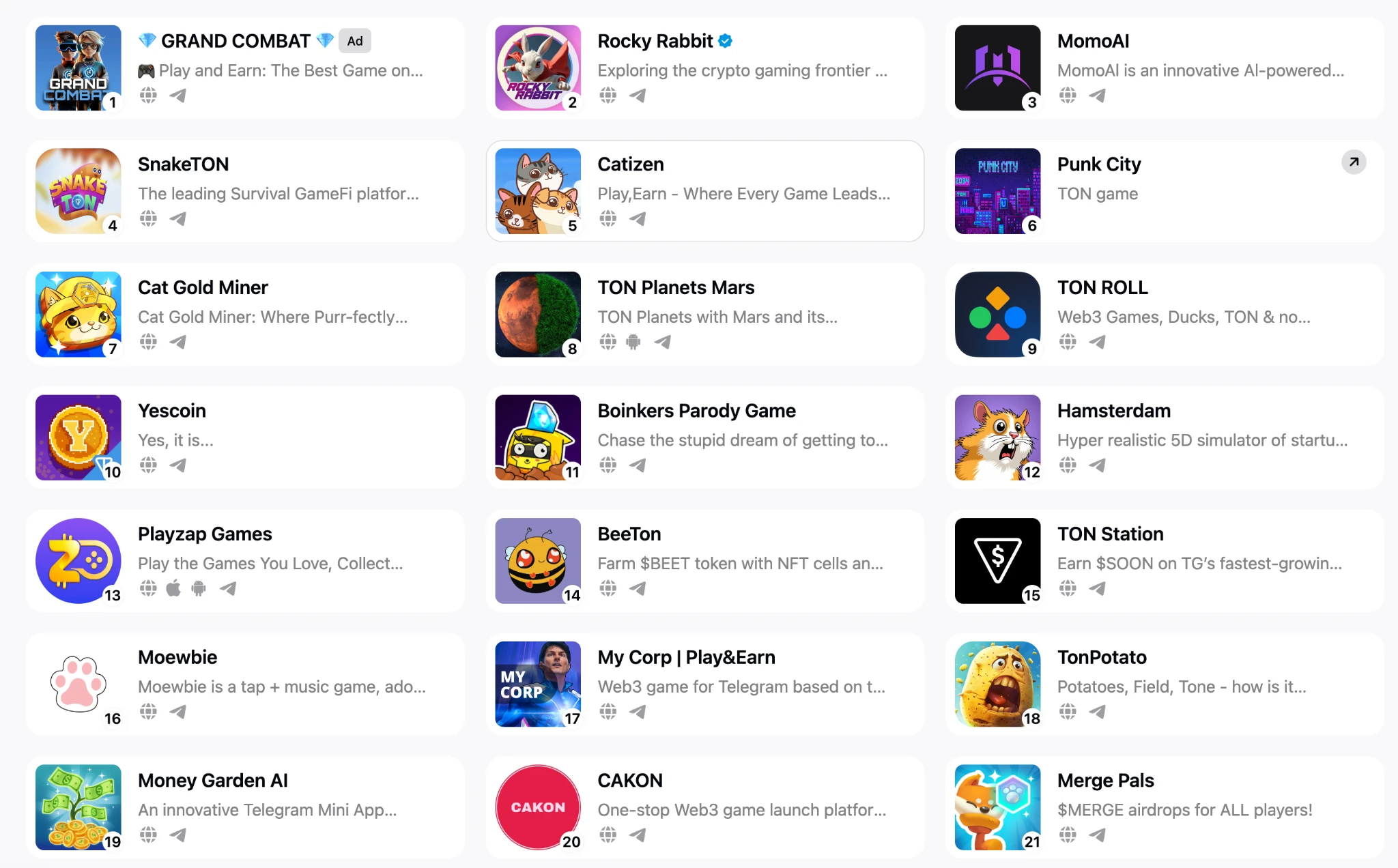
Gaming, Source: ton app
Among non-Gambling type games, Rocky Rabbit is currently the most popular game, with its channel having 8.7 million subscribers. However, we find its gameplay remains quite simple, typically combining casual gaming with a task platform and in-app purchases.
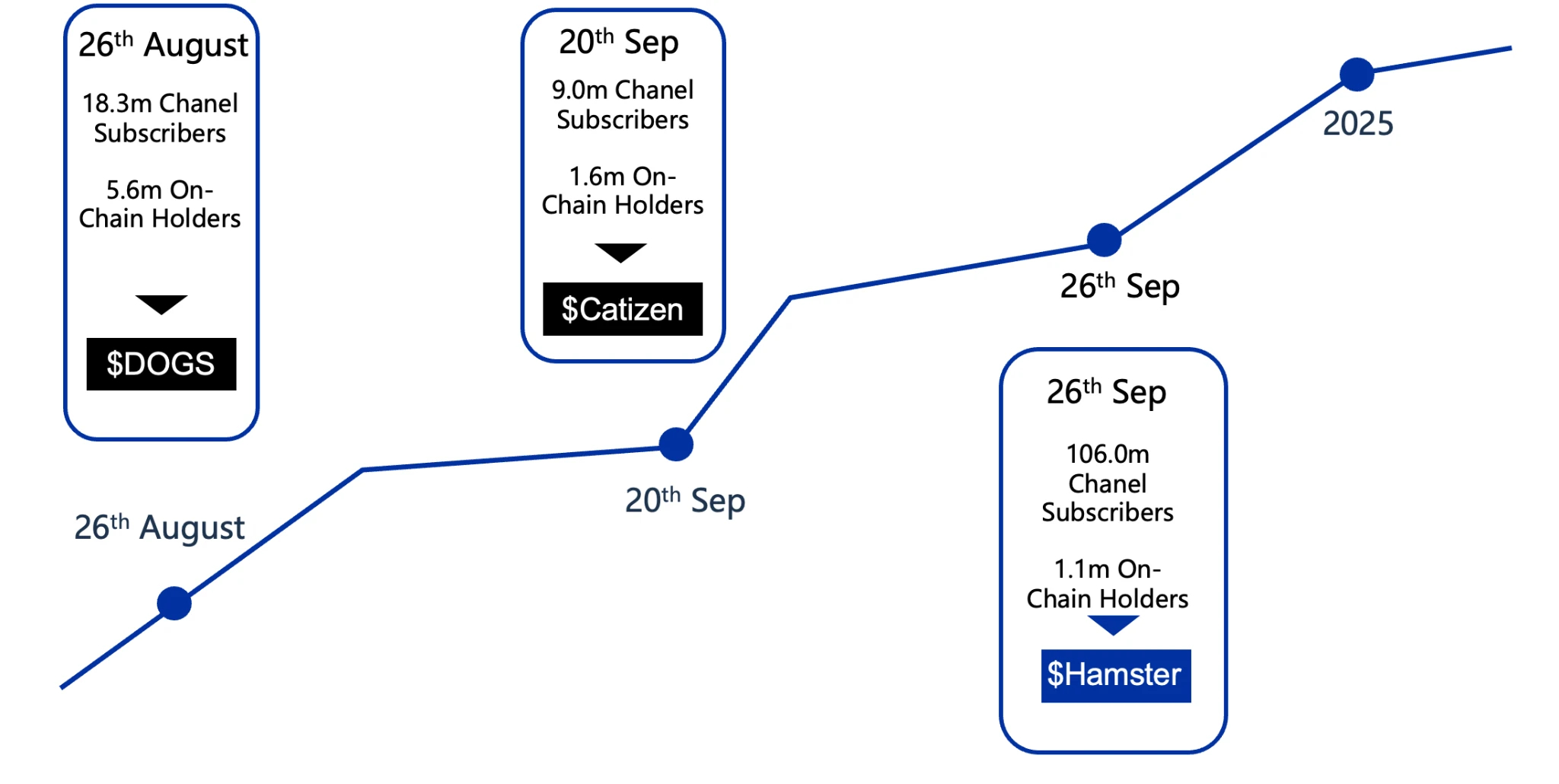
GameFi iconic ecosystem TGE time
We also noticed that the popularity of most projects is merely due to airdrop expectations, and once the airdrop ends, their data will decline significantly.
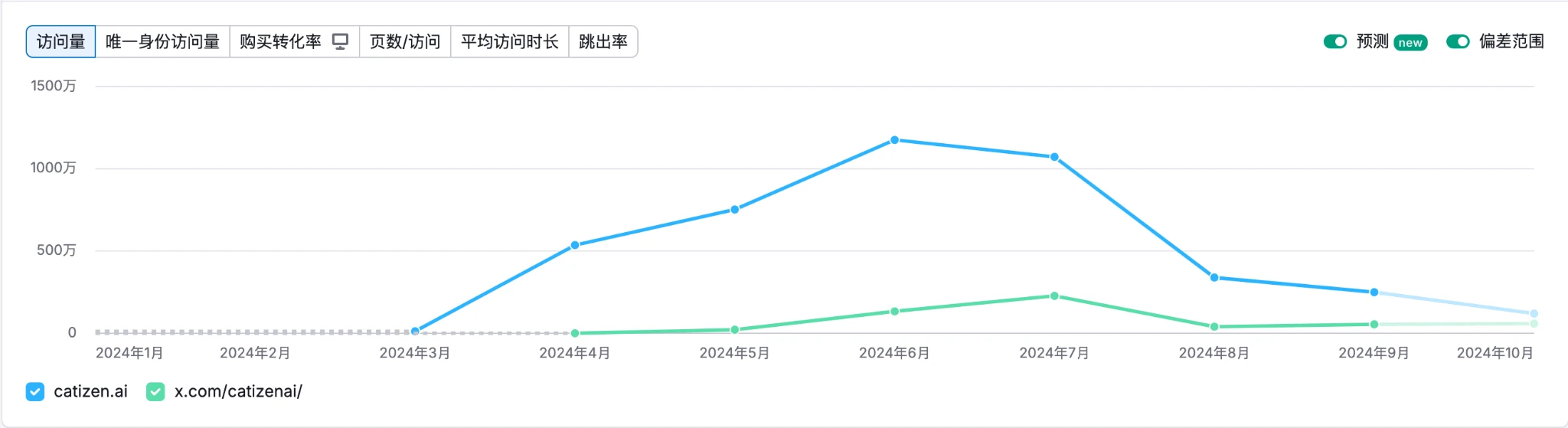
Catizen Data Analysis, Source: Semrush
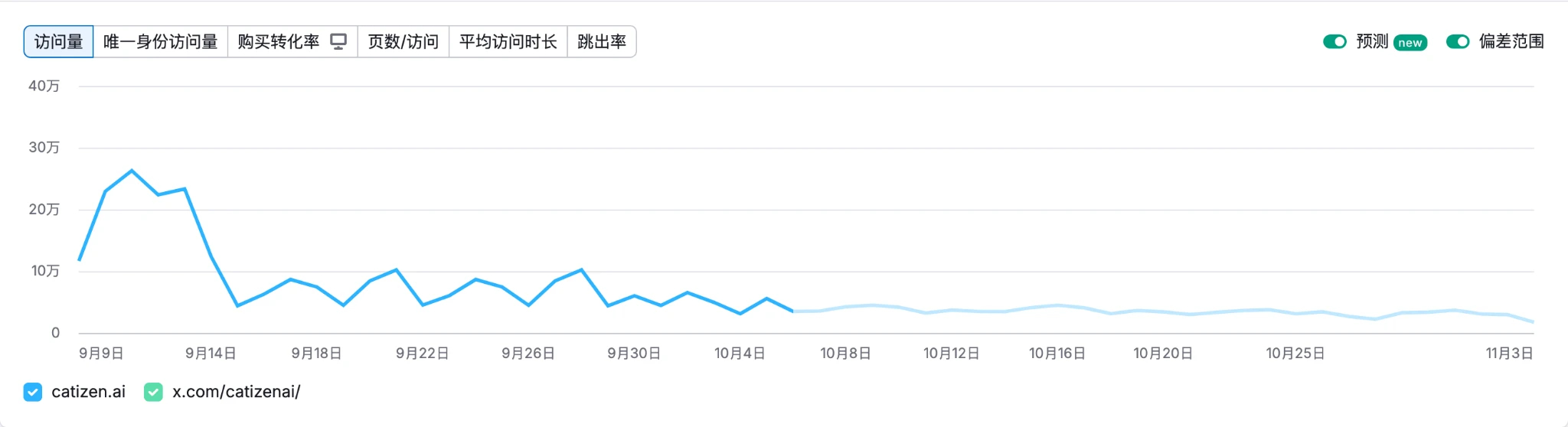
Catizen's data over the past month, Source: Semrush
Taking Catizen as an example, we analyzed its official website Catizen.ai and X page data. Traffic peaked in June and July due to the team announcing two rounds of financing in June and July, with Binance leading the strategic round of financing in July. Since then, Catizen's data has repeatedly set new highs, reaching 585,218 daily active users (DAU) and 8,914,877 channel subscribers.
However, after the team announced the start of the airdrop event on September 14, visits plummeted from 260,000 daily visits to 36,000, a decline of 86%, with a retention rate of only 14%. A similar situation occurred during the token generation event (TGE) of Hamster Kombat on September 26, where the retention rate of visits to its official website was only 7%. The retention rate data indicates that TMA's quality improvements can indeed significantly enhance user retention. Despite the substantial drop in data, due to the large base, a considerable user group remains.
Consumer Dapps
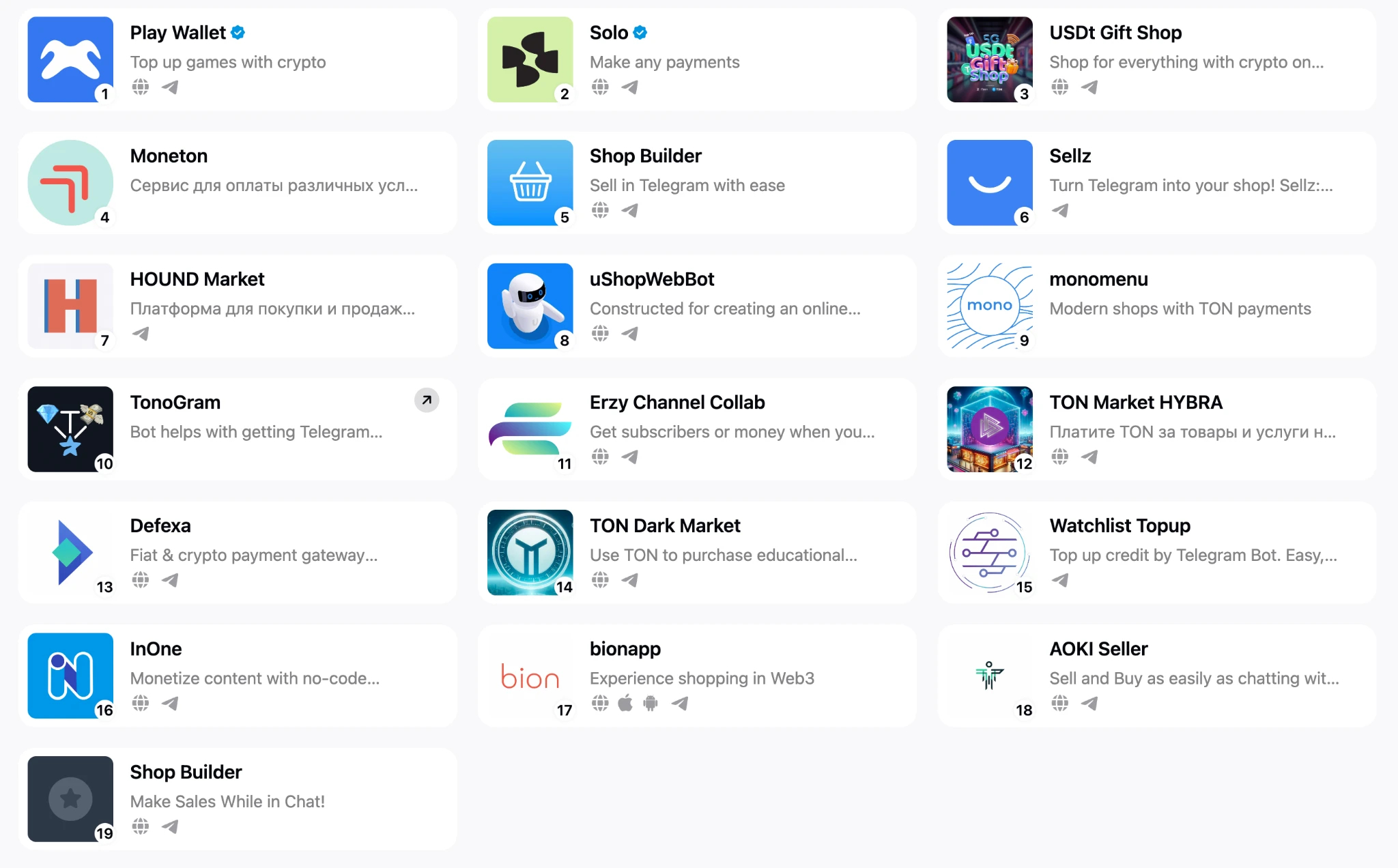
Shopping, Source: ton app
Such products (like Play Wallet and Solo) even default to Russian as the language. Play Wallet provides fiat on-off ramp services in partnership with third parties, while Solo supports cryptocurrency top-ups for global mobile cards. As H5 Web applications (WebAPP), their user experience (UX) remains less fluid. Meanwhile, the monthly active users (MAU) of these applications are also low, requiring further exploration of product-market fit (PMF).
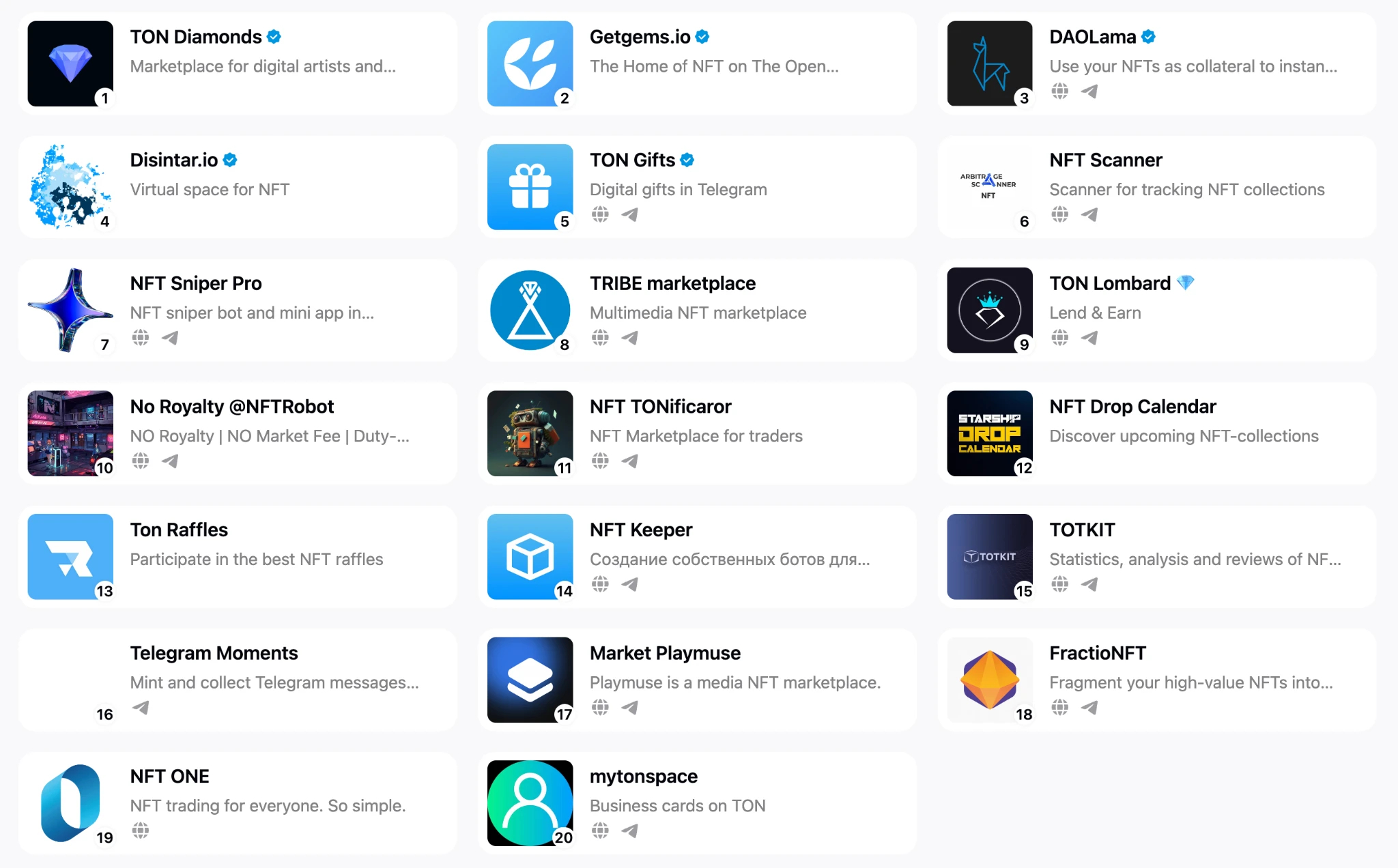
NFT Service, Source: ton app
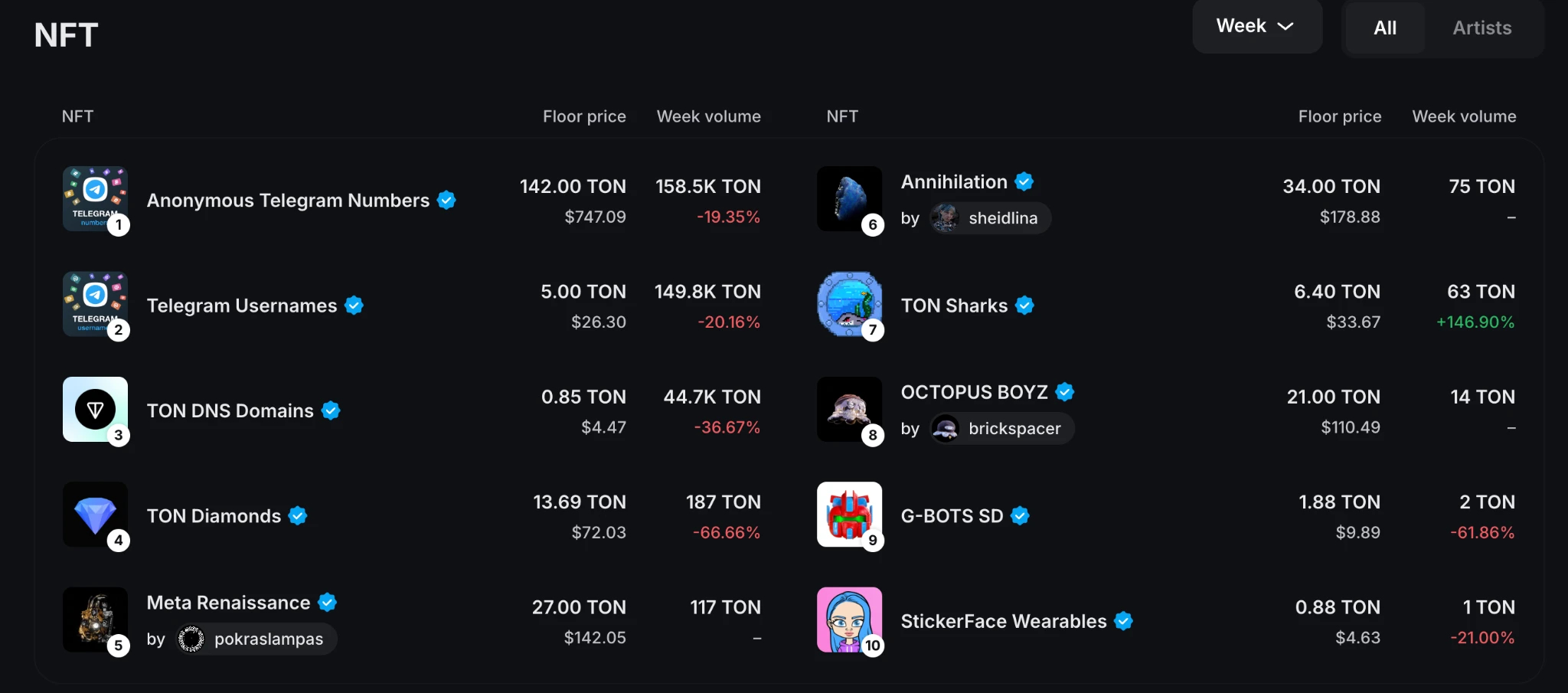
Ton Diamond Volume, Source: Ton Diamond
Among the NFT trading platforms built on TON, the largest trading platform, Ton Diamond, has a weekly trading volume of only about 1.8 million USD, and liquidity remains relatively weak. However, as an ecosystem centered around the social platform Telegram, there are many content areas with NFT potential and natural suitability for NFT's identity recognition attributes. Therefore, we remain optimistic about the NFT ecosystem on TON.
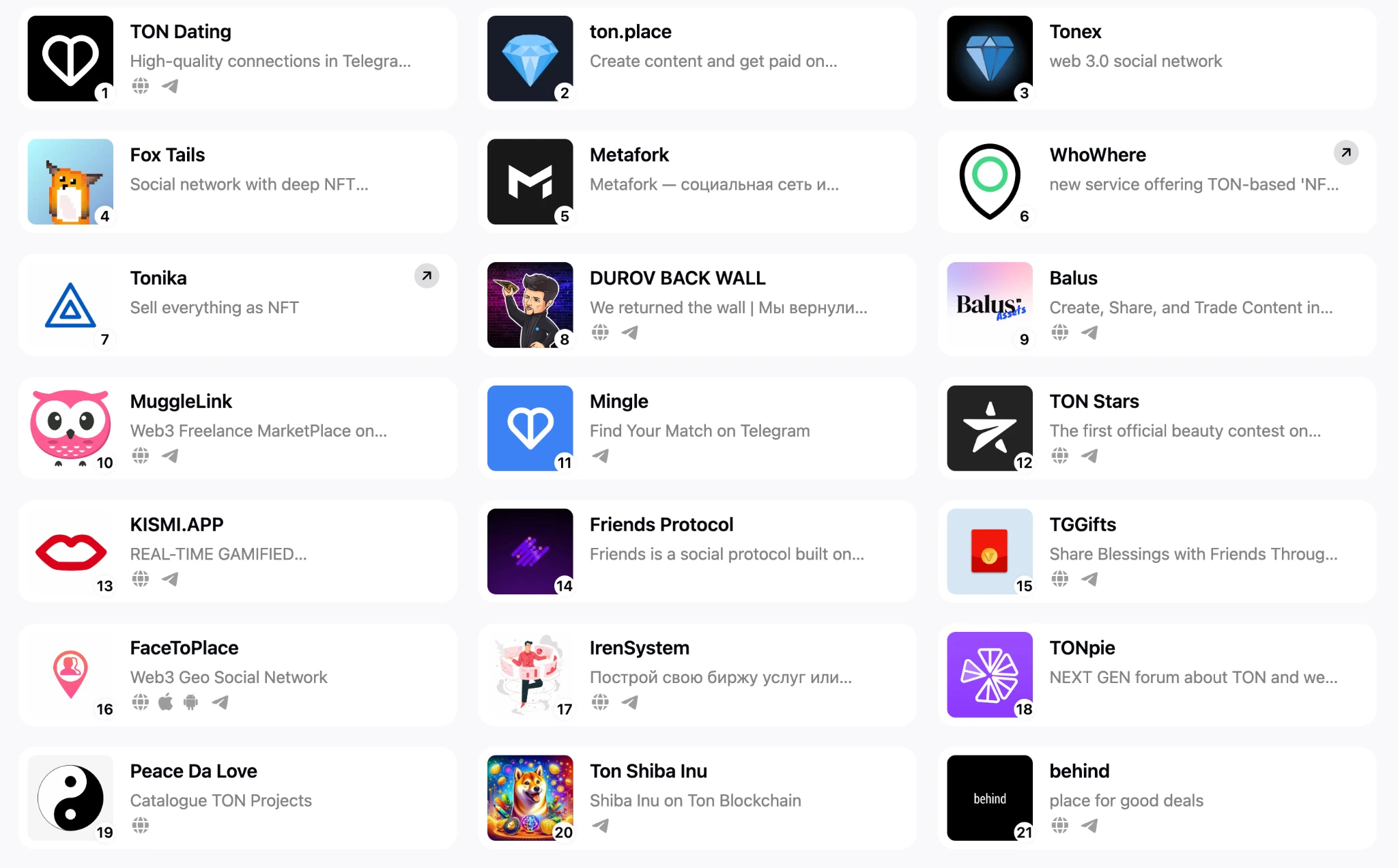
Socials, Source: ton app
TON Dating is currently one of the most popular social products, and we find that these products are often Web2.5 products that meet user needs and are practically grounded. The monthly active users (MAU) of TON Dating in the last month reached 361,826. Another social application, WhoWhere, also shows early characteristics of Web2 products, but its interactive experience still falls short, and its user base has not reached scale, making it difficult to form effective social stickiness.
DeFi
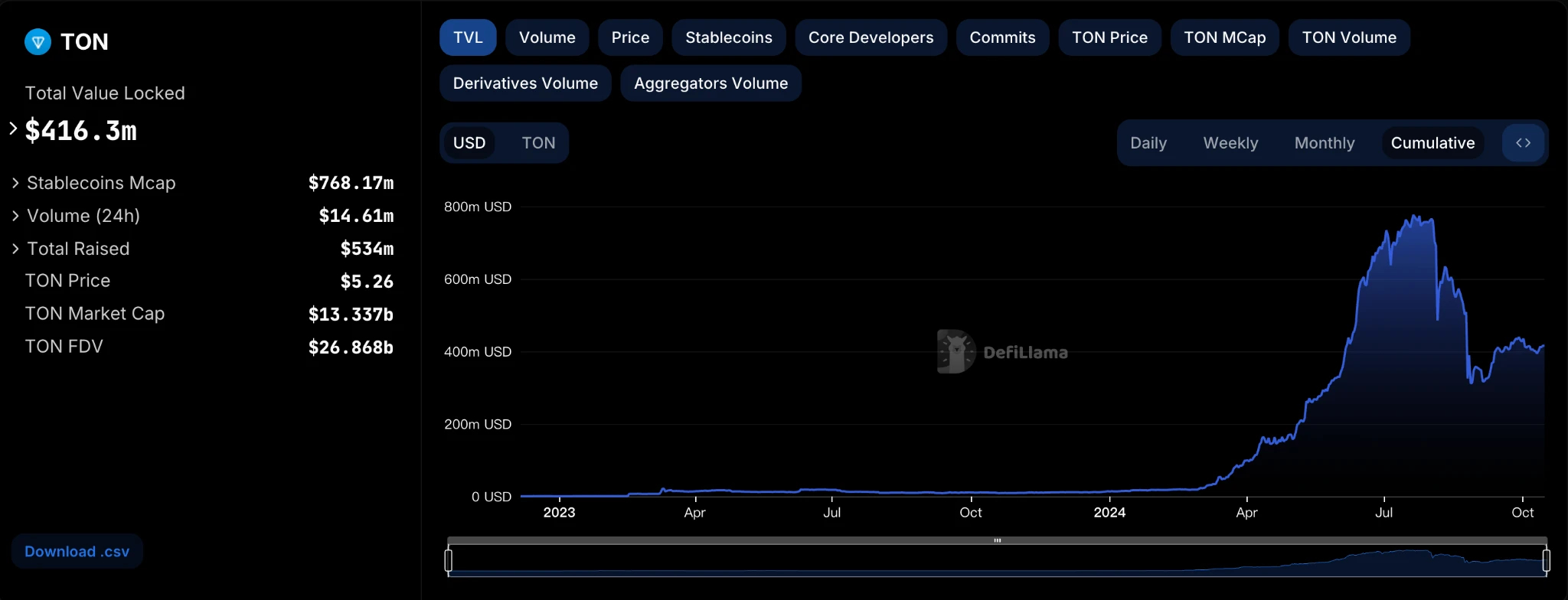
DeFi, Source: Defillama
The DeFi ecosystem on TON remains a very weak point, largely due to the low popularity of its FunC language and the developers needing to familiarize themselves with the fully native TonVM.
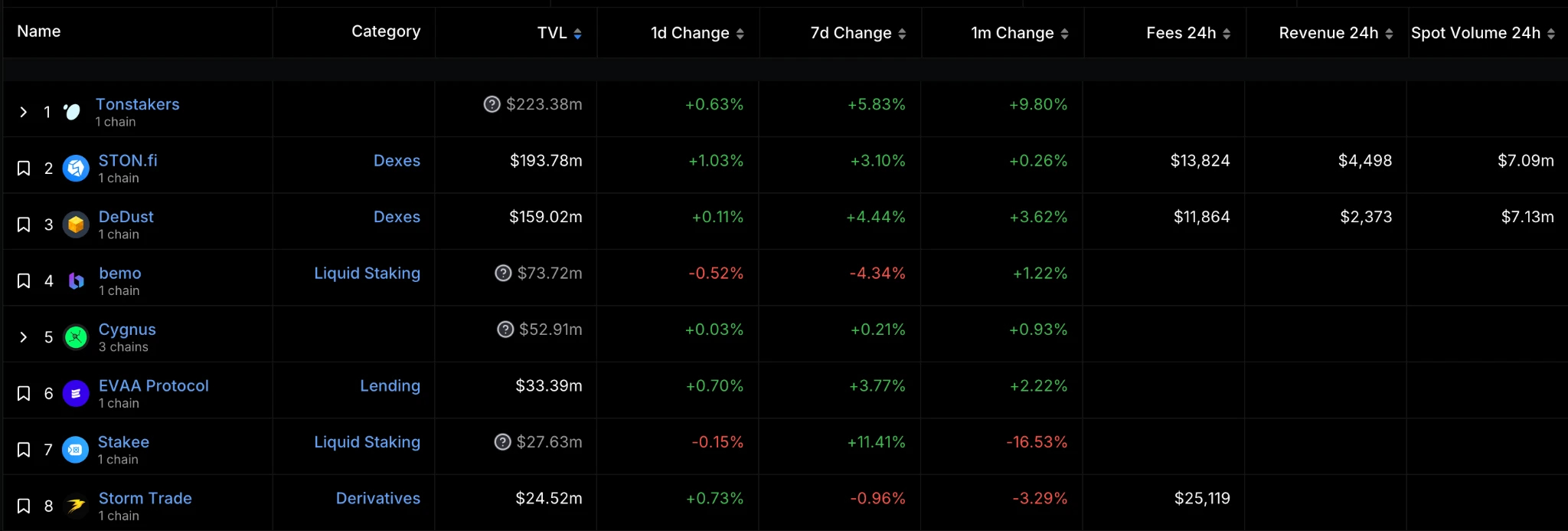
DeFi Rankings, Source: Defillama
There are only 8 ecosystem projects on TON with over 10 million TVL.
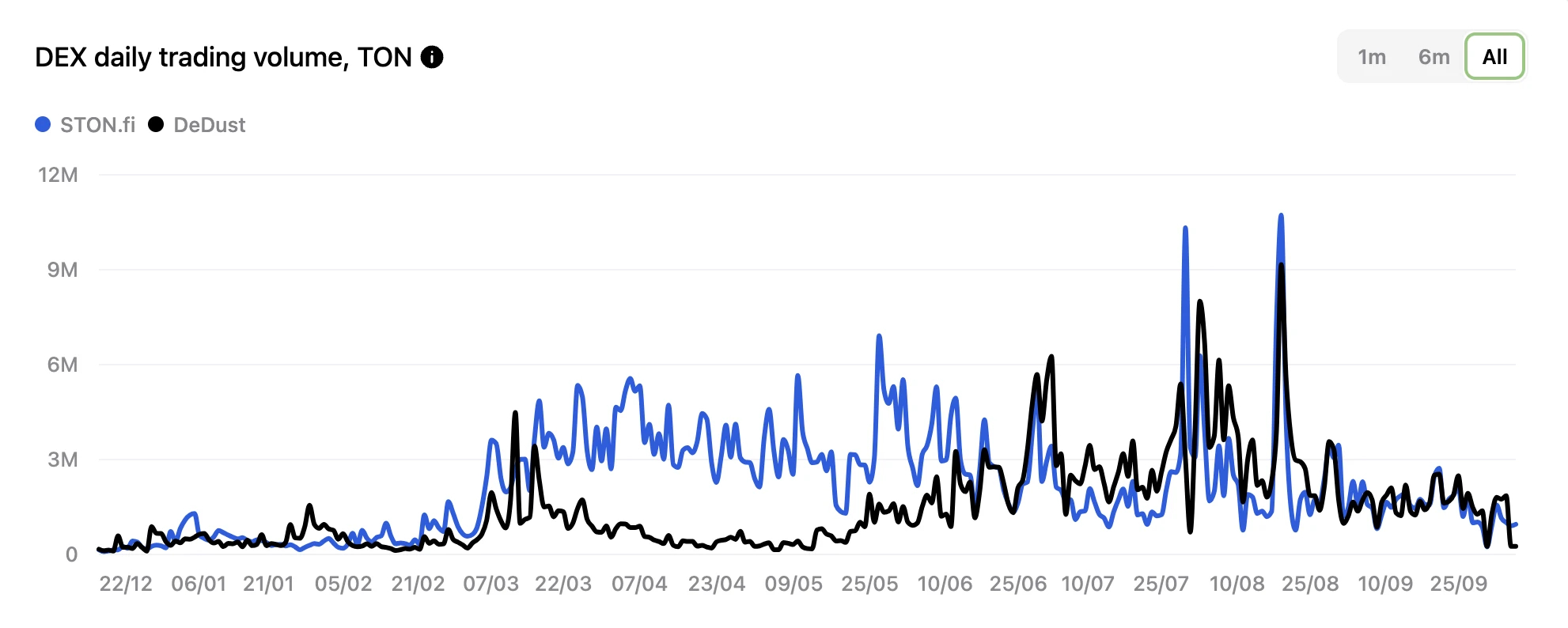
TON on-chain transaction volume, Source: TON Stat
TON Stat recorded the daily trading volume of two major DEXs. After a wave of TON chain achieving token issuance and wealth effects, its DEX trading volume has shown a decline.
Stablecoins
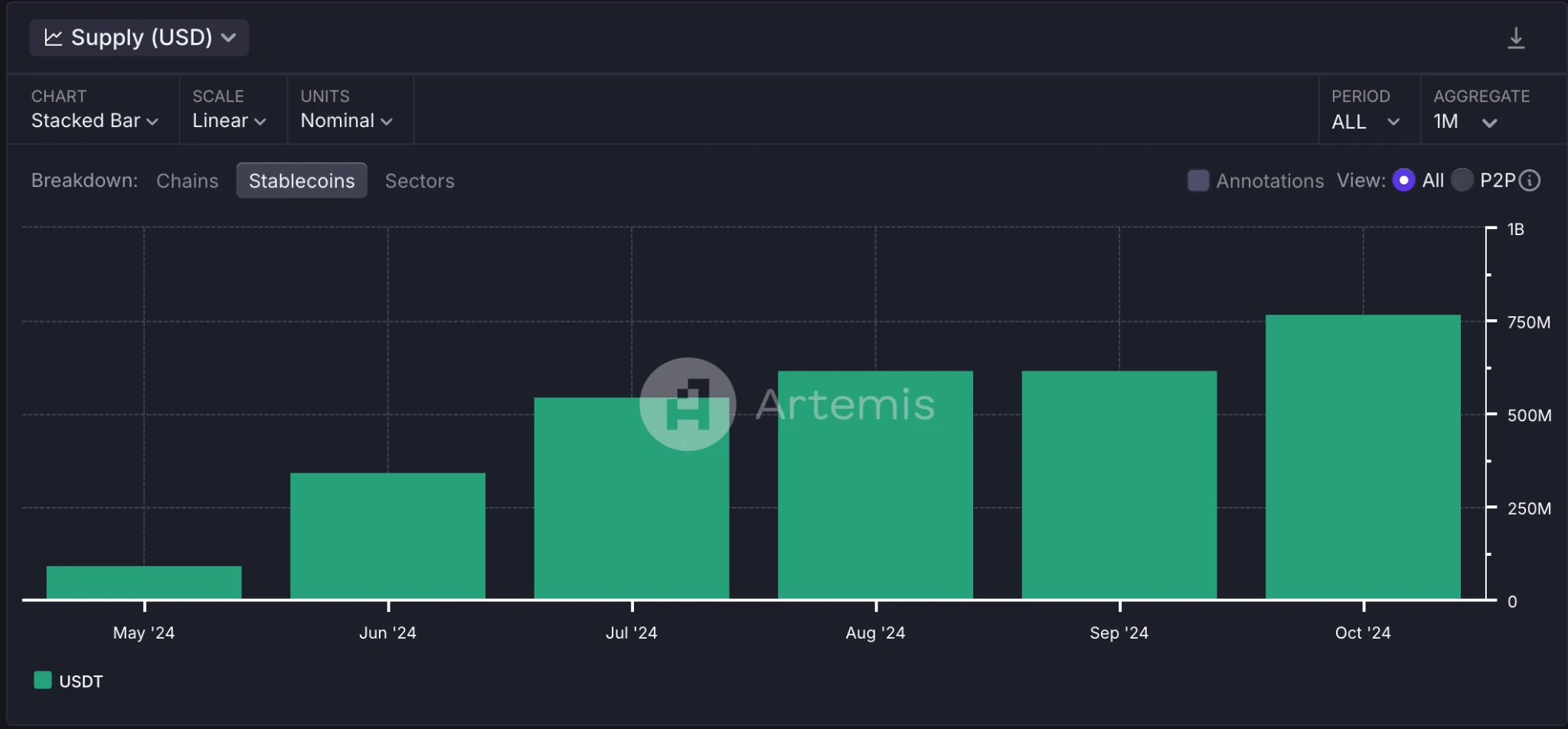
TON stablecoins, Source: Artemis
The transfer fee on TON is approximately 0.1-0.2 USD, and it naturally aligns with consumer demand based on the social platform of 900 million monthly active users. Therefore, scenarios like stablecoin transfers and other consumer finance applications are crucial for its application expansion. In traditional social software, financial lending is a key way to convert traffic, while low-interest DeFi and stablecoins (like Stablecoins) on-chain make this business more attractive.
Currently, the TON ecosystem mainly uses USDT, and its growth has been rapid, increasing from 9.4 billion in May to 7.68 billion in October, with a monthly compound growth rate of 62.23%. If blockchain technology achieves product-market fit (PMF) in consumer scenarios, it can be foreseen that the DeFi system on TON has tremendous growth and exploration potential.
On-chain data
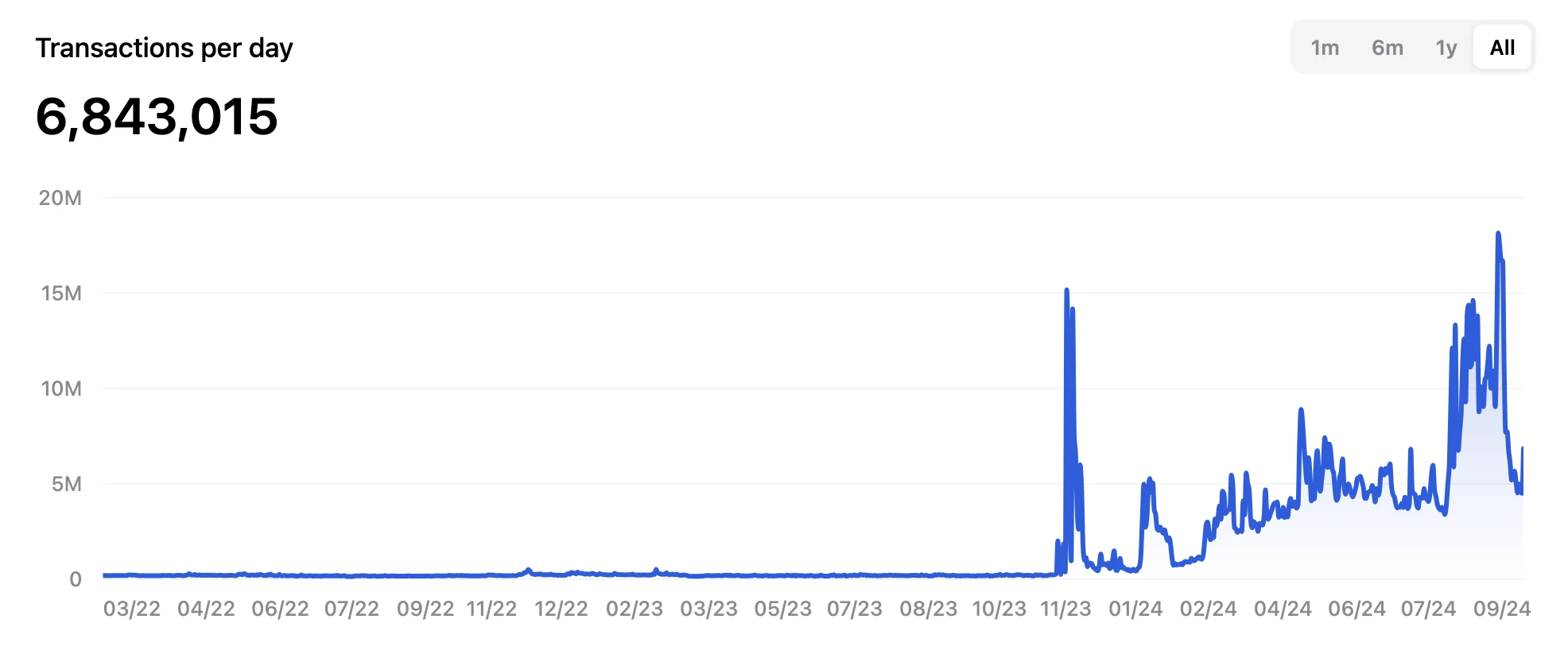
TON on-chain transactions, Source: TON Stat
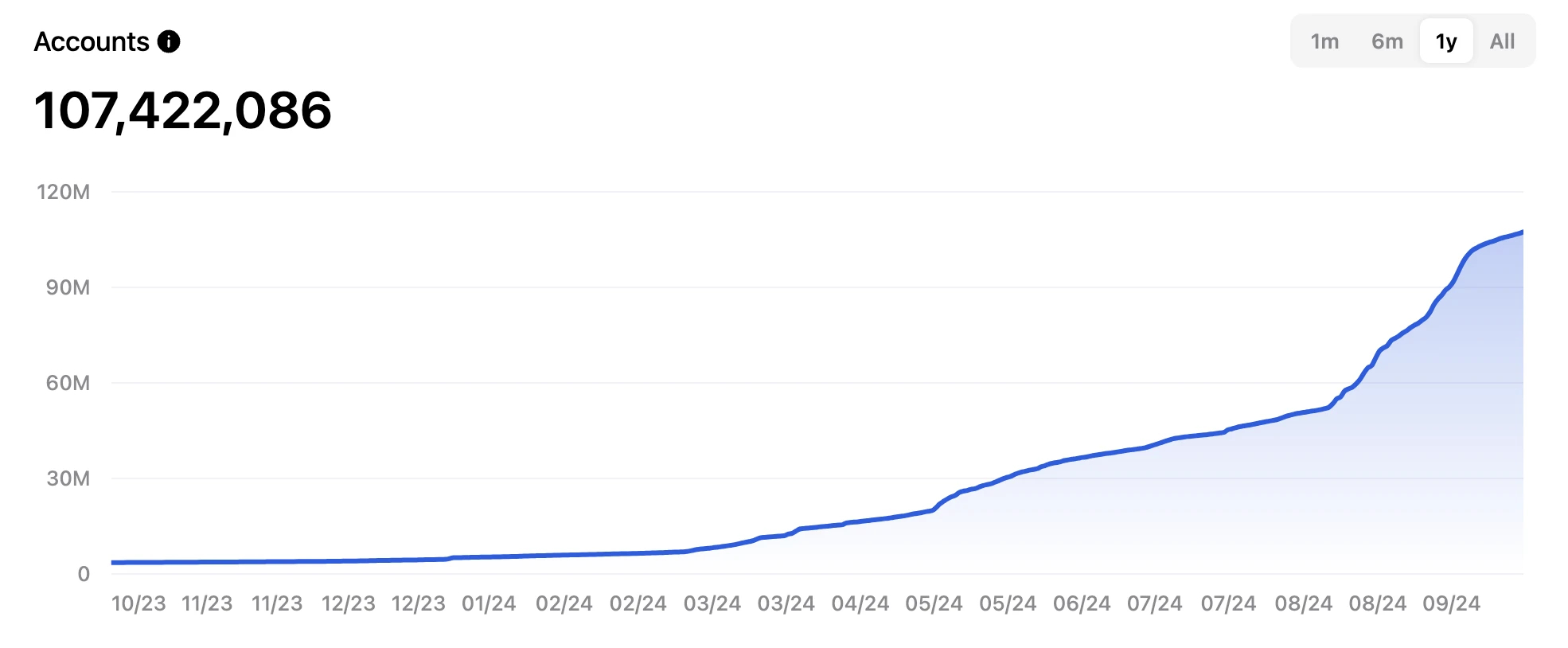
Number of on-chain accounts, Source: TON Stat
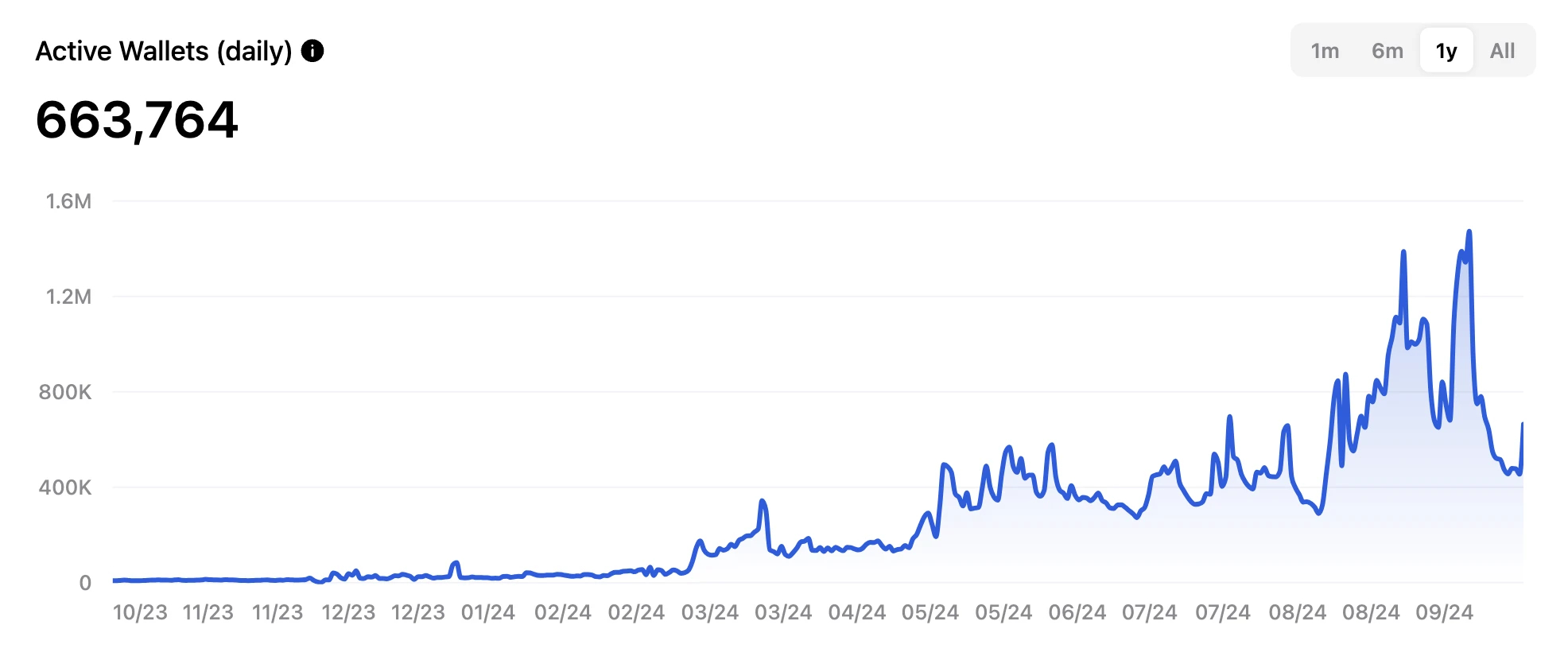
TON on-chain daily activity, Source: TON Stat
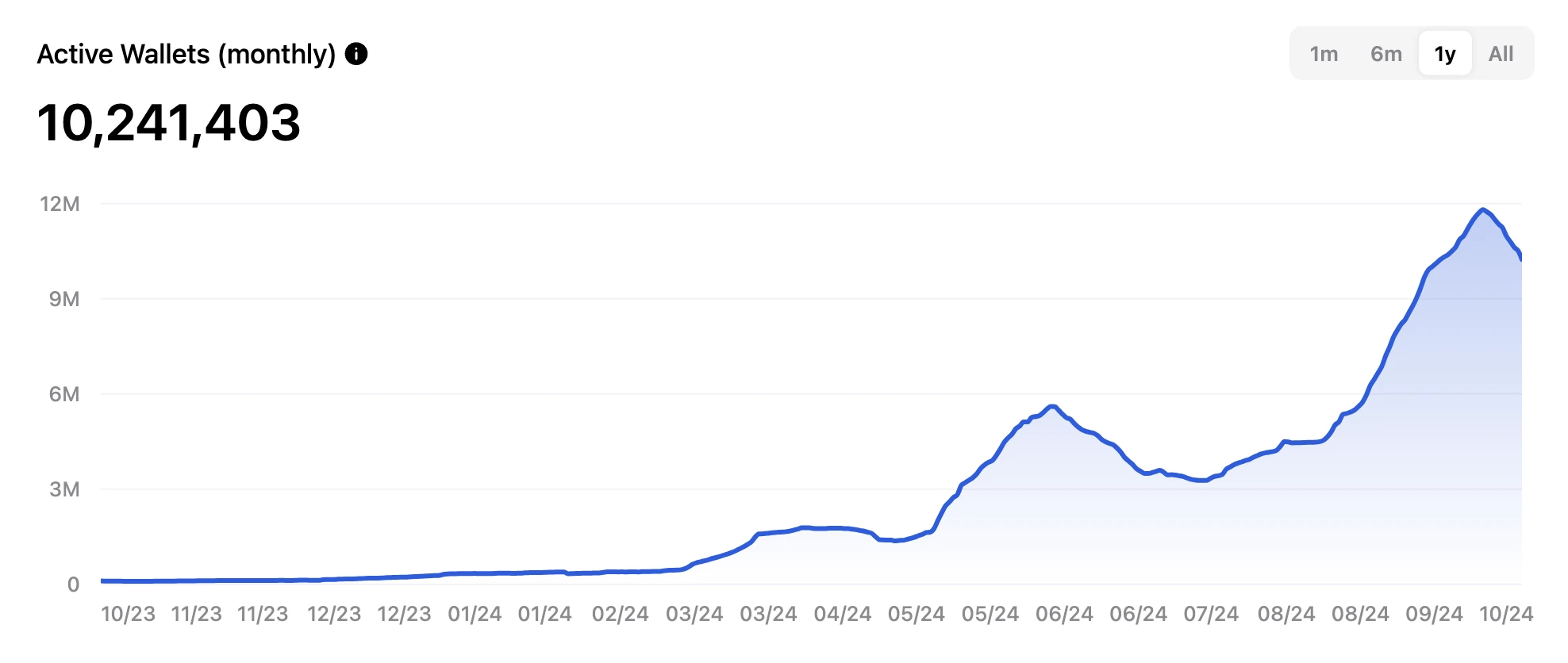
TON on-chain monthly activity, Source: TON Stat
The number of wallets on TON experienced an explosive growth over six months, surpassing 100 million wallets. However, various data indicate that the first wave of growth momentum in its ecosystem is starting to slow down, including monthly active, daily active, etc. The initial growth of the ecosystem was mainly driven by simple games like Tap to Earn, but the retention and conversion rates indicate that this simple eco-driven growth has nearly reached the vast majority of reachable users, and the remaining users require more refined products for further exploration.
Overall, the retention rate of the ecosystem on TON is still very low, with Catizen only at 14%, and Hamster, a purely Tap to Earn application, only at 7%. However, improvements in application content still have a significant impact on retention rates. The current main business model for the ecosystem is to attract users through airdrops, with a game as the flagship, increasing the task system to direct traffic to other ecosystems, and in-app purchases. The user experience (UX) remains poor, and it is impossible to maintain token prices after issuance. The gameplay remains single, and the revenue model is very fixed. The traffic explosion is accidental, so no new products have been launched in a timely manner post-token issuance to improve retention rates and secondary conversion.
Currently, apart from the booming development of GameFi, the construction of other categories within the TON ecosystem is still in a very early stage, with only 8 projects in DeFi applications breaking through 10 million USD. Consumer applications are also at an initial development stage, with a relatively weak infrastructure. Most projects have yet to find a product-market fit (PMF). This reflects both the current limitations of the ecosystem and reveals potential opportunities for the future. As the initial growth model of 'on-chain equals earning' gradually ends, the future will depend on how to convert the remaining 75% of unchained users into on-chain users and retain the existing 25% users, relying on refined operations of the ecosystem and the discovery of real PMF in consumer application areas of blockchain technology.
Future
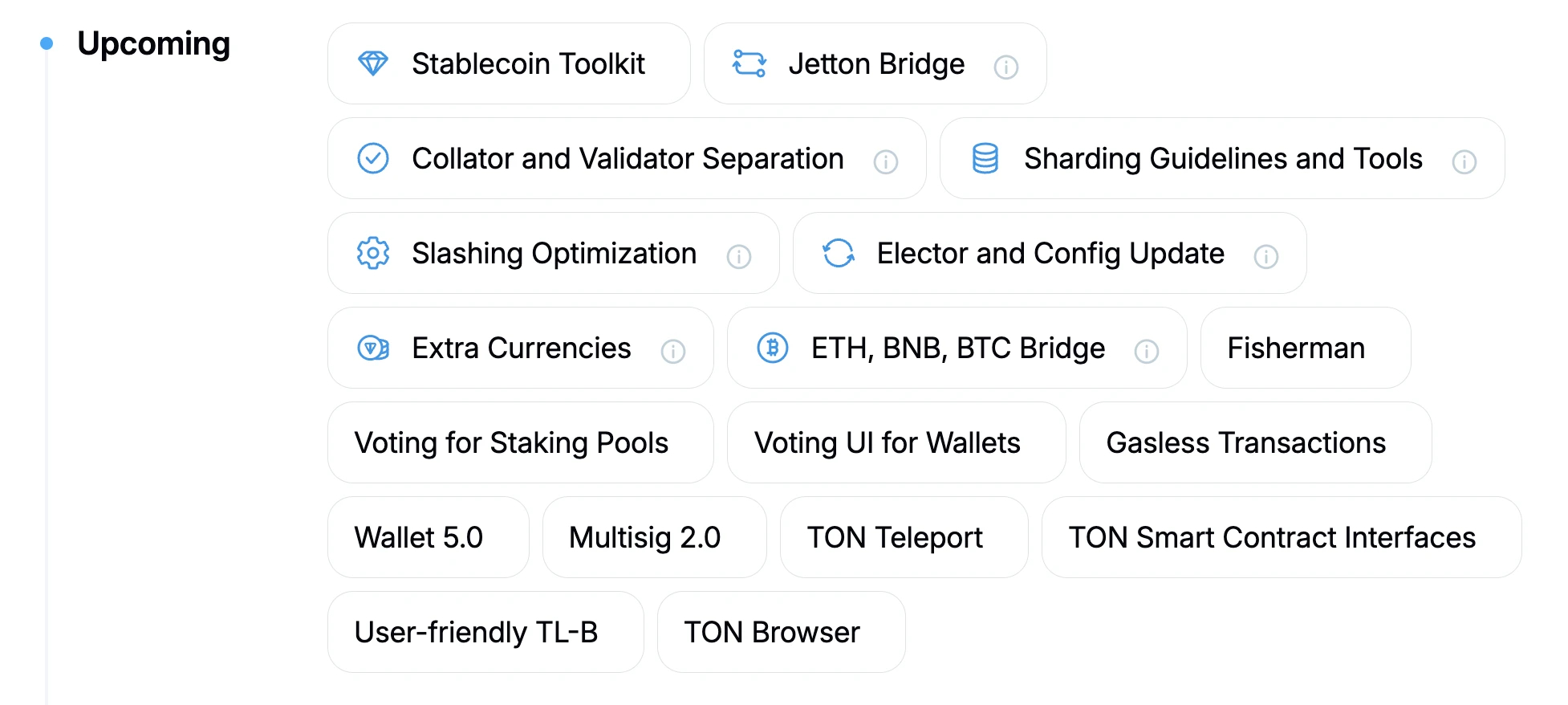
TON Roadmap, Source: TON Website
TON has also published its future work roadmap on its official website, all of which are conducted in parallel. Among them, we believe that the following three have significant strategic importance for TON's future development.
1. Gasless transactions: This is the most interesting milestone in the 2024 TON roadmap. No other major chains provide gasless transactions, so TON could completely change the blockchain field and attract more users from other ecosystems. In every blockchain, users must pay gas fees for their transactions. Blockchain protocols cannot eliminate gas fees, as they prevent spammers from flooding the network by sending thousands of transactions per second. TON may subsidize gas fees for certain scenarios (such as Telegram wallet or USDT transfers) to attract more users to use TON for their daily needs.
2. Technology and user expansion: TON plans to attract 500 million Telegram users by 2028 and utilize sharding technology to provide sufficient transaction execution time and lower transaction fees.
3. Stablecoin Toolkit: To support consumer finance, the Stablecoin Toolkit can help developers build native-supported stablecoin transfer services and financial services built on stablecoins.
Economic Model
Token Distribution
From July 2020 to June 2022, TON initially adopted a PoW mechanism, with an initial token supply set at 5 billion TON, of which the team allocated 72.5 million TON (1.45%), and the remaining 4.9275 billion TON (98.55%) was pre-mined. Reports indicate that addresses associated with the TON Foundation mined around 85% of the tokens. Notably, in 2023, community votes decided to freeze inactive accounts for four years, involving about 20% of the token supply.
The TON Believers Fund is launched by locking smart contracts, allowing TON holders to lock their tokens for five years—comprising a two-year cliff period, followed by three years of linear release. The deposit period ends on October 23, 2023, with approximately 1.033 billion TON locked, along with about 284 million in rewards, totaling about 1.317 billion TON locked for two years. Starting from October 12, 2025, approximately 37 million TON will be unlocked every 30 days in 36 installments to increase the circulating supply. After these two locking events, the total circulating supply of TON has decreased by about 2.3 billion tokens.
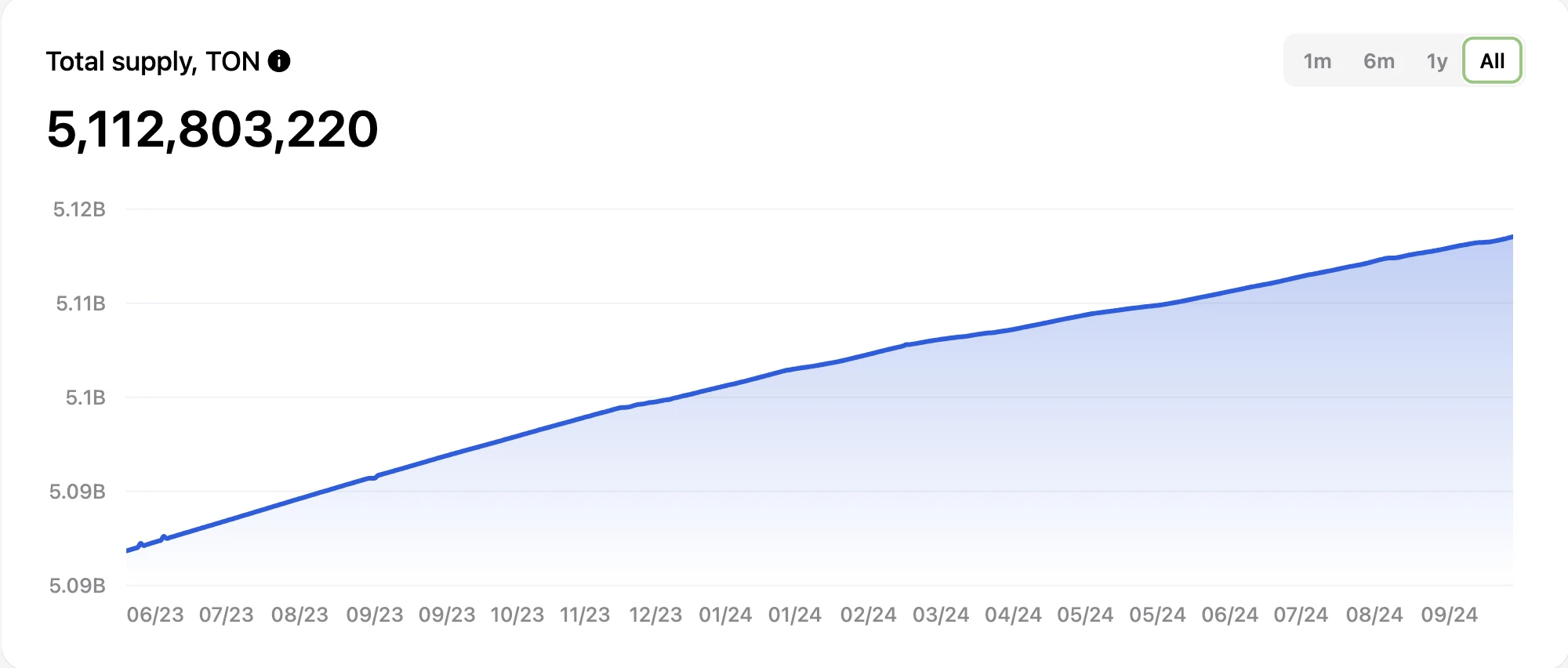
TON Total Supply, Source: TON Stat
Currently, the inflation rate of TON is about 1% per year. As of September 9, 2024, the total supply is approximately 5,112,895,953 TON. According to CoinMarketCap data, the current circulating supply of TON is 2,536,837,448, with a market cap of 12.8 billion USD and a fully diluted valuation (FDV) of 25.7 billion USD.
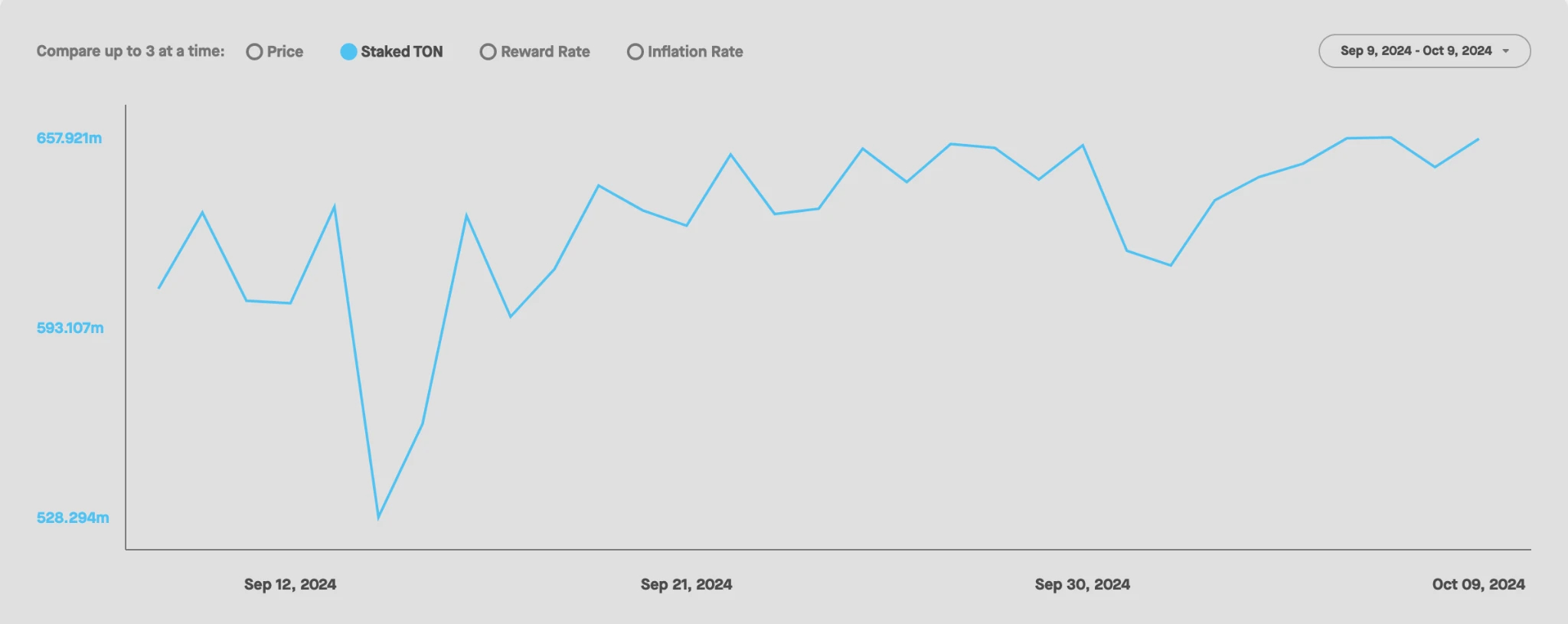
Staked TON, Source: StakingRewards
As of October 9, 2024, according to StakingRewards statistics, the total staked TONcoin is 657.4 million.
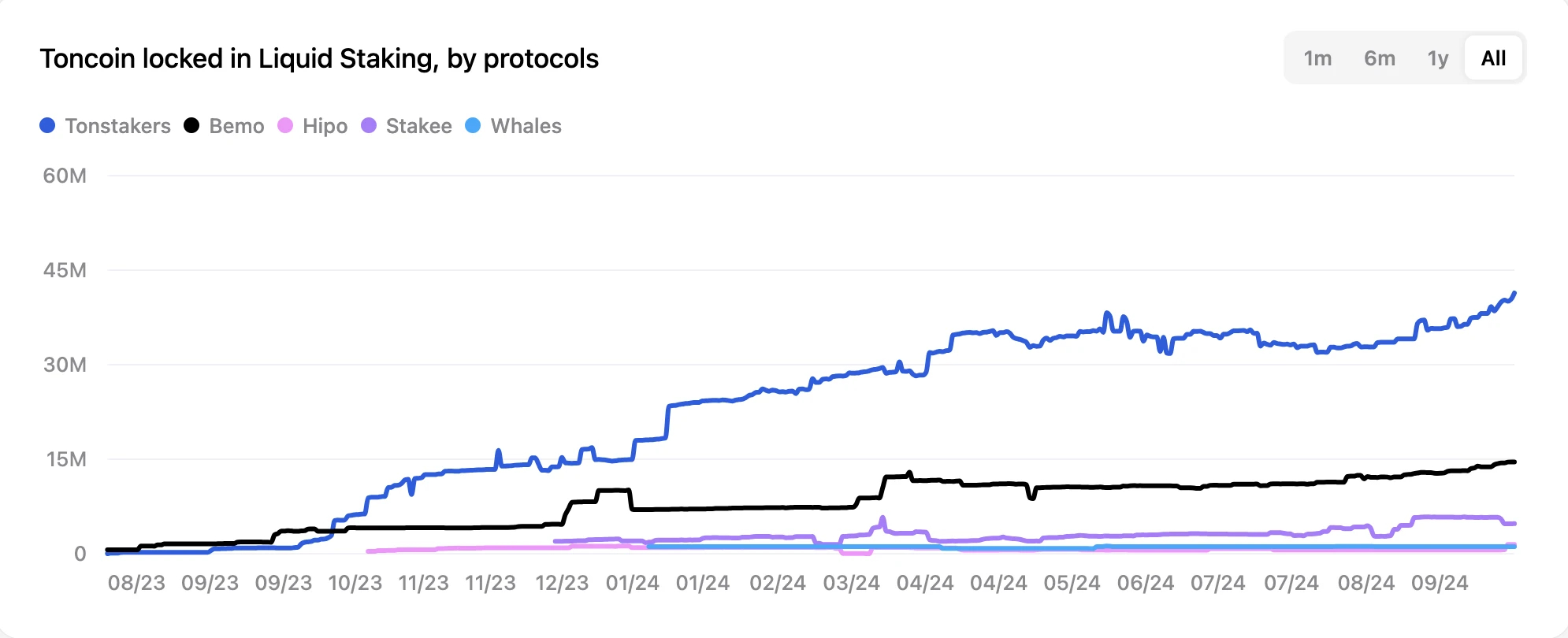
TON LSD development status, Source: TONstat
According to Tonstat statistics, the traditional staking amount of TON is 616.6 million, and Liquid Staking is 62.3 million. Referring to the development of other on-chain LSTs, the staking ratio of TON still has considerable room for improvement. Taking the relatively low staking ratio of Ethereum (28%) as a reference, TON's staking ratio still has 220% growth potential. If Liquid Staking accounts for 45% of the overall staking ratio, then TON's LSD still has about 445% growth potential.
Transaction Fees
It is difficult to calculate the fees on TON in advance, as the amounts depend on the transaction runtime, account status, message content and size, blockchain network settings, and many other variables that cannot be calculated before sending the transaction.
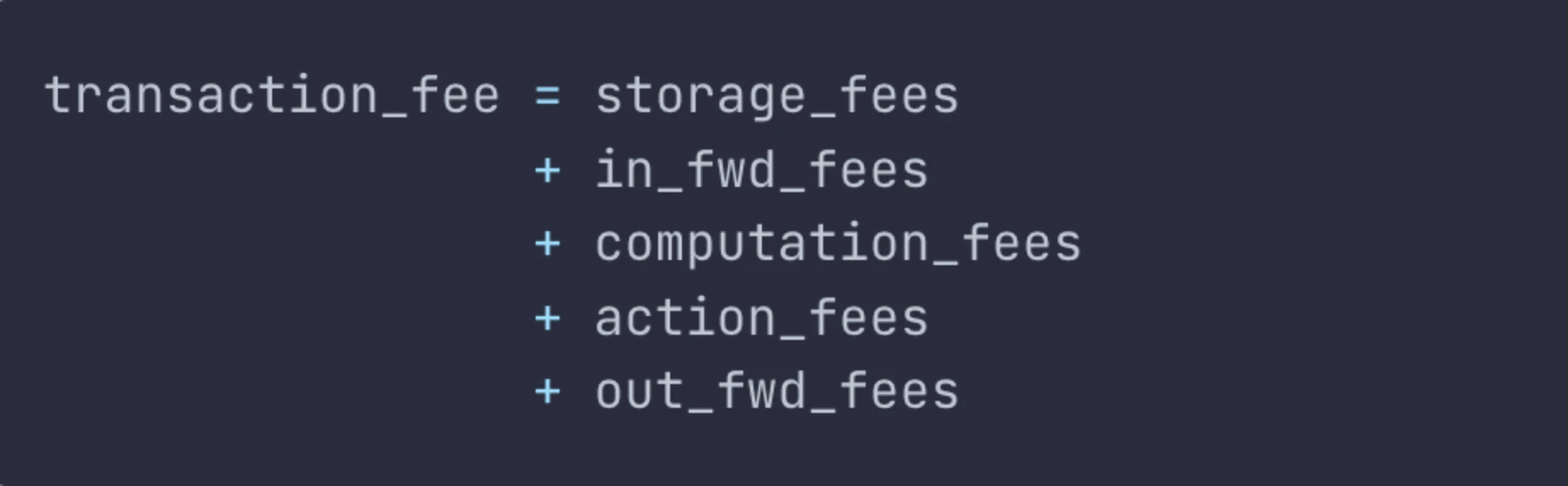
Fee calculation formula, Source: TON
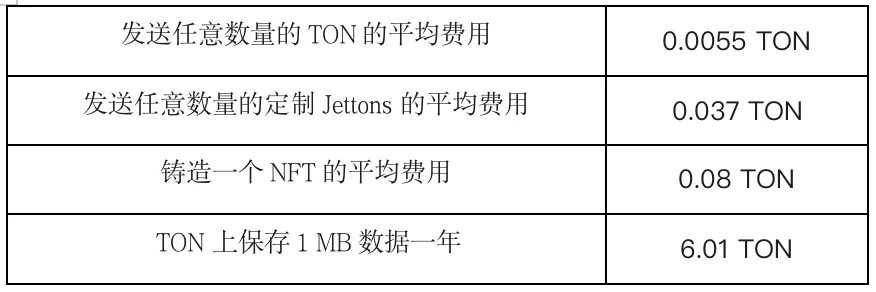
Fee details
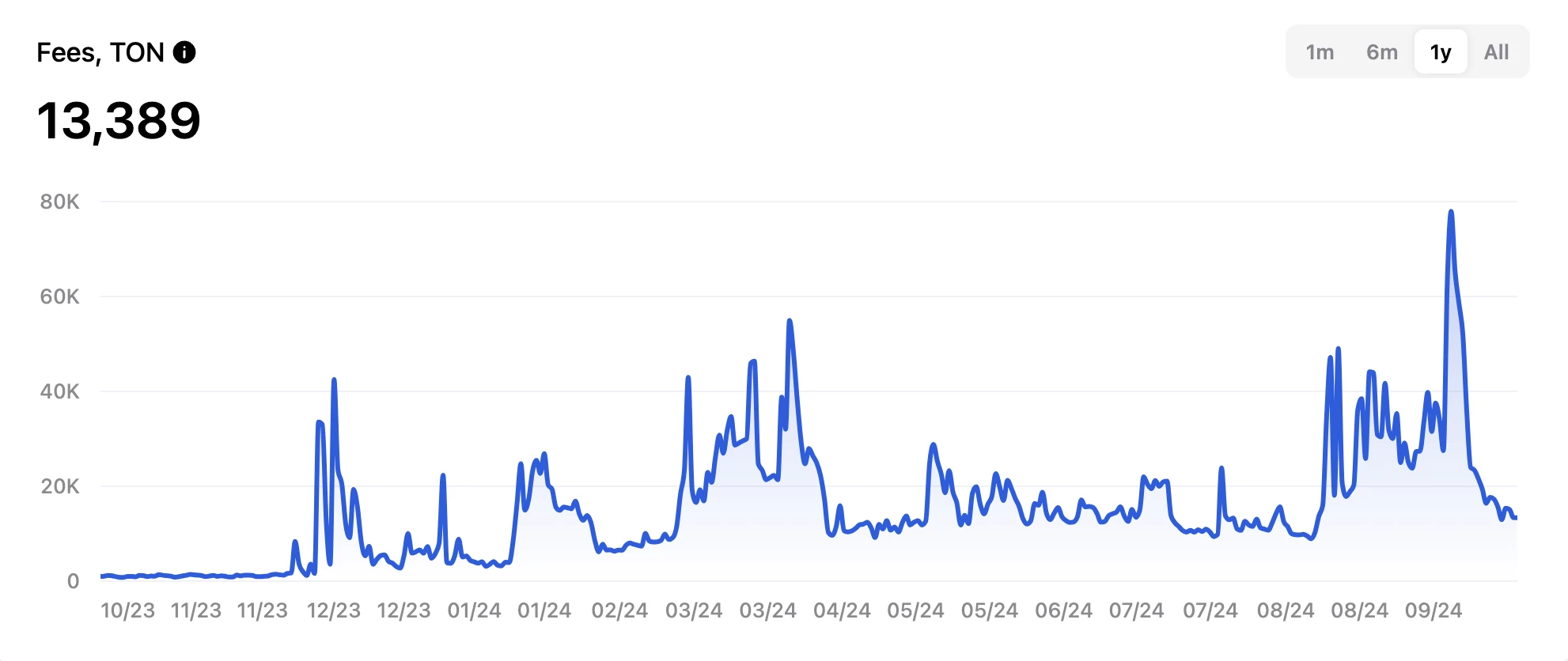
TON transaction fee revenue situation, Source: TON
Recently, TON's data has seen some decline, but even so, based on daily transaction fees of 13,389 TON, the annual fee income is about 5 million TON, equivalent to about 25 million USD. In comparison, Jito's fee income on Solana is 200 million USD, while Ethereum's annual fee income is 660 million USD.
On-chain addresses
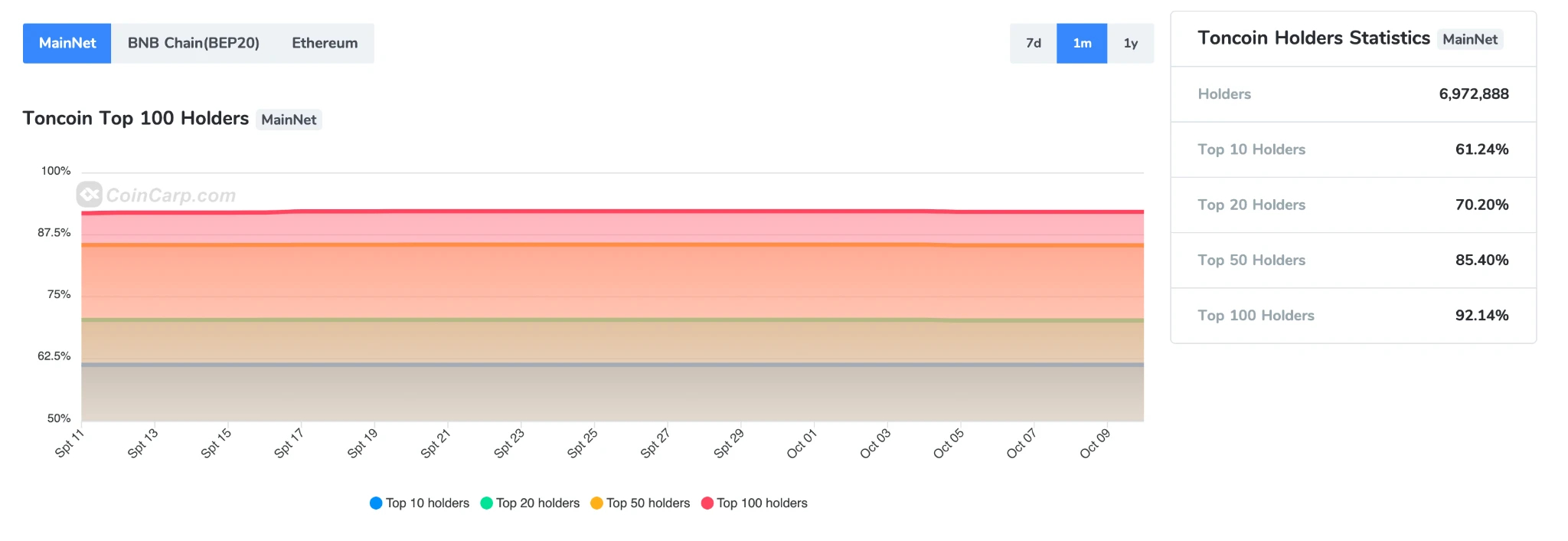
Ton top100 holding tokens, Source: coincarp
TON's on-chain holdings are very concentrated. As mentioned in the token distribution section, about 85% of early mining addresses are associated with the TON Foundation.
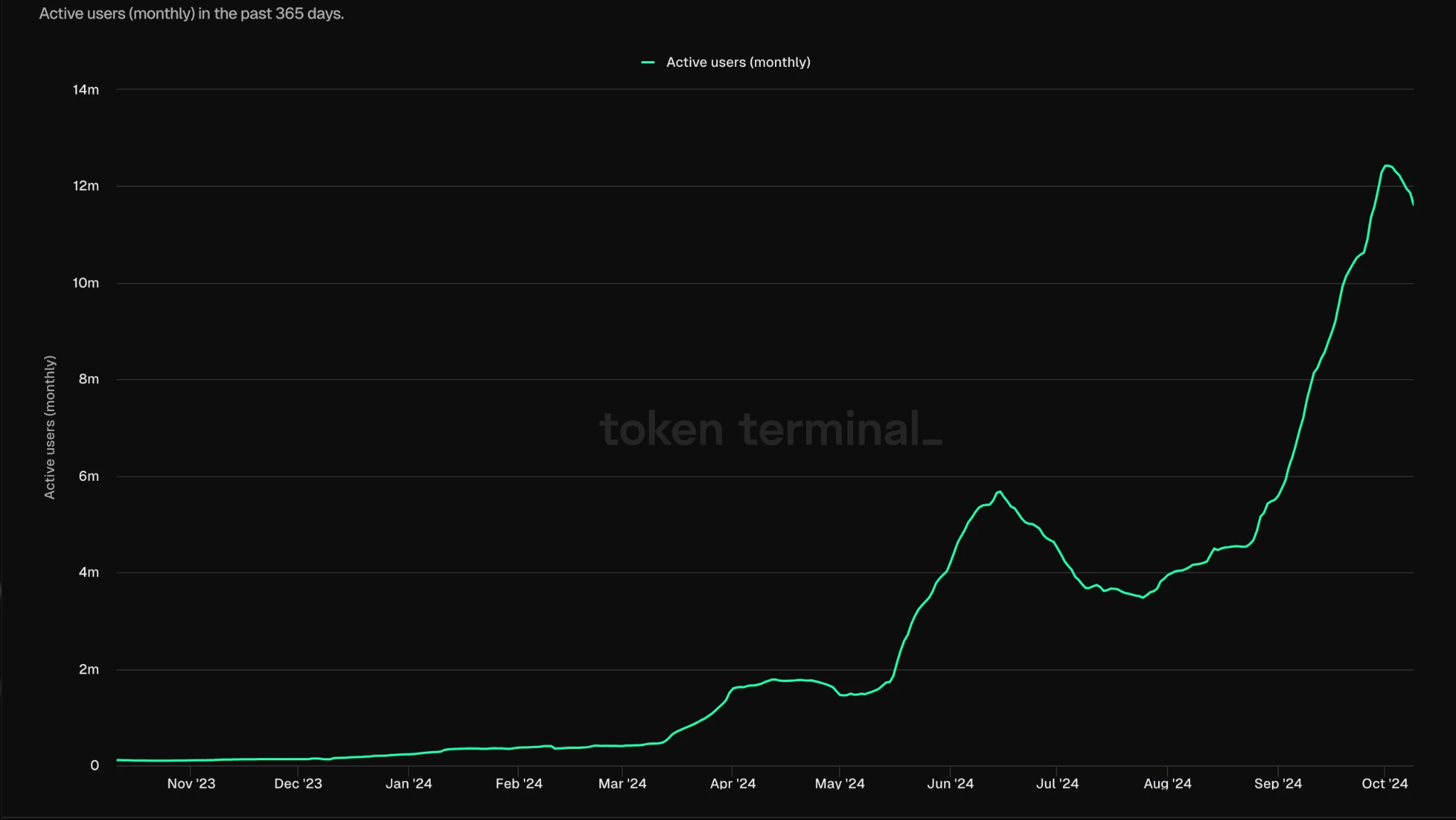
TON MAU, Source: Token terminal
With the massive traffic foundation from Telegram, since the TON Foundation took over development, its monthly active user count (MAU) has seen significant growth. According to data from Hamster Kombat, TON currently has about 240 million users (approximately 25% of Telegram's MAU), but the peak on-chain MAU is only about 12 million, indicating a low conversion rate of Telegram users to the TON chain at only about 5%. This low conversion rate also signifies tremendous potential opportunities. We believe that the barriers to conversion of Telegram users (TMA) to on-chain users may lie in the user experience (UX) of wallets and the lack of user knowledge about blockchain.
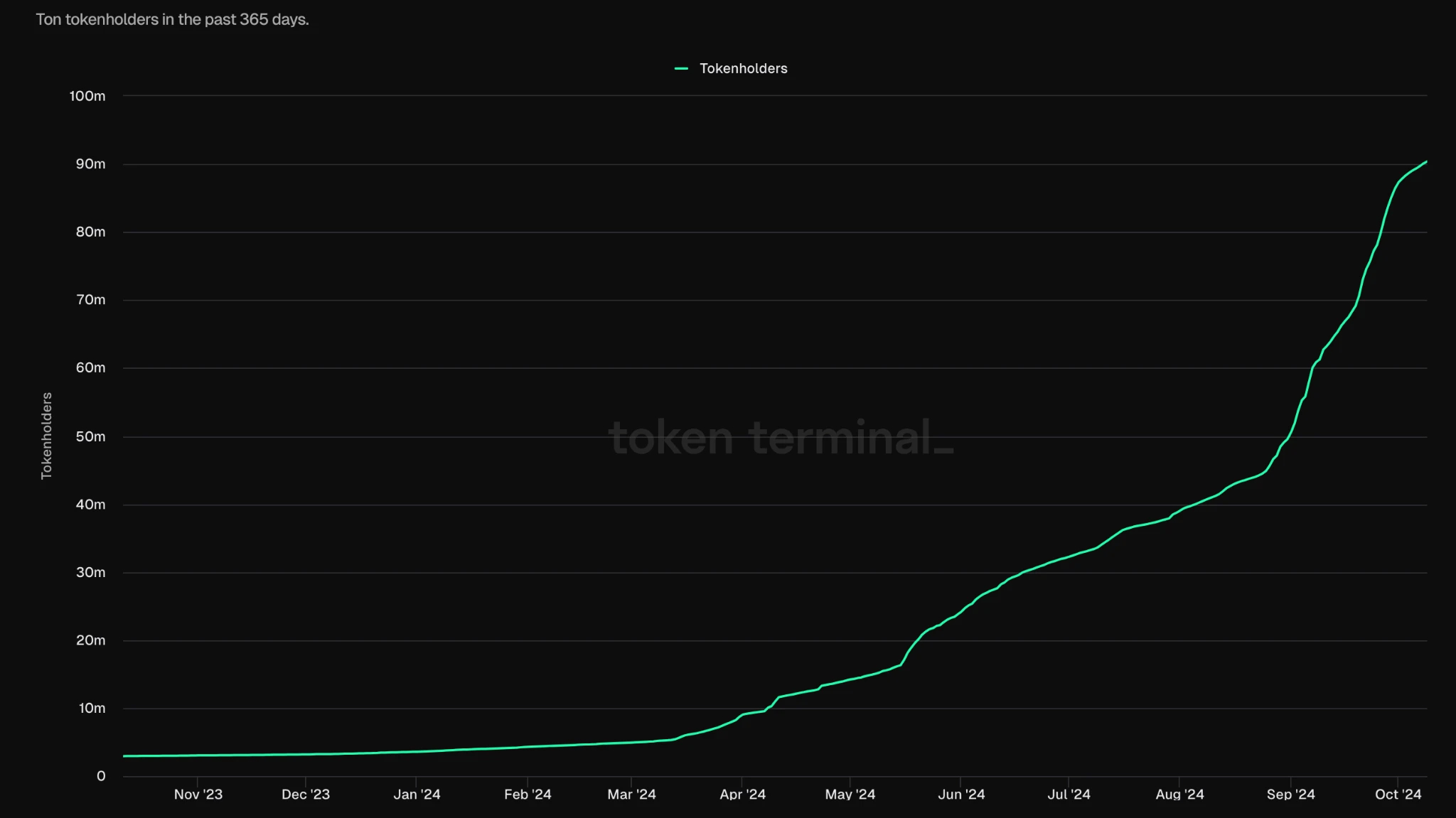
Token Holders, Source: Token Terminal
Currently, there are about 90.4 million token holders on-chain, but after a surge from May to October, the growth rate has noticeably slowed. Hamster has nearly reached most of the potential conversion users. Next, how to tap into the remaining 75% of users on Telegram and convert more active on-chain users from the existing 25% will require more genuine and relatable application scenarios.
Ton Chain Revelation
From the combination of Telegram and the TON blockchain, we can derive many profound insights. This integration not only expands the functional boundaries of social platforms but also provides new development ideas for other social applications like WeChat and LINE. First, relying on a massive user base, social platforms can rapidly popularize blockchain technology, lower the entry barriers for users into the digital asset realm, and further enhance user stickiness. Secondly, by building a rich decentralized application ecosystem, platforms can provide diverse service experiences to users, attracting more developers to participate, thereby forming a virtuous cycle ecosystem. Especially in the decentralized finance ecosystem, blockchain technology significantly enhances financial transparency, lowers user entry barriers, and reduces intermediary costs.
For applications like WeChat, LINE, Facebook, etc., which have large user bases, innovative business models such as decentralized digital asset trading, finance, and social value on-chain development can open new revenue sources and growth space for the platform. In countries where token issuance is legal, these utility tokens, which differ from traditional equity, can enjoy global liquidity, thereby significantly enhancing enterprise revenue and profitability.
However, the combination of TON and Telegram still faces some core issues in blockchain technology and industry development. Even with the incentive of 'on-chain subsidies', the on-chain adoption rate of Telegram users is only 25%, leaving 75% of users not on-chain. Among these 25% of users, we roughly estimate that the retention rate of a simple Tap to Earn application is only about 10%. The first wave of traffic growth and wealth effect in the TON ecosystem is nearing its end, and the focus ahead is on how to effectively convert these on-chain users and high-traffic application users through products that have true Product-Market Fit (PMF) to attract the remaining 75% of Telegram users.
Overall, from multiple data points, it can be seen that the first wave of TON's explosive growth is nearing its end, and many data points are showing a downward trend. However, based on Telegram's massive traffic base and future plans to onboard 800 million users, there are still many opportunities worth exploring. For example, the lack of infrastructure within the TG ecosystem, the number of active users (DAU) in non-GameFi ecosystems, total locked value (TVL), and trading volume are all far below that of the gaming track. The potential of TON remains promising, especially in the stablecoin and consumer finance fields, where this track may achieve greater success under official promotion, allowing 900 million monthly active users to enjoy low-cost, barrier-free inclusive financial services. However, in this process, the onboarding and offboarding processes for inclusive finance, wallet user experience (UX), and the concurrent load-bearing capacity of infrastructure are all key areas that require further development.
References
(TON blockchain: a group of related whales mined 85% of TON supply)
(TON Tokenomics: An Overview)
(How to shard your TON smart contract and why - studying the anatomy of TON's Jettons)
About Gate Ventures
Gate Ventures is the venture capital department under Gate.io, focusing on investments in decentralized infrastructure, ecosystems, and applications that will reshape the world in the Web 3.0 era. Gate Ventures collaborates with global industry leaders to empower teams and startups with innovative thinking and capabilities to redefine social and financial interaction models.
Official website: https://ventures.gate.io/
Twitter: https://x.com/gate_ventures
Medium: https://medium.com/gate_ventures